




Jordan — Statement to the General Debate of the 65th Session of the United Nations General Assembly (2010)
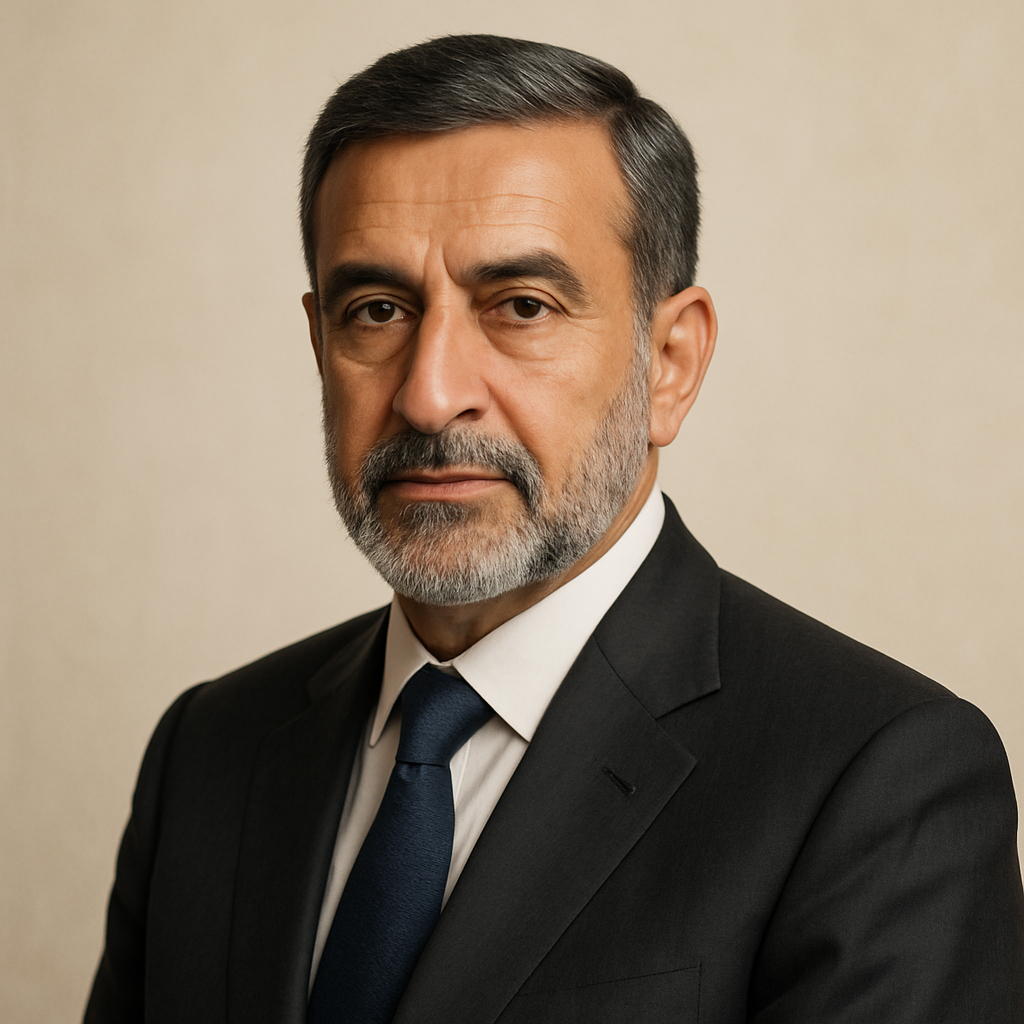
 Abdullah II Ibn Al Hussein · Head of State
- Context
- Abdullah Ii Ibn Al Hussein delivered the statement of Jordan in the general debate of the 65th session of the United Nations General Assembly in 2010.
- Main themes
- Multilateral action and UN leadership, interfaith harmony and religious tolerance, Palestinian-Israeli peace negotiations, two-State solution, Arab Peace Initiative, regional security and stability, cost of conflict and urgency of peace
- Duration
- ~5 min
- Words
- 562
- Sentences
- 33
- Readability
- 49
- Grade
- 10.7
- Syntax
- 2.90
- Vocabulary
- 2.19
UN General Assembly Translated from Arabic
The broad sphere of national life a sentence belongs to. Every sentence has an Arena, so it is the denominator the other indices are read against.
Other33 sentences in 6 paragraphs
More than ever before, our world is confronting multiple global crises which cannot be effectively addressed without a coordinated, multilateral action. No country can face these crises and provide for its future in isolation. The threats are global, and so are the solutions. A strong, central role for the United Nations is essential.
It is also essential to resist forces of division that spread misunderstanding and mistrust, especially among peoples of different religions. The fact is that humanity everywhere is bound together, not only by mutual interests, but by shared commandments: to love God and neighbour; to love the good and neighbour. This week, my delegation, with the support of our friends on every continent, will introduce a draft resolution for an annual World Interfaith Harmony Week. What we propose is a special week during which the world's people, in their own places of worship, could express the teachings of their own faith about tolerance, respect for the other, and peace. I hope that the draft resolution will have the Assembly's support. Another critical area for United Nations leadership is peace — and one peace hangs in the balance today.
With direct negotiations between the Palestinians and the Israelis, a door opens to a final, two-State settlement of the Palestinian-Israeli conflict. And the establishment of an independent, viable and sovereign Palestinian State, living side by side with Israel, will pave the way for a comprehensive regional peace. An end to this conflict is long overdue. No regional crisis has had a longer or broader impact on global security and stability. No such crisis has been longer on the United Nations agenda, or has frustrated peacemakers more. Every resource spent in this conflict is a resource lost for investing in progress and prosperity.
Every day spent is a day lost to forces of violence and extremism that threaten all of us in the region and beyond.
People are wary of disappointment, and spoilers are doing everything they can to make us fail. We cannot underestimate the importance of success, or the painful cost of failure. All of us need to support swift action, hard choices and real results. The alternative is more suffering and deeper frustrations, with spreading, more-vicious warfare. Such a catastrophic scenario will continue to drag in the whole world, threatening security and stability far beyond the borders of the Middle East. To prevent that, the talks must be approached with commitment, sincerity and courage. There should be no provocative or unilateral actions that can derail the negotiations. Instead, the parties must work hard to produce results, and quickly. That means addressing all final-status issues, with a view to ending the occupation and reaching the twoState solution, the only solution that can work, as soon as possible. The status quo is simply unacceptable — enough injustice, enough bloodshed.
Jordan and the rest of the Arab and Muslim world are committed. In the Arab Peace Initiative, we reach out to Israel with an unprecedented opportunity for a comprehensive settlement, a settlement that will enable Israel to have normal relations with 57 Arab and Muslim States, one third of the United Nations. Now we reach out to our fellow members of this United Nations. All stand to lose if the talks fail; all gain when peace is achieved. Our global and collective influence is key. Together we must tip the balance towards peace.