




- Context
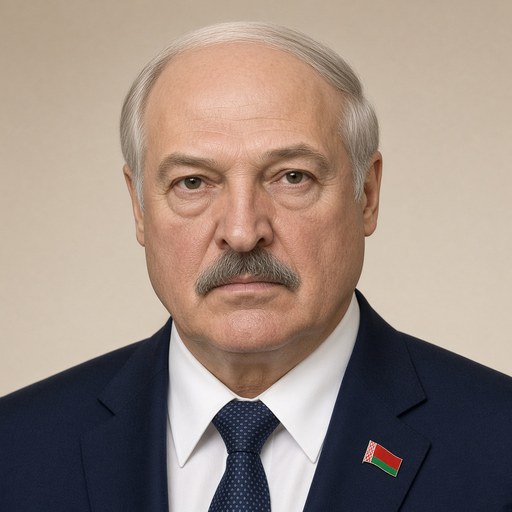
- Lukashenko addressed the VII All-Belarusian People's Assembly on April 24, 2024, marking its first session with new constitutional status as supreme governing body.
- Main themes
- All-Belarusian People's Assembly constitutional status, Belarusian political model, national sovereignty, people's democracy, evolutionary political development, strategic planning, rejection of Western liberalism, national unity, state governance reform, personnel and judicial appointments
- Duration
- ~98 min
- Words
- 11,816
- Sentences
- 868
- Readability
- 61
- Grade
- 8.0
- Syntax
- 2.66
- Vocabulary
- 2.11
Translated from Russian
The broad sphere of national life a sentence belongs to. Every sentence has an Arena, so it is the denominator the other indices are read against.
Other868 sentences in 260 paragraphs
Dear delegates of the All-Belarusian People's Assembly!
Dear guests!
Today is truly a historic day in Belarus. I believe that those who do not understand this will come to realize it over time. For the first time, the All-Belarusian People's Assembly of the seventh convocation is beginning its work in a constitutional status. For the first time, the Address of the President, which according to our Constitution the Head of State must deliver to the people and Parliament once a year, will be voiced during a nationwide forum, which will become an annual tradition.
I will intentionally leave out the issues of the real sector of the economy in my report. We have thoroughly discussed all the topics at recent meetings, which were widely covered. I am confident that each of you is familiar with them. The relevant instructions have been given. They are to be implemented.
Today's event effectively divides the history of the political life of the country into before and after. And this is an evolutionary movement and development. The historicity of the moment is defined not only by your new status, new functions, and new powers as delegates. What matters is not what we do, but how we do it — how we improve the model of political structure. Not by breaking the order, not by rejecting traditions — evolutionarily, in a Belarusian way, thoughtfully, without sharp movements, relying on the opinion of the majority.
We calmly accept the rejection of our model of political development by Western liberals. Despite this, we do not deny the progressive forms of Western European democracy. We integrate them into our political structure, into our culture, into our worldview, as long as they do not contradict our principles and values.
The All-Belarusian People's Assembly serves as the mechanism for merging indigenous traditions and global governance experience.
Look, today in this hall representatives from all walks of life, all professions and statuses have gathered (our Chairman of the Central Election Commission just spoke about this): leaders, uniformed personnel, rural workers, employees of enterprises and the service sector, entrepreneurs, educators, doctors, figures of science and art, athletes — true representatives of the people, I am sure, patriots. A Slavic assembly in its modern form. Simply put — a popular gathering, which now stands above all branches of power, whose opinion must be taken into account by the Head of State.
What is important: among the delegates of the Assembly are deputies of local councils, representatives of civil society, and parliamentarians.
We have not abandoned the Soviet democratic traditions, but have supplemented them with modern ones, corresponding to the spirit of our period and its history. And in this lies our strength. The strength that forms a nation, strengthens national statehood.
This is where I would like to begin. We are strengthening the role and status of the power of people's representatives. And it is important to emphasize that we do not separate power from the people in principle. The first President, leaders at all levels — they come from the simplest families. In Belarus, there is only one path to high positions — through the ability and desire to work honestly for the good of your country.
And no matter who we are, those of us in this hall, wherever we work, there is no distance between us. Here we all have one status — participants of the All-Belarusian People's Assembly, delegates and invitees. And I am most proud of this achievement of national democracy.
We take pride in the experience we have gained in strategic planning. For nearly 30 years, the Assembly has largely defined the state structure of Belarus. To put it bluntly, the first All-Belarusian People's Assembly saved our country.
All five-year programs for socio-economic development were implemented only after being approved by the delegates of the Assembly. The time has come to move to a new level. And we have done this. With the acquisition of constitutional status, the role of the Assembly and the competencies of the delegates have increased manifold.
Now the All-Belarusian People's Assembly approves all the main program documents that determine the economic development, security of our country, in a word, strategic issues. I emphasize: strategic issues.
Of course, delegates must understand what is written in these documents, and be able to explain it to the people. And not just explain — it is necessary to involve society in the political discourse. Today, this is indispensable.
If we do not talk to our citizens, to the people about the global goals of state development — others will do it for us. It is precisely this unified understanding of the national strategy that should further unite and strengthen us.
Another important and new task of the Assembly is the resolution of personnel issues. Now you, delegates of the All-Belarusian People's Assembly, will elect judges of the Constitutional and Supreme Courts, members of the Central Election Commission. You have been given the right to convene urgently and make decisions on the introduction of a state of emergency or martial law. God forbid there should be a reason, but the mission is more than responsible. And even the recognition of the legitimacy of elections is in your hands, all elections.
All your decisions in the hierarchy of legal acts of the country will occupy the highest position and acquire a binding character. They must be executed by all citizens, all bodies and institutions of power.
I will say more. The Assembly has received exclusive powers to suspend the decisions of any body or official.
Thus, the Assembly will become a protective buffer against possible dangerous processes that go against the interests of society and the state.
Delegates are indeed the voice of the people, the collective mind of it.
You are not just a general assembly. You are the national conscience, you are, I repeat, the voice of the people. You have no right to make mistakes. You have the right only to loyalty and devotion to your country and our people. Your mission is to serve in the name of the future of Belarus.
It is quite symbolic that the All-Belarusian People's Assembly begins its work with the discussion and adoption of the most important documents ensuring national security.
Belarus is a compact country. Belarusians are a very peace-loving people by nature, possessing a reserve of powerful life energy. A unique resource that has helped the Belarusian people survive at different periods in history. At the same time, the manic desire to be among the strong of the world is absolutely foreign to us, but we know what it means to be strong in the name of peace. This is our memory, this is our historical experience, which has cost us dearly.
This year we will celebrate the 80th anniversary of the liberation of Belarus from the German-fascist invaders.
The generation of Victors showed that the strength of nations lies not in capital, not in military might, not in ambitions. It lies in true values, in the pursuit of justice and faith in oneself.
When the enemy stepped onto the land, the Soviet country had not yet recovered from the devastation of the Civil War, people did not live in luxury. But they won. They defeated all of Europe — the rich, who had rallied under the banners of Nazism! They cleansed their country of fascists. And those who had looked down on the Soviet people just yesterday were also healed by us.
They won because they fought for their native land. And it gave them strength: strength on the battlefield, strength to endure grief, strength to restore what was destroyed, and strength not to seek revenge.
And who was made stronger by acts of intimidation, such as the bombing of Dresden, the atomic bombs dropped on Hiroshima and Nagasaki? Absolutely senseless and cruel. A disgraceful page in history — hundreds of thousands of civilians killed at the end of the war, when everything had already been decided. For what? To declare their dominance to the whole world and keep the planet in fear.
I did not delve into history by chance. The echoes of those bombs dropped on Germany and Japan were seen in Korea, Vietnam, Angola, Nicaragua, Panama, Yugoslavia, Iraq, Libya, Afghanistan, Syria. All these are new geopolitical goals, behind which stood the redistribution of oil, gas, rare metals, and other natural resources. People were killed for them!
Look at what Libya has become. Once a very wealthy country. In 2010, before the aggression, Libya's gross domestic product was estimated at more than 75 billion dollars. Now the country has descended into fragmentation and a raw material economy.
In Syria, over ten years of civil war, unleashed to change the political regime, more than 300,000 people have already died.
On Afghan territory, ISIS has revived. It is known whose project this is. It sows violence and death far beyond its camps. It is known whose money and whose weapons are behind it.
Destabilizing wars create thousands of crowds of refugees. Who benefits from this? Those who orchestrate and watch this bloody saga spanning decades from across the ocean. They watch and count the profits.
Western transnational businesses, mainly Anglo-Saxons, have significantly enriched themselves in recent years. This is true. But tell me, have Washington and London become stronger in terms of political reputation, authority on the international stage over these years? No. On the contrary, we see how the image of once truly influential powers is crumbling. And it is not far from economic collapse. Experts are already loudly speaking about the fragility of the global dollar pyramid.
Wars for money and for the sake of money have never made anyone stronger. Creditors of wars have either enriched themselves through arms trade or by plunging others into debt, as we now see in the case of our fraternal Ukraine.
Whose positions were strengthened by the slaughter between Israel and Palestine? Syria and Lebanon are drawn into the war in the Middle East. And look how skillfully and subtly everything is being done to pit Israel against Iran, practically nuclear powers. This is, of course, far from us, but only geographically. In terms of Belarus's interests, including economic ones, it is very close.
That is why they are pulling the flashpoint of tension southward, to finally destroy the Eurasian market, cultural, friendly ties. To anticipate your question: who is doing this, it is clear. And for what purpose, in the name of what? Because the hegemon is losing its hegemony. And hegemony in the world for them is immense wealth. You can do nothing, having a printing press, print dollars, maintain hegemony in the world, and be rich.
And what about the north, at our western borders?
Have many of our neighbors become stronger today? For example, the Baltic republics, which were so eager for their independence. Have they managed to become equal participants in the global political process? What do they influence today? They have lost everything that the entire Soviet Union was proud of — ports, fishing fleets, industry, energy security, transit, tourism opportunities. And now they are rolling downwards. Even despite the generous infusions from Brussels.
The struggle against Belarus and Russia is proving to be very costly. In 2023, the gross domestic product of Lithuania and Latvia decreased by almost 1 percent, while Estonia's fell by a full 3.5 percent.
Politicians, perhaps, are not too concerned about this. It is ordinary citizens who pay the price. Their incomes and salaries are falling, while prices and taxes are rising. Latvians and Lithuanians have lost more than a third of their population over the years of their so-called independence.
The hostility of the Baltic states towards their eastern neighbors has led to a rejection of the history of a great country. They have severed themselves from the source of strength. No matter how you look at it, the Soviet period was indeed the "golden age" of their development for Lithuanians, Latvians, and Estonians. By the way, thanks to the Soviet state, Poland and Finland gained their independence.
And in this history, I note, none of them were ever reproached with facts of betrayal and collaboration with the fascists. Yet this was part of their history. They preserved their national dignity. And those, as it turned out, all these years kept a stone in their bosom.
The same story applies to the Ukrainian regime. Just think — a flourishing country. Fertile land — half of the periodic table in the soil, two seas, mines, industrial giants. A creative, hardworking people. Live, rejoice, and prosper. And they did prosper. Only very few — in the best traditions of democracy in a Western European way. Oligarchs and those in power monopolized all resources. Oligarchs, having received the wealth created by the people, then wanted power as well. This has always been the case and will always be.
They entered politics and began to drag bandits and the people into their disputes. First, they divided, then they started shooting at each other and trying to redistribute. This has always been the case in history, and it will be so again. The Maidan erupted. And Western intelligence services got involved and began to play the national card. All this happened before your eyes. They threw in the necessary image of the enemy, the "culprit of the people's woes and poverty" — Russia, and along with it us, Belarusians. We are, you see, to blame.
"Color revolutions" do not arise and do not succeed out of thin air. I have already said this more than once. This must be acknowledged. Where the people are driven to poverty, and the upper echelons' pockets are bursting with plundered wealth, it does not take much effort to bring people out onto the streets and bring down the country.
It is enough to remind them of the accounts in foreign banks — the rulers will hand over the country themselves. There are countless examples. From Haiti to the Philippines.
And in Ukraine, all this was not created under Volodymyr Zelensky. And he is not solely to blame for what is happening. Before my eyes, from the time of the first president of Ukraine to the last, they divided, plundered, and stole. I will say frankly, I warned everyone that this would end badly. Because new presidents came, and the people hated them just as much as the previous ones. This is how it ended.
It was Belarus that had to bear the cost. Billions were thrown in to bring us in line.
We gained colossal experience from what happened. We became a united and mature nation. We truly became stronger. Back in 2020, we looked at ourselves, our lives, and what surrounds us. We assessed what we could lose. We saw the true face of both internal and external opponents and enemies. We studied in detail how the Washington regional committee's playbook works. From our own experience. I have always said: lessons, lessons, and more lessons. Smart people analyze what is happening around them and draw lessons from what is happening. We did that.
All this so-called "spontaneous self-organization of society" followed one script, starting from South America, Asia, and ending with Kazakhstan, Serbia, Kyrgyzstan, Georgia, Moldova, and Uzbekistan.
The scheme of coups has not changed for decades. They did not even bother to adapt it to the national specifics of the country, to understand who we are, who they are, where they decided to carry out the so-called "color revolution."
It is not surprising that the staging of the Hollywood spectacle with its carousel-like election queues — remember, the girls with flowers, the "hungry" tea parties with cookies, and other elements of a spectacular show — failed precisely here in Belarus. Because there were no real social reasons for rebellion and revolutionary sentiments. Remember, there were hardly any revolutionaries!
By that time, Belarusians had started living not richly, but significantly better than the level of "vodka and cracklings." Today, almost 60 percent consider themselves part of the middle class. Yes, some have become wealthy and have reached for power. This was similar to what happened in Ukraine. Right in the best traditions of that Ukrainian scenario. And behind them followed those who had never held anything heavier in their lives than a computer mouse or a mobile phone. There were also those who did not immediately understand, who succumbed to emotions.
What is important is that at that time, the world was watching us from all sides. They were watching and thinking, how will it end in Belarus, what is lacking for these Belarusians? Some were watching with hope. And NATO was already rubbing its hands and preparing for military intervention in the western regions at the very least. They were counting on chaos and blitzkrieg.
If it had not been for the resilience and courage of true patriots, we would have lost the country. If we had not stood firm then, NATO hawks would have already been under Smolensk. And the Ukrainian issue would have become our reality. But we turned out to be stronger and more united.
Remember, I warned them that we love our small, compact country very much. We love it very, very much, and "you don't give away what you love!" We warned them.
Well, we did not give it away. And believe me, we will not give it away, no matter what efforts they make.
But our southern neighbors did not hold out. Everyone understands that what Ukraine is today is a testing ground where the fate of the future world order is being decided, at least in part.
The largest nuclear powers, albeit indirectly, are already effectively waging war on its territory. And no longer indirectly. And the government has stooped to a deal with the West, exchanging weapons for the lives of Ukrainians.
It is painful to see this, but let us abstract ourselves and look at what has happened philosophically: who has become stronger in this new round of confrontation between the West and the East? Who? Not us?.. But not them either!
New attempts to crush us, Russians, Belarusians, Slavs, to destroy the sense of national pride, have united and motivated us to restore our former power. They have also shaken us up quite well.
And everyone who looks at the Ukrainian and other geopolitical tragedies, even if they do not say it out loud, understands: he who is ready to serve any master for handouts will sooner or later lose.
Everyone understands that betrayal of the past, of traditions weakens and leads to the collapse of statehood. And some are waiting for the finale, like Poland, which has its own score to settle with Ukraine. Remember, from books and movies, thank God, the Volhynia massacre.
The denouement will be dramatic. If we do not stop. But it will happen. And, judging by everything, the old order will not be saved.
And the West, if it wants to remain one of the centers of power in the new world order, should learn from ancient China.
A community of shared destiny with all humanity — that is the model of unity of nations without harming national cultures, ideologies, and sovereignties. Without suppression and a sense of superiority. Without the clanking of weapons. By the power of wisdom and intellect. The project of such a just world order proposed by China has the right to exist. Moreover, it is very close to us, Belarusians.
The United States cannot accept that China is becoming the world's leading economy. By habit, they try to speak from a position of strength. They offered support for peace and stability — I quote: "in the Taiwan Strait, if China refuses to support the Russian defense industry." They stirred up the conflict, escalated it, and now offer their services as "peacemakers."
Blackmail is a weak argument. But China had to respond to it and did so with a strong position. Quote: "Do not interfere, do not create problems, and do not cross the dangerous line." This statement from the Chinese, calm, in no hurry, is very valuable.
The world has already changed. And not in the way they dreamed across the ocean. But what do they want? What are they counting on? Listen carefully, you might agree with me. The United States, having launched a rapid attack on all the undesirables at once ("axis of evil," you know — from Belarus to North Korea, including Russia, China, Iran, and others), well, having launched this attack on everyone, realized that they made a mistake by uniting disobedient Russia and their main enemy — China.
Through their pressure, they united these two states: Russia with its rich resources and powerful military-industrial complex and China with its vast economic and human potential.
They realized that they could not cope with this alliance. I know this. I had to discuss this topic with very high-ranking Americans five years ago.
What to do? They made a mistake. They found a way out: to shift the conflict in Europe (in Ukraine in this situation) onto the shoulders of the European Union and NATO (they will help with money).
The goal is to distract, to drown Russia in a war with Ukraine, to weaken it through war and sanctions (then Russia will not be up to an alliance with China, nor to unity). And in the meantime, to deal with China, to draw into these disputes, if possible, the "interested" parties (AUKUS — the new NATO in the Pacific, adding Japan and South Korea).
This is the key to the strategy of the United States in the name of dominance in the world! Later, no one will need this. They will abandon everyone, as they showed in Afghanistan.
Therefore, on our western borders, we stand face to face with NATO. A plan has been approved to deploy a 300,000-strong military grouping on the eastern flank of the bloc. They call it a "belt of containment." It would just be nice to understand who they intend to contain?
The Poles have deployed combat units of the armed forces on the border with us to protect against the alleged "mass infiltration of migrants from Belarusian territory." Seriously?
Professional, heavily armed soldiers are standing on the border to kill women and children? Defenseless people fleeing from war! From those states they have devastated. Have you seen how they protect the border? They maim, kill, and then throw corpses and mutilated bodies at us.
In Lithuania, a brigade-level formation of the German armed forces will be deployed by 2028. The Germans still have not understood anything. The lessons from that war did not serve them well, as did the forces and means of the combined NATO armed forces numbering up to 5,000 people. Up to 20,000 NATO soldiers are concentrated in Poland and the Baltic states.
I appeal to the elders.
Remember, after World War II, the Great Patriotic War, they, the leaders, the elite of Europe, called us occupiers. And the permanent deployment in Western Europe of more than 60,500 U.S. armed forces and more than 30,000 NATO soldiers — what is that?! Is that not occupation? This is something else.
What political decisions will European leaders make under the guns of the American grouping? I have written here: a question for reflection. This is not a question for reflection. We already see what decisions they make and how independent they are.
And the United States itself? They are rapidly modernizing their tactical nuclear weapons stored at air bases in Belgium, Germany, Italy, Turkey, and the Netherlands. Tactical. In military terminology, this is called "strike-offensive capabilities." Well, if it comes to strategic, the planet will disappear. And they want to live and manage the planet as before. Therefore, tactical.
Strike-offensive components. Not defensive. So what questions do they have for us then? Why were they so agitated when we placed similar functional weapons at our bases?
The Latvians, of course, are strange. It is not a rich country. Pensioners barely make ends meet, and the youth are fleeing in search of a better life. But against the backdrop of the hysteria surrounding the threat of nuclear war, which everyone is talking about, they are spending insane amounts of money on building concrete blocks and metal barriers in the border strip. Following Poland's example. The total budget for these fence works will amount to about 300 million euros. By the way, in such cases, significant sums often end up in the pockets of high-ranking officials. We are already seeing loud revelations and resignations. So I am not making anything up here.
One thing is clear: they really want to draw us into war. Like no one else, and I as Commander-in-Chief, and our military, and intelligence services see this. While they provoke us, dig trenches, modernize military infrastructure, and armament. I have already said: we on the other side of the border, here, are building a peaceful life. We are not erecting walls. We are not digging trenches. But our peacefulness is not pacifism. I ask you not to confuse the two. As the threats grow, we will take symmetrical measures and increase our combat power.
And addressing them, I would like to ask: do not push us towards asymmetrical measures. We must be strong so that no one dares to put us on our knees, as has often happened in our history. So that we are not tossed like a football from goal to goal: one way, then the other.
We do not ask anyone for land, we do not demand anything from anyone. We want to live on our own land. Our Belarusian people have earned this right, and we will not allow anyone to take it away.
But about this, esteemed delegates and guests, we will talk more specifically tomorrow when we discuss the new Concept of National Security and the Military Doctrine. And against the backdrop of the military spectacle on the border with Belarus (I will also talk about this in more detail tomorrow), let us honestly answer ourselves the question: is there any real benefit today from the supranational structures controlled by the West that have mushroomed all over the world?
International law, the OSCE, the United Nations, the World Health Organization, and others have not been able to prevent a single bloody conflict. And that is their main task.
The European Peace Fund is even allocating funds for the war in Ukraine. Think about it: there is not enough money, and the peace fund sponsors the killing of people. And as soon as our Peace Fund, its leadership, went to Ukraine to help the children, they were immediately thrown out of their cohort, from their group. Well, God be with you. We will survive.
What real results have been achieved during major international forums: the Munich Security Conference, the G20 summit, the World Economic Forum in Davos, the UN Climate Conference? It would seem interesting to invite different points of view, as they boasted at the Munich Security Conference. Well, invite the Russians, Belarusians. We will come with Putin, tell you what we want. How we want to fight against Europe. No. They do not need that opinion.
Experts of all kinds talk about the bias of these structures towards the West, and less radical ones call them "hostages of geopolitical confrontation." But what difference does it make — are they ideological globalists or "hostages"?
Look: the situation has become absurd. Security threats multiply almost every day, while the peacekeeping mission of international structures is lost. This is normal for those who will go to any lengths to prevent Eurasian civilized development. All this is hidden behind a facade of chatter. Just recently, there was a forum on protecting the planet from dirt, remember (the World Climate Summit in Dubai)? It was widely covered in the media. I participated. It disgusted and angered me that Americans, Englishmen (the king came) took turns going to the podium and teaching us how to live, how to protect the sun from darkness. Very simple. Then I spoke, saying, well, protect it with a simple method, stop fighting — and emissions will decrease dramatically. And send money to those who are suffering and in need today. Behind this chatter and talk, they hope that we do not see the essence.
Imagine what will happen to Anglo-Saxon hegemony if this vast space from Lisbon to Beijing is connected by a new Silk Road?
And what will happen to the European Union, whose citizens will see that it is possible to develop and live in prosperity without trading their sovereignty, without betraying national interests, and without killing people.
And no matter how much the Americans demand from their vassals, they are all going to China to see Xi Jinping in turn. What does this say? It says that fools are fools, but they look far ahead. They understand that China cannot be stopped. And much in the future will depend on China.
In principle, many have begun to see the light. Poland has already tried to raise the issue of the priority of national law over European Union law. And they were quickly put in their place. But the topic will gain momentum. It will not dissolve. It will not disappear.
Hungary is making statements, you know. And what do the acts of disobedience from France mean? It is also an attempt to stand out from the mass of obedient countries, to assert itself in some way.
International agreements, integration unions are needed. But those that will respect national sovereignties, build interaction among participants through dialogue, consensus, and the search for compromises. Security must be equal and common for all countries on the planet.
I agree with experts who assert that systems of cooperation and security can and should be built within the framework of the continent — Greater Eurasia.
I am absolutely confident that our long-tested allied relations with Russia will serve as an example of a peaceful and constructive agenda. I would even say that the union of the Russian Federation and Belarus has managed to anticipate today's tectonic shifts in all spheres. And now is indeed our time!
Strong sovereign states — a strong union. That is the formula for the success of any integration. Time has pushed us, together with the Russians, to solve the most important task. We intend to achieve technological sovereignty within the framework of the union while preserving national interests. And we are confidently doing this and moving towards the desired result.
Our union building is a model of a union of sovereign peoples. And this model has a chance for success and expansion of participants. I emphasize: no violence and no absorption!
The Eurasian Economic Union also possesses serious resource, economic, and transit potential. It can very well claim technological and intellectual leadership in the region.
The Shanghai Cooperation Organization is gaining weight, where we will already be performing as a full member this summer.
To get an idea of the prospects of this structure, it is enough to look at how much space on the world map is occupied by the participating and observer states. With such scale, there is no need to be a military bloc like NATO to be a restraining element against any aggression.
And strength is not measured by scale. The SCO is a conversation among equals. Everyone who is tired of American hegemony, including countries in Latin America and the Global South, looks at this structure with respect. And BRICS represents a different geography and a different scale of influence on the global agenda.
There is no doubt: the SCO and BRICS are a progressive global majority. This is a challenge to the ideology of global unification. Belarus's place is precisely there, alongside peoples representing different cultures, but united by a desire for peace and development.
The topic of the Global South, of course, sounds frightening for aging Europe. The humanitarian and migration crisis, provoked by the struggle for influence in the region, is escalating. You know who provoked this crisis. But that is not important.
Experts predict serious changes to the already faceless European identity under the pressure of migrants within just 20 years. For Europe, this is a catastrophe.
There is no longer time to pretend to be a neocolonizer, to cling to a lost image of a white master. And you are no longer masters! Not even on your own land.
Citizens of the European Union should now return to traditional values, start having children, and strengthen the institution of the classical family. They should integrate into new progressive structures of interaction with the East. This is our common Eurasian continent.
But the curators from Washington prefer the idea of sending European soldiers to Ukraine. At the forefront of this prospect is France, either first in line or at the forefront. As they say, no comments.
The time of the strong is coming. Not aggressively strong, but strong in spirit. True power is measured by the desire to become better, to make the world better, to accept its national, confessional, and ideological diversity, to help those who are weaker. This is how we, Belarusians, understand the strength of a nation.
What are we, modern Belarusians, standing firm for a quarter of a century under informational and sanction "fire"? Undoubtedly, developing in a situation of constant pressure and aggression, we have hardened.
In general, the historical development of the Belarusian people in spite of circumstances is that unique path, and it spans centuries. We are a strong nation. What should we do first to maintain this status? It's simple: we need to become even stronger.
At the forefront is a strong economy. But it is also a consequence of the right geopolitical choice.
Remember the aphorism about the Soviet past that emerged against the backdrop of the devastation of the 90s? Those who applauded liberal reforms, including here, who criticized the Soviet system, suddenly saw the light and began to remember: how well we lived poorly. To avoid having to say the same about our time, comparing it to some next humanitarian disaster, let us honestly acknowledge: we have never lived as well as we do now!
Of course, we could do better. But we do not have what, for example, the Emirates and Russia have.
Let us acknowledge this, so as not to throw ourselves into revolutionary transformations. We did not divert the people from the abyss a quarter of a century ago for this purpose. And we did.
Today, the real monetary income of Belarusians is ten times higher than the level of the mid-90s. I will now cite figures that are not ours, but theirs. I know what the reaction to this thesis will be. Some will write that in 30 years, ten times is not that much. But I emphasize: real incomes, backed by real opportunities to buy, save, and rest.
Yes, sanctions have restrained growth. Yes, without them, that is, in close embrace with those who imposed them against us, with the West and America, there was a chance to get rich. But not for everyone. Exclusively for a handful of Belarusians.
We did everything to prevent the stratification of society, excessive division into the rich and the poor. Let not everyone understand this, not all accept it, but we did what we promised the people. And we did it! As we could and as we knew how. And let others do it better after us!
Knowing, like no one else, the geopolitical risks, measuring our geographical and resource capabilities against the efforts we have made together, I am proud of our achievements.
Thank you to all of you who in the 90s led the country out of crisis, diverting it from the abyss.
Yes, we could tell a lot about how during the formative years of sovereign Belarus we lived on potatoes and bread. Meat and fish were festive dishes. Bananas and tangerines were seen once a year. And even then, not everyone. And now?..
The financial capabilities of Belarusians (as economists say, the purchasing power of incomes) have increased several times. Please, let’s look at examples. Not our figures.
In the mid-90s, income would have been enough for about 20 kilograms of beef or pork, if it could be obtained. And today it is more than 100 kilograms (an increase of 4 to 5 times). Back then, 13 to 14 kilograms of cheese or butter were available, if you could find them; today, it is not just 13, but 46 to 48 kilograms (an increase of more than three times).
This list is inexhaustible.
We can talk about how just a quarter of a century ago modern household appliances were a luxury for us, how we saved for years to buy a television, how only exceptional people drove personal cars, and today these "exceptional people" have cars for different occasions: for walks, for fishing, and for other purposes.
By the way, in 1990, our citizens had just over half a million cars, while in 2023, last year, there were over 3 million (five and a half times more).
That is, one car for every third resident of the country, including infants. Importantly, Belarusians are increasingly able to afford and are purchasing new cars. Lines have already formed.
And with the support of the People's Republic of China, think about this, we managed to create our own passenger car. In 2023, nearly 70,000 cars were produced and sold. And there are similar lines for these cars, which we supply for export. Who would have thought.
Recalling the 90s, we can also talk a lot about how we lacked qualified doctors, teachers, and scientists, who rushed to the markets to trade to survive. How housing, schools, and hospitals deteriorated and new ones were not built. We could not even dream of this back then.
But from 1994 to 2022, the number of outpatient and polyclinic organizations nearly doubled, and now there are 2,660 institutions.
In the field of healthcare, Belarus ranks among the leading countries in the world in terms of accessibility of medical services for the population. This is a statement from the WHO. Just 10 years ago, organ transplantation in the country was a historic event; today, it is a widely available free medical intervention for Belarusians. More than five hundred such operations are performed annually, not only in the capital but also in regional centers.
Over three decades, we have achieved (without false modesty) incredible results in the sacred topic of childbirth. The World Health Organization.
We can rightfully be proud that we have reduced maternal mortality by more than six times, they say. Infant mortality has decreased by five and a half times. And we have some of the lowest rates in Europe and the world. And thanks to IVF, over the last five years, more than 4,000 little Belarusians have been born.
Behind these dry figures are hundreds of thousands of happy mothers' hearts and joyful smiles of babies.
And for young and future mothers, I note that Belarus ranks 20th in the ranking of the most comfortable countries for motherhood (World Organization for Cooperation, not me). We have worked on this comfort in all areas, from building preschool and school educational institutions, medical, sports, and developmental centers, to developing general educational programs.
We have put into operation 170,000 student places in general secondary education institutions, and 55,000 places in preschool institutions. Over 30 years, we have achieved almost 100% coverage of children with places in kindergartens. In the early 90s, only about half of the children went to the first grade from kindergarten.
Of course, I understand that those who have not seen that life, let’s say in the 90s, who were born into prosperity, are not touched by such an excursion into history. And that is good. This means that we, the older generation, have something to present to the younger generation in the year of our 30th anniversary.
We have not only overcome the difficulties that fell on our shoulders. We did it quickly and efficiently — so that the generation of 30 plus today is confident that Belarusians have always lived exactly as they do now. We are glad that they have such a life. That is what we worked for.
And I am glad to know that Belarusians can afford to have savings. Just in banks, according to data from the beginning of this month, the population has nearly, this data can be verified, 30 billion rubles in their accounts. On average, that is about a thousand dollars for each resident of the country. And at home, I think, under the pillow, as people say, hidden, as we say, for a rainy day. "We live poorly."
At the same time, Belarus is a country with a low level of social stratification by income. In my deepest conviction, this is how a civilized, highly developed country should look. A country of equal opportunities.
Belarus has radically changed its social status. It has moved from the group of countries with low human development to the group with very high human development, where it has confidently held its position for more than ten years. Think about it, we did this in just 30 years.
Let’s be honest.
The foundation for development is there. We have ensured macroeconomic balance, financial stability, restored the dynamics of economic growth, and built up an impressive export potential.
The issues of food security have been fully resolved in the country. The level of self-sufficiency of Belarus in milk and dairy products is over 260 percent. And what does 260 percent mean? It means the ability to feed two and a half Belaruses.
By other indicators, we can provide almost one and a half Belaruses with meat and meat products.
We are among the top five leaders among CIS countries in per capita grain and vegetable production.
And remember how we bought grain in the Czech Republic in the 90s to feed people? And those offspring of the fugitives, or rather their parents, stood against it and asked the Czech Republic not to give us grain. I quote: "Let them die there." But we survived.
Moreover. We are ready to make a significant contribution to ensuring food security worldwide. For this, as you know, the Secretary-General of the United Nations advocates.
We have made significant progress in ensuring energy independence.
The Belarusian nuclear power plant is our strong brand and our sovereignty.
And this is the quality of our life, which is ensured by the development of electric housing, electric transport, and a reduction in greenhouse gas emissions by 7 million tons. The figure is impressive.
In the field of housing policy, particularly in matters of assistance in the construction and acquisition of housing, we maintain a priority for families with children, primarily large families, residents of small towns and villages, families without their own housing, and military personnel. This practice will continue.
Almost a million families (a million families!) have improved their housing over these years. Hundreds of thousands of apartments have been built with state support. Comfortable and modern.
And if in 1995, just over half of the population lived in well-equipped apartments and houses, today we are close to a 100% figure (94). An increase of one and a half times. At the same time, in rural areas, the figure has increased not one and a half times, but threefold.
According to the data presented to me, the share of families indicating satisfaction with their housing conditions is almost 90 percent. You know my approach. The figure is very good, but it should be higher.
And some have started to live lavishly. Overall, we have built beautiful cities together, transforming the countryside. We have modernized and built many world-class sports facilities. Among them are the National Olympic Stadium "Dinamo," the sports and entertainment complex "Minsk-Arena" with a velodrome and speed skating stadium, sports complexes "Chizhovka-Arena," "Stajki," "Raubichi," and rowing channels in Brest and Zaslavl.
This infrastructure has allowed us to successfully host numerous world and European championships, the second European Games, and last year the second Commonwealth Games.
The construction of many cultural facilities has become truly popular. We built the National Library together, the new building of the Museum of the Great Patriotic War, and we are building the Republican Youth Patriotic Center in the Brest region together, modernizing and re-equipping all existing cultural facilities.
There are more than enough venues for our cultural workers to perform. Go and showcase your talent. And we, if you interest us, will come and buy very expensive tickets that you will sell. Just like our Bolshoi Theater does, in my opinion.
Importantly, over three decades, we have almost doubled the length of roads, while the mileage of paved roads has increased by one and a half times and as of January 1, 2024, it reached almost 80,000 kilometers.
We have connected the capital with almost all regional centers via high-speed roads. The Minsk — Polotsk — Vitebsk route is the final project. I think we will accomplish this in the coming years, even within a year. All of this is our common success.
We have preserved and multiplied our industrial potential. MAZ, BELAZ, MTZ, "Gomselmash," and others.
The volume of industrial production has increased fourfold from the mid-90s to 2023.
It is written that in terms of price-quality ratio, our neighbors compare the Belarusian MTZ tractor to the reliable Kalashnikov automatic rifle. Thank you. Very flattering.
Thanks to modern oil refining enterprises, we have quality and affordable fuel. There was a time when we did not know how to refuel and bring harvesting equipment to the fields.
We have serious competencies in deep wood processing. By producing high value-added products, we have become a noticeable competitor across a whole range of products — from matches to furniture and pulp. That is why the West has imposed sanctions against us and this sector. We are strong and unnecessary competitors for them.
Moreover, over the years of the industry’s development, during the years of independence, we have increased the forest area by almost a million hectares. Today, forests cover 40 percent of Belarus's territory. And do you remember how much noise our so-called environmental fighters made?
Isn't all our achievements cosmic? Yes, we are a cosmic power. Space is ours! And this is not a metaphor.
Marina Vasilevskaya's flight is not just an image for Belarus, a showy flight. It is a symbolic chord. It is the pinnacle we have been striving for since Soviet times.
We worked a lot and effectively on space programs when the history of space exploration was just beginning. We preserved scientific teams during the years of sovereign development and have made significant progress in space technologies today. We launched the first Belarusian spacecraft into orbit in 2012. Now there are three of our satellites up there.
Belarus's competencies in this field are in demand by other countries. Together with Russia, we are working on a project to create a new Belarusian-Russian spacecraft with precision almost an order of magnitude higher than the previous one.
Another factor. When (I have already mentioned this) we started building the nuclear power plant, I asked the Russians to have more Belarusians working there. Why? To learn these technologies as well. And we have learned.
Today, we are working with the Russians all over the world, wherever they want, everywhere they are building nuclear blocks. This is the success of an intellectually developed nation.
This is the result of making domestic education truly a national treasure. We made it quality and accessible to everyone. And every year, as you remember, we constantly returned to education issues at the level of the President. Why? To create equal conditions for admission for everyone, no matter where they live — in a small village, in a district center, or in Minsk. So that all children — of mechanics, teachers, doctors, and leaders — have equal conditions.
It is no coincidence that the number of foreign students is growing. This year, more than 30,000 are studying with us. This is three times more than 15 years ago.
And it is no coincidence that Belarus stands alongside countries that have achieved a high level of education.
And in conclusion: what social and economic well-being can there be if people's safety is not ensured?
I often say: if we, our children, our families cannot live in peace, if children cannot go out on the street, if there are whistles and explosions, if sirens in the morning, at night, at any time scare children — what is the point of everything I have talked about? It is worth nothing. If there is no normal safety for life in society.
Remember the 90s. When crossing the border near Smolensk, almost everyone did not make it to the border near Brest, heading to Europe and back. That is why in the 90s we dealt harshly and quickly with banditry. We did not wait.
I think that those who have left for progressive Europe and America today appreciate this achievement of our security. Not only I, but you also know what is happening on the streets there — we see it. We perceive our security as a given. And thank God for that.
It was very difficult, but we did everything to raise the authority of the defender of the Fatherland. Remember, in the mid-90s, our military, not to mention veterans of the Great Patriotic War with orders and medals, were afraid to go out on the street. But this was before your eyes. Half, a large half of this hall remembers that.
We suppressed these sentiments in society. And we did this largely thanks to the development of the national economy, which allows us to timely address issues of social protection for people in uniform.
That is why we live all the time without thinking about how the necessary level of military security of our country is ensured in an environment of escalation and tension. I think you will hear this tomorrow and understand, for those who have not yet understood.
And this level is ensured by our army's readiness for defense, protection of national interests.
The way the state system functions in response to acts of terrorism, the activities of terrorist organizations, illegal armed formations, and mass riots, fortunately, most of us know only from films. In short, we live peacefully and calmly. And fortunately for us, young Belarusians are also confident that it has always been this way.
Moreover, the way crime statistics have changed has also gone unnoticed. The level of crime and the level of criminalization of society have decreased. Almost by half (from 120,000 people in 2004 to 70,000 in 2023). 120,000 ten years ago to 70,000. Moreover, you understand that our attitude towards offenders is very strict.
It has become safer to move on our roads, as surprising as that may seem to you. The number of instances of driving vehicles under the influence has decreased sevenfold. If in 2004 there were 79,000, in 2023, strangely enough, there are 11,500. 79 and 11 thousand. But there are still enough drunk drivers on the roads.
From 1990 to 2023, the number of road traffic accidents has decreased almost threefold. Although the number of cars and thoughtless drivers has significantly increased. I have already mentioned this.
In 2020, the World Health Organization ranked Belarus second in the world (after Iceland) among countries with the lowest accident rates.
Fewer people are dying not only on the roads but also in fires, on water bodies, and in production. I will not delve into statistics, as behind all the numbers are the fates of our people.
I would like to achieve an ideal that means the absence of such statistics in principle. But that is a utopia. And we must still strive for it, for this utopia.
We still have much to do.
We have enough reasons to be proud. There will be even more. And we have even more work to do. There will be strict discipline — there will be results! And if we do not want to sit in trenches, we must work responsibly. Each in their place. Honestly. Tightly. As we know how. We have already surpassed ourselves in all areas more than once. And in the Year of Quality, we must achieve the impossible.
Today, more than ever, it is important to preserve the potential of a strong, united people, a strong and prosperous Belarus — a state for the people — in the name of peace!
This potential has been built up over decades. And not only by us. It has been invested with colossal efforts by the Soviet generation.
We have no right to let down either ourselves or those on whose shoulders we created a sovereign state.
Dear delegates!
We must be strong to maintain peace in our country, to preserve traditions, to preserve the spiritual core.
We must be strong to be able to protect the weak, to help everyone who needs our assistance.
We must be strong to be heard on the international political stage. And our voice resonates in the world and will continue to resonate.
We have walked together a very interesting path to the formation of our national democracy — six All-Belarusian People's Assemblies, four nationwide referendums. We have created the foundation of civil society — a strong and patriotic society.
Of course, I rely on our common aspiration for economic, scientific, social, spiritual, and cultural development, which is made up of the labor, intellect, talent, and moral strength of each individual.
Our Motherland has no one but us. Only we know what the future of Belarus should be like, what our country should be like, how to make it stronger. Only we know this, and no one else!
Yes, it was difficult. But it will not be easier. But it will be interesting, for we have chosen a strong, sovereign, independent, peaceful Belarus. And in this difficult, contradictory time, we must stand firm! We must do this. Time has chosen us!
After the speech and the resolution of a number of organizational issues, the President of Belarus, Alexander Lukashenko, was nominated by the delegates as a candidate for the position of Chairman of the VII All-Belarusian People's Assembly. The assistant to the President, Alexander Kosinets, was nominated for the position of Deputy Chairman.
The head of state publicly explained the purpose of creating this body and the hopes placed on it.
"This whole fuss was initiated by the current President. You know why. I have mentioned this more than once. We, and I in particular, are the generation of departing politicians. And I very much hoped and hope that when we are gone, you — the VNS — will hold the country together. I know how difficult it is to do this alone, with ten, twenty, thirty people. I say this so that you do not lose your right to vote, to nominate, to criticize, and do not give it to anyone," said Alexander Lukashenko.
"The time has come that you support, I see this from the applause, the current President. But remember: you must always keep your word, you must not be afraid of anyone. If you feel and understand that those who just spoke or I before them are wrong in something, you must say so. This is the essence of the people's assembly. This is the essence of everything for which we have gathered," noted the Belarusian leader.
Alexander Lukashenko emphasized that the delegates of the VNS must be genuine, acting in such a way that they cannot be criticized anywhere by anyone.
The President also preempted possible criticism from opponents that only his supporters gathered at the VNS: "Yes, 'Lukashists' have gathered here, there are no enemies here and there will be none!" This phrase was met with applause from the hall.
"I am doing this for the future. But after us, it will be you, the majority. And there will be our children. And they must not be silent. Therefore, tomorrow, if not today, we must say our word," added the President.
He also pointed out that the delegates, when voting for a particular decision, bear responsibility. "I did not shift this responsibility onto you. I have been responsible for this alone for 30 years, making these decisions. And now we will be together. And together we will be responsible for this. Always be true to your word, be strong and wise. And fear no one. If you need help — call, we will come," emphasized the Belarusian leader.
Speaking about Alexander Kosinets's candidacy for the position of Deputy Chairman, the head of state characterized his assistant as a workaholic and a patriot.
"I had to appoint him to all the positions he has held. His peculiarity is that he is a workaholic and a patriot," stated Alexander Lukashenko. "Yes, he can sometimes be radical, harsh, so perhaps this candidacy will not please some, especially members of the Government. But that is Kosinets. I generally like such people: brave, decisive, who can express their position always and everywhere. And on any issue: he is an experienced person. And in general, as an experienced and educated person, he can be an example for any of us."
Alexander Lukashenko shared that the preparation for the VNS meeting was repeatedly discussed at his meetings with the organizational committee. This work also involved those officials who helped organize the first All-Belarusian People's Assemblies.
In detail, all issues were discussed at the meetings with the head of state, including the formation of the Presidium of the VNS. At the same time, Alexander Lukashenko emphasized: this body should not duplicate the leadership of the country.
"I would not want it to be that way. As if there is no one else to elect besides us, the bosses," noted the President.
In the opinion of the head of state, various public and state structures, including from the regions, should be represented in the Presidium of the VNS. "It will be more democratic and better when not only bosses sit in our Presidium, but representatives of our central bodies. How it will be, you will decide only by secret ballot," he summarized. "No one should dominate. We must not turn into that ancient Slavic assembly, where everyone came and shouted, who raised a spear, who threw a hat up. We have preserved the main thing, but modernized it. Secret voting — no one pressures anyone. If we want it to be democratic."
As he dropped the ballots into the voting box, the head of state said: "I vote. I put a tick in every box. That is, everywhere for."
The results of the elections for the leadership of the VNS and members of the Presidium of the VNS were announced by the chairwoman of the Counting Commission of the VNS, chairwoman of the National Statistical Committee, Inna Medvedeva: "As a result of the secret ballot, by a majority of votes from the full composition of the All-Belarusian People's Assembly, the Chairman of the All-Belarusian People's Assembly of the seventh convocation is elected President of the Republic of Belarus Alexander Grigoryevich Lukashenko."
The Deputy Chairman of the VNS is elected assistant to the President Alexander Kosinets. The delegates also elected members of the Presidium of the VNS consisting of 13 people.
In his speech after being elected Chairman of the VNS, Alexander Lukashenko emphasized that it is now very important not to destroy the unity of Belarusians.
"I thought about what to say in this situation. Banally, traditionally, but very correctly - I want to thank you. Not even for electing me as Chairman. I hoped and understood that you would probably elect me if people proposed it. I thank you for the support you have given me. The elite of our society is present in this hall, the real one. Patriotic people, devoted to our state. This is very important to me. I am proud that under my leadership you have grown and become such people," said Alexander Lukashenko.
The head of state noted that in a sense he considers all those present his children. "I still influenced the fact that you became real political people, very responsible," explained his position the President.
Alexander Lukashenko emphasized that the position of Chairman of the VNS is not a "lifebuoy" for him, as the fugitives write.
"If I were not voted for now or later, I would have already calmed down (it would not be very pleasant, of course, but who finds it pleasant?) and thought that 30 years is quite a lot. And during this time, we have done a lot together. Let those who come after us do more. But it is your will and your decision, and you must bear responsibility for it. It is your choice. I am not clinging to this position (neither to one nor to the other), I just want things to be good," said the Belarusian leader.
According to him, the most important task now is to successfully integrate the All-Belarusian People's Assembly into the political life of Belarusian society. In his time, one of the reasons for the collapse of the Soviet Union was the split of the elite, the Head of State reminded.
"If two people clash at the top, it will instantly transfer to society. And you understand: the essence of people always lies in the fact that, having grown tired of 'democracy' in 'dictatorship', everyone will roll up their sleeves and start educating the country. Some will divide, some will grab. I went through this when I was a deputy of the Supreme Soviet," noted the President.
Currently, a fundamental change in the organs of power is taking place in Belarus. "It is very important now, at this very fateful time, when much is being decided around us, not to destroy our unity. And unity quickly disintegrates when a crack appears at the top," stated the Belarusian leader.
Alexander Lukashenko emphasized that the delegates of the All-Belarusian People's Assembly should not be silent; otherwise, how can they fight for the future of the country?
"If you are like that, then I was wrong. It means you, especially without me, will not be able to protect our country. Even if the head of state is wrong, you must tell him directly: 'You are going the wrong way and doing the wrong thing. We do not want this war; it should not be initiated. We will only fight when someone steps on our land.' This is just an example. You must be like fighting dogs: you must not allow anyone to do anything that could violate our unity and the strategic direction of development that you will adopt. I want to see such an All-Belarusian People's Assembly," said the Head of State.
According to him, there is also a subjective factor in this. "Yes, I really, like you, want what we have built to be preserved. So that no one breaks it," explained the President. "A very dangerous period is underway inside: neither the economy, nor agriculture, nor industry - a change of generations. This is a very painful process. Young people are coming to us; they know everything. There is a possibility that they may refuse the shoulders on which they will stand. Like us: we stood on someone’s shoulders. But we did not reject it; we did not refuse."
Alexander Lukashenko separately noted the work of the security forces in ensuring safety in the country. The Head of State stated that the situation can sometimes be dangerous, but the military and law enforcement quietly and calmly do their job, and complex operations go unnoticed by the public.
"I will retire only when you tell me in some form: 'That's it.' And when there is a person standing next to me who will not betray, who will go to the barricades without fear. Who will not take anything into account, not even their own life," said the Belarusian leader.
He noted that Western curators have allocated millions of dollars to launch an attack against Belarus in the media.
"Remember: any talk that I or my children benefit from something (benefits from the state, from the state budget) or that I cover for someone and help someone, and they give me something somewhere or are ready to give, or my money is either in Arab countries or somewhere else - complete nonsense. Today, it is impossible to hide this. Therefore, I always say: 'Do you know where my "billions" are hidden? Take them. If you want, I will give you a receipt.' Trust no one. I have never been a thief, and I will not allow myself or my children to be. Trust no one. This is just a usual escalation of the situation to turn you against me. I have not betrayed you and will never betray you, no matter what problems I have," said the President.
"Everything is not simple now. We are walking on thin ice, on the edge of a knife. And we do not need any discord today. Therefore, you made the right decision. Now, nothing needs to be divided. Now we need to build a system. Later we will gather, thank each other, and everyone will do their own thing," emphasized Alexander Lukashenko. "There must be order, discipline. No one holds power with splayed fingers."
"Each of us faces difficult tasks that, in the conditions of the modern world, acquire fateful significance, including for Belarus. But time has chosen us!" concluded the chairman of the All-Belarusian People's Assembly.
On the sidelines of the VII All-Belarusian People's Assembly, Alexander Lukashenko also answered questions from journalists.
In communicating with representatives of the media, the Head of State expressed confidence that the All-Belarusian People's Assembly, as a constitutional body, will have power.
"We will not go anywhere to politically prove to our enemies and adversaries that we have true democracy. And I am confident that from this All-Belarusian People's Assembly, a constitutional body, there will be power," said Alexander Lukashenko.
In response to a clarifying question, Alexander Lukashenko explained that the All-Belarusian People's Assembly is not a super-presidential body. "This is a body that is somewhere up there on the side, but does not interfere in the processes that the President, parliament, and government decide. That is their business. Yes, part of the powers, I have already listed them, has been transferred to the All-Belarusian People's Assembly. For example, issues of war and peace," said the Head of State.
He noted that such important issues were previously decided solely by the President, albeit after various consultations and discussions with other officials and experts. "But the President signed a military decree, some doctrine, and so on. And this was what guided them. They could have continued like that. But these are serious issues, and they should be decided directly by representatives of the people. Therefore, this (the All-Belarusian People's Assembly) is not a replacement for the President," explained the Belarusian leader.
Alexander Lukashenko also emphasized that this new body still needs to be skillfully integrated into the currently functioning system of power to avoid confusion: "Radykov (Alexander Radykov) said brilliantly today: 'It needs to be integrated into our political life.' That is what is very important. God forbid these contradictions and clashes. Then there will be trouble in society."
The Head of State once again answered the question about the upcoming presidential campaign in 2025. He emphasized that when making a final decision, he will primarily rely on the opinion of the people: "If they decide that I should go, I will go. And if people decide that there will be another (not trivially, I say this sincerely), I will agree."
In response to journalists' questions, Alexander Lukashenko expressed the opinion that American aid to Ukraine will not change the situation on the front at all.
"I warned: they will give them these $60 billion. They played around with democracy: 'Oh, Congress!' This is the unanimous opinion of everyone in America: they are gradually placing this burden on the European Union and NATO to contain and drown Russia, to deal with China separately. That is the point. Therefore, they will give a little money until all the relatively healthy Ukrainians run away or die," said the President.
"This will not change the situation on the front at all. Absolutely will not change. It is not about the money," emphasized Alexander Lukashenko. "These funds still need to be utilized. They will be utilized in America. How they will be utilized is unclear. But I know how money is utilized in Russia: today Russia has a powerful, well-developed potential. I have already warned the Westerners through my contacts: 'You will jump to the point that Russia, having ramped up its economic and military potential, will produce so much weaponry that there will be nowhere to put it. Where will it go? It will spread all over the world. Do you want that? You will get it.' But they do not want that."
The Head of State noted that in the West, they do not want Putin to win in the current confrontation. According to him, such statements are heard in his contacts with high-ranking officials. "I tell them: 'Okay, sit down at the negotiating table, conclude a peace treaty. If you do not do this, Putin will definitely win.' That's all," said the President.
Alexander Lukashenko added that he discussed the allocation of American military aid to Ukraine with his Russian colleague Vladimir Putin. According to the Head of State, both leaders knew that such a decision would be made. "But what are they deciding with such high costs for ammunition and so on? They are deciding nothing. And when will they even receive it?" noted the Belarusian leader.
In response to journalists' questions about whether the mechanism for the use of nuclear weapons is outlined in the new Military Doctrine, Alexander Lukashenko answered negatively: "The mechanism is not outlined. This is our business with Putin. Moreover, not only regarding tactical but also conventional weapons, we consult on how, when, and where to use them. Therefore, where it is necessary, it is outlined."
"I once mentioned that I approved a decree that outlines the formula for the use of tactical nuclear missile weapons and bombs that are suspended under aircraft. All this is outlined, and it is clear how to act and what to do. But I am saying less about this now because it is probably not very good when we talk about nuclear weapons. This is a terrible weapon that, God forbid, we will have to use," emphasized the President.
The original Russian. The tags above are read on the English translation's sentences.
Уважаемые делегаты Всебелорусского народного собрания!
Уважаемые гости!
Сегодня в Беларуси поистине исторический день. Думаю, кто этого не понял, поймут со временем. Впервые в конституционном статусе начинает свою работу Всебелорусское народное собрание седьмого созыва. Впервые Послание Президента, с которым по нашей Конституции Глава государства должен обращаться к народу и Парламенту раз в год, будет озвучено в ходе всенародного форума, что станет уже ежегодной традицией.
Я намеренно оставлю в своем докладе за скобками вопросы развития реального сектора экономики. Все темы мы детально разобрали на недавних совещаниях, которые широко освещались. Уверен, что каждый из вас с ними знаком. Соответствующие поручения даны. Они подлежат исполнению.
Сегодняшнее событие фактически делит историю политической жизни страны на до и после. И это — эволюционное движение и развитие. Историчность момента определяют не только новый статус, новые функции, новые полномочия вас, делегатов. Важно не что, а как мы делаем — как совершенствуем модель политического устройства. Не ломая уклада, не отказываясь от традиций — эволюционно, по‑белорусски взвешенно, без резких движений, опираясь на мнение большинства.
Мы спокойно относимся к неприятию западными либералами нашей модели политического развития. Невзирая на это, сами мы не отрицаем прогрессивные формы западноевропейской демократии. Мы их интегрируем. В свое политическое устройство, в свою культуру, в свое мировоззрение, если они не противоречат нашим принципам и ценностям.
Роль механизма слияния исконных традиций и мирового опыта управления выполняет Всебелорусское народное собрание.
Посмотрите, сегодня в этом зале собрались представители всех слоев общества, всех профессий и статусов (об этом только что говорил наш Председатель ЦИК): руководители, люди в погонах, труженики села, работники предприятий и сферы услуг, предприниматели, педагоги, врачи, деятели науки и искусства, спортсмены — истинные представители народа, уверен, патриоты. Славянское вече в его современном облике. По‑простому — народный сход, который теперь стоит выше всех ветвей власти, мнение которого должен учитывать и Глава государства.
Что важно: среди делегатов Собрания — депутаты местных Советов, представители гражданского общества, парламентарии.
Мы не отказались от советских демократических традиций, дополнив их современными, соответствующими духу нашего периода и его истории. И в этом наша сила. Сила, которая формирует нацию, укрепляет национальную государственность.
Я с этого и хотел бы начать. Мы усиливаем роль и статус власти народных представителей. И здесь важно сделать акцент на том, что мы в принципе не отделяем власть от народа. Первый Президент, руководители всех уровней — выходцы из самых простых семей. В Беларуси есть только один путь к высоким должностям — через умение и желание честно работать на благо своей страны.
И кем бы мы ни являлись, находящиеся в этом зале, где бы ни работали, между нами нет дистанции. Здесь у всех нас один статус — участники Всебелорусского народного собрания, делегаты и приглашенные. И этим достижением национальной демократии я горжусь больше всего.
Мы гордимся наработанным опытом стратегического планирования. Без малого 30 лет Собрание во многом определяло государственный уклад Беларуси. Скажем прямо, первое Всебелорусское народное собрание спасло нашу страну.
Все пятилетние программы социально‑экономического развития реализовывались только после одобрения делегатами ВНС. Пришло время выходить на новый уровень. И мы сделали это. С обретением конституционного статуса роль Собрания, компетенции делегатов увеличились многократно.
Теперь Всебелорусское народное собрание утверждает все основные программные документы, определяющие экономическое развитие, безопасность нашей страны, словом, стратегические вопросы. Подчеркиваю: стратегические вопросы.
Разумеется, делегаты должны понимать, что в этих документах написано, уметь объяснить людям. И не просто объяснить — надо включить общество в политический дискурс. Сегодня без этого нельзя.
Не будем мы разговаривать с нашими гражданами, с народом о глобальных целях развития государства — за нас это сделают другие. Именно единое понимание национальной стратегии должно еще больше сплотить и укрепить нас.
Другая важная и новая задача ВНС — решение кадровых вопросов. Теперь вы, делегаты Всебелорусского народного собрания, будете избирать судей Конституционного и Верховного судов, членов Центральной избирательной комиссии. Вам дано право оперативно собраться и принять решение о введении чрезвычайного или военного положения. Дай бог, чтобы не было повода, но миссия более чем ответственная. И даже признание легитимности выборов в ваших руках, всех выборов.
Все ваши решения в иерархии правовых актов страны займут высшую позицию и приобретут общеобязательный характер. Их должны будут исполнять все граждане, все органы и институты власти.
Скажу больше. ВНС получило исключительные полномочия приостанавливать решения любого органа или должностного лица.
Тем самым Собрание станет защитным буфером от возможных опасных процессов, идущих вразрез с интересами общества и государства.
Делегаты — это и есть глас народа, коллективный разум его.
Вы не просто всеобщее собрание. Вы — национальная совесть, вы, повторю, глас народа. У вас нет права на ошибку. Вы имеете право только на верность и преданность своей стране и нашему народу. Ваша миссия — служение во имя будущего Беларуси.
Весьма символично, что свою работу Всебелорусское народное собрание начинает с обсуждения и принятия важнейших документов, обеспечивающих национальную безопасность.
Беларусь — компактная страна. Белорусы — очень миролюбивый народ по своей природе, обладающий запасом мощной жизненной энергии. Ресурс уникальный, который в разные периоды истории помогал выжить белорусскому народу. При этом маниакальное желание быть сильными мира сего нам абсолютно чуждо, но мы знаем, что значит быть сильными во имя мира. Это наша память, это наш исторический опыт, который стоил нам очень дорого.
В нынешнем году мы отметим 80‑летие освобождения Беларуси от немецко‑фашистских захватчиков.
Поколение Победителей показало, что сила наций не в капиталах, не в военной мощи, не в амбициях. Она в истинных ценностях, в стремлении к справедливости и вере в себя.
Когда на землю ступил враг, советская страна еще не оправилась от разрухи Гражданской войны, люди не жили в роскоши. Но они победили. Победили всю Европу — богатую, ставшую под знамена нацизма! Свою страну очистили от фашистов. И тех, кто еще вчера смотрел на советский народ свысока, мы тогда тоже оздоровили.
Победили, потому что сражались за родную землю. И она давала силы: давала силы на поле боя, силы пережить горе, силы восстановить разрушенное и силы не мстить.
А кого сделали сильнее акты устрашения, такие как бомбардировка Дрездена, сброшенные на Хиросиму и Нагасаки атомные бомбы? Абсолютно бессмысленные и жестокие. Позорная страница в истории — сотни тысяч мирного населения убиты в конце войны, когда и так было все решено. Для чего? Чтобы всему миру заявить о своем господстве и держать планету в страхе.
Я не случайно углубился в историю. Отголоски тех сброшенных на Германию и Японию бомб мы видели в Корее, Вьетнаме, Анголе, Никарагуа, Панаме, Югославии, Ираке, Ливии, Афганистане, Сирии. Все это новые геополитические цели, за которыми стоял передел рынков нефти, газа, редких металлов и других полезных ископаемых. Людей убивали за них!
Посмотрите, во что превратилась Ливия. Некогда богатейшая страна. В 2010 году, до агрессии, валовой внутренний продукт Ливии оценивался больше чем в 75 миллиардов долларов. Сейчас страна скатилась к раздробленности и сырьевой экономике.
В Сирии за десять лет гражданской войны, развязанной с целью сменить политический режим, погибло уже более 300 тысяч населения.
На афганской территории вновь возродился ИГИЛ. Известно, чей это проект. Сеет насилие, смерть далеко за пределами своих лагерей. Известно, за чьи деньги и с чьим оружием.
Дестабилизационные войны порождают тысячные толпы беженцев. Кому это выгодно? Тем, кто за океаном режиссирует и смотрит этот кровавый боевик длиной в десятилетия. Смотрит и считает прибыль.
Западный транснациональный бизнес, в основном англосаксы, значительно обогатились за последние годы. Это правда. Но скажите, стали Вашингтон и Лондон сильнее в плане политической репутации, авторитета на международной арене за эти годы? Нет. Наоборот, видим, как рушится образ некогда действительно влиятельных держав. А там недалеко и до экономического краха. Эксперты уже во весь голос говорят о шаткости мировой долларовой пирамиды.
Войны за деньги и ради денег никогда и никого еще не делали сильнее. Обогащались кредиторы войн либо на торговле оружием, либо вгоняя в долги, как это сейчас мы видим на примере нашей братской Украины.
Чьи позиции укрепила бойня между Израилем и Палестиной? В войну на Ближнем Востоке втянуты Сирия и Ливан. И посмотрите, как филигранно, тонко делается все, чтобы столкнуть Израиль и Иран, практически ядерные державы. Это, конечно, далеко от нас, но далеко только географически. С точки зрения интересов Беларуси, в том числе экономических, очень даже близко.
Поэтому тянут очаг напряженности на юг, чтобы окончательно разрушить евразийские рыночные, культурные дружественные связи. Забегая вперед, скажу, потому что у вас может быть вопрос в голове: кто это делает, понятно. А зачем, а во имя чего? А потому что гегемон теряет свою гегемонию. А гегемония в мире для них — это огромное богатство. Можно ничего не делать, имея станок, печатать доллар, и гегемонию в мире и быть богатыми.
А что на севере, на наших западных границах?
Многие ли из наших соседей стали сегодня сильнее? Например, прибалтийские республики, которые так стремились к своей независимости. Удалось ли стать равноправными участниками мирового политического процесса? На что они сегодня вообще влияют? Потеряли все, чем гордился весь Советский Союз, — порты, рыболовный флот, промышленность, энергетическую безопасность, транзит, туристические возможности. И сейчас катятся вниз. Даже несмотря на щедрые вливания Брюсселя.
Уж очень дорого обходится борьба с Беларусью и Россией. В 2023 году валовой внутренний продукт Литвы и Латвии снизился почти на 1 процент, Эстонии — на целых 3,5.
Политиков, наверное, это и не слишком заботит. Платят ведь обычные граждане. Это их доходы и зарплаты падают, а цены и налоги растут. Латыши и литовцы более трети населения потеряли за годы своей так называемой независимости.
Вражда балтийских государств в отношении восточных соседей привела к отказу от истории великой страны. Отрезали себя от источника силы. Что ни говори, а именно советский период для литовцев, латышей, эстонцев был «золотым веком» их развития. Кстати, благодаря Советскому государству Польша и Финляндия обрели свою независимость.
И в этой истории, замечу, никого из них никогда не упрекали фактами предательства и сотрудничества с фашистами. А ведь в их истории это было. Берегли их национальное достоинство. А те, как выяснилось, все годы держали камень за пазухой.
Та же история с украинским режимом. Подумать только — цветущая страна. Земля плодородная — пол таблицы Менделеева в почве, два моря, шахты, промышленные гиганты. Народ творческий, работящий. Живи, радуйся и богатей. И богатели. Только очень немногие — в лучших традициях демократии по‑западноевропейски. Олигархи и власть держащие подмяли под себя все ресурсы. Олигархи, получив народом созданные богатства, потом захотели и власти. Так всегда бывало и будет.
Пошли в политику и начали втягивать в свои разборки бандитов и народ. Сначала поделили, потом начали стрелять друг в друга и пытаться переделить. Так тоже было всегда в истории, и так будет. Понеслись майданы. А к ним уже подключились западные спецслужбы и стали разыгрывать национальную карту. Все это было на ваших глазах. Подбросили нужный образ врага, «виновника бед и нищеты народа» — Россию, а за компанию и нас, белорусов. Мы, видите ли, виноваты.
«Цветные революции» не возникают и не побеждают на голом месте. Я об этом уже говорил не единожды. Это надо признать. Там, где народ доведен до нищеты, а у верхов карман трещит от награбленного, вывести людей на улицу и обвалить страну больших усилий не надо.
Достаточно напомнить про счета в зарубежных банках — властители сами отдадут страну. Примеров — масса. От Гаити до Филиппин.
И в Украине не при Володе Зеленском все это создавалось. И не он виноват один в том, что происходит. На моих глазах от работы первого президента Украины до последнего все делили, грабили и воровали. Скажу откровенно, я предупреждал всех, что это плохо закончится. Потому что приходили новые президенты, а народ их ненавидел точно так, как предыдущих. Этим и закончилось.
Это на Беларусь пришлось потратиться. Миллиарды бросили на то, чтобы нас привести в порядок.
Мы приобрели колоссальный опыт из того, что произошло. Стали сплоченной и зрелой нацией. Мы действительно стали сильнее. Мы тогда, в 2020‑м, посмотрели на себя, свою жизнь и на то, что нас окружает. Оценили, что могли потерять. Увидели истинное лицо и внутренних, и внешних противников и врагов. Мы до деталей изучили, как работает методичка вашингтонского обкома. На собственном опыте. Я всегда говорил: уроки, уроки и еще раз уроки. Умные люди анализируют, что происходит вокруг, и извлекают уроки из того, что происходит. Мы это сделали.
Вся эта «спонтанная самоорганизация общества», так называемая, шла по одному сценарию, начиная с Южной Америки, Азии, завершая Казахстаном, Сербией, Кыргызстаном, Грузией, Молдовой и Узбекистаном.
Схема госпереворотов не менялась десятилетиями. Даже не потрудились адаптировать под национальную специфику страны, понять, кто мы, кто же они, там, где они решили совершить так называемую «цветную революцию».
Неудивительно, что постановка голливудского спектакля с его карусельными предвыборными очередями — помните, девочками с цветочками, чаепитиями «голодных» с печеньками и прочими элементами зрелищного шоу — провалилась именно у нас в Беларуси. Потому что не было реальных социальных причин для мятежа и революционных настроений. Вспомните, да и революционеров‑то не было!
Жить к тому моменту белорусы стали небогато, но значительно лучше уровня «чарки‑шкварки». Сегодня почти 60 процентов себя относят к среднему классу. Ну да, некоторые разбогатели и потянулись к власти. У нас это было, как в Украине. Прямо в лучших традициях того украинского сценария. А за ними пошли такие же, кто за свою жизнь никогда не держал в руках чего‑либо тяжелее компьютерной мыши или мобильника. Были и такие, кто не сразу разобрался, поддался эмоциям.
Важно другое. На нас тогда смотрели со всех сторон света. Смотрели и думали, чем же закончится в Беларуси, что не хватает этим белорусам? Смотрели с надеждой некоторые. А в НАТО уже потирали руки и готовились к военной интервенции в западные регионы как минимум. Рассчитывали на хаос и блицкриг.
Если бы не стойкость и мужество истинных патриотов — потеряли бы страну. Не выстояли бы мы тогда — натовские ястребы были бы уже под Смоленском. И украинская тема стала бы нашей реальностью. Но мы оказались сильнее и сплоченнее.
Помните, я их предупреждал, что мы очень любим свою небольшую, компактную страну. Мы ее очень‑очень любим, а «любимую не отдают!». Мы их предупреждали.
(Аплодисменты.)
Ну, мы и не отдали. И поверьте, не отдадим, какие бы усилия они ни предпринимали.
(Аплодисменты.)
А вот наши южные соседи не выстояли. То, что Украина сегодня — это полигон, на котором решается судьба, отчасти решается судьба будущего мирового порядка, понимают все.
Крупнейшие ядерные державы пусть и опосредованно, но уже фактически воюют на ее территории. А уже не опосредованно. А власть опустилась до сделки с Западом, обменивая оружие на жизни украинцев.
Больно это видеть, но давайте абстрагируемся, посмотрим на свершившееся философски: кто в этом новом витке противостояния между Западом и Востоком стал сильнее? Кто? Не мы?.. Но и не они!
Новые попытки раздавить нас, русских, белорусов, славян, уничтожить чувство национальной гордости, культуру сплотили и мотивировали на восстановление былой мощи. Да и встряхнули нас хорошенько.
И все, кто смотрит на украинскую и другие геополитические трагедии, даже если не говорят вслух, понимают: тот, кто готов служить любому хозяину за подачки, рано или поздно проигрывает.
Все понимают, что предательство прошлого, традиций ослабляет и ведет к краху государственности. А кто‑то ждет финала, как, например, Польша, у которой свой счет к Украине. Помните, из книжек и кино, слава богу, Волынскую резню.
Развязка будет драматичной. Если не остановимся. Но она будет. И, судя по всему, не спасет прежний порядок.
А Запад, если хочет остаться в новом мироустройстве одним из центров силы, пусть учится у древнего Китая.
Сообщество единой судьбы со всем человечеством — вот образец единения наций без ущерба национальным культурам, идеологиям, суверенитетам. Без подавления и чувства превосходства. Без бряцания оружием. Силой мудрости и интеллекта. Предложенный Китаем проект такого справедливого мироустройства имеет право на жизнь. Более того, нам, белорусам, он очень близок.
С тем, что Китай превращается в первую экономику мира, Америка согласиться не может. По привычке пытаются разговаривать с позиции силы. Предложили поддержку мира и стабильности — цитирую: «в Тайваньском проливе, если Китай откажется от поддержки российского оборонно‑промышленного комплекса». Замутили конфликт, довели до эскалации, теперь предлагают услуги «миротворца».
Шантаж — слабый аргумент. А вот Китай ответить на него должен был и ответил сильной позицией. Цитата: «Не мешайте, не создавайте проблем и не переходите опасную черту». Это заявление китайцев, спокойных, никуда не торопящихся, очень дорого стоит.
Мир уже изменился. И не так, как мечтали за океаном. Но чего они хотят? На что рассчитывают? Послушайте внимательно, может, вы согласитесь со мной. США, предприняв резвую атаку на всех неугодных одновременно («ось зла» вы знаете — от Беларуси до Северной Кореи, включая Россию, Китай, Иран и другие), так вот, предприняв эту атаку на всех, поняли, что допустили ошибку, объединив непослушную Россию и главного врага для них — Китай.
Своим давлением они объединили эти два государства: Россию с богатыми ресурсами и мощным военно‑промышленным комплексом и Китай с огромным экономическим и человеческим потенциалом.
Они поняли, что с этим союзом они не справятся. Я это знаю. Мне пришлось с очень высокопоставленными американцами пять лет назад обсуждать эту тему.
Что делать? Допустили ошибку. Выход нашли: конфликт в Европе (в Украине в данной ситуации) переложить на плечи Евросоюза и НАТО (деньгами помогут).
Цель — отвлечь, утопить Россию в войне с Украиной, ослабить войной и санкциями (тогда России будет не до союза с Китаем, не до единства). А в это время разобраться с Китаем, втянуть в эти разборки, если получится, «заинтересованных» (АUKUS — новое НАТО в Тихом океане, добавив туда Японию и Южную Корею).
Вот ключ к стратегии Соединенных Штатов во имя доминирования в мире! Потом это не надо будет никому. Они всех кинут, как это они показали в Афганистане.
Поэтому на западных границах мы лицом к лицу стоим с НАТО. Утвержден план развертывания трехсоттысячной военной группировки на восточном фланге блока. Они называют это «поясом сдерживания». Понять бы только, кого они собираются сдерживать?
Поляки развернули на границе с нами боевые подразделения вооруженных сил для защиты от якобы «массового проникновения с белорусской территории мигрантов». Серьезно?
Профессиональные, вооруженные до зубов военные стоят на границе, чтобы убивать женщин и детей? Безоружных людей, бегущих от войны! Из тех государств, которые они разорили. Вы видели, как они защищают границу. Калечат, убивают, а потом подбрасывают трупы и калек нам.
На территории Литвы до 2028 года будет развернуто формирование бригадного уровня вооруженных сил ФРГ. Немцы так ничего и не поняли. Уроки им впрок не пошли с той войны, а также силы и средства объединенных вооруженных сил НАТО численностью до 5 тысяч человек. До 20 тысяч натовских солдат сосредоточено в Польше и странах Балтии.
Обращаюсь к старшим.
Вспомните, нас после Второй мировой, Великой Отечественной войны они, руководители, элита Европы, называли оккупантами. А дислокация в Западной Европе на постоянной основе более 60 с половиной тысяч военнослужащих вооруженных сил США и более 30 тысяч натовских солдат — это что?! Это не оккупация. Это другое.
Какие политические решения будут принимать европейские лидеры под прицелом автоматов американской группировки? Я здесь написал: вопрос к размышлению. Это не вопрос к размышлению. Мы же уже видим, какие они решения принимают и насколько они самостоятельные.
А сами Соединенные Штаты? Они ускоренными темпами модернизируют свое тактическое ядерное оружие, которое хранится на авиабазах Бельгии, ФРГ, Италии, Турции, Нидерландов. Тактическое. В военной терминологии это называется «ударно‑наступательные возможности». Ну, если дойдет до стратегического, планета исчезнет. А им же хочется жить и управлять как раньше планетой. Поэтому тактическое.
Ударно‑наступательные компоненты. Не оборонительные. Так какие к нам тогда вопросы? Что так возбудились, когда мы разместили аналогичное по функционалу оружие на своих базах?
Латыши, конечно, странные. Не богатая ведь страна. Пенсионеры еле концы с концами сводят, молодежь бежит в поисках лучшей жизни. Но на фоне истерии вокруг угрозы ядерной войны, о которой все говорят, тратят сумасшедшие деньги на строительство бетонных блоков и металлических заграждений в пограничной полосе. По примеру Польши. Общий бюджет указанных работ на заборы составит около 300 миллионов евро. Кстати, под шумок в таких случаях немалые суммы оседают в карманах высокопоставленных лиц. Мы уже видим громкие разоблачения и отставки. Так что я здесь ничего не выдумываю.
Понятно одно: нас очень хотят втянуть в войну. Как никто другой, и я как Главнокомандующий, и наши военные, спецслужбы это видят. Пока они нас провоцируют, роют окопы, модернизируют военную инфраструктуру, вооружение. Я уже говорил: мы по другую сторону границы, здесь, строим мирную жизнь. Стены не возводим. Окопы не роем. Но наше миролюбие — не пацифизм. Я попрошу не путать. По мере роста угроз будем принимать симметричные меры и наращивать боевую мощь.
И обращаясь к ним, хотел бы попросить: вы не толкайте нас к асимметричным мерам. Мы должны быть сильными, чтобы никто не смел поставить нас на колени, как было часто в нашей истории. Чтобы нас как футбольный мяч от ворот до ворот больше не бросали: то в одну сторону, то в другую.
Мы ни у кого не просим земли, мы ни у кого ничего не требуем. Мы хотим жить на своей земле. Наш народ белорусский выстрадал это право, и мы его отдать никому не позволим.
(Аплодисменты.)
Но об этом, уважаемые делегаты и приглашенные, мы поговорим более предметно завтра, когда будем обсуждать новые Концепцию национальной безопасности и Военную доктрину. А на фоне военного спектакля на границе с Беларусью (тоже подробнее расскажу завтра) давайте честно ответим себе на вопрос: есть ли сегодня реальная польза от подконтрольных Западу наднациональных структур, которые как грибы разрослись по всему миру?
Международное право, ОБСЕ, Организация Объединенных Наций, Всемирная организация здравоохранения и прочие не смогли предотвратить ни одного кровавого конфликта. А их главная задача в этом.
Европейский фонд мира вообще выделяет средства на войну в Украине. Вдумайтесь: не хватает денег, фонд мира спонсирует убийство людей. И стоило нашему Фонду мира, руководству его, поехать в Украину, чтобы помочь детишкам, немедленно выкинули из своей когорты, из своей группы. Ну Господь с вами. Мы переживем.
Какие реальные результаты достигнуты в ходе проведения крупных международных форумов: Мюнхенская конференция по безопасности, саммита «Большой двадцатки», Всемирного экономического форума в Давосе, Климатической конференции ООН? Казалось бы, интересно же пригласить разные точки зрения, как это хвастались на Мюнхенской конференции. Ну пригласите вы россиян, белорусов. Мы с Путиным приедем, расскажем, чего мы хотим. Как мы хотим воевать против Европы. Нет. Им это мнение не надо.
Эксперты всех мастей говорят об ангажированности этих структур Западом, менее радикальные называют их «заложниками геополитического противоборства». А какая, по сути, разница — идейные ли они глобалисты или «заложники»?
Посмотрите: ведь ситуация сложилась абсурдная. Угрозы безопасности чуть ли не каждый день множатся, а миротворческая миссия международных структур утрачивается. Это нормально для тех, кто пойдет на все, чтобы не допустить евразийского цивилизованного развития. Все это упрятано за ширму болтовни. Совсем недавний форум по защите от грязи планеты, помните (Всемирный саммит по борьбе с изменением климата в Дубае. — Прим. ). Широко освещали в СМИ. Я принимал участие. Меня коробило и бесило то, что на трибуну по очереди выходили американцы, англичане (король приехал) и учили нас, как жить, как от тьмы защитить солнце. Очень просто. Тогда я выступал, говорю, ну защитите простым методом, прекратите воевать — и выбросы уменьшатся кратно. А деньги отправьте тем, кто сегодня бедствует и страдает. Вот за этой трепотней и болтовней они рассчитывают, что мы не видим сути.
Вы представьте, что будет с англосаксонской гегемонией, если все это огромное пространство от Лиссабона до Пекина свяжет новый Шелковый путь?
А что будет с Евросоюзом, граждане которого увидят, что развиваться и жить в достатке можно, не торгуя своим суверенитетом, не предавая национальные интересы и не убивая людей.
И как бы американцы ни требовали от своих вассалов, они по очереди едут в Китай к Си Цзиньпину. Это о чем говорит. Это говорит о том, что дураки дураками, а смотрят далеко. Они понимают, что Китай не остановить. И многое будет в будущем зависеть от Китая.
В принципе, многие начали прозревать. Польша уже попыталась поднять вопрос о приоритете национального права по отношению к праву Европейского союза. И были быстро поставлены на место. Но тема будет набирать обороты. Она не рассосется. Не исчезнет.
Венгрия делает знаете какие заявления. А что значат акты неповиновения Франции? Тоже попытка выбиться из массы послушных стран, хоть как‑то заявить о себе.
Международные соглашения, интеграционные союзы нужны. Но такие, которые будут уважать национальные суверенитеты, выстраивать взаимодействие участников через диалог, консенсус, поиск компромиссов. Безопасность должна быть равной и общей для всех стран планеты.
Согласен с экспертами, которые утверждают, что системы сотрудничества и безопасности можно и нужно строить в рамках континента — Большой Евразии.
Абсолютно уверен, что примером мирной и созидательной повестки станут проверенные годами наши союзнические отношения с Россией. Я бы даже сказал, что союзу Российской Федерации и Беларуси удалось предвосхитить сегодняшние тектонические сдвиги во всех сферах. И сейчас именно наше время!
(Аплодисменты.)
Сильные суверенные государства — сильный союз. Вот формула успеха любой интеграции. Время подтолкнуло нас с россиянами к решению важнейшей задачи. Мы намерены достигнуть технологического суверенитета в рамках союза, сохраняя национальные интересы. И мы уверенно это делаем и движемся к желаемому результату.
Наше союзное строительство — образец союза суверенных народов. И эта модель имеет шансы на успех и расширение участников. Подчеркиваю: никакого насилия и никакого поглощения!
(Аплодисменты.)
Таким же серьезным ресурсным, хозяйственным и транзитным потенциалом обладает Евразийский экономический союз. Он вполне может претендовать на технологическое и интеллектуальное лидерство в регионе.
Набирает вес Шанхайская организация сотрудничества, где мы уже летом будем выступать в статусе полноправного члена.
Чтобы иметь представление о перспективах данной структуры, достаточно посмотреть, сколько места на карте мира занимают государства — участники и наблюдатели. С таким размахом и не надо быть военным блоком по образцу НАТО, чтобы быть сдерживающим элементом любой агрессии.
Да и не в масштабе сила. ШОС — это разговор на равных. Все, кто устал от гегемонии Америки, включая страны Латинской Америки, Глобального Юга, смотрят на эту структуру с уважением. А БРИКС — это уже другая география и другой масштаб влияния на мировую повестку.
Нет сомнений: ШОС и БРИКС — прогрессивное мировое большинство. Это вызов идеологии глобальной унификации. Место Беларуси именно там, рядом с народами, представляющими разные культуры, но объединенными стремлением к миру и развитию.
Тема Глобального Юга, конечно, пугающе звучит для стареющей Европы. Гуманитарный и миграционный кризис, спровоцированный борьбой за влияние в регионе, нарастает. Вы знаете, кем этот кризис спровоцирован. Но и это неважно.
Эксперты прогнозируют серьезные изменения и без того безликой общеевропейской идентичности под натиском мигрантов в течение каких‑то 20 лет. Для Европы это катастрофа.
Нет уже времени строить из себя неоколонизатора, цепляться за утраченный имидж белого властелина. Да и не властелины вы уже! Даже на своей земле.
Гражданам Евросоюза сейчас бы вернуться к традиционным ценностям, начать детей рожать, укреплять институт классической семьи. Им бы вписаться в новые прогрессивные структуры взаимодействия с Востоком. Это наш общий Евразийский континент.
Но кураторам из Вашингтона больше нравится идея отправлять европейских солдат в Украину. В авангарде перспективы стоит или первой на очереди Франция. Как говорится, без комментариев.
Наступает время сильных. Не агрессивно сильных, а сильных духом. Настоящая мощь измеряется стремлением становиться лучше, делать мир лучше, принимать его национальное, конфессиональное, идеологическое многообразие, помогать тем, кто слабее. Мы, белорусы, так понимаем силу нации.
Какие мы, современные белорусы, треть века твердо стоящие под информационным, санкционным «огнем»? Безусловно, развиваясь в ситуации постоянного давления и агрессии, мы закалились.
А вообще, историческое развитие белорусского народа вопреки обстоятельствам и есть тот уникальный путь, причем длиной в столетия. Мы — нация сильная. Что должны делать в первую очередь, чтобы сохранить этот статус? Все просто: надо становиться еще сильнее.
Во главе угла — сильная экономика. Но и она — следствие правильного геополитического выбора.
Помните афоризм про советское прошлое, который родился на фоне разрухи 90‑х? Те, кто рукоплескал либеральным реформам, и у нас тоже, хаял советскую систему, вдруг прозрели и начали вспоминать: как хорошо мы плохо жили. Чтобы не пришлось когда‑нибудь сказать так же о нашем с вами времени, сравнивая его с какой‑нибудь очередной гуманитарной катастрофой, давайте честно признаем: мы никогда еще так не жили хорошо, как сейчас!
(Аплодисменты в зале.)
Конечно, могли бы и лучше. Но у нас нет того, что есть, к примеру, в Эмиратах и России.
(Аплодисменты в зале.)
Признаем, чтобы не кидаться в революционные трансформации. Не для этого треть века назад мы отводили народ от пропасти. И отвели.
Сегодня реальные денежные доходы белорусов в 10 раз превышают уровень середины 90‑х. Я сейчас буду называть цифры не наши, их. Знаю, какая будет реакция на этот тезис. Некоторые понапи- сывают, что за 30 лет в 10 раз — это не так уж много. Но подчеркну: реальные доходы, подкрепленные реальными возможностями покупать, сберегать, отдыхать.
Да, санкции рост сдержали. Да, без них, то есть в обнимку с теми, кто их ввел против нас, с Западом и Америкой, был шанс разбогатеть. Но не у всех. Исключительно у считаных белорусов.
Мы же делали все, чтобы не допустить расслоения общества, чрезмерного расслоения на бедных и богатых. Пусть не каждый это понимает, не все принимают, но мы делали то, что обещали народу. И мы это сделали! Как умели и как могли. И пусть после нас сделают лучше другие!
Зная, как никто другой, геополитические риски, соизмеряя наши географические, ресурсные возможности с теми усилиями, которые мы вместе приложили, я горд нашими достижениями.
Спасибо вам всем, кто в 90‑е выводил страну из кризиса, отводя ее от пропасти.
(Аплодисменты в зале.)
Да, можно много рассказывать о том, как в годы становления суверенной Беларуси мы питались картошкой и хлебом. Мясо и рыба были праздничными блюдами. Бананы и мандарины вообще видели раз в год. И то не все. А теперь?..
Финансовые возможности белорусов (как говорят экономисты, покупательная способность доходов) выросли в разы. Пожалуйста, на примерах. Не наши цифры.
В середине 90‑х дохода хватило бы примерно на 20 килограммов говядины или свинины, если бы их можно было достать. А сегодня это более 100 килограммов (рост в 4 — 5 раз). Тогда доступно было 13 — 14 килограммов сыра или сливочного масла, если достанешь, сегодня с лихвой не 13, а 46 — 48 килограммов (рост более чем в три раза).
Этот перечень неисчерпаем.
Можно говорить о том, что еще треть века назад современная бытовая техника для нас была роскошью, на телевизор годами копили, на личном авто ездили исключительные люди, а сегодня эти «исключительные люди» имеют машины на разные случаи жизни: для прогулки, на рыбалку, ну и других целей.
К слову, в 90‑м году прошлого века у наших граждан было в пользовании чуть больше полумиллиона автомобилей, а в 2023 году, в прошлом, — свыше 3 миллионов (в пять с половиной раз больше).
То есть на каждого третьего жителя страны, включая младенцев, приходится автомобиль. Что важно: белорусы всё больше могут себе позволить и позволяют покупку новой машины. Уже очереди выстроились.
А при поддержке Китайской Народной Республики, вдумайтесь в это, мы смогли создать собственный легковой автомобиль. В 2023 году произведено и реализовано почти 70 тысяч автомобилей. И такие же очереди, и нарасхват эти автомобили, которые мы поставляем на экспорт. Кто бы мог подумать.
Вспоминая 90‑е, можно также много говорить о том, как не хватало квалифицированных врачей, педагогов, ученых, которые рванули на рынки торговать, чтобы выжить. Как ветшали жилье, школы, больницы и не строились новые. Мы и мечтать об этом тогда не могли.
А за период с 1994 по 2022 год почти в два раза увеличилось число амбулаторно‑поликлинических организаций, и сейчас это 2660 учреждений.
В сфере здравоохранения Беларусь занимает одно из ведущих мест в мире по доступности медицинских услуг для населения. Заявление ВОЗ. Еще 10 лет назад пересадка органов человека в стране была историческим событием, сегодня — это широко распространенное бесплатное для белорусов медицинское вмешательство. Более полутысячи таких операций проводим ежегодно не только в столице, но уже и в областных центрах.
За три десятилетия мы добились (без ложной скромности) невероятных результатов в сакральной теме рождения малышей. Всемирная организация здравоохранения.
Можно по праву гордиться тем, что мы смогли сократить материнскую смертность более чем в шесть раз, это они говорят. Младенческую — в пять с половиной. И имеем одни из самых низких показателей в Европе и мире. А благодаря ЭКО только за последние пять лет на свет появились более 4 тысяч маленьких белорусов.
За этими сухими цифрами — сотни тысяч счастливых материнских сердец и радостных улыбок малышей.
А для молодых и будущих мамочек отмечу, что Беларусь занимает 20‑ю позицию в рейтинге самых комфортных для материнства стран (Всемирная организация сотрудничества, не я). На этот комфорт мы работали по всем направлениям, начиная от строительства учреждений дошкольного и школьного образования, медицинских, спортивных, развивающих центров, заканчивая разработкой общеобразовательных программ.
Мы ввели в эксплуатацию 170 тысяч ученических мест в учреждениях общего среднего образования, 55 тысяч мест — в дошкольных. За 30 лет достигли почти стопроцентной обеспеченности малышей местом в детском саду. В начале 90‑х только около половины детишек шли в первый класс из детского сада.
Конечно, я понимаю, что тех, кто не видел той жизни, ну допустим 90‑х, кто родился в благополучии, такой экскурс в историю не трогает. И это хорошо. Это значит, что нам, старшему поколению, есть что представить молодому поколению в год нашего 30‑летия.
Мы не просто преодолели свалившиеся на наши плечи трудности. Мы сделали это быстро и качественно — так, что поколение 30 плюс сегодня уверено, что белорусы всегда жили точно так, как сейчас. Да нам в радость, что у них такая жизнь. Для этого мы и работали.
И мне в радость знать, что белорусы могут себе позволить иметь сбережения. Только в банках, по данным на начало этого месяца, на счетах населения хранится без малого, эти данные можно проверить, 30 миллиардов рублей. В среднем это примерно по тысяче долларов на каждого жителя страны. И дома, думаю, под подушкой, как в народе говорят, спрятано, как у нас говорят, на черный день. «Бедно» живем.
При этом Беларусь является страной с низким уровнем социального расслоения населения по доходам. По моему глубочайшему убеждению, именно так и должна выглядеть цивилизованная высокоразвитая страна. Страна равных возможностей.
Беларусь кардинально изменила свой социальный статус. Из группы стран с низким уровнем человеческого развития переместилась в группу с очень высоким уровнем, где уверенно занимает свою позицию уже более десяти лет. Вдумайтесь, всего за каких‑то 30 лет мы это сделали.
Давайте честно.
Основа для развития у нас есть. Мы обеспечили макроэкономическую сбалансированность, финансовую стабильность, восстановили динамику экономического роста, нарастили внушительный экспортный потенциал.
В стране в полной мере решены вопросы продовольственной безопасности. Уровень самообеспеченности Беларуси молоком и молочными продуктами составляет свыше 260 процентов. А что такое 260 процентов? Это возможность накормить две с половиной Беларуси.
По другим показателям — почти полторы Беларуси можем обеспечить мясом и мясопродуктами.
Мы входим в пятерку лидеров среди стран СНГ по среднедушевому производству зерна и овощей.
А помните, как мы в 90‑е зерно в Чехии покупали, чтобы накормить людей? И те отпрыски беглых, вернее, их родители, стеной стояли против и просили Чехию не давать нам зерно. Цитирую: «Хай яны там падохнуць». Но мы выжили.
Больше того. Мы готовы вносить свой весомый вклад в обеспечение продовольственной безопасности во всем мире. За это, как вы знаете, выступает и Генеральный секретарь Организации Объединенных Наций.
Мы значительно продвинулись в вопросах обеспечения энергетической независимости.
Белорусская атомная станция — это наш сильный бренд и наш суверенитет.
И это качество нашей жизни, которое обеспечивается развитием электрожилья, электротранспорта, сокращением выбросов парниковых газов на 7 миллионов тонн. Цифра внушительная.
В области жилищной политики, в частности в вопросах помощи в строительстве и приобретении жилья, мы сохраняем приоритет за семьями с детьми, в первую очередь многодетными, жителями малых городов и поселков, семьями, не имеющими собственного жилья, военнослужащими. Эта практика будет продолжена.
Почти миллион семей (миллион семей!) улучшили жилье за эти годы. Сотни тысяч квартир построены с государственной поддержкой. Комфортные и современные.
И если в 1995 году в благоустроенных квартирах и домах проживало немногим более половины населения, сегодня мы близко подходим к стопроцентному показателю (94). Рост в полтора раза. При этом в сельской местности показатель увеличился не в полтора раза, а втрое.
По представленным мне данным, доля семей, указавших на удовлетворенность своими жилищными условиями, составляет почти 90 процентов. Вы мои подходы знаете. Цифра очень хорошая, но должна быть выше.
А кто‑то вообще начал жить с размахом. И в целом мы построили с вами красивейшие города, преобразовываем глубинку. Модернизировали и возвели немало спортивных сооружений мирового класса. Среди них — Национальный олимпийский стадион «Динамо», спортивно‑зрелищный комплекс «Минск‑Арена» с велодромом и конькобежным стадионом, спорткомплексы «Чижовка‑Арена», «Стайки», «Раубичи», гребные каналы в Бресте и Заславле.
Эта инфраструктура позволила нам успешно провести многочисленные чемпионаты мира и Европы, вторые Европейские игры, а в прошлом году вторые Игры Содружества.
Строительство многих культурных объектов стало поистине народным. Мы вместе строили Национальную библиотеку, новое здание музея Великой Отечественной войны, вместе строим Республиканский молодежный патриотический центр в Брестской области, модернизировали и переоснастили все существующие объекты культуры.
Площадок для выступления наших культурных работников более чем достаточно. Иди и показывай свое мастерство. А мы, если вы нас заинтересуете, будем приходить и покупать очень дорого билеты, которые вы будете продавать. Так, как это делает наш Большой театр, по‑моему.
Что важно: за три десятилетия мы почти в два раза увеличили протяженность дорог, при этом в полтора раза увеличился километраж дорог с твердым покрытием и на 1 января 2024 года составил почти 80 тысяч километров.
Мы связали скоростными дорогами столицу практически со всеми областными центрами. Трасса Минск — Полоцк — Витебск является завершающим (проектом. — Прим.). Думаю, в ближайшие годы мы это сделаем, даже год. Все это — наш общий успех.
Мы сохранили и приумножили наш промышленный потенциал. МАЗ, БЕЛАЗ, МТЗ, «Гомсельмаш», другие.
Объем промышленного производства с середины 90‑х по 2023 год увеличился в четыре раза.
Пишут, что по соотношению цена — качество наши соседи сравнивают белорусский трактор МТЗ с безотказным автоматом Калашникова. Спасибо. Очень лестно.
Благодаря современным нефтеперерабатывающим предприятиям у нас есть качественное и доступное топливо. А было время, когда не знали, как заправить и вывести на поля уборочную технику.
Мы имеем серьезные компетенции в глубокой деревопереработке. Выпуская продукцию с высокой добавленной стоимостью, стали заметным конкурентом по целому спектру продукции — от спичек до мебели и целлюлозы. Ну поэтому против нас и этого сектора прежде всего Запад ввел санкции. Мы для них сильные и ненужные конкуренты.
Причем за время развития отрасли, за годы независимости мы увеличили площадь лесного массива почти на миллион гектаров. Сегодня леса покрывают 40 процентов территории Беларуси. А помните, сколько шума делали наши так называемые борцы за экологию?
Ну не космос ли все наши достижения? Да, мы космическая держава. Космос наш! И это не афоризм.
(Аплодисменты.)
Полет Марины Василевской для Беларуси не просто имидж, показушный полет. Это символический аккорд. Это вершина, к которой мы шли с советских времен.
Мы много и эффективно работали на космические программы, когда история освоения космоса еще только начиналась. Мы сохранили научные коллективы в годы суверенного развития и значительно продвинулись в космических технологиях сегодня. Мы запустили на орбиту первый белорусский космический аппарат в 2012 году. Сейчас там три наших спутника.
Компетенции Беларуси в этой сфере востребованы другими странами. С Россией совместно работаем над проектом по созданию нового белорусско‑российского космического аппарата с точностью выше предыдущего почти на порядок.
Еще один фактор. Когда (я об этом уже говорил) мы начинали строить атомную станцию, я просил россиян, чтобы больше белорусов там работали. Для чего? Для того чтобы научиться и этим технологиям. И мы научились.
Мы сегодня с россиянами по всему миру, где они захотят, везде, где они строят атомные блоки, мы с ними работаем вместе. Это успех интеллектуально развитой нации.
(Аплодисменты.)
Это результат того, что мы сделали отечественное образование по‑настоящему народным достоянием. Сделали его качественным и доступным каждому. И каждый год, как вы помните, мы на уровне Президента постоянно возвращались к вопросам образования. Для чего? Чтобы каждому, где бы он ни жил — в маленькой деревеньке, в районном центре или в Минске, — создать равные условия для поступления. Чтобы все детишки — и механизаторов, и учителей, и врачей, и руководителей — имели равные условия.
Неслучайно растет количество иностранных студентов. В этом году у нас обучаются свыше 30 тысяч. Это в три раза больше, чем 15 лет назад.
И неслучайно Беларусь стоит в одном ряду со странами, достигшими высокого уровня образования.
Ну и в завершение: какое социально‑экономическое благополучие может быть, если не обеспечена безопасность людей?
Я часто говорю: если мы, наши дети, наши семьи не могут жить спокойно, если детишки не могут выйти на улицу, если свистит и взрывается, гудит со всех сторон, если воздушные тревоги, сирены утром, ночью, в любое время пугают детей — зачем все это, о чем я говорил? Это ничего не стоит. Если нет нормальной безопасности для жизни в обществе.
(Аплодисменты.)
Помните, 90‑е. Когда пересекают границу под Смоленском, почти все не доезжали до границы под Брестом, направляясь в Европу и обратно. Поэтому в 90‑е мы жестко и быстро разобрались с бандитизмом. Ждать не стали.
Думаю, что уехавшие сегодня в прогрессивную Европу и в Америку это достижение нашей безопасности оценивают по достоинству. Не только я, и вы тоже знаете, что там творится на улицах, — мы видим. Мы же воспринимаем свою безопасность как данность. Ну и слава богу.
Очень непросто было, но мы сделали все, чтобы вырос авторитет защитника Отечества. Помните, в середине 90‑х наши военные не то что в погонах, ветераны Отечественной войны с орденами, медалями боялись выйти на улицу. Но это же было на ваших глазах. Половина, большая половина этого зала это помнят.
Мы пресекли эти настроения в обществе. И сделали это во многом благодаря развитию национальной экономики, что позволяет своевременно решать в том числе вопросы социальной защиты людей в погонах.
Поэтому мы все время живем, не задумываясь о том, как в обстановке эскалации и напряженности обеспечивается необходимый уровень военной безопасности нашей страны. Думаю, завтра вы это услышите и поймете, кто еще не понял.
А он, этот уровень, обеспечивается готовностью нашей армии к обороне, защите национальных интересов.
То, как функционирует государственная система реагирования на акты терроризма, деятельность террористических организаций, незаконных вооруженных формирований и массовые беспорядки, к счастью, большинство из нас знают только по фильмам. Словом, живем мирно и спокойно. И к нашему счастью, молодые белорусы тоже уверены, что так было всегда.
Да и то, как изменилась криминальная статистика, тоже не заметили. Снизились уровень преступности, уровень криминализации общества. Почти наполовину (с 120 тысяч человек в 2004 году до 70 тысяч в 2023‑м). 120 тысяч за десять лет до 70 тысяч. Притом, вы же понимаете, что у нас отношение к правонарушителям очень жесткое.
По нашим дорогам перемещаться стало безопаснее, как вам неудивительно это. В семь раз сократилось число фактов управления транспортными средствами в состоянии опьянения. Если в 2004 году их было 79 тысяч, в 2023 году, как ни странно, — 11,5 тысячи. 79 и 11 тысяч. Но еще пьяниц на дорогах хватает.
С 1990 по 2023 год практически в три раза снизилось количество дорожно‑транспортных происшествий. Хотя количество автомобилей и бездумно сидящих за рулем увеличилось значительно. Я уже говорил.
В 2020 году Всемирная организация здравоохранения поставила Беларусь на второе место в мире (после Исландии) среди стран с наименьшей аварийностью.
Меньше стали гибнуть люди не только на дорогах, но и при пожарах, на водоемах, на производстве. Не буду углубляться в статистику, поскольку за всеми цифрами — судьбы наших людей.
Хотелось бы достичь идеала, который означает отсутствие такой статистики в принципе. Но это утопия. А мы все равно должны к ней стремиться, к этой утопии.
Нам еще многое предстоит сделать.
У нас достаточно поводов для гордости. Будет еще больше. А работы у нас еще больше. Будет жесточайшая дисциплина — будет и результат! И если мы не хотим сидеть в окопах, то мы должны работать ответственно. Каждый на своем месте. Честно. Напряженно. Так, как умеем. Мы уже не один раз превзошли себя во всех сферах. А в Год качества должны сделать невозможное.
Сегодня как никогда важно сохранить потенциал сильного, единого народа, сильной и процветающей Беларуси — государства для народа — во имя мира!
(Аплодисменты.)
Этот потенциал нарабатывался десятилетиями. И не только нами. В него вложены колоссальные усилия советского поколения.
У нас нет права подвести ни себя, ни тех, на чьих плечах мы создавали суверенное государство.
Уважаемые делегаты!
Мы должны быть сильными, чтобы сохранить мир в своей стране, сохранить традиции, сохранить духовный стержень.
Мы должны быть сильными, чтобы иметь возможность защитить слабых, помочь всем, кто нуждается в нашей помощи.
Мы должны быть сильными, чтобы нас слышали на международной политической арене. И наш голос звучит в мире и будет звучать.
Мы вместе прошли очень интересный путь к формированию своей национальной демократии — шесть Всебелорусских народных собраний, четыре всенародных референдума. Создали основу гражданского общества — общества сильного и патриотичного.
Конечно, я рассчитываю на наше общее стремление к экономическому, научному, социальному, духовному и культурному развитию, которое складывается из труда, интеллекта, таланта и нравственной силы каждого.
У нашей Родины, кроме нас, никого нет. Только мы знаем, каким должно быть будущее Беларуси, какой должна быть наша страна, как сделать ее сильнее. Только мы это знаем, и никто другой!
Да, было трудно. Но будет не легче. Но будет интересно, ибо мы выбрали сильную, суверенную, независимую, мирную Беларусь. И в это сложное, противоречивое время надо выстоять! Мы должны это сделать. Время выбрало нас!
(Аплодисменты.)
После выступления и решения ряда организационных вопросов Президент Беларуси Александр Лукашенко был выдвинут делегатами в качестве кандидата на пост Председателя VII Всебелорусского народного собрания. На пост З аместителя П редседателя был выдвинут помощник Президента Александр Косинец.
Глава государства публично пояснил, с какой целью создавался этот орган и какие надежды на него возлагаются.
"Весь этот сыр-бор затеял действующий Президент. Знаете почему. Я не единожды об этом говорил. Мы, и я в том числе, прежде всего я, - поколение уходящих политиков. И я очень надеялся и надеюсь, что когда нас не станет, вы - ВНС - удержите страну. Я знаю, как трудно это делать одному, десяти, двадцати, тридцати человекам. Я это говорю к тому, чтобы вы свое право голосовать, выдвигать, критиковать не потеряли и никому не отдали", - сказал Александр Лукашенко.
"Время сложилось так, что вы поддерживаете, я это вижу по аплодисментам, действующего Президента. Но запомните: вы всегда должны держать свое слово, вы не должны никого бояться. Если вы чувствуете и понимаете, что выступившие только что или я до этого в чем-то не правы, вы должны об этом говорить. В этом суть народного вече. В этом суть всего того, во имя чего мы собрались", - отметил белорусский лидер.
Александр Лукашенко подчеркнул, что делегаты ВНС должны быть настоящими, поступать так, чтобы их нигде и никто не мог покритиковать.
Президент также упредил возможную критику со стороны оппонентов, что на ВНС собрались исключительно его сторонники: "Да, здесь собрались "лукашисты", врагов здесь нет и не будет!" Эту фразу зал встретил аплодисментами.
"Я это делаю на будущее. Но после нас будете вы, большинство. И будут наши дети. И они не должны быть безмолвными. Поэтому завтра, если не сегодня, мы должны сказать свое слово", - добавил Президент.
Он также обратил внимание, что делегаты, голосуя за то или иное решение, несут ответственность. "Я на вас не перекладывал эту ответственность. Я 30 лет отвечал за это один, принимая эти решения. А теперь будем вместе. И вместе будем за это отвечать. Будьте всегда со своим словом, будьте сильными и мудрыми. И никого не бойтесь. Надо помощь - зовите, мы придем", - подчеркнул белорусский лидер.
Говоря о кандидатуре Александра Косинца на пост Заместителя Председателя, Глава государства охарактеризовал своего помощника как трудоголика и патриота.
"На все должности, в которых он работал, мне пришлось его назначить. Его особенность в том, что это трудоголик и патриот, - заявил Александр Лукашенко. - Да, он бывает иногда радикален, резок, поэтому, может, кому-то, особенно из членов Правительства, эта кандидатура не совсем понравится. Но такой Косинец. Мне вообще нравятся такие люди: смелые, решительные, которые могут высказать свою позицию всегда и везде. И по любому вопросу: он же опытный человек. И вообще, он как опытный и образованный человек может быть примером для любого из нас".
Александр Лукашенко рассказал, что подготовка к заседанию ВНС неоднократно обсуждалась на его совещаниях с организационным комитетом. К этой работе привлекли в том числе тех должностных лиц, которые помогали организовывать первые Всебелорусские народные собрания.
В деталях на совещаниях у Главы государства рассматривались все вопросы, в том числе формирование Президиума ВНС. При этом Александр Лукашенко подчеркивал: этот орган не должен дублировать руководство страны.
"Я не хотел бы, чтобы так было. Как будто кроме нас, начальников, некого избрать", - отметил Президент.
По мнению Главы государства, в Президиуме ВНС должны быть представлены различные общественные и государственные структуры, в том числе из регионов. "Это будет демократичнее и лучше, когда у нас в Президиуме будут заседать не только начальники, а представители наших центральных органов. Как будет, решите только вы тайным голосованием, - резюмировал он. - Никто не должен довлеть. Мы не должны превратиться в то древнее славянское вече, когда приходили все и кричали гвалтом, кто копье поднимал, кто шапку бросал вверх. Основное мы сохранили, но осовременили. Тайное голосование - никто ни на кого не давит. Если мы хотим, чтобы это было демократично".
Опуская бюллетени в избирательную урну, Глава государства сказал: "Голосую. В каждой клетке поставил птичку. То есть везде за".
Итоги выборов руководства ВНС и членов Президиума ВНС озвучила председатель Счетной комиссии ВНС, председатель Национального статистического комитета Инна Медведева: "В результате тайного голосования большинством голосов от полного состава Всебелорусского народного собрания Председателем Всебелорусского народного собрания седьмого созыва избран Президент Республики Беларусь Александр Григорьевич Лукашенко".
Заместителем Председателя ВНС избран помощник Президента Александр Косинец. Делегаты также выбрали членов Президиума ВНС в составе 13 человек.
В своей речи после избрания Председателем ВНС Александр Лукашенко подчеркнул, что с ейчас очень важно не разрушить единство белорусов.
"Я думал, что сказать в этой ситуации. Банально, традиционно, но очень правильно - я хочу вас поблагодарить. Даже не за то, что вы избрали меня Председателем. Я надеялся и понимал, что вы, наверное, меня изберете, если предложат люди. Я благодарю вас за ту поддержку, которую вы оказали мне. В этом зале находится элита нашего общества, настоящая. Патриотичные люди, преданные нашему государству. Для меня это очень важно. Я горжусь тем, что при мне вы выросли и стали такими людьми", - сказал Александр Лукашенко.
Глава государства отметил, что в некотором смысле считает всех присутствующих своими детьми. "Я все-таки повлиял на то, что вы стали настоящими политическими людьми, очень ответственными", - пояснил свою позицию Президент.
Александр Лукашенко подчеркнул, что должность председателя ВНС для него не "спасательный круг", как пишут беглые.
"Если бы за меня не проголосовали сейчас или потом, я бы уже успокоился (не очень это приятно было бы, конечно, но а кому приятно?) и думал, что все-таки 30 лет - это немало. И мы с вами за это время немало сделали. Пусть те, кто придет на смену нам, сделает больше. Но это ваша воля и ваше решение, и вам за него нести ответственность. Это ваш выбор. Я не цепляюсь за эту должность (ни за одну, ни за вторую), я просто хочу, чтобы было хорошо", - заявил белорусский лидер.
По его словам, сейчас важнейшая задача - удачно вписать ВНС в политический быт белорусского общества. В свое время одной из причин распада Советского Союза стал раскол элиты, напомнил Глава государства.
"Если только наверху столкнутся два человека, это мгновенно перейдет в общество. А вы же понимаете: суть людей всегда заключается в том, что, соскучившись по "демократии" в "диктатуре", все засучив рукава начнут страну воспитывать. Кто-то - делить, кто-то - хватать. Я это проходил, будучи депутатом Верховного Совета", - отметил Президент.
Сейчас в Беларуси происходит коренное изменение органов власти. "Очень важно сейчас, в это очень судьбоносное время, когда решается многое вокруг нас, не разрушить наше единство. А единство быстро разрушается, когда сверху намечается трещина", - заявил белорусский лидер.
Александр Лукашенко подчеркнул, что делегаты Всебелорусского народного собрания не должны быть безмолвными, иначе как сражаться за будущее страны?
"Если вы будете такими, значит, я ошибся. Значит вы, особенно без меня, не сможете защитить нашу страну. Если даже глава государства ошибся, вы должны сказать ему прямо: "Не туда идешь и не то делаешь. Мы этой войны не хотим, ее не надо инициировать. Мы будем воевать только тогда, когда кто-то ступит на нашу землю". Это к примеру. Вы должны быть, как волкодавы: никому не должны ничего позволять того, что может нарушить наше единство и стратегическое направление развития, которое вы примите. Я хочу видеть такое Всебелорусское народное собрание", - сказал Глава государства.
По его словам, есть в этом и субъективный фактор. "Да, я действительно, как и вы, хочу, чтобы сохранилось то, что мы построили. Чтобы это никто не сломал, - пояснил Президент. - Идет очень опасный период внутри: ни экономика, ни сельское хозяйство, ни промышленность - смена поколений. Это очень болезненный процесс. К нам приходят молодые, они все знают. Есть вероятность, что они могут отказаться от тех плеч, на которых они будут стоять. Как мы: мы же стояли на плечах кого-то. Но мы же не отвергли, мы же не отказались".
Александр Лукашенко отдельно отметил работу силовых структур по обеспечению безопасности в стране. Глава государства заявил, что обстановка пророй бывает опасная, но военные и правоохранители тихо и спокойно делают свою работу, сложнейшие операции остаются незамеченными для обывателей.
"Я уйду на покой только тогда, когда вы мне в какой-то форме скажете: "Все". И когда рядом будет стоять человек, который не предаст, который будет идти на баррикады, не боясь. Который не будет считаться ни с чем, даже с собственной жизнью", - сказал белорусский лидер.
Он отметил, что западные кураторы выделили миллионы долларов на то, чтобы развернуть в средствах массовой информации атаку против Беларуси.
"Запомните: всякие разговоры о том, что я или мои дети пользуются чем-то (благами от государства, за государственный бюджет) или я кого-то крышую и кому-то помогаю, а они мне где-то что-то дают или готовы дать, или мои деньги не то в арабских странах, не то еще где-то - чепуха полная. Сегодня невозможно это спрятать. Поэтому я всегда говорю: "Знаете, где мои "миллиарды" спрятаны? Забирайте. Хотите - дам расписку". Никому не верьте. Я никогда не был ворюгой, не позволю себе и своим детям. Никому не верьте. Это обычное нагнетание ситуации для того, чтобы настроить вас против меня. Я вас не предавал и никогда не предам, какие бы проблемы у меня ни были", - сказал Президент.
"Все непросто сейчас. Идем по тонкому льду, по лезвию ножа. И нам сегодня не нужен никакой раздрай. Поэтому вы сделали правильное решение. Сейчас ничего не надо делить. Сейчас надо выстроить систему. Потом соберемся, поблагодарим друг друга, и каждый будет заниматься своим делом, - подчеркнул Александр Лукашенко. - Порядок должен быть, дисциплина. Растопырив пальцы власть никто не держит".
"Перед каждым из нас стоят непростые задачи, которые в условиях современного мира приобретают судьбоносное значение, в том числе и для Беларуси. Но время выбрало нас!" - резюмировал председатель ВНС.
На полях заседания VII Всебелорусского народного собрания Александр Лукашенко также ответил на вопросы журналистов.
Общаясь с представителями СМИ, Глава государства выразил уверенность, что Всебелорусское народное собрание как конституционный орган будет обладать силой.
"Мы никуда не денемся, чтобы политически доказать нашим врагам и недругам, что у нас истинная демократия. И я уверен, что из этого Всебелорусского народного собрания, конституционного органа, будет сила", - сказал Александр Лукашенко.
Отвечая на уточняющий вопрос, Александр Лукашенко пояснил, что ВНС - это не надпрезидентский орган. "Это орган, который где-то там наверху в стороне, но не вмешивается в процессы, которые решает Президент, парламент, правительство. Это их дело. Да, часть полномочий, я их уже перечислял, переданы ВНС. Например, вопросы войны и мира", - сказал Глава государства.
Он отметил, что подобные важные вопросы ранее решались единолично Президентом, пусть и после тех или иных консультаций и обсуждения с другими должностными лицами и экспертами. "Но Президент подписывал военный указ, доктрину какую-то и так далее. И этим руководствовались. Могли бы и дальше так. Но вопросы серьезные, и их должны решать непосредственно представители народа. Поэтому это (ВНС. - Прим.) не подмена Президента", - рассказал белорусский лидер.
Александр Лукашенко также подчеркнул, что этот новый орган еще предстоит грамотно на практике вмонтировать в ныне действующую систему власти, чтобы не допустить неразберихи: "Радьков (Александр Радьков. - Прим.) блестяще сегодня сказал: "Его надо в наш политический быт вмонтировать". Вот, что очень важно. Не дай бог эти противоречия и столкновения. Тогда беда будет в обществе".
Глава государства в очередной раз ответил и на вопрос о предстоящей в 2025 году президентской кампании. Он подчеркнул, что при принятии окончательного решения он в первую очередь будет ориентироваться на мнение народа: "Если они решат, что я должен идти, - я пойду. И если люди решат, что будет другой (не банально, я это искренне говорю), я соглашусь".
Отвечая на вопросы журналистов, Александр Лукашенко высказал мнение, что американская помощь Украине нисколько не изменит ситуацию на фронте.
"Я же предупреждал: эти $60 млрд им дадут. Поигрались туда-сюда в демократию: "Ах, Конгресс!". Это единое мнение всех в Америке: они потихоньку эту нагрузку кладут на Евросоюз и НАТО, чтобы Россию сдерживать и утопить, чтобы разобраться с Китаем отдельно. Вот в чем смысл. Поэтому они будут давать немножко денег, пока все более-менее здоровые украинцы не разбегутся или не погибнут", - сказал Президент.
"Это нисколько, совсем не изменит ситуацию на фронте. Абсолютно не изменит. Дело не в деньгах, - подчеркнул Александр Лукашенко. - Эти деньги надо еще освоить. Осваивать их будут в Америке. Как они освоят, непонятно. Но я знаю, как осваиваются деньги в России: сегодня Россия имеет мощнейший раскрученный потенциал. Я уже западников предупреждал по своим контактам: "Вы допрыгаетесь до того, что Россия, раскрутив свой экономический и военный потенциал, произведет столько оружия, что его некуда будет девать. Куда оно уйдет? Оно разойдется по всему миру. Вы этого хотите? Вы это получите". Но они же этого не хотят".
Глава государства отметил, что на Западе не хотят победы Путина в нынешнем противостоянии. По его словам, такие заявления звучат в его контактах с высокопоставленными чиновниками. "Я им говорю: "Хорошо, садитесь за стол переговоров, заключайте мирный договор. Если вы этого не сделаете, Путин точно победит". Вот и все", - рассказал Президент.
Александр Лукашенко добавил, что обсуждал выделение американской военной помощи Украине со своим российским коллегой Владимиром Путиным. По словам Главы государства, оба лидера знали, что такое решение будет принято. "Но что они решают при такой дороговизне на боеприпасы и прочее? Ничего не решают. И когда они еще их получат", - заметил белорусский лидер.
На вопрос журналистов, прописан ли механизм применения ядерного оружия в новой Военной доктрине, Александр Лукашенко ответил отрицательно: "Механизм не прописан. Это наше дело с Путиным. Более того, не только по тактическому, но и по обычному оружию мы советуемся, как, когда и где применять. Поэтому там, где надо, оно прописано".
"Как-то обмолвился, что я утвердил указ, где прописана формула применения и ракетного ядерного тактического оружия, и бомб, которые подвешиваются под самолет. Все это прописано, и понятно, как действовать и что делать. Но я сейчас об этом меньше говорю, потому что это, наверное, не очень хорошо, когда мы говорим о ядерном оружии. Это страшное оружие, которое не дай бог придется применить", - подчеркнул Президент.