




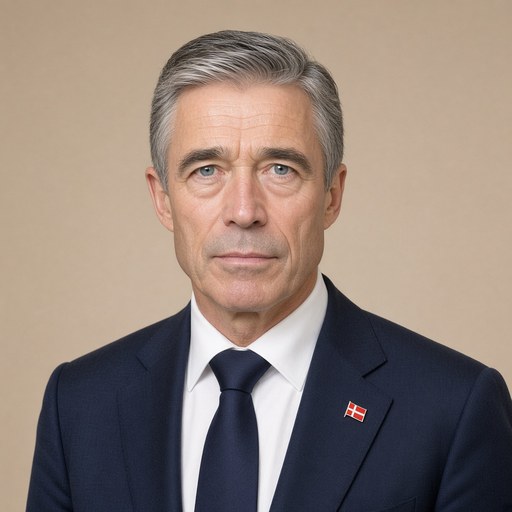
Prime Minister Anders Fogh Rasmussen's speech at the closing debate of the Folketing on June 1, 2006.
 Anders Fogh Rasmussen · Prime Minister of Denmark
- Context
- Rasmussen addressed the Danish Folketing at its closing debate on June 1, 2006, reviewing his government's economic and social policy achievements.
- Main themes
- Danish economic prosperity, unemployment reduction, tax policy, public sector spending, healthcare improvements, welfare services, labor market challenges, childcare policy, environmental initiatives, fiscal responsibility, competitiveness
- Duration
- ~37 min
- Words
- 4,449
- Sentences
- 388
- Readability
- 52
- Grade
- 8.5
- Syntax
- 2.42
- Vocabulary
- 2.08
Translated from Danish
The broad sphere of national life a sentence belongs to. Every sentence has an Arena, so it is the denominator the other indices are read against.
Other388 sentences in 133 paragraphs
Things are really going well in Denmark. The Danish economy is booming. We are experiencing progress and a desire to achieve.
Growth is high. Exports are increasing. Investments are rising. Employment is up. And unemployment is falling.
In just over two and a half years, unemployment has decreased by more than 50,000 people. Well supported by the government's tax freeze. And by the government's spring package, where we lowered taxes by 10 billion DKK.
Today, we have the lowest unemployment in 30 years.
We have a booming economy. We have large surpluses in the public budgets. And we are rapidly reducing public debt.
The surplus on the balance of payments is high. And in 2005, we paid the last installment on our foreign debt. It is now completely gone. Many of us can remember the fears of deep debt in the past. That fear is now gone.
The Danish economy can measure up to the best. We have a flexible labor market that is studied and admired throughout Europe.
We are highlighted as the best country in the EU for implementing reforms to increase growth and employment.
We consistently rank among the best in international surveys of countries' competitiveness.
And Denmark has been named for the second consecutive year as having the world's best business climate.
The progress gives families more financial breathing room. Danes are getting more and more money in their hands. Since 2001, a typical Danish family has received about 19,000 DKK more for themselves after taxes are paid. Because the economy is developing positively. And because the government has lowered the tax on work.
The Danish people's confidence in economic development is at an all-time high. The government's policy creates a foundation for optimism.
So the starting point for the future is good. The government will continue on the same path as before. With the tax freeze, which ensures security for citizens and businesses. And with a responsible economic policy that ensures public surpluses and reduces debt.
The strong Danish economy gives us opportunities. We must seize them. We must ensure that there is also growth, prosperity, and welfare for all in the future. It is our responsibility and duty.
The biggest challenge here and now is to ensure that there are enough people in the labor market both in the short and long term to create the production and handle the tasks that are needed.
* * *
The progress in the Danish economy has not only allowed for increased private consumption in Danish families. But also for increased public consumption. We want public services of the highest quality. A service that reflects that we are a wealthy society.
We regularly hear claims that the government is cutting back on the public sector. But that is incorrect. The truth is that public consumption has grown since the VK government took office in November 2001.
Public consumption is now 21 billion DKK higher than in 2001. The money has been used to ensure better welfare. Just as we promised before the election in 2001. And before the last election.
For we keep our promises. And we ensure better public service.
We have promised a better healthcare system. And many Danes – patients, relatives, and staff – have already felt that significant progress has been made.
We have allocated an additional 3 billion DKK to hospitals from 2002 to 2005. More people are being treated, and waiting times are falling. In 2005, nearly 95,000 more surgeries were performed than in 2001. And waiting times have, on average, fallen by about 20 percent over the past three years.
These are clear and tangible results.
And with the agreement between the government and the Danish People's Party on a new cancer plan, we are providing an additional boost to cancer treatment of over 1.1 billion DKK already this year. We want cancer treatment at the highest international level.
But our ambitions do not stop there. To further strengthen the effort, we will spend an additional total of 2 billion DKK over four years on hospitals. For better quality. More activity. And even shorter waiting times.
We have promised better conditions for children and their parents. And it has become easier to be a family with children. We have significantly lowered the cost of childcare for the youngest. And we will continue on the same path for slightly older children next year. As we have promised.
At the same time, we will improve the quality of childcare. In the coming years, we will allocate an additional total of 2 billion DKK. For example, for a strengthened effort towards socially disadvantaged children. For improvements to facilities. And for more nature kindergartens.
We have promised a better environment and more nature. And we have taken concrete steps to promote a better environment for the benefit of all Danes.
We have launched a new water environment plan. We have taken steps to limit hazardous chemicals and harmful particles. We have established new natural areas.
But there is still much to be done. We can further improve the environment and the Danes' access to nature experiences. The government has therefore allocated 1 billion DKK for new targeted environmental initiatives. For cleaner water. For more forests. And for natural areas and national parks. For the benefit of us all.
We have promised better conditions for the elderly. We stand by that promise. In 2005, the public sector spent over 700 million DKK more on the elderly than in 2001. And from 2006, the government has allocated an additional 500 million DKK to the area.
All elderly people will in the future be guaranteed a general nursing home or a nursing home place no later than two months after they have signed up. And we have allocated significant additional funds for better and more flexible home care.
It is the municipalities' responsibility to ensure that the increased allocations are translated into caring and dignified care for the elderly. And the government expects that the municipalities are aware of their responsibility. The incidents from a Copenhagen nursing home that have been reported in the media are, of course, completely unacceptable.
Our elderly deserve good and dignified care. That is precisely why the government has ensured that municipalities receive more money to improve care for the elderly.
We have strengthened the effort for the most vulnerable groups. It is gratifying that a broad range of parties supports this effort. Since 2002, more than 6 billion DKK has been allocated to vulnerable groups. We have taken concrete steps to help socially disadvantaged individuals enter the labor market or education. We have expanded the treatment guarantee for drug addicts. And we have initiated a program to combat negative social inheritance.
Breaking the negative social inheritance is largely about better education and thus better opportunities. The government has strengthened guidance in the last classes of primary school. And we have introduced targeted language stimulation for bilingual preschool children before they start school.
Speaking and understanding Danish at the start of school is, after all, a fundamental prerequisite for being able to participate in primary school. And to learn something.
The government continues to want a consistent and firm legal policy. Therefore, the government has proposed a comprehensive reform and modernization of the police and the courts. To meet the citizens' demands. It is positive that there is broad political support for this renewal of the police and justice system.
With the reform, we will have large and effective police districts throughout the country. In the big cities. In the smaller provincial towns. And in the small local communities. With the reform, we free up 800 positions for practical police work. So more police officers can help solve and prevent crimes. And we are consolidating the district courts into larger units. So we ensure faster case processing and greater legal security.
* * *
These are good times in Denmark. But that does not make the government lean back. That would be politically irresponsible.
No. The most responsible thing is to make the necessary decisions in good time. And not wait until the last moment. It is now, when things are going best, that we must make the long-term decisions about the country's future.
The government is taking its responsibility. Therefore, the past parliamentary year has also been a year marked by reforms. Reforms that will ensure welfare and security in the future.
The background is clear. We are facing an internal and an external challenge in Denmark.
In the future, we will have more elderly people and fewer in the working age. At the same time, we are living longer. That is positive. But it also means that public spending on early retirement, old-age pensions, elderly care, and health will increase.
That is the internal challenge.
The other major challenge comes from outside. We must prepare ourselves for the globalized world.
Globalization offers us great opportunities. The opportunity for higher prosperity. The opportunity for new technological breakthroughs. And the opportunity for new and better jobs.
But it also has negative sides. The most serious is that job opportunities for unskilled workers are decreasing in our part of the world. Therefore, we risk a more divided society if we do not prepare everyone to meet the demands of the future labor market.
This is a development that we must address.
That is why the government established the Welfare Commission as early as the fall of 2003. The Commission's comprehensive report from January was a good basis for the government's work on a comprehensive welfare proposal.
And that is why the government established a broadly composed Globalization Council in the spring of 2005 with strong representatives from trade unions, business, education, and research. Based on this work, the government presented a comprehensive globalization strategy in the spring with 350 concrete initiatives.
The government's goal is clear: Denmark should be among the countries in the world where it is best to live, work, and thrive. Even in 10 and 20 years. We should be a country where everyone is included in the renewal. Where everyone shares in progress and security.
Therefore, we must ensure strong competitiveness so that we can continue to be among the world's richest countries.
And a strong social cohesion so that we can remain a safe society without large divides.
The knowledge, creativity, and work ethic of the Danish people are the keys to success in the future. We must educate ourselves. We must research and develop new knowledge. We must create new businesses and jobs. And we must renew Danish society and create good frameworks and opportunities for development.
We must have the world's best primary school so that our children become academically skilled, thrive well, and are prepared to navigate in Denmark and the world. That is why it is gratifying that we have reached broad political agreements in the spring on the renewal of primary education.
We must ensure that all young people complete an education after primary school. We must reform vocational education so that there is an offer for everyone, regardless of background and prerequisites. And employers must ensure that there are enough internships for young people.
At least half of young people should have a higher education. And our higher education institutions must be able to measure up to the best in the world.
Everyone must be prepared to educate themselves throughout their lives so that we can adapt to new tasks and jobs. Here, the labor market parties have a great responsibility. It is therefore very positive that the government and the labor market parties agreed in the spring to strengthen adult and continuing education.
We must increase research efforts. We must spend at least 3 percent of GDP on research by 2010. And public research funds must be distributed in open competition based on quality.
We must have more growth entrepreneurs. New businesses that grow. Already in primary school, we should encourage young people to be creative and innovative. And new entrepreneurship centers should ensure comprehensive and qualified advice.
In general, we must create good frameworks for renewal and a desire to achieve throughout Danish society. And we must become better at attracting qualified foreigners and foreign investments to Denmark.
Many of these reforms require increased investments in Denmark's future. It requires forward-looking reforms.
That is why the government presented its proposal for welfare reforms in April.
It is an ambitious proposal. It will increase employment by 150,000 people by 2040. It will free up money for Denmark's future. It will cover the costs of elderly care, pensions, and health.
The government has proposed that we gradually build up a globalization fund for investments in the future until 2015. So that by 2015 we have a significant overall increase of 13 billion DKK. It is a historically large effort.
The government is proposing a broad effort to increase employment.
First, we need to spend a little longer time in the labor market. We need to get young people through their education a little faster and out into the labor market. And we need to have older people stay in the labor market a little longer.
The government has proposed some gentle adjustments to the rules for early retirement and pensions. With the government's proposal, there is plenty of time to adapt to the new conditions. So change can go hand in hand with security.
Secondly, employment should be increased by getting more immigrants into work. Partly by easing access to the Danish labor market for foreigners with the necessary qualifications. Partly by making an extra effort to get unemployed immigrants into jobs. Too many have been outside the labor market for too long.
They need to get to work. For the benefit of both themselves and the economy of society. And for the benefit of integration. Every time a Dane with an immigrant background finds a foothold in the labor market, we improve integration.
Thirdly, we need to implement a strengthened effort to get the unemployed into work and increase the labor supply here and now.
* * *
Strengthened integration is a central goal for the government.
The starting point is good. The government has created the necessary framework for integration in Denmark with a firm and fair immigration policy.
We have strengthened Danish language education for refugees and immigrants. We have reintroduced apprenticeship training for practically oriented young people. And we have ensured that it always pays to work.
The goal is for more immigrants and their descendants to receive education and work. Education and work are the best pathways into Danish society. Through daily contact with colleagues and fellow students.
Since 2001, 20,000 more immigrants have entered the workforce. But we want to do even more.
With the lowest unemployment in 30 years and an economy that is booming, we now have a unique historical opportunity to achieve this goal.
The government has presented a series of concrete proposals. A new targeted wage subsidy scheme. Assistance for mentoring programs. And more job consultants in the municipalities.
These are tangible and down-to-earth initiatives. Now everyone – employers, immigrants, and public authorities – has a great responsibility to ensure the task succeeds.
We have a historic opportunity for better integration. The conditions will never be better. It is a chance we must not waste.
* * *
This winter, we were subjected to a true storm due to 12 drawings in Jyllands-Posten. We saw embassies being burned and furious crowds trampling on the Danish flag. Danes abroad and at home were threatened with their lives.
It was surreal to watch. Especially in countries with which we have had a long and close cooperation. And to which we have, in many cases, provided assistance.
It was not an easy time. But the crucial thing was and is that the Danish people stood firm on our values and on the defense of freedom of expression.
That created respect. And it provides a solid platform for our future foreign policy. And the discussion of our fundamental values here at home.
With the constitution, every single Dane was granted the right to publish their thoughts in print, in writing, and in speech under responsibility to the courts. This right has been absolutely crucial for the development of Danish democracy. It is a right that Danes, Europeans, and others have fought so hard for that it has become an important part of who we are and what we stand for. We must, of course, safeguard it.
We can be proud that in Denmark, there were virtually only peaceful reactions. Despite absurd misinformation from certain circles, the Danes remained calm. The overwhelming majority of our Muslim citizens expressed their opinions peacefully. We heard many new voices. And many of them were positive.
This shows that we in Denmark have a lively and peaceful debate culture. It is the very lifeblood of a democratic society. We have in Denmark a popular government and a free spirit that we can be proud of. We must safeguard that.
In this context, there is also reason to be pleased with the clear support from our close friends and partners. It was valuable in a difficult time.
* * *
European cooperation is facing great challenges in these years. The results of the French and Dutch referendums on the EU's constitutional treaty last year showed that there is a need for renewal of the cooperation.
At the EU summit later this month, it is my clear expectation that there will be agreement to extend the EU's period of reflection. We must utilize that constructively.
We must continue to work on cooperation in Europe. We need close and binding cooperation in the EU. A cooperation that serves the interests of Europeans and delivers concrete results for the benefit of citizens.
The EU has delivered great results over the years. Just take the internal market, the common currency, and the enlargement with the countries of Central and Eastern Europe. But many citizens have felt that the EU has been very preoccupied with treaties and procedures over the past 20 years. There is a need for us to focus more on putting citizens at the center of the cooperation.
The time has come to focus on concrete results. A "Europe of results." The EU must create tangible progress in areas that concern citizens: Growth and employment. Security, safety, and the environment. And the EU's role in the world and in relation to neighboring countries.
These issues have been at the center of the debate in Denmark during the EU's so-called period of reflection. In Denmark, we have had a good framework for a serious public debate about the EU. And it is my impression that there is a broad common understanding among the population of the tasks and problems that the EU faces.
There is primarily an expectation among the population that the EU can provide answers to the major cross-border challenges: Terrorism, cross-border environmental issues, research and development, etc. At the same time, the EU must be more open and easier to understand. And there is a clear desire for reform of the EU's agricultural policy. I fully support that.
Just a few days ago, the Folketing adopted the decision that Denmark will maintain its support for Iraq with strengthened assistance to the UN. That is encouraging. For it would be a strange, negative signal to leave Iraq just as the Iraqis have received a new, democratically elected government. A government that needs our support. And that is asking for our support.
The Iraqi people have chosen a parliament based on a democratic constitution. Iraq has its first prime minister elected on a democratic basis. And the Iraqi politicians have worked diligently to assemble a broad government that can accommodate various ethnic, religious, and political views.
The process has been difficult. It has not gone as quickly as we and the Iraqis would have liked. But the political wheel is turning. And it is turning in the right direction.
I have just visited Iraq and spoken with the political leaders. Everywhere I saw an impressive will to develop Iraq. To create freedom and peace for the Iraqi people. And to combat poverty and misery. And everywhere the message was that the Iraqis still need our support.
Let me be very clear: If we fail the new budding democracy in Iraq right now, we send the worst possible signal to the entire Middle East. It would encourage the wrong forces. It would be a setback for the democratic forces that are fighting for freedom and human rights.
And I would like to take this opportunity to send a warm thank you to the Danish soldiers who are doing admirable work under very difficult circumstances to help the Iraqis.
Iran's lack of cooperation with the UN and the international community is concerning. No one questions Iran's legitimate interest in developing nuclear power for peaceful purposes. But it creates uncertainty when Iran breaks agreements made with the UN regarding inspections of its nuclear facilities.
A nuclear-armed Iran would destabilize the entire region. That is unacceptable. For us. For the region. And for the entire international community. We have a central role to play because of our seat on the UN Security Council. We will use that role to achieve a peaceful and diplomatic solution.
The government has placed extra focus on Africa. Among other things, by launching new initiatives for 650 million kroner on the African continent. We focus on conflict resolution, prevention of HIV/AIDS, and the important role of women in development and progress in Africa.
Last year, I visited Africa. And in May, the government hosted an international conference on Africa in Copenhagen. The Africa conference sent an important signal that Africa is not just about disasters and conflict. That despite problems with diseases and poverty, real progress and a willingness to change can be traced in many African countries. Denmark's assistance to Africa should strengthen this positive development.
In the government platform, we have guaranteed that Danish aid will be at least 0.8 percent of Danish gross national income. With the high growth in Denmark, this will contribute about 1 billion kroner to development aid in 2007-2009. This ensures continued strong Danish engagement in developing countries. Measured per capita, Denmark is one of the largest contributors in the world.
* * *
Development and renewal have been the government's goal for cooperation between the Faroe Islands, Greenland, and Denmark. We have achieved that. A modern realm of the kingdom, where it is clear that the Faroese and Greenlandic people themselves decide the future relationship of the Faroe Islands and Greenland with Denmark.
For the Faroe Islands, a takeover law has been adopted, which means that the Faroe Islands themselves decide the scope and pace of taking over responsibility for matters within the framework of the realm. The Faroese authorities have decided to take over the media responsibility area. And the takeover of civil preparedness is under preparation.
For Greenland, the results of the Self-Government Commission's work will lay the groundwork for a new self-government arrangement for Greenland.
Both the Faroese and Greenlandic governments today have general mandates in the area of foreign policy. They can themselves handle, among other things, trade policy interests and also expand the international visibility of the Faroe Islands and Greenland. In the Faroe Islands, a political decision has just been made to initiate negotiations for membership in EFTA under the new arrangement.
The cooperation in the realm will gain new content with the new arrangements. Central political decisions will be made in the Faroe Islands and Greenland – not in Denmark. Of course, increased self-government must be accompanied by greater economic responsibility in the Faroe Islands and Greenland. That is the best starting point for an equal partnership in the realm.
* * *
There have been many harsh words about the political cooperation in the past parliamentary year. About block politics. About narrow majorities. About breaking decades of tradition for openness and cooperation.
But what are the actual facts? How has parliamentary cooperation actually functioned in the past year?
The reality is that we have an unprecedented political stability historically. There are, of course, areas where the government has implemented its policy together with its parliamentary basis. This applies, among other things, to the main agreement on the finance bill. It also applies to the latest decision on Iraq.
In these matters, I would like to express my gratitude for good cooperation with the Danish People's Party.
But otherwise, the picture remains one of broad political cooperation. The government places great emphasis on that.
Let me be clear: Just over 80 percent of this year's legislation has been passed with broad majorities in the Folketing. And we are talking about significant legislation.
We have seen broad majorities on the equalization reform. On the police and judicial district reform. And on the terrorism package. There has been broad support for important legislation in the tax area and the social area. In the education area. And the new international effort in Afghanistan is also based on a broad political majority.
I would like to encourage that we can continue the broad cooperation.
We are in the midst of important negotiations on a welfare reform. We must make decisions that reach far into the future. The negotiations raise very central political questions for all the parties involved.
It might seem convenient to step back. To lean back and enjoy that things are going exceptionally well in Denmark right now. But it is not that easy.
For it is about Denmark's future. We have a broad responsibility for Denmark's future. Therefore, I would also like to encourage everyone to listen to the arguments. And to show a willingness to compromise. For we agree on the goals.
And let me make it clear: The economic challenges that Denmark faces will not go away by themselves. Now is the time we have a unique opportunity to secure our welfare in the future.
It would be politically irresponsible to let things be. It would be a failure. It would be a failure towards future generations. And it would pave the way for the hasty policies with sudden economic interventions that we know all too well from previous governments. No one wants to go back to that.
I can, on behalf of the government, promise that we will do everything to achieve a result. A result that effectively addresses the long-term challenges. And that simultaneously ensures the broadest possible agreement. For the benefit of all.
With this appeal, I would like to thank the parties in the Folketing for their cooperation in the past year.
The original Danish. The tags above are read on the English translation's sentences.
Det går virkeligt godt i Danmark. Der er fuld fart på dansk økonomi. Vi oplever fremgang og virkelyst.
Væksten er høj. Eksporten vokser. Investeringerne øges. Beskæftigelsen stiger. Og ledigheden falder.
På godt 21⁄2 år er ledigheden faldet med over 50.000 personer. Godt hjulpet på vej af regeringens skattestop. Og af regeringens forårspakke, hvor vi sænkede skatterne med 10 mia. kr.
Vi har i dag den laveste ledighed i 30 år.
Vi har en bomstærk økonomi. Vi har store overskud på de offentlige budgetter. Og vi nedbringer hastigt den offentlige gæld.
Overskuddet på betalingsbalancen er højt. Og i 2005 betalte vi det sidste afdrag på udlandsgælden. Den er nu helt væk. Vi er mange, der kan huske tidligere tiders frygt for afgrundsdyb gæld. Den frygt er nu væk.
Dansk økonomi kan måle sig med de bedste. Vi har et fleksibelt arbejdsmarked, som bliver studeret og beundret i hele Europa.
Vi bliver fremhævet som det bedste land i EU til at gennemføre reformer for at øge vækst og beskæftigelse.
Vi ligger konsekvent blandt de bedste i internationale undersøgelser af landes konkurrencedygtighed.
Og Danmark er for andet år i træk kåret til at have verdens bedste erhvervsklima.
Fremgangen giver luft i familiernes økonomi. Danskerne får flere og flere penge mellem hænderne. Siden 2001 har en typisk dansk familie fået godt 19.000 kr. mere til sig selv, når skatten er betalt. Fordi økonomien udvikler sig positivt. Og fordi regeringen har sat skatten på arbejde ned.
Danskernes tillid til den økonomiske udvikling er helt i top. Regeringens politik skaber grobund for optimisme.
Så udgangspunktet for fremtiden er godt. Regeringen vil fortsætte i samme spor som hidtil. Med skattestoppet, der sikrer tryghed for borgere og virksomheder. Og med en ansvarlig økonomisk politik, der sikrer offentlige overskud og nedbringer gælden.
Den stærke danske økonomi giver os muligheder. Dem skal vi udnytte. Vi må sørge for, at der også i fremtiden er vækst, velstand og velfærd for alle. Det er vores ansvar og pligt.
Den største udfordring her og nu er at sikre, at der både på kort og langt sigt er mennesker nok på arbejdsmarkedet til at skabe den produktion og klare de opgaver, der er brug for.
* * *
Fremgangen i dansk økonomi har ikke kun givet mulighed for øget privat forbrug i de danske familier. Men også et øget offentligt forbrug. Vi ønsker en offentlig service af højeste kvalitet. En service, som afspejler, at vi er et rigt samfund.
Vi hører jævnligt påstande om, at regeringen skærer ned i den offentlige sektor. Men det er forkert. Sandheden er, at det offentlige forbrug er vokset, siden VK-regeringen trådte til i november 2001.
Det offentlige forbrug er i dag 21 mia. kr. højere end i 2001. Pengene er anvendt til at sikre bedre velfærd. Sådan som vi lovede før valget i 2001. Og før sidste valg.
For vi holder vores løfter. Og vi sikrer en bedre offentlig service.
Vi har lovet et bedre sygehusvæsen. Og mange danskere – patienter, pårørende og personale – har allerede mærket, at der er sket store fremskridt.
Vi har tilført sygehusene 3 mia. kr. ekstra fra 2002 til 2005. Flere bliver behandlet og ventetiderne falder. I 2005 blev der opereret næsten 95.000 flere end i 2001. Og ventetiderne er i gennemsnit faldet med ca. 20 pct. over de seneste 3 år.
Det er klare og mærkbare resultater.
Og med aftalen mellem regeringen og Dansk Folkeparti om en ny kræftplan giver vi et yderligere løft til kræftbehandlingen på over 1,1 mia. kr. allerede i år. Vi ønsker en kræftbehandling på det højeste internationale niveau.
Men vore ambitioner stopper ikke der. For at styrke indsatsen yderligere vil vi bruge yderligere i alt 2 mia. kr. over fire år til sygehusene. Til bedre kvalitet. Mere aktivitet. Og endnu kortere ventetider.
Vi har lovet bedre forhold for børnene og deres forældre. Og det er blevet lettere at være børnefamilie. Vi har sænket betalingen for børnepasning markant for de mindste. Og vi fortsætter ad samme vej for de lidt større børn næste år. Som vi har lovet.
Samtidig vil vi forbedre kvaliteten i børnepasningen. I de kommende år vil vi afsætte yderligere i alt 2 mia. kr. For eksempel til en forstærket indsats over for socialt udsatte børn. Til forbedringer af lokaler. Og til flere skovbørnehaver.
Vi har lovet bedre miljø og mere natur. Og vi har taget konkrete skridt for at fremme et bedre miljø til glæde for alle danskere.
Vi har iværksat en ny vandmiljøplan. Vi har taget skridt til at begrænse farlige kemikalier og skadelige partikler. Vi har etableret nye naturområder.
Men der er stadig meget at gøre. Vi kan yderligere forbedre miljøet og danskernes adgang til naturoplevelser. Regeringen har derfor afsat 1 mia. kr. til nye målrettede miljøinitiativer. Til renere vand. Til mere skov. Og til naturområder og nationalparker. Til gavn for os alle.
Vi har lovet bedre forhold for de ældre. Det løfte står vi ved. I 2005 brugte det offentlige over 700 mio. kr. mere på ældreområdet end i 2001. Og fra 2006 har regeringen tilført området yderligere 500 mio. kr.
Alle ældre er i fremtiden sikret en almen plejebolig eller en plejehjemsplads senest to måneder efter, at de er blevet skrevet op. Og vi har afsat betydelige ekstra midler til en bedre og mere fleksibel hjemmehjælp.
Det er kommunernes ansvar at sikre, at de forøgede bevillinger omsættes til en omsorgsfuld og værdig pleje af ældre. Og regeringen forventer, at kommunerne er sig deres ansvar bevidst. De episoder fra et københavnsk plejehjem, som har været omtalt i medierne, er selvsagt helt uacceptable.
Vore ældre fortjener en god og værdig omsorg. Netop derfor har regeringen sørget for, at kommunerne får flere penge til at forbedre plejen af de ældre.
Vi har styrket indsatsen over for de mest udsatte grupper. Det er glædeligt, at en bred kreds af partier står bag denne indsats. Siden 2002 er der afsat mere end 6 mia. kr. til udsatte grupper. Vi har taget konkrete skridt, der skal hjælpe socialt udsatte ind på arbejdsmarkedet eller i uddannelse. Vi har udvidet behandlingsgarantien for stofmisbrugere. Og vi har iværksat et program, der skal bekæmpe den negative sociale arv.
At bryde den negative sociale arv handler i høj grad om bedre uddannelse og dermed bedre muligheder. Regeringen har styrket vejledningen i folkeskolens sidste klasser. Og vi har indført en målrettet sprogstimulering af tosprogede småbørn før skolestarten.
At tale og forstå dansk ved skolestart er nu engang en helt grundlæggende forudsætning for at kunne deltage i folkeskolen. Og lære noget.
Regeringen ønsker fortsat en konsekvent og håndfast retspolitik. Derfor har regeringen foreslået en samlet reform og modernisering af politiet og domstolene. For at leve op til borgernes krav. Det er positivt, at der er bred politisk opbakning til denne fornyelse af politi og retsvæsen.
Med reformen får vi store og slagkraftige politikredse overalt i landet. I de store byer. I de mindre provinsbyer. Og i de små lokalsamfund. Med reformen frigør vi 800 stillinger til praktisk politiarbejde. Så flere politifolk kan hjælpe med at opklare og forhindre forbrydelser. Og vi samler byretterne i større enheder. Så vi sikrer en hurtigere sagsbehandling og større retssikkerhed.
* * *
Det er gode tider i Danmark. Men det får ikke regeringen til at læne sig tilbage. Det ville være politisk uansvarligt.
Nej. Det mest ansvarlige er at træffe de nødvendige beslutninger i ordentlig tid. Og ikke vente til sidste øjeblik. Det er nu, hvor det går allerbedst, at vi skal træffe de langsigtede beslutninger om landets fremtid.
Regeringen løfter sit ansvar. Derfor har det forløbne Folketingsår også været et år i reformernes tegn. Reformer der skal sikre velfærd og tryghed i fremtiden.
Baggrunden er klar. Vi står i Danmark over for en indre og en ydre udfordring.
Vi bliver i fremtiden flere ældre og færre i den erhvervsaktive alder. Samtidig lever vi længere. Det er positivt. Men det betyder også, at de offentlige udgifter til efterløn, folkepension, ældrepleje og sundhed stiger.
Det er den indre udfordring.
Den anden store udfordring kommer udefra. Vi skal ruste os til den globaliserede verden.
Globaliseringen giver os store muligheder. Mulighed for højere velstand. Mulighed for nye teknologiske landvindinger. Og mulighed for nye og bedre jobs.
Men den har også negative sider. Den alvorligste er, at jobmulighederne for ufaglærte bliver færre i vores del af verden. Vi risikerer derfor et mere opsplittet samfund, hvis vi ikke ruster alle til at møde kravene på fremtidens arbejdsmarked.
Det er en udvikling, som vi er nødt til at tage hånd om.
Derfor nedsatte regeringen allerede i efteråret 2003 velfærdskommissionen. Kommissionens omfattende rapport fra januar var et godt grundlag for regeringens arbejde med et samlet velfærdsudspil.
Og derfor nedsatte regeringen i foråret 2005 et bredt sammensat globaliseringsråd med gode kræfter fra fagforeninger, erhvervsliv, uddannelse og forskning. Med afsæt i dette arbejde fremlagde regeringen i foråret en samlet globaliseringsstrategi med 350 konkrete initiativer.
Regeringens mål er klart: Danmark skal være blandt de lande i verden, hvor det er bedst at bo, leve og arbejde. Også om 10 og 20 år. Vi skal være et land, hvor alle er med i fornyelsen. Hvor alle får del i fremgang og tryghed.
Derfor skal vi sikre en stærk konkurrencekraft, så vi fortsat kan høre til blandt verdens rigeste lande.
Og en stærk sammenhængskraft, så vi kan forblive et trygt samfund uden store skel.
Danskernes viden, idérigdom og arbejdsindsats er nøglen til succes i fremtiden. Vi skal uddanne os. Vi skal forske og udvikle ny viden. Vi skal skabe nye virksomheder og arbejdspladser. Og vi skal forny det danske samfund og skabe gode rammer og udfoldelsesmuligheder.
Vi skal have verdens bedste folkeskole, så vores børn bliver fagligt dygtige, trives godt og bliver rustede til at begå sig i Danmark og i verden. Det er derfor glædeligt, at vi i foråret har fået brede politiske aftaler om fornyelse af folkeskolen.
Vi skal sikre, at alle unge gennemfører en uddannelse efter folkeskolen. Vi skal reformere erhvervsuddannelserne, så der er et tilbud til alle uanset baggrund og forudsætninger. Og arbejdsgiverne skal sikre, at der er praktikpladser nok til de unge.
Mindst halvdelen af de unge skal have en videregående uddannelse. Og vores videregående uddannelser skal kunne måle sig med de bedste i verden.
Alle må være parate til at uddanne sig gennem hele livet, så vi kan omstille os til nye opgaver og job. Her har arbejdsmarkedets parter et stort ansvar. Det er derfor meget positivt, at regeringen og arbejdsmarkedets parter i foråret blev enige om at styrke voksen- og efteruddannelsen.
Vi skal øge forskningsindsatsen. Vi skal bruge mindst 3 procent af bruttonationalproduktet til forskning i 2010. Og offentlige forskningsmidler skal fordeles i åben konkurrence om kvalitet.
Vi skal have flere vækstiværksættere. Nye virksomheder som vokser. Allerede i folkeskolen skal vi opmuntre de unge til idérigdom og kreativitet. Og nye iværksætterhuse skal sikre samlet og kvalificeret rådgivning.
I det hele taget skal vi skabe gode rammer for fornyelse og virkelyst over alt i det danske samfund. Og vi skal blive bedre til at tiltrække kvalificerede udlændinge og udenlandske investeringer til Danmark.
Mange af disse reformer kræver øgede investeringer i Danmarks fremtid. Det kræver fremadrettede reformer.
Derfor fremlagde regeringen i april sit udspil til velfærdsreformer.
Det er et ambitiøst udspil. Det vil øge beskæftigelsen med 150.000 personer frem mod 2040. Det vil frigøre penge til Danmarks fremtid. Det vil dække udgifterne til ældrepleje, pensioner og sundhed.
Regeringen har foreslået, at vi frem til 2015 gradvist opbygger en globaliseringspulje til investeringer i fremtiden. Så vi i 2015 har et markant samlet løft på 13 mia. kr. Det er en historisk stor indsats.
Regeringen lægger op til en bred indsats for at øge beskæftigelsen.
For det første ved at vi skal tilbringe lidt længere tid på arbejdsmarkedet. Vi skal have de unge lidt hurtigere gennem deres uddannelse og ud på arbejdsmarkedet. Og vi skal have de ældre til at blive lidt længere tid på arbejdsmarkedet.
Regeringen har lagt op til nogle nænsomme justeringer af reglerne for efterløn og pension. Med regeringens udspil er der god tid til at indrette sig på de nye forhold. Så forandring kan gå hånd i hånd med tryghed.
For det andet skal beskæftigelsen øges ved at få flere indvandrere i arbejde. Dels ved at lette adgangen til det danske arbejdsmarked for udlændinge med de nødvendige kvalifikationer. Dels ved en ekstra indsats for at få ledige indvandrere i job. Alt for mange har alt for længe stået uden for arbejdsmarkedet.
De skal i arbejde. Til gavn for både dem selv og samfundets økonomi. Og til gavn for integrationen. Hver gang en dansker med indvandrerbaggrund får fodfæste på arbejdsmarkedet, forbedrer vi integrationen.
For det tredje skal vi gennemføre en forstærket indsats for at få de ledige i arbejde og øge arbejdsudbuddet her og nu.
* * *
Styrket integration er en central målsætning for regeringen.
Udgangspunktet er godt. Regeringen har med en fast og fair udlændingepolitik skabt de nødvendige rammer for integrationen i Danmark.
Vi har styrket danskundervisningen for flygtninge og indvandrere. Vi har genindført mesterlæren for praktisk orienterede unge. Og vi har sikret, at det altid kan betale sig at arbejde.
Målet er, at flere indvandrere og deres efterkommere får uddannelse og arbejde. Uddannelse og arbejde er den bedste vej ind i det danske samfund. Gennem daglig kontakt med kolleger og medstuderende.
Siden 2001 er der kommet 20.000 flere indvandrere i arbejde. Men vi vil gøre endnu mere.
Med den laveste ledighed i 30 år og en økonomi, der buldrer derudad, har vi nu en enestående historisk mulighed for at opfylde dette mål.
Regeringen har fremlagt en række konkrete forslag. En ny målrettet løntilskudsordning. Hjælp til mentorordninger. Og flere jobkonsulenter i kommunerne.
Det er håndgribelige og jordnære initiativer. Nu har alle – arbejdsgivere, indvandrere og de offentlige myndigheder – et stort ansvar for, at opgaven lykkes.
Vi har en historisk mulighed for at få bedre integration. Forudsætningerne bliver aldrig bedre. Det er en chance, vi ikke må spilde på gulvet.
* * *
I vinter blev vi udsat for et sandt stormvejr på grund af 12 tegninger i Jyllands-Posten. Vi så ambassader blive brændt og rasende folkemængder trampe på det danske flag. Danskere i udlandet og herhjemme blev truet på livet.
Det var uvirkeligt at se på. Især i lande, som vi har haft et langt og tæt samarbejde med. Og som vi i mange tilfælde har ydet bistand til.
Det var ikke en nem tid. Men det helt afgørende var og er, at den danske befolkning stod fast på vore værdier og på forsvaret af ytringsfriheden.
Det skabte respekt. Og det giver en solid platform for vor fremtidige udenrigspolitik. Og diskussionen om vore grundlæggende værdier herhjemme.
Med grundloven fik hver enkelt dansker ret til på tryk, i skrift og tale at offentliggøre sine tanker under ansvar for domstolene. Denne rettighed har været helt afgørende for udviklingen af det danske demokrati. Det er en rettighed som danskere, europæere og andre har kæmpet så hårdt for, at det er blevet en vigtig del af det, vi er og står for. Den skal vi selvsagt vogte om.
Vi kan være stolte over, at der i Danmark stort set kun var fredelige reaktioner. Trods absurd misinformation fra visse kredse holdt danskerne sig i ro. Det overvejende flertal af vore muslimske medborgere gav på fredelig vis deres mening til kende. Vi hørte mange nye stemmer. Og mange af dem var positive.
Det viser, at vi i Danmark har en livlig og fredelig debatkultur. Det er selve livsnerven i et demokratisk samfund. Vi har i Danmark et folkestyre og et frisind, som vi kan være stolte over. Det skal vi vogte om.
I denne forbindelse er der også grund til at glæde sig over den klare støtte fra vore nære venner og partnere. Den var værdifuld i en svær tid.
* * *
Det europæiske samarbejde står overfor store udfordringer i disse år. Resultaterne af de franske og hollandske folkeafstemninger om EU's forfatningstraktat sidste år viste, at der er behov for fornyelse af samarbejdet.
På EU topmødet senere på måneden er det min klare forventning, at der vil være enighed om at forlænge EU's tænkepause. Den må vi udnytte konstruktivt.
Vi må arbejde videre med samarbejdet i Europa. Vi har brug for et tæt og forpligtende samarbejde i EU. Et samarbejde, der varetager europæernes interesser og leverer konkrete resultater til gavn for borgerne.
EU har gennem årene leveret store resultater. Tag bare det indre marked, den fælles valuta og udvidelsen med landene i Central- og Østeuropa. Men mange borgere har følt, at EU igennem de seneste 20 år har været meget optaget af traktater og procedurer. Der er brug for, at vi i højere grad sætter borgerne i centrum af samarbejdet.
Tiden er kommet til at fokusere på konkrete resultater. Et ”resultaternes Europa.” EU skal skabe konkrete fremskridt på områder, som optager borgerne: Vækst og beskæftigelse. Sikkerhed, tryghed og miljø. Og EU’s rolle i verden og i forhold til nabolandene.
De spørgsmål har stået i centrum i debatten i Danmark under EU's såkaldte tænkepause. I Danmark har vi haft en god ramme for en seriøs folkelig debat om EU. Og det er mit indtryk, at der i befolkningen er en bred fælles forståelse af, hvilke opgaver og problemer, EU står overfor.
Der er i befolkningen først og fremmest en forventning om, at EU kan levere svar på de store grænseoverskridende udfordringer: Terrorisme, grænseoverskridende miljøproblemer, forskning og udvikling osv. Samtidig skal EU være mere åbent og lettere at forstå. Og der er et klart ønske om reform af EU’s landbrugspolitik. Det støtter jeg fuldt ud.
For få dage siden vedtog Folketinget beslutningen om, at Danmark fastholder sin støtte til Irak med en styrket bistand til FN. Det er glædeligt. For det ville da være et sært, negativt signal at forlade Irak, netop som irakerne har fået en ny, demokratisk valgt regering. En regering, der behøver vores støtte. Og som beder om vores støtte.
Det irakiske folk har på grundlag af en demokratisk forfatning valgt et parlament. Irak har fået sin første premierminister valgt på et demokratisk grundlag. Og de irakiske politikere har arbejdet ihærdigt på at sammensætte en bred regering, som kan tilgodese forskellige etniske, religiøse og politiske anskuelser.
Processen har været vanskelig. Det er ikke gået så hurtigt, som vi og irakerne gerne havde set. Men det politiske hjul drejer. Og det drejer i den rigtige retning.
Jeg har netop besøgt Irak og talt med de politiske ledere. Overalt så jeg en imponerende vilje til at udvikle Irak. Til at skabe frihed og fred for det irakiske folk. Og til at bekæmpe fattigdom og nød. Og overalt var budskabet, at irakerne fortsat har brug for vores støtte.
Lad mig sige det meget klart: Hvis vi svigter det nye spirende demokrati i Irak netop nu, sender vi det værst tænkelige signal til hele Mellemøsten. Det ville opmuntre de forkerte kræfter. Det ville være et tilbageslag for de demokratiske kræfter, der kæmper for frihed og menneskerettigheder.
Og jeg vil gerne benytte anledningen til at sende en varm tak til de danske soldater, der under meget vanskelige omstændigheder udfører et beundringsværdigt arbejde med at hjælpe irakerne.
Irans manglende samarbejde med FN og det internationale samfund er bekymrende. Ingen anfægter Irans legitime interesse i at udvikle atomkraft til fredelige formål. Men det skaber usikkerhed, når Iran bryder indgåede aftaler med FN om inspektion af sine nukleare faciliteter.
Et atombevæbnet Iran vil destabilisere hele regionen. Det er ikke acceptabelt. For os. For regionen. Og for hele det internationale samfund. Vi har en central rolle at spille på grund af vores sæde i FN’s sikkerhedsråd. Den rolle vil vi bruge til at nå en fredelig og diplomatisk løsning.
Regeringen har sat ekstra fokus på Afrika. Bl.a. ved at iværksætte nye initiativer for 650 mio. kr. på det afrikanske kontinent. Vi fokuserer på konfliktløsning, forebyggelse af hiv/aids og kvinders vigtige rolle i udviklingen og fremgangen i Afrika.
Sidste år besøgte jeg Afrika. Og i maj var regeringen vært for en international konference om Afrika i København. Afrika-konferencen gav et vigtigt signal om, at Afrika ikke kun handler om katastrofer og konflikt. At der trods problemer med sygdomme og nød kan spores en reel fremgang og vilje til forandring i mange afrikanske lande. Danmarks bistand til Afrika skal styrke denne positive udvikling.
I regeringsgrundlaget har vi garanteret, at den danske bistand vil være på mindst 0,8 pct. af den danske bruttonationalindkomst. Med den høje vækst i Danmark vil det i 2007-2009 tilføre ca. 1 mia. kr. til udviklingsbistanden. Det sikrer et fortsat stærkt dansk engagement i u-landene. Målt pr. indbygger er Danmark én af de allerstørste bidragydere i verden.
* * *
Udvikling og fornyelse har været regeringens målsætning for samarbejdet mellem Færøerne, Grønland og Danmark. Det har vi opnået. Et moderne rigsfællesskab, hvor det ligger klart, at det færøske og det grønlandske folk selv beslutter Færøernes og Grønlands fremtidige forhold til Danmark.
For Færøerne er der vedtaget en overtagelseslov, som betyder, at Færøerne selv beslutter omfang af og hastighed for overtagelse af ansvar for sager inden for rammerne af rigsfællesskabet. De færøske myndigheder har besluttet at overtage medieansvarsområdet. Og overtagelsen af det civile beredskab er under forberedelse.
For Grønlands vedkommende vil resultaterne af Selvstyrekommissionens arbejde lægge sporene til en ny selvstyreordning for Grønland.
Både Færøernes og Grønlands landsstyre har i dag generelle bemyndigelser på det udenrigspolitiske område. De kan selv varetage bl.a. handelspolitiske interesser og også udvide Færøernes og Grønlands internationale synlighed. På Færøerne er der netop truffet politisk beslutning om inden for den nye ordning at indlede forhandlinger om medlemskab af EFTA.
Samarbejdet i rigsfællesskabet får med de nye ordninger et nyt indhold. Centrale politiske beslutninger bliver truffet på Færøerne og i Grønland – ikke i Danmark. Selvfølgelig må øget selvstyre ledsages af et større økonomisk ansvar på Færøerne og i Grønland. Det er det bedste udgangspunkt for et ligeværdigt samarbejde i rigsfællesskabet.
* * *
Der har lydt mange knubbede ord om det politiske samarbejde i det forløbne folketingsår. Om blokpolitik. Om snævre flertal. Om brud på årtiers tradition for åbenhed og samarbejde.
Men hvad er egentlig fakta? Hvordan har det parlamentariske samarbejde rent faktisk fungeret i det forløbne år?
Realiteten er, at vi har en enestående politisk stabilitet historisk set. Der er naturligvis områder, hvor regeringen har gennemført sin politik sammen med sit parlamentariske grundlag. Det gælder bl.a. hovedaftalen om finansloven. Det gælder også den seneste beslutning om Irak.
I disse sager vil jeg godt kvittere for et godt samarbejde med Dansk Folkeparti.
Men ellers er billedet forsat et bredt politisk samarbejde. Det lægger regeringen stor vægt på.
Lad mig slå fast: Godt 80 pct. af årets lovgivning er vedtaget med brede flertal i Folketinget. Og der er tale om betydningsfuld lovgivning.
Vi har set brede flertal om udligningsreformen. Om politi- og retskredsreformen. Og om terrorpakken. Der har været bred opbakning til vigtig lovgivning på skatteområdet og socialområdet. På undervisningsområdet. Og den nye internationale indsats i Afghanistan hviler også på et bredt politisk flertal.
Jeg vil gerne opfordre til, at vi kan fortsætte det brede samarbejde.
Vi er i gang med nogle vigtige forhandlinger om en velfærdsreform. Vi skal træffe beslutninger, som rækker langt ind i fremtiden. Forhandlingerne rejser helt centrale politiske spørgsmål for alle de partier, som deltager i forhandlingerne.
Måske kunne det umiddelbart føles bekvemt at stå af. Læne sig tilbage og nyde, at det går ualmindelig godt i Danmark netop nu. Men så let er det ikke.
For det handler om Danmarks fremtid. Vi har et bredt ansvar for Danmarks fremtid. Derfor vil jeg også godt opfordre alle til at lytte til argumenterne. Og til at vise kompromisvilje. For vi er jo enige om målene.
Og lad mig gøre det klart: De økonomiske udfordringer, som Danmark står over for, går ikke væk af sig selv. Det er nu, vi har en enestående mulighed for at sikre vores velfærd i fremtiden.
Det ville være politisk uansvarligt at lade stå til. Det ville være et svigt. Det ville være et svigt over for kommende generationer. Og det ville bane vejen for den hovsa-politik med pludselige økonomiske indgreb, som vi kender alt for godt fra tidligere regeringer. Det ønsker ingen tilbage.
Jeg kan på regeringens vegne love, at vi vil gøre alt for at nå et resultat. Et resultat, der effektivt tager hånd om de langsigtede udfordringer. Og som samtidig sikrer den bredest mulige aftale. Til gavn for alle.
Med denne opfordring vil jeg gerne takke Folketingets partier for samarbejdet i det forløbne år.