




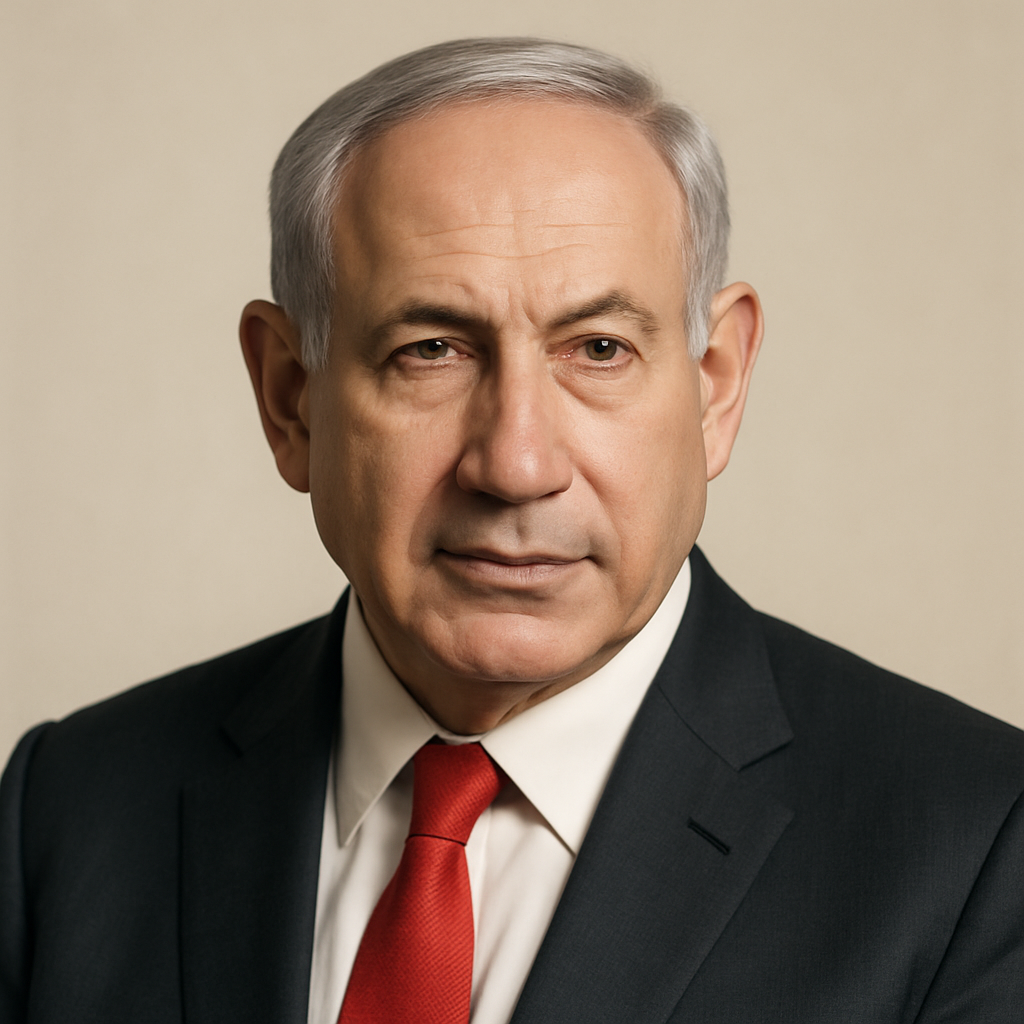
Prime Minister Netanyahu and his wife participated in the state memorial ceremony marking 90 years since the events of 1929 at the Cave of the Patriarchs in Hebron.
 Benjamin Netanyahu · Prime Minister of Israel
- Context
- Netanyahu addressed a state memorial ceremony at the Cave of the Patriarchs in Hebron on the 90th anniversary of the 1929 Hebron massacre.
- Main themes
- 1929 Hebron massacre commemoration, Jewish historical connection to Hebron, Cave of the Patriarchs, Israeli resilience and return, Zionist victory narrative, biblical roots of Jewish peoplehood, Abraham and Land of Israel, Jewish identity and historical consciousness
- Duration
- ~2 min
- Words
- 265
- Sentences
- 18
- Readability
- 62
- Grade
- 8.2
- Syntax
- 2.41
- Vocabulary
- 2.39
Translated from Hebrew
The broad sphere of national life a sentence belongs to. Every sentence has an Arena, so it is the denominator the other indices are read against.
Other18 sentences in 3 paragraphs
We came to Hebron to commemorate the memory. We came to Hebron to express victory. Bloodthirsty rioters committed this terrible massacre 90 years ago. They were sure that by doing so they would uproot us from this place once and for all. They were wrong, they made a bitter mistake. We built Kiryat Arba, we returned to Hebron, we returned to our quarry, we returned to the roots of our nation. We returned to the Cave of the Patriarchs, we returned to the yeshivas, to the synagogues. They are bustling with life. This is our victory.
I am very moved to be here together with my wife Sara, just a touch away from the ancient stones full of power. After all, we both come from families deeply imbued with historical consciousness, and we know the significance of Hebron to our people. Our people are deeply rooted in Hebron, from the dawn of our history, for a reason greater than any other. Every time I read in the Torah the portion of "The Life of Sarah," I am awed by the description of the acquisition of the Cave of the Patriarchs by our forefather Abraham. Abraham foresaw the future. He insisted on paying the full price for the cave and its surroundings, in order to establish our eternal connection to the Land of Israel.
Here is our answer to all those who try to erase and blur our connection to the homeland: the verses – and the stones, the spirit – and the building! There is a great British historian named Paul Johnson. He wrote the
The original Hebrew. The tags above are read on the English translation's sentences.
באנו לחברון כדי להתייחד עם הזיכרון. באנו לחברון כדי לבטא את הניצחון. פורעים צמאי-דם חוללו את הטבח הנורא הזה לפני 90 שנה. הם היו בטוחים שבכך הם עוקרים אותנו מהמקום אחת ולתמיד. הם טעו, הם טעו טעות מרה. בנינו את קריית ארבע, חזרנו לחברון, חזרנו לצור מחצבתנו, חזרנו לשורש אומתנו. חזרנו למערת המכפלה, חזרנו אל הישיבות, אל בתי-הכנסת. הם שוקקים חיים. זהו הניצחון שלנו.
אני נרגש מאוד להיות כאן יחד עם רעייתי שרה, במרחק נגיעה מן האבנים העתיקות מלאות העוצמה. הרי שנינו באנו ממשפחות שחדורות בתודעה היסטורית עמוקה, ואנו יודעים את המשמעות של חברון לעמנו. עמנו נטוע בחברון עמוק, משחר תולדותינו, בזכות שאין גדולה ממנה. כל פעם שאני קורא בתורה את פרשת 'חיי שרה', אני נפעם מן התיאור של קניין מערת המכפלה על ידי אברהם אבינו. אברהם צפה פני עתיד. הוא התעקש לשלם מחיר מלא תמורת המערה וסביבתה, על מנת לבסס את הקשר הנצחי שלנו לארץ-ישראל.
הנה התשובה שלנו לכל אלה שמנסים להעלים ולטשטש את זיקתנו למולדת: הפסוקים – והאבנים, הרוח – והבניין! יש היסטוריון בריטי גדול בשם פול ג'ונסון. הוא כתב את