




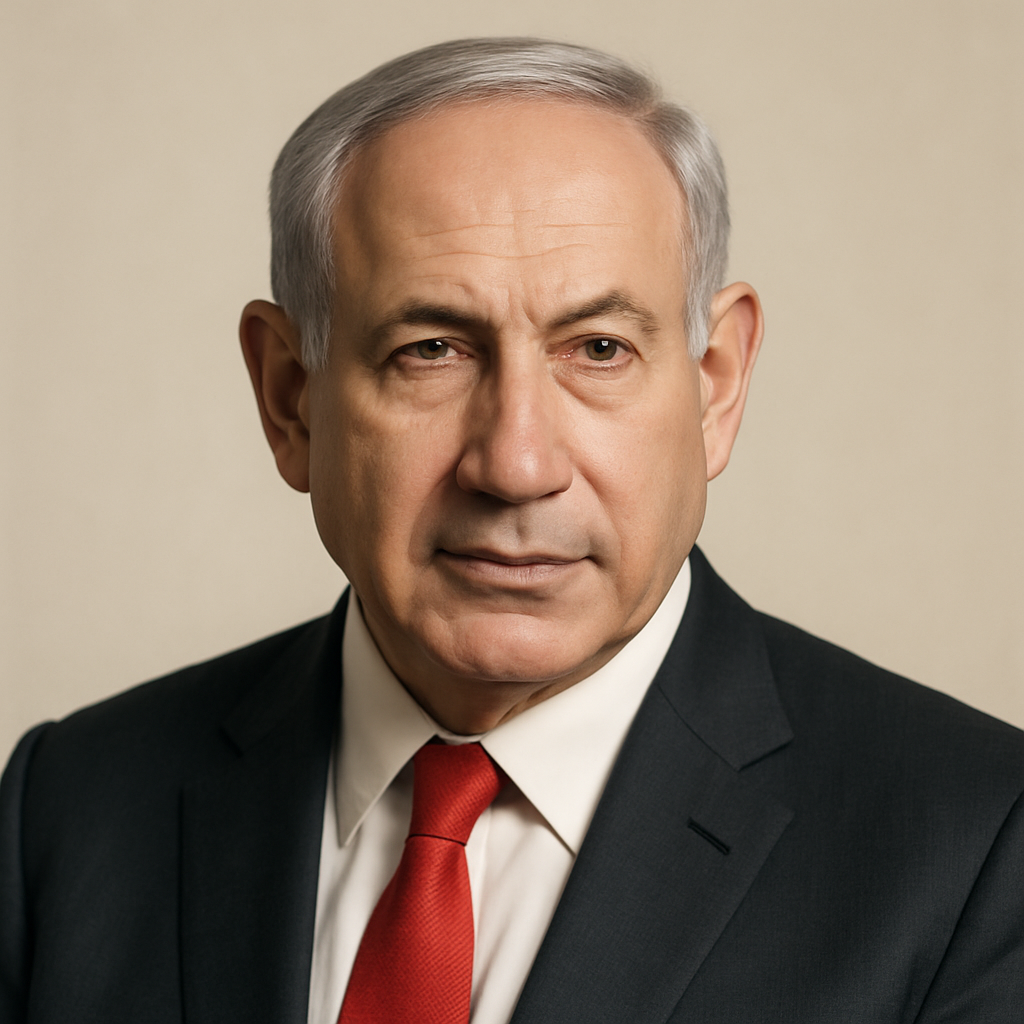
Remarks by Prime Minister Netanyahu at the ceremony awarding a medal to those distinguished in the fight against human trafficking at the President's Residence.
 Benjamin Netanyahu · Prime Minister of Israel
- Context
- Netanyahu spoke at a ceremony at the President's Residence on December 2, 2018, awarding medals to those distinguished in the fight against human trafficking.
- Main themes
- Human trafficking, modern slavery, exploitation of women and children, Israel's border security, radical Islam and regional instability, global anti-trafficking efforts, Jewish and democratic values, internet as marketplace for trafficking, Yazidi and Nigerian victims, disposable people concept
- Duration
- ~4 min
- Words
- 467
- Sentences
- 23
- Readability
- 59
- Grade
- 10.1
- Syntax
- 2.97
- Vocabulary
- 2.24
Translated from Hebrew
The broad sphere of national life a sentence belongs to. Every sentence has an Arena, so it is the denominator the other indices are read against.
Other23 sentences in 3 paragraphs
We have packed this moral legacy in our backpacks. We have clung to it during the Middle Ages and modern times, when the slave trade continued to exist. I must say that the challenges of modern slavery, in a sense, are no less than the challenges of the past. In some respects, they surpass them. First, in the global era, it is relatively easy to move from country to country. And as we know, opportunity calls to the thief: the phenomenon of human trafficking for exploitation crosses seas and continents. This is the first phenomenon we see. Second, the internet and social networks often serve as a marketplace for human beings, just like an auction of property. Third, it is a terrible thing, but it is very cheap to obtain slaves. In ancient times, a slave's owner usually preserved their life – because their price was high. But today, especially in collapsing societies, and unfortunately there are quite a few around us, everything is within reach. Some refer to this as 'Disposable People' – people who are crumpled up and thrown in the trash. By the way, we are also required to address plastic cups and the reduction of global plastic pollution, and we will do so.
In the Jewish and democratic State of Israel, there must be no place for such dark deeds. They stand in complete contradiction to the principles of freedom, justice, and equality – which have been and will be our guiding light. The fence we erected on the Sinai border to block the waves of illegal infiltrators into our country – this fence helps us greatly. It prevents, among other things, the systematic trafficking of women, who in the past were smuggled into the country, tortured, and severely exploited. I have heard that they are also brought in by other means, not to the same extent and not with the same cruelty. There were caravans of infiltrators with contractors, slave traders who would first dress up as part of the caravan, enslave the people, abduct the children, remove organs, rape the women, turn them into slaves, and unfortunately, this is exactly what is happening in the space around us, in a vast radius: radical Islam has brought destruction to extensive areas, losing all moral restraint. Murder, abuse, physical mutilation for both monetary gain and malice, evil, and much rape – these are everyday occurrences. The heart is torn at the sound of the horrors that Yazidi women endure; in light of the never-ending saga of the Nigerian girls, who were kidnapped by the 'Boko Haram' fanatics. The President of Chad told me about this, about this unceasing battle; at the sight of the forced marriages of countless little girls, in Yemen and many other countries.
The Human Rights Council of the UN
The original Hebrew. The tags above are read on the English translation's sentences.
.
את המורשת המוסרית הזאת צררנו בתרמילינו. דבקנו בה בימי-הביניים ובזמן החדש, שבהם הוסיף להתקיים סחר-עבדים. אני חייב לומר שאתגרי העבדות המודרנית, במובן מסוים, אינם נופלים מאתגרי העבר. מבחינות מסוימות הם עולים עליהם. ראשית, בעידן הגלובלי קל יחסית לעבור מארץ לארץ. וכידוע, פרצה קוראת לגנב: התופעה של הברחת בני-אדם למטרות ניצול – חוצה ימים ויבשות. זו התופעה הראשונה שאנחנו רואים. שנית, האינטרנט והרשתות החברתיות משמשים לא-פעם כזירת מסחר בבני-אדם, ממש כמו במכירה פומבית של רכוש. שלישית, זה דבר נורא, אבל זה זול מאוד להשיג עבדים. בעת הקדומה בעליו של עבד בדרך כלל שמר על חייו – כי מחירו היה גבוה. אבל היום, בייחוד בחברות קורסות, ולצערי יש לא מעט סביבנו, הכל נמצא בהישג-יד. יש מי שמכנה זאת: 'Disposable People', 'אנשים חד-פעמיים' –שמקמטים אותם וזורקים אותם לפח. אגב, גם בכוסות הפלסטיק ובצמצום הזיהום הפלסטיק העולמי אנחנו נדרשים לטפל, ונעשה זאת.
במדינת ישראל היהודית והדמוקרטית אסור שיהיה מקום למעשים אפלים כאלה. הם עומדים בסתירה מוחלטת לעקרונות החירות, הצדק והשוויון – שהיו ויהיו נר לרגלינו. הגדר שהקמנו בגבול סיני כדי לבלום את נחשולי המסתננים הבלתי-חוקיים לארצנו – הגדר הזאת מסייעת לנו מאוד. היא מונעת בין היתר את הסחר השיטתי בנשים, שבעבר הוברחו ארצה, עונו ונוצלו קשות. שמעתי שמביאים גם בדרכים אחרות, לא באותו היקף ולא באותה אכזריות. היו שם שיירות של מסתננים עם קבלנים, סוחרי עבדים שהיו קודם כל מתלבשים על השיירה, משעבדים את האנשים, חוטפים את הילדים, מוציאים איברים, אונסים את הנשים, הופכים אותן לשפחות, ולצערי זה בדיוק מה שקורה במרחב סביבנו, ברדיוס עצום: האיסלאם הקיצוני הביא חורבן על אזורים נרחבים, תוך איבוד כל רסן מוסרי. רצח, התעללות, הטלת מומים גופניים גם למטרות כסף וגם למטרות רשעות, רוע והרבה אונס – אלה תופעות שבשגרה. הלב נקרע לשמע הזוועות שעוברות הנשים היזידיות; לנוכח הסאגה הבלתי-נגמרת של הנערות הניגריות, שנחטפו בידי קנאי 'בוקו חראם'. סיפר לי על זה נשיא צ'אד, על הקרב הבלתי פוסק הזה; למראה הנישואים בכפייה של המוני ילדות קטנות, בתימן ובארצות רבות נוספות.
מועצת זכויות האדם של האו