




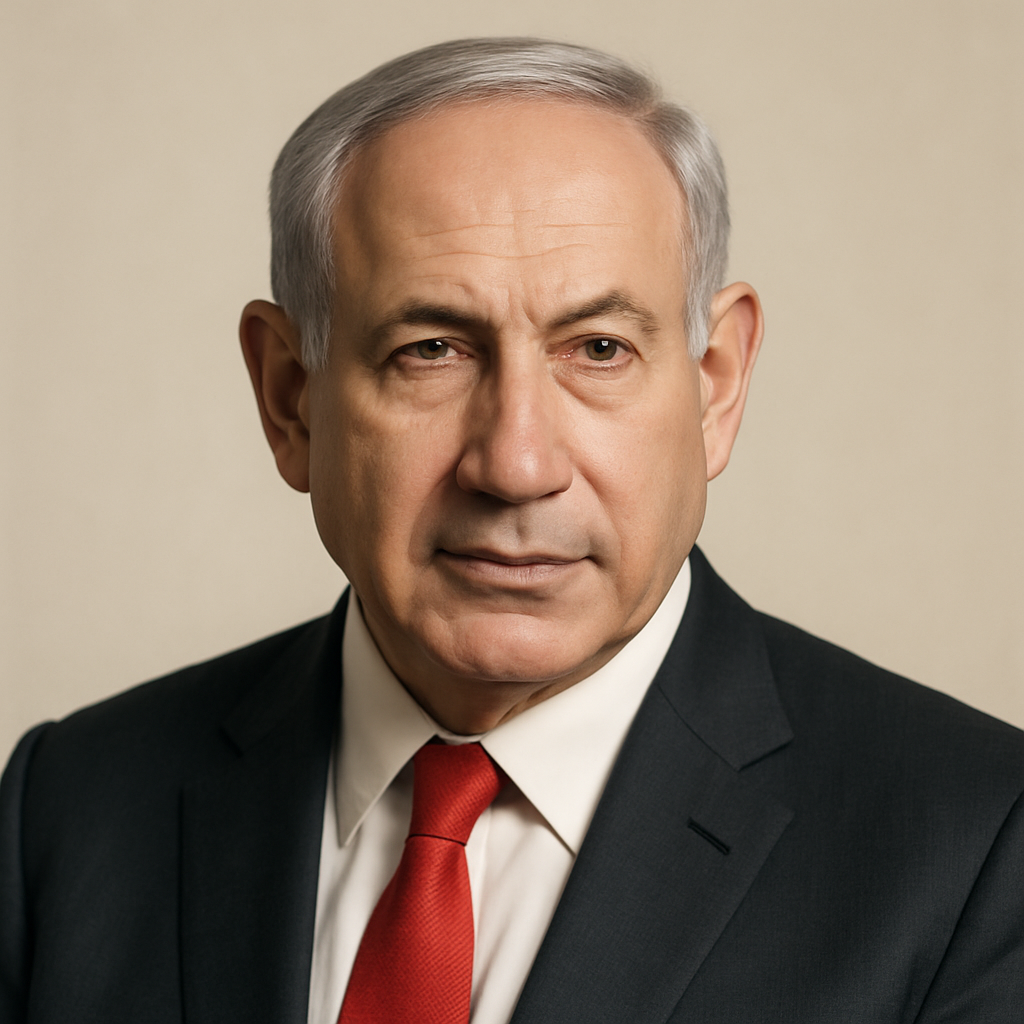
Remarks by Prime Minister Netanyahu at the opening of his meeting with U.S. National Security Advisor O'Brien.
 Benjamin Netanyahu · Prime Minister of Israel
- Context
- Netanyahu met with U.S. National Security Advisor Robert O'Brien in Jerusalem on December 13, 2020, to discuss bilateral cooperation, the Abraham Accords, and Iran policy.
- Main themes
- U.S.-Israel relations, Abraham Accords, Iran nuclear threat, Israeli-Palestinian peace plan, maximum pressure policy, counterterrorism cooperation, Golan Heights sovereignty, Arab-Israeli normalization, Trump administration partnership, regional security
- Duration
- ~5 min
- Words
- 559
- Sentences
- 30
- Readability
- 53
- Grade
- 10.4
- Syntax
- 2.79
- Vocabulary
- 2.02
Translated from Hebrew
The broad sphere of national life a sentence belongs to. Every sentence has an Arena, so it is the denominator the other indices are read against.
Other30 sentences in 2 paragraphs
"The United States and Israel are working together more closely than ever."
Prime Minister Benjamin Netanyahu: "National Security Advisor O'Brien, Robert, I am happy to welcome you back here in Jerusalem, along with your team. You have an excellent ambassador here, our friend David Friedman. I want to personally thank you for your friendship to the State of Israel, as well as for your wonderful cooperation with our National Security Advisor, Meir Ben Shabbat. Meir is modest, but I am not ashamed to speak about the things he has done with you, because in your joint work, both of you have achieved outstanding results for our two countries. Mr. Ben Shabbat certainly deserves the recognition from the Department of Defense for exceptional public service, which you have now awarded him. This is the highest honor that the U.S. Department of Defense can give to someone who is not a U.S. citizen. He is certainly deserving of it, and it is very moving. Thank you. Under President Trump’s leadership, the United States and Israel are working together more closely than ever. We are cooperating to counter shared threats, we are cooperating to bring peace. In both of these areas, we have made significant progress. The Abraham Accords have led to historic breakthroughs for peace with four Arab countries: the United Arab Emirates, Bahrain, Sudan, and recently, Morocco as well. This has brought tremendous excitement in Israel. Israelis are now facing a difficult dilemma of where to travel, to Dubai or to Morocco, Abu Dhabi or Morocco. I am sure we will find a solution and travel to both. None of these breakthroughs would have been possible without the partnership, the active involvement, and the leadership of President Trump and his team. So again I say: thank you, President Trump. In addition, the Trump administration proposed the first realistic plan for Israeli-Palestinian peace. This is the first plan of its kind that seriously addresses Israel's national and security interests and takes them into account. Therefore, I believe that going forward, it will be the only plan that will be implemented. President Trump recognized Israel's sovereignty over the Golan Heights, which is critical for us strategically. The close cooperation between us on national security issues is also evident in our efforts to curb Iranian aggression and its race for a bomb. Instead of coddling the tyrants in Tehran, President Trump adopted a policy of maximum pressure, a policy that receives broad support throughout the Middle East. Israelis and Arabs praised President Trump when he exited the terrible nuclear deal with Iran, when he restored and even intensified the tough sanctions on Iran, and when he eliminated the arch-terrorist Qassem Soleimani. When Israelis and Arabs agree on so many things, it makes sense for the world to pay attention. After all, we live in this region, and we know something about it. As long as Iran continues to subjugate and threaten its neighbors, as long as it continues to call for the destruction of Israel, as long as it continues to fund and arm terrorist organizations in the region and around the world, and as long as it continues its race to acquire nuclear weapons and delivery systems, we must not return to a state of business as usual with Iran. We must unite to combat this threat to world peace. I say..."
The original Hebrew. The tags above are read on the English translation's sentences.
ארצות הברית וישראל עובדות בשיתוף פעולה הדוק יותר מאי פעם״
ראש הממשלה בנימין נתניהו: "היועץ לביטחון לאומי אובריאן, רוברט, אני שמח לקבל שוב את פניך כאן בירושלים, יחד עם הצוות שלך. יש לכם כאן שגריר מצוין, ידידנו דיוויד פרידמן. אני מבקש להודות לך אישית על הידידות שלך למדינת ישראל, וכן על שיתוף הפעולה הנהדר שלך עם היועץ לביטחון לאומי שלנו, מאיר בן שבת. מאיר מצטנע, אך אני לא מתבייש לדבר על הדברים שהוא עשה איתך, משום שבעבודתכם המשותפת, שניכם הגעתם להישגים יוצאים מן הכלל לשתי המדינות שלנו. מר בן שבת ראוי בהחלט לאות ההוקרה ממשרד ההגנה לשירות ציבורי יוצא מן הכלל, שעכשיו הענקת לו. זהו אות הכבוד הגבוה ביותר שמשרד ההגנה האמריקני יכול להעניק למי שאינו אזרח אמריקני. הוא בהחלט ראוי לזה וזה מאוד מרגש. תודה. בהובלת הנשיא טראמפ, ארצות הברית וישראל עובדות בשיתוף פעולה הדוק יותר מאי פעם. אנחנו משתפים פעולה כדי לסכל איומים משותפים, אנחנו משתפים פעולה בהבאת השלום. בשני התחומים הללו, התקדמנו בצורה משמעותית. הסכמי אברהם הובילו לפריצות דרך היסטוריות לשלום עם ארבע מדינות ערביות: איחוד האמירויות, בחריין, סודאן ולאחרונה, גם מרוקו. זה הביא להתרגשות עצומה בישראל. ישראלים ניצבים כעת מול דילמה קשה לאן לנסוע, לדובאי או למרוקו, אבו דאבי או מרוקו. אני בטוח שנמצא לזה פתרון וניסע לשניהם. אף אחת מפריצות הדרך האלו לא היו מתאפשרות לולא השותפות, המעורבות הפעילה והנהגתו של הנשיא טראמפ וצוותו. אז שוב אני אומר: תודה לך הנשיא טראמפ. בנוסף לכך, הממשל של הנשיא טראמפ הציע את התכנית המציאותית הראשונה לשלום ישראלי-פלסטיני. זאת התכנית הראשונה מסוגה שמתייחסת בכובד ראש לאינטרסים הלאומיים והביטחוניים של ישראל ומביאה אותם בחשבון. משום כך, אני חושב שבהמשך הדרך, היא תהיה התכנית היחידה שתיושם. הנשיא טראמפ הכיר בריבונותה של ישראל על רמת הגולן, שקריטית לנו מבחינה אסטרטגית. שיתוף הפעולה ההדוק בינינו בנושאי ביטחון לאומי ניכר גם במאמצינו לבלום את התוקפנות האיראנית ואת המירוץ שלה לפצצה. במקום לפנק את העריצים בטהראן, הנשיא טראמפ אימץ מדיניות של מקסימום לחץ, מדיניות שמקבלת תמיכה נרחבת בכל המזרח התיכון. ישראלים וערבים שיבחו את הנשיא טראמפ כאשר יצא מהסכם הגרעין הגרוע עם איראן, כשהחזיר ואף הגביר את הסנקציות הקשות על איראן וכשחיסל את הארכי-טרוריסט קאסם סולימאני. כאשר ישראלים וערבים מסכימים על דברים רבים כל כך, הגיוני שהעולם ישים לכך לב. אחרי ככלות הכול, אנחנו חיים באזור הזה, ואנחנו יודעים עליו משהו. כל עוד איראן תמשיך להכניע ולאיים על שכנותיה, כל עוד היא תמשיך לקרוא להשמדתה של ישראל, כל עוד היא תמשיך לממן ולחמש ארגוני טרור באזור וברחבי העולם וכל עוד היא תמשיך במירוץ שלה להשיג נשק גרעיני ואמצעי שיגור, אסור לנו לחזור למצב של עסקים כרגיל עם איראן. עלינו להתאחד כדי להיאבק באיום הזה על השלום העולמי. אני אומר