




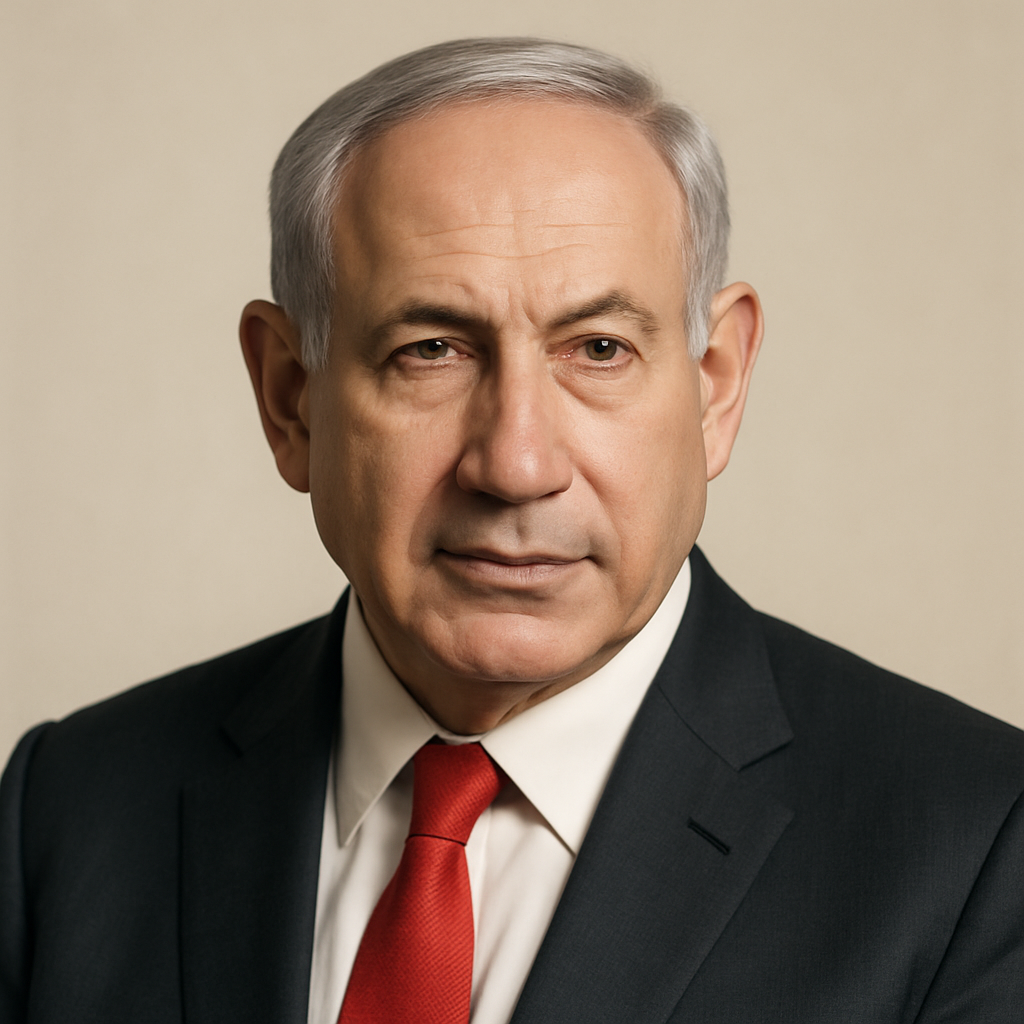
Prime Minister Netanyahu's speech at the special Knesset session on the "Abraham Accords for Peace"
 Benjamin Netanyahu · Prime Minister of Israel
- Context
- Netanyahu addressed a special Knesset session on October 15, 2020, to mark the signing and approval of the Abraham Accords normalizing relations with Arab states.
- Main themes
- Abraham Accords, Israeli-Arab normalization, Israeli strength and security, opposition to Iran nuclear deal, Palestinian veto on peace, regional diplomacy, technological and economic power, Netanyahu's leadership vision, Knesset approval of peace agreements, Middle East order, Hezbollah and Hamas opposition, Israeli identity and roots
- Duration
- ~6 min
- Words
- 696
- Sentences
- 32
- Readability
- 45
- Grade
- 12.4
- Syntax
- 3.10
- Vocabulary
- 2.22
Translated from Hebrew
The broad sphere of national life a sentence belongs to. Every sentence has an Arena, so it is the denominator the other indices are read against.
Other32 sentences in 9 paragraphs
. End of quote.
Members of Knesset, I wrote these words a quarter of a century ago, 25 years ago, in my book 'A Place Under the Sun', but I did not suffice with writing about it. I acted to realize this vision by empowering Israel in all areas: in security, in a free economy, in all the reforms we have made here, to transform Israel from a centralized, constrained economy into a free and entrepreneurial economy, in foreign relations, in technology, in cyber, in heritage, in spirit. The belief in the righteousness of our path, the recognition of our roots, love of the homeland, mutual responsibility – all these strengthen us in our stand against those who seek our lives. In our region, the strong survive; unfortunately, the weak are doomed to destruction. The strong are respected, alliances are forged with the strong – while the weak are trampled.
Under my leadership, Israel has become a technological power, an intelligence power, a cyber power, and these things, the combination of our economic-technological strength and our military-intelligence strength, have given us much political power. Israel under my leadership is not tempted by dangerous withdrawals, by bowing its head, by appeasement that brings war closer instead of distancing it. Thanks to this, something enormous has been happening in recent years – many Arab and Muslim countries are seeking our proximity. They see our military and intelligence strength, our technological and economic strength. They are changing their approach towards us.
Israel, which was perceived for decades as an enemy, is today seen as a steadfast ally – even essential. The most significant turning point was the opposition I led to the dangerous nuclear agreement with Iran. I stood before the whole world, sometimes I also stood before people here, in our establishments. I warned of the nightmare scenario of a nuclear Iran, I spoke about it in the U.S. Congress, and I promoted, together with others here, a policy aimed at preventing Iran from establishing a military presence in Syria. Various leaders approached me in the region, especially after the speech in Congress, approached me secretly and said how much they welcome this policy, and gradually expressed a willingness to tighten ties with us.
We opened Saudi airspace for flights from Israel to India. My wife and I visited Oman. We established diplomatic relations with Chad. I met with the leader of Sudan. I met in Warsaw with half a dozen representatives from Arab countries, and there were also many confidential meetings, which the time will come to reveal.
I did not say that the entire Arab world supports this peace, or the entire Muslim world. Iran opposes it vehemently, Hezbollah opposes it vehemently, Hamas opposes it vehemently, and also the Palestinian Authority, and here are also members of Knesset here. But those who truly support peace and want real reconciliation – they will support, and will support enthusiastically, this change, which has indeed received support from the majority of countries in the world.
It is amazing that here in the Knesset of Israel there will be people who will vote against peace. Those who are supposedly the peace camp oppose peace. You do not want true peace; you want a reflection of peace, in which Israel slowly disappears and collapses.
Well, all this tremendous development that I have described, the secret contacts that became official, the meetings of Israeli representatives and the Prime Minister of Israel time and again, step by step, with more and more representatives, have brought us to this day, this historic day, where we are here signing, approving a historic peace agreement.
All this tremendous development is important in and of itself, but it has another significance, a significance that changes the order of the world in the Middle East: it breaks the Palestinian veto on establishing peace with Arab countries. The Palestinians have been offered the most generous proposals, but they have rejected them time and again: in the Balfour Declaration, at the San Remo Conference, in the resolution of November 29, in countless peace plans that sought to resolve once and for all the conflict in the Middle East. Mr. Speaker,
The original Hebrew. The tags above are read on the English translation's sentences.
. סוף ציטוט.
חברי הכנסת, את הדברים הללו כתבתי לפני רבע מאה שנים, לפני 25 שנים, בספרי 'מקום תחת השמש', אבל לא הסתפקתי בלכתוב על כך. פעלתי להגשים השקפה זו על ידי העצמתה של ישראל בכל התחומים: בביטחון, בכלכלה חופשית, בכל הרפורמות שעשינו פה, להפוך את ישראל מכלכלה ריכוזית, קפוצה, לכלכלה חופשית ויזמית, ביחסי החוץ, בטכנולוגיה, בסייבר, במורשת, ברוח. האמונה בצדקת דרכנו, הכרת שורשינו, אהבת המולדת, הערבות ההדדית – כל אלה מחזקים אותנו בעמידתנו מול מבקשי נפשנו. באזורנו החזקים שורדים, לצערנו החלשים נידונים לכליה. את החזקים מכבדים, עם החזקים כורתים בריתות – בעוד שהחלשים נרמסים.
ישראל בהנהגתי הפכה למעצמה טכנולוגית, למעצמה מודיעינית, למעצמת סייבר, והדברים הללו, השילוב של הכוח הכלכלי-טכנולוגי שלנו והכוח הצבאי-המודיעיני שלנו נתנו לנו הרבה עוצמה מדינית. ישראל בהנהגתי איננה מתפתה לנסיגות מסוכנות, להרכנת ראש, לפייסנות שמקרבת מלחמה במקום להרחיק אותה. הודות לכך מתרחש בשנים האחרונות דבר ענק - מדינות ערביות ומוסלמיות רבות מבקשות את קרבתנו. הן רואות את עוצמתנו הצבאית והמודיעינית, הטכנולוגית והכלכלית. הן משנות את גישתן כלפינו.
ישראל, שנתפסה עשרות שנים כאויב, נתפסת היום כבת-ברית איתנה – אפילו חיונית. נקודת המפנה המשמעותית ביותר הייתה ההתנגדות שהובלתי להסכם הגרעין המסוכן עם איראן. עמדתי מול כל העולם, לפעמים עמדתי גם מול אנשים פה, בממסדים שלנו. הזהרתי מפני תרחיש האימים של איראן גרעינית, נאמתי על כך בקונגרס האמריקני, וקידמתי, יחד עם אחרים כאן, מדיניות שנועדה למנוע מאיראן להתבסס צבאית בסוריה. מנהיגים שונים פנו אליי באזור, במיוחד אחרי הנאום בקונגרס, פנו אליי בחשאי ואמרו עד כמה הם מברכים את המדיניות הזאת, ובהדרגה הביעו נכונות להדק איתנו את הקשרים.
פתחנו את שמי סעודיה לטיסות מישראל להודו. ביקרתי עם רעייתי בעומאן. כוננו יחסים דיפלומטיים עם צ'אד. נפגשתי עם מנהיג סודן. פגשתי בוורשה חצי תריסר נציגים ממדינות ערביות, והיו גם הרבה מאוד פגישות חסויות, שיגיע הזמן לחשוף אותן.
לא אמרתי שכל העולם הערבי תומך בשלום הזה, או כל העולם המוסלמי. איראן מתנגדת לו בחריפות, חיזבאללה מתנגד לו בחריפות, חמאס מתנגד לו בחריפות, וגם הרשות הפלסטינית, והנה גם חברי כנסת כאן. אבל מי שבאמת תומך בשלום ורוצה התפייסות אמיתית – הוא יתמוך, ויתמוך בהתלהבות, בשינוי הזה, שקיבל באמת תמיכה מרוב מדינות העולם.
מדהים שפה בכנסת ישראל יהיו אנשים שיצביעו נגד השלום. מי שהוא לכאורה מחנה השלום מתנגד לשלום. אינכם רוצים שלום אמת, אתם רוצים בבואה של שלום, שבתוכה ישראל לאט לאט נעלמת ומתרסקת.
ובכן, כל ההתפתחות הכבירה הזאת שתיארתי, המגעים החשאיים שהפכו לרשמיים, המפגשים של נציגים ישראלים וראש ממשלת ישראל פעם אחר פעם, צעד אחר צעד, עם עוד ועוד ועוד נציגים, הביאו ליום הזה, ההיסטורי הזה, שבו אנחנו כאן חותמים, מאשרים הסכם שלום היסטורי.
כל ההתפתחות הכבירה הזאת חשובה כמובן בזכות עצמה, אבל יש לה משמעות נוספת, משמעות שמשנה סדרי עולם במזרח התיכון: היא שוברת את הווטו הפלסטיני על כינון שלום עם מדינות ערב. לפלסטינים הוצעו הצעות נדיבות ביותר, אבל הן דחו אותן פעם אחר פעם: בהצהרת בלפור, בוועידת סן רמו, בהחלטת כ''ט בנובמבר, באינספור תכניות שלום שביקשו לפתור אחת ולתמיד את הסכסוך במזרח התיכון. אדוני היו