




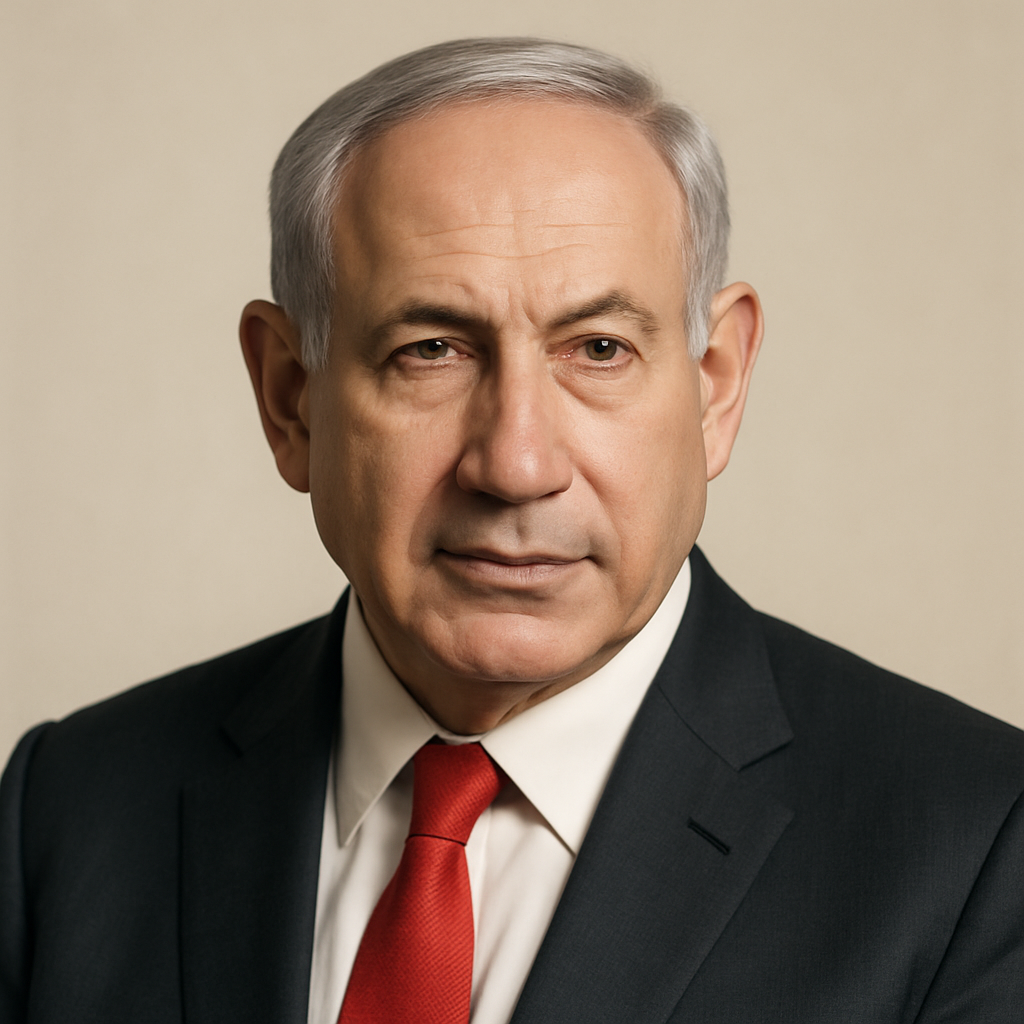

- Context
- Netanyahu addressed Israeli media on October 10, 2025, defending his wartime decisions on Gaza, Iran, and hostage negotiations amid domestic and international pressure.
- Main themes
- Hostage release, military pressure on Hamas, Iranian threat, Israeli security, war in Gaza, rejection of external pressures, Philadelphi route and Rafah operations, breaking the Iranian axis, Trump administration cooperation, fallen soldiers
- Duration
- ~3 min
- Words
- 302
- Sentences
- 13
- Readability
- 50
- Grade
- 11.9
- Syntax
- 3.33
- Vocabulary
- 2.20
Translated from Hebrew
The broad sphere of national life a sentence belongs to. Every sentence has an Arena, so it is the denominator the other indices are read against.
Other13 sentences in 4 paragraphs
I thought differently – and acted differently. I believed that if we applied heavy military pressure on Hamas – combined with heavy political pressure – we could also bring back all our captives. And that is exactly what we did.
But I also tell you – to put it mildly, it was not easy. I had to stand up to tremendous pressures, both from within and from outside: pressures not to enter Rafah, pressures not to take the Philadelphi route, pressures not to operate in other arenas, pressures to stop the war and withdraw from the Strip – while Hamas, Hezbollah, the Assad regime, and Iran – all at the height of their power. But I firmly rejected all these pressures, because one and only one consideration stood before me: the security of Israel. And that means achieving the objectives of the war, including the release of hostages; removing the nuclear and ballistic threat from Iran, which endangered our existence here; and breaking the Iranian axis, of which Hamas is a central part.
Despite all the pressures I mentioned, we continued to fight in Gaza and we continued to fight in the entire region. Until President Trump entered the White House, we returned 158 captives to Israel – of which 117 were living captives. Some of the captives were released in daring operations by our forces, which you remember and recognize, and we bow our heads to the fallen. After President Trump entered the White House, we brought home another 49 living captives and remains – ten of them in additional daring operations by our forces.
But the hardest challenge remains: to bring home all the remaining captives – 20 living captives and 28 deceased captives. And you remember: commentator after commentator, night after night, day after day, they explained to us:
The original Hebrew. The tags above are read on the English translation's sentences.
אני חשבתי אחרת – ופעלתי אחרת. האמנתי שאם נפעיל על החמאס לחץ צבאי כבד - בשילוב לחץ מדיני כבד - נוכל גם נוכל להחזיר את כל חטופינו. וכך בדיוק עשינו.
אבל אני גם אומר לכם - בלשון המעטה, זה לא היה קל. הייתי צריך לעמוד מול לחצים כבירים, גם מן הבית וגם מן החוץ: לחצים לא להיכנס לרפיח, לחצים לא לתפוס את ציר פילדלפי, לחצים לא לפעול בזירות אחרות, לחצים לעצור את המלחמה ולסגת מהרצועה – כש'חמאס', 'חיזבאללה', משטר אסד ואיראן - כולם בשיא כוחם. אבל דחיתי בתוקף את כל הלחצים הללו, כי לנגד עיניי עמד שיקול אחד ויחיד: ביטחון ישראל. וזה אומר השגת מטרות המלחמה, לרבות שחרור חטופים; הסרת האיום הגרעיני והבליסטי מאיראן, שהעמיד בסכנה את הקיום שלנו כאן; ושבירת הציר האיראני, שהחמאס הוא חלק מרכזי ממנו.
חרף כל הלחצים שהזכרתי, המשכנו להילחם בעזה והמשכנו להילחם במרחב כולו. עד כניסתו של הנשיא טראמפ לבית הלבן השבנו לישראל 158 חטופים – מתוכם 117 חטופים חיים. חלק מן החטופים שוחררו במבצעי גבורה נועזים של כוחותינו, שאתם זוכרים ומכירים, ומרכינים ראש לנופלים. לאחר כניסתו של הנשיא טראמפ לבית הלבן החזרנו הביתה עוד 49 חטופים חיים וחללים – עשרה מתוכם במבצעים נועזים נוספים של כוחותינו.
אבל עדיין נשאר האתגר הקשה מכל: להשיב הביתה את כל יתר החטופים - 20 חטופים חיים ו-28 חטופים חללים. ואתם זוכרים: פרשן אחר פרשן, ערב ערב, יום יום, הם הסבירו לנו: