




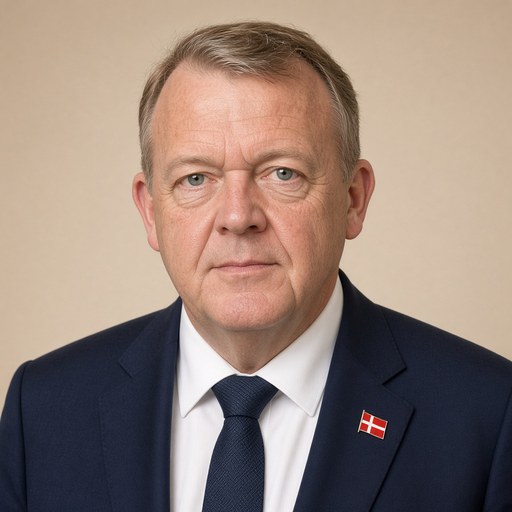
Prime Minister Lars Løkke Rasmussen's speech at VL-Døgn 2010 in the Opera House in Copenhagen on February 9, 2010.
 Lars Løkke Rasmussen · Prime Minister of Denmark
- Context
- Rasmussen addressed the VL-Døgn 2010 business forum at the Copenhagen Opera House on February 9, 2010, speaking on Denmark's economic challenges and future growth.
- Main themes
- Economic crisis management, fiscal consolidation, Danish competitiveness, global competition, productivity paradox, BRIC market opportunities, unemployment, public finances, future prosperity, business community role, industrial job losses
- Duration
- ~13 min
- Words
- 1,599
- Sentences
- 119
- Readability
- 61
- Grade
- 7.8
- Syntax
- 2.63
- Vocabulary
- 2.10
Translated from Danish
The broad sphere of national life a sentence belongs to. Every sentence has an Arena, so it is the denominator the other indices are read against.
Other119 sentences in 45 paragraphs
Thank you for the invitation to participate in VL-Døgn 2010.
Here at the entrance to the new decade, we stand at a turning point. The economic crisis has been an eye-opener. In the new decade, we must take the consequences of what our open eyes see. A new world with sharper competition, but also with new opportunities.
We must – to use the headline of VL-Døgnet – see "the crisis as a catalyst."
* * *
At the entrance to the new decade, we face (at least) three challenges:
First, we must continue to manage the crisis. The government has implemented one of the most expansive crisis policies in Europe. Among other things, we have raised public investments to a historically high level. And it has worked. We have taken the peak off unemployment and bankruptcies.
But it is too early to declare the crisis over. We must continue to ensure that long-term unemployment and youth unemployment do not become entrenched. And that healthy companies are not forced to close their doors. We must support the budding growth. This is the government's primary focus in 2010.
Second, there is, in the slightly longer term, a bill we must pick up. From 2008 to 2010, the public balance has shifted from a surplus to a deficit – with a gap of 155 billion DKK. This is dramatic. We have had to incur debt to manage the crisis. And the additional interest expenses alone amount to significant billions.
The outlook is bleaker in other European countries. But that does not change the fact that Denmark's challenge is serious. Therefore, we must set a restrictive framework for the agreements on the finances of municipalities and regions for 2011 and for the coming years' finance bills.
While we focus this year on continuing to manage the crisis, we must already from next year work to restore balance in the cash credit and put debt accumulation on hold. The scope of the challenge will be outlined in the convergence program that the government will present either at the end of this week or at the beginning of week 8.
In the long term, we have a third challenge, which is largely your – the business community's – challenge: What will Denmark live off in the future?
Danish productivity and prosperity have grown less since the mid-90s than in other OECD countries. Although international studies show that the general conditions for growth are good in Denmark. It is a growth paradox that we must find a way out of.
At the same time, the economic crisis has accelerated a development that was already underway. The new economies are surging forward – even during a crisis when the Western countries are struggling. Even in 2009, China and India had positive growth.
Denmark has lost jobs to the new economies over the years. Over the past 20 years, industrial employment in Denmark has fallen by about 7,000 people each year. But from 2008 to 2010, in just two years, a total decline of 45,000 people is expected.
This must also be seen in light of the fact that employment rose during the boom. But the figure illustrates that we are losing jobs at a faster pace than before. And thus we have less time to create new jobs elsewhere in the value chain.
And it is no longer just unskilled Danish workers who are competing against cheaper Chinese unskilled workers. It is also Danish chemists who must compete with Indian chemists. It is Danish engineers who are competing against Korean engineers. This is the sharp global challenge.
Against this backdrop, it is far from given that Denmark will also be among the world's elite in terms of prosperity in the future. It is a position we must fight for. Therefore, I have set the overarching goal for Denmark that by 2020 we must be one of the 10 richest countries in the world.
Given the odds we are up against, it is a goal that we must stretch ourselves to our utmost to achieve.
* * *
Brazil, Russia, India, and China – the BRIC countries – today together are roughly half the size of the EU in terms of GDP. If they continue to grow faster than us, the economic balance will shift.
One can choose to see this as a threat. I believe we should see it as new market opportunities.
Let me mention that, for example, Novo Nordisk has had an average annual sales growth in the BRIC countries of over 20 percent over the past 5 years – despite the crisis in 2009. During the same period, Novo has expanded employment in Denmark.
In the growing Russian market, several Danish companies have expanded, even during the crisis: with Ecco shoes for Russian consumers. Equipment for Russian cement factories. Valves for the Russian district heating network.
China is a flourishing market for Danish companies, from wind turbines to pork.
I could go on. We have a number of Danish business strengths. We must build on them. So we can be at the forefront of competition in the growing markets.
It is important to get the division of labor in place: It is the government's task to create the foundation for growth. But it is your task – the companies' task – to grow.
This is the thinking behind the Growth Forum that the government has established, which will meet in Esbjerg at the end of week 8.
The government has initiated a 360-degree review of the public school system, which will be one of the inputs for a broader meeting in the Growth Forum about knowledge and education. About how we can develop our most important resource: human capability.
When you ask foreign companies why they invest in Denmark, the answer is: access to highly qualified employees.
This is the next important theme in the Growth Forum: How we can attract qualified labor and investments from abroad. One in five jobs in Denmark is in a foreign company. And foreign investments contribute new knowledge, research, and dynamism.
Despite the crisis, there is great interest in investing in Denmark. Not least from Asian countries, which accounted for almost half of the foreign projects last year. This is also the background for my plan to lead a business delegation to, among others, Japan and South Korea in week 10.
By industry, it is especially Danish environmental and energy technology that attracts foreign investors. This leads me to yet another theme that we will discuss thoroughly in the Growth Forum: Green growth. The export of green technology constitutes a larger share of total exports in Denmark than in the rest of the EU, and is growing faster. We must take advantage of this.
Not by trying to let the state pick the winners. But by ensuring the right market conditions, the right regulation, and a close interaction between research and business. And then let the market – you! – find the solutions.
In addition to the themes I have already mentioned, the Growth Forum will also address research, innovation, and competition. The overall task is to shine a spotlight on all the areas that create growth and prosperity.
This applies in the Danish context. It applies in the European context. Denmark's challenges are also European challenges. Therefore, it is positive that the EU is working on a new 2020 strategy for growth and employment. The successor to the Lisbon Strategy. On Thursday, I will participate in an extraordinary meeting of the European Council, where we will discuss the new growth strategy for the first time.
Let me mention the most important points that I will contribute to the work:
The green: With 500 million people. With a strong technological base. With a strong climate policy, the EU has the prerequisites to lead in the green competition. Europe must reap the benefits in the form of growth, innovation, and jobs.
But it will require a strong political effort. I believe we should set the European ambition to create the largest green internal market in the world. A green internal market where we have common standards, rules, and structures for energy and environmental products throughout the EU. With a single market behind us, businesses will be able to make bolder decisions. Consumers will feel more secure in making green choices.
One example: If we establish a common European infrastructure for electric vehicles, large-scale production will become more profitable. Consumers will be more willing to buy electric vehicles. We will be able to phase in more renewable energy.
We must repeat the success of the internal market with a green twist.
The internal market has been one of the EU's most powerful instruments for stimulating growth. Now we must get back on track. We must clean up after crisis policies. Individual countries have been focused on national aid packages. Now it is important that we phase out crisis aid and avoid state aid.
The long-term growth agenda in the EU aligns with several of Denmark's key issues: the green, sharp competition, emphasis on research and development. I therefore also expect that Denmark can make a clear mark on the EU's strategy.
We must reclaim growth. It is our main task in the new decade. And it is also a common European task.
We have been spoiled by tailwinds for several years. In times of headwinds, we should sharpen our ambitions and mobilize all our forces. Let that also be our common project here in Denmark in a strong and trusting collaboration between business and government.
Thank you for your attention.
The original Danish. The tags above are read on the English translation's sentences.
Tak for invitationen til at deltage i VL-Døgn 2010.
Her ved indgangen til det nye årti står vi ved et vendepunkt. Den økonomiske krise har været en øjenåbner. I det nye årti skal vi tage konsekvensen af det, vores åbne øjne ser. En ny verden med en skarpere konkurrence, men også med nye muligheder.
Vi skal – for at bruge overskriften på VL-Døgnet – se ”krisen som en katalysator”.
* * *
Ved indgangen til det nye årti, står vi over for (mindst) tre udfordringer:
For det første skal vi fortsat håndtere krisen. Regeringen har ført noget nær Europas mest ekspansive krisepolitik. Blandt andet har vi løftet de offentlige investeringer til et historisk højt niveau. Og den har virket. Vi har taget toppen af arbejdsløsheden og af konkurserne.
Men det er for tidligt at aflyse krisen. Vi er nødt til fortsat at sikre, at langtidsledighed og ungdomsarbejdsløshed ikke sætter sig. Og at sunde virksomheder ikke bliver tvunget til at dreje nøglen om. Vi skal understøtte den spirende vækst. Det er regeringens primære fokus i 2010.
For det andet er der, på den lidt længere bane, en regning, vi skal samle op. Fra 2008 til 2010 er den offentlige saldo gået fra et overskud til et underskud – med et spænd på 155 mia. kr. Det er dramatisk. Vi har måttet stifte gæld for at klare krisen. Og alene de ekstra renteudgifter løber op i betydelige milliardbeløb.
Det ser sortere ud i andre europæiske lande. Men det rokker ikke ved, at Danmarks udfordring er alvorlig. Derfor må vi sætte en restriktiv ramme for aftalerne om kommunernes og regionernes økonomi for 2011 og for de kommende års finanslove.
Mens vi i år har fokus på fortsat håndtering af krisen, må vi altså allerede fra næste år arbejde på at genskabe balancen på kassekreditten og sætte gældsætningen i bero. Udfordringens omfang vil fremgå af det konvergensprogram, som regeringen vil fremlægge enten i slutningen af denne uge eller i starten af uge 8.
På den lange bane har vi en tredje udfordring, som i høj grad er jeres – erhvervslivets – udfordring: Hvad skal Danmark leve af i fremtiden?
Dansk produktivitet og velstand er siden midt 90’erne vokset mindre end i andre OECD-lande. Selvom internationale undersøgelser viser, at de generelle vækstvilkår er gode i Danmark. Det er et vækst-paradoks, som vi skal finde en vej ud af.
Samtidig har den økonomiske krise accelereret en udvikling, som allerede var i gang. De nye økonomier stormer frem – også under en krise, hvor de vestlige lande ligger underdrejede. Selv i 2009 havde Kina og Indien positiv vækst.
Danmark har gennem en årrække mistet jobs til de nye økonomier. Gennem de seneste 20 år er industribeskæftigelsen i Danmark faldet med omkring 7.000 personer hvert år. Men fra 2008 til 2010, på bare to år, forventes et fald på i alt 45.000 personer.
Det skal så også ses på baggrund af, at beskæftigelsen steg under højkonjunkturen. Men tallet illustrerer, at vi mister job i et hurtigere tempo end før. Og dermed har kortere tid til at skabe nye job andre steder i værdikæden.
Og det er ikke længere alene danske ufaglærte, der konkurrerer mod billigere kinesiske ufaglærte. Det er også danske kemikere, der skal stå distancen mod indiske kemikere. Det er danske ingeniører, der konkurrerer mod koreanske ingeniører. Det er den skarpe globale udfordring.
På den baggrund er det langt fra naturgivent, at Danmark også i fremtiden vil være i verdenseliten målt på velstand. Det er en position, vi skal kæmpe for. Derfor har jeg opstillet det overordnede mål for Danmark, at vi i 2020 skal være et af verdens 10 rigeste lande.
Med de odds vi er oppe imod, er det et mål, som vi skal strække os til vores yderste formåen for at nå.
* * *
Brasilien, Rusland, Indien og Kina – BRIK-landene – er i dag tilsammen nogenlunde halvt så store som EU målt på BNP. Hvis de fortsætter med at vokse hurtigere end os, vil den økonomiske balance forskubbes.
Det kan man vælge at se som en trussel. Jeg synes, vi skal se det som nye markedsmuligheder.
Lad mig nævne, at for eksempel Novo Nordisk de seneste 5 år har haft en gennemsnitlig årlig salgsvækst i BRIK-landene på over 20 procent – trods krise i 2009. I samme periode har Novo udvidet beskæftigelsen i Danmark.
På det voksende russiske marked har flere danske virksomheder ekspanderet, også under krisen: Med ecco-sko til de russiske forbrugere. Udstyr til russiske cementfabrikker. Ventiler til det russiske fjernvarmenet.
Kina er et blomstrende marked for danske virksomheder fra vindmøller til svinekød.
Jeg kunne blive ved. Vi har en række danske erhvervsstyrker. Dem skal vi bygge på. Så vi kan ligge forrest i konkurrencen på de voksende markeder.
Det er vigtigt at få arbejdsdelingen på plads: Det er regeringens opgave at skabe grobund for vækst. Men det er jeres opgave – virksomhedernes opgave – at vokse.
Det er tankegangen i det Vækstforum, regeringen har nedsat, og som mødes i Esbjerg i slutningen af uge 8.
Regeringen har sat et 360 graders eftersyn af folkeskolen i gang, som bliver ét af indsparkene til et bredere møde i Vækstforum om viden og uddannelse. Om hvordan vi kan udvikle vores vigtigste ressource: Menneskelig formåen.
Når man spørger udenlandske virksomheder, hvorfor de investerer i Danmark, så er svaret: adgang til højtkvalificerede medarbejdere.
Det er det næste vigtige tema i Vækstforum: Hvordan vi kan tiltrække kvalificeret arbejdskraft og investeringer fra udlandet. Hver femte arbejdsplads i Danmark er i en udenlandsk virksomhed. Og udenlandske investeringer bidrager med ny viden, forskning og dynamik.
Trods krisen er der stor interesse for at investere i Danmark. Ikke mindst fra asiatiske lande, som stod for næsten halvdelen af de udenlandske projekter sidste år. Det er også baggrunden for, at jeg i uge 10 planlægger at lede en erhvervsdelegation til bl.a. Japan og Sydkorea.
Branchemæssigt er det især dansk miljø- og energiteknologi, der tiltrækker udenlandske investorer. Det leder mig videre til endnu et tema, vi vil diskutere grundigt i Vækstforum: Grøn vækst. Eksport af grøn teknologi udgør en større andel af den samlede eksport i Danmark end i resten af EU, og vokser hurtigere. Det skal vi udnytte.
Ikke ved at forsøge at lade staten udpege vinderne. Men ved at sikre de rigtige markedsvilkår, den rette regulering og et tæt samspil mellem forskning og erhvervsliv. Og så lade markedet – jer! –finde løsningerne.
Ud over de temaer, jeg allerede har nævnt, skal Vækstforum også omkring forskning, innovation og konkurrence. Samlet er opgaven at rette spotlyset mod alle de områder, som skaber vækst og velstand.
Det gælder i dansk kontekst. Det gælder i europæisk kontekst. Danmarks udfordringer er også europæiske udfordringer. Derfor er det positivt, at EU er i gang med ny 2020 strategi for vækst og beskæftigelse. Lissabon-strategiens afløser. På torsdag deltager jeg i et ekstraordinært møde i Det Europæiske Råd, hvor vi for første gang skal drøfte den nye vækststrategi.
Lad mig nævne de vigtigste af de punkter, som jeg vil spille ind i arbejdet:
Det grønne: Med 500 millioner mennesker. Med en stærk teknologisk base. Med en stærk klimapolitik har EU forudsætningerne for at gå forrest i den grønne konkurrence. Europa skal høste fordelene i form af vækst, innovation og jobs.
Men det vil kræve en stærk politisk indsats. Jeg mener, vi bør sætte den europæiske ambition at skabe det største grønne indre marked i verden. Et grønt indre marked, hvor vi har fælles standarder, regler og strukturer for energi- og miljøprodukter i hele EU. Med ét samlet marked i ryggen vil erhvervslivet kunne træffe modigere beslutninger. Forbrugerne vil være mere trygge ved det grønne valg.
Et eksempel: Hvis vi får en fælles europæisk infrastruktur for elbiler, så vil storskalaproduktion blive mere rentabel. Så vil forbrugerne blive mere villige til at købe elbiler. Så vil vi kunne indfase mere vedvarende energi.
Vi skal gentage det indre markeds succes med grønt fortegn.
Det indre marked har været et af EU’s mest kraftfulde instrumenter til at stimulere væksten. Nu skal vi tilbage på sporet. Vi skal rydde op efter krisepolitikken. De enkelte lande har været optaget af nationale hjælpepakker. Nu er det vigtigt, at vi faser krisehjælpen ud og undgår statsstøtte.
Den langsigtede vækstdagsorden i EU falder sammen med flere af Danmarks mærkesager: det grønne, skarp konkurrence, vægt på forskning og udvikling. Jeg forventer derfor også, at Danmark kan sætte vores tydelige præg på EU’s strategi.
Vi skal erobre væksten tilbage. Det er vores hovedopgave i det nye årti. Og det er også en fælles europæisk opgave.
Vi har gennem en årrække været forkælet af medvind. I tider med modvind bør vi skærpe ambitionerne og mobilisere alle vores kræfter. Lad det også være vores fælles projekt her i Danmark i et stærkt og tillidsfuldt samarbejde mellem erhvervsliv og regering.
Tak for ordet.