




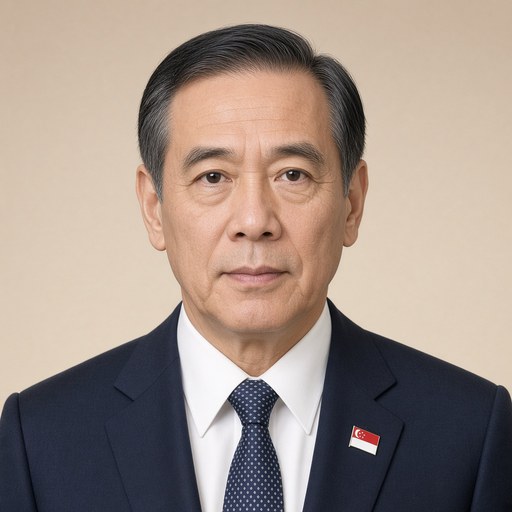
Prime Minister Lee Hsien Loong on the COVID-19 'New Normal'
 Lee Hsien Loong · Prime Minister of Singapore
- Context
- Lee Hsien Loong addressed Singaporeans on 31 May 2021 to update them on the COVID-19 situation, new variants, and the path toward relaxing restrictions after 13 June.
- Main themes
- COVID-19 outbreak management, heightened alert restrictions, vaccination programme, testing and contact tracing, new virus variants, community spread, reopening roadmap, antigen rapid tests, rostered routine testing, public health measures
- Duration
- ~67 min
- Words
- 8,025
- Sentences
- 574
- Readability
- 57
- Grade
- 8.8
- Syntax
- 2.65
- Vocabulary
- 2.87
Translated from Multiple languages
The broad sphere of national life a sentence belongs to. Every sentence has an Arena, so it is the denominator the other indices are read against.
Other574 sentences in 153 paragraphs
My fellow Singaporeans
For the last three weeks, we have been on Heightened Alert. We had discovered new clusters of COVID-19 infections. One cluster at Tan Tock Seng Hospital, and then another at Changi Airport. More cases soon followed. We also started seeing unlinked cases, implying community spread. So we had to step back from Phase 3. We went on Heightened Alert to reduce social interaction and new infections. Everyone has responded, to cooperate on the measures we had to take. Offices, malls, and the streets are all visibly quieter.
Because of your support, the number of daily cases has come down. Barring another super-spreader or big cluster, we should be on track to bring this outbreak under control. We will know for sure in another week or so. Meanwhile, I count on everyone to keep up our efforts and stay vigilant. Please continue to stay home, work from home if possible, and go out only if you must. Most importantly, if you feel unwell, see a doctor immediately – even if you have been vaccinated. If our situation continues to improve, and the number of community cases falls further, we should be able to relax the restrictions after 13 June.
Test, Trace and Vaccinate
Compared to a year ago, when we had our first big outbreak, we are in a much better position today. We have built up our testing and contact tracing capabilities. Crucially, our vaccination programme is well advanced. With stronger defences in place, we have not had to impose a full circuit breaker.
Unfortunately, we are also fighting new, more infectious variants of the COVID-19 virus. The B.1.1.7 variant, which was first detected in the UK, has become widespread in the US and many other countries. We are now dealing with the B.1.617.2 variant, which was first detected in India and is now in over 50 countries. More variants will inevitably emerge, and we will have to deal with them too.
What does a more infectious virus mean for our fight against COVID-19? It implies that we must continually adjust our strategies, and raise our game to keep COVID-19 under control. Specifically, there are three things that we have to do more of, and do faster, testing, contact tracing, and vaccination. Let me briefly explain. The Multi-Ministry Taskforce (MTF) will provide details later on.
First, we must test faster, and more liberally and extensively. This will enable us to detect COVID-19 cases more quickly. So that we can isolate them and ringfence their contacts promptly, before the virus spreads further.
Many different types of COVID-19 tests have become available, for example, antigen rapid tests (ART), saliva tests, breathalysers, wastewater surveillance, even sniffer dogs. We have been using some of these, and evaluating others, for some time. Each of these new tests is suited to different use cases.
For example, ARTs produce results much faster than the Polymerase Chain Reaction (PCR) tests that we have mostly relied on. ARTs are also cheaper and easier to administer. However, they are less sensitive than PCR tests. They may miss some cases that are actually COVID-19 positive. ARTs are therefore invaluable as a quick check. If you visit a GP or polyclinic now with an acute respiratory infection, you will be given an ART, in addition to a PCR test. Within 30 minutes the ART will show whether you are likely to have COVID-19. If the result is positive, you can immediately be isolated and the PCR test will confirm your diagnosis later, which may take a day or two. That way we reduce your chances of infecting others, if you are already ill but don’t realise it.
Other tests are coming on stream. Breathalyzer tests, which take just one minute, have been set up at the Causeway and the Airport. They can be deployed to many other places too and soon you will be able to purchase DIY tests over the counter at pharmacies. They are simple to use, and not so uncomfortable. You can administer these on your own. If you are worried that you may have COVID-19 and want to put your mind at ease. Or if you are a frontline worker, and want to test yourself frequently or even daily.
These alternatives to PCR tests help us detect and isolate persons quickly when they are most infectious. This will be a big help in slowing down the spread of COVID-19.
As the virus mutates to become more transmissible, we must respond by testing more widely. We already do Rostered Routine Testing (RRT) in a number of higher risk settings: migrant worker dormitories, construction worksites, shipyards, air and sea ports, hospitals and nursing homes. With faster, cheaper tests, we can do routine testing at more workplaces, like offices, restaurants and shopping malls. We can also routinely test individuals whose occupations involve close contact with many people, and could result in superspreading events, like taxi drivers and bus captains, physiotherapists, masseurs, stage performers, sports and fitness instructors and educators could all be tested regularly.
This will reassure their customers, patients and students, and enable them to work safely even with COVID-19 in circulation.
In short, we are shifting our approach to testing. Henceforth we will not only test to identify infections when a new case pops up. We will also routinely and regularly test people who appear well, in normal work or social or community settings, to make them, and these places safe. Extensive testing will give us confidence to resume larger scale events or gatherings. E.g. we can deploy fast and easy tests before a religious service, a football game, a concert, or a wedding reception and participants can be assured that the event is COVID-19 safe. Therefore, you should expect routine, large-scale, fast and simple testing to be part of our new normal.
Second, we will contact trace faster and more widely. Our contract tracing operations have vastly improved. The contact tracers are working faster and better, because they have more experience and skills, and better tools. TraceTogether helps them identify and quarantine close contacts of an infected case within hours rather than days. With SafeEntry, they can identify thousands of people who had visited the same places as infected cases, and inform these potential contacts to come forward for a free COVID-19 test. This is what we did for White Sands, JEM and Westgate, and now NTUC Foodfare in Anchorvale. Because of Singaporeans’ self-discipline, public spirit and support of TraceTogether and SafeEntry, we are contact tracing faster and more comprehensively. We can improve our contact tracing further by casting the net wider.
Our experience has shown that if a close contact is infected, he is quite likely to infect others who stay with him in the same household. Therefore, in future, when we identify a close contact of an infected case. We will not only isolate him – the first-degree contact – and test him for COVID-19. We will also notify his household members to isolate themselves immediately, without waiting to see whether the first-degree contact tests positive. If later the first-degree contact tests negative, we can safely release his household members from isolation. But if later the first-degree contact tests positive, we will have saved precious time by isolating his household members earlier. This more aggressive approach will help us to shut down clusters more quickly, to lead to fewer cases.
Third, we will vaccinate more people, and faster. We have made good progress since vaccinations started in December. Our healthcare and frontline workers, and the majority of those 45 and above, have already received at least their first dose. These are the ones more at risk from COVID-19. Now, vaccination of those aged 40 to 44 is under way.
The MTF recently announced that we would speed up vaccinations in the next two months, and prioritise first dose vaccinations. This is in progress. We want to protect as many Singaporeans as possible, and as soon as we can, especially with the new COVID-19 variants. This approach will quickly provide the maximum number of people with good protection, instead of a good number of people with maximum protection.
We are vaccinating as many people as our supplies allow. Our 40 vaccination centres island-wide are running smoothly. The constraint is vaccine supply. This is why we have been working very hard to confirm and speed up deliveries of vaccines from our suppliers.
I am happy to report that since the last update by the MTF, we have received further confirmation of faster vaccine deliveries over the next two months. With the latest supply schedule, we can further boost our vaccination programme. We can offer the vaccine to everyone, even sooner than we expected.
The next group to be vaccinated will be students. In this latest outbreak, we have seen more cases of children getting infected, in schools and tuition centres. The children were not seriously ill, but parents are naturally worried. Therefore, we will take full advantage of the June holidays to vaccinate students. Bookings will open tomorrow. We will give priority to the graduating cohorts for ‘O’, ‘N’, and ‘A’ Levels, as well as special needs students. Then the other students 12 years and above will take their turn, including students in our Institutes of Higher Learning.
After the students, we will vaccinate the final remaining group, young adults 39 years and younger. This should start around mid-June. This group is quite large. Therefore, we will give the Singaporeans among them a two-week priority window to book your appointments first, before we open up to the rest who want to be vaccinated.
Finally, I want to make a special pitch to our elderly. Your response has been excellent. Nearly three quarters (73%) of our elderly – 760,000 senior citizens aged 60 and above – have had at least one jab or booked a slot already. But 280,000 of you have still not yet booked appointments. Please come forward to get jabbed as soon as possible. Most people of your age have already been vaccinated, including many of your friends and neighbours. The President and I have been vaccinated too, and so have all my Cabinet colleagues. The vaccines are safe, and they will keep you safe.
We will make the process even more convenient for you. If you are above 60, you can now walk into any Vaccination Centre, and get vaccinated on the spot. No need to register, no need to book in advance, just turn up at a Vaccination Centre, and you will be jabbed. If you are not mobile, or are unable to make your way to the Vaccination Centre, contact the Silver Generation Office, a doctor and nurse will visit you at your home to give you the vaccination. For those with elderly parents or relatives, please encourage and persuade your old folks to get vaccinated.
Today, nearly 4 in 10 residents have had at least one dose of the vaccine. Our next target is to get two-thirds of residents vaccinated with at least the first dose. With our accelerated vaccination programme, we should be able to do this by early July, provided supplies come in as planned. And everyone who is eligible for a vaccination and wants one should be able to get at least their first jab by National Day. Whether you are old or young, please come forward to be vaccinated once it is your turn. With the more infectious virus strains, we need as many people as possible to be vaccinated, in order to reach herd immunity, or get close to it. This is the way to make everyone safe and resume more normal activities.
The New Normal
Even as we tackle our COVID-19 situation, the pandemic rages on around us. Many countries are still not able to bring it under control, fully, much less eliminate it. India has suffered a huge surge of new cases, although their numbers are now coming down. In Southeast Asia, many countries have not started vaccinations in a big way, and may see more spikes in the next few months. Malaysian cases have been rising, and they are just entering a nationwide full lockdown. Even places that have kept COVID-19 well under control, like Taiwan, Australia and Vietnam, have recently experienced outbreaks.
One day this global pandemic will subside but I do not expect COVID-19 to disappear. It will remain with humankind, and become endemic. The virus will continue to circulate in pockets of the global population for years to come.
This also means we will see small outbreaks of the disease from time to time in Singapore as well.
In this new normal, we will have to learn to carry on with our lives even with the virus in our midst. Our aim must be to keep the community as a whole safe, while accepting that some people may get infected every now and then. Just as we do with the common flu or dengue fever, which we now manage through public health measures and personal precautions. And in the case of the flu, with regular vaccinations too. COVID-19 vaccinations will not entirely prevent you from getting COVID-19 but vaccination makes this much less likely. And if you do get sick, despite being vaccinated, you are also much less likely to become very ill.
Living with endemic COVID-19 also means we do not completely close our borders. We need food, essential supplies, workers, business and other travellers to keep on flowing. We must stay connected to the world, with effective safeguards and border restrictions to keep ourselves safe. We will not be able to prevent some infected persons from slipping through from time to time. But as long as our population is mostly vaccinated, we should be able to trace, isolate, and treat the cases that pop up, and prevent a severe and disastrous outbreak.
Singapore’s priority is to get through this pandemic and position ourselves strongly for the future, even as the virus continues to rage around us. If we stay united and continue to work together, we will be able to progressively open up, and achieve our aim.
在新的常态下,COVID-19将不会主导我们的生活。我们的人口将大部分接种疫苗,并可能每年接种加强针。我们将经常进行检测,但过程将是快速和简单的。我们将去工作或上学,见朋友和家人,参加宗教活动,享受娱乐和体育赛事。我们将安全地重新开放边界。游客将再次来到新加坡。新加坡人将再次前往疫情控制良好的国家,尤其是在我们接种疫苗的情况下。最终,我们甚至可以在户外不再佩戴口罩。现在,我们距离这个幸福的状态还有一段距离,但我们正朝着正确的方向前进。
在这个新常态下,团结、守纪律并采取合理防疫措施的国家,将能够重新开放经济,与世界重新连接,继续发展繁荣。新加坡将是这些国家之一。我们将比以往更加自信和韧性,并因共同克服这一挑战而变得更加强大。
结论
我已经概述了我们在抗击COVID-19的下一阶段的战略。为了保护我们的人民安全,同时逐步重新开放。我们必须进行检测、追踪、接种疫苗,并且这三项工作都必须更快、更广泛地进行。
高警戒阶段还有两个星期。我感谢新加坡人民的耐心、合作和支持。每个人的努力都至关重要。我们的集体纪律和社会责任感使我们走到了今天。
让我们作为一个民族共同努力,走过这段路,以便期待一个新常态,并在疫情过后变得更强大、更团结。
谢谢。
李显龙总理在2021年5月31日关于COVID-19“新常态”的中文讲话
各位同胞
新加坡在过去三个星期里一直处于高警戒解封第二阶段,因为我们发现本地出现新的2019冠状病毒疾病(COVID-19)感染群。其中一个感染群在陈笃生医院,另一个感染群在樟宜机场。随之而来的是更多的冠病病例。本地也出现一些同已知的感染者或感染群无关联的病例。这意味着病毒正在本地的社区传播。
因此,我们不得不从解封第三阶段退回到第二阶段。我国进入了高警戒解封第二阶段,以减少人与人之间的接触和新的感染病例。大家都积极合作,遵守防疫措施。在工作场所办公的人数已明显减少,购物商场和街道也比以往冷清。
有了大家的支持,每日的病例已有所下降。除非再出现超级传播者或大规模感染群,否则我们应该能把这次的疫情控制下来。在大约一个星期之后,我们就能确定情况是否如此。与此同时,我吁请所有国人继续提高警惕,谨慎防疫。请大家继续留在家中,并尽可能在家办公,必要时才出门。最重要的是,即便你已经接种疫苗,也请你在生病时立刻看医生。如果我国的疫情持续改善,社区感染病例进一步下降,我们应该可以在6月13日后放宽限制。
同一年前本地首次暴发严重疫情的情况相比,我们目前的情况要好得多。我们加强了我国的冠病检测和追踪密切接触者的能力。更重要的是,我们的疫苗接种计划进展良好。有了更强力的防疫举措,我们也就无需全面实施病毒阻断措施。
不过,我们目前也正在对抗传染力更强的新型变种冠病病毒株,其中包括在英国首次出现,然后又在美国和多个国家传播开来的B117变种病毒株。我们目前也在应付B16172变种病毒株。该变种病毒株在印度首次被发现,现在已蔓延到超过50个国家。更多变种病毒株将出现,这是无可避免的,而我们也必须加以应对。
在我们对抗冠病疫情之际,更具传染性病毒的出现,意味着我们必须不断地调整我国的防疫策略,并加紧努力,以控制疫情。更确切地说,我们必须把三件事做得更多、更快。那就是:冠病检测、追踪密切接触者,以及接种疫苗。让我先简单说明,之后再由抗疫跨部门工作小组提供有关细节。
首先,我们必须加快检测速度并扩大检测范围和规模,以更快地筛检冠病病例。这样一来,我们就能迅速地将病患及他们的密切接触者隔离起来,避免病毒进一步蔓延。
如今,我们已经可以通过多种方式检测冠病,例如,快速抗原检测、唾液检测、呼吸检测、污水监测,甚至嗅探犬等。过去一段时间,我们采用了其中一些检测方式,也评估了其他检测技术。这些新的检测方式各适用于不同的情况。
例如,抗原检测能快速提供检测结果,其速度就比我们主要使用的聚合酶链反应(PCR)检测快得多。ART的价格比较便宜,也更容易操作,可是其敏感度却不如聚合酶链反应检测,因此可能会将部分阳性病例误诊为阴性。然而,抗原检测仍是一项非常重要的快速检测方式。现在,如果你因急性呼吸道感染而到私人诊所或综合诊疗所求医,除了接受PCR检测外,你也需接受抗原检测。检测结果会在30分钟内出炉,初步诊断你是否有可能感染了冠病。如果检测结果呈阳性,你就可以立刻接受隔离。PCR检测则将在一到两天后确定你是否感染冠病。这么一来,即便你不知道自己已经染病,你将病毒传给他人的机率也会大大降低。
我们也将陆续推出其他的检测方式。当局已在新柔长堤和樟宜机场使用只需一分钟就能完成的呼吸检测。这类检测也可以在其他多个地点使用。不久后,公众也能在药房买到自助检测仪。这些检测仪不但容易使用,也不会引起不适。如果你担心可能感染冠病,又或者你是前线人员,并希望每天或经常使用这类检测仪,都可以利用它们自行检测。
这些PCR检测以外的检测仪能够帮助我们快速找出病患并在病患最具传染力时将其隔离起来。这将显著降低冠病病毒传播的速度。
随着病毒的变异而变得更具传染性,我们必须进一步扩大检测范围。我们已经在多个感染风险较高的场所进行轮流定期检测,如客工宿舍、建筑工地、船厂、机场和海港、医院以及疗养院。有了更快捷便宜的检测方式,我们可以在更多的工作场所如办公室、餐馆和购物中心进行定期检测。我们也能定期为那些工作上需要与多人有密切接触的个人进行定期检测,以避免超级传播事件的发生。例如,我们可以为德士和巴士司机、物理治疗师、按摩师、舞台表演者、体育与健身教练以及教育工作者定期进行检测。这将让他们的顾客、病人和学生更安心,并确保他们能安全地工作,即便社区里仍出现冠病病例。
简言之,我们在检测方面的策略上做了一些调整。今后,我们不仅在有新病例出现后才进行检测以找出感染者,我们也会经常并定期地为那些看起来没有症状的人进行检测,无论他们是在工作、社交或社区场所里,以确保他们和这些场所的安全。进行全面的检测将让我们有信心恢复大型活动或聚会。例如,我们可以在举办宗教活动、足球赛、表演活动或婚宴前为出席者进行快捷简易的检测,这能让出席者感到安心,知道自己不会因为参与活动而感染冠病。因此,大家应该了解这种定期且大规模的快速简易检测方式将成为我们新常态的一部分。
其次,我们会更广泛并快速地追踪与冠病病患有过密切接触的人士。我们已大幅改善了追踪工作。我们的追踪团队已积累更多经验和技能,并拥有更完善的工具,能够更好更快地进行追踪工作。TraceTogether(合力追踪)能让他们在几小时而不是几天内找出并隔离那些和病患有密切接触的人。有了SafeEntry访客登记系统,追踪团队可以确认那些和确诊病例到访过相同地点的上千名公众,并通知那些可能与确诊病例有接触的所有公众前来接受免费的冠病检测。我们对到访过白沙坊、JEM购物中心、西城购物商场(Westgate)以及位于安谷路的职总富食客的公众,就采取了这样的做法。正因为国人自律、有社会责任感,并积极使用合力追踪和SafeEntry访客登记系统,我们才能更快速和全面地进行追踪工作。
我们可以通过扩大追踪范围,进一步加强我们的追踪能力。过去的经验显示,如果与确诊病例有密切接触的人染病,那么他很可能会把病毒传给同住一屋的其他人。因此,日后我们在确认与确诊病患有密切接触的人士时,我们不仅会隔离直接接触病患的密切接触者,并为他进行检测,我们也会通知他的家庭成员立即自我隔离,不必等该直接接触者的检测结果是否呈阳性。如果直接接触者的检测结果呈阴性,他的家庭成员就无需再接受隔离,可以照常生活。不过,如果直接接触者的检测结果呈阳性,这也表示我们节省了一些时间,因为我们之前已将他的家庭成员隔离起来。这样的做法更积极,也能帮助我们更快地阻断感染群,减少冠病病例。
第三,我们将为更多人接种疫苗,而且接种步伐也会加快。我们自去年12月开始为国人接种疫苗以来,已取得了良好的进展。我国的医疗和前线人员,以及大多数的45岁及以上的国人,已经接种至少一剂的疫苗。他们感染冠病的风险较高。我们为40至44岁的人接种疫苗的工作也正在进行中。
抗疫跨部门工作小组最近也宣布将在接下来的两个月,加快疫苗接种的步伐,并让大家优先接种第一剂疫苗。我们已经开始进行这项工作。鉴于近期出现的新变种冠病病毒株,我们要尽快保护最多的国人。与其让许多人获得最大程度的保护,这种做法将快速为最多的人提供良好保护。
我们按照我国的疫苗供应量,尽可能为最多的人接种疫苗。全国40家疫苗接种中心的运作顺畅,可是影响接种步伐的主要局限,是疫苗的供应。这也是为什么我们一直非常努力地与疫苗供应商合作,以确认和加快疫苗的配送。
我很高兴地向大家宣布,自抗疫跨部门工作小组上一次所做的进展汇报,我们已经得到进一步确认,能够获得接下来两个月的疫苗供应。我们可以按照最新的疫苗供应进度,进一步扩大我国的疫苗接种计划,在比预期更早的时间内,为每个人接种疫苗。
我国学生将是下一批接种疫苗的群体。这波疫情中,我们看到有更多孩童在学校和补习中心受感染。尽管这些孩童的病情不严重,但家长自然会感到担忧。因此,我们会趁6月学校假期,为学生接种疫苗。学生们可以从明天起预约接种时段。我们会让参加O水准、N水准和A水准考试的应届毕业生以及特需学生,优先接种疫苗。之后就轮到其他12岁及以上的学生接种疫苗,包括在高等学府就读的学生。
在学生们都接种疫苗后,我们将让最后一组人,也就是39岁及以下的成年人接种疫苗。我们预计会在6月中展开这项工作。这是一个相当大的群体。因此,这组国人将有两个星期的时间优先预约接种疫苗时段,之后我们才开放时段给其他想接种疫苗的人。
最后,我想借此机会对我们的年长者做出呼吁。你们非常踊跃响应疫苗接种计划。我国有近四分之三(百分之73)的年长者,也就是76万名60岁及以上的乐龄人士,已至少接种一剂疫苗,或预约了接种时段。不过,你们当中还有28万人还没预约接种疫苗。我呼吁你们尽快前来接种疫苗。与您年龄相近的年长者,包括您的朋友和邻居,大多都已经接种疫苗。哈莉玛总统和我也已接种疫苗。我的所有内阁同僚也同样接种了疫苗。疫苗是安全的,并且能保护您。
我们将让您更容易接种疫苗。如果您超过60岁,您可以前往任何一家疫苗接种中心,让工作人员当场为您接种疫苗。您不需要登记,也无需提前预约,您只需到任何疫苗接种中心,就可注射疫苗。如果您行动不便,或者无法前往疫苗接种中心,请联络关爱乐龄办事处。关爱乐龄办事处会安排医生和护士到您家中为您接种疫苗。我也请有年迈父母或亲戚的国人,鼓励和劝服他们接种疫苗。
目前,本地每10个居民中就有近4人已接种至少一剂疫苗。我们的下一个目标是为本地三分之二的居民接种至少第一剂疫苗。随着我国加快疫苗接种计划的步伐,只要疫苗供应能按计划到达我国,我们将能在7月初完成这项工作。此外,所有符合条件并想接种疫苗的国人,应该能够在国庆日前注射至少第一剂疫苗。无论男女老少,请在轮到你时,前来接种疫苗。随着更具传染力的病毒株出现,我们需要更多人接种疫苗,以让我国达到或接近集体免疫。只有这样,大家的安全才有保障,而我们也能恢复更多正常活动。
我们在努力应对本地疫情之际,冠病病毒仍然在我们周围肆虐。许多国家还是无法完全控制疫情,更遑论把病毒完全消灭。印度的冠病疫情就出现了大规模暴发,所幸当地的新病例正在减少。在东南亚,许多国家还没有开始大规模地展开疫苗接种工作,并可能在接下来的几个月出现更多病例。马来西亚的病例也不断上升,而马国也即将进入全面封锁状态。即使是将冠病疫情控制得很好的地方,如台湾、澳大利亚和越南,最近也暴发了本土感染病例。
全球疫情终将趋缓,但我不认为冠病会就此消失。它将潜伏在人类周围,成为地方性流行病,并在未来的好几年内,继续在世界各角落的小部分人口之间传播。这也意味着,新加坡还会时不时出现小规模的病毒传播。
在这个新常态下,即使病毒仍在四周潜伏,我们也必须学着继续生活。我们的目标是确保整体社区的安全,并接受有时可能会有一些人受到感染的现实。这就如我们应对流感或骨痛热症一样,通过公共卫生措施和个人预防措施遏制病毒的传播。我们也可以像应付流感一样,定期接种疫苗。尽管接种冠病疫苗不能完全预防你感染冠病,但疫苗能大大降低染病的可能性。如果你接种疫苗后感染冠病,出现严重症状的可能性也会大大减少。
与成为地方性流行病的冠病共处,也意味着我们不会完全关闭边境。我们还必须确保食品和必需品、以及员工、商务旅客和其他旅客能继续流动。我们必须与世界保持联系,并采取有效的防疫措施和边境管制来保障我们的安全。但冠病仍然防不胜防,我们偶尔还是无法避免一些感染者进入我国。尽管如此,只要大部分的国人已接种疫苗,我们就可以通过检测、追踪、隔离和治疗病例,避免疫情严重而灾难性地暴发。
尽管冠病病毒在我们周围肆虐,新加坡的首要任务仍是克服疫情,并为未来做充分的准备。只要我们保持团结,携手合作,我们很快就能逐步开放,并实现我们的目标。
在新常态下,疫情绝不会操控我们的生活。大多数国人将接种疫苗,也有可能需要每年注射加强针。我们会经常接受检测,但检测过程将是快速简易的。我们可以照常上班或上学,与朋友和亲人见面,参加宗教仪式,并享受娱乐和体育活动。我们会安全地重新开放边境。旅客会再度到访新加坡,新加坡人,尤其是已接种疫苗的国人,也可以再次前往疫情已受控制的国家。最终,至少在户外时,我们甚至可以不戴口罩。我们距离这样的理想状态还有一段路程,但我们正朝着正确的方向迈进。
在这样的新常态下,那些能够团结一致、遵守纪律,并采取明智防疫措施的国家,将能够重新开放经济、与世界重新接轨,继续繁荣发展。新加坡将是这些国家的其中之一。我们也会因为共同克服过和经历过这个艰巨的挑战,变得更自信和更强韧。
我刚才勾勒了我们对抗冠病疫情的下一阶段策略。为了确保国人的安全,我们在逐步重新开放的同时,必须进行检测、展开追踪工作,并接种疫苗,而这三项工作都必须更快速和更广泛地进行。
高警戒第二阶段还将持续两个星期。我感谢大家的耐心、配合与支持。要战胜疫情,每个人都必须尽一份力。正因为绝大多数的国人守纪律并负起社会责任,我们才能在抗疫方面取得良好成效。
让我们继续齐心协力,在抗疫的路上坚毅前行,一起迎来新常态,并在疫情过后变得更强大、更团结。
谢谢。
李显龙总理在2021年5月31日关于COVID-19“新常态”的马来语讲话
Saudara saudari sekalian
Sepanjang tiga minggu yang lalu, kita berada di bawah Fasa Kewaspadaan Dipertingkat. Kami telah mengesan kelompok-kelompok baru jangkitan COVID-19. Satu kelompok di Hospital Tan Tock Seng, dan kemudian satu lagi di Lapangan Terbang Changi. Lebih banyak kes dikesan selepas itu. Kami mula melihat kes-kes yang tiada kaitan, menunjukkan berlakunya penularan dalam masyarakat. Oleh itu, kami terpaksa beralih daripada Fasa 3. Kami menguatkuasakan Fasa Kewaspadaan Dipertingkat untuk mengurangkan interaksi sosial dan jangkitan baru. Semua orang telah memberikan kerjasama terhadap langkah-langkah yang kami perlu laksanakan. Pejabat-pejabat, pusat membeli-belah dan jalan-jalan raya jelas kelihatan lebih sunyi.
Dengan sokongan anda, jumlah kes harian telah berkurangan. Kecuali berlakunya lagi perebak utama (super-spreader) atau kelompok jangkitan yang besar, kita nampaknya sedang melakukan apa yang diperlukan untuk mengawal wabak ini. Kita akan tahu dengan pasti dalam masa seminggu atau lebih. Sementara itu, saya mengharapkan semua orang untuk meneruskan usaha kita dan sentiasa berwaspada. Harap terus duduk di rumah, bekerja dari rumah jika boleh, dan hanya keluar rumah jika perlu. Paling penting sekali, segera jumpa doktor jika anda berasa kurang sihat – meskipun anda telah mendapatkan suntikan vaksin. Jika situasi kita terus bertambah baik, dan jumlah kes dalam masyarakat terus berkurangan, kita seharusnya boleh melonggarkan sekatan-sekatan selepas 13 Jun.
Ujian, Pengesanan dan Mendapatkan Vaksinasi
Berbanding setahun yang lalu, apabila kita menghadapi penularan besar yang pertama, kita berada dalam kedudukan yang lebih baik hari ini. Kami telah meningkatkan keupayaan ujian dan pengesanan mereka yang berhubung dengan kes-kes jangkitan. Yang penting, program vaksinasi kita sudah pun berjalan lancar. Dengan adanya benteng pertahanan yang lebih kuat, kami tidak perlu mengenakan langkah pemutus rantaian jangkitan yang menyeluruh.
Malangnya, kita juga sedang memerangi varian-varian baru virus COVID-19 yang lebih mudah berjangkit. Varian B.1.1.7, yang pertama kali dikesan di UK, telah merebak di Amerika Syarikat dan banyak negara lain. Kami kini sedang menangani varian B.1.617.2, yang pertama kali dikesan di India dan kini merebak ke lebih 50 negara. Lebih banyak varian, tidak dapat tidak, akan muncul, dan kita perlu menanganinya juga.
Apakah kesan virus yang lebih mudah berjangkit terhadap usaha kita memerangi COVID-19? Ia bermakna bahawa kita mesti terus menyesuaikan strategi-strategi kita dan meningkatkan usaha kita untuk memastikan COVID-19 terkawal. Secara khususnya, terdapat tiga perkara yang kita harus lakukan dengan lebih banyak lagi, dan lebih cepat. Menjalankan ujian, pengesanan hubungan dengan kes-kes jangkitan, dan vaksinasi. Pasukan Bertindak Berbilang Kementerian (MTF) akan memberikan maklumat lanjut selepas ini.
Pertama, kita mesti menjalankan ujian dengan lebih cepat dan secara lebih meluas. Ini membolehkan kami mengesan kes-kes COVID-19 dengan lebih cepat lagi, supaya kami boleh mengasingkan mereka dan segera membendung orang-orang yang berhubung dengan mereka sebelum virus itu merebak lebih luas.
Pelbagai jenis ujian COVID-19 kini tersedia. Contohnya, ujian-ujian antigen pantas (ART), ujian air liur, alat-alat ujian pernafasan, pengawasaan air kumbahan, juga menggunakan anjing-anjing penghidu. Kami telah menggunakan sebahagian daripada ujian-ujian ini, dan sedang menilai yang lain, pada masa ini. Setiap ujian baru ini sesuai untuk penggunaan yang berbeza.
Contohnya, ujian ART memberikan hasil ujian yang lebih cepat berbanding ujian Tindak Balas Rantai Polimerase (PCR) yang merupakan ujian utama yang kami gunakan. Ujian ART juga lebih murah dan mudah untuk digunakan. Namun, ujian ART kurang sensitive berbanding ujian PCR. Dan ia mungkin gagal mengesan beberapa kes yang sebenarnya positif COVID-19. Oleh itu, ujian ART sangat berguna sebagai pemeriksaan pantas. Jika anda mengunjungi klinik swasta atau poliklinik sekarang dengan jangkitan pernafasan akut, anda akan diberikan ujian ART, selain daripada ujian PCR. Dalam masa 30 minit, ujian ART akan menunjukkan sama ada anda mungkin dijangkiti COVID-19. Jika hasil ujian positif, anda boleh segera diasingkan. Dan kemudian ujian PCR akan mengesahkan diagnosis itu, yang mungkin akan mengambil masa sehari dua. Dengan cara itu, kami mengurangkan kemungkinan anda menjangkiti orang lain kerana anda sebenarnya sudah pun dijangkiti tetapi tidak menyedarinya.
Ujian-ujian lain juga bakal diperkenalkan. Ujian pernafasan, yang mengambil masa hanya seminit, telah pun disediakan di Koswe dan di Lapangan Terbang. Ujian itu boleh disediakan di tempat-tempat lain juga. Dan anda boleh membeli ujian-ujian kendiri atau DIY di farmasi-farmasi tidak lama lagi. Ia lebih mudah untuk digunakan, dan hanya terasa kurang selesa sedikit. Anda boleh melakukan ujian itu sendiri. Sekiranya anda risau bahawa anda mungkin dijangkiti COVID-19 dan mahu menenangkan fikiran anda. Atau jika anda seorang pekerja barisan hadapan, dan mahu kerap menguji diri anda atau bahkan setiap hari.
Alternatif-alternatif kepada ujian PCR ini membantu kami untuk segera mengesan dan mengasingkan para individu apabila mereka berada dalam keadaan paling berjangkit. Ini akan dapat membantu memperlahankan penularan COVID-19. Apabila virus ini bermutasi dan menjadi lebih mudah berjangkit, kita juga mesti bertindak dengan menjalankan ujian dengan lebih meluas. Kami sudah pun menjalankan Ujian Rutin Berjadual (RRT) di beberapa tempat yang berisiko lebih tinggi terkena jangkitan: dormitori pekerja asing, tapak pembinaan, limbungan kapal, lapangan terbang, pelabuhan, hospital dan rumah rawatan. Dengan ujian-ujian yang lebih pantas dan murah, kami boleh melakukan ujian rutin di lebih banyak tempat kerja, seperti pejabat, restoran dan pusat membeli-belah. Kami juga boleh menjalankan ujian secara rutin ke atas individu-individu yang pekerjaan mereka melibatkan hubungan rapat dengan ramai orang, dan ini boleh mengakibatkan berlakunya kejadian perebak utama. Contohnya, pemandu teksi dan kapten bas, ahli fisioterapi, tukang urut, penghibur pentas, pelatih sukan dan kesihatan, dan guru – kesemuanya boleh menjalani ujian secara kerap. Ini akan memberikan jaminan kepada para pelanggan, pesakit dan pelajar mereka, dan membolehkan mereka terus bekerja dengan selamat walaupun dengan adanya virus COVID-19.
In summary, we are changing our approach to conducting tests. From now on, we will conduct tests not only to identify chains of transmission when new cases arise. We will also conduct routine and frequent testing on those who appear to be healthy, in normal workplace situations, or in social or community environments, to ensure that these individuals and places are safe. More extensive testing will give us greater confidence to reorganize events or large-scale gatherings. For example, we can conduct quick and easy tests before the start of religious ceremonies, football matches, concerts, or wedding receptions. And attendees can feel more assured that the event is protected from COVID-19. Therefore, you should expect that routine, large-scale, quick, and easy testing will become part of our new normal.
Secondly, contact tracing with infection cases will be implemented more quickly and extensively. Our operations for contact tracing with infection cases have improved. With the experience and skills gained so far, as well as better equipment, tracing officers are able to carry out their tasks more quickly and efficiently. TraceTogether helps them identify and quarantine those who have been in close contact with infection cases within hours instead of days. With SafeEntry, they can identify thousands of people who have visited places frequented by infection cases. All visitors who may have been exposed to the infection are notified to come forward for free COVID-19 testing. This is what we have done at White Sands, JEM, Westgate, and now at NTUC Foodfare in Anchorvale. With self-discipline, community spirit, and the support of the people of Singapore through the use of TraceTogether and SafeEntry, we can carry out contact tracing with infection cases more quickly and in greater detail. We can further improve the contact tracing process by expanding its reach.
Our experience shows that if a close contact of an infection case has been infected, it is highly likely that they will also infect the people living in the same household. Therefore, in the future, when we identify individuals who are close contacts of infection cases, we will not only isolate the primary individual and test them for COVID-19. We will also direct the people living in the same household to immediately self-isolate without waiting for the primary individual to test positive. If the primary individual is found to be negative, their family members will no longer need to undergo isolation. But if the primary individual is later found to be positive, we have already saved valuable time by isolating their family members before the individual tested positive. This more aggressive approach will help us contain clusters of infections more quickly and reduce the number of cases.
Thirdly, we will vaccinate more people, and more quickly. We have made good progress since the vaccination program began in December. Our healthcare workers and frontline personnel, as well as a large portion of those aged 45 and above, have already received at least their first dose. They are the groups at higher risk of contracting COVID-19. Vaccination for those aged 40 to 44 is currently underway.
The Multi-Ministry Taskforce recently announced that we will accelerate vaccinations over the next two months, prioritizing the first dose of the vaccine. This is already in progress. We want to protect as many Singaporeans as possible as quickly as we can, especially with the emergence of new variants of COVID-19. This approach will provide good protection quickly to as many people as possible rather than providing maximum protection to just a few.
We are administering vaccine shots to as many people as we can, depending on our supply. Our 40 vaccination centers across the country are operating smoothly. The challenge is the vaccine supply. This is why we have been working hard to secure approvals and expedite vaccine deliveries from our suppliers.
I am pleased to share the good news that since the last update from the Multi-Ministry Taskforce, we have received further confirmation of faster vaccine supply deliveries over the next two months. With the latest supply schedule, we can further ramp up our vaccination program. We can offer vaccines to everyone sooner than we expected.
The next group to be vaccinated will be students. In this recent wave, we have seen more cases of children infected in schools and tuition centers. These children do not experience serious illness, but parents are understandably concerned. Therefore, we will take advantage of the June school holidays to provide vaccinations to students. Appointments will open tomorrow. We will prioritize cohorts sitting for the ‘O’, ‘N’, and ‘A’ level examinations, as well as students with special needs. After that, it will be the turn of students aged 12 and above, including our higher education students.
After the students, we will offer vaccinations to the final group, which is adults aged 39 and below. This is expected to start around mid-June. This group is quite large. Therefore, we will give Singaporeans in this group priority for two weeks to book their appointments first, before we open bookings to others who wish to get vaccinated.
Finally, I would like to make a special appeal to our elderly citizens. Your response so far has been very good. Almost three-quarters of our elderly – around 760,000 elderly aged 60 and above – have received at least one shot or have already booked a vaccination slot. But another 280,000 of you have yet to book an appointment. Please come forward to get vaccinated as soon as possible. Most people your age have already been vaccinated, including many of your friends and neighbors. The President and I have also been vaccinated, as have all my Cabinet colleagues. These vaccines are safe, and they will help protect you.
We will further ease this process for you. If you are over 60 years old, you can now go to any Vaccination Center and get vaccinated directly. You do not need to register. You do not need to book a slot in advance. Just go to one of the Vaccination Centers, and you will be vaccinated there. If you have difficulty moving, or cannot go to the Vaccination Center, you can contact the Office of the Elderly Generation. A doctor and nurse will come to your home to administer the vaccine. For those with elderly parents or relatives, please encourage your family members and persuade them to get vaccinated.
Today, nearly 4 out of 10 residents have received at least one dose of the vaccine. Our next target is to ensure that two-thirds of the population receives at least their first dose. By accelerating our vaccination program, we can achieve this target by early July, provided the supply arrives as scheduled. And everyone who is eligible and wants to get vaccinated should be able to receive at least their first shot by National Day. Whether you are young or old, please come forward to get vaccinated when your turn comes. With more strains of the virus that are more easily transmissible, we need as many people as possible to get vaccinated, to reach or approach herd immunity. This is the way to protect everyone and resume more normal activities.
The New Normal
As we navigate our COVID-19 situation, this pandemic is still spreading around us. Many countries have yet to fully control this outbreak, let alone eradicate it. India has experienced a significant surge in COVID-19 cases, although the number of new cases is now declining. In Southeast Asia, many countries have not yet started large-scale vaccination programs, and we may see case numbers surge in the coming months. The number of cases in Malaysia is rising, and they have just enforced a nationwide lockdown. Even countries that previously managed to control the spread of COVID-19 well, such as Taiwan, Australia, and Vietnam, have seen a sharp increase in case numbers.
One day, this global pandemic will subside. But I do not expect COVID-19 to disappear. It will remain among humans and become an endemic disease. This virus will continue to circulate in small pockets of the world’s population for years to come. This also means that we will see small outbreaks occurring in Singapore from time to time.
In this new normal, we need to learn to continue our lives even with this virus among us. Our goal should be to protect the entire community, while at the same time, accepting the reality that sometimes there will be people who may be infected. Just as we currently do for influenza or dengue fever, which we manage through public health measures and personal precautions. And for influenza, by getting vaccinated regularly. COVID-19 vaccination will not prevent you from contracting COVID-19. But, vaccination makes it harder. And if you fall ill, even after being vaccinated, the likelihood of you experiencing severe illness is very low.
Living with endemic COVID-19 also does not mean we completely close our borders. We need a continuous flow of food supplies, essential goods, workers, businesses, and visitors. We must remain connected to the world, with effective protective measures and restrictions at the borders to safeguard us all. We will not be able to prevent a small number of infected individuals from entering Singapore from time to time. However, as long as our population has been largely vaccinated, we should be able to detect, isolate, and treat emerging cases, and prevent a catastrophic outbreak of the virus.
Singapore's main focus is to navigate this pandemic and position our country strongly for the future, even as this virus continues to spread around us. If we remain united and continue to work together, we will be able to gradually reopen the country and achieve our goals.
In this new normal, COVID-19 will not dominate our lives. Most of our people will be vaccinated, and likely receive booster shots every year. We will undergo testing frequently, but the process will be quick and easy. We can go to work or school, meet friends and family, participate in religious ceremonies, and enjoy entertainment and sports events. We will safely reopen our borders. Visitors will return to Singapore. Singaporeans will travel again to countries where the disease is well controlled, especially if we have already been vaccinated. And eventually, we will be able to engage in activities again without needing to wear masks, at least when outdoors. For now, we still need more time before we can reach this happy situation. But we are heading in the right direction.
In this new normal, countries that are united, disciplined, and practice appropriate protective measures will be able to reopen their economies, reconnect with the world, and thrive. Singapore will be one of these countries. We will feel more confident and resilient than before, further strengthened by what we have overcome and experienced together as one nation.
Conclusion
I have outlined our strategy for the next phase in our fight against COVID-19. To ensure the safety of our people, at the same time, we need to conduct Testing, we need to do Tracing, we need to provide Vaccination. All three must be done more quickly and extensively.
The Enhanced Alert Phase will continue for another two weeks. I thank the people of Singapore for your patience, cooperation, and support. The efforts of each individual are important. Our collective discipline and social responsibility have borne fruit so far. Let us face this challenge together as one people, so that we can look forward to a new normal, and emerge as a stronger and more united Singapore.
Thank you.
For the past three weeks, we have been on heightened alert. We have detected new clusters of COVID-19 infections. One cluster at Tan Tock Seng Hospital; then, another at Changi Airport. Following these, a greater number of infection cases were recorded. We also began to see infection cases that were not linked to the affected individuals. This indicated that there was community transmission of the virus. Thus, we had to step back from Phase Three. In order to reduce community interactions and new infections, we implemented heightened alert measures. Everyone has come forward to cooperate with the actions we need to take. Offices, shopping malls, and streets are all seen to be quiet.
Thanks to your support, the daily number of infection cases has decreased. We must be prepared to bring this outbreak under control to prevent another rapid spread or a large cluster from emerging. In about a week, we will have a clearer picture. In the meantime, I seek everyone's assistance to continue our efforts and remain vigilant. Please continue to stay at home; work from home if possible; go out only if necessary. Most importantly, even if you have been vaccinated, if you are unwell, please see a doctor immediately. If our situation continues to improve and the number of community infection cases decreases further, we may be able to ease restrictions after June 13.
Testing, contact tracing, vaccination
A year ago, at the onset of our largest outbreak, we were in a very different situation. We have improved our capabilities in testing and contact tracing. Importantly, our vaccination program has progressed well. With stronger protection in place, we do not need to implement a full-scale response plan to combat the virus.
However, we are also facing new, more transmissible variants of the COVID-19 virus. The B.1.1.7 variant, first identified in Britain, subsequently spread widely in the United States and many other countries. Now, we are dealing with the B.1.617.2 variant, which was first identified in India and has now spread to more than 50 countries. More variants will inevitably emerge. We must be able to manage them as well.
How will a more transmissible virus change our fight against COVID-19? It indicates that we must continue to adapt and enhance our strategies to bring the COVID-19 outbreak under control. Specifically, there are three areas where we need to do more and do it faster: (1) testing, (2) contact tracing, (3) vaccination. I will explain briefly. The inter-ministerial task force will provide further details.
First, we must conduct testing more quickly and extensively than we are currently doing. This will help us detect COVID-19 infection cases more rapidly. Only then can we isolate them before the virus spreads more widely and prevent those who have been in contact with them from being infected.
Various COVID-19 tests are now available. For example, antigen rapid tests, saliva tests, breath tests, wastewater monitoring, and even sniffer dogs. Some of these testing methods we have been using. Others we have been evaluating for some time. Each of these new tests is suitable for different application scenarios.
For instance, antigen rapid tests provide results more quickly than the polymerase chain reaction (PCR) tests we have relied on. Antigen rapid tests are also cheaper and easier to administer. However, they are less sensitive than PCR tests. They may miss some individuals who are infected with COVID-19. Therefore, antigen rapid tests are important as a rapid testing option. Now, if you go to a private clinic or a polyclinic with severe respiratory symptoms, you will be given both a PCR test and an antigen rapid test. The antigen rapid test will inform you of the possibility of a COVID-19 infection within 30 minutes. If the infection is confirmed, you can be isolated immediately. The PCR test will later confirm whether you have the infection. That can take one or two days. In this way, we reduce the possibility of you spreading the virus to others while you are infected but unaware of it.
Other tests are also being utilized. Breath tests, which take only a minute, have been implemented at the Johor Causeway and Changi Airport. They can also be implemented in many other locations. Soon, you will be able to purchase self-test kits at pharmacies. They will be easier to use; they will not be too cumbersome. You can conduct these tests on your own. If you are concerned that you may have a COVID-19 infection and want to clear your mind, or if you are a frontline worker who wants to test yourself regularly or daily.
As those infected with the virus tend to spread it more, identifying and isolating them will help us in place of PCR tests. This will be a great help in slowing down the spread of the COVID-19 virus.
As the nature of the virus changes to become more transmissible, we must conduct testing more extensively. In many places where there is a risk of outbreaks, we are already conducting regular planned testing: in migrant worker dormitories, construction sites, airports, seaports, hospitals, and nursing homes. With faster, cheaper tests, we can conduct regular testing in more workplaces such as offices, restaurants, and shopping malls. We can also conduct regular testing for individuals working in industries that come into close contact with many people, such as taxi drivers, bus drivers, physiotherapists, personal trainers, performing artists, and sports coaches.
This not only reassures their customers, patients, and students but also helps them work safely with others even in environments where the COVID-19 virus may be spreading.
In summary, we are changing our approach to testing. From now on, when a new infection case emerges, we will not only conduct tests to detect the virus. We will also regularly and frequently test those who are present in these environments to ensure that they are safe at work, in the community, and in society. Extensive testing will give us the confidence to resume larger events and gatherings. For example, we can quickly and easily implement testing before religious services, football matches, music events, or wedding receptions. Participants can have the assurance that the event they are attending is safe from COVID-19 infections. Therefore, as part of our new normal, you can expect regular, large-scale, rapid, and easy testing.
Secondly, we will identify contact traces more quickly and extensively. Our contact tracing operations have improved significantly. Those who trace contacts are now using more advanced tools with greater experience and capability, allowing them to work more quickly and extensively. The TraceTogether device helps identify close contacts of an infected person within a few hours, facilitating their isolation. Through the SafeEntry check-in system, we can identify thousands of people who visited the same places as those infected and encourage them to come forward for free COVID-19 testing. This is what we did at White Sands, JEM, and Westgate shopping malls; we are now doing it at NTUC Foodfare in the Ang Mo Kio area. Thanks to the self-discipline and community spirit of Singaporeans, we can identify contact traces more quickly and extensively with the support of the TraceTogether device and the SafeEntry check-in system. By adopting a comprehensive approach, we can further enhance our efforts in contact tracing.
It has been found that a person infected with the virus can spread it to others living in the same household. Therefore, in the future, when a close contact of an infected person is identified, we will (1) isolate only that person who was in close contact and will not conduct a COVID-19 test on them; (2) without waiting for confirmation of infection for those in close contact, we will instruct their family members to immediately self-isolate; (3) if it is later confirmed that the person in close contact does not have the infection, we can safely release their family members from isolation; (4) however, if it is later confirmed that the person in close contact is infected, we will have saved valuable time by preemptively isolating their family members. This rigorous approach will help us contain clusters of infections more quickly and with fewer cases.
Thirdly, we will vaccinate more people, and do so more quickly. Since the vaccination program began last December, we have made good progress. Most of our healthcare workers, frontline workers, and those aged 45 and above have received at least their first dose of the vaccine. They are the ones at higher risk of being affected by COVID-19 infections. Currently, the vaccination program for those aged 40 to 44 is underway.
Prioritizing the first dose, the inter-ministerial task force recently announced that we will accelerate the vaccination program over the next two months. This has been implemented. Especially as new variants of COVID-19 emerge, we want to protect as many Singaporeans as quickly as possible. This approach provides good protection for many without compromising maximum safety for all.
Based on our supplies, we are vaccinating more people. Our 40 vaccination centers across the island are operating smoothly. Vaccine supplies are under pressure. That is why we are working hard to ensure and expedite the delivery of vaccines from suppliers.
I am pleased to inform you that following the last announcement from the inter-ministerial task force, we have confirmed that more vaccines will be arriving in the next two months. Thus, according to the latest supply schedule, we will be able to enhance our vaccination program. We will be able to provide vaccines to everyone more quickly than we had anticipated.
The next group to be vaccinated will be students. In the recent outbreak, we have seen a significant number of children infected in schools and tuition centers. Children do not fall severely ill. However, it is understandable that parents are concerned. Therefore, we will use the June school holidays to vaccinate students. Registration for this will begin tomorrow. We will prioritize final-year students sitting for the GCE O-Level, N-Level, and A-Level examinations, as well as students with special needs. After that, all other students aged 12 and above, including those in higher education institutions, will receive the vaccine.
Following students, we will begin vaccinating young adults aged 39 and below. This should commence in mid-June. The number in this group is slightly larger. Therefore, we will provide a two-week grace period for Singaporeans in this group to register for vaccination. After that, registration will open for others who wish to receive the vaccine.
Finally, I would like to make a special appeal to our seniors. Your support has been remarkable. Among our seniors – that is, among the 760,000 senior citizens aged 60 and above, nearly three out of four – that is, 73 percent – have received at least one vaccine or have registered to get vaccinated. However, 280,000 of you have not yet registered to get vaccinated. Please, come forward to get vaccinated as soon as possible. Many of your friends and neighbors of your age have already been vaccinated. Both the President and I have been vaccinated. My Cabinet colleagues have also been vaccinated. Vaccines are safe; they will keep you safe.
We have made it even more convenient for you to get vaccinated. If you are over 60 years old, you can go to any vaccination center now and get vaccinated immediately. No need to register. No need for prior appointments. Just go to the vaccination center; you will be vaccinated. If you are unable to move or cannot go to the vaccination center: (1) contact the senior generation office; (2) a doctor and a nurse will come to your home to vaccinate you. Those with elderly parents or relatives, please encourage and urge your seniors to get vaccinated.
As of today, nearly eight in ten Singaporeans have received at least one vaccine. Our next target is to have at least two out of three Singaporeans vaccinated with at least one dose. With our accelerated vaccination program, if vaccines are available as planned, we can achieve this by the beginning of July. Everyone who is eligible for the vaccine and wishes to get vaccinated can receive their first dose by National Day. Whether you are elderly or young, please come forward to get vaccinated when your turn comes. In a situation where more transmissible variants are circulating, as many people as possible need to get vaccinated to achieve community or herd immunity. This is the way to keep everyone safe and to return to normalcy in more activities.
New Normal
As we manage our COVID-19 situation, the virus continues to rage around us. While we are working to eradicate this virus, many countries have not yet been able to bring it fully under control. In India, although the number of COVID-19 cases has been declining, it is facing significant challenges due to a large increase in new cases. In Southeast Asia, many countries have not significantly ramped up their vaccination programs. There, the number of infections may rise further in the coming months. In Malaysia, the number of cases continues to rise. Now, Malaysia is about to implement a nationwide lockdown. Even in places like Taiwan, Australia, and Vietnam, which had previously brought COVID-19 under control, new cases have recently surged.
One day, this global pandemic will end. But I do not expect the COVID-19 virus to disappear completely. It will continue to coexist with humans and become a permanent presence. In the coming years, this virus will continue to circulate in certain pockets of the global population.
That means we may see this disease occasionally spreading in Singapore as well.
In this new normal, even as the virus remains in our midst, we must learn to live our lives. Accepting that some will be affected by the virus from time to time, our goal must be to keep the community safe as a whole. We must handle it as we do with a common cold or dengue fever. Now, we are managing them through public health measures and individual precautionary actions. With regard to the common cold, vaccines are routinely administered. COVID-19 vaccines will not completely prevent you from contracting the disease. However, the vaccine significantly reduces the likelihood of that happening. Even after being vaccinated, if you do not feel well, your chances of becoming seriously ill are greatly reduced.
Living with a virus that may be permanent reminds us that we will not fully close our borders. We need food and essential supplies. Workers, businesses, and other travelers must continue to come and go. To keep us safe, we must remain connected to the world with effective safety measures and border controls. We cannot avoid some individuals who may be infected entering Singapore from time to time. However, as long as the majority of our population is vaccinated, we can trace contacts; when those infected are identified, we can isolate and treat them; we can prevent a severe outbreak of the virus.
Even as the virus continues to challenge us, Singapore's priority is to emerge from this pandemic stronger for the future. If we act in unity and continue to work together, we can gradually resume our activities and achieve our goals.
In this new normal, the COVID-19 virus will not take over our lives. Most of our population will be vaccinated; there may be a need for annual vaccinations to boost immunity. We will be tested regularly. But that will be done quickly and easily. We will go to work or school; we will meet friends and family; we will participate in religious services; we will engage in recreational and sporting events. We will safely reopen our borders. Visitors will return to Singapore. Singaporeans will be able to travel again to countries where the outbreak is well controlled – as long as we are vaccinated. Finally, we will go out without masks again – at least outdoors. For now, we have strayed a little from this happy state. But we are moving in the right direction.
In this new normal, countries that implement appropriate safety measures with unity and order will be able to reactivate their economies and reconnect with other countries in the world, experiencing growth and prosperity. Singapore is one of those countries. We will emerge stronger as a nation, fortified by the challenges we have faced together.
Conclusion
I have outlined the strategies for our next phase of the fight against the COVID-19 pandemic. As we gradually begin to resume operations, we must keep our people safe. We must conduct testing. We must trace contacts. We must get vaccinated. We need to do all three of these more quickly and extensively.
Heightened vigilance will continue for another two weeks. To Singaporeans, I thank you for your patience, cooperation, and support. Every individual's effort is important. Our collective discipline and sense of social responsibility have guided us to this point.
Let us continue this journey together as a people. Only then can we look forward to the new normal; and emerge as a stronger and more united Singapore.
Thank you.
The original Multiple languages. The tags above are read on the English translation's sentences.
Chinese
Malay
Tamil
My fellow Singaporeans
For the last three weeks, we have been on Heightened Alert. We had discovered new clusters of COVID-19 infections. One cluster at Tan Tock Seng Hospital, and then another at Changi Airport. More cases soon followed. We also started seeing unlinked cases, implying community spread. So we had to step back from Phase 3. We went on Heightened Alert to reduce social interaction and new infections. Everyone has responded, to cooperate on the measures we had to take. Offices, malls, and the streets are all visibly quieter.
Because of your support, the number of daily cases has come down. Barring another super-spreader or big cluster, we should be on track to bring this outbreak under control. We will know for sure in another week or so. Meanwhile, I count on everyone to keep up our efforts and stay vigilant. Please continue to stay home, work from home if possible, and go out only if you must. Most importantly, if you feel unwell, see a doctor immediately – even if you have been vaccinated. If our situation continues to improve, and the number of community cases falls further, we should be able to relax the restrictions after 13 June.
Test, Trace and Vaccinate
Compared to a year ago, when we had our first big outbreak, we are in a much better position today. We have built up our testing and contact tracing capabilities. Crucially, our vaccination programme is well advanced. With stronger defences in place, we have not had to impose a full circuit breaker.
Unfortunately, we are also fighting new, more infectious variants of the COVID-19 virus. The B.1.1.7 variant, which was first detected in the UK, has become widespread in the US and many other countries. We are now dealing with the B.1.617.2 variant, which was first detected in India and is now in over 50 countries. More variants will inevitably emerge, and we will have to deal with them too.
What does a more infectious virus mean for our fight against COVID-19? It implies that we must continually adjust our strategies, and raise our game to keep COVID-19 under control. Specifically, there are three things that we have to do more of, and do faster, testing, contact tracing, and vaccination. Let me briefly explain. The Multi-Ministry Taskforce (MTF) will provide details later on.
First, we must test faster, and more liberally and extensively. This will enable us to detect COVID-19 cases more quickly. So that we can isolate them and ringfence their contacts promptly, before the virus spreads further.
Many different types of COVID-19 tests have become available, for example, antigen rapid tests (ART), saliva tests, breathalysers, wastewater surveillance, even sniffer dogs. We have been using some of these, and evaluating others, for some time. Each of these new tests is suited to different use cases.
For example, ARTs produce results much faster than the Polymerase Chain Reaction (PCR) tests that we have mostly relied on. ARTs are also cheaper and easier to administer. However, they are less sensitive than PCR tests. They may miss some cases that are actually COVID-19 positive. ARTs are therefore invaluable as a quick check. If you visit a GP or polyclinic now with an acute respiratory infection, you will be given an ART, in addition to a PCR test. Within 30 minutes the ART will show whether you are likely to have COVID-19. If the result is positive, you can immediately be isolated and the PCR test will confirm your diagnosis later, which may take a day or two. That way we reduce your chances of infecting others, if you are already ill but don’t realise it.
Other tests are coming on stream. Breathalyzer tests, which take just one minute, have been set up at the Causeway and the Airport. They can be deployed to many other places too and soon you will be able to purchase DIY tests over the counter at pharmacies. They are simple to use, and not so uncomfortable. You can administer these on your own. If you are worried that you may have COVID-19 and want to put your mind at ease. Or if you are a frontline worker, and want to test yourself frequently or even daily.
These alternatives to PCR tests help us detect and isolate persons quickly when they are most infectious. This will be a big help in slowing down the spread of COVID-19.
As the virus mutates to become more transmissible, we must respond by testing more widely. We already do Rostered Routine Testing (RRT) in a number of higher risk settings: migrant worker dormitories, construction worksites, shipyards, air and sea ports, hospitals and nursing homes. With faster, cheaper tests, we can do routine testing at more workplaces, like offices, restaurants and shopping malls. We can also routinely test individuals whose occupations involve close contact with many people, and could result in superspreading events, like taxi drivers and bus captains, physiotherapists, masseurs, stage performers, sports and fitness instructors and educators could all be tested regularly.
This will reassure their customers, patients and students, and enable them to work safely even with COVID-19 in circulation.
In short, we are shifting our approach to testing. Henceforth we will not only test to identify infections when a new case pops up. We will also routinely and regularly test people who appear well, in normal work or social or community settings, to make them, and these places safe. Extensive testing will give us confidence to resume larger scale events or gatherings. E.g. we can deploy fast and easy tests before a religious service, a football game, a concert, or a wedding reception and participants can be assured that the event is COVID-19 safe. Therefore, you should expect routine, large-scale, fast and simple testing to be part of our new normal.
Second, we will contact trace faster and more widely. Our contract tracing operations have vastly improved. The contact tracers are working faster and better, because they have more experience and skills, and better tools. TraceTogether helps them identify and quarantine close contacts of an infected case within hours rather than days. With SafeEntry, they can identify thousands of people who had visited the same places as infected cases, and inform these potential contacts to come forward for a free COVID-19 test. This is what we did for White Sands, JEM and Westgate, and now NTUC Foodfare in Anchorvale. Because of Singaporeans’ self-discipline, public spirit and support of TraceTogether and SafeEntry, we are contact tracing faster and more comprehensively. We can improve our contact tracing further by casting the net wider.
Our experience has shown that if a close contact is infected, he is quite likely to infect others who stay with him in the same household. Therefore, in future, when we identify a close contact of an infected case. We will not only isolate him – the first-degree contact – and test him for COVID-19. We will also notify his household members to isolate themselves immediately, without waiting to see whether the first-degree contact tests positive. If later the first-degree contact tests negative, we can safely release his household members from isolation. But if later the first-degree contact tests positive, we will have saved precious time by isolating his household members earlier. This more aggressive approach will help us to shut down clusters more quickly, to lead to fewer cases.
Third, we will vaccinate more people, and faster. We have made good progress since vaccinations started in December. Our healthcare and frontline workers, and the majority of those 45 and above, have already received at least their first dose. These are the ones more at risk from COVID-19. Now, vaccination of those aged 40 to 44 is under way.
The MTF recently announced that we would speed up vaccinations in the next two months, and prioritise first dose vaccinations. This is in progress. We want to protect as many Singaporeans as possible, and as soon as we can, especially with the new COVID-19 variants. This approach will quickly provide the maximum number of people with good protection, instead of a good number of people with maximum protection.
We are vaccinating as many people as our supplies allow. Our 40 vaccination centres island-wide are running smoothly. The constraint is vaccine supply. This is why we have been working very hard to confirm and speed up deliveries of vaccines from our suppliers.
I am happy to report that since the last update by the MTF, we have received further confirmation of faster vaccine deliveries over the next two months. With the latest supply schedule, we can further boost our vaccination programme. We can offer the vaccine to everyone, even sooner than we expected.
The next group to be vaccinated will be students. In this latest outbreak, we have seen more cases of children getting infected, in schools and tuition centres. The children were not seriously ill, but parents are naturally worried. Therefore, we will take full advantage of the June holidays to vaccinate students. Bookings will open tomorrow. We will give priority to the graduating cohorts for ‘O’, ‘N’, and ‘A’ Levels, as well as special needs students. Then the other students 12 years and above will take their turn, including students in our Institutes of Higher Learning.
After the students, we will vaccinate the final remaining group, young adults 39 years and younger. This should start around mid-June. This group is quite large. Therefore, we will give the Singaporeans among them a two-week priority window to book your appointments first, before we open up to the rest who want to be vaccinated.
Finally, I want to make a special pitch to our elderly. Your response has been excellent. Nearly three quarters (73%) of our elderly – 760,000 senior citizens aged 60 and above – have had at least one jab or booked a slot already. But 280,000 of you have still not yet booked appointments. Please come forward to get jabbed as soon as possible. Most people of your age have already been vaccinated, including many of your friends and neighbours. The President and I have been vaccinated too, and so have all my Cabinet colleagues. The vaccines are safe, and they will keep you safe.
We will make the process even more convenient for you. If you are above 60, you can now walk into any Vaccination Centre, and get vaccinated on the spot. No need to register, no need to book in advance, just turn up at a Vaccination Centre, and you will be jabbed. If you are not mobile, or are unable to make your way to the Vaccination Centre, contact the Silver Generation Office, a doctor and nurse will visit you at your home to give you the vaccination. For those with elderly parents or relatives, please encourage and persuade your old folks to get vaccinated.
Today, nearly 4 in 10 residents have had at least one dose of the vaccine. Our next target is to get two-thirds of residents vaccinated with at least the first dose. With our accelerated vaccination programme, we should be able to do this by early July, provided supplies come in as planned. And everyone who is eligible for a vaccination and wants one should be able to get at least their first jab by National Day. Whether you are old or young, please come forward to be vaccinated once it is your turn. With the more infectious virus strains, we need as many people as possible to be vaccinated, in order to reach herd immunity, or get close to it. This is the way to make everyone safe and resume more normal activities.
The New Normal
Even as we tackle our COVID-19 situation, the pandemic rages on around us. Many countries are still not able to bring it under control, fully, much less eliminate it. India has suffered a huge surge of new cases, although their numbers are now coming down. In Southeast Asia, many countries have not started vaccinations in a big way, and may see more spikes in the next few months. Malaysian cases have been rising, and they are just entering a nationwide full lockdown. Even places that have kept COVID-19 well under control, like Taiwan, Australia and Vietnam, have recently experienced outbreaks.
One day this global pandemic will subside but I do not expect COVID-19 to disappear. It will remain with humankind, and become endemic. The virus will continue to circulate in pockets of the global population for years to come.
This also means we will see small outbreaks of the disease from time to time in Singapore as well.
In this new normal, we will have to learn to carry on with our lives even with the virus in our midst. Our aim must be to keep the community as a whole safe, while accepting that some people may get infected every now and then. Just as we do with the common flu or dengue fever, which we now manage through public health measures and personal precautions. And in the case of the flu, with regular vaccinations too. COVID-19 vaccinations will not entirely prevent you from getting COVID-19 but vaccination makes this much less likely. And if you do get sick, despite being vaccinated, you are also much less likely to become very ill.
Living with endemic COVID-19 also means we do not completely close our borders. We need food, essential supplies, workers, business and other travellers to keep on flowing. We must stay connected to the world, with effective safeguards and border restrictions to keep ourselves safe. We will not be able to prevent some infected persons from slipping through from time to time. But as long as our population is mostly vaccinated, we should be able to trace, isolate, and treat the cases that pop up, and prevent a severe and disastrous outbreak.
Singapore’s priority is to get through this pandemic and position ourselves strongly for the future, even as the virus continues to rage around us. If we stay united and continue to work together, we will be able to progressively open up, and achieve our aim.
In the new normal, COVID-19 will not dominate our lives. Our people will be mostly vaccinated, and possibly taking booster shots every year. We will get tested often, but it will be fast and easy. We will go to work or school, meet friends and family, participate in religious services, and enjoy entertainment and sports events. We will re-open our borders safely. Visitors will again come to Singapore. Singaporeans will travel again to countries where the disease is well under control, especially if we have been vaccinated. And eventually we will even go about without masks again, at least outdoors. Right now, we are some ways off from this happy state, but we are heading in the right direction.
In this new normal, the countries which are united, disciplined and put in place sensible safeguards, will be able to re-open their economies, re-connect to the rest of the world, grow and prosper. Singapore will be among these countries. More confident and resilient than before, and toughened by what we have overcome together, and experience together as one nation.
Conclusion
I have outlined our strategy for the next phase of the fight against COVID-19. To keep our people safe, while re-opening progressively. We have to test, we have to trace, we have to vaccinate and we have to do all three of these more quickly, and more extensively.
The Heightened Alert has two more weeks to go. I thank Singaporeans for your forbearance, cooperation and support. Each individual effort counts. Our collective discipline and social responsibility have served us well, and taken us thus far.
Let us go the distance together as one people, so that we can look forward to a new normal, and emerge as a stronger and more united Singapore.
Thank you.
Remarks in Chinese by PM Lee Hsien Loong on the COVID-19 ‘New Normal’, on 31 May 2021
各位同胞
新加坡在过去三个星期里一直处于高警戒解封第二阶段,因为我们发现本地出现新的2019冠状病毒疾病(COVID-19)感染群。其中一个感染群在陈笃生医院,另一个感染群在樟宜机场。随之而来的是更多的冠病病例。本地也出现一些同已知的感染者或感染群无关联的病例。这意味着病毒正在本地的社区传播。
因此,我们不得不从解封第三阶段退回到第二阶段。我国进入了高警戒解封第二阶段,以减少人与人之间的接触和新的感染病例。大家都积极合作,遵守防疫措施。在工作场所办公的人数已明显减少,购物商场和街道也比以往冷清。
有了大家的支持,每日的病例已有所下降。除非再出现超级传播者或大规模感染群,否则我们应该能把这次的疫情控制下来。在大约一个星期之后,我们就能确定情况是否如此。与此同时,我吁请所有国人继续提高警惕,谨慎防疫。请大家继续留在家中,并尽可能在家办公,必要时才出门。最重要的是,即便你已经接种疫苗,也请你在生病时立刻看医生。如果我国的疫情持续改善,社区感染病例进一步下降,我们应该可以在6月13日后放宽限制。
同一年前本地首次暴发严重疫情的情况相比,我们目前的情况要好得多。我们加强了我国的冠病检测和追踪密切接触者的能力。更重要的是,我们的疫苗接种计划进展良好。有了更强力的防疫举措,我们也就无需全面实施病毒阻断措施。
不过,我们目前也正在对抗传染力更强的新型变种冠病病毒株,其中包括在英国首次出现,然后又在美国和多个国家传播开来的B117变种病毒株。我们目前也在应付B16172 变种病毒株。该变种病毒株在印度首次被发现,现在已蔓延到超过50个国家。更多变种病毒株将出现,这是无可避免的,而我们也必须加以应对。
在我们对抗冠病疫情之际,更具传染性病毒的出现,意味着我们必须不断地调整我国的防疫策略,并加紧努力,以控制疫情。更确切地说,我们必须把三件事做得更多、更快。那就是:冠病检测、追踪密切接触者,以及接种疫苗。让我先简单说明,之后再由抗疫跨部门工作小组提供有关细节。
首先,我们必须加快检测速度并扩大检测范围和规模,以更快地筛检冠病病例。这样一来,我们就能迅速地将病患及他们的密切接触者隔离起来,避免病毒进一步蔓延。
如今,我们已经可以通过多种方式检测冠病,例如,快速抗原检测、唾液检测、呼吸检测、污水监测 ,甚至嗅探犬等。过去一段时间,我们采用了其中一些检测方式,也评估了其他检测技术。这些新的检测方式各适用于不同的情况。
例如,抗原检测能快速提供检测结果,其速度就比我们主要使用的聚合酶链反应(PCR)检测快得多。ART的价格比较便宜,也更容易操作,可是其敏感度却不如聚合酶链反应检测,因此可能会将部分阳性病例误诊为阴性。然而,抗原检测仍是一项非常重要的快速检测方式。现在,如果你因急性呼吸道感染而到私人诊所或综合诊疗所求医,除了接受PCR检测外,你也需接受抗原检测。检测结果会在30分钟内出炉,初步诊断你是否有可能感染了冠病。如果检测结果呈阳性,你就可以立刻接受隔离。PCR检测则将在一到两天后确定你是否感染冠病。这么一来,即便你不知道自己已经染病,你将病毒传给他人的机率也会大大降低。
我们也将陆续推出其他的检测方式。当局已在新柔长堤和樟宜机场使用只需一分钟就能完成的呼吸检测。这类检测也可以在其他多个地点使用。不久后,公众也能在药房买到自助检测仪。这些检测仪不但容易使用,也不会引起不适。如果你担心可能感染冠病,又或者你是前线人员,并希望每天或经常使用这类检测仪,都可以利用它们自行检测。
这些PCR检测以外的检测仪能够帮助我们快速找出病患并在病患最具传染力时将其隔离起来。这将显著降低冠病病毒传播的速度。
随着病毒的变异而变得更具传染性,我们必须进一步扩大检测范围。我们已经在多个感染风险较高的场所进行轮流定期检测,如客工宿舍、建筑工地、船厂、机场和海港、医院以及疗养院。有了更快捷便宜的检测方式,我们可以在更多的工作场所如办公室、餐馆和购物中心进行定期检测。我们也能定期为那些工作上需要与多人有密切接触的个人进行定期检测,以避免超级传播事件的发生。例如,我们可以为德士和巴士司机、物理治疗师、按摩师、舞台表演者、体育与健身教练以及教育工作者定期进行检测。 这将让他们的顾客、病人和学生更安心,并确保他们能安全地工作,即便社区里仍出现冠病病例。
简言之,我们在检测方面的策略上做了一些调整。今后,我们不仅在有新病例出现后才进行检测以找出感染者,我们也会经常并定期地为那些看起来没有症状的人进行检测,无论他们是在工作、社交或社区场所里,以确保他们和这些场所的安全。进行全面的检测将让我们有信心恢复大型活动或聚会。例如,我们可以在举办宗教活动、足球赛、表演活动或婚宴前为出席者进行快捷简易的检测,这能让出席者感到安心,知道自己不会因为参与活动而感染冠病。因此,大家应该了解这种定期且大规模的快速简易检测方式将成为我们新常态的一部分。
其次,我们会更广泛并快速地追踪与冠病病患有过密切接触的人士。我们已大幅改善了追踪工作。我们的追踪团队已积累更多经验和技能,并拥有更完善的工具,能够更好更快地进行追踪工作。TraceTogether(合力追踪)能让他们在几小时而不是几天内找出并隔离那些和病患有密切接触的人。有了SafeEntry访客登记系统,追踪团队可以确认那些和确诊病例到访过相同地点的上千名公众,并通知那些可能与确诊病例有接触的所有公众前来接受免费的冠病检测。我们对到访过白沙坊、JEM购物中心、西城购物商场(Westgate)以及位于安谷路的职总富食客的公众,就采取了这样的做法。正因为国人自律、有社会责任感,并积极使用合力追踪和SafeEntry访客登记系统,我们才能更快速和全面地进行追踪工作。
我们可以通过扩大追踪范围,进一步加强我们的追踪能力。过去的经验显示,如果与确诊病例有密切接触的人染病,那么他很可能会把病毒传给同住一屋的其他人。因此,日后我们在确认与确诊病患有密切接触的人士时,我们不仅会隔离直接接触病患的密切接触者,并为他进行检测,我们也会通知他的家庭成员立即自我隔离,不必等该直接接触者的检测结果是否呈阳性。如果直接接触者的检测结果呈阴性,他的家庭成员就无需再接受隔离,可以照常生活。不过,如果直接接触者的检测结果呈阳性,这也表示我们节省了一些时间,因为我们之前已将他的家庭成员隔离起来。这样的做法更积极,也能帮助我们更快地阻断感染群,减少冠病病例。
第三,我们将为更多人接种疫苗,而且接种步伐也会加快。我们自去年12月开始为国人接种疫苗以来,已取得了良好的进展。我国的医疗和前线人员,以及大多数的45岁及以上的国人,已经接种至少一剂的疫苗。他们感染冠病的风险较高。我们为40至44岁的人接种疫苗的工作也正在进行中。
抗疫跨部门工作小组最近也宣布将在接下来的两个月,加快疫苗接种的步伐,并让大家优先接种第一剂疫苗。我们已经开始进行这项工作。鉴于近期出现的新变种冠病病毒株,我们要尽快保护最多的国人。与其让许多人获得最大程度的保护,这种做法将快速为最多的人提供良好保护。
我们按照我国的疫苗供应量,尽可能为最多的人接种疫苗。全国40家疫苗接种中心的运作顺畅,可是影响接种步伐的主要局限,是疫苗的供应。这也是为什么我们一直非常努力地与疫苗供应商合作,以确认和加快疫苗的配送。
我很高兴地向大家宣布,自抗疫跨部门工作小组上一次所做的进展汇报,我们已经得到进一步确认,能够获得接下来两个月的疫苗供应。我们可以按照最新的疫苗供应进度,进一步扩大我国的疫苗接种计划,在比预期更早的时间内,为每个人接种疫苗。
我国学生将是下一批接种疫苗的群体。这波疫情中,我们看到有更多孩童在学校和补习中心受感染。尽管这些孩童的病情不严重,但家长自然会感到担忧。因此,我们会趁6月学校假期,为学生接种疫苗。学生们可以从明天起预约接种时段。我们会让参加O水准、N水准和A水准考试的应届毕业生以及特需学生,优先接种疫苗。之后就轮到其他12岁及以上的学生接种疫苗,包括在高等学府就读的学生。
在学生们都接种疫苗后,我们将让最后一组人,也就是39岁及以下的成年人接种疫苗。我们预计会在6月中展开这项工作。这是一个相当大的群体。因此,这组国人将有两个星期的时间优先预约接种疫苗时段,之后我们才开放时段给其他想接种疫苗的人。
最后,我想借此机会对我们的年长者做出呼吁。你们非常踊跃响应疫苗接种计划。我国有近四分之三(百分之73)的年长者,也就是76万名60岁及以上的乐龄人士,已至少接种一剂疫苗,或预约了接种时段。不过,你们当中还有28万人还没预约接种疫苗。我呼吁你们尽快前来接种疫苗。与您年龄相近的年长者,包括您的朋友和邻居,大多都已经接种疫苗。哈莉玛总统和我也已接种疫苗。我的所有内阁同僚也同样接种了疫苗。疫苗是安全的,并且能保护您。
我们将让您更容易接种疫苗。如果您超过60岁,您可以前往任何一家疫苗接种中心,让工作人员当场为您接种疫苗。您不需要登记,也无需提前预约,您只需到任何疫苗接种中心,就可注射疫苗。如果您行动不便,或者无法前往疫苗接种中心,请联络关爱乐龄办事处。关爱乐龄办事处会安排医生和护士到您家中为您接种疫苗。我也请有年迈父母或亲戚的国人,鼓励和劝服他们接种疫苗。
目前,本地每10个居民中就有近4人已接种至少一剂疫苗。我们的下一个目标是为本地三分之二的居民接种至少第一剂疫苗。随着我国加快疫苗接种计划的步伐,只要疫苗供应能按计划到达我国,我们将能在7月初完成这项工作。此外,所有符合条件并想接种疫苗的国人,应该能够在国庆日前注射至少第一剂疫苗。无论男女老少,请在轮到你时,前来接种疫苗。随着更具传染力的病毒株出现,我们需要更多人接种疫苗,以让我国达到或接近集体免疫。只有这样,大家的安全才有保障,而我们也能恢复更多正常活动。
我们在努力应对本地疫情之际,冠病病毒仍然在我们周围肆虐。许多国家还是无法完全控制疫情,更遑论把病毒完全消灭。印度的冠病疫情就出现了大规模暴发,所幸当地的新病例正在减少。在东南亚,许多国家还没有开始大规模地展开疫苗接种工作,并可能在接下来的几个月出现更多病例。马来西亚的病例也不断上升,而马国也即将进入全面封锁状态。即使是将冠病疫情控制得很好的地方,如台湾、澳大利亚和越南,最近也暴发了本土感染病例。
全球疫情终将趋缓,但我不认为冠病会就此消失。它将潜伏在人类周围,成为地方性流行病,并在未来的好几年内,继续在世界各角落的小部分人口之间传播。这也意味着,新加坡还会时不时出现小规模的病毒传播。
在这个新常态下,即使病毒仍在四周潜伏,我们也必须学着继续生活。我们的目标是确保整体社区的安全,并接受有时可能会有一些人受到感染的现实。这就如我们应对流感或骨痛热症一样,通过公共卫生措施和个人预防措施遏制病毒的传播。我们也可以像应付流感一样,定期接种疫苗。尽管接种冠病疫苗不能完全预防你感染冠病,但疫苗能大大降低染病的可能性。如果你接种疫苗后感染冠病,出现严重症状的可能性也会大大减少。
与成为地方性流行病的冠病共处,也意味着我们不会完全关闭边境。我们还必须确保食品和必需品、以及员工、商务旅客和其他旅客能继续流动。我们必须与世界保持联系,并采取有效的防疫措施和边境管制来保障我们的安全。但冠病仍然防不胜防,我们偶尔还是无法避免一些感染者进入我国。尽管如此,只要大部分的国人已接种疫苗,我们就可以通过检测、追踪、隔离和治疗病例,避免疫情严重而灾难性地暴发。
尽管冠病病毒在我们周围肆虐,新加坡的首要任务仍是克服疫情,并为未来做充分的准备。只要我们保持团结,携手合作,我们很快就能逐步开放,并实现我们的目标。
在新常态下,疫情绝不会操控我们的生活。大多数国人将接种疫苗,也有可能需要每年注射加强针。我们会经常接受检测,但检测过程将是快速简易的。我们可以照常上班或上学,与朋友和亲人见面,参加宗教仪式,并享受娱乐和体育活动。我们会安全地重新开放边境。旅客会再度到访新加坡,新加坡人,尤其是已接种疫苗的国人,也可以再次前往疫情已受控制的国家。最终,至少在户外时,我们甚至可以不戴口罩。我们距离这样的理想状态还有一段路程,但我们正朝着正确的方向迈进。
在这样的新常态下,那些能够团结一致、遵守纪律,并采取明智防疫措施的国家,将能够重新开放经济、与世界重新接轨,继续繁荣发展。新加坡将是这些国家的其中之一。我们也会因为共同克服过和经历过这个艰巨的挑战,变得更自信和更强韧。
我刚才勾勒了我们对抗冠病疫情的下一阶段策略。为了确保国人的安全,我们在逐步重新开放的同时,必须进行检测、展开追踪工作,并接种疫苗,而这三项工作都必须更快速和更广泛地进行。
高警戒第二阶段还将持续两个星期。我感谢大家的耐心、配合与支持。要战胜疫情,每个人都必须尽一份力。正因为绝大多数的国人守纪律并负起社会责任,我们才能在抗疫方面取得良好成效。
让我们继续齐心协力,在抗疫的路上坚毅前行,一起迎来新常态,并在疫情过后变得更强大、更团结。
谢谢。
Remarks in Malay by PM Lee Hsien Loong on the COVID-19 ‘New Normal’, on 31 May 2021
Saudara saudari sekalian
Sepanjang tiga minggu yang lalu, kita berada di bawah Fasa Kewaspadaan Dipertingkat. Kami telah mengesan kelompok-kelompok baru jangkitan COVID-19. Satu kelompok di Hospital Tan Tock Seng, dan kemudian satu lagi di Lapangan Terbang Changi. Lebih banyak kes dikesan selepas itu. Kami mula melihat kes-kes yang tiada kaitan, menunjukkan berlakunya penularan dalam masyarakat. Oleh itu, kami terpaksa beralih daripada Fasa 3. Kami menguatkuasakan Fasa Kewaspadaan Dipertingkat untuk mengurangkan interaksi sosial dan jangkitan baru. Semua orang telah memberikan kerjasama terhadap langkah-langkah yang kami perlu laksanakan. Pejabat-pejabat, pusat membeli-belah dan jalan-jalan raya jelas kelihatan lebih sunyi.
Dengan sokongan anda, jumlah kes harian telah berkurangan. Kecuali berlakunya lagi perebak utama (super-spreader) atau kelompok jangkitan yang besar, kita nampaknya sedang melakukan apa yang diperlukan untuk mengawal wabak ini. Kita akan tahu dengan pasti dalam masa seminggu atau lebih. Sementara itu, saya mengharapkan semua orang untuk meneruskan usaha kita dan sentiasa berwaspada. Harap terus duduk di rumah, bekerja dari rumah jika boleh, dan hanya keluar rumah jika perlu. Paling penting sekali, segera jumpa doktor jika anda berasa kurang sihat – meskipun anda telah mendapatkan suntikan vaksin. Jika situasi kita terus bertambah baik, dan jumlah kes dalam masyarakat terus berkurangan, kita seharusnya boleh melonggarkan sekatan-sekatan selepas 13 Jun.
Ujian, Pengesanan dan Mendapatkan Vaksinasi
Berbanding setahun yang lalu, apabila kita menghadapi penularan besar yang pertama, kita berada dalam kedudukan yang lebih baik hari ini. Kami telah meningkatkan keupayaan ujian dan pengesanan mereka yang berhubung dengan kes-kes jangkitan. Yang penting, program vaksinasi kita sudah pun berjalan lancar. Dengan adanya benteng pertahanan yang lebih kuat, kami tidak perlu mengenakan langkah pemutus rantaian jangkitan yang menyeluruh.
Malangnya, kita juga sedang memerangi varian-varian baru virus COVID-19 yang lebih mudah berjangkit. Varian B.1.1.7, yang pertama kali dikesan di UK, telah merebak di Amerika Syarikat dan banyak negara lain. Kami kini sedang menangani varian B.1.617.2, yang pertama kali dikesan di India dan kini merebak ke lebih 50 negara. Lebih banyak varian, tidak dapat tidak, akan muncul, dan kita perlu menanganinya juga.
Apakah kesan virus yang lebih mudah berjangkit terhadap usaha kita memerangi COVID-19? Ia bermakna bahawa kita mesti terus menyesuaikan strategi-strategi kita dan meningkatkan usaha kita untuk memastikan COVID-19 terkawal. Secara khususnya, terdapat tiga perkara yang kita harus lakukan dengan lebih banyak lagi, dan lebih cepat. Menjalankan ujian, pengesanan hubungan dengan kes-kes jangkitan, dan vaksinasi. Pasukan Bertindak Berbilang Kementerian (MTF) akan memberikan maklumat lanjut selepas ini.
Pertama , kita mesti menjalankan ujian dengan lebih cepat dan secara lebih meluas. Ini membolehkan kami mengesan kes-kes COVID-19 dengan lebih cepat lagi, supaya kami boleh mengasingkan mereka dan segera membendung orang-orang yang berhubung dengan mereka sebelum virus itu merebak lebih luas.
Pelbagai jenis ujian COVID-19 kini tersedia. Contohnya, ujian-ujian antigen pantas (ART), ujian air liur, alat-alat ujian pernafasan, pengawasaan air kumbahan, juga menggunakan anjing-anjing penghidu. Kami telah menggunakan sebahagian daripada ujian-ujian ini, dan sedang menilai yang lain, pada masa ini. Setiap ujian baru ini sesuai untuk penggunaan yang berbeza.
Contohnya, ujian ART memberikan hasil ujian yang lebih cepat berbanding ujian Tindak Balas Rantai Polimerase (PCR) yang merupakan ujian utama yang kami gunakan. Ujian ART juga lebih murah dan mudah untuk digunakan. Namun, ujian ART kurang sensitive berbanding ujian PCR. Dan ia mungkin gagal mengesan beberapa kes yang sebenarnya positif COVID-19. Oleh itu, ujian ART sangat berguna sebagai pemeriksaan pantas. Jika anda mengunjungi klinik swasta atau poliklinik sekarang dengan jangkitan pernafasan akut, anda akan diberikan ujian ART, selain daripada ujian PCR. Dalam masa 30 minit, ujian ART akan menunjukkan sama ada anda mungkin dijangkiti COVID-19. Jika hasil ujian positif, anda boleh segera diasingkan. Dan kemudian ujian PCR akan mengesahkan diagnosis itu, yang mungkin akan mengambil masa sehari dua. Dengan cara itu, kami mengurangkan kemungkinan anda menjangkiti orang lain kerana anda sebenarnya sudah pun dijangkiti tetapi tidak menyedarinya.
Ujian-ujian lain juga bakal diperkenalkan. Ujian pernafasan, yang mengambil masa hanya seminit, telah pun disediakan di Koswe dan di Lapangan Terbang. Ujian itu boleh disediakan di tempat-tempat lain juga. Dan anda boleh membeli ujian-ujian kendiri atau DIY di farmasi-farmasi tidak lama lagi. Ia lebih mudah untuk digunakan, dan hanya terasa kurang selesa sedikit. Anda boleh melakukan ujian itu sendiri. Sekiranya anda risau bahawa anda mungkin dijangkiti COVID-19 dan mahu menenangkan fikiran anda. Atau jika anda seorang pekerja barisan hadapan, dan mahu kerap menguji diri anda atau bahkan setiap hari.
Alternatif-alternatif kepada ujian PCR ini membantu kami untuk segera mengesan dan mengasingkan para individu apabila mereka berada dalam keadaan paling berjangkit. Ini akan dapat membantu memperlahankan penularan COVID-19. Apabila virus ini bermutasi dan menjadi lebih mudah berjangkit, kita juga mesti bertindak dengan menjalankan ujian dengan lebih meluas. Kami sudah pun menjalankan Ujian Rutin Berjadual (RRT) di beberapa tempat yang berisiko lebih tinggi terkena jangkitan: dormitori pekerja asing, tapak pembinaan, limbungan kapal, lapangan terbang, pelabuhan, hospital dan rumah rawatan. Dengan ujian-ujian yang lebih pantas dan murah, kami boleh melakukan ujian rutin di lebih banyak tempat kerja, seperti pejabat, restoran dan pusat membeli-belah. Kami juga boleh menjalankan ujian secara rutin ke atas individu-individu yang pekerjaan mereka melibatkan hubungan rapat dengan ramai orang, dan ini boleh mengakibatkan berlakunya kejadian perebak utama. Contohnya, pemandu teksi dan kapten bas, ahli fisioterapi, tukang urut, penghibur pentas, pelatih sukan dan kesihatan, dan guru – kesemuanya boleh menjalani ujian secara kerap. Ini akan memberikan jaminan kepada para pelanggan, pesakit dan pelajar mereka, dan membolehkan mereka terus bekerja dengan selamat walaupun dengan adanya virus COVID-19
Ringkasnya, kami sedang mengubah pendekatan kami kepada menjalankan ujian. Mulai sekarang kami akan menjalankan ujian bukan sahaja untuk mengenal pasti rantaian jangkitan apabila muncul kes baru. Kami juga akan menjalankan ujian secara rutin dan kerap ke atas mereka yang pada zahirnya kelihatan sihat, dalam situasi biasa di tempat kerja, atau dalam persekitaran sosial atau masyarakat, untuk memastikan golongan ini dan tempat-tempat ini Selamat. Ujian yang lebih meluas akan memberikan kami lebih keyakinan untuk menganjurkan semula acara-acara atau perjumpaan berskala besar. Sebagai contoh, kami boleh menjalankan ujian yang pantas dan mudah sebelum bermulanya upacara keagamaan, perlawanan bola sepak, konsert, atau majlis perkahwinan. Dan para hadirin boleh berasa lebih yakin bahawa acara tersebut terlindung daripada COVID-19. Oleh itu, anda harus menjangkakan bahawa ujian rutin, berskala besar, pantas dan mudah akan menjadi sebahagian daripada kebiasaan baru kita.
Kedua , pengesanan hubungan dengan kes-kes jangkitan akan dilaksanakan dengan lebih cepat and meluas. Operasi kami bagi pengesanan hubungan dengan kes-kes jangkitan telah bertambah baik. Dengan pengalaman dan kemahiran yang ditimba sejauh ini, serta peralatan yang lebih baik, para pegawai pengesanan mampu menjalankan tugas mereka dengan lebih cepat dan cekap. TraceTogether membantu mereka mengenal pasti dan mengkuarantin mereka yang berhubung rapat dengan kes jangkitan dalam tempoh beberapa jam dan bukannya beberapa hari. Dengan SafeEntry, mereka boleh mengenal pasti ribuan orang yang telah mengunjungi tempat-tempat yang dikunjungi kes-kes jangkitan. Semua pengunjung yang mungkin tertedah kepada jangkitan diberitahu agar tampil untuk menjalani ujian COVID-19 percuma. Ini yang kami telah lakukan di White Sands, JEM, Westgate dan kini di NTUC Foodfare di Anchorvale. Dengan disiplin diri, semangat kemasyarakat dan sokongan rakyat Singapura melalui penggunaan TraceTogether dan SafeEntry, kami dapat menjalankan pengesanan hubungan dengan kes-kes jangkitan dengan lebih cepat dan secara lebih terperinci. Kami boleh memperbaiki lagi proses pengesanan hubungan dengan kes-kes jangkitan dengan memperluaskan jangkauannya.
Pengalaman kami menunjukkan bahawa jika seorang yang berhubung rapat dengan kes jangkitan telah dijangkiti, kemungkinan besar dia juga akan menjangkiti orang-orang yang tinggal serumah dengannya. Oleh itu, pada masa hadapan, apabila kami mengenal pasti individu yang berhubung rapat dengan kes jangkitan. Kami bukan sahaja akan mengasingkan individu utama dan mengujinya untuk COVID-19. Kami juga akan mengarahkan orang-orang yang tinggal serumah dengannya untuk segera mengasingkan diri mereka tanpa perlu menunggu sama ada individu utama diuji positif. Jika individu utama didapati negatif, anggota keluarganya tidak perlu lagi menjalani pengasingan. Tetapi jika individu utama kemudian didapati positif, kita telah pun dapat menjimatkan masa yang berharga kerana telah mengasingkan anggota keluarganya sebelum individu berkenaan diuji positif. Pendekatan yang lebih agresif ini akan membantu kami membendung kelompok-kelompok jangkitan dengan lebih cepat dan mengurangkan jumlah kes.
Ketiga , kami akan memberi vaksin kepada lebih ramai orang, dan dengan lebih cepat. Kami telah mencapai kemajuan yang baik sejak program vaksinasi bermula pada bulan Disember. Para pekerja penjagaan kesihatan dan barisan hadapan kita, serta sebahagian besar daripada mereka yang berusia 45 dan ke atas, telah pun menerima sekurang-kurangnya dos pertama mereka. Mereka merupakan golongan yang lebih berisiko dijangkiti COVID-19. Vaksinasi bagi mereka yang berusia 40 hingga 44 tahun sedang berjalan sekarang.
MTF baru-baru ini mengumumkan bahawa kami akan mempercepatkan vaksinasi dalam tempoh 2 bulan akan datang, dan mengutamakan suntikan dos pertama vaksin. Ini sedang berjalan. Kami mahu melindungi seberapa ramai rakyat Singapura yang boleh secepat mungkin, terutama sekali dengan munculnya varian-varian baru COVID-19. Pendekatan ini akan memberikan perlindungan yang baik dengan cepat kepada seramai orang yang mungkin dan bukannya memberikan perlindungan maksimum kepada sebilangan orang sahaja.
Kami sedang memberikan suntikan vaksin kepada seberapa ramai orang yang boleh, bergantung kepada bekalan kami. 40 pusat vaksinasi kami di seluruh negara sedang beroperasi dengan lancar. Cabarannya ialah bekalan vaksin. Inilah sebabnya kami telah bekerja keras untuk mendapatkan pengesahan dan mempercepatkan penghantaran vaksin daripada pembekal-pembekal kami.
Saya ingin berkongsi berita gembira bahawa sejak kemas kini terakhir MTF, kami telah menerima pengesahan lanjut tentang penghantaran bekalan vaksin yang lebih cepat sepanjang tempoh dua bulan akan datang. Dengan jadual bekalan terkini, kami boleh mempertingkatkan lagi program vaksinasi kami. Kami boleh menawarkan vaksin kepada semua orang, lebih awal daripada yang kami jangkakan.
Kumpulan seterusnya yang akan diberi vaksin adalah para pelajar. Dalam penularan terbaru ini, kami telah melihat lebih banyak kes kanak-kanak dijangkiti di sekolah dan pusat tuisyen. Kanak-kanak ini tidak mengalami sakit yang serius, namun sudah semestinya ibu bapa berasa bimbang. Oleh itu, kami akan mengambil kesempatan cuti sekolah bulan Jun ini untuk memberikan vaksin kepada para pelajar. Tempahan akan dibuka esok. Kami akan memberikan keutamaan kepada kohort yang akan menduduki peperiksaan peringkat ‘O’, ‘N’ dan ‘A’, serta para pelajar berkeperluan khas. Selepas itu, giliran para pelajar yang berusia 12 tahun dan ke atas, termasuk para pelajar Institusi-institusi Pengajian Tinggi kita.
Selepas para pelajar, kami akan menawarkan vaksinasi kepada kumpulan terakhir iaitu golongan dewasa yang berusia 39 tahun dan ke bawah. Ini dijangka bermula sekitar pertengahan Jun. Kumpulan ini agak besar. Justeru, kami akan memberikan rakyat Singapura dalam kumpulan ini keutamaan selama dua minggu untuk menempah janji temu anda dahulu, sebelum kami membuka tempahan kepada orang lain yang ingin mendapatkan suntikan vaksin.
Akhir sekali, saya ingin membuat rayuan khas ditujukan kepada warga emas kita. Respons anda sejauh ini amatlah baik sekali. Hampir tiga suku daripada warga emas kita – iaitu sekitar 760,000 warga emas berusia 60 tahun dan ke atas – telah pun menerima sekurang-kurangnya satu suntikan atau sudah pun menempah slot vaksinasi. Tetapi lagi 280,000 daripada anda masih belum menempah janji temu. Sila tampil untuk mendapatkan suntikan vaksin secepat mungkin. Kebanyakan orang yang sebaya dengan anda sudah pun mendapatkan vaksinasi, termasuk ramai rakan dan jiran anda. Presiden dan saya juga telah mendapatkan suntikan vaksin, begitu juga dengan semua rakan-rakan Kabinet saya. Vaksin-vaksin ini adalah selamat, dan ia akan membantu melindungi anda.
Kami akan memudahkan lagi proses ini buat anda. Jika anda berusia lebih 60 tahun, anda kini boleh pergi ke mana-mana Pusat Vaksinasi, dan langsung mendapatkan suntikan vaksin. Anda tidak perlu mendaftar. Anda tidak perlu tempah slot lebih awal. Pergi sahaja ke salah sebuah Pusat Vaksinasi, dan anda akan diberikan suntikan di sana. Jika anda sukar bergerak, atau tidak dapat pergi ke Pusat Vaksinasi. Anda boleh menghubungi Pejabat Generasi Warga Emas. Seorang doktor dan jururawat akan pergi ke rumah anda untuk memberikan suntikan vaksin. Bagi mereka yang mempunyai ibu bapa atau saudara-mara yang sudah berumur, harap beri dorongan kepada anggota keluarga anda dan pujuk mereka supaya mendapatkan vaksinasi.
Hari ini, hampir 4 daripada 10 penduduk telah mendapatkan sekurang-kurangnya satu dos vaksin. Sasaran kami seterusnya adalah untuk memastikan dua pertiga penduduk mendapatkan sekurang-kurangnya dos pertama. Dengan mempercepatkan program vaksinasi kami, kita boleh mencapai sasaran ini menjelang awal Julai, sekiranya bekalan tiba seperti yang dijadualkan. Dan semua orang yang layak dan mahu mendapatkan vaksinasi seharusnya boleh mendapatkan sekurang-kurangnya suntikan pertama mereka menjelang Hari Kebangsaan. Sama ada anda sudah berumur atau muda, sila tampil untuk mendapatkan vaksinasi apabila tiba giliran anda. Dengan lebih banyak strain virus yang lebih mudah berjangkit, kami perlukan seberapa ramai orang yang mungkin untuk mendapatkan vaksinasi, untuk mencapai atau menghampiri tahap imuniti kelompok. Inilah cara untuk melindungi semua orang dan menyambung semula lebih banyak aktiviti-aktiviti biasa.
Kebiasaan Baru
Sedang kita menangani situasi COVID-19 kita, pandemik ini masih lagi menular di sekeliling kita. Banyak negara masih belum dapat mengawal sepenuhnya wabak ini, apatah lagi menghapuskannya. India telah mengalami lonjakan besar jumlah kes COVID-19, walaupun jumlah kes baru kini semakin berkurangan. Di Asia Tenggara, banyak negara belum lagi memulakan program vaksinasi secara besar-besaran, dan kita mungkin akan melihat jumlah kes melonjak dalam beberapa bulan akan datang. Jumlah kes di Malaysia semakin meningkat, dan mereka baru sahaja menguatkuasakan sekatan pergerakan menyeluruh di seluruh negara. Bahkan negara-negara yang sebelum ini dapat mengawal penularan COVID-19 dengan baik, seperti Taiwan, Australia dan Vietnam, telah mengalami peningkatan jumlah kes yang mendadak.
Satu hari nanti, pandemik global ini akan reda. Tetapi saya tidak menjangkakan COVID-19 akan lenyap. Ia akan tetap wujud dalam kalangan manusia, dan menjadi satu penyakit endemic. Virus ini akan terus berlegar di dalam kelompok-kelompok kecil penduduk dunia, selama bertahun-tahun. Ini juga bermakna kita akan melihat berlakunya wabak-wabak kecil di Singapura dari semasa ke semasa.
Dalam kebiasaan baru ini, kita perlu belajar meneruskan kehidupan kita walaupun virus ini wujud dalam kalangan kita. Matlamat kita haruslah untuk melindungi seluruh masyarakat, dan pada masa yang sama, menerima hakikat bahawa kadangkala ada orang yang mungkin dijangkiti. Sama seperti apa yang kita lakukan sekarang untuk penyakit selesema atau demam denggi, yang kita tangani melalui langkah-langkah kesihatan awam dan langkah berjaga-jaga peribadi. Dan bagi penyakit selesema, dengan mendapatkan vaksinasi secara tetap. Vaksinasi COVID-19 tidak akan mencegah anda daripada dijangkiti COVID-19. Tetapi, vaksinasi menjadikannya lebih sukar. Dan jika anda jatuh sakit, meskipun telah mendapatkan vaksinasi, kemungkinan anda mengalami sakit yang teruk amat rendah sekali.
Hidup dengan COVID-19 yang endemik juga tidak bermakna kita menutup sempadan kita sepenuhnya. Kita perlukan aliran bekalan makanan, barang-barang keperluan, pekerja, perniagaan dan pelawat yang berterusan. Kita mesti kekal terhubung dengan dunia, dengan langkah-langkah perlindungan dan sekatan-sekatan di sempadan yang berkesan bagi melindungi kita semua. Kita tidak akan dapat mencegah segelintir individu yang dijangkiti dari memasuki Singapura dari semasa ke semasa. Namun, selagi penduduk kita rata-rata sudah menerima suntikan vaksin, kita seharusnya berupaya untuk mengesan, mengasingkan dan merawat kes-kes yang timbul, dan mencegah bencana wabak virus yang teruk.
Tumpuan utama Singapura adalah untuk mengharungi pandemik ini dan meletakkan negara kita pada kedudukan yang kukuh untuk masa hadapan, meskipun virus ini terus menular di sekeliling kita. Jika kita kekal bersatu padu dan terus bekerjasama, kita akan dapat membuka semula negara secara bertahap-tahap, dan mencapai matlamat kita.
Dalam kebiasaan baru ini, COVID-19 tidak akan menguasai hidup kita. Kebanyakan rakyat kita akan menerima vaksinasi, dan kemungkinan juga menerima suntikan tambahan setiap tahun. Kita akan kerap menjalani ujian, tetapi prosesnya cepat dan mudah. Kita boleh pergi ke tempat kerja atau sekolah, berjumpa rakan-rakan dan keluarga, menyertai upacara keagamaan, dan menikmati acara-acara hiburan dan sukan. Kita akan membuka semula sempadan kita dengan Selamat. Para pelawat akan berkunjung semula ke Singapura. Rakyat Singapura akan melancong sekali lagi ke negara-negara di mana penyakit ini dapat dikawal dengan baik, lebih-lebih lagi jika kita sudah pun mendapatkan vaksinasi. Dan akhirnya, kita akan boleh melakukan kegiatan-kegiatan semula tanpa perlu memakai pelitup lagi, sekurang-kurangnya apabila berada di luar. Buat masa ini, kita masih perlukan lebih banyak masa sebelum dapat mencapai situasi yang menggembirakan ini. Tetapi kita sedang menuju ke arah yang betul.
Dalam kebiasaan baru ini, negara-negara yang bersatu-padu, berdisiplin dan mengamalkan langkah-langkah perlindungan yang wajar, akan dapat membuka semula ekonomi mereka, kembali terhubung dengan seluruh dunia, berkembang dan Makmur. Singapura akan menjadi salah sebuah negara ini. Kita akan berasa lebih yakin dan lebih berdaya tahan berbanding sebelumnya, dan diperteguhkan lagi dengan apa yang kita telah atasi dan mengalami bersama-sama sebagai satu watan.
Penutup
Saya telah menggariskan strategi kami untuk fasa seterusnya dalam usaha memerangi COVID-19. Bagi memastikan rakyat kita selamat, dan pada masa yang sama, kami perlu menjalankan Ujian, kami perlu melakukan Pengesanan, kami perlu memberikan Vaksinasi. Ketiga-tiganya perlu dilakukan dengan lebih cepat dan meluas.
Fasa Kewaspadaan Dipertingkat akan diteruskan selama dua minggu lagi. Saya ucapkan terima kasih kepada rakyat Singapura atas kesabaran, kerjasama dan sokongan anda. Usaha setiap individu adalah penting. Disiplin dan tanggungjawab sosial kita secara kolektif telah membuahkan hasil sejauh ini. Marilah kita mengharungi cabaran ini bersama sebagai satu rakyat, supaya kita dapat menjangkakan satu kebiasaan baru, dan bangkit sebagai Singapura yang lebih kukuh dan bersatu-padu.
Terima kasih.
Tamil translation of remarks by PM Lee Hsien Loong on the COVID-19 ‘New Normal’, on 31 May 2021
என் சக சிங்கப்பூரர்களே
கடந்த மூன்று வாரங்களாக, நாம் அதிகரிக்கப்பட்ட விழிப்புநிலையில் இருந்து வந்துள்ளோம். நாம் புதிய கொவிட்-19 கிருமித்தொற்றுக் குழுமங்களைக் கண்டறிந்துள்ளோம். டான் டொக் செங் மருத்துவமனையில் ஒரு குழுமம்; பின்னர், சாங்கி விமான நிலையத்தில் மற்றொன்று. அவற்றைத் தொடர்ந்து, அதிகமான கிருமித்தொற்றுச் சம்பவங்கள் பதிவாயின. நாங்கள் பாதிக்கப்பட்டோருடன் தொடர்பில்லாத கிருமித்தொற்றுச் சம்பவங்களையும் காணத் தொடங்கினோம். அது, சமூக அளவில் கிருமிப்பரவல் ஏற்பட்டிருப்பதைக் காட்டியது. ஆக, நாம் மூன்றாம் கட்டத்திலிருந்து பின்னோக்கிச் செல்லவேண்டியிருந்தது. சமுதாயத் தொடர்புகளையும் புதிய நோய்த்தொற்றுகளையும் குறைக்கும் நோக்கில், நாம் அதிகரிக்கப்பட்ட விழிப்புநிலையை நடைமுறைப்படுத்தினோம். நாம் எடுக்கவேண்டிய நடவடிக்கைகளுக்கு ஒத்துழைப்பு நல்க, அனைவரும் முன்வந்துள்ளன. அலுவலகங்கள், கடைத்தொகுதிகள், சாலைகள் என அனைத்தும் அமைதியாகக் காணப்படுகின்றன.
உங்களுடைய ஆதரவு இருந்ததால், கிருமித்தொற்றுச் சம்பவங்களின் அன்றாட எண்ணிக்கை குறைந்துள்ளது. மற்றுமோர் அதிவேகமான கிருமிப்பரவல் அல்லது பெரிய கிருமித்தொற்றுக் குழுமம் தோன்றுவதைத் தடுக்க, இந்தக் கிருமிப்பரவலைக் கட்டுக்குள் கொண்டுவர, நாம் தயாராக இருக்கவேண்டும். இன்னும் சுமார் ஒரு வாரத்தில், நமக்கு உறுதியாகத் தெரிந்துவிடும். இதற்கிடையே, நமது முயற்சிகளைத் தொடரவும், தொடர்ந்து விழிப்புநிலையில் இருக்கவும், நான் அனைவரது உதவியையும் நாடுகிறேன். தயவுசெய்து, தொடர்ந்து வீட்டிலேயே இருங்கள்; முடிந்தால் வீட்டிலிருந்து பணிபுரியுங்கள்; வெளியே செல்லவேண்டும் என்றால் மட்டுமே செல்லுங்கள். மிக முக்கியமாக, நீங்கள் தடுப்பூசி போட்டுக்கொண்டிருந்தாலும் கூட, உங்களுக்கு உடல் நலமில்லை எனில், உடனடியாக மருத்துவரைச் சென்று பாருங்கள். நமது நிலைமை தொடர்ந்து மேம்பட்டு, சமூக அளவிலான கிருமித்தொற்றுச் சம்பவங்களின் எண்ணிக்கை மேலும் குறைந்தால், ஜூன் 13-ஆம் தேதிக்குப் பின்னர், நம்மால் கட்டுப்பாடுகளைத் தளர்த்தமுடியும்.
பரிசோதனை, தடமறிதல், தடுப்பூசி போடுதல்
ஓராண்டுக்கு முன்னர், முதன்முறையாக நமது ஆகப் பெரிய கிருமிப்பரவல் ஏற்பட்ட சமயத்துடன் ஒப்பு நோக்க, இப்போது நாம் மிகவும் மேம்பட்ட ஒரு நிலையில் இருக்கிறோம். பரிசோதனை, தொடர்புகளின் தடங்களைக் கண்டறிதல் ஆகிய நமது ஆற்றல்களை நாம் மேம்படுத்திக்கொண்டுள்ளோம். முக்கியமாக, நமது தடுப்பூசித் திட்டம் நன்கு முன்னேறியுள்ளது. மேலும் வலுவான பாதுகாப்பு இருப்பதால், நோய்ப்பரவலை முறியடிப்பதற்கான முழு அதிரடித் திட்டத்தை அமல்படுத்தவேண்டிய தேவை நமக்கு ஏற்படவில்லை.
ஆனால், புதிய, மேலும் அதிகமாகப் பரவக்கூடிய, கொவிட்-19 கிருமியின் புதிய வகைகளையும் நாம் எதிர்த்துப் போராடி வருகிறோம். பிரிட்டனில் முதன்முறையாகக் கண்டறியப்பட்ட B.1.1.7 கிருமி வகை, பின்னர் அமெரிக்காவிலும் மற்ற பல நாடுகளிலும் விரிவாகப் பரவியது. இப்போது, நாம் B.1.617.2 கிருமி வகையைக் கையாண்டு வருகிறோம். இது, இந்தியாவில் முதன்முறையாகக் கண்டறியப்பட்டது; இப்போது 50-க்கும் அதிகமான நாடுகளில் பரவியுள்ளது. மேலும் பல கிருமி வகைகள் கட்டாயம் தோன்றும். நாம் அவற்றையும் கையாளத்தான்வேண்டும்.
மேலும் அதிகமாகப் பரவக்கூடிய கிருமியானது, கொவிட்-19 கிருமிக்கு எதிரான நமது போராட்டத்தை எவ்வாறு மாற்றியமைக்கும்? கொவிட்-19 கிருமிப்பரவலைக் கட்டுக்குள் கொண்டுவர, நாம் நமது உத்திகளைத் தொடர்ந்து மாற்றியமைத்துக்கொண்டு, மேம்படுத்தவேண்டும் என்பதையே அது குறிக்கின்றது. குறிப்பாக, நாம் மேலும் அதிகமாகவும் விரைவாகவும் செய்யவேண்டிய மூன்று அம்சங்கள் உள்ளன: (1) பரிசோதனை செய்தல், (2) தொடர்புகளின் தடங்களைக் கண்டறிதல், (3) தடுப்பூசி போடுதல். நான் சுருக்கமாக விளக்குகிறேன். அமைச்சுகளுக்கு இடையிலான பணிக்குழு, பின்னர் விவரங்களை அளிக்கும்.
முதலில், நாம் தற்போதை காட்டிலும் மேலும் விரைவாக, விரிவாகப் பரிசோதனைகளை மேற்கோள்ளவேண்டும். கொவிட்-19 கிருமித்தொற்றுச் சம்பவங்களை மேலும் விரைவாகக் கண்டறிய, இது நமக்குத் துணைபுரியும். அப்போதுதான், கிருமியானது மேலும் விரிவாகப் பரவும் முன்னர், நம்மால் அவர்களைத் தனிமைப்படுத்தி, அவர்களுடன் தொடர்பில் இருந்தவர்களை விரைவாகத் தடுத்து வைக்கமுடியும்.
பலவிதமான கொவிட்-19 பரிசோதனைகள் தற்போது கிடைக்கப்பெறுகின்றன. எ.கா. ஏண்டிஜன் விரைவுப் பரிசோதனைகள், எச்சில் பரிசோதனைகள், சுவாசப் பரிசோதனைகள், கழிவுநீர்க் கண்காணிப்பு, மோப்ப நாய்களும் கூட. இவற்றில் சில பரிசோதனை முறைகளை, நாம் பயன்படுத்தி வந்துள்ளோம். மற்ற சிலவற்றை, சிறிது காலமாக நாம் மதிப்பீடு செய்து வருகிறோம். இந்தப் புதிய பரிசோதனைகள் ஒவ்வொன்றும் வெவ்வேறு பயன்பாட்டுச் சூழல்களுக்கு உகந்தவை.
உதாரணத்திற்கு, நாம் பெரும்பாலும் நம்பிவரும் பல்படியத் தொடர் வினைப் (PCR) பரிசோதனைகளைவிட, ஏண்டிஜன் விரைவுப் பரிசோதனைகள் விரைவாகப் பரிசோதனை முடிவுகளை வெளியிடுகின்றன. ஏண்டிஜன் விரைவுப் பரிசோதனைகள், மேலும் மலிவானவை; செய்வதற்குச் சுலபமானவை. ஆனால், அவை பல்படியத் தொடர் வினைப் பரிசோதனைகளைவிட உணர்திறன் குறைவானவை. கொவிட்-19 கிருமித்தொற்றால் பாதிக்கப்பட்ட சிலரை, அவை கண்டறியத் தவறலாம். ஆகவே, ஏண்டிஜன் விரைவுப் பரிசோதனைகள், விரைவான பரிசோதனையாக முக்கியத்துவம் பெறுகின்றன. இப்போது, நீங்கள் கடும் சுவாச நோயுடன், தனியார் மருந்தகம் அல்லது பலதுறை மருந்தகத்திற்குச் சென்றால், உங்களுக்குப் பல்படியத் தொடர் வினைப் (PCR) பரிசோதனையுடன், ஏண்டிஜன் விரைவுப் பரிசோதனையும் மேற்கொள்ளப்படும். ஏண்டிஜன் விரைவுப் பரிசோதனை, உங்களுக்குக் கொவிட்-19 கிருமித்தொற்று இருக்கும் சாத்தியம் பற்றி, 30 நிமிடத்திற்குள் தெரிவித்துவிடும். அதன்மூலம், கிருமித்தொற்று உறுதிசெய்யப்பட்டால், நீங்கள் உடனடியாகத் தனிமைப்படுத்தப்படலாம். பல்படியத் தொடர் வினைப் (PCR) பரிசோதனை, உங்களுக்கு நோய்த்தொற்று இருப்பது பற்றி பின்னர் உறுதிப்படுத்தும். அதற்கு, ஒன்று அல்லது இரண்டு நாள் பிடிக்கலாம். அந்த வகையில், உங்களுக்குக் கிருமித்தொற்று இருந்து – ஆனால், நீங்கள் அதனை உணராத நிலையில், நீங்கள் பிறருக்குக் அக்கிருமியைப் பரப்பும் சாத்தியத்தை நாங்கள் குறைத்துவிடுகிறோம்
மற்ற பரிசோதனைகளும் பயன்பாட்டுக்கு வந்துகொண்டிருக்கின்றன. ஒரு நிமிடம் மட்டுமே எடுத்துக்கொள்ளும் சுவாசப் பரிசோதனைகள், ஜொகூர் இணைப்புப் பாலத்திலும் சாங்கி விமான நிலையத்திலும் அமல்படுத்தப்பட்டுள்ளன. அவை மேலும் பல இடங்களிலும்கூட அமல்படுத்தப்படலாம். விரைவில், ‘நீங்களே செய்து பார்க்கக்கூடிய’ பரிசோதனைகளுக்கான சாதனங்களை, நீங்கள் மருந்துக் கடைகளில் வாங்கலாம். அவை, பயன்படுத்துவதற்கு மேலும் சுலபமானவை; அவ்வளவு சிரமமாக இருக்காது. நீங்கள் இந்தப் பரிசோதனைகளைச் சொந்தமாகவே செய்துகொள்ளலாம். உங்களுக்குக் கொவிட்-19 கிருமித்தொற்று இருக்கலாம் என்று நீங்கள் அச்சம் கொண்டு, உங்கள் மனதைத் தெளிவுபடுத்திக்கொள்ள விரும்பினால் அல்லது நீங்கள் முன்னிலை ஊழியராக இருந்து, அடிக்கடி அல்லது அன்றாடம் உங்களைப் பரிசோதித்துக்கொள்ள விரும்பினால்
கிருமித்தொற்றால் பாதிக்கப்பட்டவர்கள், அதனை அதிகமாகப் பரப்பும் தன்மை கொண்டிருக்கும் வேளையில், அவர்களைக் கண்டறிந்து, தனிமைப்படுத்துவதில், பல்படியத் தொடர் வினைப் (PCR) பரிசோதனைகளுக்கு மாற்றாக விளங்கும் இந்த முறைகள் நமக்கு உதவுகின்றன. கொவிட்-19 கிருமிப்பரவலின் வேகத்தைக் குறைப்பதில், இது பேருதவியாக இருக்கும்.
கிருமியின் தன்மை மேலும் அதிகமாகப் பரவக்கூடிய வகையில் மாற்றம் காணும் வேளையில், நாம் மேலும் விரிவாகப் பரிசோதனை மேற்கொள்ளவேண்டும். நோய்ப்பரவல் பரவக்கூடிய அபாயம் உள்ள பல இடங்களில், நாம் ஏற்கனவே, திட்டமிடப்பட்ட வழக்கமான பரிசோதனையை மேற்கொண்டு வருகிறோம்: குடிபெயர்ந்த ஊழியர் தங்கும் விடுதிகள், கட்டுமானத் தளங்கள், விமான நிலையங்கள், கடல் துறைமுகங்கள், மருத்துவமனைகள், தாதிமை இல்லங்கள். மேலும் விரைவான, மலிவான பரிசோதனைகளைக் கொண்டு, நம்மால் அலுவலகங்கள், உணவகங்கள், கடைத்தொகுதிகள் போன்ற மேலும் அதிகமான வேலையிடங்களில் வழக்கமான பரிசோதனைகளை மேற்கொள்ளமுடியும். அதிவேகக் கிருமிப்பரவல் நிகழ்வுகளுக்கு வித்திடக்கூடிய, பல மக்களுடன் நெருங்கிய தொடர்பில் வரும் தொழில்களில் பணிபுரியும் தனிநபர்களுக்கும் வழக்கமாகப் பரிசோதனைகளை நாம் மேற்கொள்ளமுடியும். எ.கா. டாக்ஸி ஓட்டுநர்கள், பேருந்து ஓட்டுநர்கள், உடற்பயிற்சி சிகிச்சை நிபுணர்கள், உடல்பிடிப்பு நிபுணர்கள், மேடைக் கலைஞர்கள், விளையாட்டு – உடலுறுதிப் பயிற்றுவிப்பாளர்கள், கல்வியாளர்கள் ஆகிய அனைவரும் வழக்கமாகப் பரிசோதிக்கப்படலாம்.
இது, இவர்களது வாடிக்கையாளர்கள், நோயாளிகள், மாணவர்கள் ஆகியோருக்கு மறு-உத்தரவாதம் அளிப்பதுடன், கொவிட்-19 கிருமி பரவும் சூழலிலும் கூட, அவர்களுடன் பாதுகாப்பாகப் பணியாற்ற இவர்களுக்குத் துணைபுரியும்
சுருக்கமாக, பரிசோதனை தொடர்பிலான நமது அணுகுமுறையை நாம் மாற்றுகிறோம். இனிமேல், புதிய கிருமித்தொற்றுச் சம்பவம் ஒன்று தலையெடுக்கும்போது, கிருமிப்பரவலைக் கண்டறிவதற்காக மட்டும், நாம் பரிசோதனைகளை மேற்கொள்ளமாட்டோம். வேலையிடம், சமுதாயம், சமூகம் முதலிய சூழல்களும் அவற்றில் இருப்பவர்களும் பாதுகாப்பாக இருப்பதை உறுதிசெய்ய, இவ்விடங்களில் நலமாகக் காணப்படுவோரையும் நாம் வழக்கமாக, அடிக்கடி பரிசோதிக்கவுள்ளோம். விரிவாக மேற்கொள்ளப்படும் பரிசோதனைகள், மேலும் பெரிய அளவிலான நிகழ்ச்சிகளையும் ஒன்றுகூடல்களையும் மீண்டும் தொடங்குவதற்கான நம்பிக்கையை நமக்கு அளிக்கும். எ.கா. சமயச் சேவை, காற்பந்து விளையாட்டு, இசை நிகழ்ச்சி அல்லது திருமண விருந்து ஆகியவற்றுக்கு முன்னர், நம்மால் பரிசோதனைகளை விரைவாகவும் சுலபமாகவும் நடைமுறைப்படுத்தமுடியும். பங்கேற்பாளர்கள் தாங்கள் கலந்துகொள்ளும் நிகழ்ச்சி, கொவிட்-19 கிருமித்தொற்றிலிருந்து பாதுகாக்கப்பட்டுள்ளது என்ற உத்தரவாதத்தைப் பெற்றிடலாம். ஆகவே, நமது புதிய இயல்புநிலையின் ஓர் அங்கமாக, வழக்கமான, பெரிய அளவிலான, விரைவான, சுலபமான பரிசோதனைகளை நீங்கள் எதிர்பார்க்கலாம்.
இரண்டாவதாக, நாம் தொடர்புகளின் தடங்களை மேலும் விரைவாகவும் விரிவாகவும் கண்டறிவோம். தொடர்புகளின் தடங்களைக் கண்டறியும் நமது செயல்பாடுகள் வெகுவாக மேம்பட்டுள்ளன. தொடர்புகளின் தடங்களைக் கண்டறிபவர்கள், மேலும் அதிகமான அனுபவமும் ஆற்றலும் கொண்டு, மேம்பட்ட கருவிகளைப் பயன்படுத்துவதால், தங்கள் பணியை மேலும் விரைவாகவும் விரிவாகவும் செய்கின்றனர். TraceTogether சாதனம், கிருமித்தொற்றால் பாதிக்கப்பட்ட ஒருவரின் நெருங்கிய தொடர்புகளை, சில மணி நேரங்களிலேயே கண்டறிந்து, தனிமைப்படுத்த அவர்களுக்கு உதவுகின்றது. SafeEntry பதிவுமுறை கொண்டு, கிருமித்தொற்றால் பாதிக்கப்பட்டவர்கள் சென்ற அதே இடங்களுக்குச் சென்றிருந்த ஆயிரக்கணக்கான மக்களை அவர்களால் கண்டறிந்து, அங்கு சென்றவர்களை இலவச கொவிட்-19 பரிசோதனைக்கு முன்வரும்படி தெரிவிக்கிறோம். இதைத்தான் White Sands, JEM, Westgate ஆகிய கடைத்தொகுதிகளில் நாம் செய்தோம்; இப்போது ஏங்கர்வேல் வட்டாரத்தில் உள்ள NTUC Foodfare நிறுவனத்திலும் செய்கிறோம். சிங்கப்பூரர்களின் சுய கட்டுப்பாடு, சமூக உணர்வு ஆகியவற்றாலும், TraceTogether சாதனம், SafeEntry பதிவுமுறை ஆகியவற்றின் ஆதரவாலும், நம்மால் தொடர்புகளின் தடங்களை மேலும் விரைவாகவும் விரிவாகவும் கண்டறிய முடிகின்றது. விரிவான அணுகுமுறையைக் கையாண்டு, தொடர்புகளின் தடங்களைக் கண்டறியும் நமது முயற்சிகளை நம்மால் மேலும் மேம்படுத்தமுடியும்.
நெருங்கிய தொடர்புடையவருக்குக் கிருமி தொற்றினால், அவர் தம்முடன் ஒரே வீட்டில் வசிக்கும் மற்றவர்களுக்கு அதனைப் பரப்பமுடியும் என்று தெரிய வந்துள்ளது. ஆக, வருங்காலத்தில், கிருமித்தொற்றால் பாதிக்கப்பட்டவருடன் நெருங்கிய தொடர்பில் இருந்த ஒருவர் அடையாளம் காணப்படும்போது, நாம், (1) முதல் நிலைத் தொடர்பில் இருந்த அந்த நபரை மட்டும் தனிமைப்படுத்தி, அவருக்குக் கொவிட்-19 பரிசோதனையை மேற்கொள்ளப்போவதில்லை; (2) முதல் நிலைத் தொடர்பில் இருந்தவர்களுக்குக் கிருமித்தொற்று உறுதிப்படுத்தப்படும் வரை காத்திருக்காமல், அவர்களின் குடும்ப உறுப்பினர்களையும், உடனடியாகத் தங்களைத் தாமே தனிமைப்படுத்திக்கொள்ளும்படி தெரிவிப்போம்; (3) முதல் நிலைத் தொடர்பில் இருந்தவருக்குக் கிருமித்தொற்று இல்லை என்பது பின்னர் உறுதிசெய்யப்பட்டால், தனிமைப்படுத்தப்பட்ட அவருடைய குடும்ப உறுப்பினர்களைப் பாதுகாப்பாக விடுவிக்கலாம்; (4) ஆனால், முதல் நிலைத் தொடர்பில் இருந்த நபருக்குக் கிருமித்தொற்று இருப்பது பின்னர் உறுதிப்படுத்தப்பட்டால், அவரது குடும்ப உறுப்பினர்களை முன்கூட்டியே தனிமைப்படுத்தியதன் மூலம், விலைமதிப்பற்ற நேரத்தை மிச்சப்படுத்தியிருப்போம். தீவிரமான இந்த அணுகுமுறை, நமக்குக் கிருமித்தொற்றுக் குழுமங்களை மேலும் விரைவாகவும் குறைவான சம்பவங்களுடனும் முடக்கிவிட உதவுகின்றது.
மூன்றாவதாக, நாம் மேலும் அதிகமானவர்களுக்கு, மேலும் விரைவாகத் தடுப்பூசியைப் போடவுள்ளோம். கடந்த டிசம்பரில், தடுப்பூசித் திட்டம் தொடங்கியது முதல், நாம் நல்ல முன்னேற்றம் அடைந்துள்ளோம். நமது சுகாதாரப் பராமரிப்பு ஊழியர்கள், முன்னிலை ஊழியர்கள், 45 வயதிற்கும் மேற்பட்டோரில் பெரும்பாலானோர் குறைந்தது முதல் தடுப்பூசியையாவது போட்டுக்கொண்டுள்ளனர். இவர்கள்தான் கொவிட்-19 கிருமித்தொற்றால் பாதிக்கப்படும் அபாயம் அதிகம் உள்ளவர்கள். தற்போது, 40 முதல் 44 வயதுடையோருக்கான தடுப்பூசித் திட்டம் நடப்பில் உள்ளது.
முதல் தடுப்பூசிக்கு முன்னுரிமை அளித்து, அடுத்த இரண்டு மாதத்தில் தடுப்பூசித் திட்டத்தை துரிதப்படுத்துவோம் என்று அண்மையில், அமைச்சுகளுக்கு இடையிலான பணிக்குழு அறிவித்திருந்தது. இது நடைமுறைப்படுத்தப்பட்டுள்ளது. குறிப்பாக, புதிய கொவிட்-19 கிருமி வகைகள் உருவெடுக்கும் வேளையில், நாம், கூடுமானவரை, அதிகமான சிங்கப்பூரர்களை, இயன்றவரை விரைவாகப் பாதுகாக்க விரும்புகிறோம். இந்த அணுகுமுறையானது, பலருக்கு அதிகபட்ச பாதுகாப்பை அளிக்காமல், அதிகபட்சமானவர்களுக்கு நல்ல பாதுகாப்பை விரைவாக அளிக்கும்.
நமது இருப்புகளைப் பொறுத்து, நாம் அதிகமானோருக்குத் தடுப்பூசி அளித்து வருகிறோம். தீவு முழுவதும் உள்ள நமது 40 தடுப்பூசி நிலையங்களும் சீராக இயங்கி வருகின்றன. தடுப்பூசி இருப்புகளே தட்டுப்பாட்டுக்குரியது. இதனால்தான், விநியோகஸ்தர்களிடமிருந்து பெறப்படும் தடுப்பூசிகளின் விநியோகத்தை உறுதிப்படுத்தவும் துரிதப்படுத்தவும், நாம் கடுமையாகப் பாடுபட்டு வருகிறோம்.
அமைச்சுகளுக்கு இடையிலான பணிக்குழு வெளியிட்ட ஆகக் கடைசி அறிவிப்புக்குப் பின்னர், அடுத்த இரண்டு மாதத்திற்கான தடுப்பூசிகள் மேலும் விரைவாக வரவிருப்பதை நாங்கள் உறுதிப்படுத்தியுள்ளோம் என்பதை நான் மகிழ்ச்சியுடன் தெரிவித்துக்கொள்கிறேன். ஆக அண்மைய விநியோக அட்டவணையின்படி, நம்மால் நமது தடுப்பூசித் திட்டத்தை மேலும் மேம்படுத்தமுடியும். நம்மால், நாம் எதிர்பார்த்ததைக் காட்டிலும், மேலும் விரைவாக, அனைவருக்கும் தடுப்பூசியை அளிக்கமுடியும்.
தடுப்பூசி போடப்படவிருக்கும் அடுத்த தரப்பினர், மாணவர்கள். ஆக அண்மைய நோய்த்தொற்றில், பள்ளிகளிலும் துணைப்பாட நிலையங்களிலும் அதிகமான பிள்ளைகள் கிருமித்தொற்றால் பாதிப்படைந்திருப்பதைக் கண்டுள்ளோம். பிள்ளைகள் கடுமையாக நோய்வாய்ப்படவில்லை. எனினும், பெற்றோரின் கவலை புரிந்துகொள்ளக்கூடிய ஒன்றே. ஆக, ஜூன் விடுமுறைக் காலத்தைப் பயன்படுத்தி, நாம் மாணவர்களுக்குத் தடுப்பூசி போடவுள்ளோம். அதற்கான முன்பதிவு, நாளை முதல் தொடங்கும். பொதுக் கல்விச் சான்றிதழ் சாதாரண நிலை, வழக்கநிலை, மேல்நிலை ஆகிய தேர்வுகளை எழுதவிருக்கும் இறுதியாண்டு மாணவர்களுக்கும், சிறுப்புத் தேவையுடைய மாணவர்களுக்கும் நாம் முன்னுரிமை அளிக்கவுள்ளோம். அதன்பின்னர், நமது உயர்கல்வி நிலையங்களில் பயிலும் மாணவர்கள் உட்பட, 12 வயதிற்கும் மேற்பட்ட மற்ற மாணவர்கள் அனைவரும் தடுப்பூசி போட்டுக்கொள்வார்கள்.
மாணவர்களை அடுத்து, இறுதித் தரப்பினரான 39 வயதிற்கும் குறைவான இளம் பெரியவர்களுக்குத் தடுப்பூசி போட, நாம் தொடங்குவோம். இது, ஜூன் மாத நடுப்பகுதி வாக்கில் தொடங்கவேண்டும். இந்தத் தரப்பினரின் எண்ணிக்கை சற்று அதிகமானதே. ஆகவே, இந்தத் தரப்பினரிடையே உள்ள சிங்கப்பூரர்களுக்குத் தடுப்பூசி போட்டுக்கொள்வதற்கான தேதிகளை முன்பதிவு செய்துகொள்ள முன்னுரிமை அளிக்கும் வகையில், நாங்கள் இரண்டு வார கால அவகாசம் அளிக்கவுள்ளோம். அதன்பின்னர், தடுப்பூசி போட்டுக்கொள்ள விரும்பும் மற்றவர்களுக்கான முன்பதிவு தொடங்கும்.
இறுதியாக, நான் நமது மூத்தோருக்குச் சிறப்பு வேண்டுகோள் ஒன்றை முன்வைக்க விரும்புகிறேன். உங்களது ஆதரவு மிகவும் சிறப்பாக இருந்துள்ளது. நமது மூத்தோரில் – அதாவது, 60 வயதிற்கும் மேற்பட்ட 760,000 மூத்த குடிமக்களில், ஏறத்தாழ நான்கில் மூவர் – அதாவது, 73 விழுக்காட்டினர், குறைந்தது ஒரு தடுப்பூசியையாவது போட்டுக்கொண்டுள்ளனர் அல்லது தடுப்பூசி போட்டுக்கொள்வதற்காக முன்பதிவு செய்துள்ளனர். ஆனால், உங்களில் 280,000 பேர், தடுப்பூசி போட்டுக்கொள்வதற்காக இன்னும் முன்பதிவு செய்துகொள்ளவில்லை. தயவுசெய்து, கூடிய விரைவில், தடுப்பூசி போட்டுக்கொள்வதற்கு முன் வாருங்கள். உங்கள் நண்பர்கள், அண்டை வீட்டார் உள்ளிட்ட, உங்கள் வயதைச் சேர்ந்த பலரும் தடுப்பூசி போட்டுக்கொண்டுவிட்டனர். அதிபரும் நானும் கூட, தடுப்பூசி போட்டுக்கொண்டுள்ளோம். எனது அமைச்சரவை சகாக்களும் தடுப்பூசி போட்டுக்கொண்டுள்ளனர். தடுப்பூசிகள் பாதுகாப்பானவை; உங்களைப் பாதுகாப்பாக வைத்திருக்கும்.
தடுப்பூசி போட்டுக்கொள்வதை, நாங்கள் உங்களுக்காக மேலும் செளகரியமாக்கவுள்ளோம். நீங்கள் 60 வயதிற்கு மேற்பட்டவராக இருந்தால், இப்போது எந்த ஒரு தடுப்பூசி நிலையத்திற்கும் சென்று, உடனடியாகத் தடுப்பூசி போட்டுக்கொள்ளலாம். பதிவுசெய்யவேண்டாம். முன்கூட்டியே முன்பதிவும் செய்யவேண்டாம். தடுப்பூசி நிலையத்திற்கு மட்டும் செல்லுங்கள்; உங்களுக்குத் தடுப்பூசி போடப்படும். உங்களால் நடமாட இயலவில்லை அல்லது தடுப்பூசி நிலையத்திற்குச் செல்ல முடியவில்லை என்றால்: (1) மூத்த தலைமுறை அலுவலகத்தைத் தொடர்புகொள்ளுங்கள்; (2) உங்களுக்குத் தடுப்பூசி போடுவதற்காக, ஒரு மருத்துவரும் தாதியும் உங்கள் வீட்டிற்கு வருவார்கள். வயதான பெற்றோர் அல்லது உறவினர்களைக் கொண்டிருப்போர், தயவுசெய்து உங்கள் மூத்தோரைத் தடுப்பூசி போட்டுக்கொள்ள ஊக்குவித்து, வலியுறுத்துங்கள்.
இன்றளவில், ஏறத்தாழ பத்தில் நான்கு சிங்கப்பூர்வாசிகள், குறைந்தது ஒரு தடுப்பூசியையாவது போட்டுக்கொண்டுள்ளனர். நமது அடுத்த இலக்கு, மூன்றில் இரண்டு சிங்கப்பூர்வாசிகளுக்காவது, குறைந்தது ஒரு தடுப்பூசியைப் போடுவதாகும். துரிதப்படுத்தப்பட்ட நமது தடுப்பூசித் திட்டத்தைக் கொண்டு, தடுப்பூசிகளும் திட்டமிட்டபடி கிடைக்கப்பெற்றால், நம்மால் இதனை ஜூலை மாதத் தொடக்கத்திற்குள் செய்து முடிக்க இயலும். தடுப்பூசிக்குத் தகுதிபெற்று, அதனைப் போட்டுக்கொள்ள விரும்பும் அனைவரும், தேசிய தினத்திற்குள் தங்கள் முதல் தடுப்பூசியைப் போட்டுக்கொண்டிருக்க முடியும். நீங்கள் முதியவரோ இளையரோ, உங்கள் முறை வரும்போது, தயவுசெய்து தடுப்பூசி போட்டுக்கொள்ள முன் வாருங்கள். மேலும் அதிகமாகப் பரவக்கூடிய கிருமி வகைகள் இருக்கின்ற சூழலில், சமூக அளவிலான அல்லது அதற்கு நிகரான நோய் எதிர்ப்புசக்தியை எட்டுவதற்கு, கூடுமானவரை பலரும் தடுப்பூசி போட்டுக்கொள்ளவேண்டும். அனைவரையும் பாதுகாப்பாக வைத்திருப்பதற்கும், மேலும் அதிகமான நடவடிக்கைகளில் இயல்பாகத் தொடங்குவதற்கும், இதுதான் வழி.
புதிய இயல்புநிலை
நாம், நமது கொவிட்-19 சூழலைச் சமாளித்துவரும் அதே வேளையில், கிருமிப்பரவலின் சீற்றம் நம்மைச் சுற்றிலும் தொடர்கிறது. இக்கிருமித்தொற்றைத் துடைத்தொழிப்பது ஒருபுறம் இருக்க, பல நாடுகளால் அதனை இன்னும்கூட முழுமையாகக் கட்டுக்குள் கொண்டுவர முடியவில்லை. இந்தியாவில், கிருமித்தொற்றுச் சம்பவங்களின் எண்ணிக்கை தற்போது குறைந்துகொண்டிருந்தாலும், பெருமளவு அதிகரித்த புதிய கிருமித்தொற்றுச் சம்பவங்களின் எண்ணிக்கையால் அது பெரும் சிரமத்திற்கு ஆளானது. தென்கிழக்காசியாவில், பல நாடுகள் தடுப்பூசித் திட்டங்களைப் பெரிதளவில் தொடங்கவில்லை. அங்கெல்லாம், அடுத்த சில மாதங்களில், கிருமித்தொற்று எண்ணிக்கை மேலும் அதிகரிக்கக்கூடும். மலேசியாவில், கிருமித்தொற்றுச் சம்பவங்களின் எண்ணிக்கை அதிகரித்துக்கொண்டே இருக்கின்றது. இப்போது, மலேசியா நாடளாவிய ஊரடங்கைத் துவங்கவுள்ளது. தைவான், ஆஸ்திரேலியா, வியட்நாம் போன்று கொவிட்-19 கிருமிப்பரவலைக் கட்டுக்குள் கொண்டு வந்திருந்த பகுதிகளிலும் கூட, அண்மையில் கிருமித்தொற்றுச் சம்பவங்கள் மீண்டும் தலைதூக்கியுள்ளன.
ஒருநாள் உலகளாவிய இந்தக் கிருமிப்பரவல் ஓயும். ஆனால், கொவிட்-19 கிருமிப்பரவல் முழுமையாக மறைந்துவிடும் என்று நான் எதிர்பார்க்கவில்லை. அது, மனிதர்களுடன் தொடர்ந்து இருந்து, நிரந்தரமாகிவிடும். எதிர்வரும் ஆண்டுகளில், இந்தக் கிருமி, உலகளாவிய மக்கள்தொகை மத்தியில் ஒருசில பகுதிகலில் தொடர்ந்து உலவி வரும்.
அப்படியென்றால், நாம் சிங்கப்பூரிலும் அவ்வப்போது இந்த நோய் சிறிய அளவில் பரவுவதைக் காணமுடியும்.
இந்தப் புதிய இயல்புநிலையில், கிருமியானது நம்மிடையே இருக்கின்ற அதே சூழலிலும் கூட, நாம் நமது வாழ்கையை வாழக் கற்றுக்கொள்ளவேண்டும். அவ்வப்போது ஒரு சிலர் கிருமித்தொற்றால் பாதிக்கப்படுவார்கள் என்பதை ஏற்றுக்கொண்டு, சமூகத்தை ஒட்டுமொத்தமாகப் பாதுகாப்பாய் வைத்திருப்பதே நமது குறிக்கோளாக இருக்கவேண்டும். சாதாரண சளிக்காய்ச்சல் அல்லது டெங்கி காய்ச்சலை எவ்வாறு கையாள்கிறோமோ, அவ்வாறே செய்யவேண்டும். இப்போது, அவற்றை நாம் பொதுச் சுகாதார நடவடிக்கைகள், தனிநபர் முன்னெச்சரிக்கை நடவடிக்கைகள் ஆகியவற்றின் வழி சமாளித்து வருகிறோம். சளிக்காய்ச்சலைப் பொறுத்தமட்டில், தடுப்பூசிகளும் வழக்கமாகப் போடப்பட்டு வருகின்றன. கொவிட்-19 தடுப்பூசிகள், அந்த நோய் உங்களுக்கு ஏற்படாமல் முழுமையாகத் தடுத்துவிடாது. ஆனால், தடுப்பூசி அதற்கான சாத்தியத்தை வெகுவாகக் குறைக்கின்றது. தடுப்பூசி போட்டுக்கொண்ட பின்னரும், உங்களுக்கு உடல் நலமில்லை எனில், நீங்கள் கடுமையாக நோய்வாய்ப்படுவதற்குரிய சாத்தியமும் மிகக் குறைவு.
நிரந்தரமாக இருக்கக்கூடிய கொவிட்-19 கிருமியுடன் வாழ்வது, நமது எல்லைகளை முழுமையாக மூடாதிருப்போம் என்பதையும் நமக்குப் புலப்படுத்துகிறது. நமக்கு உணவும் அத்தியாவசியப் பொருட்களும் தேவை. ஊழியர்கள், தொழில் – தொழில் சாரா, இதர பயணிகள் ஆகியோர் தொடர்ந்து வந்து போகவேண்டும். நம்மைப் பாதுகாப்பாக வைத்திருக்க, செயல்திறன் மிகுந்த பாதுகாப்பு அம்சங்களும், எல்லைக் கட்டுப்பாடுகளும் கொண்டு, நாம் உலகத்துடன் தொடர்பில் இருக்கவேண்டும். அவ்வப்போது கிருமித்தொற்றால் பாதிக்கப்பட்ட சிலர் சிங்கப்பூருக்குள் நுழைவதை நம்மால் தவிர்க்க இயலாது. ஆனால், நமது மக்கள்தொகையில் பெரும்பாலானோர் தடுப்பூசி போட்டுக்கொண்ட வரையில், நம்மால், தொடர்புகளின் தடங்களைக் கண்டறியமுடியும்; கிருமித்தொற்றால் பாதிக்கப்படுபவர்கள் கண்டறியப்படும்போது, அவர்களைத் தனிமைப்படுத்தி, சிகிச்சை அளிக்கமுடியும்; மிகவும் மோசமான ஒரு கிருமிப்பரவல் உருவாவதைத் தவிர்க்கமுடியும்.
இக்கிருமியின் சீற்றம் தொடர்ந்து நம்மை ஆட்கொண்டிருக்கும் வேளையிலும் கூட, சிங்கப்பூரின் முன்னுரிமையானது, இந்தக் கிருமிப்பரவலைக் கடந்து, வருங்காலத்திற்காக நம்மை வலுவாக நிலைநிறுத்திக்கொள்வதே ஆகும். நாம் ஒற்றுமையாக, தொடர்ந்து ஒன்றிணைந்து செயல்பட்டால், நம்மால் படிப்படியாக நமது செயல்பாடுகளை மீண்டும் தொடங்கி, நமது இலக்கை அடையமுடியும்.
இந்தப் புதிய இயல்புநிலையில், கொவிட்-19 கிருமியானது நமது வாழ்க்கையை ஆக்கிரமித்துக்கொள்ளாது. நமது மக்களில் பெரும்பாலானோர், தடுப்பூசி போட்டுக்கொண்டிருப்பார்கள்; ஒவ்வோர் ஆண்டும் நோய் எதிர்ப்புசக்தியை அதிகரிப்பதற்கான தடுப்பூசியைப் போட்டுக்கொள்ளவேண்டியும் இருக்கலாம். நாம் அடிக்கடி பரிசோதிக்கப்படுவோம். ஆனால், அது விரைவாகவும் சுலபமாகவும் நடத்தப்படும். நாம், வேலை அல்லது பள்ளிக்குச் செல்வோம்; நண்பர்களையும் குடும்பத்தினரையும் சந்திப்போம்; சமயச் சேவைகளில் கலந்துகொள்வோம்; பொழுதுபோக்கு, விளையாட்டு நிகழ்ச்சிகளில் ஈடுபடுவோம். நாம், நமது எல்லைகளைப் பாதுகாப்பாக மீண்டும் திறப்போம். வருகையாளர்கள், மீண்டும் சிங்கப்பூருக்கு வருவார்கள். நோய்ப்பரவல் நன்கு கட்டுக்குள் கொண்டுவரப்பட்டுள்ள நாடுகளுக்கு, சிங்கப்பூரர்கள் மீண்டும் பயணம் மேற்கொள்ளலாம் – நாம் தடுப்பூசி போட்டுக்கொண்டால் ஒழிய. இறுதியாக, நாம் மீண்டும் முகக் கவசமின்றி வெளியே செல்வோம் - குறைந்தது வெளிப்புறங்களுக்காவது. இப்போதைக்கு, இந்த மகிழ்ச்சிகரமான நிலையிலிருந்து நாம் சற்றே விலகியுள்ளோம். ஆனால், நாம் சரியான திசையை நோக்கித்தான் சென்றுகொண்டிருக்கிறோம்.
இந்தப் புதிய இயல்புநிலையில், ஒற்றுமையும் கட்டொழுங்கும் கொண்டு, ஏற்புடைய பாதுகாப்பு அம்சங்களை நடைமுறைப்படுத்தும் நாடுகள், தங்களது பொருளாதாரங்களை மீண்டும் செயல்படுத்தி, உலகிலுள்ள பிற நாடுகளுடன் தொடர்பை மீண்டும் ஏற்படுத்திக்கொண்டு, வளர்ச்சியும் வளப்பமும் காணமுடியும். சிங்கப்பூர் இத்தகைய நாடுகளில் ஒன்றாகத் திகழும். முன்பு இருந்ததைவிட, அதிக நம்பிக்கையும் மீள்திறனும் கொண்டு, ஒரு தேசமாக நாம் அனுபவித்து எதிர்கொண்ட தடைகளால் வலுப்பெற்றிருப்போம்.
முடிவுரை
கொவிட்-19 கிருமிப்பரவலுக்கு எதிரான நமது அடுத்த கட்டப் போராட்டத்திற்கு உத்திமுறை குறித்து நான் கோடிகாட்டியுள்ளேன். நாம் படிப்படியாக மீண்டும் செயல்படத் தொடங்கும்போது, நமது மக்களைப் பாதுகாப்பாக வைத்திருக்கவேண்டும். நாம் பரிசோதனை மேற்கொள்ளவேண்டும். நாம் தொடர்புகளின் தடங்களைக் கண்டறியவேண்டும். நாம் தடுப்பூசி போட்டுக்கொள்ளவேண்டும். இந்த மூன்றையும் நாம் மேலும் விரைவாக, விரிவாகச் செய்யவேண்டும்.
அதிகரிக்கப்பட்ட விழிப்புநிலை இன்னும் இரண்டு வாரத்திற்குத் தொடரும். சிங்கப்பூரர்களுக்கு, உங்கள் சகிப்புத்தன்மை, ஒத்துழைப்பு, ஆதரவு ஆகியவற்றுக்காக நான் நன்றி தெரிவித்துக்கொள்கிறேன். ஒவ்வொரு தனிநபரின் முயற்சியும் முக்கியம். நமது ஒருமித்த கட்டொழுங்கும், சமூகப் பொறுப்புணர்வும் நமக்குப் பயனளித்து, இந்த நிலைக்கு நம்மை வழிநடத்தியுள்ளன.
ஒரு மக்களாக இந்தப் பயணத்தைத் தொடர்ந்து மேற்கொள்வோம். அப்போதுதான், நாம், புதிய இயல்புநிலையை எதிர்பார்த்திருக்கமுடியும்; மேலும் வலிமையும் ஒற்றுமையும் மிகுந்த சிங்கப்பூராக மீண்டெழமுடியும்.
நன்றி.
Explore related topics