




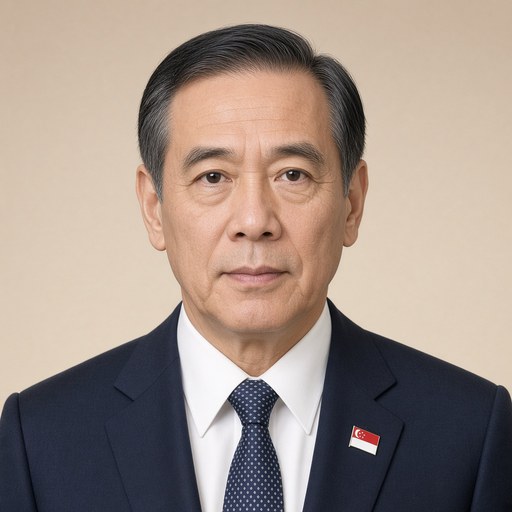
Prime Minister Lee Hsien Loong at the Hwa Chong 100th Anniversary Dinner
 Lee Hsien Loong · Prime Minister of Singapore
- Context
- Lee addressed the Hwa Chong Institution 100th Anniversary Dinner on 22 March 2019, celebrating a century of Chinese education in Singapore.
- Main themes
- Hwa Chong Institution centenary, history of Chinese education in Singapore, Special Assistance Plan, bilingual education, multicultural society and social cohesion, anti-colonial movements, nation-building, mother tongue preservation, school legacy and alumni contributions
- Duration
- ~15 min
- Words
- 1,772
- Sentences
- 88
- Readability
- 45
- Grade
- 11.8
- Syntax
- 3.02
- Vocabulary
- 2.35
Translated from Multiple languages
The broad sphere of national life a sentence belongs to. Every sentence has an Arena, so it is the denominator the other indices are read against.
Other88 sentences in 22 paragraphs
Good evening, members of the Hwa Chong Board of Directors and Management Committee, past and present principals of Hwa Chong, all faculty and students, as well as alumni!
Tonight, I am very pleased to attend the grand banquet commemorating the centenary of Hwa Chong Institution. Among us are alumni from the founding generation, alumni from the nation-building generation, as well as young alumni who have just graduated. It is indeed very meaningful for Hwa Chong students from multiple generations to gather here at Hwa Gong today.
Over the past century, Hwa Chong has witnessed several important historical developments in Singapore and has also experienced various challenges brought about by changes in the times. In the face of each challenge, the faculty and students of Hwa Chong have demonstrated a spirit of perseverance.
In the early 20th century, Singapore was a British colony, with a population primarily composed of immigrants, and there was no common language among different ethnic groups, and education was not widespread. As the colonial government only established a few schools that taught in English and Malay, the Chinese and Indian communities sought to educate their children and thus founded schools that used their mother tongues as the medium of instruction. It was against this backdrop that Chinese business leader Mr. Tan Kah Kee raised nearly half a million dollars from the Chinese community to establish the Nanyang Chinese High School in Singapore, making it one of the earliest Chinese secondary schools in Southeast Asia.
During World War II, Hwa Chong's campus was occupied by the Japanese army, and the school was suspended. After the war, with the support of prominent figures in the business community, the school resumed classes. After World War II, the global situation underwent significant changes. A wave of independence movements swept through the colonies around the world, and people were unwilling to continue living under colonial rule. On the other hand, the Chinese Communist Party achieved victory in the Chinese Civil War and established the People's Republic of China in 1949. This development drew the attention of Chinese communities worldwide. In Singapore, many students from Chinese schools who were concerned about national affairs chose to participate in the anti-colonial struggle. They were inspired by the times and felt that they were treated unfairly under the colonial system, so they decided to rise up in resistance. In the turbulent 1950s and 60s, Hwa Chong's campus became a historical site of anti-colonial and anti-government protests, and many students were influenced by leftist ideologies. It was a time of great upheaval.
The various struggles of those years have now become a page in history. After our country gained independence, Hwa Chong was incorporated into the Ministry of Education's school system. The subsequent transformations of the school were closely linked to the country's development process. In the 1970s, as Singapore moved further towards modernization and internationalization, being able to use English equated to having better job opportunities, and English schools became the preferred choice for parents and students. The enrollment rate in Chinese schools gradually declined, facing the crisis of closure.
Founding Prime Minister Mr. Lee Kuan Yew believed that Chinese schools had a fine tradition and bore the responsibility of passing on Chinese culture; the disappearance of Chinese schools would be a significant loss for our country. Therefore, he proposed the Special Assistance Plan (SAP) to preserve Chinese schools in a new form. In 1979, this plan was implemented in nine outstanding Chinese schools, including Hwa Chong. After becoming a SAP school, Hwa Chong, with the concerted efforts of all faculty and students, has continuously made progress in various aspects.
Today, Hwa Chong boasts a high academic standard and has nurtured many bilingual talents; many alumni have excelled in various fields and contributed to the nation. I am pleased that Hwa Chong's students not only are familiar with both Chinese and Western cultures but also have a thorough understanding of the characteristics of our multi-ethnic and multi-cultural society. As a SAP school, Hwa Chong does not have many non-Chinese students, but the school still strives to provide opportunities for students to interact with peers from different backgrounds and to meet friends of various ethnicities through various activities. Maintaining such multicultural exchanges is crucial for promoting social cohesion and integration in our country. Therefore, not just Hwa Chong, but every school should advocate for an open and inclusive spirit, as this helps to uphold the foundation of our multi-ethnic and multi-cultural society.
At the same time, we should also strengthen the teaching of all ethnic groups' mother tongues, enriching the cultural foundation of our society and further consolidating our national identity as a multi-ethnic and multi-cultural nation. Hwa Chong's motto, "Perseverance," is very suitable for motivating oneself in the face of challenges or tests. "Remembering the source of the water we drink" is also an important part of the Hwa Chong spirit. Tonight, nearly 12,000 alumni have gathered here, reflecting your gratitude and nostalgia for the school and your teachers. I hope everyone can be grateful to the teachers who taught you, the classmates who learned and played with you, the seniors who guided you, and the parents who cared for you, as they are all benefactors on your path to success. We cannot succeed solely on our own strength, so please remember to thank all those who support and help you, and also extend help to those in need.
Now let me speak in English.
Congratulations once again on Hwa Chong’s centenary celebrations.
I am very happy to join you all, and to see such a large attendance from the Hwa Chong community tonight. It reflects the close ties among your community, how strongly you feel for your school, and the lifelong memories that you formed here. To keep the spirit and community of a school strong for a century takes tremendous commitment by the students, school leaders, teachers, and alumni. All of you can take pride in Hwa Chong’s achievements as you celebrate your centenary.
Hwa Chong’s story is intertwined with the Singapore story. You started with around 70 students in a small building on Niven Road, and today you are a thriving school with excellent facilities at Bukit Timah. You have witnessed many of the pivotal events in modern Singapore’s history: the Second World War, the fight for independence, and separation from Malaysia. Hwa Chong teachers, students, and alumni felt strongly about the big issues of the day and often participated passionately in them.
Today, you have built up an illustrious history and reputation. You have maintained high academic standards, and the best students across the country aspire to study in Hwa Chong. Your alumni have distinguished themselves in many fields, including public life, industry, and academia. Hwa Chong must continue to thrive as an educational institution. This requires a concerted effort on three fronts.
First, you must uphold high academic achievements. We emphasize all-rounded education and cultivating character and values among our young, but remember that it is still important for students to master the academic curriculum and to strive to excel in their studies. Our schools, ITEs, polytechnics, and universities maintain rigorous academic standards and give students a solid grounding in their different subjects. And Singapore students, by and large, take their studies seriously and do their best to master the material and excel. That is why most young people leaving school can readily find good jobs and go on to do well in their careers and lives. This remains a crucial factor in Singapore’s success and must remain a focus of Hwa Chong.
Second, as a Special Assistance Plan (SAP) school, you have a special responsibility to promote Chinese traditional culture, values, and heritage, and to help students master our mother tongue. This was the reason Mr. Lee Kuan Yew introduced SAP schools in 1979. He wanted to revive the spirit of the old Chinese middle schools. These schools had emphasized character development, seriousness of purpose, and the spirit of community. These values not only served the old Chinese school graduates well but were important for the resilience and cohesion of society. Mr. Lee wanted SAP schools to imbue these values in new generations of young Singaporeans. Hwa Chong has managed to do so and adapted your approach for students growing up in a different era, such as through the Bicultural Studies Programme.
Third, Hwa Chong students must understand the context of our society and their own responsibilities within it. You must know how society works, identify with fellow Singaporeans of all races and religions, and feel a responsibility for your fellow citizens. You need to feel a calling to participate in community and national affairs, to contribute to the society and system that has nurtured you, and to take on leadership roles to take Singapore forward. If you can continue to do this – uphold high academic achievements, promote Chinese cultural values, and prepare students for our multi-racial, multi-religious society – you will have fulfilled your mission.
Today is also an opportunity for us to pay tribute to those who have helped us get here. They include your educators, whose passion and dedication have been instrumental to your success. Their stories are movingly chronicled in a book published by the anniversary committee. I am not a Hwa Chong alumnus, but I had the privilege of benefiting from the wisdom and guidance of one of your outstanding former principals. The late Mr. Lim Nai Tian, the pioneer principal of Hwa Chong Junior College, had previously been a teacher in National Junior College, where he taught me mathematics. He left a deep impression on all of us. Our teachers mold us in ways that we might not realize until much later in life, and for that, we should always be grateful.
Once again, congratulations to all the Hwa Chong family on your centenary. I hope the spirit of Hwa Chong will continue to burn bright and inspire successive generations.
Let me finish with a few words in Chinese.
Hwa Chong is like a perennial pine tree, nurturing a batch of talents over the century. Hwa Chong has a hundred years of history, and Singapore has also gone through 200 years since its founding, experiencing many storms along the way, and will continue to face different challenges in the future. However, as long as everyone perseveres like the children of Hwa Chong, this country can continue to prosper. Thank you all for your contributions to building a better Singapore. I hope Hwa Chong can continue to carry forward its legacy, nurturing virtue and talent for the nation.
Happy centenary to Hwa Chong! Thank you, everyone.
The original Multiple languages. The tags above are read on the English translation's sentences.
各位华中董事会、管委会成员、华中历届和现任校长,全体师生以及校友们,晚上好!
今晚,很高兴能够出席纪念新加坡华侨中学百年校庆的万人宴。在场有建国一代的校友、立国一代的校友,也有刚毕业不久的年轻校友。横跨多个年代的华中学生,今天能够齐聚华岗,确实是一件非常有意义的事。
走过一个世纪,华中见证了新加坡多个重要的历史发展阶段,也经历过时代变革所带来的各种考验。面对每一次的考验,华中师生都展现了自强不息的精神。
在20世纪初,新加坡是英国的殖民地,人口以移民为主,不同族群之间没有共同的语言,教育也不普及。由于殖民政府只建了几所用英语和马来语教学的学校,华族和印族社群希望教育自己的子女,于是创办了以自身母语作为教学语言的学校。正是在这样的背景下,华商领袖陈嘉庚先生向华社筹募了将近50万元,创办了新加坡南洋华侨中学校,成为东南亚最早开办的华文中学之一。
二战时期,华中校舍被日军占用,学校停课。战争结束后,在商界贤达的支持下,学校重新复课。二战后,世界局势有了巨大的变化。全世界殖民地刮起了争取独立自主的风潮,人们不愿意再受到宗主国的统治。另一方面,中国共产党在国共战争中取得胜利,并在1949年成立新中国。这方面的发展,牵动了世界各地华人的关切。在新加坡,很多关心国事的华校生,选择投身反殖民抗争运动。他们一方面是受到时代的感召,另一方面,他们觉得自己在殖民制度下受到不公平的对待,于是决定奋起反抗。在动荡的50和60年代,华中校园成了反殖民、反政府抗争的历史现场,也有不少学生受到左倾思想的影响。那是个风起云涌的时代。
当年的各种抗争,如今都成了历史的一页。我国独立之后,华中纳入了教育部的学校体系。学校之后的几次转型,跟国家的发展进程,紧紧相扣。在70年代,随着新加坡进一步走向现代化和国际化,能够应用英语,就相等于能够有更好的就业机会,英校成了家长和学生的优先选择。华校的收生率逐步下降,面临关闭的危机。
建国总理李光耀先生认为华校有优良的传统,并且肩负着传承华族文化的责任;华校如果消失了,将会是我国的一大损失。因此他提出了特别辅助学校计划,让华校以新的形式保留下。1979年,这项计划在9所优秀的华校展开,当中就包括了华中。成为特选学校后的华中,在全校师生齐心协力的努力下,在各方面不断取得进步。
今天的华中,拥有很高的学术水平,也培养了许多精通双语的人才;许多校友在不同领域都有杰出的表现,对国家做出贡献。我很欣慰华中的学生除了熟悉中西文化,对我国多元种族、多元文化的社会特色,同样有充分的认识。作为特选学校,华中没有很多非华族的学生,但是校方还是设法通过各种活动,让学生有机会跟不同背景的同辈交流,认识更多不同种族的朋友。而保持这样的多元文化交流,对促进我国社会的凝聚力和融合,是至关重要的。因此,不只是华中,每一所学校都应该倡导开放包容的精神,因为这有助维护我国多元种族、多元文化社会的根本。
在这同时,我们也应该加强对各族母语的教导,丰富我国社会的底蕴,进一步巩固我国多元种族、多元文化的国家身份。华中的校训,自强不息,非常适合在面对挑战或考验时,用来激励自己。饮水思源也是华中精神重要的一部分。今晚,将近一万两千名校友聚集在这里,反映了你们对学校、对老师的感谢和怀念。我希望大家对当年教导你的老师,跟你一起学习玩乐的同学,开导你的学长,还有关心你的家长,都能够心存感激,因为他们都是你成功道路上的贵人。我们不可能单靠自己的力量而成功,所以请记得感谢所有支持你,帮助你的人,也给予需要的人帮助。
现在让我用英语发言。
Congratulations once again on Hwa Chong’s centenary celebrations.
Very happy to join you all, and to see such a large attendance from the Hwa Chong community tonight. It reflects the close ties among your community, how strongly you feel for your school, and the lifelong memories that you formed here. To keep the spirit and community of a school strong for a century takes tremendous commitment by the students, school leaders, teachers and alumni. All of you can take pride in Hwa Chong’s achievements as you celebrate your centenary.
Hwa Chong’s story is intertwined with the Singapore story. You started with around 70 students in a small building on Niven Road, and today you are a thriving school with excellent facilities at Bukit Timah. You have witnessed many of the pivotal events in modern Singapore’s history. The Second World War, the fight for independence, Separation from Malaysia. Hwa Chong teachers, students and alumni felt strongly about the big issues of the day and often participated passionately in them.
Today, you have built up an illustrious history and reputation. You have maintained high academic standards, and the best students across the country aspire to study in Hwa Chong. Your alumni have distinguished themselves in many fields, public life, industry and academia. Hwa Chong must to continue to thrive as an educational institution. This requires a concerted effort on three fronts.
First, you must uphold high academic achievements. We emphasise all-rounded education, and cultivating character and values among our young, but remember that it is still important for students to master the academic curriculum, and to strive to excel in their studies. Our schools, ITEs, polytechnics and universities maintain rigorous academic standards, and give students a solid grounding in their different subjects. And Singapore students by and large take their studies seriously, and do their best to master the material and excel. That is why most young people leaving school can readily find good jobs, and go on to do well in their careers and lives. This remains a crucial factor in Singapore’s success, and must remain a focus of Hwa Chong’s.
Second, as a Special Assistance Plan (SAP) school, you have a special responsibility to promote Chinese traditional culture, values and heritage, and to help students to master our mother tongue. This was the reason Mr Lee Kuan Yew introduced SAP schools in 1979. He wanted to revive the spirit of the old Chinese middle schools. These schools had emphasised character development, seriousness of purpose, and the spirit of community. These values not only served the old Chinese school graduates well, but were important for the resilience and cohesion of the society. Mr Lee wanted SAP schools to imbue these values in new generations of young Singaporeans. Hwa Chong has managed to do so, and adapted your approach for students growing up in a different era, such as through the Bicultural Studies Programme.
Third, Hwa Chong students must understand the context of our society, and their own responsibilities within it. You must know how the society works, identify with fellow Singaporeans of all races and religions, and feel a responsibility for your fellow citizens. You need to feel a calling to participate in community and national affairs, to contribute to the society and system that has nurtured you, and to take on leadership roles to take Singapore forward. If you can continue to do this – uphold high academic achievements, promote Chinese cultural values, and prepare students for our multi-racial, multi-religious society, you will have fulfilled your mission.
Today is also an opportunity for us to pay tribute to those who have helped us get here. They include your educators, whose passion and dedication have been instrumental to your success. Their stories are movingly chronicled in a book published by the anniversary committee. I am not Hwa Chong alumnus, but I had the privilege of benefiting from the wisdom and guidance of one of your outstanding former principals. The late Mr Lim Nai Tian, the pioneer principal of Hwa Chong Junior College, had previously been a teacher in National Junior College, where he taught me mathematics. He left a deep impression on all of us. Our teachers mould us in ways that we might not realise till much later in life, and for that we should always be grateful.
Once again, congratulations to all the Hwa Chong family on your centenary. I hope the spirit of Hwa Chong will continue to burn bright and inspire successive generations.
Let me finish with a few words in Chinese.
华中就有如长青松柏,在百年间树育了一批又一批的人才。华中有百年历史,新加坡开埠至今也200年了,一路走来同样也历经不少风雨,未来也会继续面对不同的时代挑战。但,只要大家像华中儿女一样,自强不息,这个国家就能继续繁荣昌盛下去。感谢各位对建设更美好的新加坡的付出。我期望华中能继往开来,继续为国家社稷养德育才,兴贤造士。
祝华中百年校庆快乐!谢谢大家。
Explore related topics