




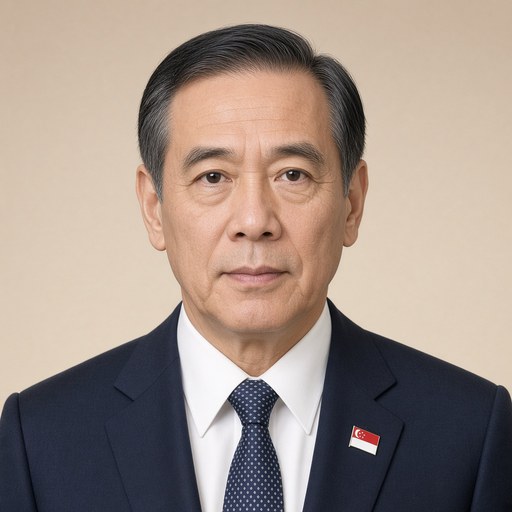
Prime Minister Lee Hsien Loong at the Jurong Central Wellness Carnival 2009
 Lee Hsien Loong · Prime Minister of Singapore
- Context
- Lee addressed residents at the Jurong Central Wellness Carnival on 15 March 2009, marking the programme's first anniversary across 12 constituencies in Singapore.
- Main themes
- Ageing population, wellness programme, senior citizens' health and engagement, community support, elder-friendly infrastructure, long-term nation-building, family support, global economic crisis response, grassroots initiatives, active ageing
- Duration
- ~12 min
- Words
- 1,436
- Sentences
- 84
- Readability
- 53
- Grade
- 10.1
- Syntax
- 2.82
- Vocabulary
- 2.00
Translated from Multiple languages
The broad sphere of national life a sentence belongs to. Every sentence has an Arena, so it is the denominator the other indices are read against.
Other84 sentences in 25 paragraphs
Minister Lim Boon Heng, MPs, Ladies and Gentlemen
I am very happy to be here this morning for the Wellness Carnival. The programme was launched a year ago in 12 constituencies. Jurong Central was the first pilot site because Mr Lim Boon Heng, who is in charge of ageing issues, has a special interest in this and gave it an extra push.
We have made good progress in all 12 sites all over Singapore. The demand is there as our population is growing older. This is a demographic challenge that changes and affects our whole society. It affects some other societies too - China, Japan and the Western countries. We have to respond to it. We must not just see it as a problem but also an opportunity to help make life happier, healthier, better and more meaningful for our senior citizens. The physical part is not so hard for us to do. For housing estates, we are making them more elder-friendly. For public transport, we are having buses that are wheelchair-friendly.
We are adding green spaces like park connectors, so that Singaporeans can exercise and enjoy nature in a healthy environment. Nearby, we are developing the Jurong Lake district to benefit those living around here. But better infrastructure alone is not enough. We also need initiatives like the Wellness Programme to give elders opportunities to stay active, healthy and engaged. As Boon Heng said, it has to be close to their homes and convenient to reach, so they can get there by walking 300 metres with no need to take the bus or train.
We need accessible day-care and health-care services supported by dedicated staff and volunteers for seniors who need closer attention. We need to bring all the hardware and software elements together so that they all fit nicely into one integrated whole. This, the government will do it, the neighbourhoods will do it, the community leaders, the grassroots will do it. But to make it all work, the participants have to want to participate. We all have a part to play.
Seniors have to make an effort to join the activities - sing karaoke, learn to dance, maybe perform magic tricks, and take care of themselves. Children also have to provide family support and help to their parents. Then, together, we can build a community within which elderly Singaporeans can live a happy and fulfilling old age. They can remain in good health and in good spirits in a familiar supporting environment, among family and friends. They can be active and they can adjust as they grow old, doing different activities, pursuing different interests, learning different abilities. Always accepting that “you cannot get younger but you can enjoy life to the fullest whatever your age”.
These are things which we have been focusing on for some time. Even now in the middle of a recession and a global economic crisis, we are focusing on them because we have to take a long view. Whatever the uncertainties, whatever our worries about jobs, about unemployment, about this year’s growth - whether it is shrinking by five per cent or more - we have to continue working on nation-building.
That means we continue to pay attention to long-term issues like preparing for an ageing population, improving our living environment, upgrading our neighbourhoods, bringing up our next generation and strengthening the bonds between young and old. Even in a storm, we will continue to invest in the future to make this the best home for all Singaporeans.
The Wellness Programme is one component of an important aspect of our adjustment to being an older society. The participants have put a lot of effort into this. It is not just the grassroots that are working on this. I watched the video and I think the people who made the video - the Jurong Junior College students - have also made an important contribution. Their imagination, enthusiasm and creativity invigorate us and give us hope for the future of Singapore. We will make the effort and we will come through, and we will make this a happy and good place to live.
Thank you very much and congratulations.
Prime Minister Lee Hsien Loong's speech at the Jurong Central "Wellness Programme Carnival" on March 15, 2009
Minister Lim Boon Heng, residents, fellow citizens:
Good morning everyone!
I am very happy to be here with all of you today to participate in the "Wellness Programme Carnival," which is now one year old and should be celebrated. The place is bustling with people, and the residents are very enthusiastic and happy to participate in various activities, which makes me feel very gratified.
No one can remain young forever; everyone will grow old. However, we should age gracefully and make the most of our golden years to live a meaningful life. Therefore, our grassroots organizations have organized many meaningful activities for seniors and residents. Through their efforts, our housing estates have become warm homes, and residents have developed a greater sense of belonging. Among all these activities, the activities for seniors are the most popular, most sought after, and the most vibrant: there are qigong, brisk walking, karaoke, and I even discovered that there is now a magic class, outings together, and so on.
To further enrich the lives of the elderly and promote their health, the People’s Association has also taken the lead in launching the "Wellness Programme" in recent years. In fact, this is also one of the projects that Minister Lim Boon Heng is very concerned about. This programme has three components:
First, to provide regular health check-ups for seniors and offer necessary guidance and (care) knowledge;
Second, to encourage them to exercise regularly and enjoy physical and mental well-being;
Third, to provide social opportunities for seniors to maintain contact with many friends, ensuring they remain mentally and physically happy.
This "Wellness Programme" has been piloted in 12 constituencies and has already achieved good results. Just now, we saw a short video that illustrates how meaningful this programme is. I watched this DVD yesterday and had the opportunity to watch it again today, and I felt very happy. The seniors in the video were spirited, full of energy, and lively, walking faster than others. One lady said that after participating in this activity, she felt like she had "returned to her youth." I would also like to participate. It’s not that I am old, but being a bit younger is always good.
After observing the progress of this programme, Minister Lim Boon Heng will summarize the experiences, improve the project, and find ways to promote it to more constituencies. So from these 12 constituencies, we will gradually expand, and our ultimate goal is for all seniors in Singapore to participate in this programme. By then, all Singaporeans will benefit from it.
Therefore, I hope Singaporeans will actively respond and participate in these beneficial activities for both body and mind. The ageing population is not just a phenomenon or problem faced by Singapore. Many Asian countries are facing these issues. We can learn lessons from the attitudes and views of other Asian countries towards their elderly. In China, Japan, and Hong Kong, many seniors lead active and fulfilling lives. In China, many people practice tai chi in the morning and dance socially in the evening. In Japan, many seniors often hike and climb mountains. They are strong and healthy, making the younger generation feel inferior.
Singaporeans should learn from them to maintain a youthful spirit, stay healthy, and keep a love for life, making life meaningful. The government and grassroots organizations will help seniors; we will organize activities, provide facilities, and ensure that the living environment is suitable for elderly people to exercise and move around without obstacles. However, seniors must also take the initiative because the government cannot force people to exercise or socialize with friends. They should strive to maintain their health, stay active, and participate in activities.
Their families should also do their part to care for their elderly parents, making them feel that they are "useful in their old age" and allowing them to feel the warmth of family ties and repay their nurturing kindness. If we can achieve this, our elderly parents will find meaning in life and live peacefully and comfortably. When we ourselves reach retirement, we can also expect to receive care from our loved ones to enjoy our later years. This "Wellness Programme" is one year old this year, and I hope it will continue to thrive and grow year after year, enabling all elderly Singaporeans to live meaningful lives.
Thank you all.
The original Multiple languages. The tags above are read on the English translation's sentences.
Minister Lim Boon Heng, MPs, Ladies and Gentlemen
I am very happy to be here this morning for the Wellness Carnival. The programme was launched a year ago in 12 constituencies. Jurong Central was the first pilot site because Mr Lim Boon Heng, who is in-charge of ageing issues, has a special interest in this and gave it an extra push.
We have made good progress in all 12 sites all over Singapore. The demand is there as our population is growing older. This is a demographic challenge that changes and affects our whole society. It affects some other societies too - China, Japan and the Western countries. We have to respond to it. We must not just see it as a problem but also an opportunity to help make life happier, healthier, better and more meaningful for our senior citizens. The physical part is not so hard for us to do. For housing estates, we are making them more elder-friendly. For public transport, we are having buses that are wheelchair-friendly.
We are adding green spaces like park connectors, so that Singaporeans can exercise and enjoy nature in a healthy environment. Nearby, we are developing the Jurong Lake district to benefit those living around here. But better infrastructure alone is not enough. We also need initiatives like the Wellness Programme to give elders opportunities to stay active, healthy and engaged. As Boon Heng said, it has to be close to their homes and convenient to reach, so they can get there by walking 300 metres with no need to take the bus or train.
We need accessible day-care and health-care services supported by dedicated staff and volunteers for seniors who need closer attention. We need to bring all the hardware and software elements together so that they all fit nicely into one integrated whole. This, the government will do it, the neighbourhoods will do it, the community leaders, the grassroots will do it. But to make it all work, the participants have to want to participate. We all have a part to play.
Seniors have to make an effort to join the activities - sing karaoke, learn to dance, maybe perform magic tricks, and take care of themselves. Children also have to provide family support and help to their parents. Then, together, we can build a community within which elderly Singaporeans can live a happy and fulfilling old age. They can remain in good health and in good spirits in a familiar supporting environment, among family and friends. They can be active and they can adjust as they grow old, doing different activities, pursuing different interests, learning different abilities. Always accepting that “you cannot get younger but you can enjoy life to the fullest whatever your age”.
These are things which we have been focusing on for some time. Even now in the middle of a recession and a global economic crisis, we are focusing on them because we have to take a long view. Whatever the uncertainties, whatever our worries about jobs, about unemployment, about this year’s growth - whether it is shrinking by five per cent or more - we have to continue working on nation-building.
That means we continue to pay attention to long-term issues like preparing for an ageing population, improving our living environment, upgrading our neighbourhoods, bringing up our next generation and strengthening the bonds between young and old. Even in a storm, we will continue to invest in the future to make this the best home for all Singaporeans.
The Wellness Programme is one component of an important aspect of our adjustment to being an older society. The participants have put a lot of effort into this. It is not just the grassroots that are working on this. I watched the video and I think the people who made the video - the Jurong Junior College students - have also made an important contribution. Their imagination, enthusiasm and creativity invigorate us and give us hope for the future of Singapore. We will make the effort and we will come through, and we will make this a happy and good place to live.
Thank you very much and congratulations.
李显龙总理于裕廊中"健乐项目嘉年华会"上演讲 2009年3月15日
林文兴部长、各位居民、各位同胞:
大家早上好!
今天我非常高兴能够跟大家在一起,参加这个“健乐项目嘉年华会”,现在已经是一周年了,应该庆祝庆祝。这里人山人海,居民都非常踊跃、非常开心地参加这种种的活动,使我感到十分欣慰。
我们没有人可以青春永驻,人人都会变老。不过,我们应该老当益壮,应该尽量利用我们的黄金岁月,过着有意义的生活。因此我们的基层组织为乐龄人士和居民主办了许许多多有意义的活动。在他们的努力之下,我们的组屋区变成了温馨的家园,居民也变成更有归属感,而在这许许多多的活动之中,乐龄人士的活动最受欢迎、最吃香,最红,也最多姿多彩:有气功、快步走、卡拉OK,甚至现在我发现还有魔术班,一起出游等等等。
为了进一步使老年人的生活更充实,使老年人更健康,人协近年来还带头推出“健乐项目”。其实,这个也是林文兴部长非常关注的项目之一。这个计划有三个部分:
第一,为乐龄人士提供定期的健康检查,并且提供必要的辅导和(护理)知识;
第二,鼓励他们经常运动与锻炼身体,也愉乐身心;
第三,为乐龄人士提供社交的机会,使他们保持他们跟许许多多朋友的联系,可以维持身心愉快。
这项“健乐项目”已经在12个选区试验性地推行,并且已经取得了良好的成绩,刚才我们看到这一部短片,可以了解这个计划确实是很有意义的,我昨天先看了这个DVD, 今天有机会再看一次,觉得很开心。短片中的乐龄人士精神奕奕,充满活力,生气饱满,走路都比别人走得快,其中那位女士说:她参加了这个活动,觉得她自己已经 “返老还童”了。我也希望去参加。不是说老了,不过年轻一点总是好的。
林文兴部长观察了这项计划的进展之后,将总结经验,改善项目,并且设法把它推广到更多的选区,所以从这12个选区,我们逐步推广,我们最后的目标是:新加坡的乐龄人士都能参加这个项目。到时候,新加坡人都能够从中获益。
所以我希望新加坡人会积极响应,参加这些有益身心的活动。这个人口老化不只是新加坡面对的现象或者问题。许多亚洲国家都面对这些问题。我们看看其他亚洲国家他们对乐龄人士的态度、他们的乐龄人士的看法。我们都可以从中学到一些教训。在中国、日本、香港的许多老年人都过着活跃和充实的生活。中国清晨许多人都在打太极拳,而晚上跳社交舞。在日本,许多乐龄人士经常爬山、远足。他们身强体壮,让年轻人自叹不如。
新加坡人应该向他们学习,要做到人老心不老,保持健康,保持对生活的热爱,使生活充满意义。政府和基层组织将帮助乐龄人士,我们将主办活动,提供设施,确保居住环境适合老年人运动、行动,不会碰到障碍。不过,乐龄人士也必需自动自发,因为政府不能强迫人民去运动或者去跟朋友交往。他们应该自己尽量保持健康,保持活跃,以及积极参加活动。
他们的家人也应该尽一份力照顾年迈的父母,使他们觉得“老有所为,老有所用”,也让他们感到亲情的温暖,并报答他们的养育之恩。能够做到这一点的话,我们年老的父母才觉得人生有意义,才活得安详自在。当我们自己步入退休的阶段的时候,也才能够期望得到亲人的照顾,以安享晚年。这个“健乐项目”今年是一周年,我希望它再接再厉,一年一年茁壮成长,能够使新加坡所有的老年人都过着有意义的生活。
谢谢各位。
Explore related topics