




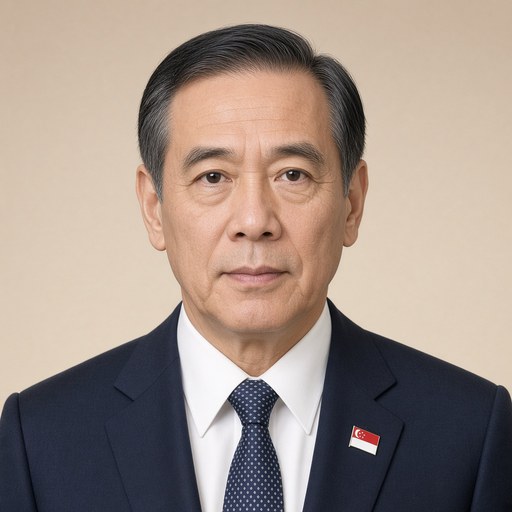
Prime Minister Lee Hsien Loong at Lianhe Zaobao's 95th Anniversary Gala Dinner.
 Lee Hsien Loong · Prime Minister of Singapore
- Context
- Lee addressed guests at Lianhe Zaobao's 95th anniversary gala dinner on 6 September 2018, celebrating the newspaper's history and role in Singapore's Chinese community.
- Main themes
- Lianhe Zaobao's 95th anniversary, Chinese-language journalism in Singapore, media innovation and digital transformation, community representation and bridging government and public, Chinese culture promotion, bilingualism and multilingual communication, Singapore Chinese community, new media challenges, journalistic quality and objectivity, Tan Kah Kee legacy
- Duration
- ~33 min
- Words
- 3,941
- Sentences
- 217
- Readability
- 40
- Grade
- 12.0
- Syntax
- 2.89
- Vocabulary
- 2.43
Translated from Multiple languages
The broad sphere of national life a sentence belongs to. Every sentence has an Arena, so it is the denominator the other indices are read against.
Other217 sentences in 45 paragraphs
Chairman Dr. Lee Boon Yang, CEO Mr. Ng Yat Chung, Deputy CEO Mr. Anthony Tan, Head of Chinese Media Group Ms. Lee Huay Leng, LHZB Editor Mr. Goh Sin Teck, distinguished guests, ladies and gentlemen, good evening!
I am very happy to celebrate the 95th anniversary of Lianhe Zaobao with all of you tonight! Zaobao is one of the oldest Chinese newspapers in the world, having withstood nearly a century of historical trials and witnessed the changes in the Singapore Chinese community over the past hundred years. The predecessor of Zaobao, Nanyang Siang Pau, was founded 95 years ago today, on September 6, 1923, by Chinese community leader Mr. Tan Kah Kee. At that time, Mr. Tan hoped to leverage the power of the newspaper to provide more business and economic reporting and commentary, educate readers, promote the development of commerce and industry, and also allow the Chinese diaspora in Singapore to understand the developments in their homeland, as for many early Chinese immigrants, their homeland was China.
Over the years, the world has undergone tremendous changes, and Singapore and Zaobao have also experienced many changes that are completely different from the past. Today, the pace of change has not slowed down; in fact, it is accelerating. China's national strength continues to rise, which has a certain impact on the global strategic balance. Singapore's society is also undergoing a generational change. Now, most citizens are bilingual, and an increasing number of people choose to search for news online or through social media, reading physical newspapers less frequently.
In response to the challenges of the new media era, the leadership team of Zaobao has continuously innovated and reformed. Through a comprehensive model, they provide the latest information across their newspapers, digital platforms, and radio, bringing news to more readers and listeners.
Data shows that Zaobao is the most read local Chinese newspaper. The website receives 15 million page views locally each month, while page views from Chinese netizens reach 120 million monthly.
In the face of competition from new media, Zaobao has stood firm, with the number of readers of the physical newspaper and Zaobao Online increasing rather than decreasing, and the achievements are evident. I believe there are three main reasons why Zaobao has a loyal readership, including myself, and has successfully attracted new readers.
First, Zaobao's content resonates with readers. Second, your reporting and analysis are objective and in-depth. Third, Zaobao has consistently promoted local Chinese culture. First, let us look at how Zaobao resonates with its readers.
When reporting news, Zaobao strives to interpret each piece of news from the perspective and position that aligns with national interests, helping readers understand the impact of relevant policies or measures on Singapore and its citizens. Additionally, Zaobao interviews the public and experts to reflect the views of the community on these issues. In this process, Zaobao reflects the concerns of the Chinese community on various topics, playing a crucial role as a bridge for communication between the government and the public. This is a very important responsibility because among the local Chinese population, many, especially the elderly, are educated in Chinese schools. These readers primarily rely on Zaobao for the latest information and to understand various policies and international situations.
The work of Zaobao is not easy, as most news materials and press releases are primarily in English. To write a good report, it cannot simply be a direct translation of the relevant materials. The content must also be engaging and helpful to readers. The concerns of Zaobao's readers differ from those of readers of The Straits Times or The New Paper. It is not just a language issue; the topics they care about are also different. Therefore, the reporting team must engage with Chinese readers' lives to understand what interests them, how they react to certain issues, how to report, and how to directly address their most pressing questions in a way that is most helpful to their lives.
I am very aware that this is a challenging task because every year, I deliver speeches at the National Day Rally in Malay, Chinese, and English, which is quite strenuous. Even if the content is similar, the Chinese speech cannot simply repeat or condense the key points of the English speech. The examples and phrases I choose must be specifically tailored for the Chinese-speaking audience, using language they are familiar with; otherwise, it is difficult to communicate effectively with them. In fact, when the government explains various measures and policies, we carefully consider what tone to use and from which angle to approach the message.
That is why I read Zaobao every day. I have not read it for 95 years, but it has been quite a number of years. I want to understand whether our policy explanations and communications are effective. Additionally, I want to know how Zaobao presents domestic and international news, what the focus and stance are, and what impression it leaves on readers, allowing them to form their own worldview. Besides following the headlines, I also frequently read Zaobao's editorials, letters from readers, and commentaries to understand public feedback or thoughts on policies. Many times, I find examples in what I read that I later cite in my own speeches or dialogues.
Over the years, Zaobao's reporting team has upheld the mission of journalists, striving to provide objective and fair news for readers. Their spirit of serving Chinese readers deserves commendation.
The formation of a newspaper's stance, style, and level is certainly not achieved overnight. Here, I would also like to especially commend Mr. Lim Jim Koon, who served as the editor of Lianhe Zaobao for 18 years. Given the rapid changes in the media industry today, it is rare for an editor to manage a newspaper for such a long time; many may have changed careers two or three times by now. Jim Koon transformed Zaobao into a publication that is rooted in Singapore, has a broad vision, and is respected by Chinese communities worldwide. He also nurtured younger talent, cultivating a team of successors while internalizing many of Zaobao's editorial philosophies. Thank you, Jim Koon!
Today, Zaobao not only provides news for the older Chinese-educated citizens but also serves as an important source of spiritual nourishment for them. It also offers the younger bilingual generation perspectives that differ from English media. Young readers can continue to engage with the Chinese language while gaining a more comprehensive understanding of world affairs through diverse viewpoints.
Second, Zaobao often provides incisive insights when analyzing local and international current affairs. In addition to having seasoned commentators conduct in-depth analyses, the new generation of journalists also shares their views from the perspective of young people.
Zaobao has correspondents in major cities in Greater China, as well as in Tokyo and Seoul. I enjoy reading the reports from these correspondents, especially their columns. These reports allow us to closely observe the developments in Northeast Asia and feel the local customs and culture. Sometimes, these correspondents also share interesting personal experiences, making the reports more engaging. Because these correspondents analyze events from a Singaporean perspective, local readers can relate more easily, and overseas readers find the reporting refreshing.
In fact, observing the Asia-Pacific situation from the perspective of Singapore's Chinese media is an advantage for Zaobao. In recent years, the world has increasingly focused on China's and Asia's developments. Readers in the Asia-Pacific region also want to understand how other countries view them. Therefore, Zaobao can become a reliable and neutral source of news for regional readers. There are countless Chinese media outlets in Greater China; if Zaobao's reporting is no different from these media, there would be no need for readers to engage with it.
I am pleased that Zaobao has established a good reputation and credibility. For example, during tense times in China-U.S. relations, Zaobao presented various viewpoints without bias. For readers in Greater China, although Zaobao is a foreign media outlet, it has a certain understanding of the local conditions and culture, allowing it to view issues objectively from an outsider's perspective. In April of this year, in a ranking released by a Chinese news agency and a Chinese media university, Zaobao topped the list of the most influential Chinese media outlets in the world. At the same time, Zaobao also ranked first in the "Social Media Influence Ranking."
As Mr. Lim Jim Koon mentioned in his article published today, "Zaobao must adapt to the changing times, but the one thing that must not change is its unwavering credibility." In fact, I hope that all Singapore media, not just Zaobao, can maintain a high level of credibility and provide high-quality and trustworthy reporting for readers. In this age filled with fake news, this is particularly important.
Additionally, Zaobao's supplements are also excellent. I am personally very interested in photography, so I recently noticed that Zaobao Now published a series called "Light and Shadow" a few months ago, which won an award. I took a special look at it. The images and text are very clear. The photographers used smartphones to capture photos, taking us behind the scenes of Hokkien opera troupes and construction sites, presenting the lives of these citizens. The purpose of this feature was to showcase the photography capabilities of a certain smartphone brand. In fact, it highlighted the superb skills of Zaobao's reporters and photographers, which is truly remarkable.
Third, Zaobao is a pillar in promoting Chinese culture in our multi-ethnic society. For example, Zaobao continues to allocate valuable space to report on the latest developments of clans and associations. We also often see Zaobao supporting various local cultural activities through organizing or co-organizing events. These include the Chinese Cultural Festival, River Hongbao, the National Chinese Challenge for students, and the Xinyao songwriting competition "Under the New Sky," among others. Additionally, readers who are concerned about the future of the Chinese language often use Zaobao as a platform to provide feedback in the forum, discussing topics such as mother tongue education and whether certain terms are appropriate or align with local sentiments. For instance, whether to use "菜市场" (wet market) or the more familiar "巴刹" (pasar) among locals. Readers actively exchange opinions on these different topics. However, not every issue can reach a consensus.
Singapore's Chinese culture is multifaceted and constantly evolving. What is considered "traditional culture" in China is also gradually changing. What is truly traditional? Should traditions adapt to social changes? There is much room for discussion here. Culture is not static; it is a living entity. It is not only an accumulation of tradition but also a reflection of contemporary life. Singapore is a multi-ethnic and multi-religious society. How do we promote Chinese culture in this shared space with other ethnic groups while maintaining social cohesion? This is not easy. Singapore's Chinese culture, after long-term integration with other ethnic cultures, has already developed local characteristics. We have also established a unique Singaporean Chinese identity, which is recognized not only by local Chinese but also by fellow Singaporeans of other races. Regardless of race, we are all Singaporeans. We cherish our own culture and are committed to working with our fellow citizens to build a better Singapore.
Regarding this topic, in February of this year, Lianhe Zaobao and The Straits Times jointly launched a special report titled "Six Letters, Two Worlds, One Chinese Society." Two bilingual young journalists, Huang Weiman and Yuan Xin, exchanged views on selected topics such as special schools and Chinese privileges, while reflecting on the identity of Chinese Singaporeans. As the editor-in-chief of the news center, Han Yongmei pointed out in her column, changing the identity of a group of people may take three generations. It is a process, a gradual step, and a historical law we must accept. The views of Weiman and Xin show that the younger generation's perspectives on the identity of Chinese Singaporeans and Singaporean culture differ from those of their elders. These young people grew up in a multicultural environment and believe that the local multicultural landscape is unique and not a mere replica of other countries' cultures.
Promoting Chinese culture is a long-term task. I hope all Chinese community organizations, including Zaobao, can work together to launch more innovative activities, encouraging more people to participate in this cultural endeavor and pass on the torch. At the same time, we should strengthen people's sense of belonging to the nation.
In addition to promoting and passing on culture, Zaobao also cares for society. In 2014, Zaobao and Lianhe Wanbao began hosting the "Zaobao and Wanbao Accompany You to Read the Newspaper" activity, where journalists go to housing estates to explain current affairs and policies relevant to the elderly, acting as the new generation's storytellers. They also train volunteers from community self-help groups to do this together. I have heard that this meaningful activity is very popular, and many communities have invited Zaobao to hold events in their neighborhoods. Now, Zaobao's volunteers are also teaching the elderly how to use smartphones and tablets to read newspapers, helping them move towards the vision of a smart nation.
In five years, it will be the centenary of Zaobao. As the saying goes, "It takes ten years to grow trees, but a hundred years to cultivate people." It is not easy for a newspaper to operate for a hundred years. Zaobao clearly understands that to achieve "long-lasting success," it must strive for excellence and not fear challenges. As long as Zaobao can maintain its credibility and continue to provide high-quality, reliable reporting for readers, I am confident that Zaobao will reach new heights and have an even brighter future.
Once again, congratulations to Zaobao on its 95th anniversary! Thank you!
As Mr. Lim Jim Koon mentioned in his article published today, "Zaobao must adapt to the changing times, but the one thing that must not change is its unwavering credibility." This applies not only to Zaobao, but I hope all Singapore media can maintain a high level of credibility, providing readers with quality and trustworthy reporting. In this age filled with fake news, this is especially important.
Additionally, Zaobao's supplements are also impressive. I have a keen interest in photography, so I recently noticed that Zaobao Now had a "Light and Shadow" series a few months ago that won an award, which I took a special look at. The images and text were very clear. The photojournalists used smartphones to capture images, taking us behind the scenes of Hokkien opera troupes and construction sites, presenting the lives of these citizens. The purpose of this feature was to showcase the photographic capabilities of a certain smartphone brand. In fact, it highlighted the remarkable skills of Zaobao's reporters and photographers.
Thirdly, Zaobao serves as a pillar for promoting Chinese culture in our multicultural society. For example, Zaobao consistently allocates valuable space to report on the latest developments in community clubs and associations. We also often see Zaobao supporting various local cultural activities through hosting or co-hosting events. This includes the Chinese Cultural Festival, the Spring Festival by the Riverside, the Chinese Language Competition for students, and the new song creation competition "Under the New Sky," among others. Furthermore, readers who are concerned about the future of the Chinese language often use Zaobao as a platform to provide feedback in the forum section, discussing topics such as mother tongue education and the appropriateness of certain terms in local contexts. For instance, whether to use "wet market" or the more familiar "pasar" among locals. Readers actively exchange opinions on these different topics. However, not every topic reaches a consensus.
The Chinese culture in Singapore is multifaceted and continuously evolving. So-called traditional culture is also gradually changing in China. What is considered true tradition? Should tradition be adjusted to align with societal changes? There is much room for discussion in this area. Culture is not static; it is a living entity. It is not only an accumulation of traditions but also a reflection of contemporary life. Singapore is a multicultural and multi-religious society. How do we promote Chinese culture in this shared space with other ethnic groups while maintaining social cohesion? This is not an easy task. The Chinese culture in Singapore, after long-term integration with other ethnic cultures, has already developed local characteristics. We have also established a unique Singaporean Chinese identity, which is recognized not only by local Chinese but also by other Singaporeans. Whether Chinese or of other ethnicities, we are all Singaporeans. We cherish our own culture and are committed to building a better Singapore together with our fellow citizens.
On this topic, in February this year, Zaobao collaborated with the Straits Times on an exchange of six letters between Zaobao journalist Ng Wai Mun and Straits Times’s Yuen Sin. They are both bilingual. They exchanged views on issues such as SAP schools, so-called “Chinese privilege,” and reflected on the Chinese Singaporean identity. NewsHub Editor Han Yong May commented in her column that it would take at least three generations for a population’s collective identity to form. Wai Mun and Yuen Sin reflected the younger generation’s views on Chinese Singaporean identity and culture. Their views are already different from the older generation. They grew up in our multicultural society and understand our culture is unique, and not just a copy of another country’s culture and heritage.
The promotion of Chinese culture is an important responsibility, and I hope all our Chinese groups, including Zaobao, will work together to create exciting programmes. Encourage others to join them in preserving and promoting our Chinese culture. This will help strengthen our national identity and also inspire the younger generation to deepen their understanding of their own culture and pass it on for generations to come.
Apart from promoting Chinese culture, Zaobao also cares for society. In 2014, Zaobao and Wanbao organized the “Read the Papers with You” event, where their staff would explain current affairs and government policies to senior citizens. Zaobao and Wanbao also trained CDAC volunteers to help out in the event. I heard that it is quite popular and Zaobao has been invited by many community leaders to organize similar events in their neighborhoods. Now, Zaobao’s volunteers also teach the seniors how to read the papers on their smartphones and tablets, so that they can also be involved in our Smart Nation vision.
You will be 100 years old in just five years’ time. "Ten years to grow trees, a hundred years to nurture people." It takes a lot of time and effort to nurture a person, let alone establish a news outlet. Zaobao understands this fully. To maintain your standing for years to come, Zaobao needs to continue to pursue excellence and face the challenges head-on. But as long as Zaobao remains steadfast to its founding mission, maintaining its credibility and professionalism in providing quality news to its readers, I am confident that Zaobao will emerge stronger and attain greater heights.
Happy 95th Birthday!
As former editor Mr. Lim Jim Koon said in his commentary published today, Zaobao needs to adapt to the times, but it must remain credible. Actually, I hope all Singapore media, not just Zaobao, will retain their credibility and provide quality coverage for their readers. In this age where fake news is prevalent, this has become even more important.
In addition, Zaobao’s supplement, Zaobao Now, is also interesting. I am interested in photography, and I noticed that Zaobao Now published a series of articles a few months ago – photo stories taken with a handphone – and took us behind the scenes of various places, including a Hokkien Opera Troupe and the construction site of an MRT station. The series presented the lives of these Singaporeans.
Third, ZB continues to play a key role in promoting Chinese culture and language in our multi-racial context. Zaobao will make space to cover developments related to our clans. Zaobao is also often an organiser or co-sponsor of our local cultural events, such as the Chinese Culture Festival, River Hongbao, National Chinese Challenge, National Xinyao Competition, etc. Readers who are concerned about the development of Chinese language and culture in Singapore often share their feedback through your Forum page. And discuss topics like Chinese education, and whether terms such as 菜市场 (wet market) which are used in China should replace localised terms like 巴刹 (pasar), are appropriate. The readers often have lively exchanges, but we cannot arrive at a consensus on every issue.
Our Singapore Chinese culture is multifaceted and constantly evolving. Even what is “orthodox” culture in China is gradually evolving. After all, what is considered real traditional culture? Should traditions adapt to social changes? There is a lot of room for discussion. After all, culture is dynamic – it is an accumulation of tradition and heritage, as well as development in response to new circumstances and challenges. Not easy to find a balance, especially in our multi-cultural context where our Chinese culture co-exists and is intertwined with the cultures of other ethnic groups. Over the years, we have developed our own variation of Chinese culture, and an identity that resonates with the Chinese Singaporeans, as well as with our fellow Singaporeans of other races. Whatever our race, we are Singaporeans. We are proud of our traditions but we are also committed to building a dynamic future here in Singapore with our fellow Singaporeans.
On this topic, in February this year, Zaobao collaborated with the Straits Times on an exchange of six letters between Zaobao journalist Ng Wai Mun and Straits Times’s Yuen Sin. They are both bilingual. They exchanged views on issues such as SAP schools, so-called “Chinese privilege,” and reflected on the Chinese Singaporean identity. NewsHub Editor Han Yong May commented in her column that it would take at least three generations for a population’s collective identity to form. Wai Mun and Yuen Sin reflected the younger generation’s views on Chinese Singaporean identity and culture. Their views are already different from the older generation. They grew up in our multicultural society and understand our culture is unique, and not just a copy of another country’s culture and heritage.
The promotion of Chinese culture is an important responsibility, and I hope all our Chinese groups, including Zaobao, will work together to create exciting programmes. Encourage others to join them in preserving and promoting our Chinese culture. This will help strengthen our national identity and also inspire the younger generation to deepen their understanding of their own culture and pass it on for generations to come.
Apart from promoting Chinese culture, Zaobao also cares for society. In 2014, Zaobao and Wanbao organised the “Read the Papers with You” event, where their staff would explain current affairs and government policies to senior citizens. Zaobao and Wanbao also trained CDAC volunteers to help out in the event. I heard that it is quite popular and Zaobao has been invited by many community leaders to organise similar events in their neighbourhoods. Now, Zaobao’s volunteers also teach the seniors how to read the papers on their smartphones and tablets, so that they can also be involved in our Smart Nation vision.
You will be 100 years old in just five years’ time “十年树木,百年树人”. It takes a lot of time and effort to nurture a person, let alone establish a news outlet. Zaobao understands this fully. To maintain your standing for years to come, Zaobao needs to continue to pursue excellence and face the challenges head-on. But so long as Zaobao remains steadfast to its founding mission, maintains its credibility and professionalism in providing quality news to its readers, I am confident that Zaobao will emerge stronger and attain greater heights.
Happy 95th Birthday!
The original Multiple languages. The tags above are read on the English translation's sentences.
For the English translation, click here .
click here
新加坡报业控股董事长李文献医生,执行总裁伍逸松先生,副执行长陈康威先生,华文媒体集团主管李慧玲女士,早报总编辑吴新迪先生,各位嘉宾,大家晚上好!
我非常高兴能够和大家一起欢庆《联合早报》创刊95周年!《早报》可说是全球历史最悠久的华文报章之一,历经了将近一个世纪的时代考验,也见证了新加坡华社近百年的变迁。《早报》的前身《南洋商报》,是在95年前的这一天,(1923年9月6日),由华社领袖陈嘉庚先生所创办。当年陈嘉庚希望借助报章的力量,提供更多商务和经济方面的报道和评论,教育读者,推动工商企业的发展同时也让在新加坡的华侨,能够了解中国国内的动向,因为对许多早期华人移民来说,他们的祖国是中国 。
这些年来,世界有了天翻地覆的变化,新加坡和《早报》也经历了许多变化,跟过去截然不同。如今,改变的步伐并没有放缓,反而越来越快速。中国的国力不断提升,这对全球的战略平衡有一定的影响。新加坡的社会也更新换代。现在,一般国人都通晓双语越来越多人选择上网查找消息,或通过社交媒体,了解最新的消息,较少阅读实体报纸。
为了应对新媒体时代的挑战,《早报》领导团队,不断自我革新,推陈出新。通过综合模式,为旗下的报章、数码平台和电台,提供最新资讯,把新闻带给更多读者和听众。
数据显示,《早报》是最多人阅读的本地华文报章。网页浏览量,在本地每月达到1500万,来自中国网民的浏览量,则每月达到1亿2000万。
面对新媒体的竞争,《早报》屹立不倒,阅读实体报和早报网的人数不减反增,成绩有目共睹。我认为《早报》之所以能够拥有一批忠实读者,包括我在内,并成功吸引新读者的原因主要有三个。
第一、《早报》的内容能够引起读者的共鸣。 第二、你们的报道和分析,客观并且有深度。 第三、《早报》一直不遗余力的推广本地华族文化。 首先,让我们看看《早报》是如何引起读者的共鸣?
在报道新闻的时候,《早报》会设法从符合国家利益的角度和立场,诠释每一则新闻,让读者明白相关政策或措施,对新加坡,还有对市民的影响。另外,早报也会访问公众和专家学者,反映民间对这些课题的看法。在这个过程中,早报反映了华社对课题的关注,扮演了上情下达,下情上达的桥梁角色。这是个非常重要的责任, 因为本地华族人口当中,有不少人,尤其是年长者,是华校生。这些读者主要是通过《早报》获得最新的信息,了解各项政策和国际局势。
《早报》的工作真是不容易,因为一般的新闻资料和宣传稿,都是以英文为主,要写好一份报道,不能只是直接翻译相关的资料。所写的内容还必须能够吸引读者的兴趣,对读者有所帮助。《早报》的读者跟《海峡时报》或是《新报》的读者,所关心的课题不太一样。不只是语言的问题,也是他们关注的课题都各有各的。因此采访团队必须走入华文读者的生活了解读者对什么感兴趣,对某些课题,又会有怎样的反应,如何报道,如何最直接回答他们最迫切的问题,能够对他们的生活最有帮助。
我非常清楚这是很难的差事,因为我每年都会在国庆群众大会上用马来语、华语和英语演讲,非常辛苦。即使内容相似,华语演讲不可以只是重复也不可以只是浓缩英语演讲的要点。我选用的例子、词句,必须特别针对华语观众来撰写,用他们熟悉的语言,否则很难和观众有效的沟通。其实,政府在说明各项措施和政策的时候,对应该选用什么样的语气或从哪一个角度切入,都慎重考虑过。
因此,我每天都会读《早报》。我没有读了95年,不过也相当多年了。希望了解我们的政策说明和宣传是否到位。另外,我也想知道《早报》在报道国内外新闻时,如何呈现这些信息,重点和立场是什么,给读者的印象又是什么,让读者能够自己构成一个什么样的世界观。除了关注头条新闻,我也经常阅读《早报》的社论、读者来信和评论,从中了解民众对政策的反馈或想法。很多时候,我会在自己的演讲或对话会上,引用所读到的一些例子。
多年来,《早报》采访团队一直坚守媒体人的使命,力求为读者提供客观公正的新闻。他们为华文读者服务的精神,值得嘉奖。
一份报纸的立场、风格、水平的形成,肯定不是一朝一夕。在此,我也要特别表扬曾经担任联合早报总编辑,长达18年的林任君先生。以现在媒体业的变化速度,已经很少再有总编辑,可以那么长时间掌管一份报纸,可能已经改换行业两三次了。任君把《早报》办(变)成一份立足于新加坡,视野广阔,受到世界华人尊重的华文报。他也提携后进,培养了接班的团队,同时让许多《早报》的办报理念内化。谢谢任君!
如今,《早报》除了为受华文教育的年长国人提供新闻,也是他们重要的精神粮食 ,也为年轻一代双语读者,提供不同于英文媒体的观点。年轻读者不但可以继续接触华文,同时还可以透过更多元的视角,更全面的了解天下事。
第二,《早报》在分析本地和国际时事课题上,经常提供精辟的见解。除了有资深的评论员对时事做深入的分析,新一代的记者也从年轻人的角度,发表看法。
《早报》在大中华地区的重要城市,以及东京和首尔都有特派员。我喜欢阅读这些特派员的报道,尤其他们专栏的作品。因为这些报道让我们能够近距离观察东北亚的局势发展,感受当地的风土民情。一些时候,这些特派员也会分享有趣的个人经历, 让报道更有感染力。由于这些特派员是从新加坡的角度分析事件,本地读者更能产生共鸣,海外读者也会觉得报道的视角新颖。
其实,以新加坡华文媒体的视角,来观察亚太地区的局势,是《早报》的优势。近年来,全世界越来越关注中国和亚洲地区的发展。亚太地区的读者,也想进一步了解其他国家对他们的看法。《早报》因此能成为区域读者获得可靠、中立新闻报道的来源。大中华地区的中文媒体不胜枚举,《早报》的报道如果同这些媒体没什么两样,对广大读者而言,便没有阅读的必要。
我很欣慰,《早报》已建立了口碑和公信力。例如在中美关系紧张的时刻,《早报》呈现了各方的看法,立场不偏不倚。对大中华地区的读者来说,《早报》虽然是外国媒体,但是对这些地区的国情和文化,有一定的认识和了解,又能够从旁观者的视角,客观地看待问题。今年4月,在中国新闻社和中国传媒大学推出的 “世界华文传媒新媒体影响力总榜”,《早报》 荣登榜首。同时,《早报》也在“社交媒体影响力榜”排名第一。
就如任君,在今天刊登的文章所提到的“《早报》必须顺应时代不断变革,但唯一不能变的,是它始终不渝的公信力”。其实,不只是《早报》, 我希望所有新加坡媒体都能维持高度的公信力,为读者带来高素质和可信的报道。在这个到处充斥着假新闻的年代,这点显得格外重要。
另外,《早报》的副刊也很精彩 。我本身对摄影十分感兴趣,所以最近注意到《早报现在》几个月前,有个《光影》系列也获得奖,所以我特别翻了一翻。图片,文字都很清楚。所以摄影记者用手机拍摄照片,带领我们走入福建戏班后台、和地铁工程的工地等,把这些市民的生活面貌呈现给我们。这个特辑的目的原来是展现某个手机品牌的摄影功能。其实,它显现了早报记者和摄影员的高超的功夫,非常了不起。
第三,《早报》 在我们这个多元种族社会里,是推广华族文化的支柱。例如:《早报》持续拨出宝贵版位,报道会馆和社团的最新动向。我们也不时看到《早报》通过主办或联办的方式,支持本地各种文化活动。当中就包括:华族文化节和春到河畔、还有以学生为对象的华文大比拼、新谣创作比赛《新空下》等。另外,关心华文发展前景的读者,不时也会利用《早报》这个平台,在交流版提供反馈:例如讨论母语教学课题、一些名词是否恰当或符合本地民情。比如说,“菜市场”和国人熟悉的“巴刹”,究竟应该用哪个词语。读者们会针对这些不同课题,踊跃的交流意见。但是,并不是每个课题,大家都能达成共识。
新加坡的华族文化是多面向的,同时不断在演变当中。所谓的传统文化,在中国也渐渐的在改变。究竟什么是真正的传统?传统是否应该配合社会的改变做出调整?这当中有许多讨论的空间。文化不是一成不变的,是一个活的东西。除了是传统的积累,也是当下生活的体现。新加坡是个多元种族、多元宗教的社会。我们要如何在这个与其他种族共享的空间,推广华族文化,同时维持社会的凝聚力,这并不容易。新加坡的华族文化,长期同其他种族文化相互交融之后,其实已经具有本土色彩了。我们也建立了独特的新加坡华人身份,这个身份除了是本地华人所认同的,也获得其他新加坡同胞的认可。无论是华族或是其他种族,大家都是新加坡人。我们珍惜我们自己的文化,也致力于与其他同胞,一起打造更美好的新加坡 。
有关这个课题的探讨,今年2月《联合早报》和《海峡时报》联手推出名为“六封信•两个世界•一个华人社会”的专题报道。两名精通双语的年轻记者黄伟曼和袁昕,针对特选学校、华人特权等课题,交换了看法,同时对新加坡华人的身份进行了反思 。就如新闻中心总编辑韩咏梅在她专栏中指出的,要改变一群人的身份认同,大概需要三代人的时间。是一个过程,是一个渐进的步骤,是一个我们必须接受的历史的规律 。伟曼和袁昕的观点,显示年轻一代对新加坡华人身份和新加坡文化的看法,已经跟他们的长辈有所不同。这些年轻人生长在多元文化的环境里,认为本地的多元文化色彩是独特的,不是其他国家文化的翻版。
推广华族文化是任重道远的工作,我希望所有的华社组织包括《早报》,能够齐心协力,推出更多新颖的活动,鼓励更多人来参与这项文化工程,让薪火相传。同时,加强人民对国家的归属感。
《早报》在推动和传承文化之外,也关怀社会。2014年《早报》和《晚报》开始主办“早晚陪你看报纸”活动,由新闻工作者到组屋区为年长者讲解时事和他们息息相关的政策,是新一代的讲古先生。他们也培训华社自助会的义工,一起这么做。听说这个有意义的活动很受欢迎,不少社区知道后,纷纷邀请《早报》到他们的邻里办活动。现在,《早报》的义工更教导年长者如何使用智能手机和平板电脑看报纸,帮助年长者一起迈向智慧国的愿景。
再过5年,就是《早报》的百年庆了。正所谓 “十年树木,百年树人”,一家报馆要经营百年之久谈何容易。《早报》很清楚的知道要做到“长歌不散”,源远流长,就必须精益求精、不畏挑战。只要《早报》能够维持公信力,继续为读者带来高素质,可靠的报道。我有信心《早报》必能更上一层楼,前景更灿烂。
再次祝贺《早报》95 周年快乐!谢谢!
Chairman Dr Lee Boon Yang CEO Mr Ng Yat Chung Deputy CEO Mr Anthony Tan Head, Chinese Media Group, Ms Lee Huay Leng LHZB Editor, Mr Goh Sin Teck Distinguished Guests, Ladies and Gentlemen Good evening
Very happy to celebrate Zaobao’s 95th birthday with you tonight. Zaobao is one of the world’s oldest Chinese newspapers, as it has withstood the test of time for nearly a century, and witnessed the transformation of Singapore over almost a hundred years. You started as the Nanyang Siang Pau, on this day exactly 95 years ago, by Mr Tan Kah Kee. Through the newspaper, he wanted to raise awareness of business and economic issues, improve the standards of Chinese education and promote business activities. At the same time, he hoped to inform overseas Chinese in Singapore of relevant developments, especially events in China, their homeland.
Since then, the world has undergone dramatic changes, so have Singapore and Zaobao itself. And the changes are continuing at a rapid pace. The global strategic balance is shifting, because of China’s growing weight. Singapore society is undergoing a generational change, people are bilingual, they are consuming news on the internet and especially social media. Zaobao, too, has transformed itself to meet the challenges of a new media era. By consolidating your resources, you can now provide more comprehensive and in-depth coverage through your print, digital platforms and radio.
Today, you are the most read Chinese paper in Singapore. You have more than 15 million page views per month, and more than 120 million page views by readers in China.
You have sustained your readership at a timing of declining interest in print media and increasing competition from the new media. There are three reasons why Zaobao has a loyal following, including myself.
First, Zaobao’s coverage resonates with its readers. Second, ZB’s reporting and analysis are objective and insightful. Third, Zaobao is committed to the promotion of our local Chinese culture.
First, how does Zaobao connect with its readers?
When Zaobao reports news, they will analyse and interpret the information through the perspective and interests of Singapore so that their readers will understand how the developments will affect the country and also themselves. You will interview experts and also the general public to reflect the people’s views on the issues. You are the bridge between the government and the ground . This is an important duty because many Chinese Singaporeans, especially the elderly, are Chinese-educated. This group of Chinese readers rely on Zaobao for the latest news updates, and to understand the implications of government policies and international developments.
As most of the news and press releases are originally in English, Zaobao has to translate the information into Chinese before reporting them. But this is not a straightforward task, and it cannot be just a literal translation. You need to present the stories in a form that readers will be interested in, and find useful. Their profile and concerns are quite different from Straits Times or The New Paper readers. You need be close to the ground, to know what your readers’ interests and concerns are, and how they will react to certain issues.
I know first-hand how difficult your job is because every year when I deliver the NDR speech, I have to speak in Malay, Chinese and English. The Chinese speech cannot repeat or summarise the English speech, even when the main topic is the same. I always have to think hard about how best to tune the Chinese presentation, and what arguments and examples to use. I need to speak in the language which the Chinese-speaking audience are familiar with, otherwise I will not be able to communicate effectively with them. In fact, whenever we have a major government policy, we have to consider carefully how to pitch the message.
This is one reason I read Zaobao every day. To understand whether the policy and messaging have been presented correctly. And also to know how Zaobao reports international and local news, where your focus and stand are, and the impressions you convey to your readers. Apart from the headlines, I also read the commentary and forum pages. They give me a sense of the feedback Singaporeans have towards government policies. Often, I come across useful examples that I can later share in my own speeches or dialogues.
Generations of Zaobao journalists have upheld this mission of providing quality and credible news for your readers. I commend Zaobao for staying committed to providing such a service.
A paper’s standing, style and standard cannot be achieved overnight. Hence, I would like to make a special mention of your former editor, Mr Lim Jim Koon who helmed Zaobao for 18 years. Given the rapid pace of change in today’s media industry, it is rare for an editor to remain in charge for such a long time. Jim Koon helped transform Zaobao from a well-established Singapore paper into a publication that is well-regarded by Chinese in the world. He nurtured the younger staff and instilled in them Zaobao’s core values. Thank you Jim Koon!
Now, Zaobao is not only a staple for the Chinese-educated elderly readers. As the younger generations become more bilingual, you provide an alternative perspective from the English media. By reading Zaobao, they can not only keep them in touch with the Chinese language, but have a more rounded perspective on the world, and on Singapore society.
Second, Zaobao’s analyses are deep and insightful. And there is also a new generation of writers whose views reflect the perspectives of younger Singaporeans.
Zaobao has correspondents in the Greater China region, Tokyo and Seoul. I especially enjoy their regular columns. They provide a unique and candid perspective on developments in Northeast Asia. The anecdotal stories of their personal experiences also add colour to the reporting. Because they see developments through a Singaporean lens, Singaporean readers find the views relatable, and foreign Chinese readers find them refreshing.
Indeed, this has been the competitive edge of Zaobao. As international attention on China and the region grows, Zaobao has continued to provide an objective and credible perspective on developments in China and Asia. If Zaobao is the same as the many media outlets in Greater China, your readers will not see value in reading your stories.
But Zaobao has established considerable trust and reputation amongst its readers. E.g. Given the ongoing tensions between China and the US, your reporting perspective remains objective and balanced. For the readers in China, while Zaobao is a foreign media, you have a certain level of understanding of China’s domestic situation and culture. You are able to report from the ringside as an objective observerIn a poll conducted by a PRC News Agency and a PRC University this April, Zaobao was voted the most influential Chinese social media outlet in the world, and came in first as the most influential social media outlet.
As former editor Mr Lim Jim Koon said in his commentary published today, Zaobao needs to adapt to the times, but it must remain credible. Actually, I hope all Singapore media, not just Zaobao, will retain their credibility and provide quality coverage for their readers. In this age where fake news is prevalent, this has become even more important.
In addition, Zaobao’s supplement, Zaobao Now is also interesting. I am interested in photography, and I noticed that Zaobao Now published a series of articles a few months ago – photo stories taken with a handphone – and took us behind the scenes of various places, including a Hokkien Opera Troupe, and the construction site of an MRT station. The series presented the lives of these Singaporeans.
Third, ZB continues to play a key role in promoting Chinese culture and language in our multi-racial context. Zaobao will make space to cover developments related to our clans. Zaobao is also often an organiser or co-sponsor of our local cultural events, such as the Chinese Culture Festival, River Hongbao, National Chinese Challenge, National Xinyao Competition etc. Readers who are concerned about the development of Chinese language and culture in Singapore, often share their feedback through your Forum page. And discuss topics like Chinese education, and whether terms such as 菜市场 (wet market) which are used in China should replace localised terms like 巴刹 (pasar), are appropriate. The readers often have lively exchanges, but we cannot arrive at a consensus on every issue
Our Singapore Chinese culture is multifaceted and constantly evolving. Even what is “orthodox” culture in China, is gradually evolving. After all, what is considered real traditional culture? Should traditions adapt to social changes? There is a lot of room for discussion. After all, culture is dynamic – it is an accumulation of tradition and heritage, as well as development in response to new circumstances and challenges. Not easy to find a balance, especially in our multi-cultural context where our Chinese culture co-exists and is intertwined with the cultures of other ethnic groups. Over the years, we have developed our own variation of Chinese culture, and an identity that resonates with the Chinese Singaporeans, as well as with our fellow Singaporeans of other races. Whatever our race, we are Singaporeans. We are proud of our traditions but we are also committed to building a dynamic future here in Singapore with our fellow Singaporeans.
On this topic, in February this year, Zaobao collaborated with the Straits Times on an exchange of six letters between Zaobao journalist Ng Wai Mun and Straits Times’s Yuen Sin. They are both bilingual. They exchanged views on issues such as SAP schools, so called “Chinese privilege”, and reflected on the Chinese Singaporean identity. NewsHub Editor Han Yong May commented in her column that it would take at least three generations for a population’s collective identity to form. Wai Mun and Yuen Sin reflected the younger generation’s views on Chinese Singaporean identity and culture. Their views are already different from the older generation. They grew up in our multicultural society and undestand our culture is unique, and not just a copy of another country’s culture and heritage.
The promotion of the Chinese culture is an important responsibility, and I hope all our Chinese groups, including Zaobao, will work together, to create exciting programmes. Encourage others to join them in preserving and promoting our Chinese culture. This will help strengthen our national identity, and also inspire the younger generation to deepen their understanding of their own culture and pass it on for generations to come
Apart from promoting Chinese culture, Zaobao also cares for the society. In 2014, Zaobao and Wanbao organised the “Read the Papers with You” event, where their staff would explain current affairs and government policies to senior citizens. Zaobao and Wanbao also trained CDAC volunteers to help out in the event. I heard that it is quite popular and Zaobao has been invited by many community leaders to organise similar events in their neighbourhoods. Now, Zaobao’s volunteers also teach the seniors how to read the papers on their smartphones and tablets, so that they can also be involved in our Smart Nation vision.
You will be 100 years old in just five years’ time “十年树木,百年树人”. It takes a lot of time and effort to nurture a person, let alone establish a news outlet. Zaobao understands this fully. To maintain your standing for years to go, Zaobao needs to continue to pursue excellence and face the challenges head-on. But so long as Zaobao remains steadfast to its founding mission, maintain its credibility and professionalism in providing quality news to its readers. I am confident that Zaobao will emerge stronger and attain greater heights.
Happy 95th Birthday!
Explore related topics