





- Context
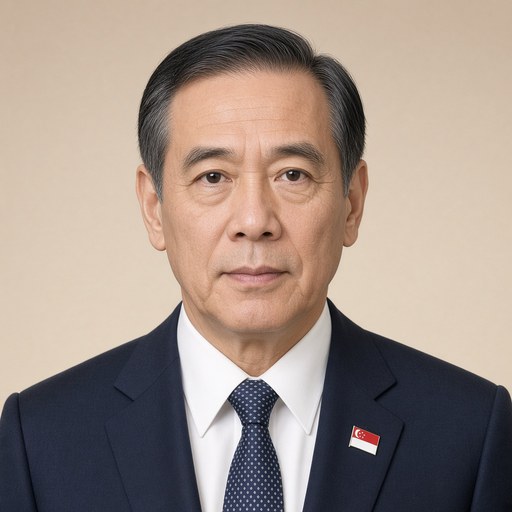
- Lee addressed Singaporeans on May Day 2023, reviewing the post-pandemic economic recovery and outlining government support for workers and industry transformation.
- Main themes
- Economic recovery post-COVID-19, inflation and cost of living, worker training and upskilling, tripartism and labour relations, geopolitical tensions and trade, progressive wages and vulnerable workers, industry transformation, flexible work arrangements, Forward Singapore exercise, artificial intelligence and emerging technologies
- Duration
- ~5 min
- Words
- 569
- Sentences
- 35
- Readability
- 38
- Grade
- 12.0
- Syntax
- 2.72
- Vocabulary
- 2.41
The broad sphere of national life a sentence belongs to. Every sentence has an Arena, so it is the denominator the other indices are read against.
Other35 sentences in 10 paragraphs
As we emerge from the COVID-19 pandemic, our economy continues to recover. Last year, Singapore’s GDP grew 3.6%. Hard-hit sectors are recovering rapidly – tourism and hospitality establishments are back in business. Passenger traffic at Changi Airport has reached around 80% of pre-pandemic levels, and will rise further as international connectivity is progressively restored.
This year we expect to see slower growth, but should avoid an outright contraction. Inflation is still high, but there is some hope it will moderate in the second half. Meanwhile, unemployment rates have stayed low, and retrenchment numbers remain manageable. Overall, we can be cautiously optimistic about our immediate economic prospects.
But our external environment remains volatile, fraught with serious geopolitical tensions. There is a risk of recessions in Western countries, as central banks continue raising interest rates to dampen inflation. The multilateral trading system is being progressively undermined by growing nationalist and protectionist sentiments, affecting international trade and cooperation. At the same time, emerging industries such as in the green and digital domains, and new technologies like artificial intelligence, will disrupt economies around the world.
We must respond to these broader trends by adapting to them, while doing all we can to buffer those adversely affected. Singapore’s survival depends on us staying open and doing business with the world. This means continually transforming our industries, enhancing existing capabilities and building new ones as we move into growth markets. This will cause disruptions to some existing jobs, but at the same time it will create new jobs with better prospects for the future.
I am happy to see that our worker training and upgrading programmes are progressing well. They are helping many workers to upskill and reskill, to be ready to seize opportunities in the new economy. Employers, too, are making the effort to maximise the potential of their workforce, providing training opportunities and encouraging their workers to take them up. More and more employers are accommodating the changing needs of workers, such as by implementing flexible work arrangements and redesigning jobs for older workers. This helps to improve productivity, and also to retain talent.
The Government will continue to do its best to support Singapo¬reans. We have made progress uplifting vulnerable workers via Progressive Wages. We will do more to professionalise skilled trades to create more pathways to success, and to improve career planning support for Singaporeans. The Forward Singapore exercise is discussing these issues, including how to help Singaporeans improve their work prospects and resilience, and transition to new jobs and careers.
All these require strong collaboration among the tripartite partners. The Labour Movement plays a key role. During the pandemic, NTUC worked closely with employers and employees to implement wage cutting measures – with the management taking the lead in wage cuts, to share the pain, sustain businesses and save jobs. NTUC also set up the Job Security Council to redeploy workers from pandemic-hit sectors like aviation to other sectors needing more manpower like healthcare. Such efforts enabled us to come through COVID-19 united as one, and reinforced trust amongst the tripartite partners.
Our model of tripartism is unique and precious. As we move ahead in this difficult environment, let us reaffirm and nurture the spirit of tripartism. With each of us doing our part and all of us working together, I am confident that we will secure a brighter future for Singapore and Singaporeans.
Happy May Day!
Explore related topics