





- Context
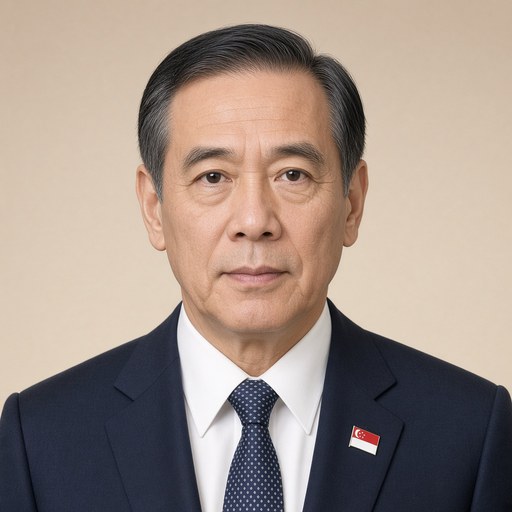
- Lee Hsien Loong addressed Singaporeans in a National Day Rally-style speech on 23 August 2015, discussing cost of living and government support measures.
- Main themes
- Cost of living, affordable food and hawker centres, public transport subsidies, healthcare and Pioneer Generation Package, housing affordability, rising living standards, government assistance schemes, household expenses, wage growth
- Duration
- ~24 min
- Words
- 2,906
- Sentences
- 218
- Readability
- 57
- Grade
- 8.6
- Syntax
- 2.63
- Vocabulary
- 2.17
Translated from Multiple languages
The broad sphere of national life a sentence belongs to. Every sentence has an Arena, so it is the denominator the other indices are read against.
Other218 sentences in 33 paragraphs
Food is a basic need, especially for Singaporeans. Let me start with food. We encourage businesses to sell affordable daily food items. For example, there are many types of rice available. This is rice sold at a budget supermarket, with about 30 brands, including their own brand. There are many choices for consumers, from premium to budget brands. The budget brands are much cheaper, and the quality is not bad, making them a reasonable choice to save on expenses. So tonight, I want to give them a shout-out. I know not every family cooks at home every day. Many families now eat out, which is different from before. Therefore, we will build more hawker centres and adjust their operating models to ensure everyone can enjoy affordable and delicious cooked food. Some new hawker centres will be managed as cooperatives or social enterprises, providing cheaper food while using part of the profits to host promotional activities. Recently, I visited the newly opened Chai Chee Hawker Centre in Ang Mo Kio. It was bustling with people, and some stalls had long queues. I believe the food sold there must be delicious and reasonably priced. This stall sells chicken rice. This is the stall owner; this is the chef. The young stall owner is learning the trade from the chef, and I believe his chicken rice will be just as good. I am glad that residents in Ang Mo Kio can benefit from this. This is the first of the new hawker centres, and there will be 20 more to be built in succession.
Another cost of living concern is transport expenses. We have rolled out various subsidy schemes to ensure that transport costs remain affordable. To date, nearly 1.6 million people hold transport concession cards. Since last year, all students, including polytechnic students, can enjoy discounted fares. The Government also provided $50 public transport vouchers to seniors aged 60 and above during SG50. In fact, data shows that over the past decade, wage increases have outpaced fare increases. So while fares have gone up, wages have risen even more. Objectively, for the vast majority of commuters, the burden has not increased. The series of measures introduced by the Government has further alleviated the burden on everyone.
In healthcare, we have introduced the Pioneer Generation Package and MediShield Life to help reduce the burden on our people. Many seniors have told me that they have received their Pioneer Generation cards and find them very useful, saving them a lot on medical expenses. In the past, seniors had to pay tens of dollars for medical consultations, but now they only need to pay a few dollars. Sometimes, they don’t even have to pay anything when visiting the dentist. This also eases the burden on their children. Some seniors may not have used the Pioneer Generation card yet, but they feel more at ease knowing they have it. I am glad that our efforts are practical and useful. However, I still hope everyone stays healthy and does not need to use these medical services.
Housing prices have also stabilized in recent years due to a series of cooling measures and increased supply. The Government has increased grants and subsidies, making it possible for almost every household to afford a flat. We will soon introduce new plans to allow families earning less than $1,000 to purchase flats. I will elaborate on this in my English speech.
These examples illustrate that the Government has implemented various policies to alleviate the burden of daily necessities and healthcare costs.
However, this only addresses half of the issue. Why? Because as Singapore develops, people's lifestyles have changed, consumption habits have evolved, and expectations have risen. For example, more families now own air conditioners and various electrical appliances. In the past, only a few families had air conditioning. But now, seven or eight out of ten families have air conditioning. Air conditioners consume a lot of electricity, so electricity bills have naturally increased. Another example is phone bills. In the past, there was only one phone in the house for the whole family, and the monthly bill was about $7.50. Now, everyone in the family likely has a smartphone, and one person’s monthly phone bill can easily exceed $20. I believe there are not just a thousand phones here tonight, but many more. A family with four or five members can accumulate significant communication costs—not just phone bills, but communication expenses. This could also be a reason for financial strain. This reflects a change in lifestyle and an increase in living standards. Everyone wants to enjoy a better and more comfortable life, which is reasonable. However, this also means our expenses will increase, and the burden will inevitably grow. Therefore, the issue of cost of living has both subjective and objective factors. Even with good policies, it may not fully resolve the issue, and I hope everyone understands this.
While we focus on addressing the people's livelihood issues and their immediate concerns, we must not overlook developments abroad. The international situation—especially events happening in neighboring countries—can significantly impact Singapore. We should not take our peace and stability for granted, thinking that it will last forever. If we let our guard down, Singapore's survival will be at risk.
In fact, this was one of Mr. Lee Kuan Yew's greatest concerns. More than two years ago, Mr. Lee was already very old and in poor health. One time, in Parliament, many MPs were engaged in heated debates on various livelihood issues for several days. Mr. Lee was deeply concerned. He worried that everyone was neglecting critical issues that would affect Singapore's long-term interests. So, he drafted a speech to remind everyone of the hard truths that Singapore relies on for survival.
I told him that he had been advising Singaporeans for decades and had fulfilled his responsibility; now it was our turn to take on this task. Mr. Lee accepted my advice and did not deliver the speech. So tonight, let me remind everyone of some external threats that Singapore faces.
Our two neighbors—Malaysia and Indonesia—have close ties with us, and we are interdependent. When the haze drifts to Singapore every year, everyone feels this. So let’s first talk about Indonesia.
We have a good relationship with Indonesian President Joko Widodo, and he has a positive impression of Singapore, as his two sons studied in Singapore. However, I know that some Indonesians have a different view of Singapore. An Indonesian official once explained to us that in Indonesia, the Chinese are a minority but are economically stronger than the average indigenous Indonesian. The indigenous population is larger and can be seen as the majority. So when the indigenous people have demands, the Chinese in Indonesia should know how to accommodate them. Similarly, the relationship between Indonesia and Singapore is viewed in this light. Singapore is just a small dot in their eyes. Therefore, when Indonesia has demands, Singapore should know how to respond. With a large population, such sentiments are unavoidable, but they also mean that there will always be a risk of friction between the two countries. Maintaining an equal and mutually beneficial relationship requires careful handling.
Recently, Malaysia has been quite unstable. Through the news media, we can understand the various challenges Malaysia faces, including money politics, threats from ISIS and terrorists, and conflicts between different races and religions. The recent brawl at Kuala Lumpur's Low Yat Plaza drew significant attention. You can find many videos of the incident online. Although the situation has calmed down, if you have seen the footage of the riots, you would understand how serious the situation was, and it could have escalated, affecting racial relations with dire consequences. Although Singapore and Malaysia have separated, instability across the causeway will certainly impact us.
Therefore, we must remain vigilant and not assume that current peace means future tranquility. While we focus on domestic issues, we must also remember that international situations can affect regional stability and threaten Singapore's security. We must unite to defend our national interests, maintain national security, and ensure social harmony.
Over the past 50 years, we have indeed become more united and stable than at independence. At independence, Singapore had nothing and faced severe challenges. Our founding leaders worked hard, sacrificed together, and built today’s Singapore. In this process of collective effort, mutual trust was established between the people and the government. As long as policies benefit the nation and the people, everyone will support them. The people are willing to support the government because they understand the government's intentions and trust its sincerity. The founding generation understood this important principle very well.
Over these 50 years, from Mr. Lee Kuan Yew to Mr. Goh Chok Tong, to my leadership team, we have recognized our responsibility to govern the country well, share the fruits of success with the people, and prepare successors to ensure Singapore's long-term development and accountability to the people. The next leadership team must also adhere to this principle, as it is the secret to Singapore's success.
Many people tell me that the elections are coming soon. I respond that I have heard that too. Regardless of when the elections are held, when the time comes, I hope everyone will make wise choices for themselves and for the next generation, and continue to support my team as we work together for the future of our country.
This year is SG50. SG50 is not the end, but the beginning. We are starting from a higher starting point. The road ahead requires everyone to support each other and jointly safeguard the achievements built over the past 50 years, creating countless new peaks, so that in the next 50 years, our Singapore will continue to shine as a bright little red dot, thriving for a hundred years.
Thank you, everyone!
Food is all important, so let’s start with food. We are encouraging businesses to offer affordable food. E.g. Rice. NTUC Fairprice sells many varieties of rice. There are about 30 brands, including Fairprice house brands which offer 10 types of rice. At Fairprice, there is a wide range of choices, from premium brands to house brands. Fairprice house brands are value for money and help save cost.
Many families eat out these days. So we are building more hawker centres, and trying out different operating models for hawker centres, to keep cost affordable. Some of the hawker centres will be managed by cooperatives or social enterprises; some may operate on a not-for-profit basis. I visited the new hawker centre at Ci Yuan at Ang Mo Kio-Hougang. It operates under the new model. The centre was filled with people. Some stalls have long queues, so the food must be good and affordable. Happy that Ang Mo Kio residents can benefit.
Another basic need is Public Transport. There are many government measures to ensure affordable public transport. Almost 1.6 million commuters have concession cards. All students enjoy concessions, including polytechnic students. This year, we have issued Seniors Public Transport Vouchers for senior citizens above 60 years old, as part of SG50. Over the last 10 years, wage increases have outpaced transport fare increases. Most commuters have not paid more for public transport. Government measures have helped to keep public transport affordable for all.
Healthcare costs have been reduced through the Pioneer Generation Package and Medishield Life. Many Pioneers tell me that they are very happy with their PG Cards as the cards help them save money. Pioneers say: Last time I paid tens of dollars to see a doctor, now only a few dollars! Sometimes I also see my dentist for free! Children of Pioneers are also happy that their parents no longer worry about clinic bills. Some have yet to use the PG card, but because they have it, they have peace of mind. I am heartened, because our gesture of appreciation has helped our Pioneers in a practical way. But I hope all of you will stay healthy, so that you don’t need to use your PG card! Housing prices have stabilised, with cooling measures and increased supply. More grants and subsidies have also enabled almost every family to own a HDB flat. We will introduce new schemes to enable households earning below $1,000 to own a flat. I will elaborate in my English speech.
These are examples of government measures to keep food, transport, healthcare and housing affordable. These measures help to mitigate basic expenses. As Singapore develops, lifestyles change, spending habits change, and expectations rise. More families are using air conditioners, and other appliances. In the past, in every 10 households, only one or two would have aircon; now, in every 10 households, 7 or 8 own air cons. Aircons use more electricity, so utility bills increase. Another example is telecom bills. In the past, the whole family shared one telephone; the monthly phone bill was about $7. Now, each family member has a smartphone, and the monthly telecom bill for each person is 20 over dollars. For a family of 4 or 5, the monthly telecom bill can be quite sizeable. These may be reasons why money is not enough. This is due to a change in lifestyle, and higher living standards. It is reasonable for us to aspire to a better life, but this means higher expenses. There are various cost factors. Not all can be resolved through good policies.
Even as we attend to our domestic worries, we must remain alive to the outside world. Events elsewhere can affect us, especially in our neighbourhood. Our peace and stability are not cast in stone. Our survival will be at risk if we are not vigilant.
Mr Lee Kuan Yew was always most worried about our survival. Two years ago, Mr Lee was old and frail. He once listened to a heated debate in Parliament on bread and butter issues. Mr Lee was deeply troubled. He was worried that we had all forgotten the critical threats to our survival. Mr Lee prepared a draft speech, ready to speak in Parliament. He wanted to remind us of the hard truths about Singapore’s survival. I explained to him that he had done more than his part over the decades, it’s now our job. He accepted my views and did not speak. So tonight, allow me to remind us all.
We are interdependent with our neighbours, Malaysia and Indonesia. Whenever the haze drifts to Singapore, we are reminded how close we are. On Indonesia, we are friendly with President Jokowi. He thinks well of Singapore and both his sons studied here. But some Indonesians hold different views of Singapore. An Indonesian official explained: Indonesian Chinese are a minority in Indonesia, but wealthier than their Pribumis. Indonesian Pribumis are the majority – “big brother”. So their Chinese minority must meet Pribumi demands. Little red dot Singapore must know its place, and meet the demands of “big brother” Indonesia. Indonesia is a big country; hence the “big brother” attitudes are not surprising. But such views can sometimes be troublesome. For the relationship to be equal and beneficial, we must stand our ground.
Malaysia is going through some challenging times. We can read in the news. This includes money politics, ISIS and terrorist threats, and race/religious tensions. Recent KL fighting incident at Low Yat shopping mall. Fortunately, it calmed down. If you have seen the videos, you would realise it is a serious incident. It could have easily escalated, and could have damaged race relations. Malaysia and Singapore are separate countries but troubles across the Causeway can affect our harmony.
Therefore, we must be vigilant during peacetime and not take for granted the peace we enjoy today. Even as we focus on local issues, we must remember external situations may upset regional stability, destroy our peace and threaten our security. We must unite to protect our interest, defend our security and maintain our harmony.
Over the last 50 years, we have truly become more united and more stable. At independence, we had nothing and we faced severe challenges. But our Pioneers worked hard together, gave their all, and sacrificed for Singapore. In the journey together, the people and government forged a strong bond. Our Pioneers supported and trusted the government, supported policies which benefitted the people and the country. They understood government’s intentions and trusted that government was on their side. The pioneer generation knew this very well.
Over the last 50 years, from Mr Lee Kuan Yew, to Mr Goh Chok Tong, to me and my team, we know it’s our duty to govern well, to share the fruits of success and to nurture the next team, to keep Singapore going. This is how we are accountable to the people. The next leadership team must remain faithful to these principles because this is the secret of Singapore’s success.
Many people tell me that the elections are coming soon! I replied, I’ve heard it too. Whether sooner or later, when the moment comes, please choose wisely, for yourself and your children. Please give my team your support, so that we can work together for the future of Singapore.
SG50 is not the end, but the beginning. We are starting from a higher base. For the journey ahead, we must unite as one, and safeguard the legacy of our Pioneers, to enable us to scale many more peaks together. Let us keep Singapore a shining Red Dot, for SG100 and beyond.
Thank you!
The original Multiple languages. The tags above are read on the English translation's sentences.
PM Lee Hsien Loong delivered his National Day Rally 2015 speech on 23 August 2015 at the Institute of Technical Education College Central. He spoke in Malay and Mandarin, followed by English .
Malay
English
For the video with sign language interpretation , please scroll down to the bottom of the page.
video with sign language interpretation
国庆群众大会 2015
大家晚上好!
今年我们庆祝金禧国庆,相信大家从年初开始就参与了不少活动,庆祝新加坡这个重要的里程碑。新加坡能有现在的成就,国泰民安,是值得大家自豪,庆幸。我希望大家在庆祝的当儿,也想一想我们是如何一起走到这里。更重要的是,我们如何才能使新加坡继续繁荣稳定。
要一一呈现这些年的成果,恐怕说到天亮也说不完。因此,我整理出一些照片,跟大家一起回顾我们的发展道路。 a. 独立之前,新加坡社会动荡不安,不时发生骚乱。1959年,人民行动党当选执政。[图片] 这是行动党当选后,在政府大厦前的大草场举行的群众大会。当年的群众大会和今晚的群众大会,气氛完全不相同。不过,群众大会依旧是我们讨论国家大事,动员人民的一个重要平台。 b. 在60年代,新政府优先改善民的生活,让人民都有房子住。 [图片] 这里是达士岭。这两座组屋是建屋局在这里建的第一批组屋。当年,李光耀先生对丹戎巴葛选民承诺,要为他们盖房子。所以,达士岭的组屋具有象征意义,是一个国家级的发展项目,只许成功不许失败。接着,我们在全岛各地兴建组屋,包括宏茂桥。[图片] 这是80年代的宏茂桥。我在这里服务了30多年,跟居民共同见证了这市镇的改变。[图片] 这是今天的宏茂桥。大家可以看到,这些组屋都已经翻新了。有MUP(主要翻新计划)的,都加上了小房间。有电梯翻新的,每一层都有电梯了。 c. 刚独立的新加坡,没有自己的武装部队来捍卫国家。因此,两年后,我们推行了国民服役。那个时代,华人普遍认为,好男不当兵。[图片] 这是67年阿兵哥入伍的情景,是第一批征召入伍的阿兵哥。父母们送儿子入伍时,都依依不舍,非常难过。现在,时代不同了,观念也改变了。在军训结业礼上,父母都为孩子的成就感到骄傲。我也为他们感到高兴,因为Ah Boys变成Men 了。 d. 除了建立国防力量,我们也致力发展经济,制造就业机会,让人民有稳定的收入。[图片] 这是80年代的造船厂,当时聘请了很多工人,解决了失业问题。随着经济转型,工作的类型也更多了。像精密工程业的技术人员,就需要具备更高端的技能;当然,他们的收入也更高了。 e. 要掌握高水平的技能,人民就必须接受更高深的教育。政府在教育方面做了大量的投资,建立了世界一流的体系。[图片] 这是6、70年代,三巴旺的公立励德学校,设施简陋。现在的学校,校舍美观,设施齐全。[图片] 这是Northlight,北烁学校。它提供技能教育,让学生发挥所长。现在的学生比以前幸福得多了。 f. 我们也非常重视绿化环境,几十年来,我们每年举办植树节。[图片] 我们在71年正式展开常年植树活动。这些学生种的是果树,他们看起来很开心,我想他们正在想:以后有果子吃了。经过多年的努力,我们成为了花园中的城市。[图片] 这就是杜生区摩天组屋,组屋周围都是花草树木,环境青翠,的确像在花园中。我去看了--这照片是我拍的,之后,我的保安人员告诉我,他很后悔没有在这里报名买一间屋子。没关系,以后还有机会。[图片] 这是植物园,刚刚被纳入世界文化遗产。这对新加坡来说,是一份珍贵的金禧礼物。 g. 这50年来,我国取得了许许多多的成就,让我们引以为豪。所以,在今年的金禧年国庆庆典上,全国热烈庆祝,大家都很激昂、很兴奋。
我们今天的成就,华社功不可没,包括许许多多德高望重的华商领袖。这些星洲头家抓紧时机,积极开创事业,带动经济发展,也制造更多就业机会。此外,从殖民地时代开始,华商领袖就负起各种社会责任。早年,他们热心公益,出钱办校,并通过设立各个宗乡会馆,照顾比较贫困的同乡,凝聚乡情。新加坡取得自治,开始建国的时候,他们领导华社,争取公民权与公平的待遇,保护华社的利益。直到今天,许多商人仍旧出钱出力,赞助学校和会馆的活动和项目。华商也扶持其他种族,协助加强社会的凝聚力。
这不只是大公司或者大老板所办的事。在基层,许多中小企业和小商人长期发挥互助精神。例如,现在正逢农历七月,许多中元会就通过募捐或者喊标的方式,发挥群体力量,为福利基金筹款,帮助经济困难的家庭,回馈社会。每个选区的基层组织和受惠家庭,都对中元会非常感激。
在文教界默默耕耘的许多人士,也是我国华社的另一大支柱。他们负起推动华文教育的重要责任,给下一代灌输传统价值观和国家意识。这张照片里,是今年全国模范华文教师奖的得奖者。他们以创新的教学方法,激发了学生对华文和中华文化的兴趣。他们的努力和苦心,让一代又一代的新加坡人打下华语基础,在本地或在中港台工作时,都能够充分发挥双语的优势,取得不错的成绩。今年在国庆庆典上表演的艺人 - 林俊杰、孙燕姿和陈洁仪,他们虽然都不是来自传统华校,但他们都是华语歌坛上的巨星,在各地华人世界拥有许多粉丝。我们很多年轻部长和议员,都说得一口流利的华语。他们有的来自特选学校,有一些则是传统英校生。他们有效地使用华语与民众沟通,在国会和电视上用华语深入浅出地解释政策。这些例子显示,我国的双语教育政策是相当成功的。
华文媒体工作者也在国家建设上,扮演着重要的角色。他们对各种课题详细的报道,让不熟悉英文的民众了解国内和世界的动态,以及政府所推行的政策。例如《联合早报》、《联合晚报》、《新明日报》就精心策划了一系列的活动,把建国一代配套、终身健保计划等政策,有效地向民众解释。[图片] 这里,你看到林瑞生部长参加了其中一个活动,他以他独一无二的生动方式,帮助民众了解终身健保计划。几十年来,华文电视台和广播电台也为新加坡营造了一种学习华语、使用华语的有利大环境。配合新加坡建国50周年,华文媒体推出了许多内容丰富的特辑,回顾我们的建国之路。最近,我就参加了华文媒体和其他团体联合主办的“万人大家唱”。当晚,我也跟着大家尽情地唱熟悉的歌曲。你们知道我是不会唱歌的,不过当晚感觉特别温馨。
我也很欣慰,看到更多新一代年轻人对华族文化富有热诚,肩负起薪火相传的责任。我们的华语戏剧活动很蓬勃;华乐在学校、在社区,也相当受欢迎,甚至非华族学生也感兴趣。今年五月,我参加了马西岭华乐团主办的音乐晚会。它们邀请了菲律宾弦乐团参加。[图片] 这些是我们的马西岭华乐团,这个是菲律宾的弦乐团。马西岭华乐团本身是由多元种族组成。[图片]这里,我跟华乐团的成员见面。其中有一位马来团员 Shafiq,他是拉二胡的,还是乐团的其中一位创办者。去年,我在讲华语运动开幕礼上,也观赏了鼟乐团的精彩表演。这些年轻人为传统文化注入新的活力,并且展现独特的本地风格。
总之,华社对新加坡、对推广华族文化、华语、照顾其他群体等方面,都做了重要贡献。正如华助会的口号:一人一点心,社会更温馨。请大家再接再厉,与我们合作,一起让华社蓬勃发展,让华族文化更多姿多彩。政府会继续支持各个族群保留自己文化的根。我在三年前宣布设立的“新加坡华族文化中心”,获得华社各界人士热烈响应,他们出钱出力,确保华族文化薪火不灭。谢谢华社!
华社是国家的一个重要支柱。因此,我们多年前就成立了华社联络组,跟华社保持密切的联系。现在,这个小组是由陈振声部长领导。今年,小组也做了不少新尝试,通过各种平台同人民沟通交流,包括参与华文媒体制作的节目,如958电台的《空中访民情》、报业控股的《部长咖啡谈》等等,聆听人民的心声。
我自己也连续两年参与958电台的访谈节目,回答听众的许多问题,和听众交流。去年,有一位听众跟我说,生活费很高。所以接下来,让我谈一谈生活费这个课题。
什么是生活费呢?生活费就包括我们的日常开销,也包括花在衣食住行,还有医疗服务等的费用。其实,政府在解决基本生活需求方面,下了很大的功夫。我们已经采用各种方法,尽力使日常用品和食物的价格保持大众化。
民以食为天,尤其新加坡人更是这样,那我就从吃的开始。我们鼓励商家售卖民众能负担得起的日常食品。例如,我们吃的米,种类繁多。[图片] 这是平价超市卖的米,各种各样,大约有30个牌子,当中就有他们自家的品牌,而单单平价牌子的米,就有大约10种。所以,民众在购买时选择很多,有顶级的、也有大众品牌。平价自家品牌的商品,价钱便宜得多,品质也不差,是节省开销、减低生活费的一个合理的选择。所以今晚我特地帮他们打一个广告。我知道,不是每一个家庭都每天在家煮饭。现在很多家庭都在外用餐,跟以前不同了。所以,接下来我们会建更多小贩中心,调整它们的经营模式,确保大家可以享用价廉物美的熟食。有些新的小贩中心将会以合作社或社会企业的形式来管理,除了提供较便宜的食物以外,也会把一部分利润,用来主办优惠活动。最近我走访在宏茂桥后港区新开张的茨园小贩中心。这是其中一个新的小贩中心。中心挤满了人,有些摊位还大排长龙。我相信这里卖的食物,应该美味可口、价钱合理。[图片] 这个摊位是卖鸡饭的。这位是摊主;这位是师傅。年轻摊主向师傅学习这门手艺,我看他的鸡饭跟师傅的鸡饭相比,应该也不会逊色。我很高兴宏茂桥的居民可以受惠。这是第一间新的小贩中心,以后还有20间陆续会建成。
大家关注的另一个生活开销就是交通费。我们推出各种优惠计划,确保人民负担得起交通费。至今,就有将近160万人持有交通优惠卡。从去年开始,所有学生–包括理工学院的学生–都能享有优惠车资卡。政府也在金禧年提供50元的公共交通礼券给60岁以上的乐龄人士。其实,数据显示,过去十年里,加薪的幅度高过车资的涨幅。所以,车资起了,可是薪水起得比车资来得多。所以,客观来说,绝大多数的乘客,负担并没有加重。而政府推出的一系列计划,更减轻了大家的负担。
在医疗方面,我们通过建国一代配套和终身健保,帮助人民减少负担。许多老人家告诉我,他们已经收到建国一代卡,觉得这张卡很有用,省下不少医药费。在过去,老人家看病需要付几十块,现在只需要几块钱。看牙医时,有时更不用花钱。这也减轻了他们孩子的负担。有些老人家或许还没有用过建国一代卡,但是,他们有了这张卡,已经觉得比较安心了。我很欣慰,我们的一点心意,是实际和有用的。但是,我还是希望大家保持身体健康,不需要用到这些医疗服务。
房价近几年也稳定了,因为政府推出了一系列的降温措施,也增加了供应量。政府增加资助和补贴,让几乎每家每户都买得起组屋。接下来,我们将推出新计划,让收入少过一千元的家庭也能购买组屋。我在英语演讲会加以说明。
这些例子说明了,政府在解决衣食住行和医疗费方面,已经推出各项政策,尽力减轻人民的负担。
不过,这只能解决一半的问题。为什么呢?因为随着新加坡的发展,人们的生活方式也改变了,消费习惯也不一样了,也有更高的期望。例如,越来越多家庭拥有冷气机和各种各样的电器。过去,只有少数家庭有冷气机。可是现在十个家庭当中,有七、八个有冷气机。冷气机耗电量很大,所以电费当然增加了。另一个例子是电话费。以前,家里只有一个电话,全家人用,每个月的电话费大概是7块半。现在,一个家庭里,每个人都有一台手机,并且很可能是智能手机,一个人每个月的电话费就要20多块钱了。我相信,今晚这里有一千个人,也不只有一千台手机。一个家庭有4、5个成员,乘20,通讯费加起来也不少 - 不是电话费,是通讯费了。这也可能是钱不够用的原因。这个是生活方式的改变,也是生活水平的提高。大家都希望享受更好、更舒适的生活,这是合理的。但是这一来,我们的开销就会变大,负担难免就更重了。因此,生活费的问题,有主观和客观的因素,即使有了很好的政策,也未必能够完全解决这个问题,希望大家能够了解这一点。
在我们着重解决民生问题、处理人民眼前的忧虑时,也不能忽视国外的发展。国际局势–尤其在周遭国家所发生的事情–都很可能波及新加坡。我们不应该认为现在享有和平和稳定,那和平稳定就是永久的。如果我们掉以轻心,新加坡的生存将面临威胁。
其实,这个就是李光耀先生最担心的一件事。两年多前,李光耀先生年纪已经很大了,身体又虚弱。有一次,在国会里,很多国会议员接连几天都在辩论一些民生课题,辩论得非常激烈。李先生感触很深。他很担心大家忽略了关系到新加坡长远利益的紧要问题。于是,他草拟了一篇演讲稿,准备在国会上发言,提醒大家一些新加坡赖以生存的硬道理。
我跟他说,您几十年来苦口婆心,一再告诫新加坡人,已经尽了责任,现在这份工作应该交给我们了。李先生接受了我的意见,结果没有发言。所以今晚,让我提醒大家新加坡所面对的一些外在威胁。
我们的两个邻居–马来西亚和印尼,跟我们的关系密切,可以说是唇齿相依。烟霾每年飘到新加坡的时候,大家就会体会这一点。所以,先谈一谈印尼。
我们跟印尼总统佐科关系很好,他对新加坡的印象也不错,因为他的两个儿子就曾经在新加坡读过书。不过,我知道有一些印尼人对新加坡有不同的看法。曾经有一名印尼官员这样解释给我们听:他说,在印尼,华族占少数,不过经济能力比一般的印尼原住民来得强,比印尼原住民来得富裕。而原住民比华人多,可以算是老大。那么,当原住民对华人有所要求,印尼华人就应该懂得怎么样顺应。相同的,印尼跟新加坡的关系也是如此。新加坡在他们眼里,只是一个小红点。所以,印尼有什么要求时,新加坡应该知道怎么做。印尼人口多,民间有这种想法,这是难以避免的。但是,这也意味着两国总会有摩擦的风险。要维持平等、互惠互利的关系,需要我们十分小心地处理。
最近,马来西亚不太平静。大家通过新闻媒体,可以了解马来西亚面对的种种忧患,这包括金钱政治、伊斯兰国组织及恐怖分子带来的威胁、和不同种族和宗教间的矛盾,问题很多。前些日子,吉隆坡的刘蝶广场发生的群体殴斗事件,就引起了许多人关注。你在网上可以看到很多这个事件的视频。虽然事件后来平息下来,不过,如果你看过骚乱画面的话,就可以理解事情相当严重,甚至可能一发不可收拾,影响种族关系,后果不堪设想。新马虽然已经分家了,但是,如果长堤彼岸局势不稳定,肯定会影响我们。
所以我们必须居安思危,不要以为现在一切太平,就等于以后也会相安无事。在我们关注国内课题的时候,也要紧记,国外局势随时可能影响区域的稳定,从而破坏新加坡的安定,威胁我国的安全。我们必须团结一致,才能捍卫国家利益,维护国家安全,确保社会和谐。
这50年来,我们确实比独立时更团结、更稳定了。独立时,新加坡一无所有,面对严峻的挑战。建国前辈一起努力,一起付出,一起牺牲,才造就了今天的新加坡。在这个共同奋斗的过程中,人民和政府之间建立了互信。只要是对国家、对人民有利的政策,大家都会支持。人民愿意支持政府,因为他们明白政府的用意,也信任政府的用心。建国一代就非常明白这个重要的道理。
这50年,从李光耀先生,到吴作栋先生,到我领导的班子都意识到,我们有责任把国家治理好,和人民分享成功的果实,同时准备接班人,确保新加坡能长期发展下去,对人民有所交代。接下来的领导班子也必须坚守这个原则,因为这是新加坡成功的秘诀。
很多人告诉我,大选快来了。我回答说,我也听说了。不管大选什么时候举行,当大选来临的时候,希望大家会为自己,也为下一代,做明智的选择,继续支持我的团队,一起为国家的未来共同奋斗。
今年是金禧年。金禧年不是终点,而是起点。我们现在从更高的起点出发。前方的道路需要大家互相扶持,共同守护这50年辛苦建立起来的成果,一起再创无数个高峰,让接下来的50年,我们的新加坡,还会是一个闪亮的小红点,辉煌百年。
谢谢大家 !
English Outline of National Day Rally 2015 Mandarin Speech
Good evening everyone!
This year we celebrate SG50. Throughout the year, we have participated in many celebrations to mark this significant milestone. Indeed, we have reason to celebrate the peace and prosperity of our country. Whilst we celebrate, it is also a time to reflect on how we achieved this together. And what we must do to remain special
It will take all night and more to list our every achievement over the last 50 years. So I have chosen some photos to highlight our journey.
Before independence, we underwent turbulent times, with riots from time to time. In 1959, the PAP won the elections. The atmosphere at tonight’s rally is quite different from the rally then. But rallies remain an important platform to discuss national issues and our future. PAP’s priorities in the 1960s were to improve lives and build homes for the people.
The first HDB flats were built in Duxton Plain in the 1960s. Mr Lee had promised to build homes for his Tanjong Pagar residents. The Duxton flats were a symbol of a promise kept and a national development project. We began building flats all over Singapore, including Ang Mo Kio. I have served my Ang Mo Kio residents for over 30 years, and together, we have witnessed how Ang Mo Kio has transformed.
At independence, we had no SAF to defend Singapore. Two years later, we started National Service. At that time, Chinese generally felt that good men don’t become soldiers. Then, you would see sad parents sending off their sons to serve NS. Nowadays, parents proudly celebrate the achievements of their sons at Recruit Passing Out Parades. I am also happy for them, as their Ah Boys become Men.
We also develop the economy, to provide jobs for workers, and a steady income for people. For example, shipyards employed many people and solve the problem of unemployment. As our economy transformed, there are many more types of jobs. For example, technicians in precision engineering would need to have better skills. And as a result, they also earn higher wages.
To have better skills, our people need to have higher education. The Government invested heavily in education. Schools in the 60s and 70s used to have basic facilities only. Now schools have good facilities. For example, Northlight School. Here, students enjoy hands on learning and new opportunities. Students now are more fortunate.
We also emphasised a Green Singapore. The Tree Planting Day has been an annual event for decades. With decades of hard work, we have become a City in a Garden. We have HDB flats that are surrounded by beautiful greenery, such Dawson, like a beautiful HDB estate in a garden. The Botanic Gardens have been inscribed as a World Heritage Site. It’s a special SG50 gift!
We have come far over 50 years. Hence, at SG50 National Day Parade, we celebrated together with great joy!
Our Chinese community has contributed greatly in many ways to our success. Many Singapore towkays seized opportunities, built businesses and created jobs. Since colonial times, they served their community. They built schools, set up clan associations, and helped the poor. In post-war years, they fought for citizenship and fairness, and protected the community. Today, they are still active, donating to schools and supporting the clan associations. They also help other ethnic groups and help to strengthen social cohesion
Many SMEs and shop owners contribute through the grassroots too. For e.g., the Seventh month events raise funds for charities and needy residents through auctions and donations. The beneficiaries are grateful for their generosity.
There are also dedicated people in the cultural and education sectors. They are key community pillars. They instil good values and foster Singapore identity among the next generation. For example, winners of this year’s Inspiring Chinese Language Teachers Awards. These are teachers who have inspired students’ interest in Chinese language and culture with innovative teaching. They work tirelessly to lay the language foundation for our bilingual young, who can find opportunities in Greater China, and have done well! J J Lin, Stephanie Sun and Kit Chan, who sang at the National Day Parade this year, studied in English schools, but they are Mandarin pop-stars, with huge fan base here and overseas. Many of our younger Ministers and MPs, are effectively bilingual. They come from various schools, e.g. non-SAP schools. They are fluent in Chinese, and are able to explain policies effectively in Mandarin. These examples illustrate the success of our bilingual policy.
Our Chinese media play an important role in nation building. Their reports on Singapore news, world events and national policies help us to reach out to non-English users. E.g. Lianhe Zaobao, Lianhe Wanbao and Shin Min Daily News have organised many special events to help explain Medishield Life and the Pioneer Generation Package. For many decades, Mediacorp TV and Radio have kept language alive. To celebrate SG50, the Chinese media produced many in-depth specials on our nation-building journey. At the SG50 Sing-a-long organised by the Chinese media and other groups, I enjoyed myself singing familiar songs with everyone who attended. I am also heartened to see many young people passionate about Chinese culture, e.g. the Chinese Theatre and Chinese Orchestra. The Chinese Orchestras are gaining popularity in schools and community, even among the non-Chinese. I attended a concert by Marsiling Chinese Orchestra in May. They invited a Filipino Rondalla string group to join them. The Marsiling Orchestra has multi-racial members. Shafiq, who plays the erhu, is one of the founding members of the Orchestra. At the launch of the Speak Mandarin Campaign last year, I watched an exciting performance by the Teng Company. These young performers inject new elements into traditional culture, and created something uniquely Singapore.
The Chinese community contributes to Singapore in many important ways. Like the motto of the Chinese Development Assistance Council, “A little from all, together it's more”. Let us all play our part to foster a vibrant culture and a thriving community. The Government supports all ethnic communities to preserve their cultural roots. Three years ago, I announced that we will set up the Singapore Chinese Cultural Centre. It has received enthusiastic support from the Chinese community. Thank you all for your support!
The Chinese community is an important pillar of Singapore. We set up the Chinese Community Liaison Group (CCLG) to foster closer bonds. Now led by Minister Chan Chun Sing, they have many new ideas for engagement this year, such as engaging on radio chats e.g. Minister on Air and Coffee Talk. I took part in Radio 958 chats for the last two years. They were lively sessions. A listener was worried about the cost of living. Let me next discuss cost of living. What do we mean by cost of living? It covers basic needs such as our daily expenses, and our spending on food, transport, housing and healthcare. Government has been working hard to meet the basic needs of our people. We have rolled out various measures to keep basic necessities affordable for all.
Food is all important, so let’s start with food. We are encouraging businesses to offer affordable food. E.g. Rice. NTUC Fairprice sells many varieties of rice. There are about 30 brands, including Fairprice house brands which offer 10 types of rice. At Fairprice, there is a wide range of choices, from premium brands to house brands. Fairprice house brands are value for money and help save cost.
Many families eat out these days. So we are building more hawker centres, and trying out different operating models for hawker centres, to keep cost affordable. Some of the hawker centres will be managed by cooperatives or social enterprises; some may be operate on not-for-profit basis. I visited the new hawker centre at Ci Yuan at Ang Mo Kio-Hougang. It operates under the new model. The centre was filled with people. Some stalls have long queues, so the food must be good and affordable. Happy that Ang Mo Kio residents can benefit.
Another basic need is Public Transport. There are many government measures to ensure affordable public transport. Almost 1.6 million commuters have concession cards. All students enjoy concessions, including polytechnic students. This year, we have issued Seniors Public Transport Vouchers for senior citizens above 60 years old, as part of SG50. Over the last 10 years, wage increases have outpaced transport fare increases. Most commuters have not paid more for public transport. Government measures have helped to keep public transport affordable for all.
Healthcare costs have been reduced through the Pioneer Generation Package and Medishield Life. Many Pioneers tell me that they are very happy with their PG Cards as the cards help them save money. Pioneers say: Last time I paid tens of dollars to see a doctor, now only a few dollars! Sometimes I also see my dentist for free! Children of Pioneers are also happy that their parents no longer worry about clinic bills. Some have yet to use the PG card, but because they have it, they have peace of mind. I am heartened, because our gesture of appreciation has helped our Pioneers in a practical way. But I hope all of you will stay healthy, so that you don’t need to use your PG card! Housing prices have stabilised, with cooling measures and increased supply. More grants and subsidies have also enabled almost every family to own a HDB flat. We will introduce new schemes to enable households earning below $1,000 to own flat. I will elaborate in my English speech.
These are examples of government measures to keep food, transport, healthcare and housing affordable. These measures help to mitigate basic expenses. As Singapore develops, lifestyles change, spending habits change, and expectations rise. More families are using air conditioners, and other appliances. In the past, in every 10 households, only one or two would have aircon; now, in every 10 households, 7 or 8 own air cons. Aircons use more electricity, so utility bills increase. Another example is telecom bills. In the past, the whole family shared one telephone; the monthly phone bill was about $7. Now, each family member has a smartphone, and the monthly telecom bill for each person is 20 over dollars. For a family of 4 or 5, the monthly telecom bill can be quite sizeable. These may be reasons why money is not enough. This is due to a change in lifestyle, and higher living standards. It is reasonable for us to aspire to a better life, but this means higher expenses. There are various cost factors. Not all can be resolved through good policies.
Even as we attend to our domestic worries, we must remain alive to the outside world. Events elsewhere can affect us, especially in our neighbourhood. Our peace and stability are not cast in stone. Our survival will be at risk if we are not vigilant.
Mr Lee Kuan Yew was always most worried about our survival. Two years ago, Mr Lee was old and frail. He once listened to a heated debate in Parliament on bread and butter issues. Mr Lee was deeply troubled. He was worried that we had all forgotten the critical threats to our survival. Mr Lee prepared a draft speech, ready to speak in Parliament. He wanted to remind us of the hard truths about Singapore’s survival. I explained to him that he had done more than his part over the decades, it’s now our job. He accepted my views and did not speak. So tonight, allow me to remind us all.
We are interdependent with our neighbours, Malaysia and Indonesia. Whenever the haze drifts to Singapore, we are reminded how close we are. On Indonesia, we are friendly with President Jokowi. He thinks well of Singapore and both his sons studied here. But some Indonesians hold different views of Singapore. An Indonesian official explained: Indonesian Chinese are a minority in Indonesia, but wealthier than their Pribumis. Indonesian Pribumis are the majority – “big brother”. So their Chinese minority must meet Pribumi demands. Little red dot Singapore must know its place, and meet the demands of “big brother” Indonesia. Indonesia is a big country; hence the “big brother” attitudes are not surprising. But such views can sometimes be troublesome. For relationship to be equal and beneficial, we must stand our ground.
Malaysia is going through some challenging times. We can read in the news. This includes money politics, ISIS and terrorist threats, and race / religious tensions. Recent KL fighting incident at Low Yat shopping mall. Fortunately, it calmed down. If you have seen the videos, you would realise it is a serious incident. It could have easily escalated, and could have damaged race relations. Malaysia and Singapore are separate countries but troubles across the Causeway can affect our harmony.
Therefore, we must be vigilant during peacetime and not take for granted the peace we enjoy today. Even as we focus on local issues, we must remember external situations may upset regional stability, destroy our peace and threaten our security. We must unite to protect our interest, defend our security and maintain our harmony.
Over the last 50 years, we have truly become more united and more stable. At independence, we had nothing and we faced severe challenges. But our Pioneers worked hard together, gave their all, and sacrificed for Singapore. In the journey together, the people and government forged a strong bond. Our Pioneers supported and trusted the government, supported policies which benefitted the people and the country. They understood government’s intentions and trusted that government was on their side. The pioneer generation knew this very well.
Over the last 50 years, from Mr Lee Kuan Yew, to Mr Goh Chok Tong, to me and my team, we know it’s our duty to govern well, to share the fruits of success and to nurture the next team, to keep Singapore going. This is how we are accountable to the people. The next leadership team must remain faithful to these principles because this is the secret of Singapore’s success.
Many people tell me that the elections are coming soon! I replied, I’ve heard it too. Whether sooner or later, when the moment comes, please choose wisely, for yourself and your children. Please give my team your support, so that we can work together for the future of Singapore.
SG50 is not the end, but the beginning. We are starting from a higher base. For the journey ahead, we must unite as one, and safeguard the legacy of our Pioneers, to enable us to scale many more peaks together. Let us keep Singapore a shining Red Dot, for SG100 and beyond.
Thank you!
National Day Rally 2015 (Mandarin Speech with English dub + Sign language)