




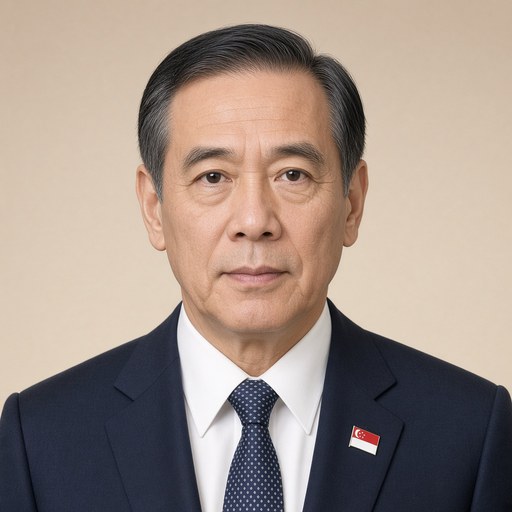
Vernacular translations of the National Day Rally 2022 English Speech on s377A
 Lee Hsien Loong · Prime Minister of Singapore
- Context
- Lee addressed Singaporeans at the 2022 National Day Rally, announcing the planned repeal of Section 377A criminalizing sex between men.
- Main themes
- Repeal of Section 377A, decriminalization of homosexuality, LGBTQ rights in Singapore, traditional family values, balancing conservative and progressive social norms, changing societal attitudes, government's role in law reform, religious community concerns, multiracial and multireligious society, personal freedoms and privacy
- Duration
- ~34 min
- Words
- 4,049
- Sentences
- 228
- Readability
- 45
- Grade
- 11.4
- Syntax
- 2.86
- Vocabulary
- 2.14
Translated from Multiple languages
The broad sphere of national life a sentence belongs to. Every sentence has an Arena, so it is the denominator the other indices are read against.
Other228 sentences in 48 paragraphs
Section 377A
As we navigate a world that is uncertain and tumultuous, we must also address issues within our own country.
Among the complex tasks of the Government of Singapore, and any government, is to update our laws and practices from time to time to reflect changing values and social norms. For example, at last year's National Day Rally, I announced that we would allow nurses in public hospitals to wear the hijab with their uniforms, if they wish. This decision was reached after several years of discussion. This step would have been hard to imagine a generation ago, and would certainly have sparked great controversy. However, we waited patiently until the level of understanding and confidence among our multiracial and multireligious society became stronger, and we finally implemented it when we decided that the time was right. This was after we prepared the community, carefully explaining the reasons behind our decision and the scope of the changes we were making. I am very pleased that this cautious step has yielded good results and that the people of Singapore have accepted this change with the right understanding. But that is not the only sensitive issue we need to address. Another concerning issue is the treatment of homosexuals in our society under the law.
Generally, Singapore is a traditional society with conservative social values. We hold to the principle that marriage should be between a man and a woman, that children should be born and raised in such families, and that the traditional family institution should form the foundation of our societal development.
Most Singaporeans want to ensure that our society remains this way. The Government shares the same stance. We have supported and further strengthened the importance of the family institution through many national policies, and we will continue to do so.
However, like other societies, we also have homosexuals among us. They are our fellow citizens. They are our colleagues, our friends, our family members. They also want to live their own lives, participate in our society, and contribute fully to Singapore. We need to think of the right way to reconcile and accommodate both the traditional behaviors of our society and the aspirations of Singapore's homosexual citizens to be respected and accepted.
The main issue for Singapore's homosexual citizens is Section 377A of the Penal Code, which criminalizes sex between men. It was originally introduced by the British colonial government in the 1930s. It reflects the moral attitudes and social norms that existed at that time. But over the past few decades, homosexuality has become something that is more scientifically and medically understood. In many societies, including Singapore, homosexuals are now more accepted and are no longer marginalized and vilified.
Many countries that once had laws prohibiting sex between men have since repealed them. This includes several Asian countries, but so far, Singapore has not done so.
The last time Parliament debated whether to repeal Section 377A was in 2007. Members of Parliament expressed strong views on both sides. I participated in that debate to advise that discussions be conducted in a controlled and careful manner. I acknowledged that what consenting adults do in private is their personal business, and the Government should not intervene. But I also pointed out that not everyone can accept homosexual acts. There are some who cannot accept it, particularly among certain religious groups, including adherents of Islam, Catholicism, and many branches of Protestantism. The Government has decided that we will retain Section 377A in our laws, but will not actively enforce it. We are not repealing the law. It would have divided society at that time. It is better for us to live with this imperfect compromise, and it is a practical way to live with the changing attitudes and norms of society in Singapore. This compromise does not satisfy every group, but overall, it allows us to live together. And we have been able to live with this sensitive issue without it dominating our national agenda or dividing our society.
Now, 15 years later, attitudes in society have changed significantly. While we are still generally a conservative society, homosexuals are now better accepted in Singapore, especially among younger Singaporeans. It is time for us to ask ourselves this fundamental question again: Should sex between men in private be considered a criminal offense?
Singaporeans still have varying views on whether homosexuality is right or wrong. But most people accept that a person's sexual orientation and behavior is a personal matter and that sex between men should not be considered a criminal offense. In fact, among those who wish to maintain Section 377A, most do not want it to be actively enforced and punished. From a national perspective, sexual behavior in private between consenting adults does not raise any legal or public order issues. There is no reason to prosecute anyone or to make that act a crime.
Furthermore, we have seen some challenges to Section 377A in the courts, which have sought to declare it unconstitutional. None have succeeded so far. However, following a recent decision by the Court of Appeal, the Minister for Law and the Attorney-General have advised that if challenged in court in the future, there is a significant risk that Section 377A could be struck down on the grounds that it violates the Equal Protection provisions in the Constitution. We need to take this advice seriously. It would be unwise to ignore this risk and do nothing.
For these reasons, the Government will repeal Section 377A and decriminalize consensual sex between men in private. I believe that this is the right thing to do, and something that will be accepted by most Singaporeans. This step will align the law with current social behavior, and I hope it will provide some relief to Singapore's homosexual citizens.
However, at the same time, most Singaporeans do not want the repeal of this law to trigger a sudden shift in our social norms, including how we define marriage, what we teach our children in schools, what is freely broadcast on television and in cinemas, or behaviors that are generally acceptable in public.
In our discussions to gather community feedback over the past few months, these concerns became increasingly clear. Among those who feel worried, some have strong views about Section 377A. However, for most people, the main concern is what they feel is symbolized by Section 377A, and they fear that its repeal will lead to sudden changes. They are also worried that this will encourage more aggressive activism and division from all sides. This concern is not only shared by those who voice objections from a religious standpoint, but also by many who do not adhere to any religion. In fact, many Singaporeans who support the repeal of the law want to maintain our existing family and social norms.
The Government understands these concerns. We also do not want the repeal of this law to trigger sweeping changes in our society. We will maintain our current family-oriented approach, as well as the existing norms and values of Singaporean society.
Therefore, even though we are repealing Section 377A, we will uphold and protect the institution of marriage. Under the law, only marriage between a man and a woman is recognized in Singapore. Many national policies are based on this definition of marriage – including public housing, education, adoption regulations, advertising standards, and film classification. The Government does not intend to change this definition of marriage, let alone these policies.
However, under existing law, this definition of marriage can be challenged constitutionally in court, as has happened with Section 377A. This has indeed occurred in other countries. If one day such a challenge succeeds in this country, it may lead to the recognition of same-sex marriage in Singapore, and this would happen not because Parliament passed such a law, but as a result of a court decision. And even though the vast majority of MPs oppose same-sex marriage, Parliament may not be able to easily change the law to revert to the previous state. This is because to reverse the position, Parliament may need to amend the Constitution, which requires a two-thirds majority.
I do not think that for Singapore, the courts are the appropriate forum to decide such issues. Judges interpret and apply the law. They have been trained and appointed to do so. To interpret the law, what the law means, to enforce the law, and how it is applied in specific situations. But judges and the court institutions do not have the expertise or mandate to resolve political questions, nor the power to make decisions about social norms and values because fundamentally, these are not legal issues, but political issues.
This has been wisely acknowledged by our courts in making decisions on such cases. Nevertheless, those who seek change may try to expedite this process through legal action, and this is counterproductive. It will highlight differences, increase tensions, and result in division within society, and I am confident that it will have adverse effects for Singapore.
Therefore, we will protect the definition of marriage from being challenged constitutionally in court. This definition under the law is contained in the Women's Charter and the Interpretation Act. We need to amend the Constitution to protect this definition, and we will do so.
This will help us repeal Section 377A in a controlled manner and with careful consideration. It will limit this change to what I believe will be acceptable to the vast majority of Singaporeans, which is to decriminalize consensual sex between men in private. But it will also maintain what I believe most Singaporeans still desire, which is to uphold marriage between a man and a woman as the fundamental family structure, in which our children are born and raised.
What we are working towards is a political consensus that balances reasonable views and aspirations among Singaporeans. For some, this step is too modest. For others, this step has to be taken with a very heavy heart, even with regret. However, in a society where groups from various backgrounds hold strong opposing views, everyone must accept the reality that no one group can have everything they want. If one side pushes too hard, the other side will react, even more strongly. In some Western societies, not just a few, this has sparked culture wars, feelings of mutual hatred between those with differing views, not just against the views but also against those who oppose, a culture of rejection to intimidate and suppress opponents, and bitter disputes that divide society into warring factions. There are signs that similar things are beginning to happen here as well. I say, let us not head in this direction. All groups need to exercise restraint, for that is the only way for us to move forward together as one nation.
There is much more to be said about this weighty issue. I am sure what I have said tonight will provoke reactions and further discussions, and we will fully debate this bill in Parliament later.
But tonight, I want to set out our broader approach to this issue. We live in a stable and generally harmonious society, and we will work diligently to ensure it remains so. I hope this new balance will ensure that Singapore continues to be a tolerant and inclusive society for years to come.
One of the tasks that this government, or any government, must handle with care is to periodically update our laws or some practices to reflect the evolution of social values and norms. For example, at last year's National Day rally, I announced that nurses serving in public healthcare would be allowed to wear headscarves while in uniform if they wished to do so. This decision was made after years of careful consideration by the government, as it would have been unimaginable for the previous generation and would undoubtedly spark significant controversy. Thus, we patiently waited until there was a deeper understanding and mutual trust between racial and religious groups. Only when we judged that the time was right did we take a step forward. We had already laid the groundwork of public opinion and carefully articulated the government's position and the scope of the change. I am pleased to see that this cautious approach has yielded good results, and the people have accepted this decision with the right mindset. However, this is not the only sensitive issue we need to address. Another issue concerns how our laws treat homosexuals.
Overall, Singapore is a traditional society with conservative social values. We believe that marriage should be a union between a man and a woman, and that children should be born and raised in such families, with the traditional family being the basic unit of our society. Most Singaporeans wish for our society to maintain this situation. This is also the government's position. We have consistently upheld and emphasized the importance of family through various national policies and will continue to do so.
However, like every human society, there are homosexuals in our society. They are also our fellow citizens, our colleagues, friends, and family members. They also wish to live their lives well, participate in social affairs, and contribute fully to Singapore. Therefore, we must find an appropriate way to balance and accommodate the traditional views of society with the demands of homosexual Singaporeans who wish to be respected and accepted.
One major issue faced by local homosexuals is Section 377A of the Penal Code, which criminalizes sexual conduct between men. This provision was originally established by the British colonial government in the 1930s. It reflected the prevailing moral views and social norms of that time. However, over the past few decades, there has been a greater understanding of homosexuality from scientific and medical perspectives. In many societies, including Singapore, homosexuals are increasingly accepted by others rather than being marginalized or stigmatized. Many countries have abolished laws that previously prohibited sexual conduct between men. This includes several Asian countries, but Singapore is not among them at this time.
The last time Parliament debated whether to repeal Section 377A was in 2007. Both supporters and opponents of the provision held strong views. I also participated in the parliamentary debate and urged all parties to exercise restraint and caution. At that time, I acknowledged that the private consensual actions of adults are their own private matters and that the government should not interfere. However, I also pointed out that not everyone accepts homosexuality equally. Many have significant reservations about it, particularly within certain religious groups, including Muslims, Catholics, and many Protestant denominations. The government decided at that time to retain Section 377A, not actively enforcing it but also not repealing it, because forcibly repealing it would inevitably cause significant divisions. Therefore, this ambiguous and unclear compromise was better for us. This approach allowed us to adapt to the evolution of social attitudes and norms. This compromise does not satisfy everyone, but overall, it has allowed us all to coexist peacefully, and we have accepted the existence of this sensitive issue without allowing it to dominate the national agenda or divide society.
Fifteen years later, there has been a significant change in attitudes. Although Singapore remains a conservative society overall, homosexuals are now accepted by more people, especially younger Singaporeans. It is time for us to reconsider this fundamental question: should sexual conduct between men in private be considered a crime?
Opinions among Singaporeans about whether homosexuality is right or wrong still vary. However, most people agree that a person's sexual orientation and sexual conduct are their own private matters and that sexual conduct between men should not be considered a crime. Even among those who wish to retain Section 377A, most do not want to see the government actively enforcing it or anyone being convicted as a result. From a national perspective, consensual sexual conduct between adults in private does not undermine public order or security. Therefore, we have no reason to prosecute anyone based on this or to consider it a crime.
Moreover, there have been multiple challenges to Section 377A in court, claiming that it violates the constitution. So far, no one has succeeded in challenging it. However, following the most recent ruling by the Court of Appeal, the views of the Minister for Law and the Attorney-General are that if challenged again in the future, Section 377A will face a significant risk of being overturned, based on the argument that it violates the constitutional provision on equal protection. We must take their views seriously; ignoring this risk is not a wise course of action.
For these reasons, the government will repeal Section 377A, meaning that sexual conduct between men will no longer be illegal. I believe this is the right course of action and that it can now be accepted by the majority of Singaporeans. This will align our laws with our existing social norms, and I hope it will provide some reassurance to local homosexuals. However, at the same time, most Singaporeans do not wish for the repeal of the provision to significantly change our social mores. This includes our definition of marriage, the education children receive in schools, the content broadcast on free television channels and shown in cinemas, or the general behavior that is acceptable in public.
In the past few months, during the process of consulting and listening to public opinion, the government has clearly heard the following sentiments: among those with reservations, some have strong views about Section 377A itself. But for most people, their main concern is the symbolic significance of the provision and the fear that its repeal could quickly lead to other changes. They are also worried that this could encourage more radical actions that seek to divide society. Those concerned about this are not only those who oppose the repeal based on religious beliefs; many non-religious individuals share the same worries. Even many Singaporeans who support the repeal wish to maintain the existing family structure and social norms.
The government understands their concerns. We also do not wish for the repeal of the provision to lead to significant changes in our society. We will continue to uphold our current family-based approach and maintain the existing norms and values in Singaporean society.
Therefore, even with the repeal of Section 377A, we will still uphold and protect the existing definition of marriage. Our laws only recognize marriage between a man and a woman. Many national policies, including those related to public housing, education, adoption regulations, advertising standards, and film classification, are based on this definition. The government has no intention of changing the existing definition of marriage or altering these policies.
However, just like Section 377A, people can challenge this definition of marriage in court based on the current constitution. Such cases have already occurred elsewhere. If one day someone in Singapore successfully challenges this, same-sex marriage may be legally recognized locally. This would not be because Parliament passed relevant legislation, but rather as a result of a court ruling. At that time, even if the majority of MPs oppose same-sex marriage, Parliament would not be able to simply revert everything by amending the law. To reverse the situation, Parliament may need to amend the constitution, which requires a two-thirds majority to pass.
For Singapore, I do not believe such issues should be decided by the courts. The role of judges is to interpret and apply the law. To interpret the law means to see what the law states, while to apply the law means to see how the law operates in certain circumstances. Judges are trained professionals and are appointed as judges to fulfill this role. They neither have the expertise nor the mandate to resolve political issues or adjudicate social norms and values. Because these are fundamentally not legal issues, but political ones.
Our courts have wisely recognized this in their judgments when dealing with such cases in the past. Even so, those seeking change may still attempt to accelerate the pace of change through legal means. This approach is inherently confrontational and will highlight divisions, incite tensions, and fracture society. I firmly believe this will bring adverse consequences for Singapore.
Therefore, we will protect the existing definition of marriage from being challenged in court. The legal definition of marriage is articulated in the Interpretation Act and the Women's Charter. We must amend the constitution to protect it, and we will do so. This will help us maintain control and proceed cautiously as we repeal Section 377A. I believe this will limit the change to a range that the majority of Singaporeans can accept, namely that consensual sexual conduct between men in private will no longer be illegal. But I also believe this will still align with the wishes of the majority of Singaporeans to preserve the traditional family structure of marriage between a man and a woman, which leads to childbearing.
What we seek is a political compromise that can balance the different reasonable views and wishes of Singaporeans. For some, this step is too small. For others, they are very reluctant to take this step, even feeling regret. But in our diverse society, different groups will inevitably have strongly opposing views. What everyone must accept is that not everything can be done according to one's own wishes. The more one side pushes for change, the more the other side will push back. Many Western societies have fallen into cultural wars because of this. People disdain opposing views, even more so those who hold those opposing views, and use "cancel culture" to suppress and resist their opponents. Their mutual hatred has also divided society into opposing factions. There are signs that similar events are beginning to occur locally. We must take timely action to prevent the situation from developing in this direction. All groups should exercise restraint, for only in this way can the nation move forward together in unity.
On this thorny issue, I am sure there is much more to be said by all parties. My speech tonight will certainly provoke more reactions and discussions. We will have a comprehensive debate when the relevant bill is presented to Parliament.
But tonight, I want to first clarify the government's broad approach to this issue. The social stability of our country is overall quite harmonious, and we will strive to maintain the status quo. With a new balance, I hope Singapore will remain a tolerant and inclusive society for a long time to come.
This, Section 377A, will assist us in being removed in a controlled and careful manner. I believe that most Singaporeans will accept this change, which does not classify sexual relations between men as a crime in their personal lives. However, I also believe that this change will continue to uphold the institution of marriage between a man and a woman, which many Singaporeans still prefer. It is through such marriages that we raise our children.
We seek a political solution that balances the various legal perspectives and preferences that exist among Singaporeans. For some, this may not be a significant issue. For others, it will be an action taken only with great hesitation. However, when there are strong opposing views and different backgrounds in a community, everyone must accept that not everyone will get what they want. If one side presents something forcefully, the other side will respond even more forcefully. In some Western societies, this has resulted in cultural wars, the denigration of opposing views, a culture of crushing adversaries, and bitter conflicts that divide the community. Here too, there are signs that similar things are happening. We must not head in that direction. All sides must adhere to restraint. That alone is the way for us to move forward as one nation.
There is much more to be said about this difficult issue. I know that what I have spoken about tonight will raise the above-mentioned thoughts and discussions. When we bring this law to Parliament, we will engage in a full debate.
But tonight, I wanted to outline our comprehensive approach to this matter. We have a stable, generally harmonious society. To continue to be this way, we will act decisively. I believe that the new equilibrium will keep Singapore a tolerant and inclusive society for many years to come.
The original Multiple languages. The tags above are read on the English translation's sentences.
Please see below for Malay, Chinese and Tamil translations. Return to the English speech .
English speech
Seksyen 377A
Sedang kita mengharungi dunia yang tidak menentu dan bergolak, kita juga perlu menangani isu-isu dalam negara.
Antara tugas-tugas rumit Pemerintah Singapura, dan mana-mana Pemerintah, adalah untuk mengemas kini undang-undang dan amalan-amalan kita dari semasa ke semasa untuk mencerminkan nilai-nilai serta norma-norma sosial yang berubah-ubah. Sebagai contoh, pada Rapat Hari Kebangsaan tahun lalu, saya telah mengumumkan bahawa kita akan membenarkan para jururawat di hospital-hospital awam untuk memakai tudung dengan pakaian seragam mereka, jika mereka mahu. Keputusan ini dicapai selepas berbincang selama beberapa tahun. Langkah ini sukar untuk dibayangkan segenerasi yang lalu, dan sudah tentu akan menimbulkan perbalahan yang hebat. Tetapi, kami menunggu dengan sabar sehingga tahap persefahaman dan keyakinan antara masyarakat kita yang berbilang kaum dan agama menjadi lebih kukuh, dan kami akhirnya melaksanakannya apabila kami putuskan bahawa sudah tiba masa yang sesuai. Ini setelah kami mempersiapkan masyarakat, menjelaskan dengan teliti sebab-sebab di sebalik keputusan kami, dan skop perubahan yang kami sedang laksanakan. Saya sangat gembira bahawa langkah berhati-hati ini telah membuahkan hasil yang baik dan rakyat Singapura telah menerima perubahan ini dengan pemahaman yang betul. Tetapi itu bukan satu-satunya isu sensitif yang perlu kita huraikan. Satu lagi isu yang membimbangkan adalah mengenai layanan terhadap golongan homoseksual dalam masyarakat kita di bawah undang-undang.
Secara umumnya, Singapura merupakan sebuah masyarakat tradisional dengan nilai-nilai sosial yang konservatif. Kita berpegang pada prinsip bahawa perkahwinan seharusnya antara lelaki dan wanita, anak-anak seharusnya dilahirkan dan dibesarkan dalam keluarga-keluarga yang sedemikian, institusi keluarga tradisional seharusnya membentuk asas pembangunan masyarakat kita.
Kebanyakan rakyat Singapura ingin memastikan masyarakat kita kekal seperti ini. Pemerintah juga mempunyai pendirian yang sama. Kami telah mendukung dan memperkukuhkan lagi kepentingan institusi kekeluargaan melalui banyak dasar negara dan kami akan terus berbuat demikian.
Namun, seperti masyarakat-masyarakat lain, kita juga ada golongan homoseksual dalam kalangan masyarakat kita. Mereka merupakan rakyat senegara kita. Mereka adalah rakan sekerja kita, kawan kita, anggota keluarga kita. Mereka juga ingin menjalani kehidupan mereka sendiri, mengambil bahagian dalam masyarakat kita dan menyumbang sepenuhnya kepada Singapura. Kita perlu memikirkan cara yang betul untuk mendamaikan serta menampung kedua-dua tatalaku tradisional masyarakat kita dan aspirasi rakyat homoseksual Singapura agar dihormati dan diterima.
Isu utama bagi rakyat homoseksual Singapura adalah Seksyen 377A, Kanun Keseksaan, yang menyifatkan seks antara lelaki sebagai satu jenayah. Ia pada asalnya diperkenalkan oleh pemerintah kolonial British pada tahun 1930-an. Ia mencerminkan sikap moral dan norma-norma sosial yang wujud pada ketika itu. Tetapi sejak beberapa dekad yang lalu, homoseksualiti telah menjadi sesuatu yang lebih difahami secara saintifik dan perubatan. Dalam banyak masyarakat, termasuk di Singapura, golongan homoseksual kini lebih diterima dan tidak lagi dipinggirkan dan dicela.
Banyak negara yang pernah mempunyai undang-undang yang melarang hubungan seks antara lelaki telah pun memansuhkannya. Ini termasuk beberapa negara Asia, tetapi sejauh ini, Singapura tidak memansuhkannya.
Kali terakhir Parlimen membahaskan sama ada untuk memansuhkan Seksyen 377A adalah pada 2007. Para Anggota Parlimen telah melahirkan pandangan yang keras bagi kedua-dua pihak. Saya turut serta dalam perbahasan tersebut untuk memberi nasihat agar perbincangan diadakan secara terkawal dan berhati-hati. Saya mengakui bahawa apa yang dilakukan oleh orang dewasa yang rela dalam ruang privet adalah urusan peribadi mereka, dan Pemerintah tidak seharusnya campur tangan. Tetapi saya juga menarik perhatian bahawa tidak semua orang boleh menerima perbuatan homoseksual. Ada segelintir yang tidak boleh menerimanya, khususnya dalam kalangan kumpulan-kumpulan agama tertentu, termasuk penganut agama Islam, Katolik dan banyak cabang Protestan. Pemerintah telah memutuskan bahawa kami akan kekalkan Seksyen 377A dalam undang-undang kita, tetapi tidak akan menguatkuasakannya secara aktif. Kami tidak memansuhkan undang-undang tersebut. Ia akan memecahbelahkan masyarakat pada masa itu. Lebih baik untuk kita hidup dengan kompromi yang tidak tuntas ini, dan ia merupakan satu cara yang praktikal untuk hidup dengan sikap dan norma-norma masyarakat yang berubah-ubah di Singapura. Kompromi ini tidak memuaskan hati setiap kumpulan, tetapi secara keseluruhan, ia membolehkan kita menjalani kehidupan bersama. Dan kita telah dapat hidup dengan isu sensitif ini tanpa ia menguasai agenda nasional kita atau memecahbelahkan masyarakat kita.
Sekarang, 15 tahun kemudian, sikap dalam kalangan masyarakat telah berubah dengan ketara. Walaupun secara amnya kita masih lagi sebuah masyarakat yang konservatif, golongan homoseksual kini diterima dengan lebih baik di Singapura, terutamanya dalam kalangan rakyat Singapura yang lebih muda. Sudah tiba masanya untuk bertanya kepada diri kita sekali lagi soalan asas ini: Patutkah hubungan seks antara lelaki dalam ruang privet dianggap sebagai satu kesalahan jenayah?
Rakyat Singapura masih mempunyai pandangan yang berbeza-beza tentang sama ada homoseksualiti betul atau salah. Tetapi kebanyakan orang menerima bahawa orientasi dan tingkah laku seksual seseorang adalah perkara peribadi dan hubungan seks antara lelaki tidak seharusnya dianggap sebagai satu kesalahan jenayah. Malah dalam kalangan mereka yang ingin mengekalkan Seksyen 377A, kebanyakannya tidak mahu ia dikuatkuasakan secara aktif dan hukuman dikenakan. Dari sudut pandangan nasional, tingkah laku seksual dalam ruang privet antara orang dewasa yang rela tidak menimbulkan sebarang isu undang-undang dan ketenteraman awam. Tidak ada sebab untuk mendakwa sesiapa atau menjadikan perbuatan itu satu jenayah.
Tambahan pula, kita telah menyaksikan beberapa cabaran terhadap Seksyen 377A di mahkamah, yang cuba mengisytiharkan bahawa ianya bercanggah dengan perlembagaan. Belum ada yang berjaya setakat ini. Namun, berikutan keputusan kes di Mahkamah Rayuan baru-baru ini, Menteri Undang-undang dan Peguam Negara telah menasihatkan bahawa sekiranya dicabar di mahkamah pada masa hadapan, terdapat risiko besar Seksyen 377A boleh digugurkan atas sebab ia melanggar peruntukan di bawah Perlindungan Setara dalam Perlembagaan. Kita perlu mengambil serius nasihat tentang perkara ini. Adalah tidak wajar untuk mengabaikan risiko ini, dan tidak melakukan apa-apa.
Atas sebab-sebab ini, Pemerintah akan memansuhkan Seksyen 377A dan menyifatkan hubungan seks antara lelaki yang rela dalam ruang privet bukan satu jenayah. Saya percaya bahawa apa yang dilakukan ini perkara yang betul, dan sesuatu yang akan diterima oleh kebanyakan rakyat Singapura. Langkah ini akan menyelaraskan undang-undang dengan tatalaku sosial masa kini, dan saya harap ia akan memberi sedikit kelegaan kepada rakyat homoseksual Singapura.
Namun, pada masa yang sama, kebanyakan rakyat Singapura tidak mahu pemansuhan akta tersebut mencetuskan peralihan mendadak norma-norma sosial kita, termasuk bagaimana kita mentakrifkan perkahwinan, apa yang kita ajar anak-anak di sekolah, apa yang disiarkan secara percuma di televisyen dan di pawagam, atau tingkah laku yang pada umumnya boleh diterima di khalayak ramai.
Dalam perbincangan kami untuk mendapatkan buah fikiran masyarakat sepanjang beberapa bulan, perkara-perkara tersebut menjadi bertambah jelas. Dalam kalangan mereka yang berasa bimbang, ada yang mempunyai pendirian yang kuat tentang Seksyen 377A. Namun bagi kebanyakan orang, kebimbangan utama adalah apa yang mereka rasa dilambangkan oleh Seksyen 377A, dan mereka takut pemansuhannya akan menyebabkan perubahan yang mendadak. Mereka juga bimbang bahawa ini akan menggalakkan aktivisme yang lebih agresif dan memecahbelahkan dari semua pihak. Perkara ini bukan sahaja menjadi kebimbangan mereka yang menyuarakan bantahan dari sudut keagamaan, tetapi turut dikongsi oleh ramai orang yang tidak menganuti mana-mana agama. Malah, ramai rakyat Singapura yang menyokong pemansuhan akta tersebut mahu mengekalkan norma-norma keluarga dan sosial kita yang sedia ada.
Pemerintah memahami kebimbangan ini. Kami juga tidak mahu pemansuhan akta tersebut mencetuskan perubahan yang menyeluruh di dalam masyarakat kita. Kami akan mengekalkan pendekatan kita sekarang yang cenderung kepada keluarga, serta norma-norma dan nilai-nilai masyarakat Singapura yang sedia ada.
Justeru, meskipun kami memansuhkan Seksyen 377A, kami akan mendukung dan melindungi institusi perkahwinan. Di bawah undang-undang, hanya perkahwinan antara seorang lelaki dan seorang wanita diiktiraf di Singapura. Banyak dasar-dasar nasional bersandarkan takrif perkahwinan ini – termasuk perumahan awam, pendidikan, peraturan mengambil anak angkat, piawaian pengiklanan, klasifikasi filem. Pemerintah tidak bercadang untuk mengubah takrif perkahwinan, apatah lagi dasar-dasar ini.
Namun, mengikut undang-undang yang sedia ada, takrif perkahwinan ini boleh dicabar atas dasar perlembagaan di mahkamah, seperti yang telah berlaku kepada Seksyen 377A. Ini memang telah pun berlaku di negara-negara lain. Jika satu ari nanti cabaran sedemikian berhasil di negara ini, ia mungkin menyebabkan perkahwinan sejenis diiktiraf di Singapura, dan ini akan terjadi bukan kerana Parlimen meluluskan undang-undang tersebut, tetapi hasil daripada keputusan mahkamah. Dan meskipun sebahagian besar AP menentang perkahwinan sejenis, Parlimen mungkin tidak boleh mengubah undang-undang dengan mudah untuk mengembalikan keadaan seperti sebelumnya. Ini kerana untuk menterbalikkan kedudukan, Parlimen mungkin perlu meminda Perlembagaan, dan ini memerlukan majoriti dua pertiga.
Saya tidak fikir bahawa bagi Singapura, mahkamah forum yang sesuai untuk memutuskan isu-isu seperti ini. Hakim-hakim mentafsir dan menggunakan undang-undang. Mereka telah dilatih dan dilantik untuk melakukan demikian. Untuk mentafsir undang-undang, apa yang dimaksudkan oleh undang-undang tersebut, melaksanakan undang-undang, dan bagaimana ia digunakan dalam situasi tertentu. Tetapi para hakim dan institusi mahkamah tidak mempunyai kepakaran mahupun mandat untuk menyelesaikan persoalan politik, atau mempunyai kuasa untuk membuat keputusan tentang norma-norma dan nilai-nilai sosial kerana pada dasarnya, ini bukan masalah undang-undang, tetapi isu-isu politik.
Ini telah diakui dengan bijak oleh mahkamah-mahkamah kita dalam membuat keputusan terhadap kes-kes seperti ini. Walaupun begitu, mereka yang inginkan perubahan mungkin akan cuba mempercepatkan proses ini dengan mengambil tindakan undang-undang, dan ini bersifat bertentangan. Ia akan menonjolkan perbezaan, meningkatkan ketegangan dan mengakibatkan perpecahan dalam masyarakat, dan saya yakin bahawa ia akan mengakibatkan kesan yang buruk bagi Singapura.
Justeru, kami akan melindungi takrif perkahwinan daripada dicabar dari segi perlembagaan di mahkamah. Takrif di bawah undang-undang ini terkandung dalam Akta Terjemahan dan Piagam Wanita. Kami perlu meminda Perlembagaan untuk melindungi takrif ini, dan kami akan melakukannya.
Ini akan membantu kami memansuhkan Seksyen 377A dengan cara yang terkawal dan dengan pertimbangan yang teliti. Ia akan mengehadkan perubahan ini kepada apa yang saya percaya akan dapat diterima oleh sebahagian besar rakyat Singapura, iaitu menyifatkan hubungan seks antara lelaki yang rela dalam ruang privet bukan satu jenayah. Tetapi ia juga akan mengekalkan apa yang saya percaya masih diinginkan oleh kebanyakan rakyat Singapura, iaitu untuk mengekalkan perkahwinan antara seorang lelaki dan seorang wanita sebagai struktur asas keluarga, di mana anak-anak kita dilahirkan dan dibesarkan.
Apa yang kami sedang usahakan ialah permuafakatan politik yang mengimbangi pandangan-pandangan yang munasabah, serta aspirasi dalam kalangan rakyat Singapura. Bagi sesetengah orang, langkah ini terlalu sederhana. Bagi yang lain, langkah ini terpaksa diambil dengan hati yang amat berat, malah penuh kesal. Namun dalam sebuah masyarakat di mana kumpulan-kumpulan daripada pelbagai latarbelakang berpegang kuat kepada pendapat yang bertentangan, semua orang harus menerima hakikat bahawa tiada satu kumpulan pun boleh mendapat segala apa yang mereka inginkan. Jika satu pihak terlalu mendesak, pihak yang lagi satu akan bertindak balas, dengan lebih hebat lagi. Dalam beberapa masyarakat Barat, bukan hanya segelintir, ini telah mencetuskan peperangan budaya, perasaan saling membenci antara mereka yang berbeza pandangan, bukan hanya terhadap pandangan tetapi juga terhadap mereka yang menentang, budaya penolakan untuk menakutkan dan menindas lawan, serta perbalahan pahit yang memecahbelahkan masyarakat menjadi puak-puak yang bertelagah. Ada tanda-tanda perkara serupa sudah mula berlaku di sini juga. Saya katakan, usahlah kita menjurus ke arah ini. Semua kumpulan perlu mengawal diri, kerana itu sahaja cara untuk kita melangkah ke hadapan bersama sebagai satu negara.
Banyak lagi yang perlu dikatakan tentang isu yang berat ini. Saya pasti apa yang saya katakan malam ini akan mencetuskan reaksi dan perbincangan lanjut, dan kita akan membahaskan rang undang-undang ini sepenuhnya di Parlimen nanti.
Tetapi pada malam ini, saya ingin menetapkan pendekatan kami yang lebih meluas mengenai isu ini. Kita hidup dalam masyarakat yang stabil dan pada umumnya harmoni, dan kita akan berusaha dengan gigih untuk memastikan ia kekal begitu. Saya harap imbangan yang baru ini akan memastikan Singapura terus menjadi masyarakat yang bertoleransi dan inklusif untuk tahun-tahun mendatang.
第377A节条文
在充满变数和动荡的世界里谨慎前行时,我们也要处理国内课题。
其中一项需要这一届政府或任何一届政府谨慎处理的任务,就是不时更新我国的法律或一些做法,以反映社会价值观和规范的演变。例如,我在去年的国庆群众大会上宣布,在公共医疗领域服务的护士如果想在穿制服时戴头巾,可以这么做。这是政府斟酌多年才做出的决定,因为这对上一代人来说是难以想象的,也必定会引起极大的争议。于是我们耐心等待,直到种族和宗教团体之间有了更深的理解和互信。当判断时机成熟时,我们才往前一步。之前我们已奠定好了民意基础,以及仔细阐明了政府的立场和改变的范围。我很高兴看到,这样的谨慎处理方式取得良好的结果,国人以正确的心态接受了这项决定。但这并不是我们唯一需要解决的敏感问题。另一个问题关系到我国法律如何对待同性恋者。 总的来说,新加坡是个传统社会,社会价值观趋向保守。我们相信婚姻应是一男一女的结合,孩子应在这样的家庭里出生和长大,传统家庭应构成我国社会的基本单位。 大多数国人都希望我国社会维持这样的情况。这也是政府的立场。我们一直通过多项国家政策维护和强调家庭的重要性,并将继续这么做。 然而,就像每个人类社会一样,我国社会也有同性恋者。他们也是我们的同胞,我们的同事、朋友和家人。他们也希望过好自己的生活、参与社会事务,并全力为新加坡做出贡献。因此,我们必须找到适当的方法,兼顾和容纳社会的传统观念,以及同性恋国人希望被尊重和接受的诉求。 本地同性恋者面对的一大问题是,《刑事法典》第377A节条文,将男性之间的性行为视为犯罪。这原本是英国殖民政府在上世纪三十年代定下的条文。反映了当时普遍的道德观念和社会规范。但在过去几十年里,人们已从科学和医学的角度对同性恋有了更多的理解。在包括新加坡的许多社会里,同性恋者已日益被他人所接纳,而不是遭受排挤或污名化。 许多国家都已废除了过去禁止男男性行为的法律。这包括几个亚洲国家,但目前还不包括新加坡。 国会上一次辩论是否要废除第377A节条文是在2007年。赞成和反对的议员都持有强烈的看法。我也参与了国会辩论,并呼吁各方保持克制和谨慎。当时我也承认,成年人私下的自愿行为,属于他们的私事,政府不应该干涉。但我同时指出,并不是每个人都同样接受同性恋。不少人对此有很大的保留;特别是在一些宗教群体内,包括回教、天主教,以及许多基督教新教团体。政府当时决定保留第377A节条文,虽不主动执法,但也不废除条文,因为如果强行废除它,势必引起很大的分歧。所以这种模糊、不清晰分明的折中做法,对我们比较好。这个做法实际,让我们能够顺应社会态度和规范的演变。这个折中做法无法满足所有人,但总的来说,它让我们所有人和睦共处,而我们也接受了这个敏感问题的存在,并且没有让它主导国家议程或分化社会。 15年后的今天,人们的态度已有了明显的变化。尽管新加坡整体上仍是个保守的社会,但同性恋者已被更多人,尤其是年轻国人所接受。现在是时候让我们再次检讨这个根本问题:男性之间私下的性行为,是否应构成犯罪? 对于同性恋是对是错,国人仍看法不一。但大多数人都同意,一个人的性取向和性行为是他自己的私事,男性之间的性行为不应构成犯罪。即便是那些希望保留第377A节条文的人士当中,大多数并不希望看到政府主动执法或有人因此被定罪。从国家的角度而言,成年人在私人场所进行自愿的性行为,并不会破坏社会治安或秩序。因此,我们没有理由据此检控任何人,或将它视为犯罪。
更何况,已有人不止一次在法庭上对第377A节条文提出挑战,指其违反了宪法。到目前为止,还未有人挑战成功。但在最高法院上诉庭最近一次的裁决之后,律政部长和总检察长的意见是,倘若日后再受到挑战,第377A节条文将面临被推翻的重大风险,其中的依据是它违反了宪法关于平等保护的规定。我们必须认真看待他们的意见,对这个风险坐视不理并不是明智之举。
基于这些原因,政府将废除第377A节条文,也就是说,男男性行为将不违法。我相信这个做法是对的,如今也可被大多数国人所接受。这将让我国法律符合我们现有的社会规范,而我也希望这能让本地的同性恋者宽心一些。 但与此同时,大多数国人并不希望条文的废除大大改变我国的社会风气。这包括我们对婚姻的定义、孩子在学校接受的教育、免费电视频道和电影院所播放的内容,或是一般人在公共场合能够接受的行为。 过去几个月,政府在征询和听取民意的过程中,很清楚地听到了以下意见:在有所保留的人当中,一些对第377A节条文本身有强烈看法。但对大多数人来说,他们主要担忧的是条文的象征意义,以及害怕废除条文可能很快地引起其他情况。他们也担心这会促使各方有更激进和企图分化社会的行为。对此感到关注的,不仅是基于宗教信仰而反对废除条文的人士,许多没有宗教信仰的人士也有同样的担忧。就连许多支持废除条文的国人,也希望保留现有的家庭结构和社会规范 。 政府理解他们的顾虑。我们同样不希望条文的废除导致我国社会发生巨大变化。我们将延续目前以家庭为本的方针,维护我国当今的社会规范和价值观。 因此,即便废除了第377A节条文,我们还是会维护和保障现有的婚姻制度。我国法律只承认一男一女之间的婚姻。许多国家政策,包括与公共住屋、教育、领养条例、广告标准和电影分级有关的政策,都以这个定义为依据。政府无意改变婚姻的现有定义,也不打算改变这些政策。 但就和第377A节条文一样,人们能以目前的宪法为依据,在法庭上挑战婚姻的这个定义。在其他地方,这样的情况已经发生。倘若有一天我国有人挑战成功,同性婚姻或许就会在本地受到法律承认。而这不是因为国会通过了相关法律,而是法庭裁决的结果。到时,即使大多数议员反对同性婚姻,国会也不能仅仅通过修改法律,就让一切恢复原状。因为若要逆转形势,国会也许得修改宪法,而这必须有三分之二的议员支持才能通过。 对我国而言,我不认为这类问题应该交由法庭来裁决。法官的职责是诠释和运用法律。所谓诠释法律,就是看法律有何规定,而运用法律,则是看法律在某种情况下如何运作。法官接受专业训练,并受委为法官,就是要履行这样的职责。他们既没有专业才能,也没有得到委托,来解决政治问题或裁定社会规范及价值观。因为这些基本上不是法律问题,而是政治问题。 我国法院过去在审理这类案件时,也在判决中明智地承认了这一点。即便如此,那些寻求改变的人士,或许还是会通过法律途径,试图加快改变的步伐。这种方式本身就具有对抗性,并且会凸显分歧、煽动紧张情绪和分化社会。我深信,这将为新加坡带来不良的后果。 因此,我们将保护婚姻现有的定义,不让它在法庭上受到挑战。《诠释法令》和《妇女宪章》已阐述了婚姻的法律定义。我们必须修改宪法才能保护它,并且会这么做。 这将助我们在废除第377A节条文时,仍有所掌控,慎重进行。我相信,这会把改变局限在大多数国人都能接受的范围内,即男性之间在私人场所自愿的性行为不再违法。但我也相信,这仍会符合大多数国人的意愿,即保留由一男一女结婚组成、从而生儿育女的传统家庭结构。 我们寻求的是一个能够平衡国人不同合理观点和愿望的政治妥协。对一些人来说,这一步太小了。对另一些人来说,要踏出这一步,他们非常不情愿 ,甚至感到遗憾。但在我们的多元社会里,不同群体难免会有强烈的对立观点。大家必须接受的是,不是什么事都能顺从自己的意愿 。一边越是用力推动改变,另一边就越是用力反击。不少西方社会就因此而陷入了文化战争。人们蔑视对立观点,更蔑视持有这些对立观点的人,并借“取消文化”打压和抵制对手。他们对彼此的怨恨,也将社会分裂成相互敌对的派系。有迹象显示,类似的事件也开始在本地发生。我们需及时防止事态往这个方向发展。所有群体都应保持克制,因为唯有这样,全国才能万众一心,携手前进。 对于这个棘手的课题,想必各方都还有很多话要说。我今晚的讲话,肯定会引起更多的反应和讨论。我们将在相关法案提呈到国会时,展开全面的辩论。 但今晚,我想先阐明政府对这个课题的广泛处理方式。我国的社会稳定,整体上也相当和谐,而我们会努力维持现状。有了新的平衡,我希望新加坡在今后很长的一段时间里,仍然是一个宽容待人、互相包容的社会。
377A சட்டப்பிரிவு
நிச்சயமற்ற, சிரமங்கள் நிறைந்த உலகில் வாழும் வேளையிலும்கூட, நாம் உள்நாட்டு விவகாரங்களையும் சமாளிக்கவேண்டியுள்ளது.
மாறிவரும் சமுதாய விழுமியங்களையும் வழக்கங்களையும் பிரதிபலிக்க, அவ்வப்போது நமது சட்டங்களையும் நடைமுறைகளையும் மாற்றியமைப்பது அரசாங்கத்தின் நுட்பமான பணிகளில் ஒன்றாகும். உதாரணத்திற்கு, சென்ற ஆண்டின் கூட்டத்தில், பொது மருத்துவமனைகளில் உள்ள தாதியர் தாங்கள் விரும்பினால், தங்கள் சீருடையுடன் தலையங்கியையும் அணிய அனுமதிக்கப்படுவர் என்று நான் அறிவித்திருந்தேன். பல்லாண்டுகளாக ஆராய்ந்து எடுக்கப்பட்ட முடிவு அது. ஒரு தலைமுறைக்கு முன்னர், அந்த முடிவை நினைத்துப் பார்க்கக்கூட சிரமமாக இருந்திருக்கும்; நிச்சயமாக மிகவும் சர்ச்சைக்குரியதாக இருந்திருக்கும். ஆனால், நமது இனங்களிடையிலும் சமயங்களிடையிலும் புரிந்துணர்வும் நம்பிக்கையும் வலுவடைய நாம் பொறுமையுடன் காத்திருந்தோம். ஆயத்த நடவடிக்கைகளை மேற்கொண்ட பிறகும், சரியான நேரத்தைக் கணித்த பிறகும், நாம் அந்த முடிவை அறிவித்தோம். நமது காரணங்களையும், எந்த அளவிற்கு மாற்றம் செய்யப்படும் என்பதையும் கவனமாக விளக்கினோம். கவனமாக எடுக்கப்பட்ட இந்த முடிவு நன்றாக அமைந்து, சிங்கப்பூரர்கள் அதனைச் சரியான மனப்போக்கில் ஏற்றுக்கொண்டிருப்பது எனக்கு மகிழ்ச்சி அளிக்கிறது. ஆனாலும், நாம் தீர்க்கவேண்டிய சர்ச்சைக்குரிய விவகாரம் அது மட்டுமல்ல. மற்றொரு விவகாரம், நமது சமுதாயத்தில் உள்ள ஒத்த பாலீர்ப்புடைய ஆண்கள் தொடர்பான சட்டம்.
ஒட்டுமொத்தமாக, சிங்கப்பூர் பழமைவாய்ந்த சமூக விழுமியங்களைக் கொண்ட ஒரு பாரம்பரிய சமுதாயம். நாம் நம்புவது என்னவென்றால். திருமணம் என்பது ஓர் ஆணுக்கும் பெண்ணுக்கும் இடையே நிகழவேண்டும். பிள்ளைகள் இத்தகைய குடும்பங்களில் பிறந்து, வளர்க்கப்படவேண்டும். பாரம்பரிய முறையிலான குடும்பமே நமது சமுதாயத்தின் அடித்தளமாகத் திகழவேண்டும்.
பெரும்பாலான சிங்கப்பூரர்கள் நமது சமுதாயத்தை இப்படியே வைத்துக்கொள்ள விரும்புவார்கள். இதுதான் அரசாங்கத்தின் நிலைப்பாடும். நாம் தேசியக் கொள்கைகள் பலவற்றின்மூலம் குடும்பங்களின் முக்கியத்துவத்தைக் கட்டிக்காத்து, மறு-உறுதிப்படுத்தியுள்ளோம். இதனை நாம் தொடர்ந்து செய்வோம்.
இருப்பினும், ஒவ்வொரு மனித சமுதாயத்தைப் போல, நம்மிடையேயும் ஒத்த பாலீர்ப்புடைய ஆண்கள் இருக்கிறார்கள். அவர்கள் நமது சக சிங்கப்பூரர்கள். அவர்கள் நமது சக ஊழியர்கள், நண்பர்கள், குடும்ப உறுப்பினர்கள். அவர்களும் தங்கள் சொந்த வாழ்க்கையை வாழ, நமது சமூகத்தில் பங்கேற்க, சிங்கப்பூருக்கு முழுமையாகப் பங்களிக்க விரும்புகிறார்கள். நமது சமுதாயத்தில் பெரும்பாலானோர் பின்பற்றும் பாரம்பரிய வழக்கங்கள், தங்களை மதித்து ஏற்றுக்கொள்ளவேண்டும் என்ற ஒத்த பாலீர்ப்புடைய ஆண் சிங்கப்பூரர்களின் விருப்பம் ஆகிய இரண்டையும் சமரசப்படுத்தவும் அனுசரிக்கவும் சரியான வழியை நாம் கண்டுபிடிக்கவேண்டும்.
ஆண்களிடையே பாலியல் உறவைக் குற்றமாக்கும் குற்றவியல் சட்டத்தின் 377A பிரிவு, ஒத்த பாலீர்ப்புடைய ஆண் சிங்கப்பூரர்களுக்கு முக்கிய விவகாரமாக உள்ளது. அது பிரிட்டிஷ் காலனித்துவ அரசாங்கத்தால் 1930களில் முதன்முதலில் அறிமுகம் செய்யப்பட்டது. அப்போதிருந்த பண்புநெறிகளையும் சமுதாயப் போக்குகளையும் அது பிரதிபலித்தது. ஆனால் கடந்த பல்லாண்டுகளில், ஓரினச்சேர்க்கை பற்றிய புரிந்துணர்வு அறிவியல் ரீதியாகவும், மருத்துவ ரீதியாகவும் மேலும் அதிகரித்துள்ளது. சிங்கப்பூர் உள்ளிட்ட பல சமுதாயங்களில், ஒத்த பாலீர்ப்புடைய ஆண்கள் இப்போது கூடுதலாக ஏற்றுக்கொள்ளப்படுகிறார்கள்; புறக்கணிக்கப்பட்டு, இழிவுபடுத்தப்படுவதற்குப் பதிலாக.
ஆண்களுக்கு இடையிலான பாலியல் உறவுக்கு எதிரான சட்டங்களைக் கொண்டிருந்த பல நாடுகள் இப்போது அவற்றை நீக்கிவிட்டன. அவற்றில் ஆசிய நாடுகள் பலவும் அடங்கும் ஆனால் இதுவரை சிங்கப்பூர் அதில் இல்லை.
குற்றவியல் சட்டத்தின் 377A பிரிவை நீக்குவது குறித்து, நாடாளுமன்றத்தில் 2007ஆம் ஆண்டில் கடைசியாக விவாதிக்கப்பட்டது. நாடாளுமன்ற உறுப்பினர்கள் வலுவான இருதரப்புக் கருத்துகளை எடுத்துரைத்தனர். நானும் விவாதத்தில் கலந்துகொண்டு கட்டுப்பாடுடனும் கவனத்துடனும் இருக்குமாறு ஆலோசனை வழங்கினேன். பெரியவர்கள் தங்களுடைய சொந்த விருப்பத்தில் செயல்படுவது அவரவரின் தனிப்பட்ட விவகாரம் என்பதையும், அரசாங்கம் அதில் தலையிடக் கூடாது என்றும் நான் ஒப்புக்கொண்டேன். ஆனால், ஓரினச்சேர்க்கையை அனைவரும் ஏற்றுக்கொள்ளமாட்டார்கள் என்பதையும் எடுத்துரைத்தேன். குறிப்பாக சில சமயக்குழுக்கள் இடையே - முஸ்லிம்கள், கத்தோலிக்கர்கள், பல புராட்டஸ்டண்ட் மதப் பிரிவுகள் உட்பட – சிலருக்குக் கணிசமான கவலை இருந்தது. குற்றவியல் சட்டத்தின் 377A பிரிவு சட்டப்புத்தகத்தில் இருக்கும் என்றும், அதைத் தீவிரமாக அமல்படுத்த வேண்டாம் என்றும் அரசாங்கம் அப்போது முடிவெடுத்தது. சட்டத்தை நீக்கும் எண்ணத்தைக் கைவிட்டோம். அந்த நேரத்தில், இந்த விஷயத்தை வலுக்கட்டாயமாகத் திணித்திருந்தால், அது மக்கள் இடையே பிளவை ஏற்படுத்தியிருக்கும். நமக்கு இந்த ஒழுங்கற்ற சமரசத்துடன் வாழ்வது மேம்பட்ட தீர்வாக இருந்தது. சிங்கப்பூரில் மாறிவரும் சமுதாயப் போக்குகளையும் வழக்கங்களையும் பின்பற்றுவதற்கு, இது நடைமுறைக்கு உகந்த வழியாக இருந்தது. அந்த சமரசம் எல்லாக் குழுவையும் திருப்திப்படுத்தவில்லை. ஆனால் பெரியளவில், இது நாம் அனைவரும் ஒத்துப்போக உதவியது. நமது தேசிய இலக்குகளை ஆட்கொள்ளாமல் அல்லது சமுதாயத்தைப் பிளவுபடுத்தாமல், இந்த உணர்ச்சிகரமான விவகாரத்துடன் வாழ்ந்தோம்.
இப்போது, 15 ஆண்டுகளுக்குப் பிறகு, மனப்போக்குகள் குறிப்பிடத்தக்க வகையில் மாறியுள்ளன. நாம் பழமை வாய்ந்த விழுமியங்களைக் கொண்ட சமுதாயமாக இருந்தாலும், இப்போது சிங்கப்பூரில், குறிப்பாக இளைய சிங்கப்பூரர்களிடையே, ஒத்த பாலீர்ப்புடைய ஆண்கள் ஓரளவு ஏற்றுக்கொள்ளப்படுகிறார்கள். மீண்டும் அந்த அடிப்படைக் கேள்வியைக் கேட்பதற்கு இதுவே உகந்த நேரம்: சொந்த வாழ்க்கையில் ஆண்களுக்கு இடையிலான பாலியில் உறவு குற்றச்செயலாகுமா?
ஓரினச்சேர்க்கை சரியா அல்லது தவறா என்பது குறித்து சிங்கப்பூரர்கள் இன்னும் மாறுபட்ட கருத்துகளைக் கொண்டுள்ளனர். ஆனால் ஒரு நபரின் பாலுணர்வும் நடத்தையும் அவருடைய சொந்த விஷயம் என்பதையும் ஆண்களுக்கு இடையிலான பாலியல் உறவு ஒரு குற்றச்செயலாகக் கருதப்படக் கூடாது என்பதையும் பெரும்பாலான மக்கள் ஏற்றுக்கொள்கிறார்கள். குற்றவியல் சட்டத்தின் 377A பிரிவு நீக்கப்படக் கூடாது என்று விரும்புவோரில் பெரும்பாலானோரும்கூட, இச்சட்டம் தீவிரமாக அமல்படுத்தப்படுவதையும் தண்டனைகள் விதிக்கப்படுவதையும் விரும்பவில்லை. தேசிய அளவில் பார்க்கும்போது, பெரியவர்கள் தனிப்பட்ட முறையில் பாலியல் உறவில் ஈடுபடுவது, எந்தவிதச் சட்ட ஒழுங்குப் பிரச்சினையையும் எழுப்புவதில்லை. அதன்பொருட்டு அத்தகையோர்மீது வழக்குத் தொடுப்பதையும் அச்செயலைக் குற்றமாக வகைப்படுத்துவதையும் நியாயப்படுத்த முடியாது.
மேலும், நாம் 377A பிரிவின்கீழ் நீதிமன்றத்தில் தொடுக்கப்பட்ட பல வழக்குகளைக் கண்டுள்ளோம். குறிப்பாக, அந்தச் சட்டம் அரசியலமைப்புக்கு முரணானது என அறிவிக்க கோரிக்கை விடுக்கப்பட்டுள்ளன. இதுவரை எந்த வழக்குக்கும் சாதகமான முடிவு அமையவில்லை. 377A பிரிவு அரசியலமைப்புச் சட்டத்தில் வழங்கப்பெறும் சம உரிமைப் பாதுகாப்புக்கு முரண்பட்டுள்ளதால், ஆக அண்மையத் தீர்ப்பு ஒன்றை அடுத்து, இனிவரும் வழக்குகளில் அப்பிரிவு முறியடிக்கப்படும் சாத்தியம் அதிகமாக இருப்பதாய், சட்ட அமைச்சரும் தலைமைச் சட்ட அதிகாரியும் அறிவுறுத்தியுள்ளனர். நாம் அதைத் தீர்க்கமாகக் கவனிக்கவேண்டும். அதனால் ஏற்படக்கூடிய சிக்கல்களைப் புறக்கணித்து ஒன்றுமே செய்யாமல் இருப்பது உகந்தது அல்ல.
இந்தக் காரணங்களுக்காக, அரசாங்கம் 377A பிரிவை நீக்கி, ஆண்களுக்கு இடையிலான பாலியல் உறவைக் குற்றச்செயலாக வகைபடுத்தாது. பெரும்பாலான சிங்கப்பூரர்கள் இப்போது இதை ஏற்றுக்கொள்வார்கள். எனவே, இவ்வாறு செய்வது சரியென்று நான் நம்புகிறேன். இது, தற்கால சமூகப் போக்குகளுக்கு ஏற்புடையதாகச் சட்டத்தைக் கொண்டுவரும்; ஒத்த பாலீர்ப்புடைய ஆண் சிங்கப்பூரர்களுக்கு சிறிது மனநிம்மதியைத் தரும் என்று நான் நம்புகிறேன்.
ஆனால், அதே வேளையில், இச்சட்டம் நீக்கப்படுவதன்மூலம், சமுதாய நெறிகளில் பேரளவிலான மாற்றங்கள் ஏற்பட்டுவிடக் கூடாது எனப் பெரும்பாலான சிங்கப்பூரர்கள் அக்கறை கொண்டுள்ளனர். உதாரணத்திற்கு. திருமணத்தை நாம் எவ்வாறு வரையறுக்கிறோம். பள்ளிகளில் பிள்ளைகளுக்கு எதைக் கற்பிக்கிறோம். இலவசத் தொலைக்காட்சி ஒளிவழிகளிலும் திரையரங்குகளிலும் எவை திரையிடப்படுகின்றன. அல்லது பொது இடங்களில் எது ஏற்றுக்கொள்ளக்கூடிய பொதுவான நடத்தை.
பல மாதங்களக, நாங்கள் மேற்கொண்ட கலந்துரையாடல்களில், இது தெளிவாகப் புலப்பட்டது. மாற்றுக்கருத்து கொண்டவர்களிலும், 377A பிரிவு குறித்து சிலர் மிகுந்த அக்கறையை வெளிப்படுத்தினர். 377A பிரிவின் நோக்கம் என்ன என்பதும், அதனை நீக்குவதால் ஏற்படக்கூடிய. பின்விளைவுகள் பற்றிய அச்சமுமே, பெரும்பாலோரின் முக்கியக் கவலையாக இருந்தது. இது அனைத்துத் தரப்பிலும், இன்னும் மூர்க்கமான, பிரிவினை மிகுந்த இயக்கங்களுக்கு வித்திடலாம் என்று அவர்கள் பதறுகின்றனர். இந்த கவலை மத ஆட்சேபனைகளுடன் இருப்பவர்களுக்கு மட்டுமல்லாது, சமயம் சாராத தரப்பினருக்கும் உள்ளது. 377A பிரிவு நீக்கப்படுவதை ஆதரிக்கும் பல சிங்கப்பூரர்களும்கூட, தற்போதைய குடும்ப, சமுதாயப் போக்குகளைக் கட்டிக்காக்க விரும்புகின்றனர்.
அரசாங்கம் இத்தகைய கவலைகளைப் புரிந்துகொள்கிறது. 377A பிரிவு நீக்கப்படுவதன்மூலம், சமுதாயத்தில் ஒட்டுமொத்தமாக மாற்றங்கள் ஏற்படுவதை நாங்களும் விரும்பவில்லை. தற்போது உள்ள குடும்பம் சார்ந்த நமது அணுகுமுறையையும், சிங்கப்பூர்ச் சமுதாயத்தில் ஏற்கனவே உள்ள வழக்கங்களையும் விழுமியங்களையும் நாம் தொடர்ந்து கட்டிக்காப்போம்.
ஆதலால், நாம் 377A பிரிவை நீக்கினாலும்கூட, திருமணம் எனும் பந்தத்தைப் பேணிக் காப்போம். சட்டப்படி, சிங்கப்பூரில் ஓர் ஆணுக்கும் பெண்ணுக்கும் இடையிலான திருமணங்கள் மட்டுமே அங்கீகரிக்கப்படுகின்றன. பொது வீடமைப்பு, கல்வி, தத்தெடுப்பு விதிமுறைகள், விளம்பரத் தரநிலைகள், திரைப்பட வகைப்பாடுகள் உள்ளிட்ட பல தேசியக் கொள்கைகள், இந்த வகையான திருமண பந்தத்தின் அடிப்படையிலேயே வகுக்கப்பெறுகின்றன. பல தேசியக் கொள்கைகள், இந்தத் திருமண அமைப்பைச் சார்ந்து வகுக்கப்பட்டுள்ளன. இந்தத் திருமண பந்தத்தின் நிலையையோ, இந்தக் கொள்கைகளையோ மாற்ற அரசாங்கத்திற்கு எந்தவோர் எண்ணமும் கிடையாது.
இருப்பினும் தற்போதைய சட்டப்படி, அரசியலமைப்புச் சட்டத்தின்கீழ், திருமண பந்தத்தின் இந்த நிலைப்பாடு நீதிமன்றங்களில் எதிர்க்கப்படலாம் – 377A பிரிவைப் போன்று. இது உண்மையிலேயே மற்ற நாடுகளில் நடந்துள்ளது. அத்தகைய வழக்கு, சிங்கப்பூரில் ஒருநாள் வெற்றி கண்டால், சிங்கப்பூரில் ஒரே பாலினத்தவருக்கு இடையிலான திருமணங்கள் அங்கீகரிக்கப்படும் நிலை ஏற்படக்கூடும். அதுவும் நீதிமன்றத் தீர்ப்பினால் இது நடக்குமேயொழிய, நாடாளுமன்றம் இத்தகைய ஒரு சட்டத்தை ஏற்றுக்கொண்டதால் அல்ல. அப்போது பெரும்பான்மை நாடாளுமன்ற உறுப்பினர்கள் ஒரே பாலினத்தவருக்கு இடையிலான திருமணத்தை எதிர்த்தாலும்கூட, நாடாளுமன்றத்தால், முன்பிருந்த நிலையை மீண்டும் கொண்டுவர, எளிதில் சட்டத்தை மாற்றிவிட முடியாமல் போகலாம். அந்த நிலையை மாற்ற, நாடாளுமன்றம் அரசியலமைப்புச் சட்டத்தைத் திருத்தவேண்டியிருக்கும். அதற்கு மூன்றில் இரண்டு பங்கு பெரும்பான்மை வாக்குகள் தேவைப்படும்.
சிங்கப்பூரைப் பொறுத்தவரை, இத்தகைய விவகாரங்கள் குறித்து முடிவெடுப்பதற்கு நீதிமன்றங்கள் தகுந்த தளமல்ல என்று நான் கருதுகிறேன். நீதிபதிகள் சட்டத்தை விளக்கி அதனை நடைமுறைப்படுத்துவார்கள். அதற்காகத்தான் அவர்கள் பயிற்சிபெற்று, அதன்பொருட்டு நியமிக்கப்பட்டுள்ளனர். அரசியல் ரீதியான கேள்விகளுக்குப் பதிலளிப்பதற்கும், சமுதாயப் போக்குகள். விழுமியங்கள் ஆகியவை குறித்து தீர்ப்பளிப்பதற்கும் அவர்களுக்கு நிபுணத்துவமோ அதிகாரமோ கிடையாது. ஏனெனில், அடிப்படையில் இவை, அரசியல் பிரச்சினைகள்; சட்டப் பிரச்சினைகள் அல்ல.
இத்தகைய வழக்குகளுக்கான தீர்ப்புகளில், நமது நீதிமன்றங்கள் அவற்றை ஏற்றுக்கொண்டுள்ளன. இருந்தாலும், மாற்றத்தைக் காண விரும்புவோர் வழக்காடல்மூலம் இதனை விரைவில் நிறைவேற்ற முயற்சி மேற்கொள்வர். இது, எதிர்மறையானது. வேறுபாடுகளை எடுத்துக்காட்டும்; பதற்றநிலையை அதிகரிக்கும்; சமுதாயப் பிளவுகளை ஏற்படுத்தும். இது சிங்கப்பூருக்கு விபரீதமாக அமையும்.
ஆகையால், நீதிமன்றங்களில் அரசியலமைப்புச் சட்ட அடிப்படையில், இந்தச் சட்டபூர்வ திருமண அமைப்புமுறை எதிர்க்கப்படுவதிலிருந்து, நாம் அதனைப் பாதுகாப்போம். திருமணத்திற்கான சட்டபூர்வ விளக்கம், விளக்கச் சட்டத்திலும், மாதர் சாசனத்திலும் இடம்பெற்றுள்ளது. அதனைப் பாதுகாக்க, நாம் அரசியலமைப்புச் சட்டத்தைத் திருத்தவேண்டும். நாம் அதனைச் செய்வோம்.
இது, 377A பிரிவு, கட்டுப்பாடுமிக்க, கவனமான வழியில் நீக்கப்படுவதற்கு, நமக்குத் துணைபுரியும். சொந்த வாழ்க்கையில் ஆண்களுக்கு இடையிலான பாலியல் உறவைக் குற்றச்செயலாக வகைப்படுத்தாத இந்த மாற்றத்தைப் பெரும்பாலான சிங்கப்பூரர்கள் ஏற்றுக்கொள்வார்கள் என்று நான் நம்புகிறேன். ஆனால், இந்த மாற்றம், பல சிங்கப்பூரர்கள் இன்னமும் விரும்பும் ஓர் ஆணுக்கும் பெண்ணுக்கும் இடையிலான அடிப்படைக் குடும்ப அமைப்பைக் கொண்ட திருமணத்தைத் தொடர்ந்து கட்டிக்காக்கும் என்று நான் நம்புகிறேன். இத்தகைய திருமணத்தின்மூலம் பெறும் பிள்ளைகளை நாம் வளர்க்கிறோம்.
சிங்கப்பூரர்களிடையே நிலவும் சட்டபூர்வமான பல்வேறு கண்ணோட்டங்களையும் விருப்பங்களையும் சமநிலைப்படுத்தும் ஓர் அரசியல் தீர்வை நாம் நாடுகிறோம். சிலருக்கு, இது பெரிதாக இருக்காது. மற்ற சிலருக்கு, இது மிகப் பெரிய தயக்கத்துடன் மட்டுமே எடுக்கப்படும் ஒரு செயலாக இருக்கும். ஆனால், ஒரு சமுதாயத்தில் வலுவான எதிர்கருத்துகளுடன் வெவ்வேறு பின்னணிகளைக் கொண்டவர்கள் இருந்தால், எல்லோருக்கும் தாங்கள் விரும்புவது கிடைக்காது என்பதை அனைவரும் ஏற்றுக்கொள்ளவேண்டும். ஒரு தரப்பினர் எதனையாவது கடுமையாக முன்வைத்தால், மற்றொரு தரப்பினர், அதைவிட மேலும் கடுமையாகச் செயல்படுவர். சில மேற்கத்திய சமுதாயங்களில், இது கலாசாரப் போர்கள், எதிர்கருத்துகளுக்கான அவமதிப்பு, எதிராளிகளைக் கீழடக்கும் கலாசாரம், சமுதாயத்தைப் பிளவுபடுத்தும் கசப்பான சண்டைகள் ஆகியவற்றில் முடிவடைந்துள்ளது. இங்கும் அதுபோன்ற விஷயங்கள் நடப்பதற்கான சில அறிகுறிகள் தென்படுகின்றன. நாம் அந்தத் திசையை நோக்கிச் செல்ல வேண்டாம். எல்லா தரப்புகளும் கட்டுப்பாட்டைக் கடைப்பிடிக்கவேண்டும். ஒரு தேசமாக நாம் ஒன்றிணைந்து முன்னேறிச் செல்வதற்கு அதுமட்டுமே வழி.
இந்தச் சிரமமான விவகாரம் குறித்து மேலும் அதிகம் பேசவேண்டியிருக்கிறது. நான் இன்றிரவு பேசியது, மேற்படி கருத்துகளையும் கலந்துரையாடல்களையும் எழுப்பும் என்று எனக்குத் தெரியும். இந்தச் சட்டத்தை நாடாளுமன்றத்திற்குக் கொண்டுசெல்லும்போது, நாம் முழுமையான விவாதத்தை மேற்கொள்வோம்.
ஆனால் இன்றிரவு, இந்த விவகாரம் குறித்த நமது விரிவான அணுகுமுறையை நான் எடுத்துரைக்க விரும்பினேன். நமக்கு நிலையான, பொதுவாக நல்லிணக்கம் மிகுந்த சமுதாயம் உள்ளது. தொடர்ந்து இவ்வாறே இருப்பதற்கு, நாம் கடுமையாகச் செயல்படுவோம். புதிய சமநிலை, பல்லாண்டுகளுக்குச் சிங்கப்பூரைத் தொடர்ந்து சகிப்புத்தன்மைமிக்க, அனைவரையும் உள்ளடக்கும் ஒரு சமுதாயமாக வைத்திருக்கும் என்று நான் நம்புகிறேன்.