




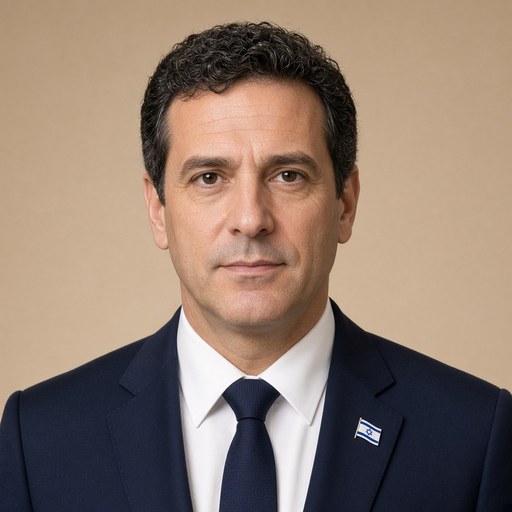
The speech of Prime Minister Bennett at the memorial ceremony held today in commemoration of the martyrs of the Yom Kippur War.
 Naftali Bennett · Prime Minister of Israel
- Context
- Bennett addressed a memorial ceremony on September 19, 2021, commemorating the fallen soldiers of the 1973 Yom Kippur War, reflecting on sacrifice and victory.
- Main themes
- Yom Kippur War commemoration, individual responsibility and initiative, victory through collective sacrifice, Israeli resilience and spirit, battlefield leadership, fallen soldiers and national mourning, unity and mutual support, Gilboa Prison escape as modern parallel, Leonard Cohen's solidarity with Israel
- Duration
- ~7 min
- Words
- 815
- Sentences
- 29
- Readability
- 50
- Grade
- 13.3
- Syntax
- 3.27
- Vocabulary
- 2.12
Translated from Arabic
The broad sphere of national life a sentence belongs to. Every sentence has an Arena, so it is the denominator the other indices are read against.
Other29 sentences in 14 paragraphs
As described by one of the leaders who participated in it.
Dear attendees, throughout my years as a teenager, then a soldier, then a leader, and then a public figure, I often returned to the circumstances of the war and its significance. I reflected on the conditions surrounding it, its course, and its heroes. What many considered a failure at its core, I considered a victory as well.
The ability to be compelled to engage in battle from a position of extreme weakness and then to conclude it by achieving a decisive accomplishment, whether on the Syrian or Egyptian front, deserves appreciation.
That was a significant victory as much as our other swift victories, if not more so. It was a victory of mobilization and personal sacrifice despite the difficult circumstances, a victory of ingenuity over the initial shock and loss of control, a victory of the Israeli spirit over those who seek to annihilate us.
Anyone who seeks to verify and understand the factors that allowed for this victory will find a clear answer: This victory was achieved because everyone who participated in this fierce battle realized that they bore the fate of the entire battle on their shoulders and acted accordingly.
Each one bore a responsibility far greater than that which was assigned to them by their original and official role. The tank commander thought and acted as if he were a company commander, while the company commander displayed responsibility as if he were a battalion commander. Battalion leaders, such as Itzik Mordechai at the Chinese Farm, understood that the fate of the entire battle depended on their actions.
The story of victory in the war relies on those young individuals who realized that each one of them was like the chief of staff during the battle. I will give an example by citing the story of Tzvika Greenwald, a young armored corps officer who created an improvised force during the fighting and managed, with just one tank, to halt the advance of the Syrian army into the Golan Heights, and individuals like Avihu Medina, who at that time was a reserve tank commander, who, despite having only one tank left from his platoon, managed to make a column of tanks withdraw after destroying five tanks in a short period.
And also those who came from abroad, such as the Canadian Jewish singer Leonard Cohen, who did not sit idly by upon hearing of the outbreak of war but traveled the long road from Canada to the State of Israel just to be with us, with his people, here. And although he was not obligated to do anything, he moved from one location to another and from one group of fighters to another to raise their spirits with his songs.
Each one of them took responsibility upon themselves, driven by the same inner strength and a deep sense of commitment to our state, our land, and our people. Thanks to those leaders and fighters who took responsibility upon themselves, and despite the numerous and severe losses, we managed to turn the situation around.
And even today, 48 years after the war, we have no more important assets than our unity and mutual support. We learned this in the Yom Kippur War and witness its truth again every day.
What happened this morning, with the completion of the capture of the six terrorists who escaped from Gilboa Prison by the security forces, is a wonderful example, albeit simple, of the phenomenon I just addressed: the escape reflects a serious failure, whether in intelligence, operational, or organizational terms. But once a failure occurs, everyone promptly works together to rectify it above all else.
In the first phase - against the enemy, to restore deterrence, and then to carry out internal repairs for everything that needs to be fixed, knowing that there is much to be repaired.
And although 48 years have passed, and as happens every year, the eyes still look with longing and anticipation for the return of the sons who will not return. They, your family members, who rushed to join their units, carrying a small bag as they quickly left their homes, who exchanged the moment of Yom Kippur prayers and the fast of the holiday for rushing to assembly areas and into the unknown.
The price of war was high and bitter. You, the parents who are still alive, the spouses, the brothers and sisters, the sons and daughters who have known little of their father, who feel this pain, day after day and hour after hour. We empathize with you today as we do on all other days of the year. And we ask God that you find some comfort in knowing that the courage and dedication of your loved ones will remain etched in the heart of the nation forever. May God bless the earth of those who fell.
The original Arabic. The tags above are read on the English translation's sentences.
كما وصفها أحد القادة الذين شاركوا فيها.
أيها الحضور الكرام، على مرور سنوات عمري مراهقًا، ثم جنديًا، ثم قائدًا ثم شخصية عامة كثيرًا ما كنت أرجع إلى حيثيات الحرب ودلالتها. حيث تمعنت في الظروف المحيطة بها، وفي سيرها وأبطالها. والذي كان يعتبره الكثيرون فشلاً في الدرجة الأساسية، كنت أعتبره أنا انتصارًا أيضًا.
إذ تستحق القدرة على الاضطرار لخوض معركة من موقف الضعف الصعب للغاية ثم إنهائها من خلال تحقيق إنجاز حاسم، سواء على الجبهة السورية أو المصرية، التقدير.
وكان ذلك هو بمثابة الانتصار الهام بقدر ما كانت انتصاراتنا الخاطفة الأخرى بل إلى حد أكبر منها. فكان ذلك عبارة عن انتصار التجند والتضحية الشخصية رغم الملابسات الصعبة، وانتصار البراعة على الصدمة الأولية وعلى فقدان السيطرة، وانتصار الروح الإسرائيلية على الذين يلتمسون القضاء علينا.
وسيحصل كل من يلتمس التحقق والوقوف على العوامل التي سمحت بتحقيق هذا النصر على جواب واضح: لقد تحقق هذا النصر بحكم أن كل من شارك في هذا القتال الشرش قد أدرك بأنه يتحمل مصير المعركة برمتها على عواتقه فتصرف بمقتضى هذا الإدراك.
وقد تحمل كل واحد مسؤولية أكبر بكثير من تلك التي كُلف بها بموجب دوره الأصلي والرسمي. فكان قائد الدبابة يفكر ويتصرف وكأنه قائد سرية, بينما أبدى قائد السرية المسؤولية وكأنه قائد لواء. وأدرك قادة الكتائب، أمثال إتسيك مردخاي في المزرعة الصينية، أن مصير المعركة بأكملها مرهون بتصرفاته.
تعتمد قصة الانتصار في الحرب على أولئك الأشخاص اليافعين الذين أدركوا أن كل واحد منهم هو بمثابة قائد أركان الجيش أثناء المعركة. وسأضرب مثالاً مستشهدًا بقصة تسفيكا غرينوولد، ضابط سلاح المدرعات الشاب الذي أنشأ قوة ارتجالية أثناء سير القتال، وتمكن من خلال دبابة واحدة من وقف زحف الجيش السوري إلى داخل هضبة الجولان، والأشخاص من أمثال أفيهو مدينا، الذي كان في ذلك الوقت قائد دبابة في الاحتياط، والذي تمكن رغم بقاء دبابته الوحيدة من فصيله، من جعل رتل من الدبابات ينسحب بعد أن دمر خمس دبابات خلال فترة وجيزة.
وكذلك الأشخاص الذين قدموا من خارج البلاد أمثال المغني اليهودي الكندي ليؤونارد كوهين الذي لم يجلس مكتوف الأيدي عند وروده خبر اندلاع الحرب بل قطع الطريق الطويل من كندا إلى دولة إسرائيل فقط ليتواجد معنا، مع أبناء شعبه، هنا. ومع أنه لم يكن مجبرًا على القيام بأي شيء، إلا أنه توجه من موقع لآخر ومن مجموعة مقاتلين واحدة إلى مجموعة أخرى ليرفع معنوياتهم بأداء أغانيه.
لقد تحمل كل واحد منهم المسؤولية على عواتقه، انطلاقًا من نفس القوة الداخلية وعلى أساس الشعور الراسخ بالالتزام بدولتنا، وبأرضنا وبشعبنا. وبفضل أؤلئك القادة والمقاتلين الذين تحملوا على أنفسهم المسؤولية، ورغم الخسائر العديدة والفادحة، لقد تمكنّا من قلب الأمور على رأسها.
وأيضًا اليوم، بعد مضي 48 عامًا على الحرب، لا نملك مقومات أهم من وحدتنا وتكافلنا لبعضنا البعض. لقد تعلمنا ذلك في حرب يوم الغفران ونشهد صحة ذلك مجددًا في كل يوم.
وكذلك ما حدث هذا الصباح، باستكمال القبض على المخربين الستة الذين فروا من سجن جلبوع من قبل أجهزة الأمن يشكل مثالاً رائعًا، مع أنه بسيط، على الظاهرة التي تطرقت إليها للتو: حيث يعكس الفرار خللاً جسيمًا سواء من الناحية الاستخباراتية، أو العملياتية أو التنظيمية. لكن وبمجرد حدوث خلل ما، فإن الجميع يبادرون سويًا إلى إصلاحه قبل كل شيء.
في المرحلة الأولى - أمام العدو، من أجل استعادة قوة الردع، ثم للقيام بإصلاح داخلي لكل ما يجب إصلاحه، علمًا بأنه يوجد ما ينبغي إصلاحه.
ومع أنه مضت 48 عامًا وكما يحدث كل عام ما زالت الأعين تنظر بحنين وانتظار لعودة الأبناء الذين لن يعودوا. هم، أفراد عائلاتكم، الذين انطلقوا سريعًا للانضمام إلى وحداتهم، وحملوا معهم حقيبة صغيرة عند مغادرتهم السريعة لمنازلهم، والذين استبدلوا بلحظة صلوات يوم الغفران وصوم العيد بالاندفاع نحو مناطق التجمع ونحو المجهول.
لقد كان ثمن الحرب باهظًا ومرًا. حيث أنكم، الآباء الذين ما زالوا على قيد الحياة، والقرينات، والأشقاء والشقيقات، والأبناء والبنات الذي لم ينالوا سوى القليل من معرفة والدهم، الذين تشعرون بهذا الألم، يومًا بعد يوم وساعة بعد ساعة. نحن نتعاطف معكم اليوم كما في باقي أيام السنة. ونسأل الله أن تجدوا بعض الراحة بمعرفة أن شجاعة وتفاني أعزائكم سيظلان منقوشين في قلب الأمة إلى الأبد. وطيّب الله ثرى الذين سقطوا