




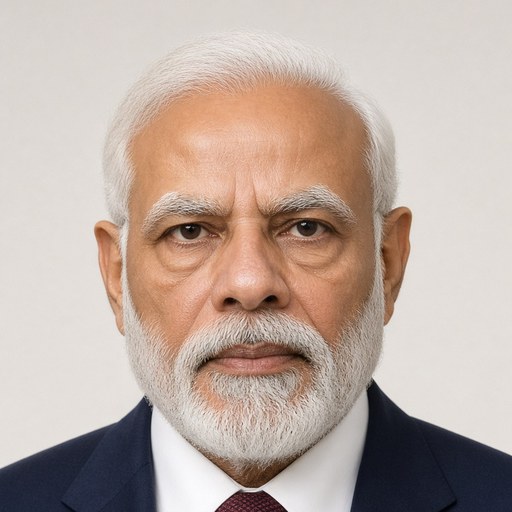
Address by the Prime Minister on the launch of two new customer-centric initiatives by the Reserve Bank of India.
 Narendra Modi · Prime Minister of India
- Context
- Modi addressed the launch event of two RBI customer-centric schemes—the Retail Direct Scheme and Integrated Ombudsman Scheme—on 12 November 2021.
- Main themes
- Reserve Bank of India initiatives, Retail Direct Scheme, Integrated Ombudsman Scheme, financial inclusion, small investor access to government securities, banking system reform, grievance redressal, Atmanirbhar Bharat, digital financial services, common man welfare, capital market expansion
- Duration
- ~16 min
- Words
- 1,977
- Sentences
- 108
- Readability
- 53
- Grade
- 10.3
- Syntax
- 2.78
- Vocabulary
- 2.15
Translated from Hindi
The broad sphere of national life a sentence belongs to. Every sentence has an Arena, so it is the denominator the other indices are read against.
Other108 sentences in 23 paragraphs
Hello, Finance Minister Mrs. Nirmala Sitharaman, Governor of the Reserve Bank Mr. Shaktikanta Das, other distinguished guests present at the program, ladies and gentlemen. During this challenging period of the coronavirus, the Ministry of Finance, the RBI, and other financial institutions of the country have done commendable work. This period of Amrit Mahotsav, this important decade of the 21st century holds great significance for the development of the country. In this context, the role of the RBI is also very large and very important. I have full confidence that the RBI team will meet the expectations of the country.
Friends,
For the past 6-7 years, the central government has been working with the highest priority for the common man and his interests. As a regulator, the RBI maintains continuous dialogue with other financial institutions. I am pleased that the RBI has also taken numerous steps to enhance the convenience of the common man, keeping the ordinary citizen in mind. Today, another step has been added to that. The two schemes launched today will expand the scope of investment in the country and make access to capital markets easier and safer for investors. The Retail Direct Scheme provides a simple and secure means for the country’s small investors to invest in government securities. Similarly, the Integrated Ombudsman Scheme has today realized the concept of One Nation, One Ombudsman in the banking sector. This will ensure that every complaint and every problem of bank customers can be resolved in a timely manner, without hassle. And I am clear that the greatest strength of democracy is how strong, sensitive, and proactive you are in the grievance redressal system; that is the greatest test of democracy.
Friends,
The spirit of promoting participation in the economy will be elevated by the Retail Direct Scheme. People are generally familiar with the important role of the Government Securities Market in the development of the country. Especially today, when the country is engaged in modernizing its physical and digital infrastructure and making unprecedented investments, the efforts and cooperation of even the smallest investors will be very valuable. Until now, our middle class, our employees, our small traders, senior citizens—those with small savings—had to adopt indirect routes like banks, insurance, or mutual funds to invest in the government security market. Now they are getting another excellent option for safe investment. Now, a very large segment of the country will find it easier to invest directly in government securities and contribute to the creation of the nation’s wealth. You also know that all government securities in India have a provision for guaranteed settlement. In this way, small investors receive an assurance of safety. This means that small investors will have confidence in getting good returns on safe investments, and the government will receive the necessary resources to develop the infrastructure in accordance with the hopes and aspirations of the common man to create a new India. And this is the collective strength and effort of citizens and the government for the construction of an Atmanirbhar Bharat.
Friends,
Generally, discussions about finance can become a bit technical, and the common man tends to read the headlines and move on, so I believe it is the need of the hour to explain these matters better to the common man. Because when we talk about financial inclusion, we want to make the last person in this country a part of this process. You experts are well acquainted with all these matters, but it will greatly help the common people to know this as well. For example, they should know that under this scheme, there will be no need for fund managers; a “Retail Direct Gilt (RDG) Account” can be opened directly. This account can also be opened online, and the buying and selling of securities can also be done online. For salaried individuals or pensioners, this is a huge option for safe investment from the comfort of their homes. There is no need to go anywhere; with just a phone and internet connectivity, your work can be done on your mobile phone. This RDG account will also be linked to the investor's savings accounts, making the automatic buying and selling process possible. You can imagine how much easier this will be for people.
Friends,
As important as financial inclusion and ease of access are, ease of investment and the trust of the common man in the banking system are equally essential for convenience and simplicity. A strong banking system is crucial for a robust economy. Everyone knows how the banking system of the country was damaged in the years leading up to 2014, and what conditions were created, and what did not happen. In the past 7 years, NPAs have been recognized transparently, with a focus on resolution and recovery, public sector banks have been recapitalized, and a series of reforms have been implemented in the financial system and public sector banks. The path for willful defaulters, who used to manipulate the system, has now been closed for raising funds from the market. Improvements in governance related to public sector banks, freedom in decision-making and transfer-posting, mergers of small banks to create larger banks, and the establishment of the National Asset Reconstruction Company Limited have all contributed to restoring new confidence and energy in the banking sector.
Friends,
To further strengthen the banking sector, cooperative banks have also been brought under the purview of the RBI. This is improving governance in these banks and strengthening the trust of millions of depositors in this system. In recent times, several decisions have been made keeping the interests of depositors in mind. The One Nation, One Ombudsman System has strengthened the commitment to put Depositors and Investors First. The scheme launched today will provide direct relief to holders of 44 crore loan accounts and 220 crore deposit accounts associated with banks, NBFCs, and prepaid instruments. Now there will be a single platform for registering, tracking, and monitoring complaints of account holders for all institutions regulated by the RBI. This means that account holders now have another easy option for grievance redressal. For example, if someone has a bank account in Lucknow and is working in Delhi, they previously had to file a complaint with the Ombudsman in Lucknow. But now they have the facility to register their complaint from anywhere in India. I have also been informed that the RBI has made provisions for the extensive use of artificial intelligence in this scheme to address cases related to online fraud and cyber fraud. This will ensure better coordination between banks and investigating agencies in the least amount of time. The quicker the action is taken, the higher the likelihood of recovering the money lost to fraud. Such steps will also significantly increase the scope of digital penetration and customer inclusiveness, and customer trust will grow.
Friends,
In recent years, the banking sector and financial sector of the country have undergone reforms from financial inclusion to technological integration, and we have seen their strength even during the difficult times of COVID. This has also created a sense of satisfaction in serving the common man. The major decisions taken by the government have been greatly aided by the decisions of the RBI in enhancing their impact. I publicly congratulate the RBI Governor and his entire team for the courageous decisions they have made during this crisis. Under the credit guarantee scheme announced by the government, loans of over 2.9 lakh crore rupees have been approved. With this help, more than 1.25 crore beneficiaries have strengthened their enterprises. Most of these are MSMEs, our small entrepreneurs from the middle class.
Friends,
During the COVID period, the government launched a special campaign to provide Kisan Credit Cards to small farmers. As a result, more than 2.5 crore farmers received KCC cards, and they also received agricultural loans of nearly 3 lakh crore. Through PM Svanidhi, around 26 lakh street vendors who sell vegetables and operate carts have received loans. You can imagine how significant this support has been for more than 26 lakh of our street vendors after the COVID crisis. This scheme has also connected them to the banking system. Such numerous interventions have played a very important role in restarting economic activities in villages and cities.
Friends,
Until 6-7 years ago, banking, pensions, and insurance in India were like an exclusive club. For the common citizen of the country, the poor family, farmers, small traders, women, and the marginalized—these facilities were very distant. Those who were responsible for delivering these facilities to the poor never paid attention to this. In fact, they provided all sorts of arguments to ensure that no change occurred, that no transformation took place, and to close the paths leading to the poor. Various excuses became a tradition here. And what was not said openly and shamelessly! "Oh, there is no bank branch, no staff, no internet, people are not aware," all sorts of arguments were given. Unproductive savings and informal lending were worsening the situation of the common citizen and their participation in the country's development was negligible. It was believed that pensions and insurance were the fate of prosperous families. But today, the situation is changing. Today, not only is financial inclusion a reality, but ease of access in the banking and financial sector is becoming India's identity. Today, under various pension schemes, every individual in society can connect to the pension facility available after the age of 60. Under the PM Jeevan Jyoti Bima Yojana and PM Suraksha Bima Yojana, nearly 38 crore citizens are connected with insurance coverage of 2 lakh rupees each. Almost every village in the country now has a bank branch or banking correspondent within a 5-kilometer radius. Today, there are approximately 8.5 lakh banking touchpoints across the country, increasing access to the banking system for every citizen. Under the Jan Dhan Yojana, more than 42 crore zero-balance bank accounts have been opened, in which thousands of crores of rupees from the poor are deposited. The Mudra Yojana has given rise to a new generation of traders and entrepreneurs among women, Dalits, the marginalized, and tribals, and the Svanidhi scheme has enabled those running carts and stalls to connect with institutional lending.
Friends,
When last-mile financial inclusion is combined with digital empowerment, it has given the people of the country a new strength. More than 31 crore RuPay cards and nearly 50 lakh PoS/m-PoS machines have made digital transactions possible in every corner of the country. UPI has made India a global leader in digital transactions in a very short time. In just 7 years, India has made a leap of 19 times in digital transactions. Today, our banking system operates 24 hours a day, 7 days a week, and 12 months a year, anytime and anywhere in the country. We have also seen the benefits of this during the COVID period.
Friends,
The RBI being a sensitive regulator and preparing itself for changing circumstances is a great strength of the country. Nowadays, you see how our Indian startups in the fintech sector are becoming global champions. Technology is changing rapidly in this field. The youth of our country have made India a global powerhouse of innovations. In this context, it is essential that our regulating systems remain aware of these changes and create a suitable ecosystem to empower our financial systems to maintain world-class standards.
Friends,
We must keep the needs of the country and its citizens at the center and continuously strengthen the trust of investors. I have full confidence that the RBI will continue to empower India’s new identity as a sensitive and investor-friendly destination, and I believe it will continue to do so. Once again, I wish all of you, all stakeholders, and everyone bringing these major reforms great success in taking a leap in technology! Thank you very much!
The original Hindi. The tags above are read on the English translation's sentences.
नमस्कार जी, वित्त मंत्री श्रीमती निर्मला सीतारमण जी, रिजर्व बैंक के गवर्नर श्री शक्तिकांत दास जी, कार्यक्रम में उपस्थित अन्य महानुभाव, देवियों और सज्जनों, कोरोना के इस चुनौतीपूर्ण कालखंड में देश के वित्त मंत्रालय ने, RBI और अन्य वित्तीय संस्थाओं ने बहुत प्रशंसनीय काम किया है। अमृत महोत्सव का ये कालखंड, 21वीं सदी का ये महत्वपूर्ण दशक देश के विकास के लिए बहुत महत्व रखता है। ऐसे में RBI की भी भूमिका बहुत बड़ी है बहुत महत्वपूर्ण है। मुझे पूरा विश्वास है कि टीम RBI, देश की अपेक्षाओं पर खरा उतरेगी।
साथियों,
बीते 6-7 वर्षों से, केंद्र सरकार, सामान्य मानवी, उसके हितों को सर्वोच्च प्राथमिकता देते हुए काम कर रही है। एक रेग्यूलेटर के तौर पर RBI, अन्य वित्तीय संस्थाओं के साथ लगातार संवाद बनाए रखता है। मुझे खुशी है कि RBI ने भी सामान्य मानवी की सुविधा बढ़ाने के लिए, सामान्य नागरिक को ध्यान में रखते हुए लगातार अनेक कदम उठाए हैं। आज उसमें एक और कदम जोड़ा है। आज जिन दो योजनाओं को लॉन्च किया गया है, उनसे देश में निवेश के दायरे का विस्तार होगा और कैपिटल मार्केट्स को Access करना, निवेशकों के लिए अधिक आसान, अधिक सुरक्षित बनेगा। Retail direct scheme में देश के छोटे निवेशकों को गवर्नमेंट सिक्योरिटीज़ में इंवेस्टमेंट का सरल और सुरक्षित माध्यम मिल गया है। इसी प्रकार, Integrated ombudsman लोकपाल scheme के बैंकिंग सेक्टर में One Nation, One Ombudsman यह System ने आज साकार रूप लिया है। इससे बैंक कस्टमर्स की हर शिकायत, हर समस्या का समाधान समय पर, बिना परेशानी के हो सकेगा। और मेरा यह स्पष्टमत है कि लोकतंत्र की सबसे बड़ी ताकत आप Grievance redressal system में कितने मजबूत हैं कितने सवेंदनशील है, कितने प्रोएक्टिव है, वहीं तो लोकतंत्र की सबसे बड़ी कसौटी है।
साथियों,
अर्थव्यवस्था में सभी की भागीदारी को प्रमोट करने की जो भावना है, उसको Retail Direct Scheme नई ऊंचाई देने वाली है। देश के विकास में Government Securities Market की अहम भूमिका से आमतौर पर लोग परिचित हैं। विशेष रूप से आज जब देश अपने फिज़िकल और डिजिटल इंफ्रास्ट्रक्चर को आधुनिक बनाने में जुटा है, अभूतपूर्व इंवेस्टमेंट कर रहा है, तब छोटे से छोटे निवेशक का प्रयास और सहयोग, भागीदारी बहुत काम आने वाली है। अभी तक गवर्नमेंट सिक्योरिटी मार्केट में हमारे मध्यम वर्ग, हमारे कर्मचारियों, हमारे छोटे व्यापारी, सीनियर सिटिजंस यानि जिनकी छोटी सेविंग्स है उनको सिक्योरिटीज़ में निवेश के लिए बैंक, इंश्योरेंस या म्युचुअल फंड्स जैसे Indirect रास्ते अपनाने पड़ते थे। अब उन्हें सुरक्षित निवेश का एक और बेहतरीन विकल्प मिल रहा है। अब देश के एक बहुत बड़े वर्ग को, गवर्नमेंट सिक्योरिटीज़ में, देश की संपदा के निर्माण में सीधा निवेश करने में और आसानी होगी। ये भी आप जानते हैं कि भारत में सभी गवर्नमेंट सिक्योरिटीज़ में guaranteed settlement का प्रावधान होता है। ऐसे में छोटे निवेशकों को सुरक्षा का एक आश्वासन मिलता है। यानि छोटे निवेशक सुरक्षित निवेश पर अच्छे रिटर्न का भरोसा मिलेगा और सरकार को इंफ्रास्ट्रक्चर के विकास के लिए देश के समान्य मानवी की आशा आकांक्षाओं के अनुरुप नया भारत बनाने के लिए जो- जो व्यवस्थाएं विकसित करनी चाहिए, इसके लिए ज़रूरी संसाधन मिलेंगे। और यही तो आत्मनिर्भर भारत के निर्माण के लिए नागरिक और सरकार की सामूहिक शक्ति है, सामूहिक प्रयास है।
साथियों,
आमतौर पर Finance की बातें जरा टेक्नीकल हो जाती हैं, सामान्य मानवी हेडलाइन पढ़कर छोड़ देता है और इसलिए सामान्य मानवी को बेहतर तरीके से इन बातों को समझाना और उनको समझाना मैं समझता हूँ आज समय की मांग है। क्योंकि financial inclusion की बात जब हम करते हैं। तब इस देश के आखिरी व्यक्ति को भी इस process का हिस्सा हम बनाना चाहते हैं। आप एक्सपर्ट्स इन सारी बातों से भलीभांति परिचित हैं, लेकिन देश के सामान्य जन के लिए भी ये जानना, उनकी बहुत मदद करेगा। जैसे उन्हें पता होना चाहिए कि इस योजना के तहत फंड मैनेजर्स की ज़रूरत नहीं पड़ेगी, सीधा “Retail Direct Gilt (गिल्ट) RDG Account” खोला जा सकता है। ये अकाउंट भी ऑनलाइन खोला जा सकता है और सिक्योरिटीज़ की खरीद-फरोख्त भी ऑनलाइन संभव है। सैलरी वालों या फिर पेंशनर्स के लिए घर बैठे-बैठे सुरक्षित निवेश का ये बहुत बड़ा विकल्प है। इसके लिए कहीं भी आने-जाने की ज़रूरत नहीं है, फोन और इंटरनेट से ही आप मोबाइल फोन पर इंटरनेट केनक्टिविटी, आपका काम हो जाएगा। ये RDG अकाउंट, निवेशक के savings accounts से भी लिंक होगा। जिससे सेल-परचेज़ ऑटोमेटिक खरीद- फरोख्त का जो काम है ऑटोमेटिक संभव हो सकेगा। आप कल्पना कर सकते हैं, लोगों को इससे कितनी आसानी होगी।
साथियों,
Financial Inclusion और Ease of Access जितनी जरूरी है, Ease of Investment और बैंकिंग सिस्टम पर सामान्य जन का भरोसा भी सामान्य जन के लिए सुविधा भी सामान्य जन के लिए सरलता भी उतना ही आवश्यक है। एक मज़बूत बैंकिंग सिस्टम मज़बूत होती अर्थव्यवस्था के लिए बहुत ज़रूरी है। 2014 के पहले कुछ सालों में देश के बैंकिंग सिस्टम को जिस प्रकार से नुकसान पहुंचाया गया था, आज हर किसी को पता है, कि कैसी स्थितियां पैदा हो गई थी, क्या कुछ नहीं हुआ था। बीते 7 सालों में, NPAs को पारदर्शिता के साथ Recognize किया गया, Resolution और Recovery पर ध्यान दिया गया, पब्लिक सेक्टर के बैंकों को Re-capitalize किया गया, फाइनेंशियल सिस्टम और पब्लिक सेक्टर बैंकों में एक के बाद एक रिफॉर्म्स किए गए। जो Wilful defaulters, पहले सिस्टम से खिलवाड़ करते थे, अब उनके लिए मार्केट से फंड जुटाने का रास्ता बंद कर दिया गया है। पब्लिक सेक्टर बैंकों से जुड़ी गवर्नेंस में सुधार हो, डिसीजन मेकिंग, ट्रांसफर-पोस्टिंग से जुड़ी आज़ादी हो, छोटे बैंकों को मर्ज कर बड़े बैंकों का निर्माण हो या फिर National Asset Reconstruction Company Limited की स्थापना हो, इन सभी कदमों से आज बैंकिंग सेक्टर में नया विश्वास, नई ऊर्जा लौट रही है।
साथियों,
बैंकिंग सेक्टर को और मज़बूत करने के लिए Co-operative बैंकों को भी RBI के दायरे में लाया गया। इससे इन बैंकों की गवर्नेंस में भी सुधार आ रहा है और जो लाखों depositors हैं, उनके भीतर भी इस सिस्टम के प्रति विश्वास मजबूत हो रहा है। बीते कुछ समय में depositors के हितों को देखते हुए ही, अनेक फैसले लिए गए हैं। One nation, One Ombudsman System से Depositors और Investors First के कमिटमेंट को बल मिला है। आज जो योजना लॉन्च हुई है, इससे बैंक, NBFCs और Pre-Paid Instrument में 44 करोड़ लोन अकाउंट और 220 करोड़ डिपॉजिट अकाउंट इसके जो धारक है उन धारकों को सीधी राहत मिलेगी। अब RBI के द्वारा रेगुलेटेड सभी संस्थाओं के लिए खाता धारकों की शिकायतों को दर्ज करने, ट्रैक करने और मॉनीटर करने का एक ही प्लेटफॉर्म होगा। यानि, शिकायत निवारण के लिए खाता धारक को अब एक और आसान विकल्प मिला है। जैसे कि, अगर किसी का बैंक अकाउंट लखनऊ में हो और वो दिल्ली में काम कर रहा हो। तो पहले होता ये था कि उसको लखनऊ के Ombudsman को ही शिकायत करनी पड़ती थी। लेकिन अब उसे भारत में कहीं से भी अपनी शिकायत दर्ज करने की सुविधा मिल गई है। मुझे ये भी बताया गया है कि ऑनलाइन फ्रॉड, साइबर फ्रॉड से जुड़े मामलों को एड्रेस करने के लिए RBI ने इस योजना में आर्टिफिशियल इंटेलिजेंस के व्यापक उपयोग का प्रावधान किया है। इससे बैंक और जांच करने वाली एजेंसियों के बीच कम से कम समय में बेहतर तालमेल सुनिश्चित हो सकेगा। जितनी जल्दी एक्शन होगा, फ्रॉड से निकाली गई रकम की रिकवरी की संभावना उतनी ही अधिक होगी। ऐसे कदमों से digital penetration और customer inclusiveness का दायरा भी बड़े विश्वास के साथ बढ़ेगा, कस्टमर का भरोसा और बढ़ेगा ।
साथियों,
बीते सालों में देश के बैंकिंग सेक्टर में, फाइनेंशियल सेक्टर में Inclusion से लेकर technological integration और दूसरे रिफॉर्म्स किए हैं, उनकी ताकत हमने कोविड के इस मुश्किल समय में भी देखी है। और उसके कारण सामान्य मानवी की सेवा करने का एक संतोष भी पैदा होता है। सरकार जो बड़े-बड़े फैसले ले रही थी, उसका प्रभाव बढ़ाने में RBI के फैसलों ने भी बहुत बड़ी मदद की है। और मैं RBI गर्वनर और उनकी पूरी टीम को सार्वजनिक रुप से इस संकटकाल में जिस प्रकार से उन्होंने चीजों को हिम्मतपूर्वक जो निर्णय किये हैं इसके लिए उन्हे बहुत- बहुत बधाई देता हूँ। सरकार द्वारा जिस क्रेडिट गारंटी स्कीम की घोषणा की गई थी, उसके तहत लगभग 2 लाख 90 हज़ार करोड़ रुपए से अधिक का लोन स्वीकृत किया जा चुका है। इसकी मदद से सवा करोड़ से अधिक लाभार्थियों ने अपना उद्यम और मजबूत किया है। इसमें से अधिकतर MSMEs हैं, हमारे मध्यम वर्ग के छोटे उद्यमी हैं।
साथियों,
कोविड काल में ही सरकार द्वारा छोटे किसानों को किसान क्रेडिट कार्ड देने के लिए विशेष मुहिम चलाई गई। जिससे ढाई करोड़ से अधिक किसानों को केसीसी कार्ड्स भी मिले और लगभग पौने 3 लाख करोड़ का कृषि ऋण भी उन्हें मिल गया। पीएम स्वनिधि से करीब 26 लाख स्ट्रीट वेंडर्स को जो ठेला चलाते हैं, सब्जी बेचते हैं। ऐसे 26 लाख लोगों को ऋण मिल चुका है, और आप कल्पना कर सकते हैं। कोविडकाल, इस संकटकाल के बाद 26 लाख से ज्यादा हमारे स्ट्रीट वैंड्रर्स को मदद मिल जाए, कितना बड़ा उनके लिए संबल हो गया । इस योजना ने उन्हें बैंकिंग सिस्टम से भी जोड़ दिया है। ऐसे अनेक interventions ने गांव और शहरों में आर्थिक गतिविधियों को फिर से शुरु करने में बहुत महत्वपूर्ण भूमिका निभाई है।
साथियों,
6-7 साल पहले तक भारत में बैंकिंग, पेंशन, इंश्योरेंस, ये सबकुछ एक exclusive club जैसा हुआ करता था। देश का सामान्य नागरिक, गरीब परिवार, किसान, छोटे व्यापारी-कारोबारी, महिलाएं, दलित-वंचित-पिछड़े, इन सबके लिए ये सब सुविधाएं बहुत दूर थीं। जिन लोगों पर इन सुविधाओं को गरीब तक पहुंचाने की जिम्मेदारी थी, उन्होंने भी इस पर कभी ध्यान नहीं दिया। बल्कि बदलाव ना हो, कोई परिवर्तन न आएं, गरीब तक जाने के रास्तों बंद करने के लिए जो कुछ भी तर्क दे सकते हैं। भांति-भांति के बहाने यहीं एक परंपरा हो गई थी। और क्या कुछ कहां नहीं जाता था, खुलेआम बेशर्मी के साथ कहा जाता था। अरें, बैंक ब्रांच नहीं है, स्टाफ नहीं है, इंटरनेट नहीं है, लोगों में जागरूकता नहीं है, ना जाने कैसे- कैसे तर्क दिए जाते थे। Unproductive savings और Informal lending, इससे सामान्य नागरिक की स्थिति भी खराब हो रही थी और देश के विकास में उसकी भागीदारी भी न के बराबर थी। पेंशन और बीमा का तो यही माना जाता था कि ये सब समृद्ध परिवारों के भाग्य में ही है। लेकिन आज स्थिति बदल रही है। आज Financial Inclusion ही नहीं, बैंकिंग और फाइनेंशियल सेक्टर में Ease of access भारत की पहचान बन रही है। आज अलग-अलग पेंशन योजनाओं के तहत समाज का हर व्यक्ति 60 वर्ष की आयु के बाद मिलने वाली पेंशन की सुविधा से जुड़ सकता है। पीएम जीवन ज्योति बीमा योजना और पीएम सुरक्षा बीमा योजना के तहत लगभग 38 करोड़ देशवासी, 2-2 लाख रुपए की बीमा सुरक्षा से जुड़े हैं। देश के करीब-करीब हर गांव में 5 किलोमीटर के दायरे में बैंक ब्रांच या बैंकिंग कॉरस्पोंडेंट की सुविधा पहुंच रही है। पूरे देश में आज लगभग साढ़े 8 लाख बैंकिंग टच प्वाइंट्स हैं, जो देश के हर नागरिक की बैंकिंग सिस्टम तक पहुंच बढ़ा रहे हैं। जनधन योजना के तहत 42 करोड़ से अधिक ज़ीरो बैलेंस बैंक अकाउंट्स खोले गए, जिसमें आज गरीब के हज़ारों करोड़ रुपए जमा हैं। मुद्रा योजना से महिलाओं, दलित-पिछड़े-आदिवासियों में व्यापारियों-कारोबारियों की एक नई पीढ़ी सामने आई है, और स्वनिधि योजना से रेहड़ी-ठेला-फेरी चलाने वाले भी institutional lending से जुड़ पाए हैं।
साथियों,
Last-mile financial inclusion से जब digital empowerment जुड़ गया, तो उसने देश के लोगों को एक नई ताकत दी है। 31 करोड़ से अधिक रुपये कार्ड, करीब 50 लाख PoS/ m-PoS मशीनों ने आज देश के कोने-कोने में डिजिटल ट्रांजेक्शन को संभव बनाया है। UPI ने तो बहुत ही कम समय में डिजिटल ट्रांजेक्शंस के मामले में भारत को दुनिया का अग्रणी देश बना दिया है। सिर्फ 7 सालों में भारत ने डिजिटल ट्रांजेक्शंस के मामले में 19 गुणा की छलांग लगाई है। आज 24 घंटे, सातों दिन और 12 महीने देश में कभी भी, कहीं भी हमारा बैंकिंग सिस्टम चालू रहता है। इसका लाभ भी हमने कोरोना के इस काल में देखा है।
साथियों,
RBI का एक संवेदनशील रेगुलेटर होना और बदलती हुई परिस्थितियों के लिए खुद को तैयार रखना, देश की एक बड़ी ताकत है। आजकल आप देख रहे हैं कि Fintech जैसे क्षेत्र में हमारे भारतीय स्टार्टप्स कैसे ग्लोबल चैंपियंस बन रहे हैं। इस क्षेत्र में टेक्नोलॉजी तेजी से बदल रही है। हमारे देश के युवाओं ने भारत को Innovations का ग्लोबल पावर हाउस बना दिया है। ऐसे में ये जरूरी है कि हमारे regulating systems, इन बदलावों के प्रति जागरूक रहें और हमारे financial systems को विश्व स्तरीय बनाए रखने के लिए suitable ecosystem का निर्माण करें, उसे सशक्त करें।
साथियों,
हमें देश की, देश के नागरिकों की आवश्यकताओं को केंद्र में रखना ही होगा, निवेशकों के भरोसे को निरंतर मजबूत करते रहना होगा। मुझे पूरा विश्वास है कि एक संवेदनशील और इन्वेस्टर फ्रेंडली डेस्टीनेशन के रूप में भारत की नई पहचान को RBI निरंतर सशक्त करता है और मुझे विश्वास है कि सशक्त करता रहेगा। एक बार फिर इन बड़े रिफॉर्म्स के लिए मैं आप सब को सभी स्टैकहोल्डर्स को initiative लाने वाले सबको टेक्नोलोजी की छलांग लगाने के लिए आप सबको बहुत शुभकामनाएं देता हूँ ! बहुत- बहुत धन्यवाद !
***
DS/VJ/SJ/AK