





- Context
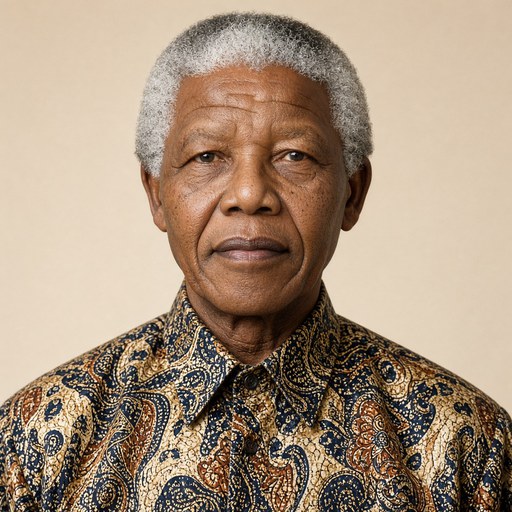
- Mandela addressed the audience at the fifth annual Nelson Mandela lecture on July 22, 2007, introducing speaker Kofi Annan and praising his defence of multilateralism and the United Nations.
- Main themes
- Introduction of Kofi Annan as lecturer, fifth annual Nelson Mandela lecture, multilateralism, primary role of the United Nations, Africa's progress towards peace and democracy, remaining conflicts on the continent, international tensions elsewhere, younger generation of African statespersons, new world order of equality and peace, Mandela's age
- Duration
- ~3 min
- Words
- 408
- Sentences
- 24
- Readability
- 44
- Grade
- 11.3
- Syntax
- 2.53
- Vocabulary
- 2.42
Source: GitHub DRChivers/Nelson-Mandela-Speeches-Sentiment-and-Topic-Modelling-Analysis ↗
The broad sphere of national life a sentence belongs to. Every sentence has an Arena, so it is the denominator the other indices are read against.
Other24 sentences in 15 paragraphs
Your Excellencies
Distinguished Guests
Ladies and Gentlemen
We gather for the fifth annual lecture conducted in our name. Thank you all for attending. We do not think that our name adds anything to the occasion and would not be surprised if most of you attend only to see what an 89-year old represents.
What we are assured of is that the persons who so graciously agreed to deliver past lectures have added lustre and value to the lecture series. And today is no exception as we welcome to this podium a distinguished international figure and a great son of our continent, Kofi Annan.
There are many people who think Kofi Annan is a product of the United States of America. This is absolutely incorrect. Kofi is a product of this continent of ours. Our country, since democracy, has been a steadfast defender of multilateralism in international affairs and has particularly been insistent on the primary role of the United Nations.
Secretary-General Kofi Annan will be remembered as one of the most courageous defenders of multilateralism. He often had to take a stance in the face of some of the most powerful forces in the world, defying the basic tenets of our world body, the United Nations.
While our continent of Africa has been making great strides towards peace, stability, democracy and respect for human rights, much still remains to be done.
This we must acknowledge as we look at the remaining conflicts on our continent.
As we gradually move towards the attainment of peace on our continent, we witness with sadness greater international tensions developing or being left unresolved elsewhere. Some of those are potential threats to world peace – and we are mindful, in our old age, of how we use those terms.
We are too old to pretend being able to contribute to the resolution of those conflicts and tensions on the international front.
It is, therefore, immensely gratifying to note a younger generation of African statespersons emerging. They will be able to speak with authority about a new world order in which people everywhere will live in equality, harmony and peace.
Our own President is one who comes to mind in this regard.
And we could not have wished for a more distinguished representative of that generation of African internationalists than our speaker this afternoon: two-term Secretary-General of the United Nations, and Nobel Peace Laureate, Mr Kofi Annan.
Kofi, thank you for being here today.