




KWIBUKA ON THE 19TH COMMEMORATION OF THE GENOCIDE AGAINST THE TUTSI
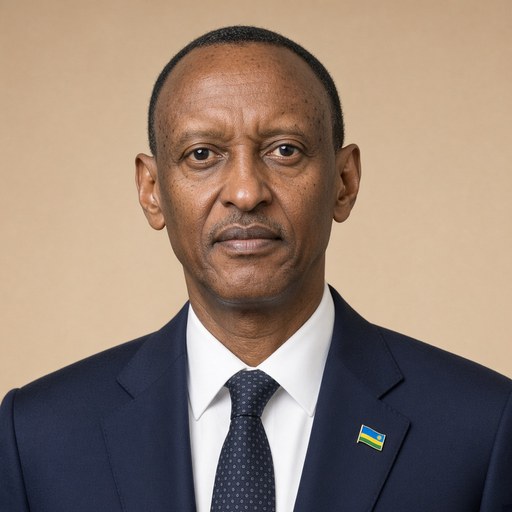
 Paul Kagame · President of Rwanda
- Context
- Kagame addressed Rwandans at the 19th commemoration of the 1994 Genocide Against the Tutsi, held at village level across Rwanda in April 2013.
- Main themes
- Genocide commemoration, remembrance and mourning, national unity and reconciliation, combating genocide ideology, justice and accountability, youth education and historical memory, self-reliance and development, survivor support, Gacaca Courts and restorative justice, international pursuit of genocide suspects, preservation of memorials
- Duration
- ~7 min
- Words
- 796
- Sentences
- 35
- Readability
- 51
- Grade
- 11.8
- Syntax
- 2.96
- Vocabulary
- 2.22
Translated from Swahili
The broad sphere of national life a sentence belongs to. Every sentence has an Arena, so it is the denominator the other indices are read against.
Other35 sentences in 16 paragraphs
Date: May 7, 2013
Rwandans, Rwandan women.
Today we begin a period of mourning, where we remember for the 19th time the more than one million Rwandans who were killed in the genocide against the Tutsi in Rwanda in 1994. It has been 20 years since the genocide occurred. This is a moment to reflect on where we have come from, where we are headed in rebuilding Rwanda, in restoring the lives and dignity of Rwandans and in promoting their overall development. That is why this year, the commemoration is not taking place at the national level, as usual, but is being brought down to the village level so that all Rwandans have the opportunity to participate, to take ownership of it, and to have a visible role in all the commemoration activities.
Remembering the genocide is a duty for every Rwandan. This duty must be instilled in the youth so that they can pass it on to future generations as time goes by. The transmission of knowledge about the history of our country, even though it is painful, is what will help us prevent evil, combat the ideology of genocide, and anything else that seeks to take Rwandans back to where we came from, instead of striving for the good that will advance all Rwandans.
That is why our history must be taught in schools, so that the youth and those born after 1994 can understand the horrors of bad politics and the bad leaders that led Rwanda into genocide.
We must therefore do everything possible to ensure that we are the ones writing our history. We must preserve the evidence, including memorials, so that they do not fade away, but rather serve as a means for all people to remember, prevent, and combat genocide.
In remembering, it is important that the victim remains, whether as an orphan, a widow, or a survivor, not left alone in sorrow. This strengthens them and gives them the resilience and hope to live, and the perpetrator must also acknowledge their sin and seek forgiveness. This helps in continuing to build the lives and unity of Rwandans, from which we draw the strength that will lead us to self-reliance as our goal for this year states.
This goal requires the contribution of everyone; it calls for continuous effort for our country.
Here, I also want to thank all Rwandans for the solidarity you have shown in rebuilding the country in these 19 years after the genocide, your role in building unity and striving for reconciliation among Rwandans that had been shattered by bad leadership, which is also the source of the genocide.
What has been achieved has come from seeking solutions within our culture, not from outside. We can mention the role of the Gacaca Courts in providing restorative justice, which have completed their work after resolving many cases that had been pending for a long time. And any remaining issues will also find solutions.
Moreover, the lessons we have learned in these past 19 years are that Rwandans must unite, confront the problems we have, no matter how they may be, without waiting for others to solve them for us. When we talk about self-worth, that is what we mean. And no one should be deprived of their dignity because it is a right of every person, wherever they may be, whoever they may be.
Genocide is a crime against humanity, without borders and ageless. That is why we will continue to pursue those who committed genocide wherever they may be and bring them to justice. It is good that some countries have begun to pursue those suspected of involvement in the genocide, and some have even been extradited to Rwanda.
But it has taken too long and it is the responsibility of everyone. Again, there are other countries that continue to refuse to bring Rwandans who have committed genocide to justice, even when there is clear evidence. Those countries must also do what is right to fulfill their obligations to punish and denounce the crime of genocide.
We will also continue to strengthen our efforts to combat those who persist in denying and minimizing the genocide against the Tutsi in Rwanda, whether they are Rwandans or foreigners. We will not tolerate those who still have malicious intentions to propagate the ideology of genocide instead of joining other Rwandans in building our homeland.
In conclusion, I would like to ask you all to be patient. In particular, I urge the survivors to continue to be resilient and strong, and I encourage all Rwandans to reach out to them and support them during this period of mourning. The government will also continue to be close to you and provide all possible support.
May you have the peace of God.
The original Swahili. The tags above are read on the English translation's sentences.
Itariki 7 Mata 2013
Banyarwanda, Banyarwandakazi.
Uyu munsi dutangiye icyunamo, aho twibuka ku nshuro ya 19 Abanyarwanda basaga miliyoni bishwe muri Jenoside yakorewe Abatutsi mu Rwanda mu mwaka w’i 1994. Turegeye imyaka 20 genocide ibaye. Hakaba ari umwanya wo gusubiza amaso inyuma tukareba aho tugeze, aho tugana mukongera kubaka u Rwanda, mu gusubiza Abanyarwanda ubuzima n’agaciro no kubateza imbere muri rusange. Niyo mpamvu uyu mwaka, igikorwa cyo kwibuka kitabereye ku rwego rw’igihugu, nkuko bisanzwe, ahubwo cyikajya ku mudugudu kugirango Abanyarwanda bose bagire amahirwe yo kucyitabira, bacyigire icyabo, kandi bagire uruhare rugaragara muri gahunda zose zo kwibuka.
Kwibuka Jenoside ni inshingano kuri buri mu Nyarwanda. Iyi nshingano tugomba kuyitoza abakiri bato nabo bakazayiraga abazabakomokaho uko ibihe bisimburana. Uko guhererekanya amakuru ku mateka yaranze Igihugu cyacu, n’ubwo ari mabi, nibyo bizadufasha gukumira ikibi, kurwanya ingengabitekerezo ya jenoside n’ikindi cyose cyashaka gusubiza Abanyarwanda aho tuvuye, ahubwo tugaharanira icyiza cyateza imbere Abanyarwanda bose.
Ni yo mpamvu amateka yacu agomba kwigishwa mu mashuri, abari bato n’abavutse nyuma y’i 1994 bakamenya ububi bwa politike mbi n’abayobozi babi byoretse u Rwanda muri Jenoside.
Tugomba rero gukora ibishoboka byose kugira ngo ari twe twandika amateka yacu. Tubungabunge ibimenyetso, harimo n’inzibutso, kugira ngo bitaza sibangana, ahubwo bizabere abantu bose uburyo bwo kwibuka, gukumira no kurwanya jenoside.
Mu kwibuka rero ni ngombwa ko uwiciwe abe, agasigara ari imfubyi, umupfakazi, cyangwa incike ahozwa ntaheranywe n’agahinda. Ibyo biramukomeza kandi bikamuha kwihangana n’icyizere cyo kubaho, n’uwayikoze nawe akemera icyaha cye, agasaba imbabazi. Ibyo bifasha mu gukomeza kubaka ubuzima n’ ubumwe bw’Abanyarwanda, ari ho dukura imbaraga zizatugeza ku kwigira nkuko intego twihaye uyu mwaka ivuga.
Iyi ntego irasaba umusanzu wa buri wese; irasaba umuganda uhoraho ku gihugu cyacu.
Aha ndanashimira Abanyarwanda bose ubufatanye mwagaragaje mu kongera gusana Igihugu muri iyi myaka 19 nyuma ya jenoside, uruhare rwanyu mu kubaka ubumwe no guharanira ubwiyunge by’Abanyarwanda byari byarasenywe n’ubuyobozi bubi, ari na bwo mvano ya Jenoside.
Ibyagezweho byaturutse mu kwishakamo ibisubizo dukura mu muco wacu, bitari ibitirano. Twavuga nk’uruhare rw’Inkiko Gacaca mu gutanga ubutabera bwunga, zikaba zarashoje imirimo yazo zimaze guca imanza nyinshi zari kumara igihe kirekire. Kandi n’ibibazo byaba bisigaye, nabyo bizabonerwa ibisubizo.
Na none kandi amasomo twavanye muri iyi myaka 19 ishize ni uko Abanyarwanda ubwacu tugomba gufatanya, tugahangana n’ibibazo dufite, uko byaba bimeze kose, tutagombye gutegereza ko hari abandi bazabidukemurira. Iyo tuvuga kwihesha agaciro, ni ibyo tuba tuvuga. Kandi ntawe ukwiye kwamburwa agaciro kuko ari uburenganzira bwa buri muntu, aho yaba ari hose, uwo yaba ari we wese.
Jenoside ni icyaha cyibasira inyoko muntu, kitagira umupaka kandi kidasaza. Ni yo mpamvu tuzakomeza gukurikirana abakoze Jenoside aho baba bari hose bagashyikirizwa ubutabera. ni byiza ko ibihugu bimwe byatangiye gukurikirana abakekwaho uruhare muri jenoside, ndetse bamwe bakaba baroherejwe mu Rwanda.
Ariko byaratinze kandi ari inshingano za buri wese. Nanone, hari ibindi bihugu bikomeje kwanga kugeza imbere y’ubutabera Abanyarwanda bicumbikiye bakoze Jenoside, niyo hari
ibimenyetso bigaragara. Ibyo bihugu nabyo bigomba gukora ibikwiye bikubahiriza inshingano zo guhana no kwamagana icyaha cya Jenoside.
Tuzanakomeza gushyira imbaraga mu kurwanya abagitsimbaraye ku guhakana no gupfobya Jenoside yakorewe Abatutsi mu Rwanda, baba Abanyarwanda cyangwa abanyamahanga. Ntabwo tuzanihanganira abo bose bagifite imigambi mibisha yo kwigisha ingengabitekerezo ya Jenoside aho gushyira hamwe n’abandi Banyarwanda bakubaka Igihugu cya tubyaye.
Mu gusoza nagira ngo nongere mbasabe kwihangana mwese. By’umwihariko ndasaba abacitse ku icumu gukomeza kwi hangana no gukomera, kandi ndashishikariza Abanyarwanda bose kubegera no kubafasha muri iki gihe cy’icyunamo. Leta nayo izakomeza kubaba hafi, no kubatera inkunga yose ishoboka.
Mugire Amahoro y’imana.