




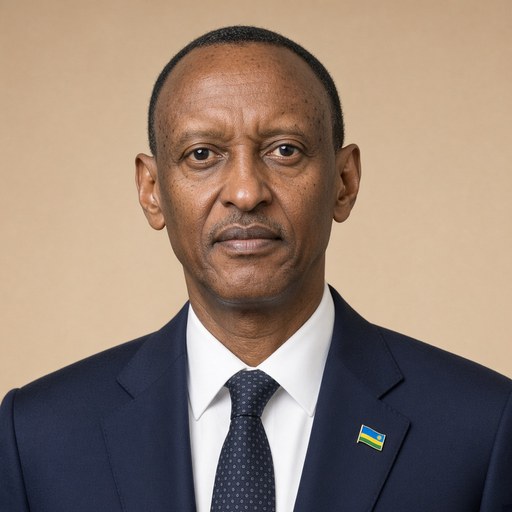
The speech President Kagame delivered at the Rwanda National Leaders’ Prayer Breakfast.
 Paul Kagame · President of Rwanda
- Context
- Kagame addressed the Rwanda National Leaders' Prayer Breakfast in Kigali on January 15, 2012, speaking on faith, leadership, and the connection between prayer and civic responsibility.
- Main themes
- Faith and leadership, gratitude over supplication, knowledge versus action, accountability of leaders, Rwanda national unity, RPF and political independence, prayer and governance, religious and civic life, pastoral and political roles, results-oriented leadership
- Duration
- ~34 min
- Words
- 4,109
- Sentences
- 221
- Readability
- 75
- Grade
- 7.4
- Syntax
- 2.72
- Vocabulary
- 1.80
Translated from Swahili
The broad sphere of national life a sentence belongs to. Every sentence has an Arena, so it is the denominator the other indices are read against.
Other221 sentences in 39 paragraphs
Kigali- Serena Hotel, January 15, 2012
Good afternoon everyone!
I would like to start by thanking the leaders of the Rwanda Leaders’ Fellowship for the invitation, and I also thank you for this event that brings leaders together to praise God and continue fulfilling their responsibilities. I am grateful to be invited and to be one of you.
It is always easy for me on a day like this when I am about to speak; my thoughts flow easily because I often enjoy connecting with Pastor Rutayisire, and it also answers a question that has been raised: I am not a pastor; I lead a different religion. The religion I lead is about life in this world, while pastors lead in thinking about and reflecting on the life of the other world, that other life we do not know about, which they help us with. But the beauty of a moment like this is that both are connected. We talk about the life of the world we are in, and then we come to discuss the life of elsewhere, of another time. Therefore, I believe this is clear from the questions that have been asked; they do not conflict but rather complement each other. This is a moment for us to discuss them in harmony.
I also want to address what Gédéon once said; inviting me to speak does not imply that you are accusing me of being involved in these matters that the RPF is accused of because I am the President of the RPF. Those who accuse me will continue to do so, but if you want to accept that accusation, what sin is that? If the RPF is involved, I would accept that sin; it would not matter, but I do not prevent you from maintaining your independence and your organization. You have invited us here and brought us together; it is good that the Rwanda Leaders’ Fellowship is independent, so continue with that, and the RPF will seek you out to support you.
Another thing I appreciate is that there is often progress being made. After receiving the invitation, the people who work in my office, you see, they start by writing a speech for me to deliver. In that speech, they wrote that there is a time to pray for the country, but I have also told you before that I have a problem with prayer. Let me explain. The progress that has been made is that I have heard talk of gratitude; it is not about asking. I will tell you the reason, so it is not misunderstood… Last time I told you, when you look at praying to God, it is about bending to Him; He has given you, and what remains is to use well what He has given you to produce the desired results and to thank Him, and in that gratitude, because you have used well what He has given you, He will give you again without you needing to ask Him again.
Most of those present here are parents; when you raise well, when you send your child, giving them all the necessary materials to go to school, you do not follow them or do their homework; they do it themselves, and they come back to thank you, showing you what they have done. When they thank you and show you what they have done, you give them more to help them reach the next step. Therefore, let us be grateful, not ungrateful. And in that gratitude, you are given again, and you receive the materials you need. But the work, the first fundamental thing is to use well what you have, what you have been given, to produce results that please even the God who has given you.
I want to return to another point I want to make. A gathering like this or other gatherings, we discuss many good things, and we also read the word of God that is in the Bible and other teachings. This makes one think about the relationship between words and actions. Knowing is not enough; I think Pastor Rutayisire has also mentioned this in examples that great writers have spoken about. Knowing is good, but how do you know? You know, and then? You have enough knowledge; what is the use if you do not put it into action? Knowing, how does it go? You know but do not put what you know into action; you have done nothing. Knowing and putting into action what you know are related. Here we discuss many clear things, and tomorrow we revisit them, and you find they are clear; that is not the issue. The issue, now I speak of what is in this world we live in, I know. Just knowing does not change people's lives; doing, action based on what you know is what changes people's lives. The rest is just repetition.
You said you meet every month or every week, maybe every year, but indeed we meet often, what we talk about is clear, and the trap is in the actions. That is where something is missing; that is where we should focus. What we are told every day, what we believe, what we appreciate, in actions, in achievements. That is where the crux lies; that is where we should focus. It is between what is said and actions. That is also what weighs on the responsibilities of leadership. That is what brings the excellence we seek in leadership.
A leader who can only teach, who can only speak, but when it comes to action, you cannot find them, has no excellence. That is where the crux lies, and that is the daily life we see, and in that other history we have been told.
The experts Rutayisire once told us about, Meredith and others Rutayisire once told us about, are good examples, they are good teachings. But I have a problem with that, and that is where the crux lies, that is where the issue is. Where a whole example is given for Africa, I have a problem with that. The reason I have a problem with that is that on one hand it is true. But let us not take it at face value because it contains a problem; we must first dissect it, we must also ask ourselves why, why Africa? Why Rwanda? That goes back to what I said earlier; it is a question of action; we have had words for a long time; now what matters is actions that yield results.
I do not need to learn from anyone about leadership, how it is done and how regimes have risen or fallen. I know that. It has nothing to do with Africa. I know about corruption; I do not need anyone to teach me what corruption is because it concerns everyone in this world. Corruption is not African, even though it may be more prevalent in Africa.
The issue lies in the mindset; many of us have been taught to swallow things, sometimes we have been taught to self-denigrate, we have been taught not to believe in ourselves, and we start to lose confidence. The issue is the mindset we must fight against. Let me give you an example.
Recently here, you know this issue, this case in France of the person who shot down Habyarimana's plane. A French investigator came and conducted an investigation, recently he wrote a report, and that report is supposed to declare people innocent. Yes, I am pleased with what has been reported, and people in this country have received it with shock; I have no shock, except that it is not in my nature to be shocked. Otherwise, were we here waiting to be declared innocent by a French investigator? To accept that, to accept that we will be declared innocent or guilty by a foreign judge, to accept that. Even our own judges have accepted that. I find that unacceptable.
Genocide is related to those other events; those people were involved. On one hand, there are the criminals here, on the other hand, there are the judges. I do not accept that; I have a problem with that. I have a problem with how Rwanda, Africa will sit and have judgments made by others, and those are the ones who played a significant role in the problems of Rwanda, our neighbors, and Africa. The issue is more serious than some of you think.
We need to expand our mindset; we need to grow and develop our determination to confront these issues, and I do not accept that the lives of these Rwandans, my life, should be managed and determined by others who are not us. That is where the crux lies. It is where Rwandans, Africans rise up to show themselves, to do what is necessary because it is necessary, not because someone else tells them to. Why would you allow yourself to be corrupted to the point where someone else has to shout? Why would we behave poorly to the point where someone else comes and says, "Why are you doing this?"
So Rutayisire, let me allow you and all the leaders here and everyone else to know that I cannot go to heaven and come back. I will not fall! And it is not that someone is reminding me of that. It is not that journalists always ask me, "When will you leave power?" No! Who are you to ask me that? If you think that clinging to power is not good, why do you think I do not think it is good? I say this because I believe I do not need lessons from anyone! I do not need anyone, and I have said this all along, when I was asked, "When will you leave power?" The first thing it bothers me, but I am not allowed to show that I am bothered… In this position of leadership, there are things you are not expected to do… I am not expected to get angry, to show that I am bothered; I am expected to go beyond that and manage myself, but sometimes it is difficult.
I, on my own scale, measure myself; the reason people use to say they will not leave power, I use to say I will leave it. The reason is twofold: In leadership, in some things that should be based on, there is a saying, "But you have been there for 10 years, you have been there for 20 years… in what you have done, you have helped people to rise and continue on the path you led them." If there are none, it means you have led poorly. That is why I do not continue because I would have led poorly; I have reached a point where I should leave, and there is no one to replace me. I cannot use that to say I have not found someone to replace me, and that is why I should continue. No! It means you are continuing poorly because you have failed to have someone to replace you.
So it means, if I have failed, I should not continue; I should not be rewarded for that. If I have led well, but those I led did not understand or could not follow, it means what they will see later is what they should have. I would leave them to see what they should have… That is what I was telling you, the relationship between words and actions. All this we talk about, let us know that what matters is actions that change people's lives. That is why we should not waste any time on whatever good we are told, on the good we see, on the good we are given, on the good we have come here to say that we are given by God.
God gives you, but He does not do everything for you; rather, He gives you the materials for you to do the rest.
Leaders therefore, and my fellow Rwandans, another example I give you… do you know what they call the "curse of wealth"? They say that when a country has oil, precious stones, and others, it is a curse. I say, "Give it to me!" That would not be a curse; those cursed are those who have failed to manage it; I would not fail to manage it. I have a problem managing poverty. I think there is no curse greater than poverty. You find that it is something attributed to Africa… they say Africa, when it finds natural resources, it is a curse; elsewhere it is not a curse, hmm! Why? Have you ever asked yourself that question? Norway has oil; it is not a curse; Nigeria, Angola, maybe we will have it tomorrow, it becomes a curse… and you accept that, I do not accept it. Bad leadership is the curse. Bad leadership, bad leaders are the curse… Oil would not be a curse for me; I would turn it into the wealth of Rwandans; it might even take war to turn it into wealth, and I would fight for it.
Rwandans should understand that; you should see yourselves as people, you should have confidence in yourselves, you should understand that your lives can be changed to be as good as those who have good lives take it that way. You must feel that there is someone you owe your life to; life is yours. No one comes from outside to give you the life you need. I do not accept that at all; I would not accept that… I would not accept that there is someone who is more valuable than me as a person! Why? Where are you located on the map of the world?
But all these rich countries want to see us in their way… You should read history; you know it, where they come from, it is blood that flowed and wars they fought, it is after all this that we go through. But they rose up and did it for themselves, and when they finished, they saw it and felt that they were better than others, and they told you, and you accepted it. And do not just accept it in your mind, but in actions you accept it and act in a way that they will come to do it for you, you act in a way that they will come to judge you for the crimes you committed or did not commit.
The first measure of excellence in leadership is to not accept that. Leaders, you sitting here and wherever you work, when you accept that the people you work with or lead do things poorly and you look away… that is it! That is what I was talking about putting into action. What matters is not how many times you sit here and hear good stories… Even if you come and sit here how many times, you praise God, you hear what is said, you return to where you work and do not do good things, you waste time, and this country will not change.
So coming here to hear good words and other things should be a source of strength for us to return and be better people, better leaders, and serve our people better; and to put that into action, it is not about going back to repeat the good teachings we received from Rutayisire and Rucyahana and Kagame, No! Rather, it is about building on that and putting things into action. That is what will change Africa and Rwanda; it is putting into action, determination, discussions.
It is not about accepting to be people of low status; you are not low, do not accept to be put down! You are people like others based on what you do, not based on what you say. This is what should be focused on in being excellent in leadership, in changing our country and our continent. That is what will elevate the value of the gift we have been given by God.
At one time I told you that 'they are not God'; the God we speak of here is God, not other people. No one is greater than me; no one is between me and God. No one! Another person is a person like me; we can work together, we can compete, we can share ideas, but you cannot manage me. I will not be managed by anyone. I say this in the name of Rwanda.
But it requires us to work, to get our hands dirty. I often see on Twitter people sending me tweets from all over the world… There are those who say, "We love Rwanda, we have seen good people, good roads, and everything is clean… but correct one small thing: service. I have seen their shortcomings. It is a flaw we have; it will not be resolved by the prayers we pray. It will be resolved by how we confront the problem. Truly, even if you host in a church, that alone will not give it to you. You must say, "Since God has given me everything, why should I not confront this problem and remove it from the way? And it is a problem that concerns everyone, not just one person! It must enter our minds, in our thinking in everyone, knowing that you must demand good service, you must provide good service. It must become a culture; I have always said that what kills us is right here.
If you go to the bank, before you receive service, you must be acquainted with the managers or be a minister, or you come and overthrow others; that is a problem. If you go to a restaurant and they first circle around you, but the bill is not small, it is large and they give it to you for free… You must ask for that service to be done well, it is necessary. You must provide good service. If you do not do this, and you remain only in nice words, that person will continue to write, “I came, I liked other things, but this one, no,” and it may even cause them not to return next time.
There have been many examples; just the other day I was reading newspapers talking about how they came to award stars to our hotels in Rwanda, did you see that? I read it in the newspapers. Getting one star was difficult… Many did not receive any stars, some received one, or two. There is a reason for this, you should think about its history, but how many battles did we fight, how many times did we speak about it but people refused, but in Kinyarwanda, you know the saying that goes, “you may refuse to be told but you do not refuse to see.” Even for the leaders in the past, we used to tell ministers and others, “go to the restaurants and banks and tell people to try to do things better because it harms us,” they would go, and when they got there, they would tell someone, “How are you? How are you doing? But it is the president who sent us, it is not us… Do not look at us badly, it is the president.”
But, imagine a leader who goes there saying that the invitation to provide good service is from the president, do you not want that? Imagine! I would accept that, if only you would use me as you wish but it would be done. But that is misusing me without anything coming out of it.
You leaders and these teachings you see every day and what you know in your own different ways, do you understand that you have a responsibility for good things to be done where you work? What are you looking for to beautify yourself while you leave behind things that are not well? Why?
Today, this discussion and others to come should be a step we take. These teachings related to excellence in leadership should not just be teachings; they should lead to action. Otherwise, you will ask, “Let us pray to God that our problems change… in Africa, the problems are like this,” why is it like this? It is not because we lack God. He exists for Europeans, Americans, Asians, and Africans. Why is it that when it comes to Africa, we say, “to get out of here, we must first pray to God”? Do others who have succeeded do so because they prayed more than us? Now those who surpass us want to make us how they want, they have that space, they have good governance, is it because they surpass us in God? That is not true.
We are equal before God; rather, starting from what God has given us to put things into action, we should not compete, because of the cultures within us, we can also resist and protect it, and we can also be like them. But I do not want to be like them; I want to be like myself, but in a better way. As a Rwandan, I cannot be an American, I cannot be an Australian, I cannot be a Frenchman. No, I am Rwandan, I am African, but I must be true to myself; I must have development, I must respect good governance, self-respect, and dignity. That is who I am. It is not that I want to be like someone else; no, you cannot be someone else no matter how you name yourself. You can be better than yourself, you can add on, but you cannot change into another. If it were possible, why would you do it and become another? What are you looking for?
I have said a lot, let me try to reduce a bit, I have reached the point of gratitude, especially to thank God. But there are two things in this; I thank you because when I see especially where Rwanda has come from, knowing where we have reached, there is a solid reason to give thanks. But then we should draw strength from it to face other challenges ahead, I believe it is easier than what we have gone through. Because a person who does not give thanks is an ungrateful person, as the saying goes. When you look at the traps we have gone through… You know passing through land with mines, we have gone through a lot, some did not explode, others exploded but did not take anything from us as a country.
There is a reason, therefore, when you really look back, but there is another reason; when you see Rwandans how they come together, we even went to the last elections with loud voices, but it made Rwandans come together more.
I often say that even if you lead people well as you should for them to appreciate and accept it, it is not your ability. For people to appreciate what you have done for them as a leader, it is not within the leader's ability, I do not know if you understand me well… You can do what you think is good, but for people to accept it, to see it and appreciate it, it is not your ability. Therefore, there are many reasons to give thanks.
Rwandans, therefore, one can thank them for how they have behaved over these years as we have gone through these issues that have reached 18, one can thank them but not only thank them, they should also understand that this is a hope you still have and you should have confidence to continue facing other challenges ahead. But there should be no complacency, no arrogance, that would take away our strength and we need it. Rather, there is great strength in humility, hard work, and self-worth, that value we always talk about. We deserve value because nothing surpasses it, nothing can replace it. And when you give yourself value, you also give it to God. That is the way to thank Him for the good He has given you. He does not need anything else, you do not give Him offerings…. He needs you to come out as a good person, to come out as a good country. In fact, God also rejoices and says, “these people, what I wished for them, I gave them, they have understood and they have achieved it.”
Rwandans, therefore, friends of God, and all of us, have a good day and always give value to your country and to yourselves. Thank you very much.
The original Swahili. The tags above are read on the English translation's sentences.
Kigali- Serena Hotel, 15 January 2012
Mwiriwe mwese!
Ndagirango mbanze nshimire abayobozi bo muri iyi Rwanda Leaders’ Fellowship ku butumire ariko mbashimira ku gikorwa nk’iki cya buri gihe gihuza abayobozi ngo bashimire Imana kandi bagakomeza kuzuza inshingano zabo. Ndabashimiye rero kuba nanjye mwantumiye nkaba umwe muri mwe.
Biranyorohera iteka ku munsi nk’uyu iyo ngiye kuvuga ijambo, ibintu byanjye biroroha kuko kenshi nkunda guhuza na Pasiteri Rutayisire kandi bikaba bishubije n’ikibazo kigeze kwibazwa: Jye ntabwo ndi umupasitori, nyobora irindi dini. Idini ndimo umuyobozi ni iy’ubuzima bwo kuri iyi si, abapasiteri bayobora mu gutekereza no kwitondera iby’ubuzima bundi bw’iyindi si, iriya y’imyaka yindi tuba tutazi niyo badufashamo. Ariko icyiza cy’umwanya nk’uyu ni uko byombi bihuzwa. Tuganira iby’ubuzima bw’isi turimo, tukaza kuganira n’iby’ubuzima bw’ahandi, bw’ikindi gihe. Ibyo rero nibwira ko bisobanutse biturutse ku bibazo byigeze kubazwa, ntabwo bigongana ahubwo numva byuzuzanya. Uyu rero ni umwanya wo kugirango tubiganire byuzuzanye.
Nagirango kandi ku byo Gédéon yigeze kuvuga, kuntumira kuza kuvuga sinibwira ko biguhananuyeho ikirego cy’uko ibingibi RPF ibifitemo uruhare kuko ndi Perezida wa RPF. Ababikurega ngirango bazakomeza kubikurega, ariko n’icyo cyaha nushaka uzacyemere, ubundi ni cyaha ki? RPF ibigizemo uruhare ngirango jye icyo cyaha nacyemera, ntacyo byaba bitwaye, ariko sinkubujije gukomeza ubwigenge bwawe n’umuryango. Mwadutumiye hano kandi muduhuriza hano, kuba Rwanda Leaders’ Fellowship yigenga ni byiza mubikomeze, ubwo RPF izajya ibashaka kugirango ibisunge.
Ikindi nshimira ni uko hagenda habaho gutera intambwe kenshi. Maze kubona ubutumire, abantu bankorera mu biro byanjye, murumva ko bahera ko bandika disikuru mba ndi buvuge. Muri iyo disikuru banditseho ko hari umwanya wo gusabira igihugu, ariko jye nigeze no kubabwira ikindi gihe ko ngira ikibazo cy’uko gusaba. Ndabisobanura. Gusa intambwe imaze guterwa ni uko nagiye numva havugwa gushima, ntabwo ari ugusaba. Ndababwira impamvu, bitanumvikana nabi… N’ubushize ibyo nababwiraga, iyo urebye gusaba Imana ni ukuyigondoza, yo yaraguhaye ahubwo igisigaye ni ugukoresha neza ibyo yaguhaye byavamo umusaruro wifuza ukayishimira, kandi muri uko gushimira bituruka ku kuba wakoresheje neza ibyo yaguhaye, irakongera utarinze kongera kuyisaba.
Abenshi bari aha ni ababyeyi ; iyo urera neza, iyo wohereje umwana wawe, ukamuha ibyangombwa byose akajya ku ishuri, ntabwo umukurikira cyangwa ngo umwigire, umukorere ibizami, niwe ubikora, akaza agushimira akwereka ibyo yakoze. Iyo agushimira akwereka ibyo yakoze, umuha ibindi bimugeza ku yindi ntambwe. Tujye rero tuba abashima, ntitukabe intashima. Hanyuma muri uko gushima urongera ugahabwa , ukabona ibyangombwa ukeneye. Ariko umurimo, ikintu cya mbere cy’ibanze ni ugukoresha neza ibyo ufite, ibyo wahawe, ukabivanamo umusaruro ushimisha n’iyo Mana iba yaguhaye.
Ndagaruka ku kindi nshaka kuvuga rero. Ihuriro nk’iri cyangwa n’andi mahuriro, tuganira byinshi byiza ndetse tugasoma n’ijambo ry’Imana riri muri Bibiliya n’izindi nyigisho. Ibi bituma umuntu atekereza isano iri hagati y’amagambo n’ibikorwa. Ntabwo kumenya bihagije, ngira ngo nabyo Rutayisire yabivuze muri za ngero abahanga b’abanditsi bavugaga. Kumenya ni byiza, ariko uramenya ngo ugire ute? Uramenya, hanyuma? Ufite ubumenyi bwinshi buhagije; bimaze iki iyo utabishyira mu ngiro? Umenya ngo bigende bite? Umenye ntushyire ibyo uzi mu ngiro, ntacyo wakoze. Kumenya no gushyira mu ngiro ibyo uzi bifitanye isano. Aha tuganira ibintu byinshi bisobanutse, n’ejo tukabisubiramo ugasanga birasobanutse, icyo sicyo kibazo. Ikibazo, noneho ndavuga ibyo muri iyi si dutuyemo nzi. Kumenya gusa ntibihindur a ubuzima bw’abantu; gukora, ingiro ishingira kuri bya bindi uzi nibyo bihindura ubuzima bw’abantu. Naho ibindi ni ugusubiramo gusa.
Yavuze ko muhura buri kwezi cyangwa buri cyumweru, wenda ni buri mwaka ariko nyine turahura kenshi, ibyo tuvuga birasobanuka, umutego ukaba mu bikorwa. Aho rero niho hafite ikiba kibuze, niho dukwiye kwibandaho. Ibyo tubwirwa buri munsi, ibyo twemera ibyo dushima, mu bikorwa, mu bigerwaho. Aho niho ipfundo riri, niho dukwiriye guhambura. Ni hagati y’ibivugwa n’ibikorwa. Ni nacyo kiremereza inshingano y’ubuyobozi. Ni nacyo kizana bwa budashyikirwa dushaka mu buyobozi.
Umuyobozi wakwigisha gusa, akavuga gusa, ariko byagera ku bikorwa ukamubura, nta budashyikirwa aba afite. Aho niho ipfundo riri, kandi nibwo buzima bwa buri munsi tubona, no muri ya mateka yandi twigeze kubwirwa.
Ba bahanga Rutayisire yigeze kutubwira ba Meredith n’abandi Rutayisire yigeze kutubwira, ni ingero nziza , ni inyigisho nziza. Ariko hari ikibazo mfitanye nabyo, kandi niho ipfundo riri, niho ikibazo kiri. Aho urugero rwose rutangwa kuri Afurika, mfitanye ikibazo nabyo. Impamvu mfitanye ikibazo nabyo ni uko ku ruhande rumwe ari ukuri. Ariko ntitukabimire bunguri kuko birimo ikibazo, tugomba kubanza kubihekenya, tugomba no kwibaza impamvu, kubera iki Afurika? Kubera iki u Rwanda? Ibyo bigaruka ku byo navuze mbere, ni ikibazo cy’ibikorwa; twagize amagambo igihe kirekire, ubu icyangombwa ni ibikorwa bitanga umusaruro.
Sinkeneye kwigira k’uwo ariwe wese ibyerekeye ubuyobozi, uko bukorwa n’uko ingoma zazamutse cyangwa zaguye. Ibyo ndabizi. Ntaho bihuriye n’Afurika. Nzi ibyerekeye ruswa, sinkeneye ko hari unyigisha icyo ruswa aricyo, kuko buriya bireba uwo ariwe wese muri iyi si. Ruswa si inyafurika, n’ubwo wenda ikoreshwa cyane muri Afurika.
Ikibazo kiri mu mitekerereze; benshi muri twe bigishijwe kumira ibintu, rimwe na rimwe twigishijwe kwiyanga turiyanga, twigishijwe kutiyizera dutangira kutiyizera. Ikibazo ni imitekerereze tugomba kurwanya. Ndabaha urugero.
Ejo bundi aha muzi iki kibazo, uru rubanza rwari mu Bufaransa rw’uwarashe indege ya Habyarimana. Umujuji w’Umufaransa yaraje akora iperereza, ejobundi akora raporo, iyo raporo ngo niyo igomba kugira abantu abere. Yego ndishimira ibyatangajwe, n’abantu muri iki gihugu bakaba barabyakiranye igishyika, nta gishyika mfite, usibye ko bitari muri kamere yanjye kugira igishyika. Ubundi bwo se twari turi aha dutegereje kugirwa abere n’umujuji w’Umufaransa? Ibyo tukabyemera, tukemera ko tuzagirwa abere cyangwa abanyabyaha n’ umucamanza wo hanze, tukabyemera. N’aba bacamanza bacu bakomeye nabo barabyemeye. Nsanga atari ibyo kwihanganira.
Jenoside ifite aho ihuriye n’ibyo bindi byabaye, abo bantu babigizemo uruhare. Ku ruhande rumwe ni abanyabyaha ino, ku rundi ruhande ni abacamanza. Ibyo simbyemera, mfitanye ikibazo nabyo. Mfitanye ikibazo n’uko u Rwanda, Afurika bizicara aho bigacirwa imanza n’abandi, kandi abo aribo bagize uruhare rukomeye mu bibazo u Rwanda, abaturanyi bacu n’Afurika bagize. Ikibazo kirakomeye kurusha uko bamwe muri mwe babitekereza.
Dukeneye rero kwagura imyumvire yacu, dukeneye gukura no guteza imbere umurava wacu mu guhangana n’ibyo bibazo kandi sinemera ko ubuzima bw’aba Banyarwanda, ubuzima bwanjye, bucungwa bukanagenwa n’abandi batari twe. Aha niho ipfundo riri. Ni he Abanyarwanda, Abanyafurika bahaguruka bakiyerekana , bagakora icyangombwa kuko ari ngombwa, atari uko hari undi ubibabwiriza. Kuki wakwijandika muri ruswa kugeza ubwo undi arinda asakuza ? Kuki twakwitwara nabi kugeza aho ubdi aza akavuga ati « Kuki mukora ibi ? »
Ngaho Rutayisire reka nkwemerere wowe n’aba bayobozi bose bari aha n’abandi bose mbemereye ko ntashobora kujya ejuru ngo nongere ngwe. Sinzagwa ! Kandi si uko hari uri kubinyibutsa. Si uko buri gihe abanyamakuru bahora bambaza bati « ese uzava ku butegetsi ryari ? » Oya ! Uri nde ngo umbaze utyo ? Niba utekereza ko gutsimbarara ku butegetsi atari byiza, kuki utekereza ko jye ntatekereza ko ari byiza. Ndi kubivuga kuko nizeye ko ntakeneye amasomo aturutse k’uwo ari we wese ! Ntawe nkeneye, ndetse naranabivuze iki gihe cyose, ubwo nabazwaga nti “uzava ku butegetsi ryari ?” Icya mbere birambangamira ariko sinemerewe kugaragaza ko mbangamiwe… Muri iyi myanya tubamo y’ubuyobozi harimo ibyo uba utitezweho gukora… sinitezweho kurakara, kwerekana ko mbangamiwe, mba nitezweho kurenzaho no kwicunga, ariko rimwe na rimwe birananira.
Jyewe ku gipimo cyanjye nipimiraho, impamvu imwe abantu bakoresha bavuga ko batazava ku butegetsi, jye niyo nkoresha mvuga ko nzabuvaho. Impamvu ni ebyiri: Ni uko mu buyobozi, mu bintu bimwe bikwiye kuba biherwaho harimo kuvuga ngo “ariko umaze imyaka 10, umaze imyaka 20… mu byo wakoze wafashije abantu kuba bazamuka bagakomeza mu nzira wabayoboragamo. Niba ntabo, ni ukuvuga ngo wayoboye nabi. Niyo mpamvu jyewe ntakomeza kuko naba narayoboye nabi, ngeze igihe nkwiriye kuba ngenda akaba nta muntu wansimbura. Ntabwo nabikoresha ngo ntabwo nabonye umuntu uzansimbura , ngo niyo mpamvu nkwiye gukomeza. Oya! Ni ukuvuga ko ukomeza nabi kuko wananiwe kugira uwagusimbura.
Ni ukuvuga rero, niba narabinaniwe, ntabwo nkwiye gukomeza, ntabwo nabihemberwa. Niba ari uko nayoboye neza nabwo ariko abo nayoboye bakaba batarumvaga cyangwa batarashoboye kuvamo ukurikira, ni ukuvuga ngo ibyo bazabona nyuma nagiye nicyo bazaba bakwiye. Nabibarekera bakabona icyo bakwiye… Nicyo nababwiriraga, isano iri hagati y’amagambo n’ibikorwa. Ibi byose tuvuga tujye tumenya ko icyangombwa ari ibikorwa bihindura ubuzima bw’abantu. Niyo mpamvu tudakwiye gutakaza umwanya uwo ariwo wose w’ibyiza tubwirwa,wb’ibyiza tubona , w’ibyiza dukorerwa, w’ibyiza duhabwa n’ibi twaje hano kuvuga ko tubigezwaho n’Imana.
Imana iraguha ariko ntabwo igukorera byose, ahubwo iguha ibyangombwa ngo wowe ukore ibisigaye.
Bayobozi rero kandi Banyarwanda bagenzi banjye, urundi rugero nabaha… muzi ikintu bita umuvumo w’umutungo’ ? Bakavuga ngo iyo igihugu gifite peteroli, amabuye y’agaciro n’ibindi ngo ni umuvumo. Jye ndavuga nti “uwabimpa!” Ibyo ntabwo naba umuvumo , abavumwe ni abananiwe kubicunga, ntabwo nananirwa kubicunga. Mfite ikibazo cyo gucunga ubukene. Ntekereza ko nta muvumo urenze ubukene. Ugasanga kandi ni ikintu cyitiriwe Afurika… ngo Afurika iyo ibonye umutungo kamere ngo ni umuvumo, ahandi si umuvumo, umm! Kubera iki? Mwakwibajije icyo kibazo ariko? Norway ifite peteroli si umuvumo, Nigeria, Angola wenda natwe ejo tuzayibona, bibaye umuvumo… namwe mukabyemera, jye simbyemera. Ubuyobozi bubi nibwo muvumo. Ubuyobozi bubi , abayobozi babi niwo muvumo…. Peteroli ntabwo yambera umuvumo, nayihinduramo ubukungu bw’Abanyarwanda; byashaka n’intambara kugirango ihinduke ubukungu nkayirwana.
Abanyarwanda niko bakwiriye kubyumva, mukwiye kwiyumva nk’abantu , mukigirira icyizere, mukumva ko ubuzima bwanyu mushobora kubuhindura bukaba bwiza nk’uko abandi babufite bwiza babifata gutyo gusa. Mugomba kwiyumvamo ikintu cyo kumva ko hari uwo mukesha ubuzima bwanyu, ubuzima ni ubwanyu. Nta muntu waturuka hanze ngo aze abahe ubuzima mukeneye. Ntabwo mbyemera na busa, ntabwo nabyemera… Sinakwemera ko hari umuntu undusha agaciro nk’umuntu! Kubera iki? Aho uherereye ku ikarita y’isi?
Ariko n’ibi bihugu byose bikize bishaka kutubona mu buryo bwabyo… Mujye musoma amateka murayazi, aho baturutse nabo murahazi, ari amaraso yahatembye n’intambara barwanye, biri hanyuma y’ibingibi tunyuzemo twebwe. Ariko barahagurutse barabikorera, barangije babibonye bumva ko baruta abandi babibabwira namwe mukabyemera. Ndetse ntimubyemere gusa mu mutwe, no mu bikorwa mukabyemera mugakora ku buryo bazaza kubibakorera, mugakora ku buryo bazaza kubacira imanza z’ibyaha mwakoze cyangwa bitanakozwe.
Igipimo cya mberecy’ubudashyikirwa mu buyobozi ni ukutemera ibyo. Bayobozi mwicaye aha n’aho mukorera hose, iyo wemera ko abantu ukorana nabo cyangwa uyobora bakora ibintu bidashyitse ukareba hirya… kabaye! Ni kwa gushyira mu bikorwa navugaga. Icyangombwa si inshuro wicaye aha wumva inkuru nziza… N’iyo waza ukicara aha ukahaza inshuro zingahe, ugashimria Imana, ukumva ibivugwa, wasubira aho ukorera ntukore ibintu bizima, urata igihe kandi iki gihugu ntikizahinduka.
Kuza hano rero ukumva amagambo meza n’ibindi bikaba nk’aho ariyo ntero byakagombye kuba ikintu kiduha imbaraga yo gusubirayo tukaba abantu bazima, abayobozi beza kurushaho no gukorera abaturage bacu kurushaho; no kubishyira mu bikorwa, ntabwo ari ukujya kubasubiriramo inyigisho nziza twahawe na Rutayirire na Rucyahana na Kagame, Oya! Ahubwo ni ukubiheraho tubyubakiraho dushyira ibintu mu bikorwa. Nicyo kizahindura Afurika n’u Rwanda ni ugushyira mu bikorwa, umurava, ibiganiro.
Si ukwemera kuba abantu bo hasi, ntimuri hasi, ntimuzemere gushyirwa hasi! Muri abantu nk’abandi bitewe n’ibyo mukora, aho kuba ibyo muvuga. Ibi nibyo bikwiye kwitwabwaho mu kuba indashyikirwa mu buyobozi, mu guhindura iki gihugu cyacu n’umugabane wacu. Nicyo kizamura agaciro k’impano twahawe n’Imana .
Igihe kimwe narababwiye ngo ‘sibo Mana’, Imana tuvuga hano ni Imana ntabwo ari abantu bandi. Nta wundi muntu unduta, nta wundi umuntu uri hagati yanjye n’Imana. Ntawe! Undi muntu ni umuntu nkanjye, twakorana, twarushanwa, twakungurana ariko ntiwacunga. Singiye gucungwa n’uwo ari we wese. Ndabivugira mu izina ry’u Rwanda.
Ariko biradusaba gukora, intoki zacu tukazanduza. Njya mbona kenshi kuri Twitter abantu bajya banyoherereza Tweets ziturutse ku isi hose. … Hari abavuga bati “Dukunda u Rwanda, twabonye abantu beza, abantu bakeye, imihanda n’ibintu byose bisukuye… ariko muzakosore akantu kamwe: serivise. Maze kubona amaduzeni yazo. Ni inenge turayifite, ntabwo bizarangizwa n’amasengesho dusenga. Bizarangizwa n’uko duhanganye n’ikibazo. Rwose n’iyo wacumbika mu ikanisa, ntabwo ubwabyo bizabiguha. Ugomba kuvuga uti “ko Imana yampaye byose, kuki iki kibazo ntahangana nacyo kikava mu nzira. Kandi ni ikibazo kireba buri wese si icy’umuntu umwe! Kigomba kujya mu mutwe wacu, mu myumvire yacu muri buri wese, ukamenya ko ugomba kwaka serivise nziza, ugatanga serivise nziza. Bikaba umuco, nahoze mvuga ko ikitwica kiri hano.
Niba ujya muri banki, mbere y’uko ubona serivise ukagomba kuba uziranye n’abayicunga cyangwa uri minisitiri cyangwa ukaza ugahirika abandi, ni ikibazo. Niba ujya muri resitora bakabanza bakakuzungurutsa, ariko kandi fagitire yo ntabwo iza ari nto, iza ari nini baguhaye n’ubusa… Mugomba gusaba ko iyo serivise ikorwa neza, birakenewe. Ugomba gutanga serivise nziza. Nutabikora, ukaguma mu magambo meza gusa, wa muntu azaguma yandika ati “naraje, ibindi narabishimye ariko iki rwose oya” , ndetse bishobora no gutuma atagaruka ubutaha.
Ingero zimaze kuba nyinshi, n’ejo bundi nasomaga ibinyamakuru bavuga ukuntu baje gutanga inyenyeri ku mahoteli yacu mu Rwanda, mwarabibonye? Jye nabisomye mu binyamakuru. Kubona inyenyeri imwe byaragoranye… Inyinshi nta nyenyeri zabonye, izindi imwe, cyangwa ebyiri. Bifite aho bikomoka, mujye mwibaza amateka yabyo, ariko twarwanye kangahe, twabivuze kangahe ariko abantu bakanga, ariko mu Kinyarwanda muzi umugani uvuga ngo “wanga kubwirwa ariko ntiwanga kubona”. Ndetse ku bayobozi mu minsi yashize twajyaga tubwira abaminisitiri n’abandi tuti “mugende mu maresitora mu mabanki mubwire abantu bagerageze bakore ibintu neza kurusha kuko biratwangiriza” bakagenda, bagerayo bakabwira umuntu bati “ Uraho? Umeze ute? Ariko ni perezida watwohereje ntabwo ari twe… Ntimuturebe nabi, ni Perezida”.
Ariko, ibaze umuntu w’umuyobozi ugiyea ujenjetse utyo uvuga ko ugutumyue gutanga serivise nziza ari perezida, wowe ntubishaka se? Ibaze! Ibyo jye narabyemeye, iyaba mwankoreshaga uko mushatse ariko bigakorwa. Ariko uko ni ukunkoresha nabi bitarimo n’ikiri buvemo.
Mwebwe abayobozi n’izi nyigisho mubona buri munsi n’ibyo muzi ku buryo bwanyu butandukanye, kumva ko ufite inshingano y’uko ibyiza bikorwa aho ukorera? Ushakira iki kurimba ukajya ku muhanda… ngo ushake kugaragara neza ariko ibyo usize inyuma byo bitameze neza, kubera iki?
Uyu munsi, iki kiganiro n’ibindi bizaza bijye bitubera intambwe dutera. Izi nyigisho izjyanye n’ubudashyikirwa mu buyobozi ntibikabe inyigisho gusa bijye bivamo ingiro. Nahubundi ugiye kubaza uti “tuzabisabire Imana rwose ibibazo byacu bihinduke… muri Afurika ibibazo bimeze bitya” , bimeze bityo kubera iki? Si uko twabuze Imana. Ibereyeho Abanyaburayi, Abanyamerika, Abanyaziya n’Abanyafurika. Kuki bigera kuri Afurika tukavuga ngo “kugirango tuve aha rwose tubanze dusabe Imana.” Abandi se babivuyemo ni uko bayisabye kuturusha? Ubu abaturusha bashaka kutugira uko bashaka , bafite uwo mwanya, bagira imiyoborere myiza, ni uko baturusha Imana? Ntabwo aribyo.
Imana turayinganya, ahubwo guhera ku byo Imana yaduhaye ngo dushyire ibintu mu bikorwa ntitukunganye, kubera imico iturimo dushobora kandi kurwanya tukayirinda kandi natwe tukamera nkabo. Ariko sinshaka kumera nkabo, ndashaka kumera nk’uko meze, ariko biteye imbere. NK’Umunyarwanda, ntabwo naba nk’Umunyamerika, umunya Australia, ntabwo naba nk’Umufaransa. Oya, ndi Umunyarwanda, ndi Umunyafurika ariko ngomba kuba uwa nyawe; ngomba kugira iterambere, ngomba kubaha imiyoborere myiza, kwiyubaha, kugira ubupfura. Uwo nijye. Si uko nshaka kuba kuriya nkaba undi, oya ntiwaba undi niyo wakwiyita ute. Ushobora kuba wowe mwiza kurushaho, ushobora kongeraho, ariko ntiwakwihindura undi. N’iyo byashoboka kuki wabikora ukaba undi? Urashakayo iki?
Mvuze byinshi reka ngerageze kugabanya gato, ngeze ku ngingo yo gushimira, cyane cyane gushimira Imana. Ariko hari ibintu 2 muri ibyongibyo, jye mbashimira kuko iyo mbonye cyane cyane iyo mpereye aho u Rwanda ruvuye tuzi nkareba nk’ayo tugeze, hari impamvu ifatika yo gushimira. Ariko noneho tukabivanamo imbaraga zo guhangana n’ibindi bikiri imbere nibwira ko byoroshye kurusha ibyo tunyuzemo. Kuko umuntu adashimiye yaba ari intashima wa mugani. Iyo ugiye kureba imitego twanyuzemo… Uzi kunyura ku butaka burimo za mine, twabinyuzemo byinshi, bimwe ntibiturike, ibindi byaturika ntibigire icyo bidutwara nk’igihugu.
Hari impamvu rero iyo urebye rwose usubije amaso inyuma, ariko hariho n’indi mpamvu; iyo ubona Abanyarwanda ukuntu biyegeranyije bagashyira hamwe, tukajya no mu matora yashize induru zikavuga ariko bigatuma Abanyarwanda bajya hamwe kurusha.
Njya mvuga ko n’iyo wayobora abantu neza uko bikwiye kugirango babishime banabyemere ntabwo ari ubushobozi bwawe. Kugirango abantu bashime ibyo wabakoreye nk’umuyobozi, ntibiri mu bushobozi bw’umuyobozi, sinzi niba munyumva neza… Wakora ibyo wibwira ko ari byiza, ariko kugirango abantu babyemere, babyibonemo banabishime, ntabwo ari ubushobozi bwawe. Ku bw’ibyo rero, hari impamvu nyinshi zo gushimira.
Abanyarwanda rero umuntu yabashimira kubera uko bagiye bitwaye muri iyi myaka yose tunyuze muri ibi bibazo imaze kugera kuri 18, umuntu yabashimira ariko ntiyabashimira gusa ahubwo bakwiye no kumva ko ibyo ari icyizere mugifite kandi mukwiye kwigirira cyo gukomeza guhangana n’ibindi biri imbere. Ariko nta kwirara, nta kwirata, ibyo byatwambura imbaraga kandi dukeneye. Ahubwo harimo imbaraga nyinshi mu kwiyoroshya, gukora , kwiha agaciro, ka gaciro duhora tuvuga iteka. Dukwiriye agaciro kuko nta kikaruta, nta cyagasimbura. Kandi iyo wihaye agaciro uba ugahaye n’Imana. Nibwo buryo bwo kuyishimira ibyiza yaguhaye. Yo nta bindi ikeneye, ntiwayiha bituga…. Ikeneye ko uvamo umuntu muzima, ko uvamo igihugu kizima. Buriya Imana nayo irishima ikavuga ngo “aba bantu icyo nabifurije nabahaye baracyumvise kandi bakigezeho.”
Banyarwanda rero nshuti z’Imana natwe twese, mugire umunsi mwiza kandi muhore muha agaciro igihugu cyanyu namwe ubwanyu. Murakoze cyane.