





- Context
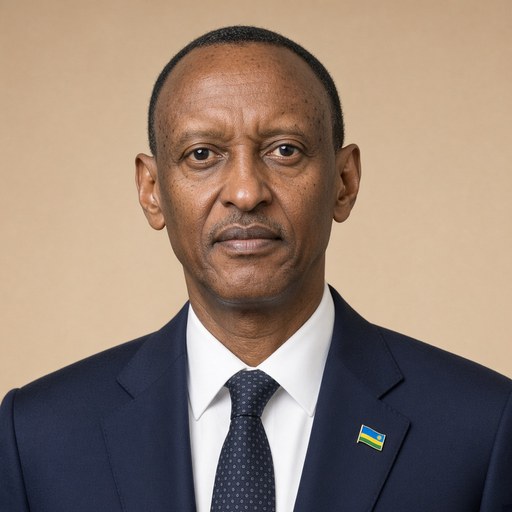
- Kagame addressed the Rwandan diaspora gathered in Brussels on June 10, 2017, for Rwanda Day, celebrating national achievements and unity.
- Main themes
- Rwandan diaspora unity, Rwanda's global achievements and rankings, governance and anti-corruption, gender equality, national pride and identity, reconciliation and historical lessons, friendship with Belgium and Europe, diaspora contributions to development
- Duration
- ~23 min
- Words
- 2,733
- Sentences
- 157
- Readability
- 73
- Grade
- 7.4
- Syntax
- 2.73
- Vocabulary
- 1.80
Translated from Swahili
The broad sphere of national life a sentence belongs to. Every sentence has an Arena, so it is the denominator the other indices are read against.
Other157 sentences in 29 paragraphs
Brussels, June 10, 2017
Hello everyone,
Let me greet you again.
I am very happy to be with you today, in this moment, but I would like to first thank you all. The short time you were informed that there would be a meeting like this, you all came together like this, without needing to be notified long in advance, I want to thank you for that. I am very grateful to the country we are in, Belgium, for making it possible, in terms of security, in a way that is flawless. I thank those who provide us with security together with our own who have come from our country.
I also thank this region we are in, and its leaders for making things easier and supporting us so that we can work towards what we aspire to. So all of you, wherever you come from, starting with Rwandans in Belgium and Rwandans from other regions of this part of Europe who have come from all over the countries of Europe, I thank you for taking the time to come even though it is not easy, it is tiring, it is difficult, but you all make it worthwhile by coming together. I thank you very much. There are also Rwandans who always leave Rwanda to go wherever the day is being held. I want to commend your dedication and the overall work you do that is commendable.
Starting with the name of the Ambassador, which is pleasing, the name of Nduhungirehe. Let me say it is Rwanda but I say, Nduhungiriki. So Nduhungirehe, Nduhungiriki complement each other. I want to say that our Rwanda, it is you who are here and those who are in the country and those who are elsewhere who have made it a country of Value, with Value. Not only in the region, but in the whole world.
Those who follow the news, I want you to see many indicators they use to measure countries where they stand, how they are building and their people. It is known that this is the first time in our history where at that level different methods are used in many things around the world, that is where Rwanda is becoming first, there are places where it comes second, there are places where Rwanda is among the top ten countries in the world. Starting from the role women play, in the country and in parliament, Rwanda is first in the world and in other aspects of gender equality for women and men.
In governance, in fighting corruption, the security citizens have in their countries, in the functioning of investment, it is extensive. I could say a lot and not finish. Rwanda is among the top ten. It is not me who writes it, even those who do not like us accept it. This means it is true. In countries that prioritize their citizens, where every action is based on the citizens, Rwanda comes first. Therefore, no one should be displeased, nor should anyone be discouraged to do more that still awaits us to achieve. But we have a starting point, I say this to thank you who are here and all other Rwandans. But I also thank the friends of Rwanda. Many are here and others are not here. There are those from other countries like here in Belgium or elsewhere in Europe.
They invest their money in Rwanda, they love Rwanda, they love Rwandans and work with them. They meet on many things and sometimes they even become Rwandans due to, often, the friends they have who are Rwandans. I say that it goes far including marriage, they build families, they build homes. When they become one of us, they become Rwandans. But others who are still on the way to achieving that, we welcome them as Rwandans. And those who are still just friends, we thank them and I want to tell you that we are their friends too.
This is based on the value Rwandans have built, based on the unity Rwandans have built. Rwandans, however each one is, wherever they come from, it has become clear that we support being one, that we are Rwanda, we are Rwandans, that is what has brought us to many things. Besides the strength Rwandans now use individually, we work together but also learn from our history. Our history has given us many lessons, we have learned a lot from the bad things we have gone through that have given us the strength to say that those bad things that happened in our history will not happen again, they should not happen again. And Rwanda should not have been like that. Now we are writing a new history, the history of our country, a history based on unity, on work, on using the truth, understanding that we should not sit and wait for someone else to solve our problems. That is not how it should be. And the consequences of that have indeed been seen in those lessons we have learned. And Rwandans living abroad, we would be pleased that every Rwandan wherever they are is doing something, has something that advances them. This does not mean that this Rwandan forgets their country. Rather, when things go well, they thrive, they work there, they take it home.
Those who are outside Rwanda, do not think that there is someone who criticizes you, unless you are outside doing wrong. But if you are doing constructive things, building your country, that is good and it is your right. I feel that no one should criticize that. But then it becomes even better when those outside the country work with those inside, complementing each other, it becomes that broader Rwanda you often hear about, that Rwanda that transcends borders. There is a border that is protected, and there is another that transcends a border. So when those outside and those in the country work together, we make it a broader Rwanda as it should be.
There is a lot we have built and we are building on values. I think that is what we should continue to promote as Rwandans. And these values should not be disrespected by anyone or treated as something without importance.
Again, when you follow what is happening in the world everywhere, you find people with problems or countries with problems because they have lost their values. We see it and we have previously suffered from building this value, but those who were against us have now come back asking what is that? How does it work? They say tell us how you do it. But we are pleased to work with all those, especially when it involves rebuilding ourselves.
For example, if I were to give you a pleasing example in many examples, I think you know that I will not go back into its history of how it happened or how it came to be. Our country is going into elections in the coming months but before going into that, all that we have gone through leads there, just the other day Rwandans were saying that in electoral matters, materials are needed. In the past, we had gotten used to being supplied with everything. Rwandan entrepreneurs and friends of Rwanda say, is that all? They ask what do you need? Then there were people who came saying that for Rwanda we do not have money, those who give us from abroad. Entrepreneurs say, oh!! Is that all? They sit one night, one evening on a Saturday like this here, they exceed the number that was needed.
You see to me what this means, it is a Rwandan who has advanced in awareness and taking on their responsibilities, their life, the vision their country wants us all to go towards. It shows that Rwandans are ready to seek what builds them without always having to beg or being looked down upon. Being looked down upon, I told you before when I meet them. Where someone buys you a shirt gives it to you and then follows up telling you that it is not easy, that there are places where they see that there are tears on it, that there are places where it is dirty. They always ask you, they look down on you saying, why do you dirty my shirt that I gave you? We go through that in a significant way, it is enough. But the good thing about it has happened and it has brought something else, there are things like two.
Those who used to look down on us have now reached a point where they say, but we must know our own, it is not good. They start telling people, I think you know people who tell you that now we are going to be “Rwanda first”. But those who tell us “X first” is good because it reminds you. It tells you, but why did that one remind you that their own comes first, how was I placed on the list of those they should care for? What did they set for you? Because what do you do for them?
The second good thing is that they remind us. They remind us to tell us, but why do you not know yourselves? Why do you not know yourselves? It has taken time but where it has reached, we will accept it as it comes.
But I think Rwandans, we seem to have known this for a long time that there is a need to know ourselves, not to wait for another to remind us. Even in our history, we know that there are times we should have helped ourselves, we should have known ourselves. Where people sought help and could not find it, we had to know ourselves. That example is from long ago. I do not know why we do not hurry to learn from it, waiting for them to tell us in words to “know yourselves”.
But in that self-awareness, the good thing about it, there is still cooperation. No one knows themselves just to live alone without working with others. People work together, they are friends, they trade with each other. They put their strengths together, I mean even in countries. Your interests and those of another country and other people complement each other. One should not hinder the other. The interests of a Rwandan do not hinder the interests of people from another country. No, that is not what one says. Rather, we say that we must cooperate, we must work well together, respect each other, complement each other, each one achieving their interests.
In what we were in the other day here, what the ambassador told you about development days related to how Europe works with Africa. It has a long history. Some of that history has not been good but it is being corrected. The first lesson in it is that people have seen but even though it takes a long time, it is not necessary, that is to say that wealthy Europe, well-off, and often helps African countries, it should do so so that Africa also does well. It is not Africa that has always been poor coming to ask in Europe. No. Rather, it is Africa that is advancing, has an economy, and then advanced Africa, with an economy, complements Europe which is already an economy and developed. At that time, everyone is better off.
But you, developed countries, with a lot of wealth, not little, coming from Africa. So how do you feel well, advance, prosper but it comes from impoverishing others? That is why, in these times you know, Africans drown in the sea, crossing from Africa to Europe. If one wanted to say it in a not-so-nice way (cynical), they would say that those people drown in the waters following their own where it has gone.
But there is a good way to understand it and to act to prevent it from continuing to be like that, or to be understood like that. The good way is to cooperate. It is the wealthy who invest their money where there is a lot of wealth but people are still poor. Africa has a lot of wealth but people are poor. They can prosper, those with wealth invest it in Africa and then Africans advance.
In Rwanda, we grow coffee. First, most of us who grow coffee do not even drink it. But secondly, even those who drink it drink it after the country has first bought a plane ticket to Europe, they process it and bring it back. You know that is how it is. Now, even processing coffee, can’t we process coffee in Rwanda to drink it, we process it in Rwanda and then when you go to buy it a ticket to go outside to sell it but it does not go to leave and come back?
And to say it like that, there is no judgment in it. What I say is not to insult anyone, nor to deny anyone their rights, rather I want my own. And I also want my rights, I want friends to tell you that let us work together. So what is wrong with that? Even that coffee, we can sit and share it, talk about it and other things that go with it.
As long as Africa is doing well, Europe will also do better. One should not be afraid of the other, one cannot hinder the other but they complement each other. A wealthy Africa, its people have jobs, will work with Europe; and Europe will also be wealthier than it is, that is how it should be understood.
In those discussions we had the other day, I want to touch on the values and many things we should base on to advance our Rwanda. We can say Rwanda although generally I can say Africa but Africa goes beyond me or beyond Rwanda. It has other owners, other parts that lead them. What I would say is to work with Africa to advance it together, but I first want to take out the lesson to discuss with you as Rwandans so that what we can do at home, we do it. And if it works, we can work with other Africans, whether those we live with in the same region or in other parts of Africa.
So I want Rwandans here to understand that what I started with saying has been achieved in Rwanda or is being achieved in other countries in Africa. Even though we still have a long way to go, what we have achieved shows that it is possible. That we can go far even in a short time when we work together, when we work with others, when we work in a genuine way, when we understand that it is our responsibility, no one else we should wait for, it must start with us.
Let me conclude by thanking you again but then reiterate unity. The country working together… citizens coming together. The other things about how we name ourselves or name others we should leave aside. Poverty, disease, insecurity, when they strike a country they do not ask for the identity of a person. Poverty in Rwanda does not come knocking asking if this is a Hutu, a Tutsi or… No, it takes everyone. It unites all and then those who are there are the ones who start looking at each other, looking at one, looking at another saying what is this? Where do they come from? What is their name? But you should know that when you get into that, that poverty is there waiting for you, it is waiting for you all. It is waiting for you, it comes to you all and overwhelms you. Or when diseases come, is there a disease of a certain type? They take you all.
But when people are together, they prevent those diseases, they fight them, they overcome them. They fight poverty, they overcome it. So identity becomes being Rwandan. Rwanda does not exclude anyone, it does not leave anyone behind, Rwanda appreciates every Rwandan for what they have done, what they have achieved that advances them and Rwanda should work with other countries whether they are in Africa or Europe. I thank you, may you have the peace of God!
The original Swahili. The tags above are read on the English translation's sentences.
Bruxelles, 10 June 2017
Muraho neza,
Nongere mbasuhuze.
Nishimye cyane kuza kubana namwe, kuri uyu munsi, muri uyu mwanya, ariko ndagira ngo mbanze mbashimira mwese. Umwanya muto baba babamenyesheje ko hari inama nk’iyi, mukaza mwese uko mungana mutya, uburyo mutagomba guteguzwa igihe kirekire ndagira ngo mbibashimire. Ndashimira cyane igihugu turimo cy’u Bubiligi kiba cyabitworohereje kugirango bishoboke, ari ibijyanye n’umutekano biba bikeneye, bikorwa ku buryo budafite inenge. Ndashimira abaduha umutekano bafatanyije n’abacu bavuye mu gihugu cyacu.
Ndashimira n’iyi ntara turimo, n’abayiyobora nabo uburyo boroheje ibintu kandi bakadushyigikira kugira ngo dukore tugere ku byo twifuzaga. Mwese rero, aho mwaturutse, mpere ku Banyarwanda bo mu Bubiligi n’Abanyarwanda bo mu zindi ntara z’iki gice cy’u Burayi bavuye hirya no hino mu bihugu by’Uburayi, ndabashimira, umwanya mufata mukaza n’ubwo biba bitoroshye, bibavuna, bibagora, ariko ibyo byose mu kabigira ubusa mukaza tugasabana. Ndabibashimiye cyane. Hari n’Abanyarwanda rero nabo iteka bava mu Rwanda bakajya aho umunsi uba wabereye aho ariho hose. Ndagira ngo mbashimire umurava wanyu n’ibikorwa muri rusange mukora bishimishije.
Mpereye ku izina rya Ambassador, ariko rishimishije, izina rya Nduhungirehe. Reka mvuge ko ari u Rwanda ariko mvuge ngo, Nduhungiriki. Ubwo Nduhungirehe, Nduhungiriki biruzuzanya byose. Ndagira ngo rero mvuge ko u Rwanda rwacu, ni mwe abari hano n’abari mu gihugu n’abari ahandi hose mumaze kurugira igihugu cy’Agaciro gifite, Agaciro. Si mu karere gusa, ahubwo ku isi yose.
Abakurikira amakuru ndagira ngo mugenda mubona ibipimo byinshi bapimiraho ibihugu aho bigeze, uko byiyubaka n’ababyo. Birazwi ko nibwo bwa mbere mu mateka yacu aho kuri icyo gipimo gikoreshwa uburyo butandukanye mu bintu byinshi ku isi yose, niho u Rwanda rugenda ruba u rwambere, hari aho ruza ari urwa kabiri hari aho ruza ari u rwagatatu, hari aho u Rwanda ruza ruri mu bihugu icumi bya mbere ku isi yose. Uhereye ku ruhare abategarugori bagira, mu gihugu ari mu nteko, u Rwanda rukaba urwambere ku isi yose no mu bindi bishyikira iterambere ry’uburinganire ku bagore n’abagabo.
Mu miyoborere, ku kurwanya ruswa, umutekano abaturage baba bafite mu bihugu byabo, mu mikorere y’ishoramari, ni birebire. Navuga byinshi sinabirangiza. U Rwanda ruza mu bambere icumi. Ntabwo ari njye ubyandika, ndetse n’abatadukunda nabo barabyemera. Ubwo bivuze ko ari ukuri. Mu bihugu bishyira imbere abaturage babyo, akaba ariho buri gikorwa gishingira ku baturage, u Rwanda ruza imbere. Bityo rero ntawe byabura gushimisha nta n’uwo byabura gutera imbaraga kugira ngo dukore byinshi bikidutegereje tutarageraho. Ariko dufite aho duhera, ibyo ndabivuga kugira ngo mbashimire mwebwe muri hano n’abandi Banyarwanda bose. Ariko ndashimira cyane n’inshuti z’u Rwanda. Abenshi bari hano n’abandi batari hano. Hari abaturuka mu bindi bihugu nka hano mu Bubiligi cyangwa n’ahandi mu Burayi.
Bashora imari yabo mu Rwanda, bakunda u Rwanda, bakunda Abanyarwanda bagakorana nabo. Bahurira kuri byinshi ndetse rimwe na rimwe byageraho nabo bakaba Abanyarwanda bitewe, akenshi n’inshuti bagenda bagira z’Abanyarwanda. Ndavuga ko bigera na kure harimo no gushakana, bakubakana, bakubakana imiryago, bakubakana ingo. Ubwo baba babaye bamwe muri twe, baba babaye Abanyarwanda. Ariko n’abandi bakiri mu nzira batarabigeraho, ubwo nabo turabakira nk’Abanywarwanda. N’abakiri inshuti gusa turabibashimira kandi nagira ngo mbabwire ko turi inshuti zabo natwe.
Ibyo rero bishingira ku gaciro Abanyarwanda bamaze kubaka, bishingira ku bumwe Abanyarwanda bamaze kubaka. Abanyarwanda uko buri umwe ateye kose, aho aturuka hose, bimaze kugaragara ko dushyigikiye ko turi umwe, ko turi u Rwanda, turi Abanyarwanda, ibyo nibyo bimaze kutugeza kuri byinshi. Usibye n’imbaraga Abanyarwanda noneho bakoresha ku giti cyabo dukoreye hamwe ariko tunigishijwe n’amateka yacu. Amateka yacu yatuviriyemo amasomo menshi, twize byinshi mu bitari byiza twagize byatuviriyemo imbaraga zo kuvuga ko ibyo bibi byabaye mu mateka yacu bitazasubira, bidakwiriye gusubira. N’u Rwanda ubundi ntabwo ariko rwari rukwiye kumera. Ubu rero turandika amateka mashya, amateka y’igihugu cyacu, amateka ashingira ku bumwe, ku gukora, ku gukoresha ukuri, kumva ko tutakwicara ngo hagire undi uza kudukemurira ibibazo. Ntabwo ari ko bikwiriye kumera. N’ingaruka zabyo nyine zaragaragaye muri ayo masomo twarabyize. N’Abanyarwanda baba hanze kandi twakwishimira ko Umunyarwanda wese yaba aho ari ho hose hamubereye, afite icyo akora, afite ikimuteza imbere. Nta n’ubwo ibyo bivamo ko uwo Munyarwanda yibagirwa igihugu cye. Ahubwo ndetse iyo bibaye byiza, arahaha, akora ahaha, ajyana iwabo.
Ababa hanze y’u Rwanda rero ntimukibwire ko hari ugira icyo abanenga, keretse uba hanze ukora nabi. Ariko ukora ibikubaka, ukora ibyubaka igihugu cyawe ni byiza kandi ni uburenganzira bwawe. Numva ntawagira icyo abinengaho. Ariko noneho birongera bikagira akarusho iyo abo hanze y’igihugu bakorana n’abo mu gihugu imbere, bakuzuzanya, bikaba rwa Rwanda rugari mujya mwumva, rwa Rwanda rurenga imipaka. Hari urw’imipaka irinzwe, hari n’urundi rurenga umupaka. Ubwo iyo abo hanze n’abo mu gihugu dukoranye turugira u Rwanda rugari nkuko bikwiriye.
Hari byinshi rero tumaze kubaka kandi twubakiraho bijyana n’indangagaciro. Ggira ngo ibyo ni byo twakomeza guteza imbere nk’Abanyarwanda. Maze izi ndangagaciro ntihakagire uzisuzugura cyagwa ngo azitware nk’ikintu kidafite akamaro.
Na none iyo mukurikira ibiba ku isi hirya no hino byose musangamo abantu bafite ibibazo cyangwa ibihugu bifite ibibazo kubera ko byataye indangagaciro. Turabibona ndetse twabanje kuzira kubaka iyi ndangagaciro, ariko ababituzizaga basigaye bagaruka bakabaza ngo ariko byabindi ni iki? Bigenda bite? Ngo nimutubwire uko mubigenza mwebwe. Ariko twe twishimira gukorana n’abandi abo ari bo bose, cyane cyane iyo birimo kwiyubaka natwe ubwacu.
Nk’ubu uwabaha nk’urugero rushimishije mu ngero nyinshi, ngira ngo murabizi ko, ntabwo ndibusubire mu mateka yabyo uko byagiye biba cyangwa uko byaje. Igihugu cyacu kirajya mu matora mu mezi ari imbere ariko mbere yo kujyamo n’ibyo twanyuzemo byose bijyana ahongaho, ejo bundi Abanyarwanda baravuga bati ariko mu bintu by’amatora hakenerwa ibikoresho. Kera twari twaramenyereye ko tugomba kugemurirwa buri byose. Abikorera b’Abanyarwanda n’inshuti z’ u Rwanda baravuga bati ibyo ngibyo gusa? Bati mukeneye iki? Ubwo hari hamaze kuza abantu bavuga ngo iby’u Rwanda ntabwo dufite amafaranga, abayaduha bo hanze ubundi. Abikorera bati ahah!! Bati ibyo ngibyo gusa? Baricara ijoro rimwe, umugoroba umwe kuwa gatandatu nk’ukunguku muri hano, barenza umubare w’ayari akenewe.
Urumva njye kuri ibi icyo bivuze, ni umunyarwanda umaze gutera imbere mu kujijuka no kujijukira inshingano ze, ubuzima bwe, ikerekezo igihugu cye kifuza ko twese tuganamo. Byerekana kandi ko abanyarwanda biteguye kwishakamo ibibubaka batagombye iteka guhora basabiriza cyangwa bacunagurizwa gusabiriza. Gucunaguzwa narabibabwiye n’ubushize hahandi njya mpurira nabo. Aho umuntu akugurira ishati akayiguha yarangiza akagukurikirana akakubwira ko itagoroye, ko hari aho abona ko hari amapesu yacitseho, ko haraho yanduye. Agahora abikubaza agucunaguza ati Ishati yanjye naguhaye kuki uyanduza? Ibyo tubinyuzemo ku buryo buhagje, birahagije. Ariko ikiza cyabyo kimaze kubaho kindi kandi byizanye bitari ibindi, hari ibintu nka bibiri.
Abo babiducunagurizaga bamaze kugera aho bavuga ngo ariko natwe tugomba kwimenya ibyacu ntabwo ari byiza. Bagatangira kubwira abantu, Ngirango muzi abantu bajya bababwira ngo ubu natwe tugiye kuba “Rwanda first”. Ariko bariya batubwira ngo “X first” ni byiza kuko birakwibutsa. Birakubwira ngo ariko ubundi kuki uriya wibutse ko ibye bimureba mbere nambere, ubundi njyewe yanshyiraga ate ku rutonde rw’abo agomba kwitaho. Yagushyiriragaho iki? Kubera ko mumariye iki? kubera ko mumukorera iki?
Ikiza cya kabiri kirimo, baratwibutsa. Batwibutsa kutubwira ngo ariko ubundi kuki mutimenya? Kuki mwebwe mutimenya? Byaratinze ariko aho biziye hose tuzabyakira nk’uko bije.
Ariko ngira ngo Abanyarwanda bo dusa nk’abagiye tubimenya kuva kera ko hari ukugomba kwimenya, udategereza undi ko akwibuka. No mu mateka yacu turabizi ko hari aho twagombye kwigoboka, tukimenya. Aho abantu bashakishije ubatabera bakabubura, tukagomba kwimenya. Urwo rugero ni urwa kera. Sinzi impamvu tutihutiye kurwigiraho, tugategereza noneho ko bagomba no kubitubwira mu magambo ngo “mwimenye”.
Ariko muri uko kwimenya, ikiza cyabyo, haracyarimo gukorana – cooperation. Nta wimenya gusa ngo abeho wenyine adakorana n’abandi. Abantu barakorana, baba inshuti, barahahirana. Bashyira imbaraga zabo hamwe, ndavuga no mu bihugu. Inyungu zawe n’iz’ikindi gihugu n’iz’abandi bantu bikuzuzanya. Ntabwo kimwe kigomba kubangamira ikindi. Inyungu z’umunyarwanda, ntabwo zibangamira inyungu z’abantu b’ikindi gihugu. Oya , ntabwo aribyo umuntu aba avuga. Ahubwo tuvuga ko tugomba gukorana, tugakorana neza, tukubahana, tukuzuzanya, buri wese inyungu ye akayigeraho.
Mu byo twari turimo ejobundi hano, ibyo ambassador yababwiye bya development days bijyanye n’ukuntu uburayi bukorana na Afurika. Bifite amateka maremare. Amateka amwe atarabaye meza ariko agenda akosorwa. Isomo rya mbere ririmo, abantu bamaze kubona ariko n’ubwo bitwara igihe kinini bitari ngombwa, ni ukuvuga ngo uburayi bukize,bumeze neza,ndetse kenshi bufasha ibihugu bya Afurika, buba bukwiye kubikora kugira ngo Afurika nayo imere neza. Ntabwo ari Afurika yahora ikennye iza gusaba mu burayi. Oya. Ahubwo ni Afurika nayo itera imbere, igira ubukungu, noneho na Afurika yateye imbere, ifite ubukungu, ikuzuzanya n’uburayi busanzwe ari ubukungu kandi buteye imbere. Icyo gihe buri wese amererwa neza.
Ariko se wowe, ibihugu biteye imbere, ubukungu bafite bwinshi, butari buke, buva muri Afurika. Nonese wowe wamererwa neza, uteye imbere, ukira ariko bituruka mu gukenesha abandi? Ni nayo mpamvu, muri ibi bihe murabizi, abanyafurika bagwa mu nyanja, bambuka bava muri Afurika baza mu burayi. Uwashaka kubivuga mu buryo butavugitse neza (cynical) yavuga ko bariya bantu bashirira mu mazi bakurikiye ibyabo aho byagiye.
Ariko hari uburyo bwiza bwo kubyumva kandi bwo gukora kugira ngo bye gukomeza kumera gutyo, cyangwa kwumvikana gutyo. Uburyo bwiza ni ugukorana. Ni abakize gushora imari yabo ahari ubukungu bwinshi ariko abantu bagikennye. Afurika ifite ubukungu bwinshi ariko abantu barakennye. Bashobora gukira, abafite imari bayishoye muri Afurika maze Abanyafrika bagatera imbere.
Mu Rwanda duhinga ikawa. Icya mbere, abenshi duhinga ikawa ntabwo tunayinywa. Ariko icya kabiri, n’abayinyoye banywa iyo igihugu cyabanje kugurira tike y’indege ikajya i Burayi bakayitunganya bakayigarura. Ni byo murabizi ko ari ko bimeze. Ubu se no gutunganya ikawa, ntabwo twatunganya ikawa mu Rwanda ngo tuyinywe twayitunganyirije mu Rwanda hanyuma nujya kuyigurira itike ngo ijye hanze igende ijya kugurishwa ariko atari igenda ngo yongere igaruke?
Kandi kubivuga gutyo nta rubanza rurimo. Ibi mvuga ntawe ntutse, ntawe nabujije uburenganzira bwe ahubwo ndashaka ubwanjye. Kandi ndanashaka uburenganzira bwanjye nshaka n’inshuti nkubwira ngo erega reka dukorane. None se ikibi kiri aho ni iki? Ndetse iyo kawa twicare tuyisangire tuganire n’ibindi bijya n’ahandi.
Igihe cyose Afrika izaba imeze neza Uburayi buzarushako kumera neza. Ntabwo kimwe gikwiriye gukanga ikindi, ntabwo kimwe gishobora kubangamira ikindi ahubwo biruzuzanya. Afurika ikize, abayo bafite akazi bakora, izakorana n’Uburayi; n’Uburayi nabwo bukire kurusha n’uko bukize, ni ko bikwiriye kwumvikana.
Muri ibyo biganiro rero twagize ejo bundi nagira ngo mbasogongezeho bijyanye na yandangagaciro n’ibintu byinshi dukwiriye kuba dushingiraho mu guteza u Rwanda rwacu imbere. Twe twavuga u Rwanda n’ubwo muri rusange nshobora kuvuga Afurika ariko Afurika irandenze cyangwa irenze u Rwanda. Ubwo ifite abandi ba nyirayo, ibice bindi ababiyobora. Icyo navuga ni ugukorana nabo Afurika tukayitereza imbere hamwe, ariko jye isomo rya mbere mbanza kuvanamwo ni mwe nshaka kuriganira namwe nk’Abanyarwanda kugira ngo ibyo dushobora gukora iwacu tubikore. Ndetse nibikunda tubikorane n’abandi Banyafrika, ari abo dutuye mu karere kamwe cyangwa n’ibindi bice by’Afurika.
Ndagira ngo rero Banyarwanda muri hano twumve ko ibyo nahereyeho mvuga bimaze kugerwaho mu Rwanda cyangwa se n’ibigenda bigerwaho no mu bindi bihugu bya Afurika. N’ubwo tugifite indi nzira ndende twese, ibyo tumaze kugeraho byerekana ko bishoboka. Ko dushobora kugera kure ndetse mu gihe gito igihe dukoreye hamwe, igihe dukoranye n’abandi, igihe dukoranye mu buryo nyabwo, igihe twumva ko ari inshingano yacu nta wundi tugomba gutegereza ari twe ubwacu bigomba guheraho.
Reka ndangirize ku kwongera kubashimira ariko noneho nsubiramo ubumwe. Igihugu gukorera hamwe… abanyagihugu tukajya hamwe. Ibindi by’uko twiyita cyangwa twita abandi tukabireka. Ubukene , indwara, umutekano muke, iyo byateye mu gihugu ntabwo bibaza identity (indanga muntu) y’umuntu. Ntabwo ubukene mu Rwanda buza bukomanga bubaza niba uyu ari umuhutu, ari umututsi cyangwa… Oya burahitana. Bushyira hamwe bose bukazingazinga, hanyuma abariho bakorwa batyo akaba ari bo batangira kwireba, kureba umwe, kureba undi ati uyu ni iki? Ava hehe? Yitwa nde? Ariko ujye umenya ko iyo wabigiyemo ibyo ubukene bwo buri hariya buragutegereje, mwese burabategereje. Buba bubategereje, bukaza mwese bukabasakuma. Cyangwa iyo indwara zaje, none se hari indwara y’ubwoko? Zirabatwara mwese.
Ariko iyo abantu bari hamwe, izo ndwara barazirinda, bakazirwanya, bakazitsinda. Ubukene baraburwanya, bakabutsinda. So identity isigaye ikaba kuba umunyarwanda. U Rwanda rutagira uwo ruheza, uwo rusiga inyuma u Rwanda rushima buri munyarwanda icyo yakoze icyo yagezeho kimuteza imbere n’u Rwanda rukwiye kuba rukorana n’ibindi bihugu byaba ibya Afurika cyangwa iby’Uburayi. Ndabashimiye rero, mugire amahoro y’Imana!