




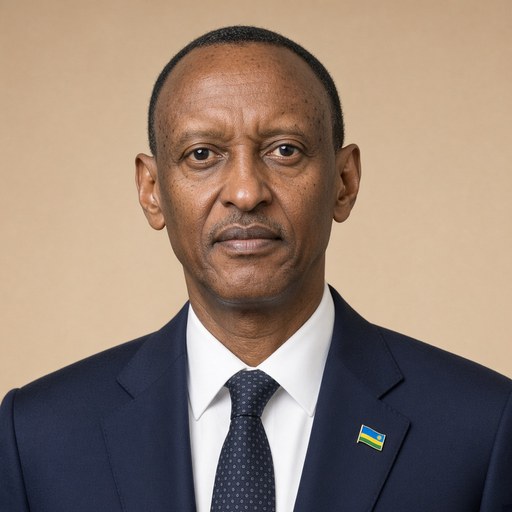
The speech of His Excellency President Paul Kagame on the day of commemoration for the 17th time at Amahoro Stadium, on April 7, 2011.
 Paul Kagame · President of Rwanda
- Context
- Kagame addressed a crowd at Amahoro Stadium on April 7, 2011, marking the 17th commemoration of the Rwandan genocide against the Tutsi.
- Main themes
- Genocide remembrance, national self-worth and dignity, truth and historical memory, denial of the genocide, international justice failures, Rwandan resilience, sovereignty and self-reliance, Never Again, Colonel Bagosora trial, complicity of foreign powers, national rebuilding
- Duration
- ~11 min
- Words
- 1,305
- Sentences
- 68
- Readability
- 69
- Grade
- 8.4
- Syntax
- 2.72
- Vocabulary
- 1.97
Translated from Swahili
The broad sphere of national life a sentence belongs to. Every sentence has an Arena, so it is the denominator the other indices are read against.
Other68 sentences in 12 paragraphs
Today it has been said enough, it is known, it is a day of remembrance. A remembrance on the seventeenth anniversary. We remember with a hundred times, and more. Remembering is important. When you do not remember, you forget yourself. When you do not remember, the evils return. That is the value of this day, of remembering, and we remember based on what has been said, on the truth. We remember by giving ourselves value, especially by giving ourselves value when we have been denied it or when we have denied it to ourselves. We Rwandans have at times denied ourselves value. The first time we denied that value was when we allowed others to take it from us and we accepted it.
So today, there is much to remember, there is much that is painful. But these two words encapsulated in this theme contain much that we must remember. It is that value, it is that truth, and it is that no one else can give it to you without first giving it to yourself. We were stripped of our value, we accepted to lose it. When people say “Never Again” that it will not happen again, they mean that it should not happen again. I cannot dictate how another thinks or how they think of me, but I can dictate how I think. I can dictate my own value, and how I give it to myself.
Those who deny the genocide, those who deny our history, sometimes we have nothing we can do about it. Some live in their countries, some are wealthy, some have great power and strength, we can do nothing about it. But here at home, here in Rwanda, we have something we can do about it: it is to reject it wherever it comes from. In this Rwanda, bodies have died. The body was abused, mistreated, killed brutally. But it is just a body, the heart of Rwanda did not die.
The heart is alive, it will always strive to live, and it will not be defeated. This is within our capacity and our power.
We do not care about what the world says that many watched the genocide being committed. Yes, it is true and it still happens because you find the perpetrators of the genocide living in those countries. What is painful is that those countries are the ones that always come to teach us about justice, human rights, and governance.
Perhaps we should sit down and listen to them, there is no other way we can do it. But there is no other way, we must continue our work of reclaiming our value, it concerns us, no one else.
There are those who talk about international justice, but when we look at Colonel Bagosora who is well known to have conceived the genocide and even admitted it recently, he has been on trial for seventeen years but even now it is not finished. Because there are people with power in this world known to have played a significant role in the genocide who do not want him to be tried because he might reveal the role of others in the genocide and the truth will be known. We should ignore it, we should despise it.
They even go further and change those who participated in the genocide in Rwanda living in their countries, politicians, allowing them to play politics without hindrance. As Rwandans, we must reject that wholeheartedly. And you find that those people are the ones who always want to teach us lessons. When someone does not care about you, it does not prevent you from caring about yourself.
What I was saying, what I started with is that our lives, our value is something we must give to ourselves. You know, even though people accuse the whole world that they watched the genocide in Rwanda happening. It is true they watched. So then, what can you do about it? That is what reminds us that we are the first ones who must fight for ourselves, to give ourselves value. We must give ourselves the truth and build on the truth because no one else will give it to you. The one who could have given it to you is the one who makes you like that, is the one who does not give you value, is the one who tortures you. It is the one who wants to deliver justice and keeps a perpetrator of genocide for seventeen years in trial in such a way that even today it is not finished. What is preventing it? What is preventing the trial from finishing is the involvement of some who do not want that even that person be tried because if he is tried their involvement will be known. Or is it just not caring, is it just not paying attention, but when someone does not care about you it does not prevent you from caring about yourself. That is the essence of remembering, that is the essence of giving ourselves value. Those who lie, I will not dwell on them, because when you speak lies, when you speak untruths, it means that your truth is visible. The truth of who you are is visible. “If you tell lies about me, that is exactly the truth about you.” Rwandans therefore, it is clear: the sorrow, the pain, Rwandans have, but that pain, that sorrow what we can draw from it is the strength to confront it, it is the strength to build a better future for Rwanda, and the path we are on, we have come far, and where we are going is far. It requires us more strength, it requires us to unite, all of us including those you hear in this stadium. Those you hear are history, those are the events that have returned today.
Let us support each other, let us unite to confront all of that; let us confront those who do not give us value by giving it to ourselves. Let us confront the wounds of history and overcome them, let us confront to give a good life to Rwandans in the future, because it is possible for us to give it. Waiting for someone else to give it to you, you will not find it. What is essential is the truth, is the value, is that Rwandan heart that does not die, that does not deserve to die. It is those things we remember today. To remember well therefore, to give ourselves value well, to know the truth well, is how we can do everything possible and never give space to those who mock us. We will not give space to those who mock us so that they can mock us.
It is to fight them, that heart being a heart of struggle, of confronting those who mock Rwanda, we must do everything possible to advance in development, in good life, in the well-being of Rwandans who deserve it. Thus we will unite, we will unite with the friends of Rwanda, we will unite with other brothers in this region we live in, and other brothers from all over Africa thus giving ourselves value because no one else will give it to us. Today is a day of remembrance, it is a day to honor our loved ones with dignity, and even those who are still alive, because for some it is as if they do not exist. But it is to support them, to build them, to remember that as Rwanda, and those loved ones we remember who have died, the body has died but their heart is with us in Rwanda. That heart we use to rebuild ourselves, to build all our loved ones, to build Rwanda.
Thank you, may you always have the Peace of God.
The original Swahili. The tags above are read on the English translation's sentences.
Uyu munsi byavuzwe bihagije ,birazwi, ni umunsi wo kwibuka . Kwibuka ku nshuro ya cumi na karindwi. Tuzibuka n’ubugira ijana, n’ibirenga.Kwibuka ni ngombwa. Iyo utibuka nawe uriyibagirwa. Iyo utibuka, ibibi birasubira. Niko gaciro k’uyu munsi, ko kwibuka, ndetse tukibuka dushingiye nkuko byavuzwe, ku kuri. Tukibuka twiha agaciro, cyane cyane kwiha agaciro igihe twakabujijwe cyangwa se igihe twakiyimye. Twebwe Abanyarwanda hari aho twibujije agaciro. Aha mbere twakibujije ako gaciro ,ni uko twemereye n’abandi bakakatwima tukabyemera.
Uyu munsi rero ibyibukwa ni byinshi, ibibabaje ni byinshi. Ariko aya magambo yombi akubiye muri iyi nsanganyamatsiko, afite byinshi akubiyemo na byo tugomba kwibuka. Ni ako gaciro, ni uko kuri,ni n’uko ntawundi wabiguha, utabanje kubyiha. Twambuwe agaciro, twarabyemeye kugatakaza. Iyo abantu bavuga “Never Again” ko bitazasubira, ni byo bavuga ko bidakwiriye gusubira. Ntabwo nagena uko undi atekereza cyangwa uko antekereza, ariko nagena uko nitekereza. Nanagena agaciro kanjye , n’uko nkiha.
Abapfobya jenoside, abapfobya amateka yacu, rimwe ntacyo dufite twabikorera. Bamwe baba mu bihugu byabo, bimwe bikize, bimwe bifite ubushobozi bwinshi n’imbaraga, ntacyo twabikoraho. Ariko hano iwacu ,hano mu Rwanda, dufite icyo twabikoraho: ni ukubyanga aho byaturuka hose. Muri uru Rwanda, hapfuye umubiri. Umubiri warahohotewe, wagiriwe nabi, wishwe urubozo. Ariko ni umubiri gusa, ntabwo umutima w’u Rwanda wapfuye.
Umutima uriho, uzahora uharanira kubaho, kandi ntuzatsindwa. Ibi biri mu bushobozi n’ububasha bwacu.
Ntitwite ku byo amahanga avuga ko hari benshi barebereye jenoside ikorwa. Yego ni byo kandi biracyaba kubera ko usanga abakoze jenoside bibera muri ibyo bihugu. Ikibabaje ni uko usanga ibyo bihugu ari byo bihora biza kutwigisha kubyerekeranye n’ubutabera, uburenganzira bw’ikiremwa muntu n’ubuyobozi.
Yenda ahari dukwiye kwicara tukabumva, nta kundi twabigenza. Ariko nta kundi, tugomba gukomeza imirimo yacu yo kwigarurira agaciro , ni twe bireba nta wundi.
Hari abavuga iby’ubutabera mpuzamahanga, ariko iyo turebye Koloneli Bagosora uzwi neza ko ari we watekereje jenoside akaba yaranabyiyemereye ejo bundi, amaze imyaka cumi n’irindwi acibwa urubanza ariko na n’ubu ntirurarangira. Kubera ko hari abantu bafite ingufu kuri iyi si bazwiho kuba baragize uruhare rukomeye muri jenoside badashaka ko yacirwa urubanza kubera ko ashobora kuba yavuga uruhare n’abandi bagize muri jenoside ukuri kukamenyekana. Dukwiye kubyima amatwi, tukabisuzugura.
Baranarenga bakanahindura abo bantu bagize uruhare muri jenoside mu Rwanda baba mubihugu byabo, abanyapolitiki, bakabemerera gukina politiki nta nkomyi. Nk’abanyarwanda tugomba kubyangwa twivuye inyuma. Kandi ugasanga abo bantu ari bo bahora bashaka kuduha amasomo. Iyo umuntu atakwitayeho ntibyakubuza kwiyitaho wowe.
Icyo navugaga, icyo nahereyeho mvuga ko ubuzima bwacu, agaciro kacu ari twe tugomba kukiha. Murabizi, n’ubwo abantu barega isi yose ngo bararebereye jenoside mu Rwanda iraba. Ni byo bararebereye. Hanyuma se, wabikorera iki? Ni cyo kitwibutsa ngo nitwe ba mbere tugomba kwirwanaho, tukiha agaciro. Tugomba kwiha ukuri tukubakira ku kuri kuko nta wundi uzabiguha. Uwakabiguhaye ni wa wundi ukugira atyo, ni wawundi utaguha agaciro, ni wa wundi ukwica urubozo. Ni wa wundi ushaka gutanga ubutabera agafata uwakoze jenoside, akamumaza imyaka 17 amucira urubanza ku buryo n’uyu munsi rutararangira. Ikibibuza ni iki? Ikibuza urubanza kurangira ni uruhare rwa bamwe batifuza ko n’uwo atacirwa urubanza kuko aciriwe urubanza uruhare rwabo ruzamenyekana. Cyangwa se ni no kutabyitaho, ni no kutakwitaho, ariko iyo umuntu atakwitayeho ntabwo byakubuza kwiyitaho wowe. Ni cyo cyangombwa cyo kwibuka, ni cyo cyangombwa cyo kwiha agaciro. Ab’ibinyoma, abo ntabwo ndi bubatindeho, kuko iyo umvuze ibinyoma, iyo umvuze ibitaribyo, bivuze ko ukuri kwawe kugaragara. Ukuri k’uko uri kugaragara. “If you tell lies about me, that is exactly the truth about you”. Banyarwanda rero, birumvikana: akababaro, agahinda, Abanyarwanda bafite, ariko ako gahinda, ako kababaro icyo twashobora kubivanamo ni imbaraga zo guhangana nabyo, ni imbaraga zo kubaka ejo hazaza habereye u Rwanda, kandi inzira tuyirimo, tugeze kure, n’aho tujya ni kure. Biradusaba izindi mbaraga, biradusaba gufatana urunana, twese hamwe harimo n’abo mwunva muri iyi stade. Abo mwumva ni amateka, ibyo ni ibyabaye bigarutse uyu munsi.
Nitubafate mu mugongo, dufatane mu mugongo duhangane na biriya byose; duhangane n’abataduha agaciro tukihe. Duhangane n’ibikomere by’amateka tubitsinde, duhangane no kugira ngo duhe ubuzima bwiza Abanyarwanda mu gihe kiri imbere, kuko birashoboka ko twabyiha. Utegereje ko hari undi wabiguha ntabyo uzabona. Icya ngombwa ni ukuri, ni agaciro, ni wa mutima Nyarwanda udapfa, udakwiriye gupfa. Ni byabindi twibuka uyu munsi. Kwibuka neza rero, kwiha agaciro neza, kumenya ukuri neza ,ni uko twakora ibishoboka byose ntitugire na rimwe duha umwanya ab’agashinyaguro banyuramo. Abashinyagura ntabwo twabaha umwanya wo kunyuramo ngo badushinyagurire. Ntabwo badushinyagurira ngo natwe twishinyagurire.
Ni ukubarwanya, wa mutima ukaba umutima wo kurwana wo guhangana na biriya bishinyagurira u Rwanda, tugakora igishoboka cyose tugatera imbere mu majyambere, mu buzima bwiza mu mibereho myiza y’Abanyarwanda bakwiriye. Bityo tuzafatanya, tugafatanya n’inshuti z’uRwanda, tugafatanya n’abandi bavandimwe bo muri aka Karere dutuyemo, n’abandi bavandimwe bo muri Afurika yose bityo tukiha agaciro kuko ntawundi wakaduha. Uyu munsi ni umunsi wo kwibuka, ni umunsi wo kunamira abacu mu cyubahiro, ndetse n’abakiriho, kuko na bo hari bamwe biri nko kutabaho. Ariko ni ukubafata mu mugongo tukabubaka tukibuka ko nk’u Rwanda, n’aba bacu twibuka bapfuye, hapfuye umubiri ariko umutima wabo uri kumwe natwe mu Rwanda. Uwo mutima tuwukoreshe twiyubake, twubake abacu bose, twubake u Rwanda.
Murakoze, muhorane Amahoro y’Imana.