




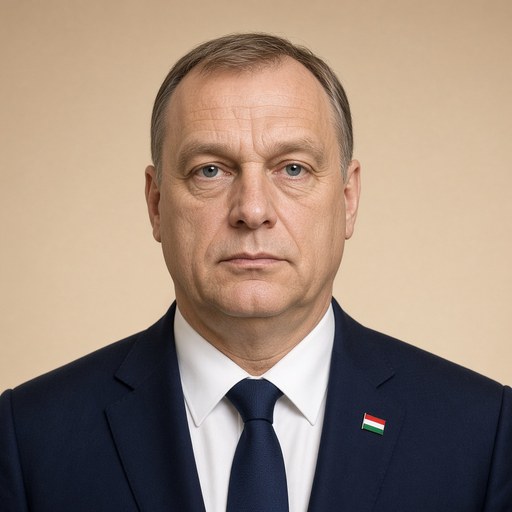

- Context
- Orbán responded to opposition speeches during a Hungarian parliamentary session on September 25, 2023, addressing critiques from DK and Jobbik factions.
- Main themes
- Ceasefire vs. peace negotiations, national cooperation, energy independence, guest worker policy, opposition to Gyurcsány era, Jobbik criticism, migration policy, Hungary's sovereignty, parliamentary debate
- Duration
- ~35 min
- Words
- 4,210
- Sentences
- 218
- Readability
- 61
- Grade
- 9.5
- Syntax
- 2.76
- Vocabulary
- 2.04
Translated from German
The broad sphere of national life a sentence belongs to. Every sentence has an Arena, so it is the denominator the other indices are read against.
Other218 sentences in 28 paragraphs
Mr. President!
Thank you for the floor!
First of all, I can perhaps claim for the first time in many long years that I was impressed by Ferenc Gyurcsány's statement, that someone trusts his wife so much and advocates for her. I wish him much success! In my opinion, it is a mistake what the Prime Minister said, that Hungary would be waging war against anyone. It is not waging war against anyone; we are primarily trying to create national cooperation in Hungary and also around Hungary. "Have we come closer to being a strong nation in general?" – asked the Prime Minister. Regardless of time and space, it is very difficult to answer questions of this type, but perhaps I can risk the assertion that we have come closer to a strong Hungary compared to how the country was during Ferenc Gyurcsány's government. We can say that with certainty. I will go a step further, because after listening to his proposals, I see, I can assume that the plan, the spouse plan, is to bring back the Gyurcsány era in Hungary – at most now not under the name of the spouse. I want to make it clear that in my opinion, Hungary does not want another Gyurcsány era, whatever it may be called. Hungary wants nothing to do with the period from which it could only fight its way out through hard and sweat-inducing work over many years. So, with all due respect to the DK, I can only say that we cannot support their ambitions for government.
The Jobbik. We are still at the beginning of the session period, and therefore a more discreet formulation may still be acceptable, so I will not say about the main speaker of the Jobbik that he lied when he claimed untruths, but rather that we are dealing with a lack of knowledge here. So the claim that Hungary has not done everything in the past ten to thirteen years to achieve as much independence as possible in its energy system can only stem from a lack of knowledge. When the government took office in 2010, Hungary was connected to the outside world by two interconnectors; when the war broke out, there were six. Six is more than two. Obviously, we pursued a policy before the war that allowed Hungary to obtain energy not only from two but from many more, in numerical terms from six alternative sources. It is not worth ignoring this fact in a serious parliamentary statement. You consider price caps to be a communist instrument – I would also advise caution here, as numerous European countries use price caps. It may be that France is considered communist in your view, which does not seem obvious at first glance, and they employ such means. And I do not want to get fully involved in that discussion – which is not so easy to understand – that you claim if we limit the price of something, it leads to price increases. This seems quite absurd to us.
As for the statement of the Jobbik faction leader: It is worth taking a moment to think about the relationship between peace and ceasefire. In my opinion, the question at hand is not what kind of peace there should be, as that is the second step. The first step is called ceasefire. What Hungary wants is not a peace plan, where someone from somewhere presents a peace plan and then everyone is happy and ends the war. What a childish idea that is! In reality, it happens that there is war, you can move the parties to a ceasefire, and then after the ceasefire, peace negotiations can begin. What we need, therefore, is not to fantasize about what a just peace would be, but to stop the mutual killings. The first step is that there should be a ceasefire. If there is a ceasefire, a time and space will emerge in which one can begin to discuss how to make the ceasefire permanent and how peace can emerge from the ceasefire. I would suggest this approach to you. Speculations about just peace do not bring us closer to a ceasefire, but rather take us further away from it.
I also do not quite understand why several of you constantly advocate for the influx of guest workers in the hundreds of thousands to Hungary. Why would we need that? In Hungary, there is a clear rule, which I believe is a good rule and must be adhered to. The rule states that you can only bring in as many guest workers to Hungary as there are unfilled job positions. Why do you want to change this? 500 thousand and these numbers are swirling around here. What nonsense is that?! What nonsense is that! We should uphold the validity of the law that currently exists in Hungary, according to which we can only grant permission to as many guest workers to come to Hungary as there are unfilled job positions, because Hungary belongs to Hungarians, and Hungarian jobs are primarily for Hungarians. Why do you want to change that? That is a good rule!
Allow me to ask the Jobbik faction leader, since he has already taken a stance against migration, whether it could be achieved that your party chairman, who is a Member of the European Parliament, does not vote in Brussels for proposals that support migrants. That would help Hungary a lot!
Dear fellow member Ungár!
You do not understand in what sense Hungary is a climate champion. In the sense that this dilemma must be overcome by almost every country striving for development, that it wants to grow while reducing its emissions, and that results in a ratio, and based on this, one can know who is capable and who is not. This is not usually measured in historical perspectives. Since 1990, Hungary has been able to do this. Growth is significant, and at the same time, emissions are lower than they were before 1990. As far as I remember – I hope I am not mistaken – there were 21 such countries in the past period, and we are among them. We are among the best. Why are we not proud that Hungary is solving this difficult dilemma well and that we belong to the club of climate champions?
Can a national consensus be achieved in foreign policy, but especially in geostrategic matters? That is very difficult! Very difficult, Mr. Member! The reason for this is that in the Western world at this moment, foreign policy has been placed on an ideological basis. You speak of the need to represent values in foreign policy. This makes things extremely difficult, because regarding values, we are generally not of the same opinion, which is why we are in different parties. If I base foreign policy on a values basis, I make unity impossible from the outset. Creating unity in foreign policy is possible on the basis of interests; we assess the mutual national interests and try to act together based on that. We see if we agree – although we are parties representing different values – we see if we think the same about the Hungarian national interest, whether harmony can be created – that cannot be ruled out – and then we will represent that on the basis of interests. But it will not work on a principled basis. If we look at European foreign policy, we will see that it appears everywhere with the claim that in all foreign relations – that is why we also want an independent foreign policy – it pursues an ideologized foreign policy. Today, European values revolve around three things: The war, which must be supported because it is morally right in their opinion, about gender, as it supposedly leads to freedom, and about migration, because for some reason they believe the world would be better if people could move freely from different corners of the world. These are the three European values today. They build European foreign policy on this. How will we reach an agreement on this? We do not agree! We stand on the side of peace regarding the war, instead of supporting gender, we support the traditional family model, and in our view, migration is not good, but bad, and it is good if everyone finds their happiness in the place that dear God has determined as their own homeland. We will not be able to form a consensus! I am not saying that we should not try, because the pursuit of consensus, even if it may remain unsuccessful, already improves the spirit of cooperation, and that is overall good for the country. So I, for my part, do not want to reject the proposal, although I see the difficulties of the government and the opposition, the left parties trying to reach a consensus in foreign policy and geostrategic matters.
Regarding what the Member said about the war, I can only note that war and its outcome are not a wish concert, but a matter of strength. The claim that it is realistic for Russia to reach the eastern border of Hungary with military force must be labeled as foolishness; not just a mistake, because that is stupidity. Let us look at the numbers, the ratios, and the strength! Russia is currently waging an obviously difficult war against Ukraine. How could it defeat NATO? How could Russia reach NATO's borders? It will not get there in any way, my dear fellow member! You can be sure that there is no script that would lead to Hungary and Russia having a common border again. That will not happen! They will not get this far! One does not need to reckon with this script, as we are members of NATO, and NATO is much stronger than that this development would occur. And this applies not only to the Hungarian border but also to Poland and Slovakia. The danger that Russia would even approach our borders is not a realistic assumption. The foreign policy based on that is built on a false axiom, on a false hypothesis.
Ladies and gentlemen!
The matter of the film in Sweden does not excite us, because art is such that one can freely choose its subject and also the opinion about it. We are not the least bit interested in what films are made in Sweden and how that concerns Hungary. That is indifferent to us. What concerns us is what is taught to Swedish children about Hungary in schools. Well, that interests us! That is not a question of freedom of artistic creation, but of state policy. If what we see in that film about Hungary is taught in a state school, in a state school system, then that is a matter that elevates the problem to the level of state policy, international policy, and we will not accept that. This also raises the question of whether anything is pressing us regarding Sweden's NATO membership. I see not a single such circumstance. Sweden's security is not threatened by anything. Nothing threatens it! We have no military connections to Sweden for which we would need to be on guard. The maintenance of the Gripen is an interesting question, but the situation is that at least ten other offers are on the table. It should not be a consideration for Hungary in a political decision from whom we buy something! Let us not make jokes!
Ladies and gentlemen!
The situation is that Sweden's security is not threatened by anything, the Swedish-Hungarian relations do not possess a single strategic element that would be violated if Hungary demands respect from Sweden and only then is ready to make a supportive decision. The analogy to Finland is, in my opinion, incorrect, as the Finns did not wait a single minute for their NATO membership because of Hungary. This claim would be true if Hungary had been the last country to ratify Finland's NATO membership. But that did not happen! We were not the last, therefore it shows a lack of knowledge if this question is raised in any context, if I may use that term again.
It is good that we are talking about this now, even though it may not be the most important question whether it is right to base foreign policy on an emotional foundation – said the honorable representative – and to relate to a country based on whether we love it or not or its ruling party. That is not right! Therefore, I do not recommend a foreign policy that would want to build Hungarian foreign policy on the love established for the respective ruling party. Thus, Hungarian foreign policy never puts anything on just one color, as you said, and especially not on red, but it is certain that there are countries that have governments that constantly attack Hungary and that do not only attack Hungarians – let’s speak plainly! – but give you money so that you can come to power and not us. Who has put everything on one color here? Not those who gave the money? Shouldn’t this question be asked of the Americans? We cooperate with everyone, while one American political party, taking advantage of the opportunity, has given you money to overthrow us. Who has put something on a color here? So, should we provide explanations in American-Hungarian relations? Really? Are we joking?
Ladies and gentlemen!
The situation is that Hungary is ready to cooperate with everyone. The essence of foreign policy is that a country gathers friends and not enemies, goodwill and support; this is what we must strive for, and Hungarian foreign policy is also ready to cooperate with the respective American administration, regardless of what party colors it may have otherwise.
The question of data release also came up. I can tell you that we do not release any data; the laws in Hungary are clear, and they do not allow this for the government.
Demography. Dear Madam Representative, you are knocking on the right door with me. I do not consider your criticism regarding the government to be fair in that the government would not mobilize all available resources in the interest of supporting families. The numbers I work with say that we spend 5.5 percent of our gross domestic product on family support, which is 2,400 billion forints more than it was during the Gyurcsány era, and that is the highest in the European Union. So, criticizing Hungary in a matter where we perform the best in the European Union does not seem fair to me. It may be that more should be spent, yes, I also believe you are right that more is needed, but not for the reason you mention, that we have done nothing – that is unfair – but because the matter is a serious one, the challenge is great, and more must be spent for this purpose. I also agree that the problem should be sought deeper; to elaborate or debate this perhaps in the context of the speeches before the agenda is not a rational undertaking, but the question of whether one wants to have children is fundamentally not a question of the wallet or money, but fundamentally a question of the heart. What we can do – we cannot move hearts; what we can do is to ensure that there is no existential obstacle in front of those whose hearts are moved and who would like to have children that would deter them from this desire. That is what we can do; I believe we cannot do more. It is also not fair of you, Madam Representative, to claim that we have ended the systems for supporting families. That does not exist! There is no such situation! There will not be one… No! No, no, no, the support for renovating apartments has nothing to do with family support, but the support for creating homes very much does. There will not be a moment when the benefit for creating homes will be stopped and not replaced by some other form of support. Because by the end of the year, this system will end, and at the beginning of the next year, we will announce another one. We will not only maintain the benefit for creating homes in the village, but we will also increase its amount, and the urban one, for which interest has waned, we could also maintain, but in my opinion, that is not a rational proposal on your part, as we see that in the cities, the form of support for the benefit of creating homes is no longer sufficient; instead of maintaining it, a new thing must be started there, and we will also start that in January. So, what you say, that something has been lost and nothing else has taken its place, does not correspond to reality. Such a situation will not exist. And perhaps we can also agree that family policy must fundamentally be based on supporting mothers; the government is happy to accept any of your proposals in this regard.
I do not agree with my fellow representative Bertalan Tóth, who would claim that all that we have talked about so far is not good news for the Hungarian people. In my opinion, it is good news that it has been possible to protect every job. So, the very difficult period of the past, COVID and then the war, did not lead to a decrease in the number of people working in Hungary; on the contrary: the number of working people has increased even despite the crisis, even in the last months, meaning that it was possible to protect jobs. Inflation was high, but it is possible to protect retirees as well, because the Minister of Finance was able to align the state budget in such a way that we can pay retirees the pension increases they are entitled to by law. We have been able to do this so far, and we will also be able to do this in November to provide the missing amount to them in accordance with the laws. That we have been able to protect pensions under such conditions is, in my opinion, good news and a serious achievement. I can also name a European country where, with 17 percent inflation, pensions were raised by 2 percent; there are more than one country where the inflation situation has been resolved to the detriment of retirees, but Hungary does not want to resolve the inflation situation at the expense of retirees – that is what you did, my dear fellow representative, you resolved it by taking away a monthly pension. You did that! We did not do that; we do not want to do that either, which is why it is good news for retirees that we do not have a Gyurcsány era now, and therefore we will give retirees the amount that is necessary for their lives at this inflation. And in a similar way, we are fighting for wages to show at least as many percentage points of increase by the end of the year as inflation has been – we will see if this succeeds. We very much hope that by the end of the year it will turn out that real wages have not decreased year-on-year. That is very difficult, and it is also not certain whether it will succeed, but we are doing everything in the interest of making it so, and now I can already tell you with certainty, excuse me, with a high probability I can tell you that in 2024, according to our plans, it will also happen that wages will rise more than inflation. So, there will be a real wage increase again in 2024, and, we hope, also in 2025.
I do not want to offend my fellow representative Bertalan Tóth, but I feel some kind of spiritual defect in your wishing for Hungary not to receive the resources from the European Union. Do you think that is normal? So, that according to the laws, a certain amount is due to us from the European Union, it is due to Hungarians, it cannot be denied to them, it is due to them, and for political reasons, they only give it very reluctantly, through all possible hard negotiations, if they give it at all, and you are happy about that. Is that good? In my opinion, that is not a normal thing. That is distinctly a spiritual defect. How can someone root against their own country? I suggest that you talk to your representatives who sit out there in the European Parliament and regularly express themselves on this issue, and tell them to say in Brussels that they should not give support to Hungary; get them to do that – after all, they are Hungarians… In this matter, since my fellow representative Péter Ungár has already spoken about it, that it would be good to create some consensus on this issue… Is it being stolen? What? The teachers will steal the money that should be given to the teachers from Brussels… Then at least… Then at least support this! It should not be difficult for you; you should at least support the salaries of Hungarian teachers, ladies and gentlemen!
I inform my fellow representatives that there is a rule that does not allow any investment in Hungary to receive greater support than the resulting state revenues will be. All the horror stories about what you say, that the Hungarian state supports investments more than what comes back from them – that is simply a mistake! Legislation excludes that, and this legislation was not only valid but is still valid now, so you can be sure that in Hungary, every support for an investment pays off for Hungary.
This brings us to the question of the automotive industry. Today, about 140,000 people work directly in the automotive industry in Hungary. According to international standards, this number is multiplied by four to determine how many families indirectly live off the automotive industry. By rough estimates, we can talk about 500,000 people. So today, 500,000 people in Hungary earn their daily bread in a field related to the automotive industry for their families. Since the European Union has decided that the factories that currently produce in Hungary will not be allowed to produce after 2035, at least not such cars, there are two options: one is to close them; they will close these businesses. Let’s imagine Győr without Audi: closed! In Kecskemét: no Mercedes factory. The BMW factory operates for only ten years, and then it’s over. Just imagine that! The only way to avoid this is to carry out a technological change in these businesses and to settle an industry next to them that will keep these factories operational even after 2035. If there is a battery factory next to the car factory, there will be work in the car factory. If there isn’t, it will be closed. What you say, those who argue against battery factories, you are actually arguing for the closure of today’s Hungarian industrial vehicle manufacturing capacity. Are you aware of what you are saying? I recommend that you reconsider this; we should discuss it. I am convinced that it is in Hungary’s interest, while adhering to the strictest environmental regulations, to provide reliable, measured, calm answers to the fears of the population and to save those capacities in manufacturing where people today earn their daily bread. That is possible; we are working on it, and I ask you not to hinder this but rather to support it. As is done by the opposition in all Western European countries. It is also an absurd thing that in Hungary, the groups that consider themselves green attack the battery factories. Do you know what the motto of the Greens in Germany is? Batteries are a piece of the future. Those are your comrades! Study what is happening there!
Ladies and gentlemen!
And this question of water demand also comes up all the time. I want you to know that Hungary exports more water than water flows into the country. This means we have a surplus that we can capture; if we want and if it is necessary, we can bring this amount of water through the Hungarian sewage system anywhere – if it is necessary! Hungary is not suffering from any water shortage today, and if the demand increases, we are able to meet that demand. That is a very simple mathematical question. The flow rate of the Danube brings more water in five seconds than the annual demand of a battery factory. Let’s not be laughed at! So, I want to tell you that neither the aspects of environmental protection nor the water industry nor the jobs support the position that we should not settle the most modern technology of Europe in Hungary.
Ladies and gentlemen!
In conclusion, I would also like to respond to my fellow representative Gelencsér, but I had the impression that his speech was nothing more than a hopeless struggle with meaning. I cannot make anything of that, but I wish him luck.
The original German. The tags above are read on the English translation's sentences.
Sehr geehrter Herr Präsident!
Vielen Dank für das Wort!
Zunächst einmal kann ich vielleicht nach vielen langen-langen Jahren das erste Mal behaupten, in der Wortmeldung von Ferenc Gyurcsány hat mir imponiert, dass jemand dermaßen seiner Frau vertraut und er sich für sie einsetzt. Ich wünsche viel Erfolg! Das ist meiner Ansicht nach ein Irrtum, was der Herr Ministerpräsident gesagt hat, wonach Ungarn gegen irgendjemanden Krieg führen würde. Es führt gegen niemanden irgendeinen Krieg, wir versuchen vor allem die nationale Zusammenarbeit in Ungarn und auch um Ungarn herum zu erschaffen. „Sind wir der starken Nation im Allgemeinen nähergekommen?” – fragte der Herr Ministerpräsident. Unabhängig von Zeit und Raum ist es sehr schwer, Fragen dieses Typs zu beantworten, aber vielleicht kann ich die Behauptung riskieren, dass wir einem starken Ungarn im Vergleich zu dem nähergekommen sind, wie das Land zur Zeit der Regierung von Ferenc Gyurcsány war. Das können wir mit Sicherheit sagen. Ich gehe auch noch einen Schritt weiter, denn nachdem ich mir seine Vorschläge angehört habe, sehe ich, ich kann vermuten, der Plan, der Ehepartner-Plan ist, in Ungarn die Ära Gyurcsány zurückzubringen – höchstens jetzt nicht unter dem Namen des Ehegatten. Ich möchte klarstellen, dass meiner Ansicht nach Ungarn keine weitere Ära Gyurcsány möchte, wie immer sie auch genannt werden sollte. Ungarn möchte nichts von der Periode wissen, aus der es sich nur mit der harten und schweißtreibenden Arbeit langer Jahre herauskämpfen konnte. Also kann ich bei allem Respekt der DK nur sagen, wir können ihre Regierungsambitionen nicht unterstützen.
Der Jobbik. Wir sind jetzt noch am Anfang der Sitzungsperiode und deshalb ist eine dezentere Formulierung vielleicht noch akzeptabel, ich sage also nicht über den Hauptredner des Jobbik, er habe, als er die Unwahrheit behauptete, gelogen, sondern lieber nur, dass wir es hier mit einem Kenntnismangel zu tun haben. Also die Behauptung, Ungarn hätte in den vergangenen zehn-dreizehn Jahren nicht alles getan, um in seinem Energiesystem eine möglichst große Unabhängigkeit zu erlangen, solch eine Behauptung kann nur einem Kenntnismangel entspringen. Als die Regierung ihre Arbeit 2010 aufnahm, war Ungarn durch zwei Interkonnektoren mit der Außenwelt verbunden, als der Krieg ausbrach, waren es sechs. Sechs sind mehr als zwei. Offensichtlich haben wir also im Zeitraum vor dem Krieg eine Politik verfolgt, die es ermöglichte, dass Ungarn nicht nur aus zwei, sondern aus viel mehr als diesen, der Zahl nach aus sechs alternativen Quellen an Energie gelangen konnte. Es lohnt sich nicht diese Tatsache in einer seriösen parlamentarischen Wortmeldung außer Acht zu lassen. Die Preisdeckel betrachten Sie als ein kommunistisches Instrument – auch hier würde ich zur Vorsicht raten, denn zahlreiche europäische Länder benutzen Preisdeckel. Es mag sein, dass Frankreich nach Ihrer Auffassung kommunistisch ist, dies scheint auf den ersten Blick nicht offensichtlich zu sein, und sie wenden solche Mittel an. Und in jene Diskussion möchte ich mich vollends nicht verwickeln – was nicht so leicht zu verstehen ist –, dass Sie behaupten, wenn wir den Preis von etwas beschränken, dann führt das zu Preissteigerungen. Dies erscheint uns ziemlich absurd.
Was noch die Wortmeldung des Fraktionschefs des Jobbik anbetrifft: Es lohnt sich für einen Moment über den Zusammenhang von Frieden und Feuerpause nachzudenken. Meiner Ansicht nach ist es nicht die zur Diskussion stehende Frage, was für einen Frieden es geben soll, denn das ist der zweite Schritt. Der erste Schritt heißt Feuerpause. Was Ungarn will, das ist kein Friedensplan, dass irgendjemand von irgendwoher einen Friedensplan vorlegt und dann werden dadurch alle glücklich und beenden den Krieg. Was für eine kindische Vorstellung ist das! In der Wirklichkeit geschieht das so, dass es Krieg gibt, man kann die Parteien zum Waffenstillstand bewegen, und dann kann man nach der Feuerpause die Friedensverhandlungen beginnen. Was wir also brauchen, das ist nicht ein Phantasieren darüber, wie der gerechte Frieden wäre, sondern dass sie mit dem gegenseitigen Morden aufhören. Der erste Schritt ist, dass es eine Feuerpause geben soll. Wenn es eine Feuerpause gibt, entsteht eine Zeit, ein Raum, in dem man darüber zu sprechen beginnen kann, wie man die Feuerpause beständig werden lassen kann und wie aus der Feuerpause Frieden wird. Ich würde Ihnen diese Annäherung vorschlagen. Die Spekulationen über den gerechten Frieden bringen uns der Feuerpause nicht näher, sondern entfernen uns von ihr.
Ich verstehe auch nicht ganz genau, warum mehrere von Ihnen ständig das Hereinbringen von Gastarbeitern zu Hunderttausenden nach Ungarn propagieren. Warum hätten wir das nötig? In Ungarn gibt es eine klare Regel, die meiner Ansicht nach eine gute Regel ist und sie muss eingehalten werden. Die Regel sagt, man kann nur so viele Gastarbeiter nach Ungarn hereinbringen, wie es unbesetzte Arbeitsstellen gibt. Warum wollen Sie dies verändern? 500 tausend und es schwirren hier diese Zahlen herum. Was für ein Unsinn ist das?! Was für ein Unsinn ist das! Wir sollten die Gültigkeit des Gesetzes aufrechterhalten, das heute in Ungarn besteht, laut dem wir nur so vielen Gastarbeitern eine Erlaubnis geben können, nach Ungarn zu kommen, wie es unbesetzte Arbeitsstellen gibt, denn Ungarn gehört den Ungarn, und die ungarischen Arbeitsplätze stehen in erster Linie den Ungarn zu. Warum wollen Sie das verändern? Das ist eine gute Regel!
Erlauben Sie mir hiernach, den Fraktionsführer des Jobbik darum zu bitten, wenn er hier schon gegen die Migration Stellung genommen hat, ob man das erreichen könnte, dass Ihr Parteivorsitzender, der ein Abgeordneter des Europäischen Parlaments ist, in Brüssel nicht für die auf Seiten der Migranten stehenden Anträge stimmt. Das würde Ungarn doch viel helfen!
Sehr geehrter Mitabgeordneter Ungár!
Sie verstehen nicht, in welchem Sinne Ungarn ein Klimachampion ist. In dem Sinne, dass dieses Dilemma beinahe jedes Land, das nach Entwicklung strebt, überwinden muss, dass es gleichzeitig wachsen und seinen Schadstoffausstoß senken möchte, und das ergibt eine Verhältniszahl, und aufgrund dieser kann man wissen, wer dazu in der Lage ist und wer nicht. Das pflegt man nicht in historischen Perspektiven zu messen. Seit 1990 war Ungarn hierzu in der Lage. Das Wachstum ist groß und zugleich ist der Ausstoß kleiner, als er vor 1990 gewesen war. Soweit ich mich erinnere – ich hoffe, ich irre mich nicht sehr – gab es im vergangenen Zeitraum 21 solche Länder und wir sind unter diesen. Wir sind unter den besten. Warum sind wir nicht darauf stolz, dass Ungarn dieses schwierige Dilemma gut löst und wir zu dem Klub der Klimachampions gehören?
Kann man einen nationalen Konsens in außenpolitischen, aber besonders in geostrategischen Fragen erzielen? Das ist sehr schwer! Sehr schwer, Herr Abgeordneter! Der Grund dafür ist, dass man in der westlichen Welt in diesem Moment die Außenpolitik auf ideologische Grundlage gestellt hat. Sie sprechen darüber, dass man in der Außenpolitik Werte vertreten muss. Das erschwert die Sache ungemein, denn hinsichtlich der Werte sind wir im Allgemeinen nicht der gleichen Ansicht, deshalb sind wir in verschiedenen Parteien. Wenn ich die Außenpolitik auf eine Wertegrundlage setze, mache ich die Einheit von Vornherein unmöglich. Eine Einheit in der Außenpolitik zu schaffen ist auf Interessengrundlage möglich; wir ermessen die gegenseitigen nationalen Interessen und versuchen aufgrund dieser gemeinsam aufzutreten. Wir schauen, ob wir übereinstimmen – obwohl wir unterschiedliche Werte vertretende Parteien sind –, wir schauen, ob wir über das ungarische nationale Interesse das gleiche denken, ob man eine Harmonie schaffen kann – das ist nicht auszuschließen –, und danach werden wir das auf Interessensgrundlage vertreten. Doch auf prinzipieller Grundlage wird dies nicht gehen. wenn wir die europäische Außenpolitik betrachten, dann werden wir sehen, dass sie überall mit dem Anspruch auftreten, in allen Außenbeziehungen – deshalb wollen wir unter anderem auch eine eigene Außenpolitik –, dass sie eine ideologisierte Außenpolitik verfolgen. Bei den europäischen Werten geht es heute um drei Sachen: Den Krieg, der unterstützt werden muss, da er ihrer Meinung nach moralisch richtig ist, über das Gender, denn das führt ihrer Ansicht nach zur Freiheit, und über die Migration, weil sie aus irgendeinem Grund glauben, die Welt würde besser werden, wenn die Menschen sich aus den verschiedenen Ecken der Welt frei bewegen können. Diese drei europäischen Werte gibt es heute. Hierauf bauen sie die europäische Außenpolitik auf. Wie werden wir hierüber eine Übereinkunft erreichen? Wir sind damit nicht einverstanden! Wir stehen gegenüber dem Krieg auf der Seite des Friedens, statt des Genders unterstützen wir das traditionelle Familienmodell und unserer Ansicht nach ist die Migration nicht gut, sondern schlecht, und gut ist, wenn ein jeder an dem Ort sein Glück findet, den ihm der liebe Gott als seine eigene Heimat bestimmt hat. Wir werden keinen Konsens ausbilden können! Ich sage nicht, dass wir das nicht versuchen sollten, denn das Streben nach einem Konsens, selbst wenn es eventuell ohne Erfolg bleibt, verbessert an sich schon den Geist der Zusammenarbeit, und das ist insgesamt doch gut für das Land. Also ich meinerseits möchte den Vorschlag nicht zurückweisen, obwohl ich die Schwierigkeiten dessen sehe, dass die Regierung und die oppositionellen, die linken Parteien versuchen sollen, in außenpolitischen und geostrategischen Fragen einen Konsens zu erreichen.
Was der Herr Abgeordnete über den Krieg gesagt hat, dazu kann ich nur anmerken, dass der Krieg und dessen Ergebnis kein Wunschkonzert sind, sondern eine Frage der Stärke. Die Behauptung, es sei realistisch, dass Russland mit militärischer Kraft bis an die Ostgrenze Ungarns käme, muss ich als Eselei bezeichnen; nicht einfach nur als einen Irrtum, denn das ist eine Dummheit. Betrachten wir die Zahlen, die Verhältnisse, und die Stärke! Russland führt heute einen offensichtlich schwierigen Krieg gegen die Ukraine. Wie könnte es die NATO besiegen? Wie käme Russland an die Grenzen der NATO? Es wird auf keine Weise dahin gelangen, mein sehr geehrter Mitabgeordneter! Sie können sich darin sicher sein, dass es kein Drehbuch gibt, welches zu dem Ergebnis führen würde, dass Ungarn und Russland erneut eine gemeinsame Grenze haben werden. Das wird es nicht geben! Sie werden nicht bis hierher gelangen! Mit diesem Drehbuch muss man nicht rechnen, da wir Mitglied der NATO sind und die NATO viel stärker ist, als dass diese Entwicklung eintreten würde. Und dies gilt nicht nur für die ungarische Grenze, sondern das gilt auch für Polen und die Slowakei. Jene Gefahr, dass Russland sich unseren Grenzen auch nur annähere, ist keine realistische Annahme. Die davon ausgehende Außenpolitik baut auf ein falsches Axiom, auf eine falsche Hypothese auf.
Meine sehr geehrten Damen und Herren!
Die Angelegenheit des Films in Schweden bringt uns an sich nicht in Wallungen, denn die Kunst ist eben so, dass man auch ihr Thema frei wählen darf und auch die Meinung über sie. Uns interessiert nicht im Geringsten, was für Filme in Schweden gemacht werden und wie das Ungarn betrifft. Das ist für uns gleichgültig. Das betrifft uns aber, was in den Schulen den schwedischen Kindern über Ungarn gelehrt wird. Na, das interessiert uns! Das ist nämlich keine Frage der Freiheit der künstlerischen Schöpfung, sondern die der staatlichen Politik. Wenn in einer staatlichen Schule, einem staatlichen Schulsystem das unterrichtet wird, was wir in jenem Film über Ungarn sehen, dann ist das eine Sache, die das Problem in den Rang der staatlichen Politik, der internationalen Politik hebt und das werden wir nicht akzeptieren. Daraus ergibt sich auch die Frage, ob uns irgendetwas in der Sache der NATO-Mitgliedschaft Schwedens drängt. Ich sehe keinen einzigen solchen Umstand. Die Sicherheit Schwedens wird durch nichts gefährdet. Nichts gefährdet sie! Wir haben keinerlei militärische Verbindungen zu Schweden, wegen der wir auf der Hut sein müssten. Die Beibehaltung der Gripen ist eine interessante Frage, aber die Situation ist die, dass mindestens zehn andere Angebote auf dem Tisch liegen. Nicht dass es ein Gesichtspunkt für Ungarn bei einer politischen Entscheidung sein soll, von wem wir etwas kaufen! Machen wir doch keine Witze!
Meine sehr geehrten Damen und Herren!
Die Lage ist die, dass die Sicherheit Schwedens durch nichts gefährdet wird, die schwedisch-ungarischen Beziehungen besitzen kein einziges strategisches Element, das verletzt werden würde, wenn Ungarn sich den Respekt von Schweden einfordert, und erst danach bereit ist, eine unterstützende Entscheidung zu treffen. Die Analogie zu Finnland ist meiner Ansicht nach unzutreffend, da die Finnen keine einzige Minute auf ihre NATO-Mitgliedschaft wegen Ungarn gewartet haben. Diese Behauptung wäre dann wahr, wenn Ungarn das letzte Land gewesen wäre, das die NATO-Mitgliedschaft Finnlands ratifiziert hat. Doch das ist nicht so geschehen! Nicht wir waren die letzten, deshalb zeugt es von mangelnden Kenntnissen, wenn man diese Frage in irgendeinem Zusammenhang vorbringt, wenn ich diesen Begriff erneut benutzen darf.
Gut, dass wir jetzt darüber reden, obwohl es jetzt vielleicht nicht die wichtigste Frage ist, ob es richtig ist, die Außenpolitik auf eine emotionale Basis zu stellen – sagte der Herr Angeordnete –, und sich aufgrund dessen zu einem Land in ein Verhältnis setzen, ob wir es lieben oder nicht oder dessen Regierungspartei. Das ist nicht richtig! Ich empfehle also keine Außenpolitik, die die ungarische Außenpolitik auf die zur jeweiligen Regierungspartei etablierten Liebe aufbauen möchte. Deshalb setzt die ungarische Außenpolitik niemals etwas auf nur eine Farbe, wie Sie das sagten, und besonders nicht auf Rot, doch ist sicher, dass es Länder gibt, die über Regierungen verfügen, die Ungarn ständig attackieren und die Ungarn nicht nur angreifen – reden wir geradeheraus! –, sondern Ihnen Geld geben, damit Sie an die Regierung kommen und nicht wir. Wer hat hier alles auf eine Farbe gesetzt? Nicht die, die das Geld gegeben haben? Müsste man diese Frage nicht den Amerikanern stellen? Wir kooperieren mit allen, während die eine amerikanische Regierungspartei, die Gelegenheit nutzend, Ihnen Geld gegeben hat, um uns zu stürzen. Wer hat hier auf die Farbe was gesetzt? Also müssten wir in den amerikanisch-ungarischen Beziehungen Erklärungen liefern? Wirklich? Machen wir Witze?
Meine sehr geehrten Damen und Herren!
Die Situation ist die, dass Ungarn mit einem jeden zur Kooperation bereit ist. Das Wesen der Außenpolitik ist, dass ein Land Freunde sammelt und keine Feinde, guten Willen und Unterstützung, hiernach muss man streben, die ungarische Außenpolitik ist auch bereit, mit der jeweiligen amerikanischen Administration zusammenzuarbeiten, unabhängig davon, welche Parteifarben sie im Übrigen besitzt.
Auch die Frage der Herausgabe der Daten kam vor. Ich kann Ihnen sagen, wir geben keinerlei Daten heraus, die Gesetze sind in Ungarn klar, und sie ermöglichen dies der Regierung nicht.
Demografie. Sehr geehrte Frau Abgeordnete, bei mir klopfen Sie an der richtigen Tür. Ihre Kritik im Zusammenhang mit der Regierung halte ich in der Hinsicht nicht für fair, dass die Regierung nicht alle erreichbaren Quellen im Interesse der Unterstützung der Familien mobilisieren würde. Die Zahlen, mit denen ich arbeite, sagen, dass wir 5,5 Prozent unseres Bruttosozialproduktes für die Unterstützung der Familien aufwenden, das sind um 2.400 Milliarden Forint mehr als es in der Ära Gyurcsány war und das ist am höchsten in der Europäischen Union. Also Ungarn in einer Angelegenheit zu kritisieren, in der wir in der Europäischen Union die beste Leistung erbringen, erscheint mir nicht fair. Mag sein, dass man mehr aufwenden müsste, ja ich glaube auch, Sie haben Recht, dass noch mehr nötig wäre, aber nicht aus dem Grund, den Sie nennen, dass wir nichts getan hätten – das ist unfair –, sondern weil die Angelegenheit eine ernsthafte ist, die Herausforderung ist groß und man muss noch mehr zu diesem Zweck aufwenden. Ich stimme auch dem zu, dass das Problem tiefer zu suchen ist, das auszuführen oder zu debattieren vielleicht im Rahmen der Wortmeldungen vor der Tagesordnung kein rationales Unterfangen ist, doch ist die Frage, ob man Kinder haben will, grundlegend keine Frage des Portemonnaies oder des Geldes, sondern grundsätzlich eine Frage des Herzens. Was wir tun können – wir können die Herzen nicht in Bewegung setzen, was wir tun können, ist –, dass sich vor jenen, deren Herzen sich bewegen und gerne Kinder hätten kein existenzielles Hindernis erstreckt, das sie von diesem ihren Wunsch abbringen würde. Das können wir tun, mehr, glaube ich, nicht. Es ist auch nicht fair von Ihnen, Frau Abgeordnete, dass Sie behaupten, wir hätten die Systeme zur Unterstützung der Familien beendet. Das gibt es nicht! Es gibt keine solche Situation! So eine wird es nicht geben… Nein! Nein, nein, nein, die Unterstützung zur Renovierung von Wohnungen hat nichts mit der Unterstützung der Familien zu tun, die Unterstützung zur Schaffung von Eigenheimen aber sehr wohl. Es wird keinen Moment geben, in dem die Vergünstigung zur Schaffung von Eigenheimen eingestellt werden und an ihre Stelle nicht irgendeine andere Form der Unterstützung treten würde. Denn bis zum Ende des Jahres geht dieses System zu Ende und vom Beginn des nächsten Jahres werden wir ein anderes ankündigen. Die Vergünstigung zur Schaffung von Eigenheimen auf dem Dorf werden wir nicht nur beibehalten, sondern ihre Summe erhöhen und die städtische, für die das Interesse nachgelassen hat, könnten wir auch beibehalten, doch ist das meiner Ansicht nach kein rationaler Vorschlag Ihrerseits, da wir sehen, dass in den Städten die Unterstützungsform der Vergünstigung zur Schaffung von Eigenheimen nicht mehr ausreicht, anstatt diese aufrechtzuerhalten muss dort eine neue Sache gestartet werden und diese werden wir ab Januar auch starten. Also ist das, was Sie sagen, etwas wäre verlorengegangen und es sei noch nichts anderes an seine Stelle getreten, das entspricht nicht der Wirklichkeit. Solch eine Situation wird es nicht geben. Und vielleicht können wir auch noch darin übereinstimmen, dass man die Familienpolitik grundsätzlich auf die Unterstützung der Mütter aufbauen muss, jedweden Ihrer Vorschläge hierzu nimmt die Regierung gerne entgegen.
Ich stimme meinem Mitabgeordneten Bertalan Tóth nicht zu, der behaupten würde, all das, worüber wir bisher gesprochen haben, sei keine gute Nachricht für die ungarischen Menschen. Meiner Ansicht nach ist es eine gute Nachricht, dass es gelungen ist, jeden Arbeitsplatz zu schützen. Also haben der vergangene sehr schwierige Zeitraum, COVID und danach der Krieg nicht dazu geführt, dass die Zahl der in Ungarn arbeitenden Menschen abgenommen hätte; im Gegenteil: Die Zahl der arbeitenden Menschen hat auch trotz der Krise zugenommen, selbst in den letzten Monaten, d.h. es gelang, die Arbeitsplätze zu schützen. Die Inflation war hoch, aber es gelingt, auch die Rentner zu schützen, denn der Finanzminister war in der Lage, den Staatshaushalt auf die Weise auszurichten, damit wir den Rentnern die ihnen im Übrigen laut Gesetz zustehenden Rentenerhöhungen auszahlen. Hierzu waren wir bisher in der Lage und wir werden dazu auch im November in der Lage sein, um die noch fehlende Summe im November den Gesetzen entsprechend ihnen zu geben. Dass wir unter solchen Bedingungen die Renten schützen konnten, ist meiner Ansicht nach eine gute Nachricht und eine ernsthafte Leistung. Ich kann auch ein europäisches Land nennen, in dem bei 17 Prozent Inflation die Renten um 2 Prozent angehoben wurden; es gibt mehr als nur ein Land, in denen man die Inflationslage zu Ungunsten der Rentner gelöst hat, doch Ungarn will die Inflationslage nicht auf Kosten der Rentner lösen – das haben Sie getan, mein sehr geehrter Mitabgeordneter, Sie haben das gelöst, indem Sie eine Monatsrente weggenommen haben. Sie haben das getan! Wir haben dies nicht getan, wir wollen das auch nicht, deshalb ist es eine gute Nachricht für die Rentner, dass wir jetzt keine Gyurcsány-Ära haben und deshalb werden wir den Rentnern die Summe geben, die bei dieser Inflation zu ihrem Leben notwendig ist. Und auf ähnliche Weise kämpfen wir dafür, dass die Löhne bis zum Jahresende wenigstens so viele Prozente des Anstiegs zeigen, wie die Inflation betragen hat – wir werden sehen, ob dies gelingt. Wir wünschen uns sehr, wenn sich am Ende des Jahres herausstellen würde, dass die Reallöhne im Jahresvergleich nicht abgenommen haben. Das ist sehr schwierig, und es ist auch nicht sicher, ob es gelingt, aber wir unternehmen alles im Interesse dessen, dass dies so sei, und jetzt kann ich Ihnen schon mit Sicherheit sagen, Verzeihung, mit großer Wahrscheinlichkeit kann ich Ihnen sagen, dass es im Jahr 2024 laut unseren Plänen auch eintreten wird, dass die Löhne mehr steigen werden als die Inflation. Es wird also 2024 wieder einen Reallohnanstieg geben und, so hoffen wir, auch 2025.
Ich möchte meinem Mitabgeordneten Bertalan Tóth nicht zu nahetreten, doch ich empfinde darin irgendeine Art von seelischem Defekt, dass Sie dafür die Daumen drücken, damit Ungarn nicht die Quellen aus der Europäischen Union erhalte. Ist das Ihrer Ansicht nach normal? Also, dass uns laut den Gesetzen eine bestimmte Summe aus der Europäisch Union zusteht, dies steht den Ungarn zu, man kann sie ihnen nicht verweigern, das steht ihnen zu, und aus politischen Gründen geben sie diese nur sehr schwerfällig, über alle möglichen harten Verhandlungen, wenn sie sie überhaupt geben, und Sie freuen sich darüber. Ist das gut? Meiner Ansicht nach ist das keine normale Sache. Das ist ausgesprochen ein seelischer Defekt. Wie kann jemand gegen sein eigenes Land die Daumen drücken? Ich schlage vor, dass Sie Ihre Abgeordneten, die dort draußen im Europäischen Parlament sitzen und die sich regelmäßig in dieser Frage äußern, und sagen, dort in Brüssel sagen, man solle die Unterstützungen Ungarn nicht geben, bringen Sie sie dazu, dies nicht zu tun – es sind ja schließlich doch Ungarn… In dieser Angelegenheit, wenn schon mein Mitabgeordneter Péter Ungár darüber gesprochen hat, dass es gut wäre, irgendeinen Konsens zu schaffen in dieser Angelegenheit… Es wird geklaut? Was? Die Lehrer werden das Geld klauen, dass man aus Brüssel den Lehrern geben müsste… Dann wenigstens… Dann unterstützen Sie wenigstens dies! Es sollte Ihnen nicht schwerfallen, Sie sollten zumindest die Gehälter der ungarischen Lehrer unterstützen, meine sehr geehrten Damen und Herren!
Ich setze meine Mitabgeordneten darüber in Kenntnis, dass es eine Regel gibt, die es nicht ermöglicht, dass man in Ungarn zu irgendeiner Investition eine größere Unterstützung zahlt, als die daraus entspringenden staatlichen Mehreinnahmen betragen werden. Alle Horrornachrichten darüber, was Sie hier sagen, dass der ungarische Staat Investitionen stärker unterstütze, als was daraus zurückkommt – das ist ganz einfach ein Irrtum! Das schließen Rechtsvorschriften aus und diese Rechtsvorschriften waren nicht nur gültig, sondern sie sind es auch jetzt, deshalb können Sie sich darin sicher sein, dass in Ungarn jede Unterstützung einer Investition sich für Ungarn rentiert.
Das führt uns zur Frage der Autoindustrie. In Ungarn arbeiten heute etwa 140 tausend Menschen unmittelbar in der Fahrzeugindustrie. Laut internationalen Standards multipliziert man diese Zahl mit vier, damit sich herausstellt oder man die Zahl erhält, wie viele Familien von der Autoindustrie mittelbar leben. Nach groben Schätzungen können wir von 500 tausend Menschen sprechen. Heute verdienen also in Ungarn 500 tausend Menschen in einem mit der Autoindustrie verbundenen Tätigkeitsbereich für ihre Familie das tägliche Brot. Da die Europäische Union beschlossen hat, dass die Fabriken, die heute in Ungarn produzieren, nach 2035 nicht mehr produzieren dürfen, zumindest nicht solche Autos, deshalb gibt es zwei Möglichkeiten: Die eine, diese zu schließen, sie werden diese Betriebe schließen. Stellen wir uns Győr ohne Audi vor: Geschlossen! In Kecskemét: keine Mercedes-Fabrik. Die BMW-Fabrik arbeitet nur zehn Jahre und dann ist Schluss. Stellen Sie sich das vor! Das kann man auf eine einzige Weise vermeiden, und man kann das tägliche Brot der dort arbeitenden und unmittelbar mit ihnen verbundenen 500 tausend Familien auf eine einzige Weise retten, wenn wir in diesen Betrieben einen technologischen Wechsel durchführen und eine solche Industrie neben sie ansiedeln, die diese Fabriken auch nach 2035 funktionsfähig hält. Wenn es eine Batteriefabrik neben der Autofabrik gibt, wird es Arbeit in der Autofabrik geben. Wenn es sie nicht gibt, wird sie geschlossen. Was Sie sagen, die gegen die Batteriefabriken argumentieren, damit argumentieren Sie in Wirklichkeit für die Schließung der heutigen ungarischen industriellen Fahrzeugbaukapazität. Sind Sie sich dessen bewusst, was Sie sagen? Ich empfehle Ihnen, das zu überdenken, wir sollten das diskutieren. Ich bin der Überzeugung, dass es das Interesse Ungarns ist, unter Einhaltung der strengsten Umweltvorschriften auf die Ängste der Bevölkerung zuverlässige, besonnene, ruhige Antworten gebend jene Kapazitäten des Maschinenbaus zu retten, in denen die Menschen heute ihr tägliches Brot verdienen. Das ist möglich, wir arbeiten daran und ich bitte Sie, dies nicht zu behindern, sondern vielmehr zu unterstützen. Wie das im Übrigen in allen westeuropäischen Ländern die Opposition auch macht. Das ist auch eine absurde Sache, dass in Ungarn die sich für grüne haltenden Gruppen die Batteriefabriken attackieren. Wissen Sie was das Motto der Grünen in Deutschland ist? Batterien sind ein Stück Zukunft. Das sind Ihre Genossen! Studieren Sie, was dort geschieht!
Meine sehr geehrten Damen und Herren!
Und auch diese Frage des Wasserbedarfs kommt immer vor. Ich möchte, dass Sie wissen, Ungarn verlässt mehr Wasser als Wasser in das Land hereinfließt. Dies bedeutet, wir haben einen Überschuss, den können wir auffangen; wenn wir wollen und wenn es notwendig ist, können wir diese Wassermenge durch das ungarische Kanalisationssystem überallhin bringen – wenn es notwendig ist! Ungarn leidet heute unter keinerlei Wassermangel und wenn der Bedarf ansteigt, dann sind wir in der Lage, diesen Bedarf zu befriedigen. Das ist eine sehr einfache mathematische Frage. Die Durchflussmenge der Donau bringt in fünf Sekunden mehr Wasser als der Ganzjahresbedarf einer Batteriefabrik ist. Lassen wir uns doch nicht auslachen! Ich will Ihnen also sagen, dass weder die Gesichtspunkte des Umweltschutzes noch der Wasserindustrie sowie der Arbeitsplätze den Standpunkt untermauern, dass wir die modernste Technologie Europas nicht in Ungarn ansiedeln sollen.
Meine sehr geehrten Damen und Herren!
Zum Abschluss hätte ich auch gerne meinem Mitabgeordneten Gelencsér antworten wollen, doch hatte ich den Eindruck, dass seine Wortmeldung nichts Anderes war, als ein aussichtsloser Kampf mit dem Sinn. Damit kann ich nichts anfangen, doch ich drücke ihm die Daumen.