





- Context
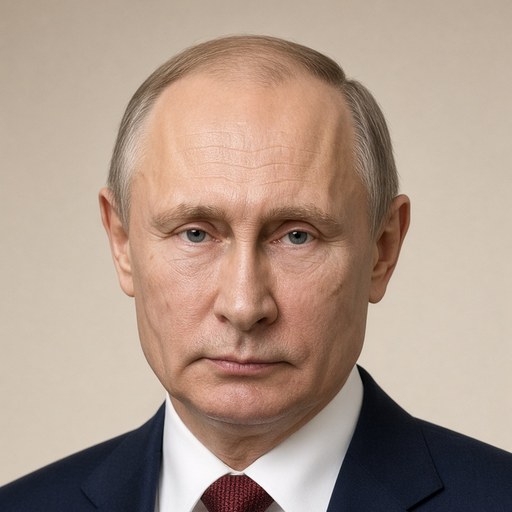
- Putin addressed the All-Russian Forum of Working Youth at Uralvagonzavod in March 2018, emphasizing the need for engineering talent to drive Russia's economic and defense modernization.
- Main themes
- Engineering and skilled trades training, youth workforce development, modern weapons technology, defense-civil industry symbiosis, Uralvagonzavod, historical parallels in Russian industrialization, robotics and programming, personnel development, state investment in human capital
- Duration
- ~42 min
- Words
- 5,012
- Sentences
- 321
- Readability
- 59
- Grade
- 8.8
- Syntax
- 2.81
- Vocabulary
- 2.03
Translated from Russian
This is an interview, press conference or exchange with other speakers. It is split into sentences and counted in the corpus, but its sentences are not tagged on the twelve indices.
321 sentences in 103 paragraphs
Good afternoon, dear friends!
I am very pleased to be among you and to greet you at your forum. It is well known that this forum is held successfully, generating great interest both among participants and those who would like to take part in such an event.
This is clearly related to what we have discussed many times: our renewing economy, which is reaching new frontiers associated with the introduction of new technologies, needs new personnel, primarily engineering personnel. I have publicly expressed this many times; it concerns skilled trades and specifically engineering training in higher educational institutions. As for skilled trades, it has also been said: in order to implement previously adopted decisions regarding applied bachelor's degrees, we need specialists with engineering knowledge.
We need those who understand what modern production is and how it is organized. We need people who understand what programming and robotics are. This is a complex type of activity, but without mastering all this knowledge and skills, we certainly cannot solve the serious issues facing our country.
If you noticed, in my Address I spoke – both in the civil and defense parts, I talked a lot about this from different angles – both directly and indirectly, but significantly, it was about training in skilled trades, and in various directions. As for defense, I stated directly: perhaps some of you heard that all modern types of weapons that we have developed and are being put into service are the result of the work of our scientists, designers, engineers, and, if you noticed, I mentioned talented workers who are passionate about their work and who year after year quietly, without any self-promotion, but with full dedication and, most importantly, effectively perform their work and achieve outstanding results. If it were not for these people, there would be no results at all.
I want to repeat once again what I said quite recently – I think it was in Kaliningrad at a meeting with regional journalists. You know, when one of the systems finished its work, I asked the chief designer to bring me a list of people who should be awarded for their results. He brought it to me after a while. But what was this list? It surprised me. It was neatly typed names of enterprises on three or four sheets. When I asked him, "What did you bring?" he replied, "If we cross out even one participant, there would be no product."
Such a complex, large cooperation was, even for me, a person who has dealt with this if not every day, then every week for many years, an internal revelation. To be honest, I was even a bit taken aback. Even I came to realize how deeply and powerfully this work is developed.
And the second point: without the people who could do this, nothing would have happened. These are not just names of enterprises – behind each of these names are people, tens of thousands of workers. Moreover, in many cases, people did not even know what they were ultimately doing, what would be the final result, what would come out of the final assembly, but each in their place clearly and precisely understood what they needed to do qualitatively – and they did it.
And this is how it should be in any field: both in defense and in civil sectors, and all of this should be in such a natural symbiosis, just like at the enterprise where we are today, at Uralvagonzavod. This is a legendary enterprise that was created in the 1930s specifically as a defense enterprise, and then gradually (this has become especially noticeable in our time) the civil part is gaining more and more significance, and now over 40 percent here is civil.
I want to say that this compatibility is very important: for the "civilian" and for the "defense" sectors. They feed each other: this is both additional funding from state sources and access to world markets with their products, including civilian ones. But always and everywhere, without specific people doing their work qualitatively, nothing would happen and will not happen.
By the way, during all periods of our turbulent development (when I say "our," I mean our country, Russia), these revolutionary transformations in the country and in the economy have always been accompanied by, or perhaps even began with, personnel training.
This was the case back in the times of Peter the Great, when, at his initiative, specialized schools began to be created: navigation schools, artillery schools, medical schools, and so on. And here in the Urals, it turns out, special mining schools were created at the corresponding enterprises under Peter's directives.
Then, at the end of the 19th century, everything repeated itself when the country began to experience rapid development, industrialization on a new basis, Russia, and the same thing happened with personnel training; in the 1920s and 1930s, we returned to this again.
And now we are at a similar stage of development. We need, of course, as I have already said, I am finishing my monologue now, people with new knowledge, new approaches, so to speak, ready for the challenge. Those who in their hearts and souls want to respond to this challenge, are ready to do so, and will sincerely strive for it. If so, they will definitely achieve results.
Thank you very much.
I will close my "fountain" now, my monologue. Thank you very much.
E. Dragunova: Thank you very much, Vladimir Vladimirovich.
Now the guys have a unique opportunity to communicate, to ask some questions, if possible.
Svetlana, who is sitting here on stage, is the chairperson of the youth organization of Uralvagonzavod. The organization is quite large, with 17,000 young people. So, Svetlana, go ahead, as the host, your first question.
S. Aldushina: Good afternoon, Vladimir Vladimirovich.
First of all, I would like to thank you on behalf of all the participants of the forum for finding the opportunity to come here today to the VI All-Russian Forum of Working Youth.
Thank you.
S. Aldushina: I am especially pleased that this forum is taking place here, at Uralvagonzavod, and in the city of Nizhny Tagil. And on behalf of the residents of Tagil, I have a separate thank you to you for the recent signing of the Decree on the celebration of the 300th anniversary of the city of Nizhny Tagil, which will take place in 2022. We have already begun preparations.
Now, moving on to the question, Vladimir Vladimirovich, today in our country there is a situation where universities are being consolidated and the share of branches is being reduced. Thus, Nizhny Tagil is losing the opportunity to train young specialists right here in the city, without having to go to other cities, from where young people do not always return. Can we consider the possibility of preserving three or four universities in Nizhny Tagil or in second and third-tier cities in the region, so that young people can receive education in various specialties?
Apparently, this question is indeed pressing for you, because just now I was "on my feet" talking to your colleagues, and they asked me exactly the same question. I have already answered it, but I will gladly repeat everything I just said.
What is the problem? The problem is that starting from 1991, the number of higher educational institutions in our country sharply increased, especially due to the fact that paid services in the field of education began to be provided, the number of universities, especially branches, multiplied – the number of universities and branches increased by two times from 1991 to 2012, I believe. There are even more branches. And, unfortunately, the quality of training in these educational institutions left much to be desired. Many of them, I must say directly, turned into mere "diploma mills." But such specialists, who simply buy diplomas, are not needed by anyone. Hence, by the way, problems arose. A person graduates from a higher educational institution or a branch of some, even a respected, university, comes and knows nothing; they need to be retrained again. We simply do not need this. Our percentage of those who worked outside their specialty was colossal, enormous. That is why this soft, but still reform began, so to speak. The number of universities decreased by more than 30 percent, and branches – by more than 60 percent.
Of course, I fully understand that in cities like Nizhny Tagil, a base of their own is needed. By the way, you mentioned several universities. Five branches of universities in Tagil are still operating; they are functioning, and no one has closed them. That is the first point.
The second point. When branches are closed, local authorities should participate in this process, or should be involved, and they should influence the final decision.
Thirdly. The decision itself is made not by the state, but by the university, the higher educational institution itself. Therefore, there are two possibilities here: either to close or to improve the branch network. But, of course, sometimes they are forced to close, and they often do. But there is a need, say, in Nizhny Tagil, to have the opportunity to train the appropriate personnel on the spot. Of course, it is better not to close then. But this needs to be worked out with the university itself and with the region. We will definitely talk to the governor about this, and when I return to Moscow, I will discuss it with the Minister of Education.
And finally, the most important thing. You said that many do not return. We need to create conditions for people to return: salary levels, solving housing problems, organizing leisure activities. We just talked: you built a good sports complex here, a stadium, but now they say: it would be nice to have an athletics arena as well. But this is just a specific example. We will do this, we will build an arena here in Nizhny Tagil, but I mean not only Nizhny Tagil, but generally such industrial centers where these tasks need to be addressed, then people will return. Everyone needs to work on this.
E. Dragunova: Thank you very much.
Guys, let's move on to questions from the audience. Just introduce yourselves, guys, so we can recognize you.
K. Shchogol: Hello. Shchogol Kristina, representing Smolensk region, the city of Safonovo, JSC "Avangard." I am engaged in career guidance for youth.
What?
K. Shchogol: Career guidance. The modern world is changing so often that young people have to adapt, thus being flexible and mastering as many new technologies and new related fields as possible. How do you think this is relevant for workers in the industrial sector, for manufacturers? Or is it still better for our specialists to move in some narrow direction? Thank you.
Of course, it is always pleasant for a person, and I think it is very important, when they feel like a specialist in something, not just skimming the surface, but really understanding something deeply. Unfortunately, today this is already insufficient.
Today, those who can work at the intersection of knowledge, at the intersection of skills, gain undeniable competitive advantages. And it is very important for a person to understand what they are doing. There are very complex machines and equipment, but if a person understands what programming is, if a person understands what robotics and artificial intelligence are, at least just realizes this, it is easier for them to work. The effect of such work will always be higher; this is quite obvious. Therefore, keeping in mind that production itself, the economy itself is becoming different – digitalization is emerging, artificial intelligence, robotics, and so on – of course, it is very desirable for any person to possess all this knowledge. That is the first point.
And the second point is that this creates a more flexible labor market, and a person, using this knowledge, can easily fit into this process of development when necessary, when production develops, when new jobs are created. Therefore, yes, one should certainly be a specialist, preferably deep and knowledgeable, with good skills, but working in related fields, related specialties, and (one more very important thing, perhaps we will talk about this later) the ability to work in a team are extremely important. They will be in demand today, but will be in demand many times more in the very near future. I have no doubt about this for a second.
A. Korsakov: Hello. My name is Korsakov Andrey, Irkutsk, Irkutsk Aviation Plant – PJSC "Irkut Corporation." I am a mechatronics engineer specializing in additive technologies.
We, as a professional labor collective, follow the WorldSkills competition. We naturally cheer for our representatives, for our professionals, and we are very proud when they take prize places at both the regional and national levels. And we would like to see more mass formats, mass qualification standards for professions in the WorldSkills format.
This is indeed happening.
First of all, I completely agree with you. We joined this movement only in 2012. In 2013, we took 33rd place, I believe, out of 47 teams, and in the medal standings, I think, we were last. And last year (or the year before) – we were already first at the world championship. And of course, it was very pleasant to realize that we have such powerful progress.
And secondly, it is extremely important that we are actually achieving results. That is the most important thing, that we are achieving results. And to look at our guys, at the girls who stand on the podium and take first places – it is, of course, very pleasant. I think it is pleasant for everyone, absolutely. It evokes a sense of pride, respect both for those who achieve such results and for the country that is capable of doing this. But that does not mean at all that we should focus only on large international events of this kind. No, we are now also holding regional competitions of this kind, and industry-specific ones, and even at enterprises. I don’t know, but here, it seems to me, in Nizhny Tagil alone, there are up to 400 events and competitions of this kind being held. 400, I think, was the number last year in Nizhny Tagil or in the region. In any case, in the region. Hundreds. And we will definitely continue to develop this, there can be no doubt about it.
A. Korsakov: Thank you.
A. Chukavina: Hello.
Chukavina Anna, Udmurt Republic, city of Izhevsk. I work as a design engineer at the Izhevsk Electromechanical Plant "Kupol."
Question. Working professions are traditionally divided into male and female. More and more girls are now choosing male professions, going to work as engineers, welders, mechanics. Men, on the other hand, feel comfortable in female professions, becoming the best cooks or stylists. What is your attitude towards this? Thank you.
And you?
A. Chukavina: I have a normal attitude. I feel very comfortable in my profession.
So do I.
Look, first of all, it is such a stereotype in public consciousness: there are male professions, there are female professions. It is just a stereotype. And behind this stereotype, as with any stereotype, there is actually very little. You mentioned cooks. My grandfather was a cook, and my father was a master at a factory. By the way, at the Egorov Car Building Plant in Leningrad and St. Petersburg, now the car building plant is practically located there. Both my father and grandfather were quite satisfied with their lives and were proud of what they did. Well, there are certain limitations or there should be, but how often it was for us: women worked, say, on the railway, hammering in "stirrups" with a sledgehammer. And nothing! And during the Great Patriotic War, how women worked: in all male professions, across all male professions, and they fought, by the way, too.
But still, modern production conditions simply expand these opportunities, primarily for women, of course. And what was very difficult yesterday, physically hard, today with the help of modern technology, modern knowledge becomes absolutely accessible, and women show themselves very effectively there.
We were just talking, a colleague asked about WorldSkills and similar competitions. Our girls in the IT field and in other technical disciplines took first places in the world, and the guys in the professions you just mentioned were also prize winners. So it seems to me, you know, that the most important thing is to follow your heart. If it is in your heart, a person will achieve results, and in the end, that is the most important thing.
D. Krotov: Hello, Vladimir Vladimirovich!
My name is Dmitry Krotov. I represent the Chuvash Republic, the city of Novocheboksarsk, PJSC "Khimprom." I work there as a section master for the repair and installation of electrical equipment.
Our world is constantly changing: new technologies are being developed and introduced, and there is a rapid robotization of workplaces. But do you not think that at some point, despite the fact that this is good, when I come to work, I will see a machine instead of myself, a smart, good machine, and will this trend lead to the absence of my specialty in the labor market?
Such a threat exists. No matter what anyone says. It has always been this way throughout the history of mankind during new technological upheavals and new technological revolutions. Remember the technological revolution in Europe, how it manifested itself in the same Great Britain, when workers broke new machines, and so on.
But we live in the 21st century, and we understand what can happen. And therefore, to prevent anything like that from happening, I mean negative outcomes, we must think in advance about how we will act in this situation. Of course, with the introduction of new technology, robotization, the use of artificial intelligence, and the application of achievements that appear in the field of medicine, genetics, everything will be different. Labor productivity, I really hope for this, will increase many times over. By the way, in this regard, the level of wages should also rise, new modern well-paid jobs should appear, high-tech ones, by the way, and more interesting for people.
But there are several ways to solve the problem. First, timely retraining, that is what we talked about here, is an opportunity for soft requalification in advance. First.
Second. Professional training today, in the modern world, in a developed economy, must occur constantly. You yourself probably feel and know this. That is, this needs to be done constantly, and then you will not come to a workplace and find a machine instead of you, and you will have nowhere to go.
First of all, you will know in advance whether a machine may appear in your place or not, what kind of machine it will be, what it will do, how it will replace you, and where your place is among these machines. But in the end, everything is done by a person. Even if you look at the discussions about what will happen with artificial intelligence, whether it will surpass the human brain, whether it will replace us and create a threat for us – in general, there are different points of view. Some say that if a machine can calculate several times better and faster than a person, it will start to outsmart a person somehow. But there are pessimists, and there are optimists who say that ultimately, the creative aspects of a person will always be higher than artificial intelligence. But that is a very distant perspective. Although everything is developing very quickly, just rapidly. Knowing about these problems, we have all the opportunities to overcome these obstacles and, on the contrary, use everything that modern science offers for the benefit of development.
P. Andreev: Good afternoon! Andreev Pavel, Nizhny Novgorod region, city of Nizhny Novgorod, LLC "Teploenergo," member of the youth chamber at the city Duma.
Dear Vladimir Vladimirovich! I really love my job and do what I truly enjoy. And for me, it is important not just to perform my duties well, but to feel a part of a common cause. We have created our youth council at the enterprise, which, by the way, was recognized as the best youth council in our region based on the results of 2017. We exchange knowledge, experience, implement joint projects, and help each other. And I would like to involve colleagues from other enterprises and other cities in this interaction. Please support this idea.
The idea is good, of course, and I would be happy to support it. We need to understand in what form, what needs to be done for this. But you can develop this today using modern technologies, using the internet. Well, of course, good internet is needed, fast. But such opportunities already exist today. You need to involve your leaders, trade union organizations. In fact, you took the initiative and created this council yourself, and as you say, it is functioning well. Such communities can be created on the internet, and it will be a natural movement. To put it in the language of a fabric poster, a grassroots movement. But as for support from above, I will gladly try to provide that.
You know what I would also like? For you to get involved in that project I mentioned in the Address, for high school students, "Ticket to the Future." We even allocated a billion for it this year so that they have the opportunity to get acquainted with the possibilities of future professions, to start the so-called early career orientation process. See how possible it is to work with schools. And you don’t have to travel far, it would be extremely interesting. And, importantly, it would be very useful.
What enterprise do you have, once again?
P. Andreev: "Teploenergo."
Let’s see what we can do to push this from above as well. Alright?
P. Andreev: Thank you.
Thank you very much.
E. Dragunova: Vladimir Vladimirovich, thank you very much for coming to our forum, for your sincere answers.
Let’s have a couple more questions.
E. Dragunova: Alright.
G. Khamieva: Hello, Vladimir Vladimirovich.
Khamieva Gulnara, representing the Republic of Bashkortostan.
At the forum, we discussed the need for a federal law on mentoring that would fully regulate the process of this institution's work, taking into account all motivating factors, both material and non-material.
I would like to know your opinion and also to find out who was your mentor throughout your career growth. And are you a mentor today, what motivates you? What should motivate a mentor so that mentoring develops in our country? Thank you.
You asked me a difficult question about my mentors. There were some, very wise, knowledgeable, and very decent people. I had never thought about it before, but now I remember them, and I am grateful to them. You know, I can even say that perhaps some of them were not officially designated as mentors, but they were definitely my mentors. I recall some of them with respect.
This is a very good movement. Of course, it is very important that it goes directly, you know, from heart to heart, when knowledge is passed from hand to hand, from heart to heart, and the attitude towards the work is transmitted. This is an extremely important thing, simply unique.
But, of course, for this to be properly organized, support from the state is needed. We just held a competition, you probably noticed, I met with those who won this mentoring competition. Remarkable people, by the way, and there are young people among them. Is a law needed? It is possible, let’s work on it, and thank you for bringing up this "ball," we will think about it. In any case, it seems to me that it would be a good support from the state.
I will definitely talk to the deputies, with the State Duma, I will discuss it with the Administration. I think it is possible. In any case, we will definitely support this movement one hundred percent, but a law is also possible.
There is a hand raised there, please, whoever you give it to, give it.
R. Adizova: Dear Vladimir Vladimirovich, hello!
My name is Adizova Regina, I am studying under the corporate educational program of the ChTPZ group "The Future of White Metallurgy," and I have the following question for you.
Super. Listen, you have such an interesting production. The first time I came there, I was just, how to put it simply, amazed. I didn’t even expect it, I didn’t even know we had something like that. I mean, I knew on paper, but when I saw it… You make an impression. It’s like coming to a clinic, everyone is in white coats. Sorry for interrupting you.
R. Adizova: Please tell me, what is the main direction in Russia now and where is there a greater shortage of specialists?
We have many main directions, I have talked about them many times: digitalization of the economy, robotics, artificial intelligence, everything related to biology, medicine, and genetics. Why do I talk about such diversity? We are all different. But such a variety of important areas for the country's development gives each of us a chance to find ourselves. I hope you will succeed too.
A. Morozova: Hello! My name is Anastasia Morozova, from the city of Yekaterinburg.
Despite the fact that I may not be directly related to technical professions, I have a very strong emotional connection to them, really. Because I am a teacher of public speaking in the Russian Trade Union of Industry, which has more than 1.5 million people.
So you teach union leaders to speak beautifully?
A. Morozova: Not to speak beautifully, but to have good communication with those they want to help and convey their information to.
That is important.
A. Morozova: I would like to thank on behalf of all union leaders for raising the minimum wage to the subsistence level. The gratitude of all workers. This will certainly help increase the income of the population. Thank you very much!
And I have a very important question that concerns many here. And I, of course, gathered the courage to ask you.
Please tell me, what tools can be used to enhance the effectiveness of dialogue between workers and management and authorities? Perhaps this can be done through union leaders, through lawyers. But perhaps there are other tools that we are overlooking, but this is very important?
Regarding the minimum wage. We really took a long time to get to this point, and the economic conditions simply did not allow us to resolve this issue. As for the trade unions, they made a very significant, noticeable contribution to this. Moreover, the head of our main trade union association, Mikhail Viktorovich Shmakov, raised the issue with me at our latest meeting regarding the need to expedite the adoption of this decision. And we agreed with him that it would be on May 1 of this year, on Labor Day.
Indeed, this will help improve the material situation of about 4 million people. But, as I mentioned in the Address, this is certainly not enough. This is not a fundamental solution, not a basic solution to the main problem – increasing the well-being of people, significantly reducing the number of people living below the poverty line. We need to solve this problem fundamentally: we need to halve the number of people who are still living too modestly, including some who are working, which is absolutely unacceptable.
How to establish a dialogue between employers, the state, and workers? There is a procedure provided by law, and we use it very effectively – these are tripartite commissions and the corresponding agreements in this regard. Such an agreement was recently signed with the participation of trade unions. Such agreements can be created in industries, in regions, and so on. This is a general path for dialogue. But in their current activities, of course, trade unions should primarily engage in this. It is their task, their function, their mission – to protect the interests of workers, and in the broadest sense of the word, not just to demand a salary increase or to achieve some other benefits.
After all, the most important thing is that trade unions are staffed by knowledgeable, economically prepared people who understand the possibilities of today's economy, the specific enterprise, and the conditions in which they work. And, based on these realities, they should raise the issue of improving working conditions, increasing wage levels, and addressing social issues. And when this is done on a professional basis, the results are usually very commendable, and this mission of the trade unions can then be considered fulfilled.
Therefore, what you are doing is actually a very important area of work. But besides this, there are also various other ways. Political parties should facilitate this, as well as public organizations in the broadest sense of the word, and the media. All these instruments in modern society should be aimed at one thing – ensuring the pace of economic growth, and on this basis, solving the main task – improving the living standards of citizens of the Russian Federation.
I understand, dear friends, that you are not angry with me; we can discuss for a long time, and all the questions are very important and interesting. But unfortunately, I already need to fulfill my production plan today and move on to the next event. We have a meeting specifically on vocational training in the working and middle levels. I need to move to Yekaterinburg; my colleagues are already waiting for me there.
I want to wish you all good luck and success, and I want to thank you for having such an interesting, active position. You know, this in itself already gives you certain advantages. It means that within you, the "nuclear reactor" has been launched.
I want to wish you good luck. Thank you very much.
The original Russian. The tags above are read on the English translation's sentences.
Добрый день, уважаемые друзья!
Мне очень приятно быть среди вас и поприветствовать вас на вашем форуме. Известно, что этот форум проводится успешно, вызывает большой интерес и у участников, и у тех, кто хотел бы поучаствовать в таком мероприятии.
Связано это, понятно с чем: мы много раз уже об этом говорили, говорили о том, что нашей обновляющейся экономике, которая выходит на новые рубежи, связанные с внедрением новых технологий, ей нужны и новые кадры, прежде всего кадры инженерные. Я уже публично высказывался много раз, это касается рабочих профессий, касается собственно инженерной подготовки в высших учебных заведениях. Что касается непосредственно рабочих профессий, то тоже уже было сказано: чтобы внедрять уже принятые ранее решения по прикладному бакалавриату, нам нужны специалисты с инженерными знаниями.
Нужны те, кто понимает, что такое современное производство, как оно устроено. Нужны люди, которые понимают, что такое программирование, робототехника. Это сложный вид деятельности, но без того, чтобы овладеть всеми этими знаниями и навыками, нам, конечно, не решить серьёзных вопросов, которые стоят перед нашей страной.
Если вы обратили внимание, в Послании я говорил – и в гражданской, и в оборонной части, в гражданской много говорил об этом, с разных сторон – и прямо, и с намёками, но в значительной степени речь шла о подготовке в области рабочих профессий, причём по самым разным направлениям. Что касается обороны, то я прямо сказал: может быть, кто-то из вас слышал, что все современные виды вооружений, которые у нас сейчас разработаны, поступают на вооружение, – это результат работы наших учёных, конструкторов, инженеров, и, если обратили внимание, сказал – талантливых рабочих, которые увлечены своим делом и которые из года в год спокойно, без всякой саморекламы, но с полной отдачей сил и, самое главное, эффективно выполняют свою работу и добиваются выдающихся результатов. Если бы этого не было, если бы не было этих людей, то и результата не было бы никакого.
Хочу ещё раз повторить то, что говорил совсем недавно – по-моему, в Калининграде на встрече с региональным журналистами. Вы знаете, когда по одной из систем закончилась работа, я попросил главного конструктора принести мне список людей, которых нужно наградить за результаты. Он мне принёс через некоторое время. Но что это за список? Он меня удивил. Это убористым шрифтом названия предприятий на трёх-четырёх листах. На мой вопрос: «Что ты принёс?» – он ответил: «Если мы хотя бы одного участника вычеркнем, изделия бы не было».
Такая сложная, большая кооперация даже для меня, человека, который занимался этим если не каждый день, то каждую неделю в течение многих лет, даже для меня это было внутренним открытием. Я, честно говоря, даже был немного ошарашен. Даже у меня пришло осознание того, насколько глубоко и мощно у нас развёрнута эта работа.
И второе сразу: без людей, которые могли бы это сделать, ничего бы не состоялось. Это не просто названия предприятий – за каждым из этих названий люди, десятки тысяч работающих. Причём во многих случаях люди даже не знали, что они делают в конечном итоге, что будет в финале, что получится в результате финальной сборки, но каждый на своём месте ясно, точно понимал, что ему надо сделать качественно, – и сделал.
И так у нас должно быть в любой сфере: и в оборонной, и в гражданской, причём всё это должно быть в таком естественном симбиозе, так же как на предприятии, где мы сегодня с вами находимся, на «Уралвагонзаводе». Это легендарное предприятие, которое в 30-х годах прошлого века создавалось именно как оборонное, а потом постепенно (уже в наше время это стало особенно заметно) гражданская часть приобретает всё большую значимость, и уже свыше 40 процентов здесь гражданская часть.
Хочу сказать, что эта совместимость очень важна: и для «гражданки», и для «оборонки». Они подпитывают друг друга: это и дополнительное финансирование из государственных источников, и выход на мировые рынки со своей продукцией, в том числе гражданского назначения. Но всегда и везде без того, чтобы делали свою работу качественно конкретные люди, ничего не происходило и происходить не будет.
Вот, кстати говоря, во все периоды нашего бурного развития (говоря «нашего», имею в виду нашу с вами страну, Россию) всегда эти революционные преобразования в стране и в экономике сопровождались, а может быть, даже начинались с подготовки кадров.
Так было ещё в петровские времена, когда по инициативе Петра Великого начали создаваться специализированные школы: школа навигации, по артиллерийскому делу, медицине и так далее. И здесь на Урале, оказывается, по соответствующему указанию Петра создавались специальные горнорудные школы при соответствующих предприятиях.
Потом в конце XIX века всё повторилось, когда началось бурное развитие, индустриализация страны на новой базе, России, всё то же самое повторилось с подготовкой кадров; в 1920–1930-е годы опять вернулись к этому.
И сейчас мы находимся на такой же стадии развития. Нам нужны, конечно, я уже об этом сказал, сейчас я монолог заканчиваю, люди с новыми знаниями, новыми подходами, что называется, готовые к вызову. Те, кто в душе и сердце хочет ответить на этот вызов, готов это сделать и искренне будет к этому стремиться. А если так, то обязательно будет добиваться результата.
Спасибо вам большое.
Я на этом «фонтан» свой закрываю, монолог. Спасибо вам большое.
Е.Драгунова: Спасибо большое, Владимир Владимирович.
Сейчас у ребят уникальная возможность пообщаться, задать какие-то вопросы, если можно.
Светлана, которая сидит здесь, на сцене, – это председатель молодёжной организации «Уралвагонзавода». Организация довольно большая, 17 тысяч человек, молодых людей. Поэтому, Светлана, давай, на правах хозяина твой первый вопрос.
С.Алдушина: Добрый день, Владимир Владимирович.
Я в первую очередь хочу, наверное, от лица всех участников форума поблагодарить Вас за то, что Вы нашли сегодня возможность приехать к нам сюда, на VI Всероссийский форум рабочей молодёжи.
Спасибо.
С.Алдушина: Мне особенно приятно, что этот форум проходит именно здесь, на «Уралвагонзаводе», и в городе Нижний Тагил. И от лица тагильчан у меня отдельная благодарность к Вам за то, что совсем недавно был подписан Указ о праздновании 300-летия города Нижний Тагил, которое состоится в 2022 году. Мы уже начали готовиться.
Ну и, переходя к вопросу, Владимир Владимирович, на сегодняшний день в нашей стране сложилась такая ситуация, когда идёт укрупнение вузов и сокращение доли филиалов. Таким образом, Нижний Тагил лишается возможности обучать молодых специалистов именно здесь, в городе, без выезда в другие города, откуда молодёжь не всегда возвращается. Можно ли рассмотреть возможность сохранения в Нижнем Тагиле или именно в городах вторых, третьих по значению в области, сохранение трёх-четырёх вузов, чтобы молодёжь могла получать образование по различным специальностям?
Судя по всему, вопрос действительно для вас острый, потому что только что я «на ногах» с вашими коллегами разговаривал и они задали мне точно такой же вопрос. Я уже отвечал на него, но с удовольствием повторю ещё раз всё то, что только что сказал.
В чём проблема? Проблема в том, что начиная с 1991 года у нас в стране резко, особенно в связи с тем, что началось оказание платных услуг в сфере образования, кратно начало возрастать количество высших учебных заведений, особенно филиалов – в два раза с 1991-го, по-моему, по 2012 год выросло количество вузов и филиалов. Филиалов ещё больше. И, к сожалению, качество подготовки в этих учебных заведениях оставляло желать лучшего. Многие из них, надо прямо сказать, превратились просто в «рога и копыта» по выдаче документов. Но такие специалисты, которые просто покупают диплом, никому не нужны. Отсюда, кстати говоря, и проблемы возникали. Человек оканчивает высшее учебное заведение или филиал какого-то, даже уважаемого, вуза, приходит и ничего не умеет, его надо снова переучивать. Нам это просто ни к чему. У нас процент тех, кто работал не по специальности, был колоссальным, огромным. Именно поэтому началась вот та мягкая, но всё-таки реформа, так скажем. И количество вузов уменьшилось на 30 с лишним процентов, а филиалов – ещё больше, на 60 с лишним процентов.
Конечно, я прекрасно понимаю, что в таких городах, как Нижний Тагил, нужна своя собственная база. Кстати говоря, Вы сказали о нескольких вузах. Пять филиалов вузов в Тагиле до сих пор работают, они функционируют, их никто не закрыл. Это первое.
Второе. Когда филиалы закрываются, то в этом принимают участие, или должны принимать участие, представители местных властей, и они должны влиять на окончательное решение.
В-третьих. Само решение принимается не государством, а вузом, самим высшим учебным заведением. И поэтому здесь есть две возможности: либо закрыть, либо улучшить филиальную сеть. Но, конечно, иногда, наверное, они вынуждены закрывать, и закрывают часто. Но есть необходимость, скажем, в Нижнем Тагиле, чтобы была возможность готовить на месте соответствующие кадры. Конечно, лучше тогда не закрывать. Но это нужно прорабатывать с самим вузом и с регионом. Мы с губернатором поговорим на этот счёт обязательно, а я вернусь в Москву, поговорю и с Министром образования на этот счёт.
Ну и, наконец, самое важное. Вы сказали, что многие не возвращаются. Надо создавать условия, чтобы люди возвращались: уровень заработной платы, решение жилищных проблем, организация досуга. Мы сейчас только говорили: вы построили здесь хороший ФОК, стадион, но сейчас говорят: а неплохо бы ещё и легкоатлетический манеж. Но это просто как конкретный пример. Это мы сделаем, построим манеж здесь, в Нижнем Тагиле, но я сейчас имею в виду не только Нижний Тагил, а вообще такие промышленные центры, в которых нужно решать эти задачи, тогда люди будут возвращаться. Надо всем над этим работать.
Е.Драгунова: Спасибо большое.
Ребята, давайте перейдём к вопросам из зала. Представляйтесь только, ребята, чтобы мы вас узнали.
К.Щоголь: Здравствуйте. Щоголь Кристина, представляю Смоленскую область, город Сафоново, АО «Авангард». Занимаюсь профориентацией молодёжи.
Чем-чем?
К.Щоголь: Профориентацией. Современный мир настолько часто меняется, что молодёжи приходится подстраиваться, тем самым быть гибкими и как можно больше осваивать новых технологий, новых смежных направлений. Как Вы считаете, насколько это актуально для работников промышленной сферы, для производственников? Или всё-таки нашим специалистам лучше двигаться в каком-то одном узком направлении? Спасибо.
Конечно, вообще человеку всегда приятно, и мне кажется, что это очень важно, когда он чувствует себя специалистом в чём-то, не просто по поверхностности скользит, а действительно в чём-то глубоко разбирается. К сожалению, сегодня этого уже недостаточно.
Сегодня безусловные конкурентные преимущества получают те, кто умеют работать на стыке знаний, на стыке навыков даже. И очень важно, чтобы человек понимал, что он делает. Есть очень сложные станки и оборудование, но если человек понимает, что такое программирование, если человек понимает, что такое робототехника и искусственный интеллект, хотя бы просто отдаёт себе в этом отчёт, ему легче работать. Эффект от такой работы будет всегда выше, это совершенно очевидно. Поэтому, имея в виду, что само производство, сама экономика становится другой, – цифровизация возникает, искусственный интеллект, робототехника и так далее, – конечно, очень желательно для любого человека, чтобы он владел всеми этими знаниями. Это первое.
А второе – это даёт возможность создать более гибкий рынок труда, и человек, используя эти знания, может при необходимости, при развитии производства, при создании новых каких-то рабочих мест, может легко вписаться вот в этот процесс развития. Поэтому да, нужно быть, конечно, специалистом, желательно глубоким и знающим, с хорошими навыками, но работа в области смежных знаний, смежных специальностей и (ещё одна очень важная вещь, может быть, мы ещё об этом поговорим) умение работать в команде – чрезвычайно важные вещи. Они будут и сегодня востребованы, но будут востребованы многократно в самое ближайшее время. Я в этом не сомневаюсь ни секунды.
А.Корсаков: Здравствуйте. Меня зовут Корсаков Андрей, Иркутск, Иркутский авиационный завод – ПАО «Корпорация «Иркут». Я инженер-мехатроник, специализируюсь на аддитивных технологиях.
Мы всем своим трудовым профессиональным коллективом следим за соревнованием WorldSkills. Мы, естественно, болеем за своих представителей, за своих профессионалов, и очень гордимся, когда они занимают призовые места как на региональном, так и на всероссийском уровне. И мы бы хотели, чтобы по формату WorldSkills было больше массовых форматов, массовых стандартов квалификации профессий.
У нас же так и происходит.
Я, во-первых, с Вами полностью согласен. Мы присоединились ведь к этому движению только в 2012 году. В 2013 году заняли 33-е место, по-моему, из 47 команд, а по медальному зачёту, по-моему, последнее. А в прошлом году (или в позапрошлом) – уже первое на первенстве мира. И конечно, очень приятно было осознавать, что у нас такой прогресс мощный.
А во-вторых, чрезвычайно важно, что мы реально добиваемся результата. Вот это самое главное, что результата добиваемся. И смотреть на ребят наших, на девушек, которые на пьедестале почёта стоят и занимают первые места, – это, конечно, очень приятно. Я думаю, что всем приятно, абсолютно. Это вызывает чувство гордости, уважения и к тем, кто добивается таких результатов, и к стране, которая способна это делать. Но это совсем не значит, что мы должны сосредоточиться только на крупных международных мероприятиях подобного рода. Нет, мы же проводим теперь и региональные соревнования подобного рода, и отраслевые, и даже на предприятиях проводятся. Я не знаю, здесь, по-моему, в Нижнем Тагиле только до 400 мероприятий и конкурсов подобного рода проводится. 400, по-моему, в прошлом году было в Нижнем Тагиле или в области. Во всяком случае, в регионе. Сотнями. И будем дальше это обязательно развивать, даже сомнений на этот счёт не может быть никаких.
А.Корсаков: Спасибо.
А.Чукавина: Здравствуйте.
Чукавина Анна, Удмуртская Республика, город Ижевск. Работаю инженером-конструктором на Ижевском электромеханическом заводе «Купол».
Вопрос. Рабочие профессии традиционно делятся на мужские и женские. Сейчас всё больше девушек выбирают мужские профессии, идут работать инженерами, сварщиками, механиками. Мужчины же комфортно чувствуют себя в женских профессиях, становясь лучшими поварами или стилистами. Как Вы к этому относитесь? Спасибо.
А Вы? (Смех в зале.)
А.Чукавина: Я нормально отношусь. Мне очень комфортно в своей профессии.
Я тоже. (Аплодисменты.)
Смотрите, во-первых, это такой штамп в общественном сознании: есть мужские профессии, есть женские. Это просто штамп. И за этим штампом, как за любым штампом, мало что стоит на самом деле. Про поваров Вы вспомнили. Мой дед был поваром, а отец – мастером на заводе. Кстати говоря, на вагоностроительном заводе имени Егорова в Ленинграде и Петербурге, сейчас вагоностроительный завод практически там находится. И отец, и дед были вполне довольны своей жизнью и гордились тем, что они делают. Ну, есть определённые ограничения или должны быть, но у нас ведь как очень часто было: женщины работали, скажем, на железной дороге, «костыли» забивали, кувалдой махали. И ничего! А вот во время Великой Отечественной войны как женщины работали: на всех мужских профессиях, по всем мужским профессиям, и воевали, кстати говоря, тоже.
Но всё равно современные условия производства, они просто расширяют эти возможности, прежде всего для женщин, конечно. И то, что вчера было очень сложно, физически трудно, сегодня с помощью современной техники, современных знаний становится абсолютно доступным, и женщины там проявляют себя очень эффективно.
Мы сейчас говорили, коллега спрашивал про WorldSkills и про подобные соревнования. У нас девочки в IT-сфере и в прочих технических дисциплинах первые места занимали в мире, а ребята как раз по тем профессиям, о которых Вы сейчас сказали, тоже были в призёрах. Так что мне кажется, знаете, что самое главное – чтобы по душе было. Если по душе, человек будет добиваться результата, а в конечном итоге это самое главное.
Д.Кротов: Здравствуйте, Владимир Владимирович!
Меня зовут Дмитрий Кротов. Я представляю Чувашскую Республику, город Новочебоксарск, ПАО «Химпром». Тружусь я там мастером участка по ремонту и монтажу электрооборудования.
У нас мир постоянно меняется: развиваются и разрабатываются, вводятся новые технологии и происходит бурная роботизация мест. Но не кажется ли Вам, что в один прекрасный момент, несмотря на то что это хорошо, когда я приду на работу, я увижу вместо себя там машину, умную, хорошую машину, и не повлечёт ли данная тенденция к отсутствию моей специальности на рынке труда?
Такая угроза существует. Вот кто бы что ни говорил. Так было всегда, на протяжении всей истории человечества при новых каких-то технологических переделах и новых технологических революциях. Вспомните технологическую революцию в Европе, во что это вырождалось в той же Великобритании, когда ломали новую технику рабочие и так далее.
Но мы живём же в XXI веке, и мы понимаем, что может происходить. И поэтому, чтобы ничего подобного не происходило, негативного я имею в виду, мы должны заранее подумать, как мы будем в этой ситуации действовать. Конечно, многократно в связи с внедрением новой техники, роботизации, с применением искусственного интеллекта, с применением достижений, которые появляются в области медицины, генетики, конечно, всё будет по-другому. Производительность труда, я очень рассчитываю на это, будет расти в разы. Кстати говоря, в этой связи должен расти и уровень заработной платы, должны появляться новые современные хорошо оплачиваемые рабочие места, высокотехнологичные, кстати говоря, и более интересные для человека.
Но здесь существует несколько возможностей решения проблемы. Во-первых, своевременная переподготовка, вот то, о чём здесь мы говорили, это возможность заранее мягкой переквалификации. Первое.
Второе. Подготовка сегодня профессиональная, в современном мире, в развитой экономике, она должна происходить постоянно. Вы сами это наверняка чувствуете и знаете. То есть этим нужно заниматься постоянно, и тогда вы не придёте как-то на рабочее место – вместо вас машина, а вам деваться некуда.
Во-первых, вы будете знать заранее, может появиться на вашем месте машина или нет, какая машина, что она будет делать, как она вас будет замещать и где ваше место среди этих машин. Но в конечном итоге всё делает человек. Даже если вы посмотрите на рассуждения по поводу того, что будет с искусственным интеллектом, не переплюнет ли он мозг человека, не заменит ли он нас и не создаст ли для нас угрозу, – в общем, здесь разные точки зрения существуют. Говорят, что если машина будет считать в несколько раз лучше и быстрее, чем человек, она начнёт человека как-то объегоривать. Но есть пессимисты, а есть оптимисты, которые говорят, что в конечном итоге всё-таки творческие начала у человека всегда будут выше, чем искусственный интеллект. Но это совсем уже дальняя перспектива. Хотя развивается всё очень быстро, просто стремительно. Зная об этих проблемах, мы имеем все возможности обойти эти препятствия и, наоборот, использовать всё, что даёт современная наука на пользу развития.
П.Андреев: Добрый день! Андреев Павел, Нижегородская область, город Нижний Новгород, ООО «Теплоэнерго», член молодёжной палаты при городской Думе.
Уважаемый Владимир Владимирович! Я очень люблю свою работу и занимаюсь тем, что мне действительно нравится. И для меня важно не просто выполнить хорошо свой функционал, а чувствовать причастность к общему делу. Мы на предприятии создали свой совет молодёжи, который, кстати, по результатам работы 2017 года признан лучшим советом молодёжи в нашем регионе. Мы обмениваемся знаниями, опытом, реализуем совместные проекты, помогаем друг другу. И хотелось бы вовлечь в это взаимодействие коллег из других предприятий и других городов. Поддержите, пожалуйста, эту идею.
Идея хорошая, безусловно, и я с удовольствием бы её поддержал. Надо понять, в какой форме, что нужно для этого сделать. Но вы и сами можете развивать это сегодня с помощью современных технологий, с помощью того же интернета. Ну конечно, здесь нужен хороший интернет, быстрый. Но такие возможности есть уже сегодня. Привлекать нужно ваших руководителей, профсоюзные организации. Собственно говоря, вы взяли и создали сами этот совет, и, как Вы говорите, он нормально функционирует. Ведь такие сообщества можно в интернете создавать, и это будет естественное движение. Выражаясь суконным языком плаката, движение снизу. Но что касается поддержки сверху, с удовольствием это попробую обеспечить.
Знаете, что бы мне ещё хотелось? Чтобы вы подключились к тому проекту, о котором я говорил тоже в Послании, это для ребят старших классов, «Билет в будущее». Мы даже миллиард на него предусмотрели в этом году, чтобы они имели возможность познакомиться с возможностями будущих профессий, начать так называемый процесс ранней профориентации. Посмотрите, насколько это возможно – со школами поработать. И далеко ехать не надо, это было бы чрезвычайно интересно. И, что очень важно, это было бы очень полезно.
Какое предприятие у Вас, ещё раз?
П.Андреев: «Теплоэнерго».
Посмотрим, что можно сделать, чтобы ещё сверху подтолкнуть. Ладно?
П.Андреев: Спасибо.
Вам спасибо большое.
Е.Драгунова: Владимир Владимирович, большое спасибо, что Вы приехали к нам на форум, за Ваши искренние ответы.
Давайте ещё парочку вопросиков.
Е.Драгунова: Хорошо.
Г.Хамиева: Здравствуйте, Владимир Владимирович.
Хамиева Гульнара, представляю Республику Башкортостан.
На форуме мы на треке «Наставничество» обсуждали необходимость принятия закона, федерального закона о наставничестве, который будет регламентировать полностью процесс работы этого института с учётом всех мотивирующих моментов, материальных, нематериальных.
Хотела узнать Ваше мнение и узнать также, кто был вашим наставником за весь процесс Вашего карьерного роста. И являетесь ли Вы сегодня наставником, что Вас мотивирует? Что должно мотивировать наставника, чтобы у нас наставничество развивалось в нашей стране? Спасибо.
Вы мне задали непростой вопрос про моих наставников. Такие были, были очень мудрые, грамотные и очень порядочные люди. Я как-то об этом и не вспоминал никогда, но вот сейчас вспомнил, и я им благодарен. Вы знаете, даже могу сказать, может быть, некоторые из них не были оформлены наставниками, но они точно были моими наставниками. Я припоминаю некоторых из них с уважением.
Это очень хорошее движение. Конечно, очень важно, чтобы это шло прямо, знаете, от сердца к сердцу, когда из рук в руки, от сердца к сердцу знания передаются, отношение к делу передаётся. Это чрезвычайно важная вещь, просто уникальная.
Но, конечно, для того чтобы это было должным образом организовано, нужна поддержка со стороны государства. Вот сейчас мы провели конкурс, вы, наверное, заметили, я встречался с теми, кто победил на этом конкурсе наставничества. Замечательные люди, кстати говоря, и молодые люди среди них есть. Нужен ли закон? Это возможно, давайте мы это проработаем, и спасибо, что Вы закатили этот «шар», подумаем. Во всяком случае, это, мне кажется, было бы хорошей поддержкой со стороны государства.
Я поговорю обязательно с депутатами, с Госдумой, переговорю с Администрацией. Думаю, что это возможно. Во всяком случае, точно совершенно, это движение будем поддерживать сто процентов, обязательно, но и закон возможен.
Вот там рука поднимается, пожалуйста, кому дадите, тому и дадите.
Р.Адизова: Уважаемый Владимир Владимирович, здравствуйте!
Меня зовут Адизова Регина, я обучаюсь по корпоративной образовательной программе группы ЧТПЗ «Будущее белой металлургии», у меня к Вам следующий вопрос.
Супер. Слушайте, такое интересное производство у вас. Я первый раз, когда пришёл туда, я просто, как бы это по-простому сказать, обалдел. Я даже не ожидал, я даже не знал, что у нас такое есть. То есть знал на бумагах, но когда увидел… Вы производите впечатление. Как будто в клинику пришёл в какую-то, все в белых халатах ходят. Извините, что я Вас перебил.
Р.Адизова: Скажите, пожалуйста, какое сейчас главное направление в России и где не хватает в большей степени специалистов?
У нас много главных направлений, я уже о них много раз говорил: это цифровизация экономики, робототехника, искусственный интеллект, это всё, что связано с биологией, медициной и генетикой. Почему я говорю о таком разнообразии? Мы же все разные. Но такое разнообразие важных направлений развития страны даёт каждому из нас шанс найти себя. Надеюсь, что и у вас тоже это получится.
А.Морозова: Здравствуйте! Меня зову Анастасия Морозова, город Екатеринбург.
Несмотря на то, что я, может быть, не совсем связана с техническими профессиями, но я имею к ним очень большое отношение душевно, действительно. Потому что я педагог по ораторскому искусству в Российском профсоюзе промышленности, который насчитывает более 1,5 миллиона людей.
То есть Вы учите профсоюзных деятелей красиво говорить?
А.Морозова: Не красиво говорить, а чтобы у них была коммуникация хорошая с теми, кому они хотят помочь и донести свою информацию.
Это важно.
А.Морозова: Хотелось бы поблагодарить от лица всех профсоюзных лидеров за повышение МРОТ до прожиточного минимума. Благодарность всех трудящихся. Это, конечно, поможет увеличить доходы населения. Спасибо огромное!
И вопрос у меня очень важный, он волнует здесь очень многих. И я, конечно, набиралась смелости, чтобы Вам его задать.
Скажите, пожалуйста, какими инструментами можно повысить эффективность диалога между работниками и руководством и властью? Может быть, это можно сделать через лидеров профсоюза, через юристов. Но, возможно, есть ещё какие-то инструменты, которые мы упускаем из виду, но это очень важно?
По поводу МРОТ. Мы, действительно, долго к этому шли и просто экономические условия не позволяли решить этот вопрос. Что касается профсоюзов, то они внесли в это очень существенный, заметный вклад. Больше того, руководитель нашего основного ведущего профсоюзного объединения Михаил Викторович Шмаков как раз на очередной встрече со мной и поставил вопрос по поводу того, чтобы приблизить срок принятия этого решения. И мы договорились с ним, что это будет 1 мая этого года, в День труда.
Действительно, это поможет улучшить материальное положение около 4 миллионов человек. Но, так как я в Послании говорил, этого, конечно, недостаточно. Это не фундаментальное решение, не базовое решение основной проблемы – повышения благосостояния людей, снижения, значительного снижения количества людей, которые живут за чертой бедности. Нам нужно решить эту задачу капитально: нам нужно в два раза сократить количество людей, которые живут пока слишком скромно, в том числе некоторые работающие, что совершенно недопустимо.
Как наладить диалог между работодателями, государством и работниками? Существует, у нас предусмотрена законом процедура, и мы её очень эффективно используем, – это трёхсторонние комиссии и соответствующие соглашения на этот счёт. Такое соглашение недавно подписано с участием профсоюзов. Такие соглашения могут создаваться в отраслях, в регионах и так далее. Это такой генеральный путь диалога. Но в своей текущей деятельности, конечно, профсоюзы должны этим заниматься прежде всего. Это их задача, их функция, их миссия – защищать интересы работника, причём в широком смысле этого слова, и не просто тупо требовать повышения зарплаты или добиваться каких-то других благ.
Ведь самое главное, чтобы в профсоюзах работали грамотные, экономически подготовленные люди, которые понимали бы возможности сегодняшней экономики, конкретного предприятия, условий, в которых они работают. И, исходя из этих реалий, ставили бы вопрос об улучшении условий труда, о повышении уровня заработной платы, решения социальных вопросов. И вот когда это делается на профессиональной основе, то тогда результат, как правило, получается очень достойный, и эту миссию профсоюзов тогда можно считать исполненной.
Поэтому то, что вы делаете, это на самом деле очень важное направление работы. Но кроме этого существуют и всякие другие способы. И политические партии должны этому способствовать, и общественные организации в широком смысле этого слова, средства массовой информации. Все эти инструменты в современном обществе нацелены должны быть только на одно – на обеспечение темпов экономического роста, и на этой базе решение главной задачи – повышения уровня жизни граждан Российской Федерации.
Я понимаю, дорогие друзья, вы не сердитесь на меня, мы можем дискутировать очень долго, и все вопросы очень важные и интересные. Но мне, к сожалению, уже нужно выполнять свой производственный план сегодня, передвигаться к следующему мероприятию. У нас совещание как раз по профессиональной подготовке в рабочем, в среднем звене. Нужно переместиться в Екатеринбург, там меня уже коллеги ждут.
Хочу вам всем пожелать удачи, успехов и хочу вас поблагодарить за то, что у вас такая интересная, активная позиция. Вы знаете, это само по себе уже даёт вам определённые преимущества. Это значит, что внутри «ядерный реактор» у вас запущен.
Хочу вам пожелать удачи. Спасибо вам большое.