




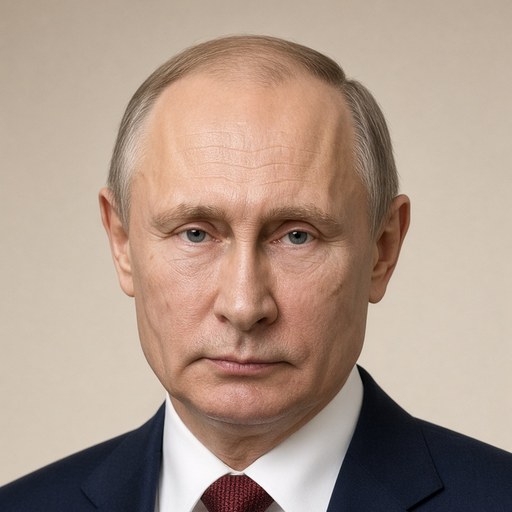

- Context
- Putin addressed the 15th anniversary congress of Business Russia on October 18, 2016, discussing entrepreneurship policy and economic priorities ahead of his Federal Assembly address.
- Main themes
- Domestic entrepreneurship, business-state dialogue, administrative barriers, export support, credit availability, business environment improvement, National Entrepreneurial Initiative, regional business cooperation, economic growth, Address to Federal Assembly, Delovaya Rossiya anniversary
- Duration
- ~59 min
- Words
- 7,054
- Sentences
- 383
- Readability
- 53
- Grade
- 10.3
- Syntax
- 2.85
- Vocabulary
- 2.15
Translated from Russian
This is an interview, press conference or exchange with other speakers. It is split into sentences and counted in the corpus, but its sentences are not tagged on the twelve indices.
383 sentences in 158 paragraphs
Dear friends and colleagues! Domestic business has proven its responsibility and patriotism. For many of you, personal achievements are important, although, of course, that is very important, but the opportunity to work in the interests of Russia is also significant; it is no coincidence that successful, established entrepreneurs have become the driving force behind key transformations. Let me remind you that five years ago, it was at the congress of "Delovaya Rossiya" that the National Entrepreneurial Initiative was launched. Together with other business associations and the Agency for Strategic Initiatives, we managed to remove many administrative barriers and change legislative and managerial approaches. By the way, at both the federal and regional levels, there are more and more people in management who understand and hear the requests of businesses and work directly with them.
I would ask the authorities to continue to expand the dialogue and interaction with the entrepreneurial community, which, of course, also concerns law enforcement agencies. You know that at the federal level, we have created a working group to monitor and analyze law enforcement practices in the field of entrepreneurial activity. I also count on effective partnership between the subjects of the Federation and businesses to create a favorable business environment at the local level.
To address this task, special project offices are being created in each region. I propose that at the next meeting of the Presidium of the State Council, we look at how the interaction between regional management teams and businesses is structured, what additional solutions are needed to ensure a unified high quality of the business environment across the entire country.
Dear friends! Our meetings are of a regular nature. Through open dialogue, we manage to address many problems: feedback from the business community allows us to make state decisions as quickly and effectively as possible.
It is important that we have a common understanding of national priorities and a common approach, which is to provide businesses with maximum freedom. And I would like to reiterate, this is the best response to any external restrictions, an alternative path to the prosperity of our citizens. We have managed to stabilize the economy. But our goal, of course, is broader, to achieve sustainable growth rates. To do this, we need to find new tools and enhance the effectiveness of the support measures being launched.
In this regard, I propose to discuss in detail how to guarantee mechanisms to support exports, increase the availability of credit resources, and build relationships between private businesses and state companies. I would especially emphasize that I view today's meeting as an important stage in preparing the President's Address to the Federal Assembly. I greatly rely on your recommendations and advice, esteemed colleagues.
Before we move on to the discussion, I would, of course, like to congratulate you on the holiday – the 15th anniversary of "Delovaya Rossiya." I sincerely wish you success, success for all domestic businesses.
Thank you for your attention.
A. Repik: Dear Vladimir Vladimirovich, thank you for your warm words and high assessment of Russian business and "Delovaya Rossiya."
Indeed, over the past 15 years, we have united thousands of strong, caring entrepreneurs who have invested both their souls and all their efforts to create strong Russian enterprises. There have been difficulties along the way, some barriers remain to this day, but this does not hinder our ambitions to move Russian companies forward, because we believe that a strong economy in Russia is the guarantee of Russia's strength, and we love our country very much.
Vladimir Vladimirovich, today we really want to talk primarily about successes and prospects, because this is a jubilee congress, a festive format, but we will not overlook the difficulties and the ways to overcome them. The opportunities for economic growth that you mentioned are seen not only in the sustainable development of the companies of "Delovaya Rossiya," but also in the implementation of cooperation, cooperation between companies. It often happens in business that one plus one is not two, but three, or even four, and perhaps that is what we need.
This is important in terms of who sells and who buys.
A. Repik: The main thing, regardless of who sells and who buys, is that it benefits Russia and that taxes are paid.
Vladimir Vladimirovich, often a barrier to interaction is the lack of information about companies, as well as a not very high level of trust between companies. Therefore, in "Delovaya Rossiya," we tried to create a portal for interaction between companies, which we humorously named "the cloud of trust"; nevertheless, this is a very serious project for us. I would like to present this project to you now at our jubilee congress.
Colleagues, please start the interactive presentation, and then we will immediately move on to questions and a concrete dialogue with entrepreneurs.
(Demonstration of the video.)
"Delovaya Rossiya" in this context presents a portal that serves as a database of our enterprises, sorted both by industry and geographically. For each enterprise, wherever it is located, a specific profile is created – a business card that tells about the activities of the enterprise, its successes, and its management. With the help of the portal, companies can not only obtain all the necessary information about the services provided by the company but also understand what our fellow entrepreneurs think about us.
What does the system do? The system analyzes information and offers options for cooperation, who works with whom. A very important element is to accumulate questions and requests from businesses, regardless of the region they are in; this is the task of the executive committee of "Delovaya Rossiya," and therefore the system provides for interactive communication with the executive committee. Entrepreneurs leave their requests, and the executive committee either resolves them independently or directs them to the relevant executive authorities.
Given that we have members of the Government and heads of subjects of the Russian Federation present today, I think that perhaps we can resolve some questions right here, on the spot.
Judging by the fact that Alexey Evgenievich started with his company "R-Pharm," we are still selling, not buying. Then two plus two is definitely not less than five.
A. Repik: Prices will be less than two, and taxes more than five. We will try to make it so.
Vladimir Vladimirovich, the motto of "Delovaya Rossiya" from the very beginning has been "The country lives when factories work." And factories do not work without machines. Therefore, I propose to start precisely with machine engineering, if you do not mind. Please.
(Demonstration of the video.)
Sergey Nedoroslev, please.
S. Nedoroslev: Vladimir Vladimirovich, good afternoon! Colleagues!
Vladimir Vladimirovich, today I would like to say that one of the most important issues for our productions and factories is access to credit resources. We would like to draw your attention to the fact that there are some barriers (we are not talking today about the interest rate, which is certainly determined by the market) that we could perhaps remove together, thereby ensuring the growth of industry.
For example, the regulation of the Central Bank provides for the use of collateral only if it can be realized within 180 days. In industrial enterprises, collateral usually consists of workshops, equipment, and many other things. This applies to all of us, not just machine engineering. If a longer period is needed, the Central Bank sets a very large reserve, which effectively makes the credit expensive, and companies cannot take it. Based on the experience of the enterprises of "Delovaya Rossiya" that engage in production activities, we propose to extend this period from 180 days to 360. This will allow for more working capital loans for enterprises.
And secondly, I would like to mention the planned changes that, after consulting, could be stopped, which concern us. Regulation No. 254 regulates the procedure for reserving loans, and from January 1, 2017, if the amount of taxes and fees paid in one year is less than 10 percent of the loan amount, the bank must increase the reserve up to 100 percent. This is stated in the innovation that is currently posted on the Central Bank's website.
For what period before the loan is issued?
S. Nedoroslev: Four reporting periods, one year, let’s say. For a period of one year.
And under such criteria, new productions, those that we have built, greenfields, and productions that use a special tax regime granted by local authorities will fall. Most SMEs and even high-tech enterprises, where there are few people, will also fall under this. In this regard, we ask, if possible, to consider not introducing this norm, but to leave it as it is now.
And the second norm, which also raises our concerns, relates to reserving for working capital issued for a period of more than a year. Currently, they are issued without restrictions for the period needed by the industrial enterprise, but from January 1, a reserve will also be introduced up to 100 percent, while many industrial enterprises produce high-tech products with a long cycle.
For example, some machines are built in 2.5 years, and we take working capital once for 2.5 years, and we need such working capital and cannot return it every year. Therefore, we also ask not to introduce such a norm, as it will worsen the already difficult situation with lending to industrial enterprises and may even lead to a halt in the growth of industrial production. Thank you very much.
I see that Elvira Sakhipzadovna is here; she can explain her position. As we know well, the Central Bank of the Russian Federation operates within the framework of the current law on the Central Bank, and other various instances do not have the right to interfere in the regulation of those areas of activity that are legally assigned to the Central Bank. Nevertheless, we meet regularly to discuss current issues. And we will also gather soon to talk. We will probably discuss these topics as well.
As for the increased reserving for more than a year, of course, this is undoubtedly a limitation. How justified they are, the Central Bank will always be ready to explain. Whether this needs to be done now or not, we will probably understand the regulator's position in dialogue. But undoubtedly, in the context of quite high interest rates on loans, this is an additional limitation that will not benefit the solution of the task I mentioned – ensuring the growth rates of the economy. Although the regulator may have its own considerations, but now let’s try to ask Elvira Sakhipzadovna to clarify.
Another question is about the 180 days of liquidity. This is also a bit too short. I am also likely on your side here. But, as far as I understand, the Central Bank is already considering the possibility of extending this period. How much – we will now ask Elvira Sakhipzadovna; she will tell us.
And the third question.
S. Nedoroslev: The third question is working capital for a period of more than a year.
For a period of more than a year. No, that was the first question – 10 percent of tax revenues. Otherwise, it falls into another category, more complex.
But, you know, here the Central Bank, I understand, is thinking about the creditworthiness of the enterprise that is taking the loan. And if over the previous four quarters, essentially for a whole year, the enterprise demonstrates insignificant contributions to the tax system, then the question arises as to how it operates and whether this enterprise is capable of repaying the loan on time. I think this is related to the position of the Central Bank.
Honestly, I share these concerns. We need to be more careful and ensure our financial system is protected from bubbles, so that nothing similar to Freddie Mac or whatever those companies were called in the States happens, when insufficient attention from regulators to their operations led to the well-known mortgage and then financial crisis. Overall, I share the Central Bank's concerns in this regard.
A. Repik: Vladimir Vladimirovich, while Elvira Sakhipzadovna is responding, I would also like to emphasize one point.
First of all, the rehabilitation and recovery of the financial market that the Central Bank is undertaking is noticeable to us. And the macroeconomic stability you mentioned is largely the result of the Central Bank's activities; we understand this well. The other thing is that, while providing benefits to greenfields, for example, and small businesses, they should not fall under this.
As for greenfields, they have an ideal credit history; it is just beginning. Therefore, exceptions can certainly be made here, just as for some other enterprises with special regulatory conditions.
Please.
E. Nabiullina: Regarding the first question. We are indeed currently planning changes to the legislation that will extend the collateral realization period from 180 to 270 days. In our view, this fits within the procedures provided for in the legislation on collateral realization, and such a draft document has already been published on the website for discussion with the banking community. I think we will adopt it in the near future.
Secondly, regarding the consideration of tax revenues when determining credit risks. Vladimir Vladimirovich is absolutely right; if enterprises do not pay taxes or pay a very small share of taxes, then most likely these are firms that are not engaged in real activities, technical firms.
But I also agree that if companies are engaged in project financing and tax benefits are established for them by law, we will take this into account. These exceptions will allow us to accurately determine that this is not a shell company, not a technical firm, but a real operating firm – we will take this into account.
We will carefully look into the issue of working capital. More than a year – these are often investment loans, what you mentioned, these are investments. But once again, we are ready to consider the topic of reserving for working capital.
They do not have time to get started; often they simply do not have time.
E. Nabiullina: We will see.
A. Repik: Thank you very much.
I think that last year, you remember, we talked a lot about exports; we already have something to boast about this year as well. I propose our exporting companies, like "Argus-Spectrum," to prepare for the next question. Please.
(Demonstration of the video.)
M. Levchuk: Good afternoon, Vladimir Vladimirovich! My name is Levchuk Mikhail. The video mentioned two key things: 14 times, and Big Ben is drawn.
So, what does 14 times mean? After your instruction in 2009, the united "Delovaya Rossiya" company completed the equipping of fire stations with a special automatic fire brigade call system without attracting additional state funds. And this result, that is, it is not about money – it is about pride, meaning we are proud of the projects that have been completed within the country.
But at the same time, we understand: in order to remain masters here, we must go for export. We must compete globally and fight in international competitions. And here, of course, we are grateful for the work and support you provide, for the systematic work from the Government: the Ministry of Industry and the Ministry of Economic Development have done a lot recently.
However, there are still some questions that are clear to us, rudimentary questions. After all, we have been working in the European market for 10 years and last year we equipped Big Ben, that is, the building of Parliament is equipped with Russian electronics, and Russian electronics hangs over the heads of lords and peers. And we understand this issue at our fingertips.
One of the problems that could be highlighted is called currency control. A generally accepted practice is when we provide a deferral on payment. It happens that our foreign client violates these payment terms, in our market it is 30-60 days; it happens that he does not pay or pays late. At this moment, we find ourselves in unequal conditions with our competitors abroad. They suffer only because he violated, while we suffer because he did not pay us, and we are also fined for not returning the foreign currency earnings to the country on time.
Perhaps this is some kind of relic, since the obligations to sell foreign currency earnings in the country have been canceled, there is a general direction to support non-resource high-tech exports. We ask you to consider the possibility of changing this norm so that for non-resource high-tech exporters these fines are somehow changed or this control over us is somehow modified.
Thank you very much.
Here, fundamentally, I do not see a difference between the resource and non-resource economy: return is return.
We understand that this norm was introduced and is in effect to protect the interests of the state in receiving the corresponding funds from exports into the treasury. And we also know, unfortunately, that there are many abuses here, when transactions are made, the essence of which is essentially capital withdrawal: nothing comes to us, or we do not sell anything – just a movement of money occurs under the guise of these so-called contracts, false contracts.
Therefore, I do not have a final answer right now. But I agree, you used the right word, some kind of relics that today, it is quite obvious, contradict the current practice and life, and it is changing rapidly, especially since we did not previously enter the markets with our high-tech products, except for what was produced in the defense industry. And now our IT technologies are developing and much more, which is already, undoubtedly, a source of our pride. We need to look at this, and these relics should definitely be removed.
We have colleagues here from the Government – let’s consider that we have agreed. Let’s work together with business representatives and carefully, very carefully with the regulatory authorities to see what needs to be done. I do not rule out that you are right, and indeed our goal is still to create maximum conditions for business in its operations, including in the export direction. This is one of the key areas of our joint work. We will definitely look into it.
M. Levchuk: Thank you very much.
A. Repik: Vladimir Vladimirovich, before your arrival, we signed an agreement with the new head of the Federal Customs Service, Vladimir Ivanovich Bulavin, as well as the leadership of the ASI RC, to take such "aquarium fish" like Mikhail Sergeevich Levchuk and transparently see how they work: what barriers they face in exports, when importing components, and in service maintenance. Perhaps, based on the results of this work, we will be able to come up with some instruction.
Another issue that concerns business is payment terms under part No. 44-FZ: in terms of government orders and, of course, the procurement of state companies. In fact, there have been significant advances here for small companies and for SMEs – with the emergence of the corporation for the development of small and medium-sized enterprises. They not only help us with loans, they have already provided several billion to the companies of "Delovaya Rossiya," but they also open access to state companies. We are not all MiSP here, there are large teams, millions of jobs, for small enterprises, as they say, it is not always easy to spread out.
So I ask for the next video. Alexander Holding.
(Video demonstration.)
A. Holding: Good afternoon, Vladimir Vladimirovich! Our company works with three types of customers: private companies, the state operating under the 44th law, and state companies operating under the 223rd law. With private companies, everything works out, and we are afloat only thanks to this.
There are problems with state customers. And if a 30-day payment term is established for small businesses, then there is no such term for all other companies. Therefore, I ask to extend this norm to all Russian companies participating in procurements.
There are also problems with state companies. They themselves determine the acceptance rules and payment terms. And often, after completing the work, we cannot receive the funds owed to us for a very long time, six months to a year. And we would like, Vladimir Vladimirovich, for companies operating under the 223rd law to have standard template contracts in which the acceptance conditions and payment terms are strictly defined.
What you mentioned, thank God, is generally working, namely the procurement by our large companies with state participation of goods and services from small and medium businesses in the amount of 10 percent of the total number of their contracts in monetary terms. There are also plans, and we will implement them in the near future, to increase this volume from 10 to 15 percent.
If this norm is not working as effectively as we would like in terms of timely payment, then I fully share your concerns and worries. We have a law in the field of trade and relations between networks and agricultural producers, where a very clear deadline is set for the return of money for the received goods for sale. For small enterprises, there, in my opinion, 30 days is provided in No. 44-FZ. But if you say that large and medium enterprises are facing a problem, then it should be resolved. And I ask the Government to provide for appropriate changes in the current legislation so that such problems do not arise. We will definitely work on it.
A. Holding: Thank you very much.
A. Repik: It is also important not only to establish the norm, although I am sure that it concerns many, but also to control the responsibility for the implementation of this norm, because colleagues from small businesses often complain that the norm exists, but does not work.
So we need to think about this responsibility, which should arise in case of non-fulfillment of this norm. Together with you, we will think and make the appropriate decision.
Of course, large companies work and generally fulfill these requirements. You just said it yourself, we exist largely thanks to these orders. The volume of funds that small and medium businesses receive from our large companies – now I am afraid to be mistaken in the figures, it is already very large. This is real support for small and medium businesses, essentially a source of internal economic growth, ensuring growth rates. We will definitely continue this and improve these mechanisms. Undoubtedly, they fulfill their obligations – thank God they do, but using their dominant position in the market is certainly unacceptable. We will definitely work on it.
A. Repik: Thank you very much, Vladimir Vladimirovich.
One of our most successful sectors is IT. It is no coincidence that last year we asked you to support the benefits we had, because the sector has something to boast about.
I propose the company "Acronis" to launch a video.
(Video demonstration.)
S. Protasov: Dear Vladimir Vladimirovich! Dear colleagues!
My name is Stanislav Protasov, and I would like to touch on the following issue. I am a bit nervous because I have worn a suit and tie twice: at graduation and at my wedding. Both times had a significant impact on my life – I hope the tradition will not be broken today.
Information technology is the area of human activity where the main capital is human. We have 80 percent of expenses and 100 percent of success – it is programmers. And the ability of Russian programmers to create new technologies and replace dependence on imported technologies directly depends on the number of programmers in the country.
The Russian Government and the Russian state support our industry by providing benefits on insurance contributions to off-budget funds. As a result, the number of programmers in Russia has increased one and a half times over the past five years, and the quality and qualifications of our programmers are recognized worldwide.
And economically, it made sense. Our industry has roughly doubled in the same five years. And in export terms, in currency, it has also almost doubled.
I know that last year at the "Delovaya Rossiya" congress, you supported the idea of continuing this support, and I want to thank you for that. I completely agree with you that support is needed, but I believe it is important that this support extends to all Russian programmers, including, for example, companies engaged in custom development for export or providing information technology development services – in general, all programmers living and working in Russia.
This is a very pleasant topic for all of us, both for the Government and for me, because we, together with you, developed these solutions that laid the foundation for the rapid growth of this sector of the economy. And you are absolutely right, we are also carefully analyzing everything that is happening in this area, and, of course, we intend to support the growth rate that your colleagues, you and your colleagues demonstrate.
You are now right, absolutely correctly said, the volume of business has doubled, from over 330 billion to over 500 billion. The same applies to tax payments to all levels of the tax system, also almost doubled, from just over 28 billion to over 54 billion. The losses amounted to only 15 billion. I want Anton Germanovich to hear this, and he can easily calculate that if tax revenues increased from 28 to 54 billion, and then we subtract these 15 so-called losses, it turns out that the budget system received more than 10 billion as a plus. This is despite the fact that we provided this benefit – 14 percent on insurance contributions. If it were not for this benefit, there would not have been an additional 10 billion, this is an obvious fact.
Benefits are not always justified and do not always yield such a positive effect as in this case. But we see that in this case it is so: as we planned, so it turned out. Therefore, the Government is studying the possibility of extending these benefits until the end of 2023. I hope that in the near future we will make the appropriate changes to the Tax Code.
As for extending this benefit to those companies that work in the general environment, providing services, promoting products, and so on, perhaps this can also be considered, but the Government needs to weigh all the pros and cons. I believe this is also possible. But, of course, it should only be about Russian companies, first, and second, about those companies that are engaged in this type of activity, and not any other under the guise of what we are currently discussing. So I hope the Government will finish this work very soon, and you will see the result.
A. Repik: Thank you very much. I also very much hope that all Russian programmers, specifically programmers who provide services that work for export – they will all continue to work here in Russia, making our country even more competitive.
We have just returned from India. I can say that Indian colleagues, who are famous for IT...
It is very hot there.
A. Repik: Very hot, yes. I really do not understand how programmers work there.
Plus 34. There are also animals flying around. Yes, they are called flying dogs or foxes, I don’t know. We call them "flying bats," but there the bats are just like that. India is a big country.
A. Repik: In general, we will not let our programmers go to India so they do not meet all sorts of dogs.
You know, they are actually peaceful, these little dogs.
But this is not my opinion, this is the opinion of our and your colleagues, including representatives of developed economies. They say that when they need to turn to specialists to conduct such large-scale calculations, they gladly turn to colleagues in India because the sector is developed there, and it works very successfully, it is an English-speaking country. And when, for example, night falls in the States, their companies' branches in India work (by the way, we can also use this, considering that we have a seven-hour difference between Moscow and Vladivostok). But when deep, substantive work is needed, they try to find specialists in Russia. Congratulations on that.
A. Repik: IT specialists breathed a sigh of relief, it seems the cloud has passed by for now.
Now we need to find taxes because losing taxes is easy, but finding them is harder. And the head of the Federal Tax Service will not lie. We have proposals on this matter as well. I ask the company "M.Video" to speak.
(Video demonstration.)
A. Tynkovan: Good afternoon, esteemed Vladimir Vladimirovich! Dear colleagues!
My name is Tynkovan Alexander, and I would like to raise a question related to cross-border trade. And although the word "trade" is in the title of the question, the problem actually lies in a different plane, namely in the equality between Russian and foreign producers.
What is "cross-border trade"? It is when Russian consumers order goods produced abroad on online platforms – aggregators. At the same time, most goods are delivered duty-free to buyers through postal shipments.
What does the inequality consist of? The fact is that when producing goods on the territory of the Russian Federation, the price of the goods includes VAT, duties; if there are, for example, imported components – other expenses, such as certification; ensuring service maintenance and so on.
This also applies to trading companies, which already have VAT and duties included in the price. At the same time, the difference compared to duty-free imports reaches 30-40 percent. All this has ensured a rapid growth in the development of cross-border trade in recent years. If last year cross-border trade accounted for 29 percent of the volume of online trade in Russia, this year it is 35, and according to our forecasts, by 2020 it will reach 77 percent. Essentially, there is a displacement of Russian-produced goods with VAT by duty-free trade on the territory of the Russian Federation.
What are the consequences? Naturally, there is a decrease in the competitiveness of Russian goods, a decrease in investments, a decrease in tax revenues, and a decrease in the number of jobs.
Other countries have faced this problem as well. Currently, our ministry is also working on this issue. The main direction we are moving towards is the introduction of VAT registration. That is, the collection of taxes, primarily VAT, at the place of revenue and profit formation, that is, in the territory where consumers of these goods reside, that is, in the Russian Federation.
This approach is beginning to be used in other countries. A similar mechanism will be introduced from January 1, 2017, for services provided by foreign companies electronically, that is, it is a very similar mechanism.
We ask you to definitely instruct to activate this issue, because in fact, if this trend continues, our estimate of budget losses from the displacement of trade and production of goods with VAT by duty-free trade over four years will amount to 440 billion rubles. I am stating the figure correctly, 440 billion rubles.
At the same time, the introduction of VAT registration is a more correct approach than simply lowering duties. Because in this case, VAT will be included in the price of the goods, and Russian buyers will not have to pay additional duties at the post office. And prices – undoubtedly, competition will absolutely level them out, so we do not see a problem here. Thank you.
You know, we just discussed this topic yesterday, including with the chairman of the board of Sberbank, who has very good proposals for cooperation with foreign and Russian partners in this direction.
Let us ask directly. Yes, please, the Government is working on this. We are discussing this issue with our colleagues and partners within the framework of the Eurasian Economic Union, because these issues need to be coordinated in this international organization, and we are coming to an understanding of how we should act together so that there are no losses and so that this sector develops effectively.
A. Dvorkovich: Dear Vladimir Vladimirovich! Colleagues! Good afternoon to everyone!
Indeed, we are actively discussing this topic, and just recently I was discussing the nuances at a meeting – there are two sides to this. Indeed, there is a common regime for collecting customs duties within the framework of the Eurasian Union, and there are certain agreements, there is an exemption for personal use goods, for which a threshold has been established today – one thousand dollars, above which the corresponding payment is collected. But we see that this system does not work in terms of equality between our producers and foreign producers; essentially, we are experiencing explosive growth in cross-border trade.
The proposal that colleagues are talking about is to introduce VAT registration and thus ensure the payment of VAT by the internet platforms through which the orders and subsequent delivery of the corresponding goods take place. What are the nuances here? First, customs, how this will be administered, there are different proposals: either to impose obligations on the internet platforms themselves, or there is an idea related to Russian Post, through which the overwhelming majority of deliveries occur, to serve as an agent for the payment of the corresponding duties, and we have now instructed the Ministry of Finance and the tax service, the customs service to work out how this can be administered.
The second nuance is precisely what you mentioned, whether it is necessary to negotiate with partners. If we only change the Tax Code of the Russian Federation, then in principle, we can do it without negotiations, although then there is a risk of creating a loophole, that everything will go through our colleagues, and we will not see the flows, so it is still better to negotiate.
There we have a thousand, and in Belarus, I think, it is 400, and that’s it – and everyone will register and work there.
A. Dvorkovich: Yes, there is, of course, this nuance, but on the other hand, in order to start working, we can change our law, not coordinate with partners, and at least pilot the corresponding mechanisms.
Another parallel path is to reduce the threshold we talked about, but the risk here is different. Today, a thousand dollars is paid by literally a few hundred relevant individuals across the country, because there are not many such purchases. If the threshold is lower, millions will have to pay, and the payment system is not yet working; we have not been able to set it up so that it is convenient, easy, and can be paid in one minute. And the Government is against lowering the threshold until we build a normal working payment system for the corresponding shipments, so we will try to go the route of VAT registration, as colleagues said, to work out the regulatory framework by the end of this year, we will see how the payment system for services, which is already laid down in the Tax Code, works, and we hope to introduce VAT registration for goods as soon as possible.
To complete Arkady Vladimirovich's speech, we will ask him to say: how soon is "as soon as possible"?
Why? Because I asked the Government to call back at the beginning of the year.
A. Dvorkovich: As I said, for services, the norm has already been introduced in the Tax Code; this was done in the summer. And from January 1, for services, that is, for the services provided by internet platforms, they will already have to pay VAT.
By the end of this year, we will work out the regulatory framework, and in the spring session, we will be able to submit it to the State Duma, while also looking at how the system for services works, and already reasonably adopting the corresponding norms. That is the work plan.
A. Repik: Vladimir Vladimirovich, you have a busy schedule today, so we will give the floor to the last speaker. As I mentioned, the companies of "Delovaya Rossiya" are sorted by industry principle, but also by geography. Therefore, I propose to give the floor to Yakutia. Flida Gabbasova, please.
(Demonstration of a video.)
F. Gabbasova: Dear Vladimir Vladimirovich! Flida Gabbasova from Yakutia.
We have many stores, and we are happy to sell products from local producers. The products of Yakut fishermen and farmers are in special demand. But in such a cold, harsh long winter, it is not so easy for our Yakut fishermen to produce quality products at an acceptable price. We manage this.
The question is different: the problem is that when the products of these producers reach the consumer, there is double taxation. It goes as follows: local producers are mainly on a special tax regime of USN and ESHN. They are not VAT payers. And in the production process, they buy goods and services with VAT. Farmers buy tractors, fertilizers, compound feeds, and fishermen buy boats, fuel, and nets. And all this was purchased when VAT was paid to the budget. And when the finished product reaches the stores, VAT is interrupted here. And the stores legally add VAT not only for their trade markup but also on the full selling price. VAT goes directly to the budget, and the price of the product increases.
Vladimir Vladimirovich, thank you for the USN taxes, for the ESHN. Excellent taxes, they work great, very reliably. Let’s also add that producers of agricultural and fishery products could be VAT payers while retaining all their incoming VAT and remaining on USN and agricultural tax.
This issue, like the previous ones, has been discussed many times and has been raised for discussion many times. In what you said, in these regulatory regimes, there are certainly internal contradictions. On the one hand, producers benefit from a preferential tax system, agricultural tax, and so on, and on the other hand, you say they should be given the opportunity to pay VAT.
We understand that there is a threat of lost revenues from the budgets of the regions, primarily. Frankly speaking, the Government has not yet found a way out of this situation, although, of course, we cannot forget that such an internal contradiction exists, and additional efforts need to be made to get out of this situation.
So far, the Government has not found an answer. If now Anton Germanovich says that he has come up with something during our discussion, we will thank him.
Anton Germanovich, have you come up with anything?
A. Siluanov: In fact, there is already a way out here; the colleagues from the village can choose between two regimes: either a very simple one that does not require keeping complex records, books of purchases and sales to account for VAT and be taxed through the payment of the unified agricultural tax, or colleagues can also choose the general regime, but with benefits.
They chose the agricultural tax. And then it goes to the trading network, and the trading network, considering that otherwise it will incur certain losses, starts to mark up so that what it pays in VAT is returned to it.
A. Siluanov: In order for them to be more competitive for selling their products in the network, let them switch to the general taxation regime, but for the villagers, it is still preferential because a zero rate on profit tax is established. We can also talk to the subjects of the Russian Federation to provide benefits for regional local taxes for the villagers.
Such a solution can be found by the decision of the subjects of the Russian Federation. Therefore, if an agricultural enterprise works with networks, with large trading networks, and it is beneficial to use the general taxation regime with VAT – please. By the way, also contact the subjects of the Russian Federation; they can provide benefits for regional local taxes, then it will be a very comfortable regime. So there is a choice – please choose. But we specifically made such a regime for the unified agricultural tax so that it would be the simplest, not requiring accounting records; this was done specifically for such small enterprises.
This is clear, everyone knows this, and everyone is grateful for it, but they say that this is not enough because there is an internal contradiction.
F. Gabbasova: There is a fact of double taxation.
A. Siluanov: Then switch to the general regime with a zero rate on profit tax – a benefit for the villagers.
Also work with the subjects to provide a benefit for property tax.
Let’s maybe look at this issue not just to send them to the regional level but to analyze and work together with colleagues from the regions to develop at least some methodological recommendations to start with.
A. Repik: Let’s try at least a pilot for frosty Yakutia, a pilot project.
F. Gabbasova: We agree to be a pilot project.
A. Siluanov: We are always very careful about benefits that are adopted at the federal level for regional taxes.
No, we do not accept any benefits at the federal level that concern regional ones; this is already prohibited by law. But we can probably work out some additional support tools with the regions without imposing these decisions on them. Work with Yakutia to start with.
A. Siluanov: Understood.
A. Repik: Vladimir Vladimirovich, every time you come to "Delovaya Rossiya," it is a big signal to business: engage in the right business; no sanctions scare us; whatever they come up with, we will not only break through but make everyone envy us.
Thank you.
Agricultural producers say that the cancellation of sanctions is frightening. We also hear this…
A. Repik: We will not allow it.
We also hear this.
I want to wish you successful and pleasant work. I must move on to the next stage of my work schedule, and here I will leave my colleagues from the Government of the Russian Federation in my place. And Elvira [Nabiullina] will also go with me; we will have a meeting, and we will discuss your proposals with the Central Bank.
All the best! Congratulations on your 15th anniversary.
The original Russian. The tags above are read on the English translation's sentences.
Уважаемые друзья и коллеги! Отечественный бизнес доказал свою ответственность и патриотизм. Для многих из вас важны не только личные достижения, хотя, конечно, это очень важно, но важна и возможность работать в интересах России, не случайно успешные, состоявшиеся предприниматели стали движущей силой ключевых преобразований. Напомню, пять лет назад именно на съезде «Деловой России» запущена Национальная предпринимательская инициатива. Вместе с другими деловыми объединениями, с Агентством стратегических инициатив удалось снять многие административные барьеры, изменить законодательные и управленческие подходы. Кстати, и на федеральном, и на региональном уровнях в управлении появляется всё больше людей, которые понимают, слышат запросы бизнеса, работают с ним напрямую.
Просил бы органы власти и дальше расширять диалог, взаимодействие с предпринимательским сообществом, в том числе это касается, конечно, и правоохранительных органов. Вы знаете, что на федеральном уровне мы создали рабочую группу по мониторингу и анализу правоприменительной практики в сфере предпринимательской деятельности. Рассчитываю также на эффективное партнёрство субъектов Федерации и бизнеса по формированию благоприятной деловой среды на местах.
Для решения этой задачи в каждом регионе создаются специальные проектные офисы. Предлагаю на ближайшем заседании президиума Государственного совета посмотреть, как строится взаимодействие региональных управленческих команд с бизнесом, какие дополнительные решения необходимы, чтобы обеспечить единое высокое качество деловой среды на всём пространстве страны.
Дорогие друзья! Наши встречи носят постоянный характер. В ходе открытого диалога нам удаётся расшить многие проблемы: обратная связь с бизнес-сообществом позволяет максимально оперативно, эффективно принимать государственные решения.
Важно, что у нас общее понимание национальных приоритетов и общий подход, он заключается в том, чтобы предоставить бизнесу максимум свободы. И хотел бы ещё раз повторить, это лучший ответ на любые внешние ограничения, безальтернативный путь к благосостоянию наших граждан. Сейчас нам удалось стабилизировать экономику. Но цель, разумеется, у нас шире, больше – выйти на устойчивые темпы роста. Для этого нужно найти новые инструменты и усилить эффективность запускаемых мер поддержки.
В этой связи предлагаю предметно обсудить, как гарантировать механизмы содействия экспорту, повысить доступность кредитных ресурсов, выстроить отношения частного бизнеса и государственных компаний. Особо подчеркну, сегодняшнюю встречу рассматриваю и как важный этап подготовки Послания Президента к Федеральному Собранию. Очень рассчитываю на ваши рекомендации и советы, уважаемые коллеги.
Прежде чем мы перейдём к разговору, хотел бы, конечно, поздравить вас с праздником – с 15-летием «Деловой России». Искренне хочу пожелать вам успехов, успехов всему отечественному бизнесу.
Благодарю вас за внимание.
А.Репик: Уважаемый Владимир Владимирович, спасибо за тёплые слова и высокую оценку российского бизнеса и «Деловой России».
Действительно, за 15 лет мы объединили тысячи сильных небезразличных предпринимателей, которые вложили и душу, и все свои силы для того, чтобы создать сильные российские предприятия. На пути были сложности, какие‑то барьеры сохраняются до сегодняшнего момента, но это не мешает нашим амбициям двигать российские компании вперёд, потому что мы верим, что сильная экономика России – это залог силы России, а мы свою страну очень любим.
Владимир Владимирович, мы сегодня действительно хотим поговорить в первую очередь об успехах и перспективах, потому что это юбилейный съезд, формат праздничный, но не обойдём вниманием и трудности, а также способы их преодоления. Возможности, причём для роста экономики, о котором Вы говорите, мы видим не только в устойчивом развитии самих компаний «Деловой России», но и в осуществлении кооперации, кооперации взаимодействия между компаниями. Это часто случается в бизнесе, что один плюс один – это не два, а три, а то и четыре, и, может быть, нам это и нужно.
Это важно в смысле, кто продаёт, а кто покупает.
А.Репик: Главное, кто бы ни продавал и кто бы ни покупал, – чтобы на пользу России и чтобы налоги были уплачены.
Владимир Владимирович, часто препятствием для взаимодействия является недостаток информации о компаниях, а также не слишком высокий уровень доверия между компаниями. Поэтому в «Деловой России» попытались создать такой портал взаимодействия между компаниями, мы его назвали по‑смешному, по‑мультяшному «облако доверия», тем не менее это очень серьёзный проект для нас. Хотел бы сейчас на нашем юбилейном съезде Вам представить этот проект.
Коллеги, прошу запустить интерактивную презентацию, и потом мы сразу выйдем на вопросы и на конкретный диалог с предпринимателями.
(Демонстрация видеоролика.)
«Деловая Россия» в данном контексте представляет портал, который представляет собой базу предприятий наших, которые отсортированы как по принципу отраслевому, так и географическому. Для каждого предприятия, где бы оно ни находилось, создаётся определённый профайл – визитная карточка, которая рассказывает о деятельности предприятия, его успехах, руководстве предприятия. С помощью портала компании могут не только получить всю необходимую информацию о сервисах, которые представляет компания, но и понять, что о нас думают наши коллеги-предприниматели.
Что делает система? Система анализирует информацию и предлагает варианты кооперации, кто с кем работает. Очень важный элемент – аккумулировать вопросы и запросы бизнеса, в каком бы регионе он ни находился; это задача исполкома «Деловой России», и поэтому система предусматривает интерактивное общение с исполкомом. Предприниматели оставляют свой запрос, а исполком либо решает его самостоятельно, либо направляет в соответствующие органы исполнительной власти.
С учётом того, что у нас сегодня присутствуют члены Правительства, главы субъектов Российской Федерации, думаю, что, может быть, какие‑то вопросы мы сможем решить прямо здесь, на месте.
Судя по тому, что Алексей Евгеньевич начал со своей компании «Р-Фарм», мы всё‑таки продаём, а не покупаем. Тогда дважды два это точно не меньше пяти. (Смех.)
А.Репик: Цены будут меньше двух, а налоги больше пяти. Так будем стараться сделать.
Владимир Владимирович, девиз «Деловой России» с самого начала был «Страна живёт, когда работают заводы». А заводы не работают без станков. Поэтому предлагаю начинать именно со станкостроения, если вы не возражаете. Прошу.
(Демонстрация видеоролика.)
Сергей Недорослев, прошу Вас.
С.Недорослев: Владимир Владимирович, добрый день! Коллеги!
Владимир Владимирович, сегодня хотелось бы сказать, что одно из самых важных действительно для наших производств, заводов – это доступность к кредитным ресурсам. Мы хотели бы обратить Ваше внимание на то, что есть некоторые барьеры (мы не говорим сегодня о кредитной ставке, которая, безусловно, определяется рынком), которые бы мы могли, может быть, вместе снять и тем самым обеспечить рост промышленности.
Например, регулирование Центрального банка предусматривает использование залога только в случае его возможности реализации за 180 дней. А в промышленных предприятиях в качестве залога обычно служат цеха, оборудование и многие другие вещи. Это к нам ко всем относится, не только к станкостроению. Если нужен срок выше, то ЦБ ставит очень большой резерв, фактически кредит тогда получается дорогим, и компании не могут его взять. Исходя из опыта предприятий «Деловой России», которые ведут производственную деятельность, мы предлагаем увеличить этот срок со 180 дней до 360. Это позволит обеспечить больше оборотных кредитов предприятиям.
И второе. Хотел бы сказать о планируемых изменениях, которые, посоветовавшись, можно было бы остановить, они нас волнуют. Положение № 254 регламентирует порядок резервирования кредитов, и с 1 января 2017 года если сумма уплаченных налогов и сборов за один год будет менее 10 процентов от суммы кредита, то банк должен увеличить резерв вплоть до 100 процентов. Так говорится в новации, которая размещена на сайте ЦБ сейчас.
За какой срок перед выдачей кредита?
С.Недорослев: Четыре срока отчётных, один год, скажем. За срок – год.
А ведь у нас под такие критерии попадут новые производства, те, которые мы построили, гринфилды, и производства, которые используют специальный налоговый режим, который дали местные власти. А также попадёт большинство компаний МСП и ещё высокотехнологичные предприятия, где мало людей. В этой связи просим, если есть возможность рассмотреть, не вводить эту норму, а оставить, как есть сейчас.
И вторая норма, которая тоже вызывает наши опасения, – она касается резервирования под оборотные средства, выдаваемые на срок более года. Сейчас они без ограничений выдаются на тот срок, который нужен промышленному предприятию, но с 1 января будет вводиться резерв вплоть тоже до 100 процентов, а многие промышленные предприятия производят высокотехнологичную продукцию по длинному циклу.
Например, некоторые станки строятся 2,5 года, и мы берём один раз на 2,5 года оборотные средства, и мы нуждаемся в таком оборотном кредите и не можем его возвращать каждый год. Поэтому просим также не вводить такую норму, поскольку она ухудшит и так сложное положение с кредитованием на промышленных предприятиях и может даже привести к остановке роста промышленной продукции. Спасибо большое.
Вижу, Эльвира Сахипзадовна здесь, она может пояснить свою позицию. Как мы хорошо знаем, Центральный банк Российской Федерации работает в рамках действующего закона о ЦБ, и другие всяческие инстанции не имеют права вмешиваться в регулирование тех сфер деятельности, которые закреплены законом за Центральным банком. Тем не менее мы регулярно встречаемся, обсуждаем текущие вопросы. И в ближайшее время тоже соберёмся и поговорим. Поговорим, наверно, и на эти темы.
Что касается резервирования больше года повышенного, то, конечно, это, безусловно, ограничения. Насколько они обоснованными являются, это Центральный банк всегда готов будет пояснить. Нужно это сейчас делать или не нужно, это тоже в диалоге, наверно, мы поймём позицию регулятора. Но, безусловно, в условиях достаточно высоких ставок по кредитам это дополнительное ограничение, которое не пойдёт на пользу обеспечению решения той задачи, о которой я сказал, – обеспечению темпов роста экономики. Хотя могут быть свои соображения у регулятора, но сейчас попробуем попросить Эльвиру Сахипзадовну, чтобы она пояснила.
Ещё один вопрос – это вопрос по 180 дням ликвидности. Тоже маловато. Я здесь тоже, скорее всего, на вашей стороне. Но, насколько я себе представляю, ЦБ и так рассматривает возможность увеличения этого срока. Насколько – сейчас попросим Эльвиру Сахипзадовну, она скажет.
И третий вопрос.
С.Недорослев: Третий вопрос – оборотные средства на срок более года.
На срок более года. Нет, это был первый вопрос – 10 процентов от налоговых поступлений. Иначе попадает в другой разряд, более сложный.
Но, вы знаете, здесь ведь ЦБ, я так понимаю, о чём думает: о кредитоспособности предприятия, которое кредит берёт. И если за предыдущие четыре квартала, по сути – за целый год, предприятие демонстрирует незначительные отчисления в налоговую систему, то возникает вопрос, как оно работает и в состоянии ли это предприятие своевременно вернуть кредит. Думаю, что с этим связана позиция Центрального банка.
Честно говоря, я разделяю эти опасения. Нужно быть повнимательнее и гарантировать нашу финансовую систему от пузырей, чтобы ничего подобного Freddie Mac или как там эти компании назывались в Штатах, когда недостаточное внимание регуляторов к их работе привело к известному ипотечному, а затем и финансовому кризису. В целом я озабоченности ЦБ по этому направлению разделяю.
А.Репик: Владимир Владимирович, пока Эльвира Сахипзадовна отвечает, ещё хотел на одном моменте акцентировать внимание.
Во‑первых, санация и оздоровление финансового рынка, которые делает ЦБ, нам заметны. И макроэкономическая стабильность, про которую Вы говорили, – это во многом результат деятельности ЦБ, мы это хорошо понимаем. Другое дело, что, давая льготы гринфилдам, например, и компаниям малого бизнеса, – они сюда не должны подпадать.
Что касается гринфилдов, у них кредитная история идеальная, она только начинается. Поэтому здесь вполне можно делать исключения, так же как и по некоторым другим предприятиям с особыми условиями регулирования.
Пожалуйста.
Э.Набиуллина: По первому вопросу. Мы действительно сейчас предусматриваем изменения в законодательство, которые увеличат срок реализации залога со 180 до 270 дней. На наш взгляд, это укладывается в процедуры, которые предусмотрены законодательством о реализации залога, и такой проект документа уже опубликован на сайте для обсуждения с банковским сообществом. Думаю, что мы в ближайшее время примем.
Второе, что касается учёта налоговых поступлений при определении риска кредитов. Владимир Владимирович абсолютно правильно сказал, если предприятия не оплачивают налоги или очень маленькую долю платят налогов, то, скорее всего, это фирмы, не ведущие реальной деятельности, технические фирмы.
Но также я согласна, что, если компании, предприятия идут по проектному финансированию и льготы по налогам установлены для них законодательством, мы учтём этот момент. Эти исключения, которые нам позволяют точно определить, что это не фирма-однодневка, не техническая фирма, а реально работающая фирма, – мы это учтём.
По оборотным средствам мы внимательно посмотрим дополнительно. Больше года – это часто инвестиционные кредиты, то, о чём Вы говорили, это инвестиционные. Но ещё раз готовы рассмотреть по оборотным средствам тему резервирования.
Они не успеют развернуться, часто просто не успевают.
Э.Набиуллина: Посмотрим.
А.Репик: Спасибо большое.
Думаю, что в прошлом году, Вы помните, мы много говорили про экспорт, нам уже есть и за этот год чем похвастаться. Предлагаю нашим компаниям-экспортёрам, вот «Аргус-Спектр», подготовиться к следующему вопросу. Прошу Вас.
(Демонстрация видеоролика.)
М.Левчук: Добрый день, Владимир Владимирович! Меня зовут Левчук Михаил. В ролике было сказано о двух ключевых вещах: в 14 раз, и Биг Бен нарисован.
Вот в 14 раз – это что получилось? После Вашего поручения 2009 года компании объединённой «Деловой России» выполнили без привлечения дополнительных госсредств оснащение пожарных частей специальной системой автоматического вызова пожарных бригад. И вот этот результат, то есть это не про деньги – это про гордость, то есть мы гордимся проектами, которые выполнены внутри страны.
Но в то же время понимаем: чтобы оставаться хозяевами здесь, мы должны выходить на экспорт. Мы должны глобально конкурировать и драться на международных соревнованиях. И здесь, конечно же, мы благодарны за ту работу, за ту поддержку, которую Вы оказываете, за системную работу со стороны Правительства: Минпром и Минэко сделали очень много сейчас.
Но остаются какие‑то вопросы, которые нам понятны, рудиментарные вопросы. В конце концов, мы уже 10 лет работаем на европейском рынке и оснастили в прошлом году Биг Бен, то есть здание парламента оснащено русской электроникой, над головами лордов и пэров висит русская электроника. И мы на кончиках пальцев понимаем эту проблематику.
Одна из проблем, которые можно было бы обозначить, называется валютный контроль. Общепризнанная практика – это когда мы предоставляем отсрочку по платежу. Бывает так, что наш зарубежный клиент нарушает эти условия оплаты, на нашем рынке это 30–60 дней; бывает такое, что он не платит или платит не вовремя. В этот момент мы попадаем в неравные условия с нашими конкурентами за рубежом. Они страдают только оттого, что он нарушил, а мы страдаем оттого, что он нам деньги не заплатил, а нас ещё и оштрафовали за то, что мы вовремя не вернули валютную выручку в страну.
Возможно, это какой‑то рудимент, ведь обязательства по продаже валютной выручки в стране отменили, есть общее направление по поддержке несырьевого высокотехнологичного экспорта. Мы Вас просим, может быть, рассмотреть возможность об изменении этой нормы так, чтобы для несырьевых высокотехнологичных экспортёров эти штрафы были изменены каким‑то образом или этот контроль за нами был каким‑то образом изменён.
Спасибо большое.
Здесь по большому счёту я не вижу разницы между сырьевой и несырьевой экономикой: возврат и есть возврат.
Мы с вами понимаем, что эта норма введена и действует для того, чтобы обеспечить интересы государства по поступлению в казну соответствующих средств от экспорта. И также знаем, к сожалению, что здесь много злоупотреблений, когда совершаются сделки, по сути, весь смысл которых заключается в выводе капитала: ничего к нам не приходит, либо мы ничего не продаём – просто движение денег происходит под видом этих якобы контрактов, ложных контрактов.
Поэтому у меня прямо сейчас окончательного ответа нет. Но я согласен, Вы и словечко употребили правильное, какие‑то рудименты, которые сегодня, совершенно очевидно, вступают в противоречие с действующей практикой и с жизнью, а она у нас быстро меняется, тем более на рынки мы раньше со своими высокотехнологичными продуктами фактически не выходили, если не считать то, что производилось в ОПК. А сейчас у нас ИТ-технологии развиваются и многое другое, что уже, безусловно, может быть предметом нашей гордости. Надо посмотреть, и эти рудименты точно убирать.
Коллеги у нас здесь из Правительства – будем считать, что мы договорились. Давайте вместе поработаем с представителями бизнеса и внимательно, очень внимательно с контролирующими органами посмотрим, что нужно сделать. Не исключаю, что Вы правы, и действительно наша же цель – всё‑таки максимальные условия создавать для бизнеса в его работе, в том числе и на экспортном направлении. Это одно из ключевых наших направлений совместной работы. Обязательно посмотрим.
М.Левчук: Спасибо большое.
А.Репик: Владимир Владимирович, мы перед Вашим приездом подписали соглашение с новым главой Федеральной таможенной службы Владимиром Ивановичем Булавиным, а также руководством РЦ АСИ, чтобы взять таких «аквариумных рыбок» типа Михаила Сергеевича Левчука и прозрачно посмотреть, как они работают: какие у них преграды на экспорте, при импорте комплектующих, при сервисном обслуживании. Может, по результатам этой работы и удастся выйти на какое‑то поручение.
Ещё одним вопросом, который волнует бизнес, являются сроки оплаты в части № 44-ФЗ: в части госзаказа и, конечно, закупки госкомпаний. Здесь большие на самом деле подвижки произошли для компаний малых и вообще для МСП – с появлением корпорации по развитию малого и среднего предпринимательства. Они нам не только помогают с кредитами, они не только уже несколько миллиардов дали компаниям «Деловой России», но и открывают доступы госкомпаниям. Мы здесь не все МиСП, здесь есть большие коллективы, миллионы рабочих мест, по малым предприятиям, что называется, не всегда рассуёшь.
Поэтому прошу следующий ролик. Александр Холдин.
(Демонстрация видеоролика.)
А.Холдин: Добрый день, Владимир Владимирович! Наша компания работает с тремя типами заказчиков: это частные компании, это государство, работающее в рамках 44-го закона, и госкомпании, работающие в рамках 223-го закона. С частными компаниями у нас всё получается, и мы держимся на плаву только благодаря этому.
С госзаказчиками есть проблемы. И если для малого бизнеса установлен 30-дневный срок оплаты, то для всех остальных компаний этого срока нет. Поэтому прошу распространить эту норму на все российские компании, участвующие в закупках.
Также есть проблемы и с госкомпаниями. Они сами определяют правила приёмки и сроки оплаты. И часто, сделав работу, мы не можем очень долго, полгода – год, получить причитающиеся нам средства. И нам бы хотелось, Владимир Владимирович, чтобы у компаний, работающих в рамках 223-го закона, появились стандартные типовые контракты, в которых жёстко прописаны условия приёмки и сроки оплаты.
То, о чём Вы сказали, слава богу, в целом работает, а именно закупка нашими крупными компаниями с госучастием товаров и услуг у мелкого и среднего бизнеса в объёме 10 процентов от общего количества их контрактов в стоимостном выражении. Есть и планы, в ближайшее время мы их реализуем, увеличим этот объём с 10 до 15 процентов.
Если эта норма действует не так эффективно, как бы нам хотелось в части своевременной оплаты, то я полностью Ваши опасения и озабоченности разделяю. У нас же действует закон в сфере торговли и взаимоотношений между сетями и сельхозпроизводителями, где совершенно чёткий срок обозначен возврата денег за полученный товар на реализацию. По малым предприятиям там, по‑моему, в № 44-ФЗ 30 суток предусмотрено. Но если Вы говорите о том, что у крупных и средних предприятий возникает проблема, то она должна быть устранена. И прошу Правительство предусмотреть соответствующие изменения в действующее законодательство с тем, чтобы таких проблем не возникало. Доработаем обязательно.
А.Холдин: Спасибо большое.
А.Репик: Здесь ещё важно не только норму установить, хотя я уверен, что это очень многих касается, но ещё и проконтролировать ответственность за исполнение этой нормы, потому что коллеги из малого бизнеса часто жалуются, что норма есть, а не работает.
Значит, нужно тогда подумать и об этой ответственности, которая должна возникать в случае неисполнения этой нормы. Вместе с вами подумаем и примем соответствующее решение.
Конечно, крупные компании работают и выполняют в целом эти установки. Вы сейчас сами сказали, мы в значительной степени благодаря этим заказам и существуем. Объём средств, который получает малый и средний бизнес от наших крупных компаний, – сейчас боюсь ошибиться в цифрах, он уже очень большой. Это реальная поддержка малому и среднему бизнесу, по сути – это источник внутреннего роста экономики, обеспечение темпов роста. Мы обязательно будем это продолжать и будем совершенствовать эти механизмы. Безусловно, выполнять‑то они выполняют – слава богу, что выполняют, но использовать своё доминирующее положение на рынке, конечно, недопустимо. Поработаем обязательно.
А.Репик: Спасибо большое, Владимир Владимирович.
Одна из самых успешных наших отраслей – это ИТ. Не случайно мы в прошлом году просили Вас поддержать те льготы, которые у нас были, потому что есть чем сектору похвастаться.
Я предлагаю компании «Акронис» запустить ролик.
(Демонстрация видеоролика.)
С.Протасов: Уважаемый Владимир Владимирович! Уважаемые коллеги!
Меня зовут Станислав Протасов, и я бы хотел затронуть вот какой вопрос. Я немного волнуюсь, потому что я костюм с галстуком надевал два раза: на выпускной и на свадьбу. Оба раза сильно повлияли на мою жизнь – надеюсь, традиция сегодня не прервётся.
Информационные технологии – это та область человеческой деятельности, где основной капитал человеческий. У нас 80 процентов расходов и 100 процентов успеха – это программисты. И способность российских программистов создавать новые технологии и заменять зависимость от импортных технологий напрямую зависит от количества программистов в стране.
Российское Правительство и Российское государство поддерживают нашу отрасль, предоставляя льготы по страховым взносам во внебюджетные фонды. И в результате количество программистов в России за последние примерно пять лет увеличилось в полтора раза, а качество и квалификация наших программистов признаны во всём мире.
И экономически это имело смысл. Наша отрасль примерно за те же пять лет выросла в два раза. И в экспортном исчислении, в валютном она тоже выросла практически в два раза.
Я знаю, что в прошлом году на съезде «Деловой России» Вы поддержали идею продолжить эту поддержку, хочу Вас отдельно за это поблагодарить. Полностью с Вами согласен, что поддержка нужна, но считаю, что важно, чтобы эта поддержка распространялась на всех российских программистов, включая, например, такие компании, которые занимаются заказными разработками на экспорт или оказывают услуги по разработке информационных технологий, – в общем, всех программистов, живущих и работающих в России.
Тема очень приятная для нас всех, и для Правительства, и для меня, потому что мы вместе с вами как раз вырабатывали эти решения, которые легли в основу бурного роста этого сектора экономики. И, Вы правы абсолютно, мы внимательно тоже анализируем, мы внимательно анализируем всё, что в этой сфере происходит, и, конечно, намерены поддерживать тот темп роста, который демонстрируют ваши коллеги, вы и ваши коллеги.
Вы сейчас правильно, совершенно точно сказали, объём бизнеса вырос в два раза, с 330 с лишним миллиардов до 500 с лишним миллиардов. То же самое касается уплаты налогов во все уровни налоговой системы, тоже почти в два раза, с 28 с небольшим до 54 с лишним. Выпадающие при этом составили всего 15 миллиардов. Я хочу, чтобы Антон Германович услышал это, и легко он посчитает, что, если выросли поступления на счёт налоговой с 28 до 54 миллиардов, а потом вычтем эти 15 так называемых выпадающих, получится, что бюджетная система получила плюсом больше 10 миллиардов. Это при том, что мы дали эту льготу – 14 процентов на уплату в страховые взносы. Если бы не было этой льготы, не было и плюсом 10 миллиардов, это очевидный совершенно факт.
Далеко не всегда льготы являются обоснованными и дающими такой позитивный эффект, как в данном случае. Но мы видим, что в данном случае это так: как мы планировали, так и получилось. Поэтому Правительство изучает возможность продления этих льгот до конца 2023 года. Надеюсь, что в ближайшее время мы внесём соответствующие изменения в Налоговый кодекс.
Что касается того, чтобы распространить эту льготу на те компании, которые работают как бы в общей среде, занимаются услугами, продвижением продукта и так далее, наверное, и об этом можно подумать, но это уже нужно, чтобы Правительство взвесило все за и против. Считаю, наверное, это тоже возможно. Но речь, безусловно, должна идти только о российских компаниях, первое, и, второе, о тех компаниях, которые занимаются именно этим видом деятельности, а никаким либо другим под видом того, о чём мы сейчас с вами говорим. Так что в самое ближайшее время, надеюсь, Правительство закончит эту работу, и вы увидите результат.
А.Репик: Большое спасибо. Я тоже очень надеюсь, что все российские программисты, именно программисты, которые делают сервисы, которые работают на экспорт, – они всё продолжат, будут работать здесь, в России, будут делать нашу страну ещё конкурентнее.
Мы только что вернулись из Индии. Могу сказать, что индийские коллеги, которые славятся ИТ…
Очень жарко там.
А.Репик: Очень жарко, да. Я вообще не понимаю, как там программисты работают.
Плюс 34. Ещё летают вот такие вот животные… (Смех.) Да, летающие собаки называются или лисы, не знаю. Мы называем это «летучие мыши», но там мыши прямо вот такие. Индия – большая страна.
А.Репик: В общем, не отпустим наших программистов в Индию, чтобы они там с собаками всякими не встречались. (Смех.)
Вы знаете, они мирные на самом деле, эти собачки.
Но ведь это не моё мнение, это мнение наших и ваших коллег, причём представителей развитых экономик. Они вот чего говорят – говорят, что, когда нужно обратиться к специалистам для того, чтобы проводить такие крупномасштабные исчисления, они с удовольствием обращаются к коллегам в Индии, потому что там сектор развит, и работает он очень удачно, это англоговорящая страна. И, когда, допустим, в Штатах ночь наступает, в Индии филиалы их компаний работают (кстати говоря, мы тоже можем это использовать, имея в виду, что у нас разница между Москвой и Владивостоком семь часов). Но когда нужна глубокая, содержательная работа, то они стараются найти специалистов в России. С чем я вас и поздравляю.
А.Репик: Айтишники выдохнули с облегчением, вроде бы пока туча прошла мимо.
Теперь надо найти налоги, потому что потерять налоги – дело нехитрое, а найти сложнее. И глава ФНС не даст соврать. Есть у нас предложения и по этому поводу. Прошу компанию «М.Видео» выступить.
(Демонстрация видеоролика.)
А.Тынкован: Добрый день, уважаемый Владимир Владимирович! Уважаемые коллеги!
Меня зовут Тынкован Александр, и я хочу поднять вопрос, связанный с трансграничной торговлей. И хотя в названии вопроса есть слово «торговля», на самом деле проблема лежит несколько в иной плоскости, а именно в равенстве между российскими и иностранными товаропроизводителями.
Что такое «трансграничная торговля»? Это когда российские потребители заказывают товары зарубежного производства на интернет-площадках – агрегаторах. При этом большинство товаров поставляется беспошлинно покупателям через почтовое отправление.
В чём заключается неравенство? Дело в том, что при производстве товаров на территории Российской Федерации в цену товара входят НДС, пошлины; если есть, например, импортные комплектующие – другие расходы, например сертификация; обеспечение сервисного обслуживания и тому подобное.
Это касается также и торговых компаний, у которых уже в цене заложены и НДС, и пошлины. При этом разница достигает по сравнению с беспошлинным ввозом 30–40 процентов. Всё это обеспечило в последние годы бурный рост развития именно трансграничной торговли. Если в прошлом году трансграничная торговля занимала 29 процентов от объёма интернет-торговли в России, в этом году – 35, а, по нашим прогнозам, к 2020 году составит 77 процентов. По сути, идёт вытеснение беспошлинной торговлей на территории Российской Федерации товаров российского производства с НДС.
Какие последствия? Естественно, идёт понижение конкурентоспособности российских товаров, идёт снижение инвестиций, идёт снижение налоговых поступлений и снижение количества рабочих мест.
С этой проблемой столкнулись и другие страны. В настоящее время и наше министерство тоже работает над этим вопросом. Основное направление, куда мы движемся, – это введение НДС-регистрации. То есть взимание налогов, прежде всего НДС, по месту формирования выручки и прибыли, то есть на территории, где проживают потребители этих товаров, то есть в Российской Федерации.
Данный подход начинает использоваться в других странах. Похожего рода механизм с 1 января 2017 года будет введён для услуг, которые оказывают иностранные компании в электронном виде, то есть это очень похожая механика.
Просим вас обязательно поручить активизировать этот вопрос, потому что на самом деле если эта тенденция продолжится, то наша оценка потерь бюджета от вытеснения торговли и производства товаров с НДС беспошлинной торговлей за четыре года составит 440 миллиардов рублей. Я правильно цифру говорю, 440 миллиардов рублей.
При этом введение НДС-регистрации – это более правильное: просто понижение пошлин. Потому что в этом случае НДС войдёт в цену товара, и покупателям в России, российским покупателям, не придётся на почте оплачивать дополнительные пошлины. А цены – несомненно, конкуренция их абсолютно выровняет, то есть здесь мы не видим проблемы. Спасибо.
Знаете, мы вчера только обсуждали эту тему, в том числе и с председателем правления Сбербанка, у которого хорошие очень есть предложения по сотрудничеству с зарубежными и российскими партнёрами по этому направлению.
Давайте мы прямо попросим. Да, пожалуйста, Правительство занимается этим. Мы обсуждаем этот вопрос и с нашими коллегами и партнёрами в рамках Евразийского экономического союза, потому что эти вопросы подлежат согласованию в этой международной организации, и выходим примерно на понимание того, как мы вместе должны действовать для того, чтобы и потерь не было, и для того, чтобы этот сектор развивался эффективно.
А.Дворкович : Уважаемый Владимир Владимирович! Коллеги! Добрый день всем!
Действительно, мы эту тему активно обсуждаем, и совсем недавно у меня на совещании как раз нюансы проговаривали, – здесь есть две стороны. Действительно, есть общий режим взимания таможенных платежей в рамках Евразийского союза, и есть определённые договорённости, там есть изъятие для товаров личного пользования, по которым установлен сегодня порог – тысяча долларов, сверх которого берётся соответствующий платёж. Но мы видим, что эта система не работает с точки зрения равенства наших производителей и зарубежных производителей; по сути, у нас идёт взрывной рост трансграничной торговли.
Предложение, о котором говорят коллеги, – ввести НДС-регистрацию и таким образом обеспечить уплату НДС теми интернет-платформами, через которые идёт заказ и дальше поставка соответствующих товаров. В чём здесь нюансы? Первое – это таможня, как это будет администрироваться, есть разные предложения: либо обязанности возложить на сами интернет-платформы, либо есть идея, связанная с Почтой России, через которую идёт подавляющее большинство поставок, чтобы она служила агентом по уплате соответствующих платежей, и мы сейчас поручили Минфину и налоговой службе, таможенной службе проработать, как это может администрироваться.
Второй нюанс – как раз то, о чём Вы сказали, нужно ли договариваться с партнёрами. Если мы будем изменять только Налоговый кодекс Российской Федерации, то в принципе можно и не договариваться, хотя тогда возникает риск появления дыры, что всё будет идти через наших коллег, а мы не будем видеть потоков, то есть лучше всё равно договориться.
Там у нас тысяча, а в Белоруссии, по‑моему, 400, вот и всё – и все будут там регистрироваться и работать.
А.Дворкович: Да, есть, конечно, этот нюанс, но, с другой стороны, мы для того, чтобы начать работу, можем изменить свой закон, не согласовывать с партнёрами, и хотя бы в пилотном режиме отработать соответствующие механизмы.
Другой параллельный путь заключается в снижении порога, о котором мы говорили, но риск здесь в другом. Сегодня тысячу долларов платят буквально по всей стране несколько сотен соответствующих лиц, потому что немного таких покупок. Если порог будет ниже, платить должны будут миллионы, а система платежей пока не работает, мы не смогли пока её настроить так, чтобы удобно, легко, за одну минуту можно было бы всё это уплачивать. И Правительство против того, чтобы снижать порог до того, как мы выстроим нормальную работающую систему платежей по соответствующим посылкам, поэтому попытаемся идти по пути НДС-регистрации, как коллеги и сказали, отработать нормативную базу до конца этого года, будем смотреть, как заработает система платежей по услугам, которая уже заложена в Налоговый кодекс, и надеемся ввести как можно быстрее НДС-регистрацию уже по товарам.
Чтобы выступление Аркадия Владимировича было законченным, мы попросим его сказать: как можно быстрее – это когда?
Почему? Потому что я ещё в начале года просил Правительство отзвониться.
А.Дворкович: Как я сказал, по услугам у нас норма уже введена в Налоговый кодекс, это было сделано летом. И с 1 января за услуги, то есть за те услуги, которые оказывают интернет-платформы, они должны уже будут платить НДС.
До конца этого года мы нормативную базу отработаем, и в весеннюю сессию сможем внести в Государственную Думу, параллельно посмотрев, как работает система по услугам, и уже обоснованно приняв соответствующие нормы. Вот такой план работы.
А.Репик: Владимир Владимирович, у Вас сегодня тяжёлый график, поэтому мы последнему выступающему даём слово. У нас, как я говорил, компании «Деловой России» отсортированы по отраслевому принципу, но и по географическому. Поэтому предлагаю слово в Якутию передать. Флида Габбасова, прошу.
(Демонстрация видеоролика.)
Ф.Габбасова: Уважаемый Владимир Владимирович! Флида Габбасова из Якутии.
У нас много магазинов, и мы с удовольствием реализуем товары местных производителей. Особенным спросом пользуется продукция якутских рыбаков и фермеров. Но в такой холодной, суровой длинной зиме нашим якутским рыбакам не так легко производить качественную и по приемлемой цене продукцию. Мы с этим справляемся.
Вопрос в другом: проблема в том, что когда продукты этих производителей идут на потребителя, идёт двойное налогообложение. Это идёт следующим образом: местные товаропроизводители в основном находятся на специальном налоговом режиме УСН и ЕСХН. Они не являются плательщиками налога НДС. А в процессе производства они покупают товары и услуги с НДС. Фермеры покупают тракторы, удобрения, комбикорма, а рыбаки – лодки, ГСМ, сети. И всё это ещё было приобретено, когда НДС был оплачен бюджету. А когда готовая продукция попадает в сети, НДС тут прерывается. И сети законодательно добавляют НДС не только за свою торговую надбавку, а добавляют на полную продажную стоимость. НДС идёт сразу в бюджет, и повышается цена продукта.
Владимир Владимирович, спасибо за налоги УСН, за ЕСХН. Отличные налоги, прекрасно работают, очень надёжно. Давайте ещё добавим, чтобы производители сельхозпродукции и рыболовецкой продукции могли являться плательщиком НДС, при этом сохранили все входящие НДС свои и могли остаться на УСН и на сельхозналоге.
Этот вопрос, так же как и предыдущие, многократно обсуждался и многократно поднимался для обсуждения. В том, что Вы сказали, в этих режимах регулирования, безусловно, есть внутренние противоречия. С одной стороны, производители пользуются льготной системой налогообложения, сельхозналог и так далее, а с другой стороны, Вы говорите, нужно бы им возможность дать НДС платить.
Мы с вами понимаем, что существует угроза выпадающих доходов из бюджетов регионов, прежде всего. Откровенно скажу, пока Правительство не нашло выхода из этой ситуации, хотя, конечно, нельзя забывать о том, что такое внутреннее противоречие существует, и нужно предпринять дополнительные усилия для того, чтобы из этой ситуации выйти.
Пока ответ Правительством не найден. Если сейчас Антон Германович скажет, что он в ходе нашей с вами дискуссии что‑то придумал, мы скажем ему спасибо.
Антон Германович, придумали что‑нибудь?
А.Силуанов: На самом деле здесь есть уже выход, просто коллегам из села можно выбрать два режима: либо простой совсем, который не требует ведения сложного учёта, книги покупок и продаж для того, чтобы НДС учитывать и облагаться через уплату единого сельхозналога, либо коллеги тоже могут выбрать общий режим, но со льготами.
Они и выбрали сельхозналог. А потом в торговую сеть поступает, а с них торговая сеть, имея в виду, иначе у неё будут определённые убытки, начинает накручивать, чтобы то, что она платит по НДС, к ним вернулось.
А.Силуанов: Чтобы они были более конкурентоспособными для продаж потом своих товаров в сеть, пускай переходят на общий режим налогообложения, но для селян он всё равно льготный, потому что установлена нулевая ставка по налогу на прибыль. Можно говорить ещё и с субъектами Российской Федерации, чтобы льготы по региональным местным налогам давали для селян.
Такое решение может быть найдено по решению субъектов Российской Федерации. Поэтому если сельхозпредприятие работает с сетями, с большими торговыми сетями, и выгодно использовать общий режим налогообложения с НДС – пожалуйста. Обращайтесь, кстати, ещё к субъектам Российской Федерации, они могут и льготу предоставить по региональным местным налогам, тогда вообще будет очень комфортный режим. Поэтому выбор есть – пожалуйста, выбирайте. Но мы специально делали такой режим и для единого сельхозналога, чтобы он был самый простой, не требовал сведения бухгалтерии, это было сделано специально для таких малых предприятий.
Это понятно, это всем известно, и все благодарны за это, но говорят, что этого недостаточно, потому что имеется внутреннее противоречие.
Ф.Габбасова : Есть факт двойного налогообложения.
А.Силуанов: Тогда на общий режим переходите с нулевой ставкой по налогу на прибыль – льгота для селян.
Ещё работайте с субъектами, чтобы можно было предоставить льготу по налогу на имущество.
Давайте, может быть, мы здесь посмотрим по поводу того, чтобы не просто отсылать их на региональный уровень, а проанализировать и вместе с коллегами из регионов выработать какие‑то хотя бы методические рекомендации для начала.
А.Репик: Попробовать хотя бы пилот для морозной Якутии, пилотный проект.
Ф.Габбасова : Мы согласны быть пилотным проектом.
А.Силуанов: Просто мы очень аккуратно всегда относимся к льготам, которые принимаются на федеральном уровне по региональным налогам.
Нет, мы не принимаем никаких льгот на федеральном уровне, которые касаются регионального, у нас это уже запрещено законом. Но отработать какие‑то дополнительные инструменты поддержки с регионами можно, наверное, не навязывая им этих решений. Поработайте с Якутией для начала.
А.Силуанов: Ясно.
А.Репик: Владимир Владимирович, каждый Ваш приход в «Деловую Россию» – это такой большой сигнал бизнесу: занимайтесь правильным делом; никакие санкции нам не страшны; чтобы они там ни придумали, мы всё равно не то что прорвёмся, а заставим всех нам завидовать.
Спасибо Вам.
Сельхозтоваропроизводители говорят, что страшна отмена санкций. (Смех.) Мы это тоже…
А.Репик: Не допустим.
Мы это тоже слышим.
Хочу пожелать вам успешной и приятной работы. Должен перейти к следующему этапу своего рабочего графика, а здесь оставлю за себя моих коллег из Правительства Российской Федерации. А Эльвира [Набиуллина] со мной тоже поедет, у нас совещание будет, будем обсуждать сейчас с Центральным банком ваши предложения.
Всего самого доброго! Поздравляю вас с 15-летием.