





- Context
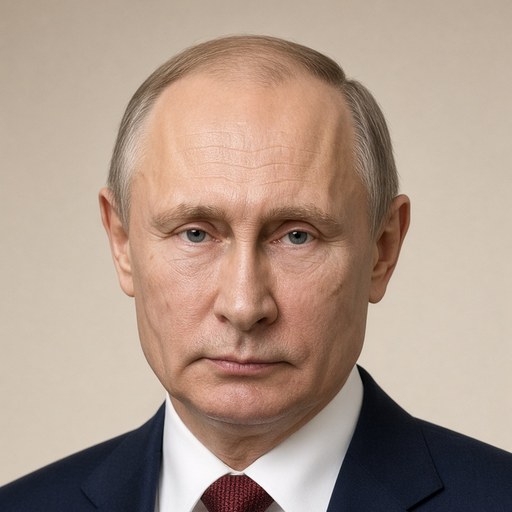
- Putin addressed an extended Ministry of Defense board meeting on December 10, 2013, reviewing annual Armed Forces progress and outlining future military modernization priorities.
- Main themes
- Armed Forces modernization, military readiness and combat checks, strategic nuclear forces, missile defense and deterrence, regional security threats, defense industry development, aerospace defense, Navy presence and expansion, Special Operations Forces, CSTO alliances, Middle East and Afghanistan instability, U.S. missile defense concerns
- Duration
- ~20 min
- Words
- 2,341
- Sentences
- 116
- Readability
- 52
- Grade
- 10.9
- Syntax
- 3.03
- Vocabulary
- 2.03
Translated from Russian
The broad sphere of national life a sentence belongs to. Every sentence has an Arena, so it is the denominator the other indices are read against.
Other116 sentences in 45 paragraphs
Good afternoon, esteemed colleagues!
Today, within the framework of the expanded board, we will discuss the changes that have occurred in the Armed Forces over the past year, as well as the plans that need to be implemented in the near and long-term future.
Russia consistently advocates for the resolution of all international and regional problems exclusively through peaceful, diplomatic means. But it must be said directly that the factor of military deterrence still plays a significant role.
We see how difficult the situation is in some regions of the world. Armed confrontations continue in some countries of the Middle East. In the upcoming year of 2014, the withdrawal of international forces from Afghanistan may not only complicate the situation in that country but also create a significant field of instability in neighboring Central Asian states, which directly affects the national interests of the Russian Federation and our security.
We also know that most leading countries are actively modernizing their military arsenals, investing enormous resources in the development of advanced weapon systems, built, among other things, on new generation technologies and new principles. Attempts to disrupt and blur the strategic balance continue, primarily related, of course, to the plans for the construction of U.S. missile defense, including in the European segment.
We must take into account all these potential challenges and threats to the security of our country and accordingly build our work on further strengthening the Armed Forces.
I will say right away that a lot has been done in this direction over the past year.
A serious test for the Armed Forces was the six sudden comprehensive checks of combat readiness. For the first time, they covered units of almost all types and branches of the military across the entire territory of the country, and in some cases, the interaction of the army with federal and regional executive authorities was checked.
Of course, not everything is in order here, not everything is as we would like, but that is why these checks are conducted – to identify weak spots. They have been identified, conclusions have been made. I very much hope and proceed from the fact that all this will be taken into account in further practical work. But overall, the checks showed a positive dynamic in the troops, allowing for a real assessment of their ability to solve not previously known, but suddenly arising tasks.
I would like to note the good organization of command-staff exercises for the use of strategic nuclear forces. In modern Russian history, this was the second time it has taken place. Ground, naval, and air complexes successfully conducted missile launches, confirming the reliability of Russia's nuclear shield.
The combat capabilities of the Aerospace Defense Forces have increased, primarily the missile attack warning system. To date, its coverage area encompasses all major missile-threat directions. Specialists are well aware of the problems in this area; we discussed them in detail just recently at meetings with representatives of the industry. Everything is solvable and will be resolved.
The permanent presence of the Navy in the Mediterranean Sea has been renewed. Over the year, the intensity of missions of all our four fleets in the World Ocean has increased almost threefold, and the number of regular long-range aviation flights has also increased.
To more effectively combat international terrorism and carry out specific tasks beyond Russia's borders, Special Operations Forces are being created.
A good level of interaction with allies was demonstrated during the Russian-Belarusian strategic exercise "West-2013," as well as in training and exercises involving units from several CSTO countries. Together with our allies, we can respond much more effectively to potential challenges and threats to security, and we need to constantly refine the mechanisms of such coordination.
Qualitative changes have also occurred with the supply of new equipment to the troops. Currently, only some delays in the supply of equipment to the Ground Forces remain. I expect that all debts in this area will be settled in the near future. Moreover, defense industry enterprises are not only updating their base but have also entered a good rhythm of work, having accumulated experience in large-scale production of products, which has not been seen for a long time.
Thanks to the constructive dialogue between the leadership of the Ministry of Defense and representatives of the defense industry, many problems have been resolved, and good contact has been established between customers and industry. Of course, there is still much to be done here. First of all, we need to work on prices and reducing costs, as well as improving the quality and reliability of special equipment. We will do all this in the course of our current practical work.
I would like to remind you that within a year, the share of new, modern equipment in the troops should reach 30 percent. In 2014, more than 40 of the most modern intercontinental ballistic missiles, over 210 aircraft and helicopters, and more than 200 units of armored vehicles should be delivered to the Armed Forces. The nuclear missile carriers "Alexander Nevsky" and "Vladimir Monomakh" will go on combat duty, and the orbital group will be replenished with six new satellites.
At the same time, the Ministry of Defense must ensure all the necessary infrastructure for the operation of the incoming equipment. That is, we understand: it is possible to operate without infrastructure, as has often been the case in the past, but it is expensive and wasteful. Everything must be done in a modern way so that this equipment serves as long as possible and serves the people, ensuring the security of the country.
We need to create an effective base for training specialists. In general, we need to continue improving the content of combat training, including continuing the practice of conducting comprehensive sudden checks of units and formations; they should take place in all types and branches of the military, in all military districts. The result of combat training should be the strategic exercise "Vostok-2014," during which issues of ensuring military security in the eastern part of Russia will be worked out.
Also, in the upcoming year, we need to complete the work on staffing the Armed Forces with personnel, reaching a level of 95-100 percent.
We will continue to recruit contract privates and sergeants. This year, their number has already exceeded 200,000 – 205.1. As the results of training and exercises show, the growing number of professionals significantly enhances the combat capability of the troops. This is clear to us. The more complex the equipment, the better trained the specialists who work with it must be.
In addition, next year we need to complete the formation of new formations and military units that are part of the prospective combat composition of the Armed Forces. At the same time, I ask that special attention be paid to the deployment of infrastructure and military units in the Arctic direction. I will say a few more words about this in detail.
Russia is increasingly exploring this promising region, returning to it, and must have all the levers here to protect its security and national interests.
Taking this opportunity, I would like to thank the personnel and specialists who have tackled complex tasks this year: restoring our military base on the Severnaya Zemlya archipelago, which is key to controlling the situation in the entire Arctic region. I remind you that this year, the restoration of northern airfields has already begun at various stages, as well as airfields in the Arctic zone: Temp, Tiksi, Naryan-Mar, Alykel, Anadyr, Rogachevo, Nagurskaya. By the end of the year, it is planned – and I expect that this will be done – to conclude state contracts for the development of project and estimate documentation for the development, essentially for the revival of the Tiksi airfield, and for the performance of construction and installation work at the Severomorsk-1 airfield.
Dear colleagues!
I will specifically address the issues of strengthening social guarantees for military personnel, and first and foremost, of course, the housing problems.
Over the past five years, more than 162,000 families of military personnel from the Ministry of Defense have received new apartments. Of course, I am aware of the problems that have arisen during this work; there are many, but the work is significant. But I want to emphasize once again, and you know this well, that never before has the state allocated such funds to solve the housing problems of military personnel, never.
The formation of permanent housing for those who registered before January 1, 2012, is now nearing completion. I remind you that at the beginning of this year, about 33,000 people remained on the waiting list. Over the year, the queue has been reduced by almost half. In the very near future, all remaining military personnel in this category, approximately 15,500 people, should be offered apartments. Thus, we are closing the issue of debts for permanent housing. And I want to draw the attention of the Ministry of Defense and the Presidential Control Directorate to this: it needs to be kept under control. I said: "we are closing." We must be sure that the problem is indeed closed.
Starting in 2014, the Ministry of Defense must switch to a planned procedure for providing housing. In addition, we need to more actively engage the resources of the cumulative mortgage system. Over the past 11 months, military personnel from the Ministry of Defense have purchased almost 12,000 apartments, and since the launch of the system in 2005, more than 31,000.
Next in line is the formation of a fund for service housing. This problem, of course, is not simple, and it must be solved in full, taking into account the staffing levels of the Armed Forces, as well as the locations of the troops.
We need to continue to address long-standing issues, put military towns in order, transfer excess property to the subjects of the Federation and municipalities, and continue work in accordance with the Plan for the arrangement of military towns for 2013-2014 and for the future until 2017. I ask the leadership of the Ministry to keep this work under constant control.
Dear participants of the board!
This year, a number of areas in the Far East and Siberia suffered from large-scale flooding, as we all know very well. And, as always, the army came to help the people. More than 5,500 servicemen carried out their mission with dignity – they helped eliminate the consequences of the disaster. The army is called to protect the people, of course, in armed struggle, but when such large-scale tragedies and natural disasters arise, the army is certainly indispensable here. I remember very well seeing how servicemen, with the unit's banner, held a crumbling dam at night, waist-deep in water. Thank you very much for that, guys.
In conclusion, I would like to emphasize once again: we will continue to do everything necessary to ensure that the Armed Forces of Russia meet all modern requirements and are a reliable guarantor of the security of the Russian state.
Thank you very much for your attention.
<…>
Before we move on to the awards, I would like to say this. Indeed, among the awardees are mainly the highest command staff, the leadership of the Ministry of Defense. There are pilots, sailors, missile men, and representatives of the Ground Forces, paratroopers.
New equipment is entering the troops; we know this and strive for the rearmament of the army and navy. And a lot has indeed been done; otherwise, there would not be any awardees today. I want to congratulate the awardees not only but also thank them for their work – there is much to be thankful for.
Here is what I would like to say in this regard. The forms of armed struggle are becoming more and more sophisticated. The effectiveness of this armed struggle and victory always belongs to those who have both a stronger spirit and better weapons than the enemy, and better skills in managing them than the potential adversary. Therefore, you will all need to do a lot – from junior lieutenants to army generals – in terms of improving armaments (you are not the industry, yet you also have many tasks in this regard), in terms of managing the troops, and in terms of training personnel.
I would very much like, understanding all the complexities and prospects of developing new types of weapons and methods of conducting armed struggle, that everyone in their place not only performs their job but approaches it creatively, always thinking about how to take an additional step towards improving our great military machine.
Great importance, as always, belongs to various levels of staffs, including, of course, primarily the General Staff. These are not just people who count papers, shuffle them, and file them; they must be analytical centers. This is more important today than ever, more important than ever.
In the style and terminology of military affairs, we can not only tolerate but also joke about archaic terms like "organization of personnel washing" and so on. I think they wash themselves, the servicemen, why wash them? But that’s how it has been. And with this archaic style, of course, we can put up with it and joke about it. But in our consciousness, in our minds, there should be no archaic notions. We need to think in a modern way; we need to always work proactively.
I said that among the awardees are representatives of different types and branches of the Armed Forces, but I would especially like to highlight one person. This is Admiral of the Fleet in retirement Vladimir Nikolayevich Chernavin, who has not only done a lot for the development of the naval forces but also for the entire armed component of our state. If we focus on the best representatives of the older generation, our veterans, we will succeed.
I congratulate you on the upcoming New Year. I wish you all the best – to you and your families. Be happy.
Thank you very much.
The original Russian. The tags above are read on the English translation's sentences.
Добрый день, уважаемые товарищи!
Сегодня в рамках расширенной коллегии обсудим, какие изменения произошли в Вооружённых Силах за текущий год, какие планы предстоит реализовать в ближайшей и долгосрочной перспективе.
Россия последовательно выступает за решение всех международных и региональных проблем исключительно мирными, дипломатическими средствами. Но надо прямо сказать, что фактор военного сдерживания по‑прежнему играет весьма весомую роль.
Мы видим, как непросто складывается ситуация в некоторых регионах мира. Продолжается вооружённое противостояние в некоторых странах Ближнего Востока. В предстоящем 2014 году вывод международных сил из Афганистана может не только осложнить положение дел в этой стране, но и создать значительное поле нестабильности в соседних государствах Центральной Азии, что непосредственно затрагивает национальные интересы Российской Федерации и нашу безопасность.
Мы также знаем и то, что большинство ведущих стран активно модернизируют свои военные арсеналы, вкладывают огромные средства в разработки перспективных систем вооружений, построенных в том числе на технологиях нового поколения, на новых принципах. Не прекращаются попытки нарушить, размыть стратегический баланс, прежде всего они связаны, конечно, с планами строительства противоракетной обороны США, в том числе и в европейском сегменте.
Мы обязаны учитывать все эти потенциальные вызовы и угрозы безопасности нашей страны и соответственно строить нашу работу по дальнейшему укреплению Вооружённых Сил.
Сразу скажу, за прошедший год в этом направлении было многое сделано.
Серьёзным экзаменом для Вооружённых Сил стали 6 внезапных комплексных проверок боеготовности. Они впервые охватили подразделения практически всех видов и родов войск по всей территории страны, причём в отдельных случаях проверялось взаимодействие армии с федеральными и региональными органами исполнительной власти.
Конечно, не всё здесь ладно, не всё так, как нам бы хотелось, но для этого проверки и проводятся – чтобы выявить слабые места. Они выявлены, выводы сделаны. Очень надеюсь на то и исхожу из того, что всё это будет учитываться в дальнейшей практической работе. Но в целом проверки показали положительную динамику в войсках, позволили реально оценить их способность решать не заранее известные, а внезапно возникающие задачи.
Отмечу хорошую организацию командно-штабных учений по применению стратегических ядерных сил. В современной истории России оно прошло второй раз. Наземные, морские и воздушные комплексы успешно провели пуски ракет, подтвердили надёжность ядерного щита России.
Возросли боевые возможности войск Воздушно-космической обороны, прежде всего – системы предупреждения о ракетном нападении. На сегодняшний день зона её покрытия охватывает все основные ракетоопасные направления. Специалисты прекрасно знают проблемы в этой сфере, мы их очень подробно обсуждали совсем недавно на совещаниях с представителями промышленности. Всё решаемо и будет решаться.
Возобновлено постоянное присутствие ВМФ в акватории Средиземного моря. За год интенсивность походов всех наших четырёх флотов в Мировом океане выросла почти в 3 раза, увеличилось и число регулярных полётов дальней авиации.
Для более эффективной борьбы с международным терроризмом и выполнения отдельных задач за пределами России создаются Силы специальных операций.
Хороший уровень взаимодействия с союзниками был показан в ходе российско-белорусского стратегического учения « Запад-2013 », а также на тренировках и учениях с участием подразделений ряда стран ОДКБ Краткая справка Организация Договора о коллективной безопасности (ОДКБ) и СНГ Краткая справка Содружество Независимых Государств (СНГ) . Вместе с союзниками мы можем гораздо более эффективно реагировать на потенциальные вызовы и угрозы безопасности, и нужно постоянно оттачивать механизмы такой координации.
Качественные изменения произошли и с поставками новой техники в войска. Сейчас сохраняются лишь некоторые задержки по поставкам техники в Сухопутные войска. Рассчитываю, что и здесь все долги в ближайшее время будут закрыты. Тем более что предприятия ОПК сейчас не только обновляют свою базу, но и вошли в хороший ритм работы, накопили опыт крупносерийного производства продукции, чего раньше не было, давно уже не было.
Благодаря конструктивному диалогу руководства Минобороны и представителей ОПК удалось снять многие проблемы, наладить хороший контакт между заказчиками и промышленностью. Конечно, и здесь ещё многое предстоит сделать. Прежде всего нужно работать по ценам и снижению издержек, по повышению качества и надёжности специального оборудования. Всё это будем делать в ходе текущей практической работы.
Напомню, что уже через год доля новой, современной техники в войсках должна составлять 30 процентов. В 2014 году в Вооружённые Силы должны поступить более 40 самых современных межконтинентальных баллистических ракет, более 210 самолётов и вертолётов, свыше 200 единиц бронетехники. На боевую вахту заступят атомные ракетоносцы «Александр Невский» и «Владимир Мономах», а состав орбитальной группировки пополнится 6 новыми спутниками.
При этом Минобороны должно обеспечить всю необходимую инфраструктуру для эксплуатации поступающей техники. То есть мы с вами понимаем: эксплуатировать можно и без инфраструктуры, как это частенько бывало раньше, но это дорого и расточительно. Нужно делать всё по‑современному, с тем чтобы эта техника служила как можно дольше и служила бы народу, на обеспечение безопасности страны.
Нужно создавать эффективную базу для подготовки специалистов. В целом нужно и дальше совершенствовать содержание боевой учёбы, в том числе – продолжить практику проведения комплексных внезапных проверок частей и соединений, они должны пройти во всех видах и родах войск, во всех военных округах. Итогом боевой подготовки должно стать стратегическое учение «Восток-2014», в ходе которого предстоит отработать вопросы обеспечения военной безопасности в восточной части России.
Также в наступающем году нам надо завершить работу по комплектованию Вооружённых Сил личным составом, выйти здесь на уровень 95–100 процентов.
Предстоит продолжить набор рядовых и сержантов-контрактников. В этом году их число превысило уже 200 тысяч человек – 205,1. Как показывают итоги тренировок и учений, растущее число профессионалов заметно повышает боеспособность войск. Это нам и понятно. Чем сложнее техника, тем лучше должны быть подготовлены специалисты, которые на ней работают.
Кроме того, в будущем году надо закончить формирование новых соединений и воинских частей, входящих в перспективный боевой состав Вооружённых Сил. При этом особое внимание прошу уделить развёртыванию инфраструктуры и воинских частей на арктическом направлении. Об этом сейчас несколько слов скажу поподробнее.
Россия всё активнее осваивает этот перспективный регион, возвращается в него и должна располагать здесь всеми рычагами для защиты своей безопасности и национальных интересов.
Пользуясь сегодняшней возможностью, хочу поблагодарить личный состав и специалистов, которые в текущем году решали сложные задачи: восстанавливали нашу военную базу на Новосибирских островах, которые имеют ключевое значение для контроля над ситуацией во всём Арктическом регионе. Напомню, в этом году в разной стадии, но тем не менее уже начато восстановление северных аэродромов, а также аэродромов в Арктической зоне: Темп, Тикси, Нарьян-Мар, Алыкель, Анадырь, Рогачёво, Нагурская. До конца года планируется – и я рассчитываю на то, что это будет сделано, – заключить госконтракты на разработку проектно-сметной документации на развитие, а по сути – на возрождение аэродрома Тикси и на выполнение строительно-монтажных работ на аэродроме Североморск-1.
Уважаемые товарищи!
Отдельно остановлюсь на вопросах укрепления социальных гарантий военнослужащих, и прежде всего, конечно, речь о жилищных проблемах.
За последние пять лет новые квартиры получили свыше 162 тысяч семей военнослужащих Министерства обороны. Конечно, знаю о проблемах, которые возникали в ходе этой работы, их много, но и работа большая. Но ещё раз хочу подчеркнуть, и вы об этом хорошо знаете, никогда в прежние времена государство не выделяло таких денег на решение жилищных проблем военнослужащих, никогда.
Сейчас завершается формирование постоянного жилья для тех, кто встал на очередь до 1 января 2012 года. Напомню, что на начало текущего года их оставалось порядка 33 тысяч человек. За год очередь сократилась почти вдвое. В самое ближайшее время всем оставшимся военнослужащим этой категории, а это примерно 15,5 тысячи человек, должны быть предложены квартиры. Таким образом, вопрос с долгами по постоянному жилью мы закрываем. И хочу обратить на это внимание Министерства обороны и Контрольного управления Президента: нужно держать это под контролем. Я сказал: «закрываем». Мы должны быть уверены в том, что проблема действительно закрыта.
С 2014 года Минобороны должно перейти на плановый порядок обеспечения жильём. Кроме того, надо активнее задействовать ресурсы накопительно-ипотечной системы. За 11 месяцев этого года военнослужащими Минобороны приобретено почти 12 тысяч квартир, а всего с момента запуска системы в 2005 году – более 31 тысячи.
На очереди – формирование фонда служебного жилья. Эта проблема, конечно, непростая, и она должна решаться в полном объёме с учётом штатной численности Вооружённых Сил, а также мест дислокации войск.
Нужно и дальше расшивать застарелые проблемы, приводить в порядок военные городки, передавать высвобождаемое избыточное имущество субъектам Федерации и муниципалитетам, в целом продолжать работу в соответствии с Планом обустройства военных городков на 2013–2014 годы и на перспективу до 2017 года. Я прошу руководство Министерства держать эту работу под постоянным контролем.
Уважаемые участники коллегии!
В этом году ряд районов Дальнего Востока и Сибири пострадали от масштабного наводнения, мы с вами очень хорошо об этом знаем. И, как всегда, на помощь людям пришла армия. Более 5,5 тысячи военнослужащих достойно выполнили свою миссию – помогли ликвидировать последствия стихии. Армия призвана защищать народ, конечно, в ходе вооружённой борьбы, но когда возникают такие масштабные трагедии, такие масштабные стихийные события, – конечно, без армии не обойтись и здесь. Я очень хорошо помню, видел, как военнослужащие со знаменем части ночью по грудь в воде держали разваливающуюся дамбу. Большое вам за это, ребята, спасибо.
В завершение ещё раз подчеркну: мы будем и дальше делать всё необходимое, чтобы Вооружённые Силы России отвечали всем современным требованиям, были надёжным гарантом обеспечения безопасности Российского государства.
Спасибо большое за внимание.
<…>
Я, перед тем как мы перейдём к награждению, вот что хотел бы сказать. Действительно среди награждённых – в основном высший командный состав, руководство Министерства обороны. Здесь и лётчики, и моряки, и ракетчики, и представители Сухопутных войск, десантники.
В войска поступает новая техника, мы с вами об этом знаем и стремимся к переоснащению армии и флота. И многое действительно сделано, иначе бы и награждённых сегодня не было. Я хочу награждённых не только поздравить, но и поблагодарить за их работу – есть за что.
Вот что хотел бы сказать в этой связи. Формы вооружённой борьбы становятся всё более и более совершенными. Эффективность этой вооружённой борьбы и победы – они всегда за теми, у кого и дух крепче, и оружие не такое же, как у противника, а лучше, и умение им управлять у личного состава лучше, чем у потенциального противника. Поэтому вам многое нужно будет всем вместе – от младшего лейтенанта до генерала армии – многое нужно будет сделать и с точки зрения совершенствования вооружения (вы не промышленность, тем не менее за вами тоже очень много задач в этом плане), и в плане управления войсками, и в плане подготовки личного состава.
Мне бы очень хотелось, чтобы, понимая все сложности и все перспективы развития новых видов вооружений и способов ведения вооружённой борьбы, каждый на своём месте не просто исполнял бы свою работу, а творчески к ней подходил, всегда думал бы на тему о том, как сделать дополнительный шаг к совершенствованию нашей большой военной машины.
Большое значение, как всегда, конечно, в этом смысле принадлежит различного уровня штабам, в том числе и, конечно, прежде всего Генеральному штабу. Это не просто люди, которые бумажки считают, перекладывают и подшивают в дела, это аналитические центры должны быть. Как никогда это важно сегодня, как никогда важно.
В стилистике, в терминологии военного дела мы можем не только мириться, мы можем и подшутить над архаизмами типа «организация помывки личного состава» и так далее. Я думаю, что они сами моются, военнослужащие, чего их мыть. Но так сложилось. И с этой архаичной стилистикой, конечно, можно смириться и пошутить над этим. Но в сознании нашем, в головах наших не должно быть никакой архаики. Нужно мыслить по‑современному, нужно на опережение всегда работать.
Я сказал, что в числе награждённых представители разных видов и родов Вооружённых Сил, но особо хотел бы отметить одного человека. Это адмирал флота в отставке Чернавин Владимир Николаевич, который не только многое сделал для развития военно-морских сил, но и всей вооружённой составляющей нашего государства. Если мы будем ориентироваться на самых лучших представителей старшего поколения, наших ветеранов, у нас всё получится.
Поздравляю вас с приближающимся Новым годом. Желаю вам всего самого доброго – вам, вашим семьям. Будьте счастливы.
Спасибо большое.