




Forum of Interregional Cooperation between Russia and Kazakhstan
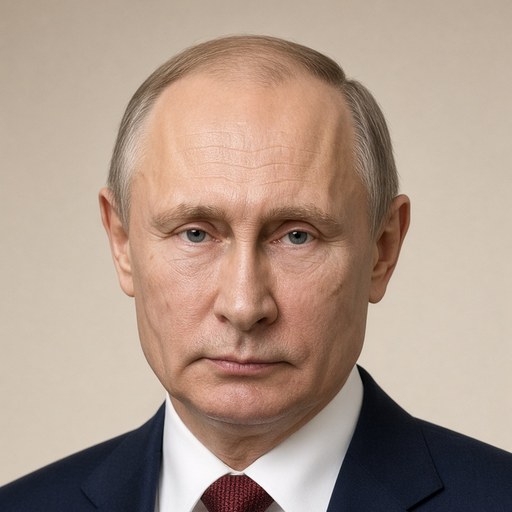
 Vladimir Putin · President of Russia
- Context
- Putin addressed the XIV Russia-Kazakhstan Forum of Interregional Cooperation in Chelyabinsk on November 9, 2017, alongside Kazakh President Nazarbayev, marking 25 years of diplomatic relations.
- Main themes
- Russia-Kazakhstan interregional cooperation, human capital development, bilateral trade and investment, digital economy, education and healthcare, Eurasian Economic Union, Syria peace process and Astana negotiations, regional cooperation agreements, information technology in governance, diplomatic anniversary
- Duration
- ~28 min
- Words
- 3,308
- Sentences
- 184
- Readability
- 34
- Grade
- 12.9
- Syntax
- 2.70
- Vocabulary
- 2.29
Translated from Russian
The broad sphere of national life a sentence belongs to. Every sentence has an Arena, so it is the denominator the other indices are read against.
Other184 sentences in 88 paragraphs
Dear Nursultan Abishevich! Dear colleagues!
I am glad to welcome all of you to the XIV Russian-Kazakh Forum of Interregional Cooperation. Russia and Kazakhstan are strategic partners and allies.
Our states are developing relations based on the principles of friendship, good neighborliness, equality, and mutual respect. I am convinced that our commitment to these principles will allow us to continue strengthening cooperation in all areas.
This is, in fact, what is reflected in the joint statement dedicated to the 25th anniversary of the establishment of diplomatic relations between our countries, which we will sign today together with Nursultan Abishevich.
Before the opening of the forum, the President of Kazakhstan and I just had a very detailed and thorough conversation. We discussed key aspects of bilateral cooperation and outlined steps for further enhancing Russian-Kazakh interaction in all directions.
And I want to reiterate what I said in a closed session: I want to thank Nursultan Abishevich for his significant contribution to holding international meetings in Astana on Syria. Much thanks to the Astana negotiations, the opportunity arose for a quicker resolution of the crisis in Syria, allowing the Syrians themselves to reach agreements on launching a political process for settlement.
And of course, we talked about the main theme of the current interregional forum – the development of human capital, investments in improving the level and quality of life of citizens, primarily investments in the fields of education and healthcare.
We agreed to instruct the governments of our countries to continue close coordination of actions on the development of human capital and to more actively involve the regions of Russia and Kazakhstan in this work.
We noted that interregional cooperation is developing quite successfully and covers a wide range of issues in economic, social policy, and humanitarian spheres.
Contacts between the regions of the two countries have gained high intensity. Thus, this year, more than 20 delegations from the subjects of the Russian Federation visited Kazakhstan.
The result of such trips is specific agreements aimed at expanding multifaceted interregional cooperation and collaboration.
I would like to note that there are already about 400 cooperation agreements in effect between the subjects of the Russian Federation and the regions of Kazakhstan.
During the current forum, a substantial package of interregional documents will also be signed, including between Bashkortostan, Chelyabinsk, Sverdlovsk, and Omsk regions of Russia and Pavlodar, North Kazakhstan, West Kazakhstan, and Kostanay regions of Kazakhstan.
A comprehensive program for Russian-Kazakh interregional cooperation for the period 2018–2023 has been prepared for the forum.
This document aims to further actively engage the regions in the interaction of our countries. At the same time, priority attention will be given to cooperation in trade, economic, and investment areas.
I emphasize that largely due to the business initiatives of the subjects of the Russian Federation and the regions of Kazakhstan, mutual trade has noticeably increased since the beginning of this year. From January to August, reciprocal supplies of goods and services reached 11 billion dollars. This is one-third more than in the same period last year.
Accumulated Russian investments in Kazakhstan exceeded 10.8 billion dollars, while Kazakh investments in Russia reached three billion. It is important not to stop at this result, so we instructed the governments and the bilateral intergovernmental commission to take additional measures to remove barriers to the movement of goods, capital, and labor.
A new important direction is the digital economy. Russia pays close attention to the implementation of digital technologies in all areas of life.
I know that the Kazakh leadership is also making serious efforts to expand the use of information technologies in public administration, finance, education, and healthcare.
Russia and Kazakhstan regularly discuss this issue both in a bilateral format and within the framework of the Eurasian Economic Union. Regional authorities are also actively engaged in the use of digital technologies.
I hope that the current forum will yield results and help establish interregional cooperation in the implementation of electronic services and products in municipal management, modernization of housing and communal services, healthcare, and environmental protection.
An important area in terms of human capital development is, of course, education. In this regard, we agreed to expand ties between regional higher educational institutions, particularly along the lines of Chelyabinsk, South Ural, Altai, and other Ural and Siberian universities.
Alongside the current forum, a meeting of rectors of universities from both countries was held in Chelyabinsk, with more than 80 universities represented. Joint research centers should be established based on regional universities.
Such as, for example, the international research laboratory of applied biotechnology, where employees and students of Belgorod State Research University and Al-Farabi Kazakh National University work.
Among other positive examples of regional inter-university interaction, I would like to highlight the joint development of the Ural Federal University with partners from Kazakhstan. This concerns a new technology for reducing the energy intensity of production.
Its widespread implementation will not only help save energy resources but will also contribute to reducing greenhouse gas emissions, which is especially important for certain regions of both Kazakhstan and Russia. This, by the way, also applies to Chelyabinsk, where we are today.
In addition to inter-university interaction, we need to strengthen interregional cooperation in the field of vocational and technical education.
In this context, I would like to mention that next year, the World Skills Championship will be held in Kazan. We invite representatives from Kazakh regions to participate in it.
And in conclusion, I would like to wish you success in developing interregional cooperation in various fields. I am confident that the current forum will contribute to strengthening interaction between our states.
I want to thank you for our joint work and thank you for your attention.
N. Nazarbayev: Dear Vladimir Vladimirovich! Forum participants!
First of all, I would like to thank the organizers, those who put in their efforts to make this meeting happen and be prepared. And of course, I want to thank the people of Chelyabinsk for their hospitality and organization.
I have known Chelyabinsk since my youth, as I am a metallurgist and have had to visit the giant enterprises many times, especially Magnitogorsk, to learn and gain experience. It is a powerful center of industry and science.
Today we are holding the XIV Forum of Interregional Cooperation between our countries. And this has become an integral and important part of our relations. Our regions have become closer to each other. Meetings of regional leaders are taking place, and various economic and cultural events are being held. They fill our main treaty between Russia and Kazakhstan on friendship and cooperation, directed towards the 21st century, with real content.
It is symbolic that our forum, dedicated today to the development of human capital, is being held right here in Chelyabinsk. In 2005, at the II forum, we agreed to hold these forums here annually.
Today's theme – human capital – is at the center of attention of our states, and it acquires particular importance in the context of rapidly developing technologies, including digital ones.
By 2030, according to experts' forecasts, about 60 professions will disappear in various fields, while more than 180 new professions will emerge. According to the Human Development Report, in the next five years, more than a third of the knowledge and skills necessary for labor activity will change.
This is a serious challenge, the solution to which should become one of the important priorities of our cooperation. Kazakhstan is working on the program of the third modernization of the country, which sets tasks for improving the quality of human capital and enhancing the social well-being of people.
The program is designed to ensure the sustainable implementation of our plan to enter the ranks of 30 developed countries by 2050. Today, it is important to strengthen work on all key components of human capital – primarily education, healthcare, labor market development, and social protection systems.
Education. In Kazakhstan, we have begun a phased transition to updated content in school education that meets international standards. The basis for this has been 20 advanced intellectual schools built according to a special project in each regional center of our country, where talented children are admitted through a very competitive process.
The costs for these schools are higher than for ordinary ones, and the salaries of teachers are also higher. The schools are built according to a special project. We hope that this is important for preparing talented people, the elite. Our graduates are accepted into both Western and our universities. The schools implement trilingual education: in the state language, Russian, and English.
By 2025, those who entered the first grade will graduate, and everyone will know all three languages, thus resolving the issue of state and non-state education. Therefore, I believe we are on the right path.
Great importance is attached to technical vocational education. We have launched a new project "Free Vocational Education and Dual Training." This allows individuals to obtain their first labor specialty at the state's expense for free.
In the higher education system, a phased expansion of the academic and managerial autonomy of universities is being implemented in accordance with the new law on this matter.
Partnership with leading foreign universities transmits advanced educational programs within our country. On this basis, a world-class research system is being formed, and the presidential program "Bolashak" ("Future") is being implemented, under which, since 1994, up to five thousand people have been sent to the best universities abroad.
Tens of thousands of trained individuals have returned and work in various sectors of our economy. This has also encouraged parents to send their children, and over the years of independence, more than 140,000 of our citizens have received such education at the best universities, including in Russia.
Active work is underway to digitize the education process – from kindergarten to university. Regarding the interaction between Kazakhstan and Russia in the field of education, I believe it is advisable to strengthen it in the following areas.
First, today more than 30 Kazakh universities conduct joint scientific research with Russian universities. It is important to further expand this cooperation. It is advisable to work on the issue of creating scientific consortia of scientists from Kazakhstan and Russia on promising areas, particularly in bioinformatics, energy, space, and others.
This work is generally underway. Here, we can utilize the potential of such innovative clusters as our International University, the Innovation Technology Park of the Russian Skolkovo Center, and other universities. Also important for joint work may be the infrastructure being created after the "EXPO-2017" in Astana, such as the International Financial Center, which will start operating on January 1, the International IT Startups Technopark, and the International Center for Green Technologies and Investments. We expect close cooperation with the relevant structures of Russia.
Second, we need to consider the possibility of opening branches of Russian universities in the regions of our country where there is a high demand for educational services, especially in the southern regions.
Third, it is important to promote the formation of international educational hubs in our countries. For this, we should work on cooperation in educational programs, including open online courses.
Next. Considering the development of educational processes in our schools, I propose to organize joint Olympiads among schoolchildren in mathematics, chemistry, physics, and biology.
It is important to address issues of preschool education. We have taken on the plan to provide all children with kindergartens and preschool education. We have already achieved 80 percent coverage in this regard.
Regarding healthcare. Over the past 10 years, Kazakhstan has seen positive dynamics in key health indicators. Life expectancy has increased by 6 years over the past decade – to 72.5 years. Overall mortality has decreased by 28 percent, and maternal mortality has decreased by 3.5 times.
We know that in Russia, all these indicators have also improved. High-quality assistance is provided in leading medical centers, especially in the created cluster in Astana for neurocardiac surgery, traumatology, and organ transplantation. Medical tourism is developing in this regard, with patients coming to us for treatment. The prospects for cooperation on this issue are also very significant.
First, to improve the quality of medical education, work has begun on creating university clinics and academic medical centers. Given the potential of scientific centers and clinics in Russia, it is important for us to establish cooperation in this direction, particularly in the transfer of innovative technologies and the implementation of joint scientific projects in the field of medicine.
Second, digital technologies are also being implemented in the healthcare system – this includes the introduction of electronic health passports, the creation of an integrated information system, the use of big data, and the personalization of medicine, which we are currently working on. It is important for our countries to ensure the exchange of experience in the digitization of healthcare, and the development of a common telemedicine network is also important.
We have started this work within the framework of the EAEU. I proposed to hold a special forum of the Eurasian Economic Union on digitization in Astana in the first quarter of next year. Kazakhstan and Russia should be the locomotives in this area.
Thirdly, we are systematically implementing mandatory social health insurance. It is advisable to establish an exchange of experience on this issue as well. We need to continue working on the formation of a common market for pharmaceuticals and medical devices (both of our countries import them in large quantities), it is appropriate to develop unified, coordinated positions in this area, and to eliminate barriers to the free movement of pharmaceutical products and medical devices.
In the labor market and social protection system, we also have many areas for joint work.
Firstly, within the EAEU, we have decided to create a common labor market. To enhance its effectiveness, we need to unify the requirements and qualifications for the knowledge and skills of workers. Kazakhstan has begun implementing a national qualification system based on the European model. A unified list of professions has been formed, a new classifier of knowledge will be introduced, and professional standards will be developed.
Our governments should take measures to harmonize and synchronize this work. The mobility of labor resources within the common market largely depends on citizens' awareness of supply and demand in labor markets.
Kazakhstan has recently launched an electronic labor exchange. It serves as a single electronic platform used for citizens to search for jobs. We need to work on the issue of creating a unified integrated Eurasian electronic labor exchange. Social rights and guarantees for workers are important. We need to accelerate the resolution of pension provision issues.
Dear friends! As Vladimir Vladimirovich said in his speech, our countries are close neighbors, allies, and our work is directed towards the 21st century. We have been proving this for all 26 years of our cooperation in the context of independent countries, and these relations are strengthening in economic, political, and international affairs; we share common views and support each other.
This forum has become an important platform for further expanding effective interaction between our governments and companies. I am confident that today’s event can find new growth points and give an impetus to the development of human capital in our countries.
This is evidenced by the fact that today we are signing ten intergovernmental agreements and 30 interregional contracts, which outline new directions for our joint work for the benefit of our citizens, for the strengthening of relationships, friendship, and cooperation between our states.
I wish the participants of the forum fruitful work.
Thank you for your attention.
<…>
N. Nazarbayev: Dear Vladimir Vladimirovich! Dear colleagues!
I believe that our forum is proceeding pragmatically, correctly, and substantively. Over the past two days, representatives from the fields of education, science, ministries, and business have discussed their plans and shared ideas. This is important!
As we see today, the development of cooperation between our countries is, to some extent, linked to digitalization. Therefore, the issue of digitalization, as I have already noted, was proposed by me for consideration at a separate forum in Astana at the beginning of next year.
We must seriously prepare for this event, widely discussing it both in terms of preparing our population and our managerial personnel.
In addition to digitalization, we have several other topics that have not been previously discussed in the format of the Interregional Forum. I want to recall that, Vladimir Vladimirovich, we talked about the high-speed railway corridor China – Kazakhstan – Russia – Europe. We both support this project and will promote it, as it will also serve to enhance cooperation between our countries.
Another important topic is tourism. In many countries, tourism plays a significant role in forming the gross domestic product, creating additional jobs, and ensuring employment. It also drives key sectors of the economy such as transport, communications, construction, agriculture, and hospitality, acting as a catalyst for economic development.
Both Russia and Kazakhstan have many attractive places for tourism where leisure can be enjoyed and sights can be seen. For example, Russians, especially from the western Siberian part, come to us to relax in Borovoe in the summer, at Lake Balkhash, Lake Alakol, where cosmonauts have always rested, and in winter – to Chimbulak, the ski resort in Almaty, and other places. All of this can be organized through our tour operators.
In Russia, there are a huge number of regions that we, Kazakhs, do not know; we have already visited the Emirates, we have seen Turkey, but here it is more interesting. For instance, I have always dreamed of visiting the Far East, Kamchatka, and it has not yet happened. They are very interesting. And Baikal. Of course, St. Petersburg and Moscow go without saying. Therefore, I am already encouraging, you see, Kazakhs to go as tourists to Russia.
Dear Vladimir Vladimirovich! I propose to designate the theme of the next Interregional Forum as "New Approaches and Trends in the Development of Tourism in Russia and Kazakhstan" and to hold it in our city, Petropavlovsk, in Northern Kazakhstan, in 2018, if there are no objections or other proposals. Do we accept this? Then I wish all participants good health, great success in life and in their endeavors.
Thank you very much.
Dear Nursultan Abishevich! Dear friends!
I join the assessments made by the President of Kazakhstan regarding the forum. The agenda was rich, the plenary session and other meetings and events were substantive and held at a high level.
At the center of attention, as we have already mentioned, is the development of human capital, the application of information and digital technologies in the economy, public administration, and other areas.
The state and prospects of bilateral interregional cooperation in various fields have been discussed. We talked about what needs to be done in the future to improve our interaction in the areas of trade, investment, industrial cooperation, science, and education.
I also join what Nursultan Abishevich said regarding the possible implementation of a large project to construct a railway corridor from the People's Republic of China through Kazakhstan and Russia, and then further into Europe.
This could be a very good stimulus for the development of entire sectors of production. I am not even mentioning that from a logistics perspective, this development is moving in a very correct direction, enhancing our transit status. It would give a good impetus to the development of a number of sectors, as the project could be very large-scale.
In conclusion, I want to thank Nursultan Abishevich Nazarbayev and all our Kazakh friends for the fruitful joint work.
At the proposal of the President of Kazakhstan, we will gather in Kazakhstan next year, and I believe that the proposed topic is very interesting and very useful both from an economic perspective and in terms of developing human relationships.
Thank you all.
The original Russian. The tags above are read on the English translation's sentences.
Уважаемый Нурсултан Абишевич! Уважаемые коллеги!
Рад приветствовать всех вас на XIV российско-казахстанском Форуме межрегионального сотрудничества. Россия и Казахстан – стратегические партнёры, союзники.
Наши государства развивают отношения на принципах дружбы, добрососедства, равноправия и взаимного уважения. Убеждён, приверженность этим принципам позволит нам и далее укреплять сотрудничество во всех сферах.
Собственно, это то, что отражено в совместном заявлении, посвящённом 25-летию установления дипломатических отношений между нашими странами, которое мы сегодня подпишем вместе с Нурсултаном Абишевичем.
Перед открытием форума мы только что с Президентом Казахстана провели очень подробную, обстоятельную беседу. Обсудили ключевые аспекты двустороннего сотрудничества, наметили шаги по дальнейшему наращиванию российско-казахстанского взаимодействия по всем направлениям.
И хочу ещё раз сказать то, что говорил в узком составе: хочу поблагодарить Нурсултана Абишевича за большой вклад в проведение международных встреч в Астане по Сирии. Во многом благодаря астанинским переговорам появилась возможность для скорейшего разрешения кризиса в Сирии, достижения самими сирийцами договорённостей о запуске политического процесса урегулирования.
И конечно, мы говорили о главной теме нынешнего межрегионального форума – развитии человеческого капитала, об инвестициях в повышение уровня и качества жизни граждан, прежде всего вложениях в сферу образования, здравоохранения.
Договорились поручить правительствам наших стран продолжить тесную координацию действий по развитию человеческого капитала, активнее привлекать к этой работе регионы России и Казахстана.
Отметили, что межрегиональное сотрудничество развивается весьма успешно и охватывает самый широкий круг вопросов экономической, социальной политики, гуманитарной сферы.
Высокую интенсивность приобрели контакты между регионами двух стран. Так, в нынешнем году Казахстан посетили более 20 делегаций субъектов Российской Федерации.
Результатом таких поездок становятся конкретные договорённости, нацеленные на расширение многопланового межрегионального сотрудничества и кооперации.
Отмечу, что между субъектами Российской Федерации и областями Казахстана уже действует порядка 400 соглашений о сотрудничестве.
В ходе нынешнего форума также будет подписан солидный пакет межрегиональных документов, в том числе между Башкортостаном, Челябинской, Свердловской, Омской областями России и Павлодарской, Североказахстанской, Западноказахстанской и Кустанайской областями Казахстана.
К форуму подготовлена комплексная программа российско-казахстанского межрегионального сотрудничества на период 2018–2023 годов.
Этот документ нацелен на ещё более активное вовлечение регионов во взаимодействие наших стран. При этом приоритетное внимание будет уделяться сотрудничеству в торгово-экономической и инвестиционной областях.
Подчеркну, что во многом именно благодаря деловым инициативам субъектов Российской Федерации и казахстанских областей с начала текущего года заметно подросла взаимная торговля. За январь – август встречные поставки товаров и услуг достигли 11 миллиардов долларов. Это на треть больше, чем за аналогичный период прошлого года.
Накопленные российские инвестиции в Казахстане превысили 10,8 миллиарда долларов, а казахстанские в Россию – три миллиарда. Важно не останавливаться на этом результате, поэтому поручили правительствам, двусторонней межправкомиссии принять дополнительные меры по снятию барьеров для движения товаров, капиталов и рабочей силы.
Новое важное направление – это цифровая экономика. В России уделяется самое пристальное внимание внедрению цифровых технологий во все области жизни.
Знаю, что и казахстанское руководство прилагает серьёзные усилия по расширению применения информационных технологий в государственном управлении, финансовой сфере, образовании и медицине.
Россия и Казахстан регулярно обсуждают эту проблематику как в двустороннем формате, так и в рамках Евразийского экономического союза Краткая справка Евразийский экономический союз (ЕАЭС) . Региональные власти также много занимаются вопросами использования цифровых технологий.
Рассчитываю, что нынешний форум даст отдачу и поможет наладить межрегиональное сотрудничество по внедрению электронных сервисов и продуктов в муниципальном управлении, модернизации жилищно-коммунального хозяйства, здравоохранении и охране окружающей среды.
Особая сфера в плане развития человеческого капитала – это, конечно же, образование. В этой связи условились расширять связи между региональными высшими учебными заведениями, в частности, по линии Челябинского, Южно-Уральского, Алтайского и других уральских и сибирских университетов.
Параллельно с нынешним форумом в Челябинске было проведено заседание ректоров вузов двух стран, было представлено более 80 университетов. На базе региональных вузов следует создавать совместные исследовательские центры.
Такие, например, как международная научно-исследовательская лаборатория прикладной биотехнологии, в которой работают сотрудники и студенты Белгородского исследовательского университета и Казахстанского национального университета имени аль-Фараби.
Среди других положительных примеров регионального межвузовского взаимодействия хотел бы выделить совместную разработку Уральского федерального университета с партнёрами из Казахстана. Речь идёт о новой технологии по снижению энергоёмкости производств.
Её широкое внедрение не только поможет сберечь энергоресурсы, но и будет способствовать уменьшению выбросов парниковых газов, что особенно важно для отдельных регионов как Казахстана, так и России. В том числе, кстати говоря, это касается и Челябинска, где мы сегодня находимся.
Помимо межвузовского взаимодействия надо укреплять и межрегиональное сотрудничество по линии учебных заведений профессионально-технического образования.
В этом контексте упомяну, что в следующем году в Казани пройдёт чемпионат мира по рабочим профессиям. Мы приглашаем принять в нём участие представителей казахстанских регионов.
И в заключение хотел бы пожелать вам успехов по развитию межрегионального сотрудничества в самых разных областях. Уверен, что нынешний форум будет способствовать укреплению взаимодействия между нашими государствами.
Хочу вас поблагодарить за совместную работу и благодарю вас за внимание.
Н.Назарбаев: Уважаемый Владимир Владимирович! Участники форума!
Прежде всего хочу поблагодарить организаторов, тех, кто вложил свой труд, чтобы эта встреча состоялась и была подготовлена. И конечно, хочу поблагодарить челябинцев за гостеприимство, организацию.
Челябинск я знаю со своих юных лет, так как я металлург, много раз приходилось бывать на гигантах-предприятиях, особенно на Магнитке, перенимать опыт и учиться. Это мощный центр промышленности и науки.
Мы проводим сегодня XIV Форум межрегионального сотрудничества между нашими странами. И это стало неотъемлемой, важной частью наших отношений. Наши регионы стали ближе друг к другу. Проходят встречи руководителей регионов, проводятся различные экономические культурные мероприятия. Они наполняют реальным содержанием наш основной договор между Россией и Казахстаном о дружбе, сотрудничестве, обращённом в XXI век.
Символично, что наш форум, посвящённый сегодня развитию человеческого капитала, проводится именно здесь, в Челябинске. В 2005 году на II форуме мы договорились именно здесь проводить эти форумы ежегодно.
Сегодняшняя тема – человеческого капитала – в центре внимания наших государств, она приобретает особую важность в условиях стремительно развивающихся технологий, в том числе цифровых.
До 2030 года, по прогнозам экспертов, в различных сферах исчезнут порядка 60 профессий, одновременно появятся более 180 новых профессий. Согласно докладу о человеческом развитии в ближайшие пять лет изменится более трети знаний, навыков, необходимых для трудовой деятельности.
Это серьёзный вызов, решение которого должно стать одним из важных приоритетов нашего с вами сотрудничества. Казахстан работает по программе третьей модернизации страны, в ней поставлены задачи по улучшению качества человеческого капитала, улучшения социального самочувствия людей.
Программа призвана обеспечить устойчивое выполнение нашего плана вхождения в 30 развитых стран в 2050 году. Сегодня важно усилить работу по всем основным компонентам человеческого капитала – это прежде всего образование, здравоохранение, развитие рынка труда, система социальной защиты.
Образование. Мы в Казахстане начали поэтапный переход на обновлённое содержание школьного образования, соответствующее международным стандартам. Основой для этого стали 20 передовых интеллектуальных школ, которые построены по особому проекту в каждом областном центре нашей страны, куда попадают талантливые дети по очень большому конкурсу.
Затраты для этих школ выше, чем для обычных, оплата преподавателей тоже. Школы строятся по специальному проекту. Мы надеемся, что для подготовки талантливых людей, элиты это важно. Наших выпускников принимают и в западные, и в наши вузы. В школах проводится трёхъязычие: на казахском государственном, русском и английском языках.
К 2025 году тот, кто поступил в первый класс, закончит, и все будут знать все три языка, и проблема государственных, не государственных у нас снимается. Поэтому думаю, что мы на правильном пути находимся.
Большое значение придаётся техническому профессиональному образованию. Мы запустили новый проект «Бесплатное профтехобразование и дуальное обучение». Это даёт возможность получить за счёт государства первую трудовую специальность бесплатно.
В системе высшего образования осуществляется поэтапное расширение академической управленческой самостоятельности вузов согласно новому закону по этому поводу.
Партнёрство с ведущими зарубежными вузами транслирует передовые программы образования внутри нашей страны. На его базе формируется система научных исследований мирового класса, реализуется президентская программа «Болашак» («Будущее»), по которой, начиная с 1994 года, направляются в лучшие вузы из страны до пяти тысяч человек.
Десятки тысяч обученных там людей вернулись и работают в разных отраслях нашей экономики. Это подтолкнуло родителей также направлять, и всего за годы независимости свыше 140 тысяч наших граждан получили такое образование в лучших университетах, в том числе в России.
Ведётся активная работа по цифровизации процесса образования – от детского сада до вуза. По взаимодействию Казахстана и России в сфере образования – считаю целесообразным усилить его по следующим направлениям.
Во-первых, сегодня более 30 казахстанских вузов проводят с российскими вузами совместные научные исследования. Важно в дальнейшем расширить это сотрудничество. Целесообразно проработать вопрос создания научных консорциумов учёных Казахстана и России по перспективным направлениям, в частности, по биоинформационным технологиям, энергетике, космосу и другим.
Эта работа, в общем-то, идёт. Здесь можно использовать потенциал таких инновационных кластеров, как наш Международный университет, Парк инновационных технологий российского центра «Сколково» и других университетов. Также важными для совместной работы могут быть создаваемые на базе инфраструктуры после проведения «ЭКСПО-2017» в Астане Международный финансовый центр, который начнёт работать с 1 января, Международный технопарк IT-стартапов и Международный центр зелёных технологий и инвестиций. Мы рассчитываем на тесное сотрудничество с соответствующими структурами России.
Во-вторых, нужно рассмотреть возможность открытия филиалов российских вузов в регионах нашей страны, где есть повышенный спрос на образовательные услуги, особенно в южных регионах.
Третье. Важно способствовать формированию в наших странах международных образовательных хабов. Для этого поработать над взаимодействием в области образовательных программ, в том числе открытых образовательных онлайн-курсов.
Далее. Учитывая развитие образовательных процессов в наших школах, предлагаю организовать совместные олимпиады среди школьников по математике, химии, физике и биологии.
Важно решать вопросы дошкольного образования. Мы взялись за план – обеспечить всех малышей детскими садами и дошкольным образованием. Уже достигли 80 процентов обеспечения по этому пункту.
По сфере здравоохранения. Последние 10 лет в Казахстане отмечается положительная динамика основных показателей здоровья населения. Ожидаемая продолжительность жизни за 10 лет выросла на 6 лет – 72,5 года. Общая смертность снизилась на 28 процентов, материнская – в 3,5 раза.
Знаем, что в России также улучшились все эти показатели. В ведущих медицинских центрах оказывается высококлассная помощь, особенно в созданном кластере в Астане по нейрокардиохирургии, травматологии, а также трансплантации органов. Развивается в связи с этим медицинский туризм, когда приезжают к нам за лечением. Перспективы сотрудничества по этому вопросу тоже очень большие.
Во-первых, для повышения качества медицинского образования начата работа по созданию университетских клиник, академических медцентров. Учитывая потенциал научных центров и клиник России, нам важно наладить взаимодействие в этом направлении, в частности, это трансферт инновационных технологий, реализация совместных научных проектов в сфере медицины.
Во-вторых, в системе здравоохранения также внедряются цифровые технологии – это ввод электронных паспортов здоровья, создание интегрированной информационной системы, использование больших данных и персонализация медицины, над чем мы сейчас работаем. Нашим странам важно обеспечить обмен опытом в цифровизации здравоохранения, также важно развитие общей сети телемедицины.
Эти работы мы начали в рамках ЕАЭС. Я предложил провести специальный форум Евразийского экономического союза по цифровизации в Астане в первом квартале следующего года. Казахстан и Россия должны быть локомотивами в этой сфере.
В-третьих, мы планомерно внедряем обязательное социальное медицинское страхование. Целесообразно наладить обмен опытом и в этом вопросе. Надо продолжить работу по формированию общего рынка лекарственных средств и медицинских изделий (обе наши страны импортируют их в больших количествах), целесообразно выработать единые, согласованные позиции в этой сфере, устранить барьеры для свободного перемещения фармацевтической продукции и медицинских изделий.
По рынку труда и системе соцзащиты у нас также есть немало направлений для совместной работы.
Во-первых, в рамках ЕАЭС мы решили создать общий рынок труда. Для повышения его эффективности надо унифицировать требования и квалификацию к знаниям, умениям работников. Казахстан начал внедрение национальной системы квалификации, за основу которой взята европейская модель. Сформирован унифицированный список профессий, будет внедрён новый классификатор знаний и разработаны профессиональные стандарты.
Нашим правительствам нужно было бы принять меры по гармонизации и синхронизации этой работы. Мобильность трудовых ресурсов в рамках общего рынка во многом зависит от информированности граждан о спросе и предложении на рынках труда.
В Казахстане недавно запущена электронная биржа труда. Она является единой электронной площадкой, используется для поиска работы граждан. Нам нужно проработать вопрос создания единой интегрированной евразийской электронной биржи труда. Важным являются социальные права и гарантии работников. Надо ускорить решение вопросов пенсионного обеспечения.
Уважаемые друзья! Как сказал Владимир Владимирович в своём выступлении, наши страны – близкие соседи, союзники, наша работа обращена в XXI век. Мы это доказываем все 26 лет нашего сотрудничества в условиях независимых стран, и эти отношения укрепляются в экономических, политических, международных делах, мы имеем единые взгляды и поддерживаем друг друга.
Этот форум стал важной площадкой для дальнейшего расширения эффективного взаимодействия наших правительств и компаний. Уверен, что сегодняшнее мероприятие может найти новые точки роста, придать импульс развитию человеческого капитала наших стран.
Об этом говорит то, что сегодня мы подписываем десять межправительственных соглашений и 30 межрегиональных договоров, которые намечают новые направления нашей совместной работы на благо наших граждан, на благо укрепления взаимоотношений, дружбы, сотрудничества между нашими государствами.
Желаю плодотворной работы участникам форума.
Благодарю вас за внимание.
<…>
Н.Назарбаев: Уважаемый Владимир Владимирович! Уважаемые коллеги!
Думаю, что прагматически, правильно, содержательно проходит наш форум. В течение двух дней представители сферы образования, науки, министерств, бизнеса обсудили свои планы, поделились идеями. Это важно!
Как видим сегодня, развитие сотрудничества наших стран в той или иной мере связаны с цифровизацией. Поэтому вопрос цифровизации, как я уже отметил, был предложен мной к рассмотрению на отдельном форуме в Астане в начале следующего года.
Мы должны серьёзно подготовиться к этому мероприятию, широко обсудить и с точки зрения подготовки нашего населения, и наших руководящих кадров.
Помимо цифровизации у нас есть ещё ряд тем, которые ранее не обсуждались в формате Межрегионального форума. Хочу вспомнить, что, Владимир Владимирович, мы говорили с Вами о скоростной железнодорожной магистрали Китай – Казахстан – Россия – Европа. И мы вместе поддерживаем этот проект и будем способствовать, это будет тоже служить сотрудничеству между нашими странами.
Ещё одна важная тема – это туризм. Во многих странах туризм играет важную роль в формировании внутреннего валового продукта, создании дополнительных рабочих мест, обеспечении занятости. И это тянет за собой такие ключевые отрасли экономики, как транспорт, связь, строительство, сельское хозяйство, гостиничное хозяйство, то есть выступает своеобразным катализатором экономического развития.
Как в России, так и в Казахстане есть много привлекательных мест для туризма, где можно проводить досуг и есть на что посмотреть. Например, россияне, особенно в западносибирской части, едут к нам отдыхать в Боровое летом, на озеро Балхаш, озеро Алакуль, где всегда космонавты отдыхали, зимой – на Чимбулак, на горнолыжный курорт в Алма-Аты и другие места. Можно всё это проводить организованно через наших туроператоров.
В России есть огромное количество регионов, которые мы, казахстанцы, не знаем, посмотрели уже Эмираты, посмотрели Турцию, а здесь интереснее. Я, например, всё время мечтаю побывать на Дальнем Востоке, на Камчатке, и никак не получается. Они очень интересны. И Байкал. Конечно, Санкт-Петербург, Москва – само собой. Поэтому я уже агитирую, видите, казахстанцев идти туристами в Россию.
Уважаемый Владимир Владимирович! Предлагаю обозначить тематику следующего Межрегионального форума как «Новые подходы и тенденции в развитии туризма России и Казахстана» и провести его у нас, в городе Петропавловске, в Северном Казахстане, в 2018 году, если нет возражений и других предложений. Принимаем? Тогда желаю всем участникам крепкого здоровья, больших успехов в жизни и в делах.
Спасибо большое.
Уважаемый Нурсултан Абишевич! Уважаемые друзья!
Присоединяюсь к оценкам, которые даны Президентом Казахстана по поводу форума. Повестка дня была насыщенна, пленарное заседание и другие встречи и мероприятия прошли содержательно, на высоком уровне.
В центре внимания, мы уже говорили об этом, – развитие человеческого капитала, применение информационных и цифровых технологий в экономике, государственном управлении и других сферах.
Обсуждено состояние и перспективы двустороннего межрегионального сотрудничества в самых разных областях. Говорили о том, что нужно сделать в перспективе для того, чтобы улучшить наше взаимодействие в сфере торговли, инвестиций, промышленной кооперации, науки, образования.
Присоединяюсь также к тому, о чём сказал Нурсултан Абишевич, – по поводу возможной реализации крупного проекта строительства железнодорожной магистрали из Китайской Народной Республики через Казахстан и Россию, затем дальше – в Европу.
Это могло бы быть очень хорошим стимулом в развитии целых отраслей производства. Уже не говорю о том, что с точки зрения логистики это развитие в очень правильном направлении, повышающее наш транзитный статус. Это дало бы хороший импульс в развитии целого ряда отраслей, поскольку проект мог бы быть очень масштабным.
И в завершение хочу поблагодарить Нурсултана Абишевича Назарбаева, всех наших казахстанских друзей за плодотворную совместную работу.
По предложению Президента Казахстана в следующем году соберёмся в Казахстане, и думается, что предложенная тема очень интересная и очень полезная и с точки зрения экономики, и с точки зрения развития человеческих отношений.
Благодарю вас всех.