




- Context
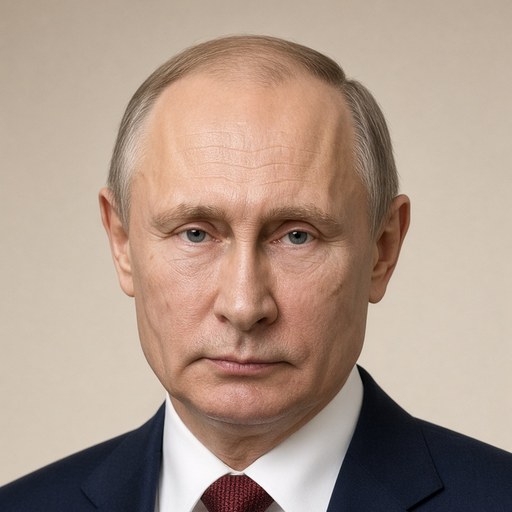
- Putin addressed the IX Investment Forum 'Russia Calls!' in Moscow on October 24, 2017, presenting Russia's economic recovery to international investors and business leaders.
- Main themes
- Russian economic recovery, investment opportunities in Russia, GDP growth, inflation and monetary policy, budget diversification from oil and gas, domestic demand expansion, fixed capital investment, macroeconomic stability, business and financial cooperation
- Duration
- ~19 min
- Words
- 2,220
- Sentences
- 115
- Readability
- 50
- Grade
- 10.6
- Syntax
- 3.01
- Vocabulary
- 2.09
Translated from Russian
The broad sphere of national life a sentence belongs to. Every sentence has an Arena, so it is the denominator the other indices are read against.
Other115 sentences in 53 paragraphs
Dear ladies and gentlemen, good afternoon!
I am pleased to welcome the participants of the IX Investment Forum "Russia Calls!" here in Moscow. This year, more than two thousand guests from over 60 countries have gathered at the forum. Among them are major investors, leaders of leading Russian and foreign companies, and renowned specialists in finance and investments.
This means that the "Russia Calls!" forum has firmly established itself in the global business calendar, has gained solid authority, and, of course, such representation once again underscores the great interest that modern Russia and its potential evoke, demonstrating a mutual desire for dialogue and cooperation, which is a key condition for establishing and developing business ties and seeking promising areas for investment.
Russia opens up such opportunities for cooperation, especially now, when our economy has emerged from stagnation and its recovery has taken on a sustainable character. Thus, the gross domestic product has been growing for four consecutive quarters.
Dear colleagues, please do not be upset if I have to repeat something. Surely, this has already been mentioned here in various forms, but there are some things I must repeat, and I will do so with pleasure.
Moreover, since the second quarter of this year, the growth rate has exceeded two percent. The increase in industrial production over three quarters has amounted to 1.8 percent, with the manufacturing sectors showing positive results, particularly in the automotive industry, pharmaceuticals, the chemical complex, food production, and the production of electrical equipment.
It is important that the Russian economy is acquiring a new quality that did not exist a year ago. What is this new quality? What are we talking about?
First of all, dynamics. The dynamics are based on the expansion of domestic demand, increasing both consumption and investment. Since May of this year, retail trade turnover has been growing at a rate of over one percent, primarily due to the growth of real wages.
The increase in real wages over the three quarters of this year has amounted to 2.5 percent. Citizens feel this with some lag, but gradually, gradually this area is recovering, which is extremely important for both the social sphere and the economy.
According to preliminary estimates, investments in fixed capital of enterprises and organizations have increased by 4.2 percent over three quarters. This is more than twice the growth rate of GDP for the same period.
Such leading rates lay the foundation for further growth. By the way, according to our Ministry of Economic Development, the GDP growth from January to September of this year has amounted to 1.8 percent, as I have already mentioned.
Secondly, we have reached a record low level of inflation, the lowest in the entire history of Russia. As of October 16, it stood at 2.7 percent year-on-year. This allows us to expect that by the end of the year, inflation will be below the target benchmark of four percent.
I am well aware that some experts express concern regarding such a low level of inflation, but low for our economy, for an economy with such a structure. And some experts see a deflationary threat to the economy in this dynamic.
What I would like to draw attention to is that practically all central banks, all regulators in all countries of the world that target inflation exhibit such excessive, at first glance, caution. And I think it is justified to some extent because there are still many risks. And for an economy with a structure like ours, dependent on the global commodity market, there are still many threats.
Therefore, I fully understand and generally approve of the actions of the Central Bank, which behaves in this way – so cautiously. But at the same time, I want to emphasize that price stability – which no one ever denies – plays an important role both in terms of interest rates and overall macroeconomic stability.
Here, I believe we are achieving good results, including thanks to responsible budgetary policy and the strict line, as I have already mentioned, of the Central Bank.
The dependence of the federal budget on oil market conditions is confidently decreasing. If in 2014 oil and gas revenues accounted for more than half of budget revenues (to be precise – 51.3 percent), then this year it is about 39 percent. In the coming three years, only one-third of federal budget revenues will be formed from oil and gas revenues. At the same time, I emphasize that the total revenues of the federal budget will certainly grow.
The so-called non-oil and gas budget deficit is decreasing. At the same time, dear colleagues, we are fully aware of the threats posed by this non-oil and gas deficit, what it is associated with, and what consequences may arise if we do not pay attention to it. We are fully aware of this.
Simply put, in the context of an economic crisis, an economic downturn (I will not discuss the reasons for this phenomenon now), it was necessary, first of all, to think about social justice, to think about citizens whose real incomes and real wages have already fallen.
Against this backdrop, thoughtlessly cutting social spending would be unfair to citizens. And then, any country in the world, including Russia, is interested in social stability.
By the way, the economy is also interested in this, and investors are interested in this. And it was also necessary to "stimulate" the economy, which we did, in a targeted manner, and as we can see, the results have been positive.
We plan that by 2019, this non-oil and gas deficit will decrease from the current 8.5 percent to 5.9 percent of GDP, while the overall federal budget deficit will be less than one percent. All of this, I repeat, should contribute to and is already contributing to the stabilization of macroeconomic conditions, and we see that these efforts are not in vain.
We see that the business community positively assesses our actions: trust and willingness to invest in the Russian economy are growing, including from foreign businesses. And this is yet another distinctive feature of the new quality of the Russian economy that I just mentioned.
The inflow of foreign direct investment into the non-financial sector over three quarters amounted to 23 billion dollars. This is more than twice as much as in the same period last year and an absolute maximum over the past four years.
The inflow of capital and the recovery of external trade volumes strengthen the country's balance of payments. Russia's gold and foreign exchange reserves have grown by 13 percent since the beginning of the year, and the exchange rate of the ruble has stabilized. For reference, I will say that if the Central Bank's international reserves were 377 billion at the beginning of the year, then as of October 13, they were already 427 billion.
Today, we face a number of strategic tasks. We need not only to consolidate positive trends but also to give the Russian economy additional dynamics and significantly increase its efficiency.
I want to emphasize again that we cannot be satisfied with the current growth rates; it is necessary to raise them to a level above the global average. So far, a number of structural constraints hinder the solution of this task. To overcome them, we need to engage new sources of growth.
First of all, this is increasing labor productivity through the modernization of production and the launch of new industrial facilities based on the most modern technologies.
To this end, we will consistently improve the business climate in Russia, stimulate the development of competition, and create more convenient, comfortable conditions for attracting capital and increasing the return on their investments.
And of course, we will continue to pay great attention to improving the quality of vocational education and the skills of Russian specialists, who are already receiving high international recognition.
As you know, I regularly meet with representatives of Russian and foreign businesses. One of the problems that colleagues point out is the lack of qualified personnel, and we are purposefully working in this direction.
I am pleased to note that at the recent WorldSkills competition in Abu Dhabi, the Russian team took first place in the points ranking.
Moreover, what stands out is not just that our guys took first place, but that we joined this movement only in 2012, participated in these vocational competitions for the first time in 2013, and came in last, 41st place.
And now – first place. This means that the dynamics and pace of qualitative changes are certainly very good. Alongside this, the junior team won the JuniorSkills tournament, which was held for the first time at the global level.
The second source of growth is the increase and realization of the export potential of the Russian economy. A lot has been done in this direction recently. The volumes of non-commodity, non-energy exports are growing. Over the eight months of this year, this indicator has increased by 18.6 percent, reaching 77 billion dollars. This is 35 percent of total Russian exports.
The machinery industry is showing good results. Thus, the volume of supplies of civil machinery and equipment to foreign buyers over the eight months of this year has increased by 16.9 percent, amounting to 10.8 billion dollars.
At the same time, I note the growth of exports of Russian machinery and equipment to the European Union – by 15 percent, to 2.1 billion dollars. And Europe, as everyone knows, is a very competitive and saturated market, traditionally difficult to enter.
The agro-industrial complex is transitioning to a new development model. It is becoming the largest non-commodity exporter of our country. From January to August, foreign supplies of food and agricultural raw materials increased by 19.6 percent, amounting to 11.9 billion dollars. This is from January to August. Autumn is in full swing. The harvest has just been gathered. We still have a lot ahead.
For comparison, I will say that in 2016, for example (I have already mentioned these figures, but perhaps not everyone heard them, and they are interesting figures), food and agricultural exports grew by 4.9 percent, amounting to 17.1 billion dollars. For the entire year of 2016, we sold weapons worth 15.3 billion dollars. The export of agricultural goods exceeded the export of arms.
In order to further stimulate non-commodity exports, we will continue to remove infrastructural and administrative barriers, increase the efficiency of support tools for exporters, keeping in mind the system of insurance and financing of exports, assistance in product certification, and protection of our producers' rights when entering foreign markets.
I understand that the funds we invest in these areas are still insufficient. Of course, we will increase all these support elements as the budgetary opportunities grow.
Serious prospects for our exporters and for increasing cooperative and investment ties are opened up by integration processes in the Eurasian space. In this logic, business and trade relations are developing with key countries in Asia, the Middle East, and other regions of the world.
Another possible source of growth for the Russian economy is the improvement of the efficiency of the education, healthcare, social sphere, and public administration systems. This is digitalization, the widespread introduction of information technologies.
I am confident that the development of the digital economy and the launch of new business models will allow Russian companies to become more competitive and, in general, diversify the economy, give an impetus to the development of industries and markets based on breakthrough technological solutions, and ensure higher living standards for the citizens of Russia.
Dear ladies and gentlemen! In recent years, Russia has pursued a conservative, restrained budgetary and monetary policy. This approach has proven itself, ensuring the necessary stability for the economy, the stability of public finances and the banking sector, and laying the foundation for positive long-term development.
Now, relying on the results achieved, we must undoubtedly move forward, keeping in mind all the problematic components of the growth of the Russian economy. We see them clearly and know what to do about them.
We need to find a balance between maintaining stability and more actively supporting new factors for the growth of the Russian economy. To do this, it is important to concentrate resources on investments in infrastructure, healthcare, and education.
I am not saying anything new here, of course – this is an axiom that experts and specialists around the world practically unanimously formulate. Russia is no exception in this regard; we are fully aware of what needs to be done.
Of course, first and foremost, we must invest in the development of the so-called human capital of our country. And of course, we need to significantly expand the capabilities of the banking system for lending to the economy, primarily its real sector.
The effective and well-considered implementation of these steps directly depends on the further confident development of Russia, the growth of investment activity, and the success of business initiatives.
Dear friends, colleagues! We are open to cooperation and partnership. I hope that it will be successful for both Russia and our partners abroad, for both Russian and foreign companies.
I know that you have a lot of interesting work ahead. I want to thank you for the invitation to speak before you.
I wish you all the best.
The original Russian. The tags above are read on the English translation's sentences.
Уважаемые дамы и господа, добрый день!
Рад приветствовать в Москве участников IX Инвестиционного форума «Россия зовёт!» В этом году на площадке форума собралось свыше двух тысяч гостей более чем из 60 стран. Среди них – крупные инвесторы, руководители ведущих российских и зарубежных компаний, известные специалисты в области финансов и инвестиций.
Это значит, что форум «Россия зовёт!» прочно обосновался в мировом деловом календаре, приобрёл солидный авторитет, и, конечно, такая представительность ещё раз подчёркивает большой интерес, который вызывает современная Россия и её потенциал, показывает взаимное стремление к диалогу, сотрудничеству, что является ключевым условием для налаживания и развития деловых связей, поиска перспективных направлений для капиталовложений.
Россия открывает такие возможности для сотрудничества, особенно сейчас, когда наша экономика вышла из стагнации, а её оживление приобрело устойчивый характер. Так, объём валового внутреннего продукта растёт четыре квартала подряд.
Уважаемые коллеги, вы не сердитесь, если мне что-то придётся повторить. Наверняка здесь уже об этом в различных вариантах говорили, но некоторые вещи я вынужден повторить, и сделаю это с удовольствием.
Причём со второго квартала текущего года темпы превышают два процента. Прирост промышленного производства за три квартала составил 1,8 процента, при этом в плюсе оказались обрабатывающие отрасли, в лидерах – автопром, фармацевтика, химический комплекс, пищевая промышленность, выпуск электрооборудования.
Важно, что российская экономика обретает новое качество, которого не было ещё год назад. Что это такое – новое качество? О чём мы говорим?
Во-первых, динамика. Динамика опирается на расширение внутреннего спроса, увеличение и потребления, и инвестиций. Так, начиная с мая текущего года темпами выше одного процента прибавляет оборот розничной торговли, прежде всего благодаря росту реальных зарплат.
Прирост реальных зарплат за три квартала текущего года составил 2,5 процента. Граждане чувствуют это с некоторым лагом, но постепенно, постепенно восстанавливается эта сфера, чрезвычайно важная и для социальной сферы, и для экономики.
По предварительной оценке, инвестиции в основной капитал предприятий и организаций за три квартала выросли на 4,2 процента. Это в два с лишним раза выше темпов роста ВВП за тот же период.
Такие опережающие темпы закладывают основу для дальнейшего роста. Кстати говоря, по оценке нашего Минэкономразвития, прирост ВВП за январь – сентябрь текущего года составил 1,8 процента, как я уже говорил.
Во-вторых, мы вышли на рекордно низкое значение инфляции, на рекордно низкое за всю историю России. По состоянию на 16 октября в годовом выражении она составила 2,7 процента. Это позволяет рассчитывать, что по итогам года инфляция будет ниже целевого ориентира в четыре процента.
Знаю, безусловно, что некоторые специалисты выражают озабоченность в связи с таким низким уровнем инфляции, но низким для нашей экономики, для экономики с такой структурой. И некоторые специалисты видят в этой динамике дефляционную угрозу для экономики.
Я на что хотел бы обратить внимание? Практически все центральные банки, все регуляторы во всех странах мира, которые таргетируют инфляцию, проявляют такую чрезмерную, на первый взгляд, осторожность. И, думаю, она в известной степени оправдана, потому что рисков пока ещё много. И для экономики с такой структурой, как наша, зависящей от мирового сырьевого рынка, очень много ещё пока угроз.
Поэтому я прекрасно понимаю и в целом одобряю деятельность Центрального банка, который ведёт себя таким образом – так осторожно. Но вместе с тем хочу подчеркнуть, что ценовая устойчивость – этого никто никогда не отрицает – играет важную роль и с точки зрения процентных ставок, и в целом для макроэкономической стабильности.
Здесь, считаю, мы добиваемся хороших результатов, в том числе благодаря ответственной бюджетной политике и строгой линии, как я уже говорил, Центрального банка.
Уверенно снижается зависимость федерального бюджета от нефтяной конъюнктуры. Если в 2014 году нефтегазовые доходы составляли больше половины доходов бюджета (если точнее – 51,3 процента), то уже в текущем году – около 39. В ближайшую трёхлетку за счёт нефтегазовых поступлений будет формироваться только треть доходов федерального бюджета, федеральной казны. При этом, подчеркну, общие доходы федерального бюджета, безусловно, будут расти.
Сокращается так называемый ненефтегазовый дефицит бюджета. При этом, уважаемые коллеги, мы прекрасно себе отдаём отчёт в том, какие угрозы таит в себе этот ненефтегазовый дефицит, с чем он связан и какие последствия могут наступить, если на это не обращать внимания. Мы прекрасно это осознаём.
Просто в условиях экономического кризиса, спада экономики (сейчас не буду говорить о причинах этого явления) нужно было, во-первых, подумать о социальной справедливости, нужно было подумать о гражданах, реальные доходы и реальные заработные платы которых и так упали.
На этом фоне бездумно сокращать социальные расходы было бы несправедливо по отношению к гражданам. И потом, любая страна мира, и Россия в том числе, заинтересована в социальной стабильности.
Кстати говоря, и экономика в этом заинтересована, и инвесторы в этом заинтересованы. И «подогреть» экономику тоже надо было, что мы делали, делали целевым образом, точечно, и, как мы видим, результаты оказались положительными.
Мы планируем, что уже в 2019 году этот ненефтегазовый дефицит снизится с нынешних 8,5 процента до 5,9 процента ВВП, а общий дефицит федерального бюджета окажется меньше одного процента. Всё это, повторю, должно внести и уже вносит свой вклад в стабилизацию макроэкономических условий, и мы видим, что эти усилия не пропадают даром.
Мы видим, что деловые круги позитивно оценивают наши действия: растёт доверие и желание инвестировать в российскую экономику, в том числе и со стороны иностранного бизнеса. И это ещё одна отличительная черта нового качества экономики России, о которой только что я сказал.
Приток прямых иностранных инвестиций в нефинансовый сектор за три квартала составил 23 миллиарда долларов. Это в два с лишним раза больше, чем за аналогичный период прошлого года, и абсолютный максимум за последние четыре года.
Приток капиталов и восстановление объёмов внешней торговли укрепляют платёжный баланс страны. Растут золотовалютные резервы России – на 13 процентов с начала года, – стабилизировался обменный курс рубля. Для справки скажу: если международные резервы ЦБ у нас на начало года были 377 миллиардов, то на 13 октября – уже 427 миллиардов.
Перед нами сегодня стоит целый ряд стратегических задач. Нужно не просто закрепить позитивные тенденции, а придать российской экономике дополнительную динамику, существенно повысить её эффективность.
Вновь подчеркну, нас не могут устраивать нынешние темпы роста, необходимо вывести их на уровень выше среднемировых. Пока решению этой задачи мешает целый ряд структурных ограничений. Чтобы преодолеть их, нужно задействовать новые источники роста.
Прежде всего – это увеличение производительности труда за счёт модернизации производств и запуска новых промышленных объектов на базе самых современных технологий.
Для этого мы будем последовательно улучшать деловой климат в России, стимулировать развитие конкуренции и формировать более удобные, комфортные условия для привлечения капиталов, для повышения отдачи от их вложений.
И конечно, продолжим уделять большое внимание повышению качества профессионального образования и мастерства российских специалистов, которые уже получают высокую международную оценку.
Как вы знаете, я регулярно встречаюсь с представителями российского и иностранного бизнеса. Одна из проблем, на которую коллеги обращают внимание, – это недостаток квалифицированных кадров, и мы целенаправленно работаем по этому направлению.
С удовольствием хочу отметить, что на недавнем чемпионате рабочих профессий WorldSkills в Абу-Даби российская команда заняла первое место в зачёте по баллам.
Причём обращает на себя внимание даже не то, что наши ребята заняли первое место, а то, что мы присоединились к этому движению только в 2012 году, в 2013 году впервые приняли участие в этих соревнованиях по рабочим профессиям и заняли там последнее, 41-е место.
А сейчас – первое место. То есть динамика и темп качественных изменений, конечно, очень хороший. Наряду с этим юниорская сборная победила в турнире JuniorSkills, который впервые прошёл на мировом уровне.
Второй источник роста – это увеличение и реализация экспортного потенциала российской экономики. За последнее время по этому направлению сделано многое. Растут объёмы несырьевого, неэнергетического экспорта. За восемь месяцев текущего года на 18,6 процента, до 77 миллиардов долларов, вырос этот показатель. Это 35 процентов всего экспорта России.
Хорошие результаты показывает машиностроение. Так, объём поставок гражданских машин и оборудования иностранным покупателям за восемь месяцев текущего года увеличился на 16,9 процента и составил 10,8 миллиарда долларов.
При этом отмечу рост экспорта российских машин и оборудования в страны Европейского союза – на 15 процентов, до 2 миллиардов 100 миллионов долларов. А Европа, как всем хорошо известно, – это весьма конкурентный и насыщенный, традиционно сложный на вход рынок.
Переходит к новой модели развития и агропромышленный комплекс. Он становится крупнейшим несырьевым экспортёром нашей страны. За январь – август зарубежные поставки продовольствия и сельхозсырья выросли на 19,6 процента и составили 11,9 миллиарда долларов. Это за январь – август. Осень в разгаре. Урожай только что собран. У нас ещё очень многое впереди.
И для сравнения скажу: по итогам 2016 года, например (уже эти данные приводил, но, может быть, не все слышали, а это интересные данные), экспорт продовольствия и сельхозтоваров вырос на 4,9 процента, что составило 17,1 миллиарда долларов. За весь 2016 год мы продали оружия на 15,3 миллиарда долларов. Экспорт товаров сельхозназначения превысил экспорт вооружения.
Для того чтобы и дальше стимулировать несырьевой экспорт, продолжим снимать инфраструктурные административные барьеры, повышать эффективность инструментов поддержки экспортёров, имея в виду систему страхования и кредитования экспорта, помощь в сертификации продукции и защите прав наших производителей при выходе на внешние рынки.
Понимаю, что средств, которые мы вкладываем в эти направления, пока недостаточно. Разумеется, будем увеличивать все эти элементы поддержки по ходу роста возможностей бюджета.
Серьёзные перспективы для наших экспортёров и в целом для наращивания кооперационных, инвестиционных связей открывают интеграционные процессы на Евразийском пространстве. В этой логике развиваются деловые, торговые отношения с ключевыми странами Азии, Ближнего Востока, других регионов мира.
Ещё один возможный источник роста российской экономики – повышение эффективности системы образования, здравоохранения, социальной сферы и госуправления. Это цифровизация, широкое внедрение информационных технологий.
Уверен, развитие цифровой экономики, запуск новых бизнес-моделей позволит российским компаниям стать более конкурентоспособными и в целом диверсифицировать экономику, дать импульс развитию отраслей и рынков, основанных на прорывных технологических решениях, обеспечить более высокие стандарты жизни граждан России.
Уважаемые дамы и господа! В последние годы в России проводилась консервативная, сдержанная бюджетная и денежно-кредитная политика. Этот подход себя оправдал, обеспечил необходимую устойчивость экономике, стабильность государственных финансов и банковской сферы, заложил основу для позитивного долгосрочного развития.
Теперь, опираясь на достигнутые результаты, нужно, безусловно, двигаться вперёд, имея в виду и все проблемные составляющие роста российской экономики. Мы их прекрасно видим, знаем, что с этим делать.
Нужно найти баланс между сохранением устойчивости и более активной поддержкой новых факторов роста экономики России. Для этого важно сконцентрировать ресурсы на инвестициях в инфраструктуру, медицину, образование.
Ничего нового, конечно, я вам здесь не говорю, – это аксиома, которую по всему миру практически единодушно формулируют эксперты и специалисты. Россия в этом смысле не исключение, мы прекрасно себе отдаём в этом отчёт, в том, что нужно делать.
Безусловно, прежде всего вкладывать в развитие так называемого человеческого капитала нашей страны. И конечно, предстоит существенно расширять возможности банковской системы по кредитованию экономики, в первую очередь – её реального сектора.
От эффективной, выверенной реализации этих шагов прямо зависит дальнейшее уверенное развитие России, рост инвестиционной активности и успех деловых начинаний.
Уважаемые друзья, коллеги! Мы открыты для сотрудничества, партнёрства. Надеюсь, что оно будет успешным как для России, так и для наших партнёров за рубежом, как для российских, так и для иностранных компаний.
Знаю, что у вас ещё много впереди интересной работы. Хочу вас поблагодарить за приглашение выступить перед вами.
Желаю вам всего самого доброго.