




- Context
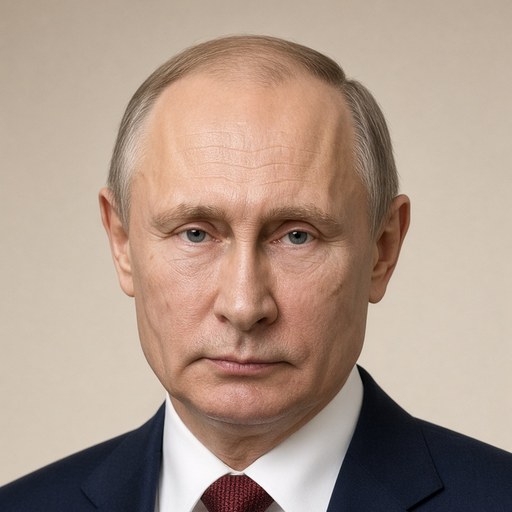
- Putin addressed the Federation Council at its meeting on June 27, 2012, to discuss legislative priorities, parliamentary reform, and strengthening Russian federalism.
- Main themes
- Russian parliamentarism, Federation Council reform, federal-regional legislative balance, public participation in legislation, political system improvement, Council of Legislators, legislative process efficiency, Russian federalism, democratic governance, inter-branch cooperation
- Duration
- ~17 min
- Words
- 1,995
- Sentences
- 77
- Readability
- 34
- Grade
- 15.0
- Syntax
- 3.21
- Vocabulary
- 2.16
Translated from Russian
The broad sphere of national life a sentence belongs to. Every sentence has an Arena, so it is the denominator the other indices are read against.
Other77 sentences in 34 paragraphs
Dear Valentina Ivanovna! Dear colleagues!
First of all, I want to thank you for the very constructive work over the past years. The interaction between the Government and the parliament in general, and in our case, particularly with the upper house of parliament, is an extremely important component of the effective functioning and activities of the state. In the context of the crisis we faced at the end of 2008, in 2009, and partly even in 2010, this was particularly crucial; we needed to make well-considered decisions quickly. And together, we managed to organize our work in just that way. I am confident that we will continue this close partnership in the future.
At the same time, I proceed from the fundamental importance of representative bodies in the stable development of our society, the democratic system, and statehood in general.
Valentina Ivanovna has already mentioned it, and I want to repeat once again that a law has been signed establishing a new historical date for all of us – the Day of Russian Parliamentarism. It will be celebrated annually on April 27 – in honor of the first meeting of the State Duma of Russia, which took place in 1906. This will serve as yet another symbol of the continuity of our state and parliamentary traditions.
Today, I propose to discuss the priorities of the Federation Council's activities, primarily its role in improving domestic legislation and strengthening Russian federalism. I want to emphasize that we have formed an extensive agenda for reforms. It is clear that a significant number of new legal acts will need to be adopted, and our common task is to make the interaction of participants in the legislative process more effective and to generally increase its openness.
I will go further; all key decisions of the authorities, basic legislative initiatives must go through broad public discussion and public audit. This is our principled position. We must actively involve the citizens of Russia, public and entrepreneurial associations, key professional and social groups, regions, and municipalities, of course. In this regard, the significance of the Federation Council itself should also increase, primarily as a chamber of regions, which is called upon to rely on the opinions of the subjects of the Russian Federation, to civilly defend their interests in the formation of the federal legal framework, and to bring into the legislative agenda those issues that most concern the residents of Russian regions: cities, towns, municipalities, and subjects as a whole.
That is why I undoubtedly welcome your steps aimed at renewing the principles of the upper house's work. Such internal reform, as Valentina Ivanovna also mentioned just now, has practically been carried out and is showing its effectiveness.
The consolidation of committees has made the structure of the chamber clearer, strengthened the expert potential of the Federation Council, increased the responsibility of each senator for their position, and thereby raised the quality of legislative work.
This is confirmed by the chamber's activities during the spring session of 2012. The Federation Council reviewed and adopted about one hundred federal laws, including the most important package related to the improvement of our political system.
I would add that the interaction between the committees of the Federation Council and ministries and departments, as well as with colleagues from the State Duma, has become denser and more professional. Thus, the number of legislative initiatives developed jointly by State Duma deputies and Federation Council members has significantly increased.
I believe that the Federation Council now has all the necessary tools for detailed and thorough consideration of federal laws and, importantly, for maintaining a balance of interests between branches and levels of government.
Here, I want to elaborate on the work of the Council of Legislators. Established ten years ago, it has made a significant contribution to the harmonious and balanced development of federal and regional legislation. For Russia, one of the largest multinational federations in the world, this is, of course, a very important, one might say, fundamental issue.
I have had the opportunity to participate in the meetings of the Council of Legislators more than once. Of course, not only occasionally but quite often, the positions of regional authorities, including legislative ones, diverge from federal ones. But it is precisely dialogue that has always allowed us to find optimal models that take into account the interests of both the Federation and the regions of Russia.
Therefore, I consider your joint decision to merge the Council of Legislators with the Association of Legislators, which operated under the State Duma of Russia, to be absolutely correct. The most important key task of this renewed Council should be interaction with regional legislative authorities, identifying and disseminating the best legislative practices of the subjects of the Federation.
In fact, it is regional legislative initiatives that can serve as a serious factor in the development of our legislation. I know that they do not always pass or most often do not pass, and I know your position on this issue. Nevertheless, we need to work with the State Duma, with the Government; we need to work on the quality of these legislative initiatives, helping our colleagues in the regions to ensure that their proposals are formulated into a quality legislative product. The issues raised by the regions come directly from life and are generally based on the opinions of the residents of specific territories, cities, and towns.
Dear colleagues! Undoubtedly, the effectiveness of the Federation Council depends not only on the organization of work but also on the legal status of its members, on the very mechanism of its formation.
According to the Constitution, the Council is formed from representatives of the executive and legislative authorities of the subjects of the Federation.
At the same time, we have discussed many times how to ensure more active participation of citizens in the formation of the Federation Council, to make these procedures as open, objective, and understandable for all as possible, which, in turn, should lead to an increase in the effectiveness of the upper house, precisely as a chamber of regions, so that senators clearly understand that they are representatives of a particular subject of the Federation and bear direct responsibility to its residents. In other words, the procedure for forming the Federation Council should become more democratic, and the upper house itself should be more regional, so to speak, in its composition.
You have discussed these ideas in detail. I believe that the decision that has been developed as a result of the joint discussion is a solution that we have managed to find as a whole, and it fully corresponds to the logic of the development of our political system as a whole.
The corresponding draft law on new principles for the formation of the Federation Council has been submitted to the Parliament of the Russian Federation.
I would like to once again outline its ideology and key provisions. First of all, the senator corps should consist of people directly connected to the region.
In addition, the existing procedure for nominating candidates sometimes provided grounds for various speculations. We need to move away from that.
The only correct solution is that the Federation Council should be formed taking into account the will of the voters. Today, citizens participate in the elections of regional legislative assemblies. We have also returned to direct elections of heads of subjects of the Federation. I consider it logical that it is through these mechanisms that the residents of the regions form or participate in forming the regional chamber – the Federation Council.
The presented draft law, which I signed this morning, stipulates that a candidate for the post of governor must, during the election campaign, pre-designate three candidates, one of whom he is obliged to appoint as his representative in the Federation Council in case of victory. In fact, the person who intends to run for governor will present to the citizens not only themselves but also key members of their team, and will take full political and personal responsibility for the candidates they have nominated to the Federation Council. Thus, voters will essentially cast their votes not only for the candidate for the head of the region but also for the candidates for the post of senator from the executive authority.
Of course, it is appropriate to ask why three candidates. But this is purely a technical question. It means that if one of the newly appointed or brought into the Federation Council candidates or future senators resigns their powers for any reason or leaves the chamber, a full replacement must be provided.
I would add that representatives from the executive branch of the state authority of the subject of the Federation may also be current members of the Federation Council or deputies of the State Duma who have already received a mandate from the corresponding region.
Naturally, the representative of the legislative authority in the Federation Council must also not only have a direct connection to the region but also be an elected representative of the population of the subject of the Federation, that is, go through regional elections, receive support from the citizens of their region, from the citizens of Russia living in the region. Therefore, it is proposed to delegate members of the Federation Council from the legislative authority to the upper house only from among the deputies of regional parliaments.
I emphasize that the grounds for terminating the powers of members of the Federation Council will be the same as for deputies of the State Duma, that is, the termination of their powers at the initiative of the governor or the legislative assembly of the region is not allowed, which, in my opinion, will undoubtedly strengthen the independence and political weight of each senator.
I will also note the general requirements that, in our opinion, should be imposed on candidates for members of the Federation Council. They are also primarily aimed at strengthening the connection between the senator and their region. A future member of the Federation Council must have permanently resided in the territory of the corresponding subject of the Federation for the five years preceding their nomination for the post or hold a state position or a civil service position in the subject of the Russian Federation.
I would add that this requirement will not apply to current deputies of the State Duma and members of the Federation Council. We believe that this is correct, considering that we should introduce new rules for formation gradually, calmly, without any abrupt changes.
I would add that the process of personnel renewal in the upper house will proceed, as I have already said, gradually, with the holding of elections for heads of regions and regional legislative assemblies.
And one more point that I consider important to note. With the new procedure for forming the upper house, its non-partisan nature, the non-partisan principle of the Federation Council's work must be preserved. This, of course, does not mean that senators cannot be members of one party or another, but they cannot create factions or other party associations in the chamber. I believe this is reasonable and even necessary, since, unlike the State Duma, whose deputies represent different political forces, the Federation Council is called upon to express the common interests of those regions, or rather, all residents of the regions, from which they have come or will come to the upper house of parliament, regardless of party preferences.
I would note that the presented draft law has been actively discussed, as I mentioned at the beginning, primarily at the venue of the Federation Council itself with the participation of experts and representatives of the regions. I believe this is a very good basis for the adoption of the draft law and, of course, for the further effective work of the Federation Council in the interests of the regions and the entire Russian Federation, all residents, citizens of Russia.
Thank you for your attention.
The original Russian. The tags above are read on the English translation's sentences.
Уважаемая Валентина Ивановна! Уважаемые коллеги!
Я хочу прежде всего поблагодарить вас за очень конструктивную работу в предыдущие годы. Взаимодействие Правительства с парламентом вообще и в нашем случае в том числе с верхней палатой парламента – чрезвычайно важная составляющая эффективной работы, деятельности государства. А вот в условиях кризиса, с которым мы столкнулись в конце 2008-го, в 2009-м, отчасти даже в 2010 году, это было чрезвычайно важно, нужно было быстро принимать выверенные решения. И нам всем вместе удалось организовать работу именно таким образом. Уверен, что мы продолжим такую же тесную партнёрскую работу и в будущем.
При этом исхожу из фундаментального значения органов представительной власти в стабильном развитии нашего общества, демократической системы, государственности вообще.
Валентина Ивановна уже сказала, хочу повторить ещё раз, что подписан закон, который устанавливает новую для всех нас историческую дату – День российского парламентаризма. Он будет отмечаться ежегодно 27 апреля – в честь первого заседания Государственной Думы России, которое состоялось в 1906 году. Это послужит ещё одним символом преемственности наших государственных и парламентских традиций.
Сегодня предлагаю поговорить о приоритетах деятельности Совета Федерации, прежде всего о его роли в совершенствовании отечественного законодательства, в укреплении российского федерализма. Сразу подчеркну, мы сформировали обширную повестку преобразований. Очевидно, что потребуется принятие значительного количества новых правовых актов, и наша общая задача – сделать более эффективным взаимодействие участников законотворческого процесса, в целом повысить его открытость.
Скажу больше, все ключевые решения власти, базовые законопроекты должны проходить через широкое гражданское обсуждение, через общественный аудит. Это наша принципиальная позиция. Надо активно привлекать к такой работе граждан России, общественные, предпринимательские объединения, ключевые профессиональные и социальные группы, регионы и муниципалитеты, разумеется. В этой связи должно возрасти и значение самого Совета Федерации, прежде всего как палаты регионов, призванной опираться на мнение субъектов Российской Федерации, цивилизованно отстаивать их интересы при формировании федерального правового поля, вносить в повестку законодательной работы именно те вопросы, которые в наибольшей степени волнуют жителей российских регионов: городов, посёлков, муниципалитетов, субъектов в целом.
Вот почему я безусловно приветствую ваши шаги, направленные на обновление принципов работы верхней палаты парламента. Такая внутренняя реформа, Валентина Ивановна тоже об этом сейчас сказала, практически проведена и показывает свою эффективность.
Укрупнение комитетов позволило сделать структуру палаты более чёткой, усилить экспертный потенциал Совета Федерации, повысить ответственность каждого сенатора за свою позицию и тем самым поднять качество законотворческой работы.
Это подтверждает и деятельность палаты в течение весенней сессии 2012 года. Совет Федерации рассмотрел и принял порядка ста федеральных законов, в том числе важнейший пакет, связанный с совершенствованием нашей политической системы.
Добавлю, что более плотным и профессиональным стало взаимодействие комитетов Совета Федерации с министерствами и ведомствами, а также с коллегами из Государственной Думы. Так, существенно увеличилось число законопроектов, разрабатываемых совместно депутатами Госдумы и членами Совета Федерации.
Считаю, что сейчас Совет Федерации обладает всем необходимым инструментарием для детального и тщательного рассмотрения федеральных законов и, что немаловажно, для сохранения баланса интересов между ветвями и уровнями власти.
Здесь хочу подробнее остановиться на работе Совета законодателей. Созданный 10 лет назад, он внёс значимый, существенный вклад в гармоничное, сбалансированное развитие федерального и регионального законодательства. Для России, одной из самых крупных в мире многонациональных федераций, конечно, это очень важный, можно сказать – принципиальный вопрос.
Мне не раз доводилось участвовать в заседаниях Совета законодателей. Конечно, не только подчас, а довольно часто позиции региональных органов власти, в том числе и законодательных, расходятся с федеральными. Но именно диалог позволял нам всегда находить оптимальные модели, учитывающие интересы как Федерации, так и регионов России.
Поэтому считаю абсолютно правильным, здесь тоже об этом было сказано, ваше совместное решение об объединении Совета законодателей с Ассоциацией законодателей, которая действовала при Государственной Думе России. Важнейшей ключевой задачей этого обновлённого Совета должно стать взаимодействие с региональными органами законодательной власти, выявление и распространение лучших законодательных практик субъектов Федерации.
На самом деле именно региональные законодательные инициативы способны послужить серьёзным фактором развития нашего законодательства. Я знаю, что далеко не всегда они проходят или чаще всего не проходят, и знаю вашу позицию по этому вопросу. Тем не менее нужно работать с Госдумой, с Правительством, нужно работать над качеством этих законодательных инициатив, помогать нашим коллегам в регионах с тем, чтобы их предложения были оформлены в качественный законодательный, законотворческий продукт. Проблемы, которые ставят регионы, идут непосредственно от жизни, опираются, как правило, на мнение жителей конкретных территорий, городов и посёлков.
Уважаемые коллеги! Безусловно, эффективность Совета Федерации зависит не только от организации работы, но и от правового положения членов палаты, от самого механизма её формирования.
В соответствии с Конституцией Совет формируется из представителей от исполнительной и законодательной власти субъекта Федерации.
Вместе с тем мы много раз обсуждали вопрос, как обеспечить более активное участие граждан в формировании Совета Федерации, сделать так, чтобы эти процедуры были максимально открытыми, объективными и понятными для всех, что, в свою очередь, должно вести к повышению эффективности верхней палаты, именно как палаты регионов, к тому, чтобы сенаторы чётко осознавали, что они являются представителями того или иного субъекта Федерации и несут прямую ответственность перед его жителями. Другими словами, порядок формирования Совета Федерации должен стать более демократичным, а сама верхняя палата – более региональной, если можно так сказать, по своему составу.
Вы подробно обсуждали эти идеи. Считаю, что решение, которое выработано в результате совместного обсуждения, – это решение в целом нам удалось найти, и оно полностью отвечает логике развития нашей политической системы в целом.
Соответствующий проект закона о новых принципах формирования Совета Федерации внесён в парламент Российской Федерации.
Хотел бы ещё раз обозначить его идеологию и ключевые положения. Прежде всего, сенаторский корпус должен состоять из людей, непосредственно связанных с регионом.
Кроме того, существовавшая процедура выдвижения кандидатов давала подчас поводы для различных спекуляций. От этого нужно уйти.
Единственно правильное решение заключается в том, что Совет Федерации должен формироваться с учётом волеизъявления избирателей. Сегодня граждане участвуют в выборах региональных законодательных собраний. Мы также вернулись к прямым выборам глав субъектов Федерации. Считаю логичным, чтобы именно через эти механизмы жители регионов формировали или участвовали в формировании региональной палаты – Совета Федерации.
Представленный проект закона, я его подписал сегодня с утра, предусматривает, что претендент на пост губернатора должен будет в ходе избирательной кампании заранее обозначить три кандидатуры, одну из которых он обязан в случае победы назначить своим представителем в Совете Федерации. Фактически тот человек, который намерен избираться губернатором, будет представлять гражданам не только себя, но и ключевых участников своей команды, и берёт на себя полную политическую и личную ответственность за выдвинутых им кандидатов в Совет Федерации. Таким образом избиратели, по сути, будут отдавать свои голоса не только за претендента на пост главы региона, но и за кандидатов на пост сенатора от исполнительной власти.
Конечно, уместно спросить, почему три кандидата. Но это чисто технологический вопрос. Имеется в виду, что если кто‑то из вновь назначенных таким образом или приведённых таким образом в Совет Федерации кандидатов или будущих сенаторов свои полномочия по каким‑то причинам слагает с себя или уходит из палаты, ему должна быть представлена полноценная замена.
Добавлю, что представителями от исполнительного органа государственной власти субъекта Федерации могут быть также действующие члены Совета Федерации или депутаты Государственной Думы, уже получившие мандат от соответствующего региона.
Естественно, что представитель законодательного органа власти в Совете Федерации также должен не просто иметь непосредственную связь с регионом, но и быть избранным представителем населения субъекта Федерации, то есть пройти через региональные выборы, получить поддержку граждан своего региона, граждан России, проживающих в регионе. Поэтому членов Совета Федерации от законодательной власти предлагается делегировать в верхнюю палату только из состава депутатов региональных парламентов.
Подчеркну, что основания для прекращения полномочий членов Совета Федерации будут теми же, что и для депутатов Государственной Думы, то есть прекращение его полномочий по инициативе губернатора или законодательного собрания региона не допускается, что, несомненно, на мой взгляд, будет укреплять независимость и политический вес каждого сенатора.
Отмечу и те общие требования, которые, на наш взгляд, должны предъявляться к кандидатам в члены Совета Федерации. Они также, прежде всего, направлены на укрепление связи сенатора со своим регионом. Будущий член Совета Федерации должен в течение пяти лет, предшествовавших выдвижению на пост, постоянно проживать на территории соответствующего субъекта Федерации или замещать государственную должность или должность гражданской службы субъекта Российской Федерации.
Добавлю, что на действующих депутатов Госдумы и членов Совета Федерации это требование распространяться не будет. Мы считаем, что это правильно, имея в виду, что мы должны вводить новые правила формирования постепенно, спокойно, без всяких рывков.
Добавлю, что процесс кадрового обновления верхней палаты будет идти, как я уже сказал, постепенно, с проведением выборов глав регионов и региональных законодательных собраний.
И ещё один момент, который считаю важным отметить. При новом порядке формирования верхней палаты должен сохраниться её непартийный характер, непартийный принцип работы Совета Федерации. Это, конечно, не значит, что сенаторы не могут быть членами той или иной партии, но они не могут создавать в палате фракции и иные партийные объединения. Полагаю, это разумно и даже необходимо, поскольку, в отличие от Государственной Думы, депутаты которой представляют разные политические силы, Совет Федерации призван выражать общие интересы тех регионов, точнее сказать – всех жителей регионов, от которых они попали или будут попадать в верхнюю палату парламента, вне зависимости от партийных предпочтений.
Отмечу, что представленный законопроект активно обсуждался, я уже об этом сказал вначале, прежде всего на площадке самого Совета Федерации с участием экспертов и представителей регионов. Считаю, что это очень хорошая основа для принятия законопроекта и, конечно, для дальнейшей эффективной работы Совета Федерации в интересах регионов и всей Российской Федерации, всех жителей, граждан России.
Благодарю вас за внимание.