




Opening Ceremony for the Monument to the Literary Figure of Kazakhstan, Abai Kunanbaev
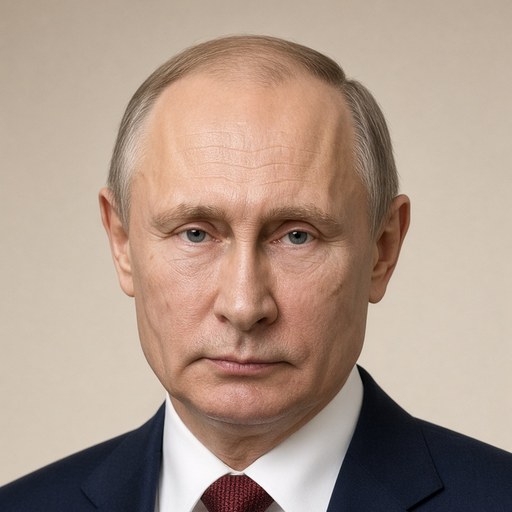
 Vladimir Putin · President of Russia
- Context
- Putin and Kazakh President Nazarbayev spoke at the Moscow unveiling of a monument to Kazakh poet Abai Kunanbaev, marking Russian-Kazakhstani cultural exchange in April 2006.
- Main themes
- Russian-Kazakh cultural relations, Abai Kunanbaev monument unveiling, literary and cultural exchange, Year of Abai in Russia, Year of Pushkin in Kazakhstan, bilateral friendship and cooperation, cultural diplomacy, Pushkin's influence in Kazakhstan
- Duration
- ~5 min
- Words
- 615
- Sentences
- 36
- Readability
- 53
- Grade
- 10.0
- Syntax
- 2.72
- Vocabulary
- 2.42
The broad sphere of national life a sentence belongs to. Every sentence has an Arena, so it is the denominator the other indices are read against.
Other36 sentences in 19 paragraphs
Dear Nursultan Abishevich!
Dear friends!
First of all, please allow me to warmly greet you and congratulate you on this significant occasion we are witnessing together. This is a significant event in Russian-Kazakhstan relations. Today we are uncovering the monument to the outstanding writer, poet and thinker, Abai Kunanbaev. He translated more than fifty works by Pushkin, Lermontov and Krylov into Kazakh. He was someone who was constantly concerned with interpenetration between the two cultures.
Without a doubt, he was a person who made a huge contribution towards spiritual cooperation between the peoples of Russia and Kazakhstan.
Today we are going to speak about the opening of the Year of Abai in Russia and the Year of Pushkin in Kazakhstan. It is yet another significant and very good-intentioned step towards one another.
My best wishes on this occasion!
Nursultan Nazarbaev: Dear Vladimir Vladimirovich!
Dear Muscovites and people of Kazakhstan!
I see you all here. Thank you very much for this significant event, the fact that we are erecting a monument to a great thinker and poet of Kazakhstan in the centre of Moscow, a monument of a person who commands awe from both the people of Kazakhstan today and their ancestors who lived a hundred years ago. And all the people of Kazakhstan feel the link between their lives and his creations, his works.
He wrote a hundred years ago but everything he said and advocated remains topical today as Russia and Kazakhstan, two independent sovereign states, keep up the long-standing tradition of strengthening friendship and integration between their states. Most likely all the people on former-Soviet territory are aware that no countries are closer or more linked by fraternal ties than Russia and Kazakhstan, and that there exists no closer cooperation than that between our countries.
Great Abai was the first to translate works by Pushkin, Lermontov, Byron and other European artistic and cultural figures into Kazakh.
He pronounced the words: 'it is necessary to study Russian letters – the Russian language holds spiritual riches, knowledge, art and other infinite secrets. The Russian language shall open our eyes to the world. Russian science and culture is the key to world treasures. Those owning this key will achieve anything without undue efforts.'
So please answer me the question: where could a monument to Abai be, if it were not in Moscow?
As Vladimir Vladimirovich just said, going on with our traditional friendship, fraternal relations and alliance addressing the 21st century — and this is how our agreement is called — we are proceeding from the Year of Kazakhstan in Russia and the Year of Russia in Kazakhstan, to the Year of Abai in Moscow and the Year of Pushkin in Kazakhstan.
Monuments to the great Russian poet Pushkin have been erected in many different cities. Schools, libraries and streets have been named after him. A monument has been erected in the city of Almaty after Kazakhstan gained its independence. And in our new capital, Astana, there is a monumental statue around which people always gather. Readings of Pushkin take place there. In other words, our ancestors and history have served once again to bring our people, states and countries closer together.
And we, the presidents of the two states, have come here today to confirm our friendship, our tolerance and our trust in each other in this harsh world, to confirm that together we shall build a prosperous future for our people.
Thank you, Vladimir Vladimirovich, for supporting this idea and for your presence today.
Thank you to Moscow city hall for determining where the monument would stand. And we give Moscow this monument of our great ancestor, a great Kazakh.
Thank you very much.