




- Context
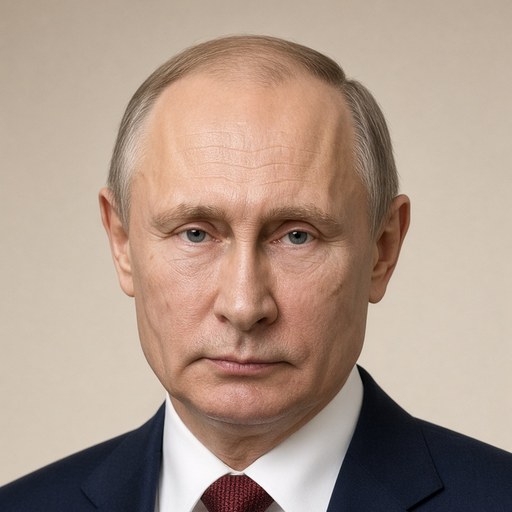
- Putin addressed a Kremlin reception on Russia's Day of National Unity, honoring contributors to national unity and welcoming foreign friends of Russia.
- Main themes
- National unity, patriotism, Russian cultural heritage, historical legacy, Russian language and culture, multinational harmony, sovereign statehood, award for cultural contributions, international friendship, Orthodox Russia exhibition
- Duration
- ~21 min
- Words
- 2,501
- Sentences
- 147
- Readability
- 58
- Grade
- 9.3
- Syntax
- 2.63
- Vocabulary
- 2.22
Translated from Russian
The broad sphere of national life a sentence belongs to. Every sentence has an Arena, so it is the denominator the other indices are read against.
Other147 sentences in 67 paragraphs
Dear friends! Ladies and gentlemen!
I congratulate you on the Day of National Unity!
The significance of this holiday is primarily historical, moral, and spiritual. It symbolizes loyalty to the Fatherland, readiness to defend it, and to work for its prosperity.
For Russia, the high ideals of patriotism hold special value. They are the foundation of the invincible spirit of our people, which has repeatedly amazed and inspired the whole world. The feeling of patriotism is the most important part of our national culture, the core of our genetic memory.
These traditions have always inspired noble deeds, true breakthroughs, and the creation of genuine creative masterpieces. The exhibition forum "Treasures of the Museums of Russia" provides an opportunity to once again witness this. Many of those present at the reception, I am sure, will still visit this exhibition from the series "Orthodox Russia." I would like to emphasize the special meaning and significance of this project, which reflects the unity of the vast cultural space of our millennia-old country.
The current exhibition was created with the active participation of regional museums and art galleries. The scale and content of the exhibition leave truly unforgettable, indelible impressions, and one realizes how rich we are in talents, how much our amazing, sometimes very modest, but bright, wonderfully and boundlessly gifted sons and daughters of Russia can achieve.
Dear friends!
In our history, there have been many pivotal moments when the future of the Motherland and its salvation became paramount for all, and the fate of the country was invariably determined by the courage, unity, and will of the people.
Today's holiday is timed to events that are more than four centuries behind us. But the greatness of the feat, which love for the Fatherland inspired in the people at that time, does not fade; it united people of different nationalities and classes. They put an end to turmoil, discord, and betrayal, expelled the invaders from Moscow, restored strong power, and did not allow the conquerors to destroy or weaken their state and the unity of the Russian nation.
Our great ancestors, by the example of their lives, bequeathed to us the duty to care for Russia, to preserve its sovereignty, and to maintain peace and harmony in the large, multinational family. And by tradition, today we honor our compatriots who work tirelessly and fruitfully in this noble endeavor.
This year, the laureate of the award for contributions to strengthening the unity of the Russian nation is Lyudmila Alekseevna Verbitskaya. An outstanding linguist, she has done a great deal for the development of the Russian language as a state-forming language, as a language of culture and interethnic communication. I would especially like to note Lyudmila Alekseevna's significant educational activities in defending the position of the Russian language abroad. This is important for promoting the traditional values that our ancestors cherished and which remain a moral and spiritual support for us.
Unfortunately, due to health reasons, Lyudmila Alekseevna cannot be with us today, but I am confident that I will have the opportunity to present her with this award in the near future. I wish her all the best and a speedy recovery.
Dear friends!
As is customary for us, our compatriots have been invited to the reception in honor of the Day of National Unity. This hall is also filled with our friends from other countries. I would like to express my immense gratitude to all of you for your sincere connection to Russia, for honoring Russian culture, for your interest in our rich history and contemporary life, for supporting and developing humanitarian, business, and scientific ties. And of course, for the friendly, open disposition towards our country, which contributes to strengthening mutual understanding between people. Such a mission is very important today, and we highly value your deeds and actions, your striving for the affirmation of truth and justice.
Once again, I congratulate all citizens of Russia on the holiday – on the Day of National Unity!
Thank you for your attention.
M. Bandic: Dear President Vladimir Vladimirovich Putin!
I congratulate you on the Day of National Unity!
Thank you for the Order of Friendship – an award for work for the benefit of our two cities – Moscow and Zagreb, for the benefit of our two fraternal peoples – the Russian and Croatian, for the benefit of the Russian Federation and the Republic of Croatia.
D. Digan: Mr. President! Ladies and gentlemen!
I first came to Russia about 20 years ago. I visited an orphanage in the Bryansk region, and I fell in love with all the children there. And I fell in love with your country as a whole. The stunning landscapes, the stars, the sky, the snow, the forests – feelings overwhelmed me. And I decided that I would return to Russia again, to work with these children, to do something for them.
And indeed, I have returned many times. Since then, I have been involved in the lives of many children. I have been to Khakassia, to Abakan, last year in Sochi at a student conference, I climbed to Krasnaya Polyana – the most beautiful place I have ever seen. And six weeks ago, I was present with you at the women's conference in St. Petersburg. I listened to what you said, what you promised. I hope that all promises will be fulfilled. And I hope to be by your side when we close the doors of the last orphanage. Because every child needs a family. I know this is your view. And I am very proud to share this view.
I am glad to see the changes that have occurred over the past 20 years, the incredible changes in the lives of many children. Thank you very much, Mr. President, for all the positive changes in the lives of children that have occurred with your help in recent years.
S. Roich-i-Montserrat: Mr. President, I am very touched and thank you for this award.
I first visited Russia in 1985, and since then a lot has changed, largely thanks to you. In Majorca, we managed to open doors for more than 1,300 children from Russia, and we are proud of this work. I would like to thank you once again and say that, having visited Moscow, I fell in love with it again and was amazed at how beautiful a city it is.
Thank you.
S. Svidler: Thank you, Mr. President!
I accept this award on behalf of generations of Russians, as well as Americans, who have made every effort to preserve our common heritage of Fort Ross, California.
Thank you very much.
J. S. Shaaban: Most esteemed Mr. President of the Russian Federation! Ladies and gentlemen!
It is a great honor for me to be awarded today the state award of the Russian Federation – the Order of Friendship. This award is a high appreciation from you, esteemed Vladimir Vladimirovich, of my modest contribution to the development and strengthening of friendship between our countries during my work with the former Prime Minister Rafik Hariri, and now with his son – Prime Minister of Lebanon Saad Hariri – as an advisor on matters with Russia.
Mr. President, the Lebanese people are deeply grateful to you for your unwavering position, for supporting Lebanon at all international levels, for Russia's role under your leadership in strengthening the integrity and independence of Lebanon, and for your assistance in difficult times for our country.
In Lebanon, we highly appreciate Russia's crucial contribution to the fight against terrorism in order to strengthen stability and peace in the Middle East and with our neighbors.
Mr. President, thank you very much!
R. Avnikyan: In a few words. I just thank the Russian Federation for this immense pleasure you have given me today. I am proud, I am happy. I just think that the world would be poorer without Russian classics. And what I do today is a continuation of the work of my teachers. I hope this will continue. And I am proud today of this great honor from you.
Thank you very much.
M. Bikovich: Esteemed Vladimir Vladimirovich! Your Holiness! Dear friends! Happy holiday!
This holiday – the Day of National Unity – is not only a holiday for the Russian people and all the peoples that make up the Russian Federation. It is a holiday for all of us who look in the same direction as you. And what joy for Russians and Serbs – we, both peoples, have two homelands. This has been the case for centuries.
There is peace in the spirit of God and war in the spirit of God, and there is war in the spirit of the enemy of mankind and peace in slavery. The difference is colossal, but invisible. Both war and peace begin in the heart and in the mind: there peace is strengthened and war is prevented.
The Russian world is not only the world of Russians and Orthodox Christians; it is a world that demands and gives birth to spiritually aware individuals, individuals with a core, with conscience, with a traditional value system. This system is built and defended on all fronts. One of these fronts – the front of the mind and heart – is culture, and it is defended and built with the strongest weapon – beauty. This world of resurrected civilization differs from the world of decadence and permissiveness. The difference is invisible, but colossal, of a civilizational scale.
What joy for Russians and Serbs – we have two homelands because we share the same worldview.
Thank you.
A. Grossart: Esteemed Mr. President!
My interest in Russian culture and Russian history has manifested through my literary preferences and my public activities, which have helped me establish various cultural contacts with Russia.
The greatest poems of Alexander Sergeyevich Pushkin "The Commander" are dedicated to one of my favorite heroes – Barclay de Tolly. And also, esteemed Mr. President, you probably know that Anton Pavlovich Chekhov liked the first trading house in Russia, "Myur and Meriliz," so much that he named his two dogs Myur and Meriliz. And when I walked past this trading house this morning, which today is called TSUM, Mr. President, the thought came to me that perhaps its pre-revolutionary name – "Myur and Meriliz" – could be restored by presidential decree.
Many Scots have contributed to Russian history. In particular, I speak of Lermontov, Admiral Greig, who founded the Navy, the architect Cameron, who worked at the court of Catherine the Great, and John Paul James, the great navigator, as well as General Gordon, who worked under Potemkin as a commander.
Therefore, esteemed Mr. President, with a special sense of the community of our history, our cultures, I sincerely thank you for such a high and unexpected honor.
F. de la Torre Prados: As the mayor of Malaga, it is a great honor for me to receive the Pushkin Medal, for which I would like to thank the Russian Federation on behalf of its President Vladimir Putin.
Malaga is one of the oldest European cities with a 3,000-year history. It is the hometown of the artist Pablo Picasso. It is a special honor for me, especially pleasant to be here with you, in the homeland of the great and revered writer Pushkin.
This award symbolizes the unity, cultural unity of our nations, and also signifies the mutual enrichment of the cultures of our states and peoples.
Since 2015, a branch of the Russian Museum has been operating in Malaga, and therefore Russian culture has settled with us on the shores of the Mediterranean Sea. And this museum is very conveniently located: between North Africa and Southern Europe. Visitors to the museum can discover or reacquaint themselves with Russian art, which is outstanding and embodies the soul of the Russian people, its selflessness, as well as the talents of its sons and daughters.
The exhibition of the Russian Museum in Malaga, which was opened with the assistance of the Ambassador of the Russian Federation in Spain Yuri Korchagin, is a new stage in the development of our ancient relations between Russia and Malaga. Even in the 18th century, Catherine the Great highly appreciated the sweet wine of Malaga, which she drank with Russian sweets, and therefore for one year she decided to abolish all duties on the import of this wine.
Esteemed Mr. President, thank you very much for the honor bestowed upon me and my city. I would like to say that this is a great incentive for us to write the history of our cities together, as well as the history of our peoples, who understand that common culture is the source of our life, peace, and common future.
Thank you.
Y. Nogavitsa: Thank you.
It is a great honor for me. I remember: 35 years ago, I, a young bard with a guitar, at one of my first concerts, sang my songs and the songs of Bulat Okudzhava "And still it's a pity": "And still it's a pity that I can't have dinner with Alexander Sergeyevich, drop by 'Yar' for at least a quarter of an hour."
A wonderful moment today. Alexander Sergeyevich is with me, here. Not only him, but all Russian poets, all Russian bards, whom I have read, sung, translated.
What can I say? When you read someone else's poetry, when you sing someone else's songs, you become part of their soul and are never their enemy.
Thank you.
S. Provatorov: Your Excellency! Holy Fathers! Ladies! Comrades!
Pushkin and his very name are a shrine and a symbol of the multinational Russian people. And it is a great honor for me to receive an award in his name and a huge appreciation of my modest connection to the Russian people, Russian culture, and the Russian language. At the same time, this is probably also an appreciation of the activities of many of my comrades who lead Russian national-cultural organizations in Ukraine, including activists. And I hope that many of them will also be justly recognized.
Thank you very much. I accept this award with immense gratitude.
Dear friends!
I congratulate everyone once again on the holiday!
I want to address our laureates first with words of gratitude for the work they do. And I would like to say in this regard that they have now reported to us about what they are doing, how they are doing it, how they relate to Russia, to Russian culture, to Russian tradition, and to our history. And undoubtedly, each of us immediately envisions the image of what we should all strive for. This is the image of cooperation, friendship, and interaction. If we rely on what unites us, rather than on the current contradictions of today, then we will undoubtedly do as Catherine the Great did – we will not only abolish mutual duties and other restrictions, but we will also actively move forward together for the benefit of our peoples.
Happy holiday to you!
All the best.
The original Russian. The tags above are read on the English translation's sentences.
Дорогие друзья! Дамы и господа!
Поздравляю вас с Днём народного единства!
Значение этого праздника – прежде всего историческое, нравственное, духовное. Он знаменует верность Отечеству, готовность защищать его, трудиться ради его процветания.
Для России высокие идеалы патриотизма имеют особую ценность. На них основана непобедимая сила духа нашего народа, которая не раз удивляла и восхищала весь мир. Чувство патриотизма – важнейшая часть общенациональной культуры, стержень нашей генетической памяти.
Эти традиции всегда вдохновляли на благородные поступки, настоящие прорывы, на создание подлинных творческих шедевров. Возможность вновь убедиться в этом предоставляет выставка-форум «Сокровища музеев России». Многие из присутствующих на приёме, уверен, ещё посетят эту выставку из цикла «Православная Русь». Подчеркну особый смысл и значимость этого проекта, который отражает единство громадного культурного пространства нашей тысячелетней страны.
Нынешняя экспозиция создавалась с активным участием региональных музеев и картинных галерей. Масштаб и содержание выставки оставляют действительно незабываемые, неизгладимые впечатления, и понимаешь, насколько богаты мы талантами, как много могут совершить наши удивительные, порой весьма скромные, но яркие, чудесно и безгранично одарённые сыны и дочери России.
Дорогие друзья!
В нашей истории было немало рубежных этапов, когда главным для всех становилось будущее Родины и её спасение, и судьбу страны тогда неизменно определяли мужество, сплочённость, воля народа.
Сегодняшний праздник приурочен к событиям, от которых нас отделяет более четырёх веков. Но не меркнет величие подвига, на который подняла тогда народ любовь к Отечеству, объединила людей разных национальностей и сословий. Они положили конец смутам, раздорам, предательству, изгнали из Москвы интервентов, восстановили прочную власть, не позволили захватчикам разрушить, ослабить своё государство и единство российской нации.
Наши великие предки примером своей жизни завещали нам заботиться о России, хранить её суверенитет, беречь мир и согласие в большой, многонациональной семье. И по традиции сегодня мы чествуем наших соотечественников, которые плодотворно, не жалея сил трудятся на этом благородном поприще.
Лауреатом премии за вклад в укрепление единства российской нации стала в этом году Людмила Алексеевна Вербицкая. Выдающийся учёный-лингвист, она очень многое сделала для развития русского языка как государствообразующего, как языка культуры и межнационального общения. Особо отмечу большую просветительскую деятельность Людмилы Алексеевны в деле отстаивания позиций русского языка за рубежом. Это важно для продвижения тех традиционных ценностей, которыми дорожили наши предки и которые остаются для нас нравственной и духовной опорой.
К сожалению, по состоянию здоровья Людмила Алексеевна не может быть сегодня с нами, но, уверен, в ближайшее время мне удастся вручить ей эту награду. Я желаю ей всего самого доброго и скорейшего выздоровления.
Дорогие друзья!
Как это у нас принято, на приём в честь Дня народного единства приглашены наши соотечественники. В этом зале много и наших друзей из других государств. Хотел бы выразить всем вам огромную признательность за вашу искреннюю сопричастность к России, за почитание русской культуры, за интерес к нашей богатейшей истории и к современной жизни, за поддержку и развитие гуманитарных, деловых, научных связей. И конечно, за дружеское, открытое расположение к нашей стране, которое способствует укреплению взаимопонимания между людьми. Такая миссия очень важна сегодня, и мы высоко ценим ваши дела и поступки, ваше стремление к утверждению правды и справедливости.
Ещё раз поздравляю всех граждан России с праздником – с Днём народного единства!
Благодарю вас за внимание.
М.Бандич: Уважаемый Президент Владимир Владимирович Путин!
Поздравляю с Днём народного единства!
Спасибо за орден Дружбы – награду за работу на благо наших двух городов – Москвы и Загреба, на благо двух наших братских народов – русского и хорватского, на благо Российской Федерации и Республики Хорватия.
Д.Диган (как переведено) : Господин Президент! Дамы и господа!
Я в первый раз приехала в Россию около 20 лет назад. Я тогда посещала детский дом в Брянской области, и я влюбилась во всех детей там. И я влюбилась в вашу страну в целом. Потрясающие пейзажи, звезды, небо, снега, леса – чувства переполняли меня. И я решила, что я вернусь в Россию снова, буду работать с этими детьми, что‑то для них делать.
И действительно возвращалась много раз. С тех пор я участвую в жизни многих детей. Я была в Хакасии, в Абакане, в прошлом году в Сочи на студенческой конференции, я поднималась на Красную Поляну – это красивейшее место, которое я когда‑либо видела. И шесть недель назад я была, присутствовала вместе с Вами на женской конференции в Санкт-Петербурге. Я слушала, о чём Вы говорили, что обещали. Надеюсь, что все обещания будут исполнены. И я надеюсь, что буду рядом с Вами, когда мы закроем двери последнего детского приюта. Потому что каждому ребёнку нужна семья. Я знаю, это таков ваш взгляд. И я очень горжусь, что разделяю этот взгляд.
Я рада видеть изменения, которые произошли за последние 20 лет, невероятные изменения в жизни многих детей. Спасибо большое, господин Президент, за все положительные изменения в жизни детей, которые с Вашей помощью произошли в последние годы.
С.Ройч-и-Монтсеррат (как переведено) : Господин Президент, я очень тронут и благодарю Вас за эту награду.
Впервые я посетил Россию в 1985 году, и с тех пор очень многое изменилось, и во многом благодаря Вам. На Майорке нам удалось открыть двери для более чем 1300 детей из России, и мы гордимся этой работой. Мне бы хотелось поблагодарить Вас ещё раз и сказать, что, посетив Москву, я вновь влюбился в неё и удивился тому, насколько это прекрасный город.
Спасибо.
С.Свидлер: Благодарю Вас, господин Президент!
Я принимаю эту награду от имени поколений русских, а также американцев, которые предпринимали все возможные усилия, для того чтобы сохранить наше общее наследие Форт-Росса, Калифорния.
Спасибо большое.
Ж.С.Шаабан: Многоуважаемый господин Президент Российской Федерации! Дамы и господа!
Для меня огромная честь быть удостоенным сегодня государственной награды Российской Федерации – ордена Дружбы. Это награждение является высокой оценкой с Вашей стороны, уважаемый Владимир Владимирович, моего скромного вклада в развитие и укрепление дружбы между нашими странами во время моей работы с бывшим Премьер-министром Рафиком Харири, а в настоящее время с его сыном – Премьер-министром Ливана Саадом Харири – в качестве советника по делам с Россией.
Господин Президент, ливанский народ глубоко благодарен Вам за Вашу неизменную позицию, поддержку Ливана на всех международных уровнях, за роль России под Вашим руководством в укреплении целостности и независимости Ливана, за Вашу помощь в тяжёлые для нашей страны времена.
В Ливане высоко оценивают важнейший вклад России в борьбу против терроризма в целях укрепления стабильности и мира на Ближнем Востоке и у наших соседей.
Господин Президент, большое Вам спасибо!
Р.Авникян: В двух словах. Я просто благодарю Российскую Федерацию за это огромное удовольствие, которое Вы мне сегодня доставили. Я горд, я счастлив. Я просто думаю, что мир был бы беден без русской классики. И то, что делаю я сегодня, – это продолжение работы моих педагогов. Я надеюсь, что это будет продолжаться и далее. И я горжусь сегодня этой огромной честью с Вашей стороны.
Спасибо большое.
М.Бикович: Уважаемый Владимир Владимирович! Ваше Святейшество! Дорогие друзья! С праздником!
Этот праздник – День народного единства, не является только праздником русского народа и всех народов, которые составляют Российскую Федерацию. Это праздник всех нас, кто смотрит с Вами в одном направлении. И какая радость для русских и сербов – у нас, у обоих народов, две родины. Так было веками.
Есть мир в духе Божьем и война в духе Божьем, и есть война в духе врага человеческого и мир в рабстве. Разница колоссальная, но невидимая. И война, и мир начинаются в сердце и в уме: там мир укрепляется и война предотвращается.
Русский мир – это не только мир русских и православных, это мир, который требует и рождает духовно осознанного человека, человека со стержнем, с совестью, с традиционной системой ценностей. Эта система строится и защищается на всех фронтах. Один из этих фронтов – фронт ума и сердца – есть культура, а защищается и строится самым сильным оружием – красотой. Этот мир воскресшей цивилизации отличается от мира декадентства и вседозволенности. Разница невидимая, но колоссальная, цивилизационного масштаба.
Какая радость для русских и сербов – две родины у нас, потому что у нас одно мировоззрение.
Спасибо.
А.Гроссарт (как переведено) : Уважаемый господин Президент!
Мой интерес к российской культуре и российской истории проявился через мои литературные предпочтения и мою общественную деятельность, что и помогло мне наладить различные культурные контакты с Россией.
Величайшие стихи Александра Сергеевича Пушкина «Полководец» посвящены одному из моих любимых героев – Барклаю‑де‑Толли. И также, уважаемый господин Президент, Вы, наверное, знаете, что Антону Павловичу Чехову так понравился первый появившийся в России торговый дом «Мюр и Мерилиз», что он назвал своих двух собак Мюр и Мерилиз. И когда я утром проходил мимо этого торгового дома, который на сегодняшний день носит название ЦУМ, господин Президент, мне пришла мысль, что, наверное, его дореволюционное название – «Мюр и Мерилиз», может быть восстановлено президентским указом.
Много шотландцев внесли свой вклад в российскую историю. В частности, я говорю о Лермонтове, об адмирале Грейге, который основал Военно-Морской Флот, об архитекторе Кэмероне, работавшем при дворе Екатерины Великой, о Джоне Поле Джеймсе, великом мореплавателе, а также генерале Гордоне, который работал у Потёмкина командиром.
Поэтому, уважаемый господин Президент, с особым чувством общности нашей истории, наших культур, я от всей души благодарю Вас за столь высокую и неожиданную для меня честь.
Ф. де ла Торре Прадос (как переведено) : Для меня как мэра Малаги большая честь получить медаль Пушкина, за которую я хотел бы поблагодарить Российскую Федерацию в лице её Президента Владимира Путина.
Малага – это один из древнейших европейских городов с 3000‑летней историей. Это родной город художника Пабло Пикассо. Для меня особая честь, особенно приятно быть здесь, вместе с вами, на Родине великого и почитаемого писателя Пушкина.
Эта награда символизирует единение, культурное единение наших наций, а также знаменует собой взаимное обогащение культур наших государств и народов.
С 2015 года в Малаге действует филиал Русского музея, и поэтому российская культура поселилась у нас, на берегах Средиземного моря. И этот музей находится очень удобно: между Северной Африкой и Южной Европой. Посетители музея могут открыть для себя или вновь ознакомиться с русским искусством, которое является выдающимся и воплощает в себе душу русского народа, его самоотверженность, а также таланты его сыновей и дочерей.
Выставка Русского музея в Малаге, которая была открыта при содействии посла Российской Федерации в Испании Юрия Корчагина, – это новый этап в развитии наших древних отношений между Россией и Малагой. Ещё в XVIII веке Екатерина Великая высоко оценила сладкое вино Малаги, которое она пила вместе с русскими сладостями, и поэтому на один год она решила отменить все пошлины на ввоз этого вина.
Уважаемый господин Президент, большое спасибо за честь, которой удостоился я и мой город. Я хотел бы сказать, что это большой стимул, для того чтобы мы писали историю наших городов вместе, а также историю наших народов, которые понимают, что общая культура – это источник нашей жизни, мира и общего будущего.
Благодарю вас.
Я.Ногавица: Спасибо.
Для меня это большая честь. Я вспоминаю: 35 лет тому назад я, молодой бард с гитарой, один из первых концертов, и я пою свои песни и песни Булата Окуджавы «А всё‑таки жаль»: «А всё‑таки жаль, что нельзя с Александром Сергеичем поужинать, в «Яр» заскочить хоть на четверть часа».
Чудесный момент сегодня. Александр Сергеевич со мной, здесь. Не только он, но и все российские поэты, все российские барды, которых я читал, пел, переводил.
Что сказать? Когда читаешь стихи другого человека, когда поёшь песни другого человека, ты становишься частью его души и не бываешь его врагом.
Спасибо.
С.Проваторов: Ваше Высокопревосходительство! Святые отцы! Дамы! Товарищи!
Пушкин и само имя его – это святыня и символ многонационального русского народа. И для меня великая честь получить награду его имени и огромная оценка моей скромной причастности к русскому народу, русской культуре и русскому языку. Одновременно это, наверное, и оценка деятельности многих моих товарищей, которые возглавляют русские национально-культурные организации на Украине, в том числе активистов. И надеюсь, что многих из них заслуженно и эта чаша не минет.
Спасибо Вам огромное. С огромной благодарностью принимаю эту награду.
Дорогие друзья!
Поздравляю всех ещё раз с праздником!
Хочу обратиться прежде всего к нашим лауреатам со словами благодарности за ту работу, которую они проводят. И хотел бы в этой связи сказать, что они сейчас доложили нам о том, что они делают, как они делают, как они относятся к России, к русской культуре, к русской традиции и к нашей истории. И, безусловно, у каждого из нас сразу возникает образ того, к чему мы все должны стремиться. Это образ сотрудничества, дружбы и взаимодействия. Если мы будем опираться именно на то, что нас объединяет, а не на текущие противоречия сегодняшнего дня, то мы, безусловно, сделаем или будем делать так, как Екатерина Великая, – мы не только будем отменять взаимные пошлины и другие ограничения, но и будем активно вместе идти вперёд на благо нашим народам.
С праздником вас!
Всего доброго.