




- Context
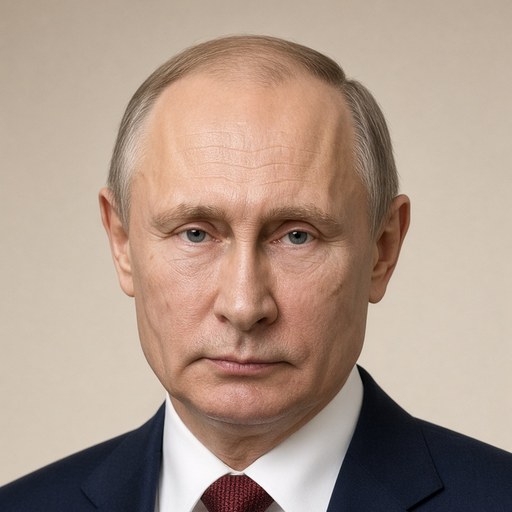
- Putin addressed BRICS leaders at the 2018 BRICS Summit in Johannesburg, South Africa, hosted during South Africa's presidency of the bloc.
- Main themes
- BRICS strategic partnership, digital economy and fourth industrial revolution, trade and investment cooperation, New Development Bank, Nelson Mandela centenary, combating terrorism and transnational crime, digitalization policy in Russia, cybersecurity and data protection, small and medium enterprises, e-commerce, multilateral economic projects, South Africa's BRICS presidency
- Duration
- ~9 min
- Words
- 1,057
- Sentences
- 54
- Readability
- 36
- Grade
- 13.1
- Syntax
- 2.85
- Vocabulary
- 2.24
Translated from Russian
The broad sphere of national life a sentence belongs to. Every sentence has an Arena, so it is the denominator the other indices are read against.
Other54 sentences in 27 paragraphs
Dear President Cyril Ramaphosa of the Republic of South Africa! Dear friends! Chairman Xi Jinping of the People's Republic of China, President Temer Michel, Prime Minister Narendra Modi of India! Esteemed colleagues!
Just recently – only a short while ago in a narrow format, we celebrated, and I would like to recall this at the very beginning – during these days we are jointly marking the centenary of the outstanding statesman of South Africa, Nelson Mandela. Throughout his life, he promoted and defended the principles of equality, openness, and justice.
I believe we have every right to say that the ideas of Nelson Mandela are reflected in the activities of our association. It is on such principles that the cooperation of the BRICS states is built, and it has already taken on the character of a truly strategic partnership.
The BRICS countries collectively counter the most acute challenges and threats to peace and stability, cooperating on issues of combating terrorism and extremism, illegal drug trafficking, and transnational crime.
I would like to note that the association occupies a unique place in the global economy. It is the largest market in the world. The combined gross product has reached 22.3 percent of the global volume and continues to grow.
In the economic sphere, the "five" states collectively address such important tasks as modernizing industry, developing high technologies, enhancing competitiveness, and improving the living standards of the population.
All the aforementioned areas of cooperation have been included among the priorities of South Africa's presidency in BRICS, and these priorities have been taken into account by the member countries during their joint work this year. This work has undoubtedly been successful.
This also pertains to the topic proposed for discussion at the current meeting.
The ongoing fourth industrial revolution, or as it is also called, the digital revolution, is indeed having a significant impact on the development of all countries in the world, including the BRICS countries.
The process of digitalization encompasses almost all spheres of public life, allows for the creation of new sectors of the economy, reduces costs, and significantly increases productivity and labor efficiency. The task of our states is to create comfortable conditions for attracting investments in advanced sectors of the economy, stimulating the emergence of new technologies and their active implementation.
I would like to emphasize that digitalization is one of the priorities of the economic policy of our country, Russia. The National Technological Initiative has been adopted and is being implemented. This is a set of measures to ensure the technological development of Russia until 2035.
The "Digital Economy of the Russian Federation" program has been launched. We expect that the implementation of the program will increase labor productivity in Russia by 30 percent by 2024. At the same time, new sectors of the Russian economy will account for more than 10 percent of Russian GDP.
In the context of the digital reality, it is important to ensure the security of society, business, and citizens. We are taking the necessary legislative and other measures to ensure that the construction of an open, reliable, and secure internet environment is carried out with strict adherence to guarantees for the protection of personal data and privacy in the digital space.
It seems that establishing closer partnership cooperation among BRICS countries on issues of building a digital economy will help improve the qualitative and quantitative indicators of our joint interaction.
For Russia, strengthening trade and investment ties with BRICS partners is one of the priorities. As of the end of 2017, our trade turnover with other members of the association increased by almost 30 percent, exceeding 102 billion dollars.
And we are determined to do everything possible for further trade growth within BRICS. We are giving priority attention to issues related to establishing direct contacts between entrepreneurs from our countries.
We welcome the new initiatives put forward by the BRICS Business Council, particularly in the field of e-commerce, small and medium-sized enterprises, as well as the proposal to simplify administrative barriers to stimulate trade exchanges.
We positively assess the council's activities in implementing joint multilateral projects. This work must be carried out in close cooperation with the New Development Bank. It is important for business to engage in filling the bank's loan portfolio.
Recently, the operational activities of the New Development Bank have noticeably expanded. The Board of Directors has approved 21 projects, five of which will be implemented in Russia, totaling more than one billion dollars.
We support the idea of opening regional offices of the bank. Negotiations are underway with Brazil on this matter. We assume that after they are completed, work will begin on the issue of opening an office in Russia.
The fact that a pool of conditional currency reserves has been created within BRICS deserves positive recognition. It has become an important mechanism for ensuring prompt financing of the banking sector in our countries to address the task of collecting and processing statistical economic data about Brazil, Russia, India, China, and South Africa.
In 2017, in Xiamen, we decided to create a bond fund in the national currencies of BRICS countries. This is very important for the development of the financial systems of our states. Therefore, the practical launch of the fund's operations on schedule in 2019 meets the interests of BRICS.
We are grateful to our partners in the association for supporting the Russian idea of creating a BRICS Energy Research Center. I am confident that in terms of the quality of its reviews and forecasts, it will be able to compete on equal terms with leading global energy analytical agencies.
I would also like to draw the attention of my colleagues to Russia's bid to host the World Expo 2025 in the Russian city of Yekaterinburg. Among our competitors, there are no cities from Brazil, India, China, and South Africa. Dear friends, we are counting on the support of BRICS countries.
In conclusion, I would like to express my gratitude to our South African friends, President Ramaphosa of South Africa, for their significant contribution to the development of practical interaction within BRICS.
And of course, I thank my colleagues for paying attention to the idea of expanding our cooperation in the humanitarian sphere, particularly in the fields of sports, cinematography, and possibly other areas.
Thank you very much for your attention.
The original Russian. The tags above are read on the English translation's sentences.
Уважаемый господин Президент Рамафоза Рамафоза Сирил Президент Южно-Африканской Республики ! Уважаемые друзья! Председатель Си Цзиньпин Си Цзиньпин Председатель Китайской Народной Республики , Президент Темер Темер Мишел , Премьер-министр Моди Моди Нарендра Премьер-министр Индии ! Уважаемые коллеги!
Совсем недавно – только что в узком составе мы отмечали, и я хотел бы сейчас в самом начале ещё раз вспомнить об этом, – в эти дни мы совместно отмечаем столетие выдающегося государственного деятеля Южной Африки Нельсона Манделы. Всю свою жизнь он продвигал и защищал принципы равенства, открытости и справедливости.
Думаю, мы имеем полное право сказать, что идеи Нельсона Манделы находят отражение и в деятельности нашего объединения. Именно на таких принципах строится сотрудничество государств БРИКС, и оно уже приобрело характер подлинно стратегического партнёрства.
Страны БРИКС сообща противодействуют наиболее острым вызовам и угрозам миру и стабильности, сотрудничают в вопросах борьбы с терроризмом и экстремизмом, нелегальным наркотрафиком, трансграничной преступностью.
Отмечу, что объединение занимает уникальное место в глобальной экономике. Это самый большой рынок в мире. Совокупный валовой продукт достиг 22,3 процентов от общемирового объёма и продолжает расти.
В экономической сфере государства «пятёрки» коллективно решают такие важные задачи, как модернизация промышленности, развитие высоких технологий, повышение конкурентоспособности, улучшение уровня жизни населения.
Все перечисленные направления сотрудничества были включены в число приоритетов южноафриканского председательства в БРИКС, и данные приоритеты учитывались странами объединения в ходе совместной работы в текущем году. Эта работа, безусловно, была успешной.
Это касается и темы, которая предложена для обсуждения на нынешнем заседании.
Происходящая в мире четвёртая промышленная, или, как её ещё называют, цифровая, революция действительно оказывает большое влияние на развитие всех стран мира, в том числе стран БРИКС.
Процесс цифровизации охватывает практически все сферы жизни общества, позволяет создавать новые отрасли экономики, сокращает издержки, существенно повышает производительность и эффективность труда. И задача наших государств – создавать комфортные условия для привлечения инвестиций в передовые отрасли экономики, стимулировать появление новых технологий, их активное внедрение.
Хотел бы отметить, что цифровизация является одним из приоритетов экономической политики и нашей страны, России. Принята и реализуется Национальная технологическая инициатива. Это комплекс мер по обеспечению технологического развития России до 2035 года.
Запущена программа «Цифровая экономика Российской Федерации». Ожидаем, что осуществление программы позволит повысить производительность труда в России к 2024 году на 30 процентов. При этом новые сектора российской экономики будут создавать более 10 процентов российского ВВП.
В условиях цифровой реальности важно обеспечивать безопасность общества, бизнеса и граждан. Предпринимаем необходимые законодательные и другие меры для того, чтобы построение открытой, надёжной и безопасной интернет-среды шло при чётком соблюдении гарантий защиты личных данных и частной жизни в цифровом пространстве.
Как представляется, налаживание более тесного партнёрского сотрудничества между странами БРИКС в вопросах строительства цифровой экономики поможет улучшать качественные и количественные показатели нашего общего взаимодействия.
Для России укрепление торговых и инвестиционных связей с партнёрами по БРИКС является одним из приоритетов. По итогам 2017 года наш товарооборот с другими участниками объединения вырос почти на 30 процентов, превысив 102 миллиарда долларов.
И мы настроены делать всё возможное для дальнейшего роста торговли в рамках БРИКС. Уделяем приоритетное внимание вопросам, связанным с установлением прямых контактов между предпринимателями наших стран.
Приветствуем выдвинутые Деловым советом БРИКС новые инициативы, в частности в сфере электронной торговли, малого и среднего предпринимательства, а также предложение об упрощении административных барьеров в целях стимулирования торговых обменов.
Позитивно оцениваем деятельность совета по реализации совместных многосторонних проектов. Эту деятельность необходимо вести в тесном сотрудничестве с Новым банком развития. Важно, чтобы бизнес подключился к наполнению кредитного портфеля банка.
В последнее время операционная деятельность Нового банка развития заметно расширилась. Совет директоров одобрил 21 проект, из которых пять будут реализованы в России, на общую сумму более миллиарда долларов.
Поддерживаем идею открытия региональных отделений банка. На этот счёт ведутся переговоры с Бразилией. Исходим из того, что после их завершения начнётся проработка вопроса об открытии офиса в России.
Позитивной оценки заслуживает факт создания в рамках БРИКС пула условных валютных резервов. Он стал важным механизмом для обеспечения оперативного финансирования банковского сектора наших стран для решения задачи по сбору и обработке статистических экономических данных о Бразилии, России, Индии, Китае и ЮАР.
В 2017 году в Сямэне мы приняли решение создать фонд облигаций в национальных валютах стран БРИКС. Это очень важно для развития финансовых систем наших государств. Поэтому практический запуск работы фонда в срок в 2019 году отвечает интересам БРИКС.
Благодарны партнёрам по объединению за поддержку российской идеи создания Центра энергетических исследований БРИКС. Уверен, что по качеству своих обзоров и прогнозов он сможет на равных конкурировать с ведущими мировыми энергетическими аналитическими агентствами.
Хотел бы также привлечь внимание коллег к российской заявке на проведение всемирной выставки «ЭКСПО-2025» в российском городе Екатеринбурге. Среди наших конкурентов нет городов Бразилии, Индии, Китая и ЮАР. Уважаемые друзья, очень рассчитываем на поддержку стран БРИКС.
Завершая выступление, хотел бы выразить признательность нашим южноафриканским друзьям, Президенту ЮАР господину Рамафозе за большой вклад в развитие практического взаимодействия в рамках БРИКС.
И конечно, я благодарен коллегам за то, что вы обратили внимание на идею расширения нашего сотрудничества в гуманитарной сфере, в частности в сфере спорта, кинематографии, может быть – по другим направлениям.
Большое спасибо за внимание.