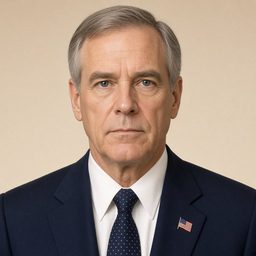
Alberto Guzman Soriano 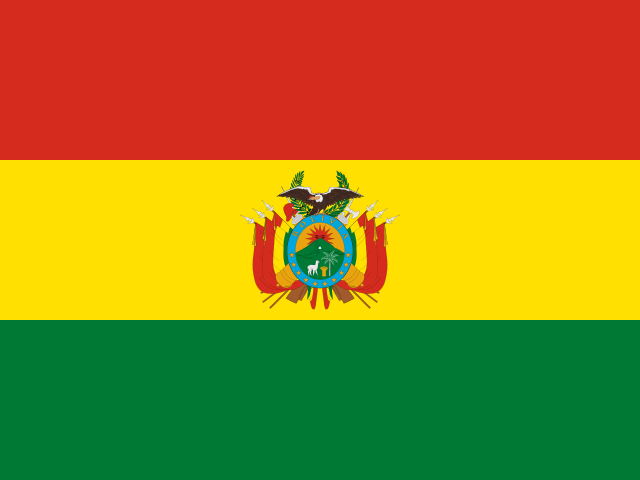
Minister of Foreign Affairs of Bolivia
- Speeches
- 1
- Est. Time
- 21 min
- Words
- 2.7k
- Nationality
- Bolivia
- Born
- 1923
- Died
- 1989
- Biography
- Alberto Guzman Soriano (born 19 February 1923, died 11 November 1989) was a Bolivian diplomat and politician who served as Minister of Foreign Affairs from 1973 to 1976 under President Hugo Banzer. As foreign minister he represented Bolivia at the United Nations General Assembly and led the country's diplomacy during the Charana negotiations with Chile, which sought to restore Bolivia's access to the Pacific Ocean but ultimately failed. Wikipedia ↗
- Public voice archetype
- NUTM
Keeping the home order: stability, institutions, measured words.
- N Nation 53% 48% World W
- U Unity 67% 33% Conflict C
- F Freedom 42% 58% Tradition T
- H Heart 50% 50% Mind M
Tentative. From 1 tagged speech, each read against comparable speeches: 50% is a typical speech of its kind. With so few speeches, a letter near 50% could change. How it is measured
Profile on the twelve indices
OtherThe average of Alberto Guzman Soriano’s 1 tagged speech: the share of sentences carrying each option, each speech counting equally, leaving out the sentences that carry none of them (turn on Other to see them). Beneath it, the same for the other leaders of Bolivia (domestic peers, 76 speeches) and for the leaders of every other nation (global peers, 52,255 speeches).
Content
What the speaker talks about: the sphere of national life, the lever of national power, and how far the speech reaches in space and time.
Actors
Who is in the story and how they are cast: whose actions a sentence is about, the part they play, where the speaker stands, and the people against the elite.
Style
How it is said: the act a sentence performs, how sure it sounds, the feeling it appeals to and the moral value it rests on.
The broad sphere of national life a sentence belongs to. Every sentence has an Arena, so it is the denominator the other indices are read against.
OtherMost recent first. The bar beside each speech is its sentences on the chosen index.
Prose
Across the 1 speeches with a score, weighted by their length; beside each, the same for every speech in the corpus.
- Readability
- 35.6
- Grade level
- 14.4
- Syntax
- 3.00
- Vocabulary
- 2.33
All speeches 43.9 · −8.3
Flesch Reading Ease, 0 to 100; higher is easier.
All speeches 13.1 · +1.3
Flesch–Kincaid grade: years of schooling needed; lower is simpler.
All speeches 3.06 · −0.05
Mean dependency distance in words; higher is more intricate.
All speeches 2.20 · +0.13
Lexical rarity (7 − Zipf frequency of content words); higher is rarer.
Alberto Guzman Soriano's speeches are tagged in too few years to draw the indices over time.
Bolivia 7
The other leaders of Bolivia who spoke in the same years (1974, give or take five): those with a portrait first, the best-known first.
Latin America and Caribbean 1
Leaders of the other nations of Latin America and Caribbean in the same years, the best-known first.
 Cuba
The world 39
Leaders elsewhere in the world in the same years, the best-known first.
 China
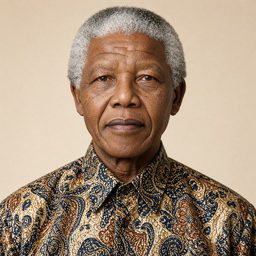
 South Africa
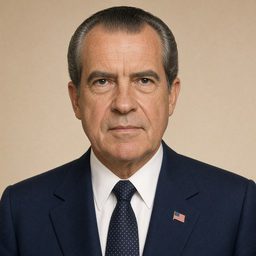
 United States
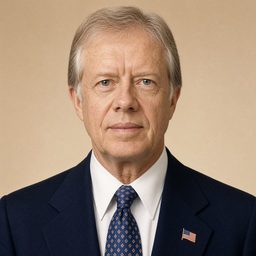
 Jordan
 Iran

 Singapore
 Russia
 Algeria
 Cambodia
 Nigeria
 Germany

 Saudi Arabia
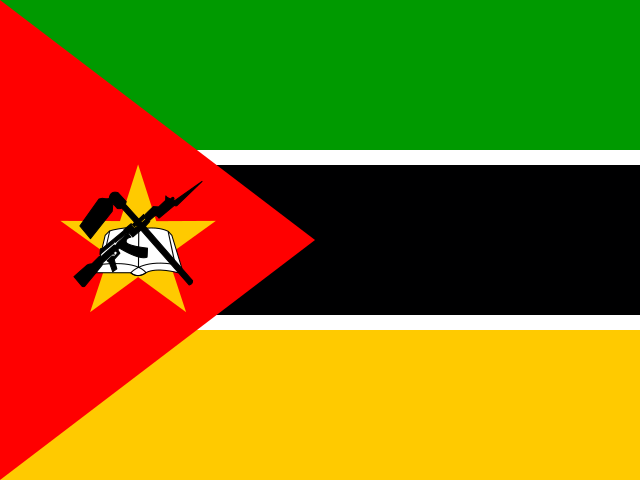 Mozambique
 Israel

 Kuwait
 Papua New Guinea
 Netherlands
 Philippines
 Indonesia
 Morocco

 India

 Oman
 Bulgaria

 Maldives

 Bahrain
 Czechoslovakia
 Mongolia
 Gabon
 Bhutan
 Romania
 Belarus