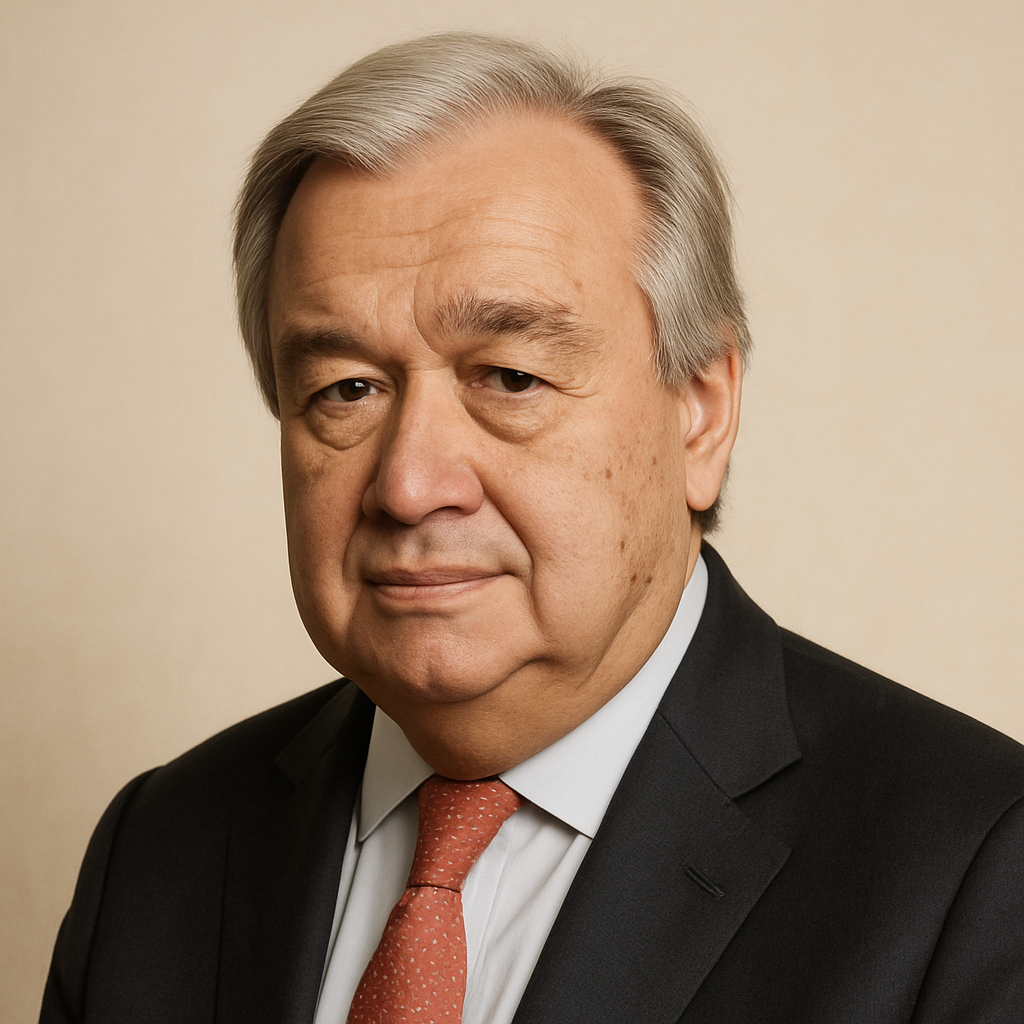
António Guterres 
Secretary-General of the United Nations
- Speeches
- 2
- Est. Time
- 38 min
- Words
- 5k
- Nationality
- Portugal
- Born
- 1949
- Biography
- António Guterres is a Portuguese politician and diplomat who has served as the ninth Secretary-General of the United Nations since 2017, with his current term due to conclude at the end of 2026. He previously served as Prime Minister of Portugal from 1995 to 2002 and as UN High Commissioner for Refugees from 2005 to 2015. A trained engineer and skilled multilateral orator, he has championed climate action, humanitarian response and global cooperation, navigating the UN through crises including the COVID-19 pandemic, the war in Ukraine, and conflicts in Gaza and Sudan. He remains in office as of mid-2026, in his final year as Secretary-General. Wikipedia ↗
- Public voice archetype
- WCFH
Struggle against powers abroad, in the name of freedom and with fire.
- N Nation 39% 61% World W
- U Unity 38% 62% Conflict C
- F Freedom 74% 26% Tradition T
- H Heart 63% 37% Mind M
Tentative. From 2 tagged speeches, each read against comparable speeches: 50% is a typical speech of its kind. With so few speeches, a letter near 50% could change. How it is measured
Profile on the twelve indices
OtherThe average of António Guterres’s 2 tagged speeches: the share of sentences carrying each option, each speech counting equally, leaving out the sentences that carry none of them (turn on Other to see them). Beneath it, the same for the other leaders of Portugal (domestic peers, 61 speeches) and for the leaders of every other nation (global peers, 52,269 speeches).
Content
What the speaker talks about: the sphere of national life, the lever of national power, and how far the speech reaches in space and time.
Actors
Who is in the story and how they are cast: whose actions a sentence is about, the part they play, where the speaker stands, and the people against the elite.
Style
How it is said: the act a sentence performs, how sure it sounds, the feeling it appeals to and the moral value it rests on.
The broad sphere of national life a sentence belongs to. Every sentence has an Arena, so it is the denominator the other indices are read against.
OtherMost recent first. The bar beside each speech is its sentences on the chosen index.
Prose
Across the 2 speeches with a score, weighted by their length; beside each, the same for every speech in the corpus.
- Readability
- 42.7
- Grade level
- 10.1
- Syntax
- 2.33
- Vocabulary
- 2.34
All speeches 43.9 · −1.2
Flesch Reading Ease, 0 to 100; higher is easier.
All speeches 13.1 · −2.9
Flesch–Kincaid grade: years of schooling needed; lower is simpler.
All speeches 3.06 · −0.73
Mean dependency distance in words; higher is more intricate.
All speeches 2.20 · +0.14
Lexical rarity (7 − Zipf frequency of content words); higher is rarer.
António Guterres's speeches are tagged in too few years to draw the indices over time.
Portugal 3
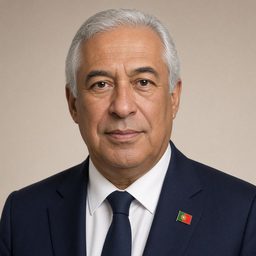
The other leaders of Portugal who spoke in the same years (2024–2026, give or take five): those with a portrait first, the best-known first.
Europe 40
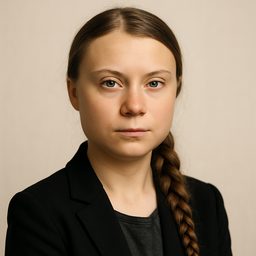
Leaders of the other nations of Europe in the same years, the best-known first.
 Sweden
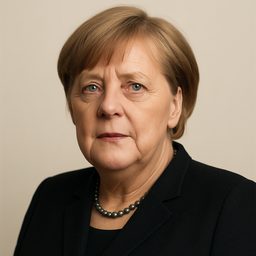
 Germany
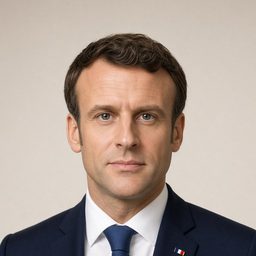
 France
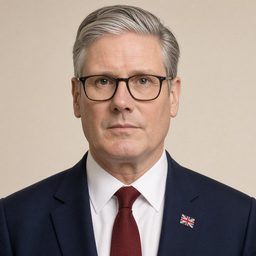
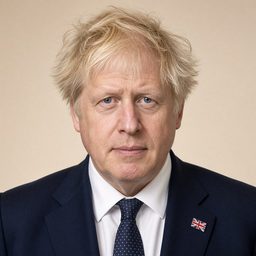
 United Kingdom

 Italy
 Monaco
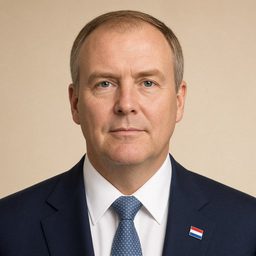
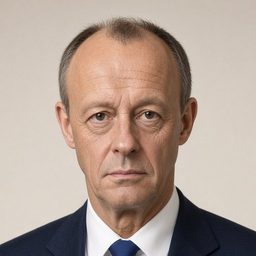
 Netherlands
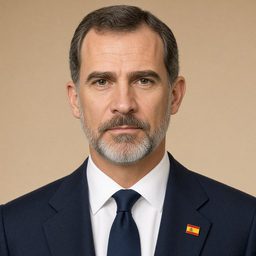
 Spain
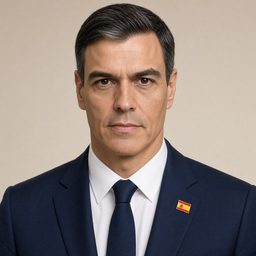
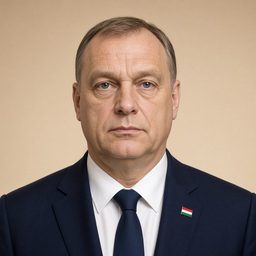
 Hungary
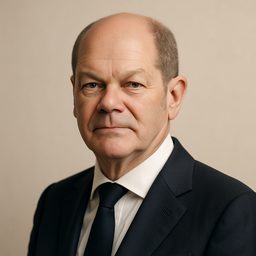
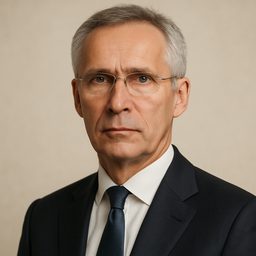
 Norway
 Serbia
 Denmark
 Albania
 Greece
 Belgium
 Croatia
 Finland
 Slovakia
 Luxembourg
 Poland
 Romania
 Estonia
 Switzerland
 Bosnia and Herzegovina
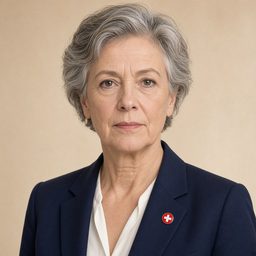
The world 114
Leaders elsewhere in the world in the same years, the best-known first.
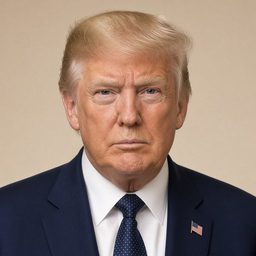
 United States
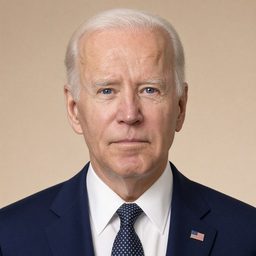
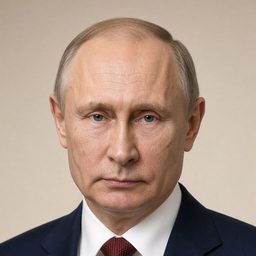
 Russia
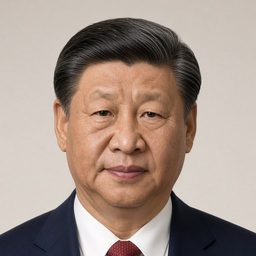
 China
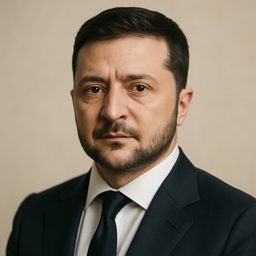
 Ukraine
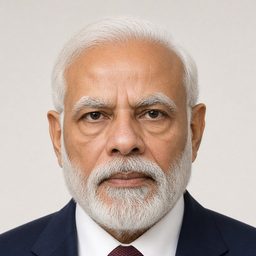
 India

 Türkiye
 Israel
 North Korea
 Venezuela
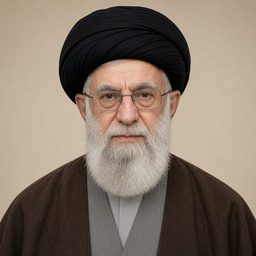
 Iran
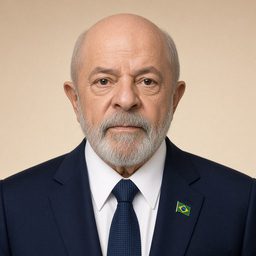
 Brazil
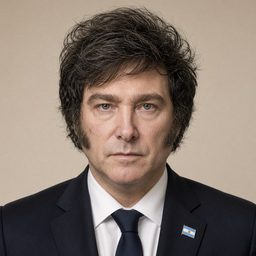
 Argentina
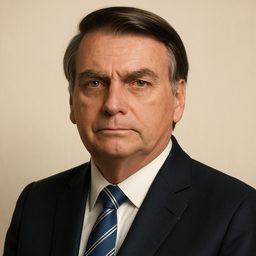
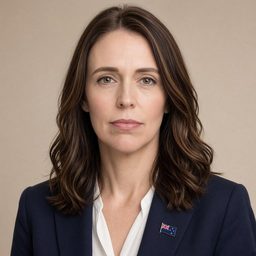
 New Zealand
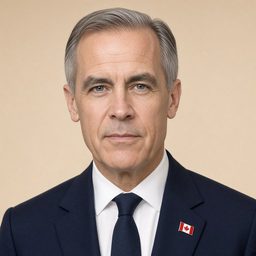
 Canada
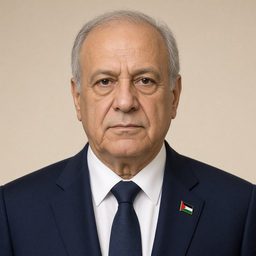
 Palestine
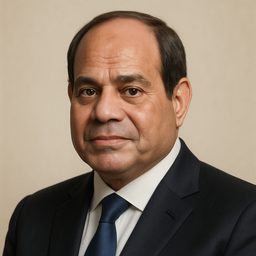
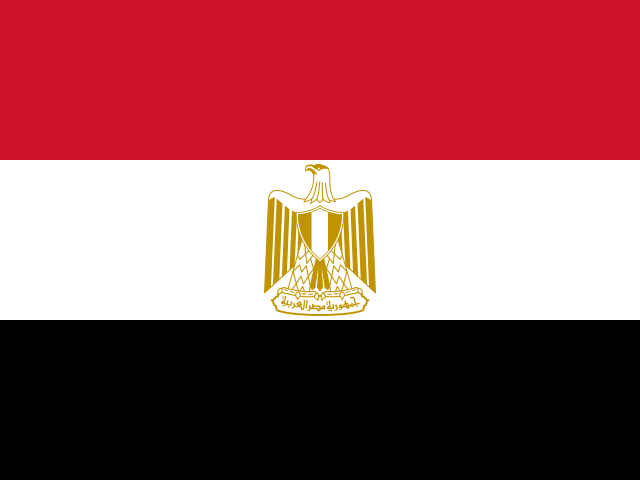 Egypt
 Saudi Arabia
 Japan
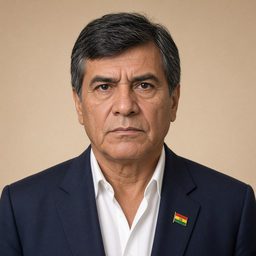
 Bolivia
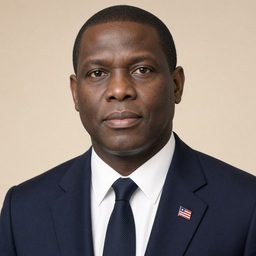
 Liberia
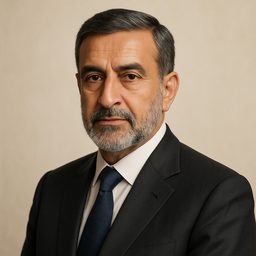
 Jordan
 Belarus
 Ethiopia
 Sudan
 Indonesia
 South Africa
 Qatar
 European Union
 Moldova
 Uganda
 Barbados
 Nigeria
 Kenya