Pushpa Kamal Dahal "Prachanda" 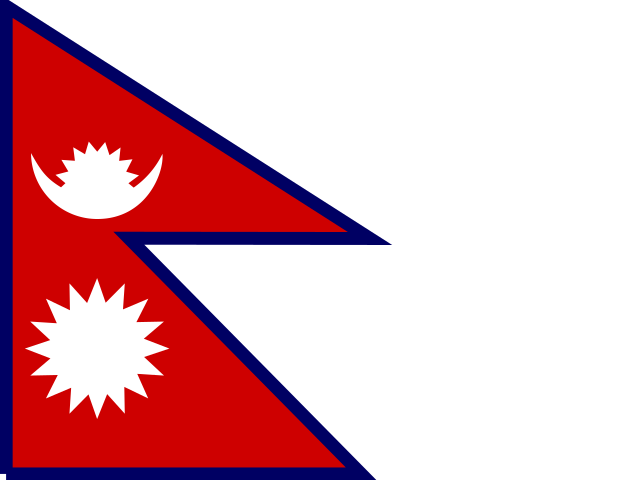
Prime Minister of Nepal
- Speeches
- 2
- Est. Time
- 33 min
- Words
- 4.2k
- Nationality
- Nepal
- Born
- 1954
- Biography
- Pushpa Kamal Dahal (born 11 December 1954), universally known by his nom de guerre Prachanda ('the fierce one'), led the decade-long Maoist insurgency that ended Nepal's monarchy. Born Ghanashyam Dahal in a Brahmin family, he adopted the alias while heading the Communist Party of Nepal (Maoist). After the 2006 peace process he became Nepal's first republican Prime Minister in 2008, and served two further terms (2016-2017 and 2022-2024). His third term ended in July 2024 after he lost a confidence vote. He remains a leading party figure. Wikipedia ↗
- Public voice archetype
- N Nation 72% 28% World W
- U Unity 68% 32% Conflict C
- F Freedom 54% 46% Tradition T
- H Heart 52% 48% Mind M
Tentative. From 2 tagged speeches, each read against comparable speeches: 50% is a typical speech of its kind. With so few speeches, a letter near 50% could change. How it is measured
Profile on the twelve indices
OtherThe average of Pushpa Kamal Dahal "Prachanda"’s 2 tagged speeches: the share of sentences carrying each option, each speech counting equally, leaving out the sentences that carry none of them (turn on Other to see them). Beneath it, the same for the other leaders of Nepal (domestic peers, 68 speeches) and for the leaders of every other nation (global peers, 52,262 speeches).
Content
What the speaker talks about: the sphere of national life, the lever of national power, and how far the speech reaches in space and time.
Actors
Who is in the story and how they are cast: whose actions a sentence is about, the part they play, where the speaker stands, and the people against the elite.
Style
How it is said: the act a sentence performs, how sure it sounds, the feeling it appeals to and the moral value it rests on.
The broad sphere of national life a sentence belongs to. Every sentence has an Arena, so it is the denominator the other indices are read against.
OtherMost recent first. The bar beside each speech is its sentences on the chosen index.
Prose
Across the 2 speeches with a score, weighted by their length; beside each, the same for every speech in the corpus.
- Readability
- 28.5
- Grade level
- 15.0
- Syntax
- 3.07
- Vocabulary
- 2.34
All speeches 43.9 · −15.4
Flesch Reading Ease, 0 to 100; higher is easier.
All speeches 13.1 · +1.9
Flesch–Kincaid grade: years of schooling needed; lower is simpler.
All speeches 3.06 · +0.02
Mean dependency distance in words; higher is more intricate.
All speeches 2.20 · +0.14
Lexical rarity (7 − Zipf frequency of content words); higher is rarer.
Pushpa Kamal Dahal "Prachanda"'s speeches are tagged in too few years to draw the indices over time.
Nepal 18
The other leaders of Nepal who spoke in the same years (2008–2023, give or take five): those with a portrait first, the best-known first.
- KOK.p. Sharma Oli
- BSBalendra Shah
- SDSher Bahadur Deuba
- BBBaburam Bhattarai
- MNMadhav Kumar Nepal
- SKSushil Koirala
- KRKhil Raj Regmi
- NSNarayan Kaji Shrestha
- PGPradeep Kumar Gyawali
- PMPrakash Sharan Mahat
- BTBhesh Bahadur Thapa
- NKNarayan Khadka
- PSPrakash Man Singh
- RPRamesh Nath Pandey
- SPSahana Pradhan
- BPBharat Raj Paudyal
- BRBhim Bahadur Rawal
- LTLok Bahadur Thapa
South Asia 4
Leaders of the other nations of South Asia in the same years, the best-known first.
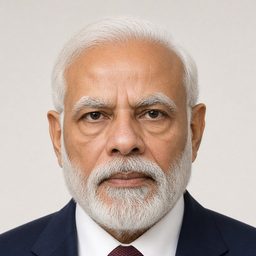
 India
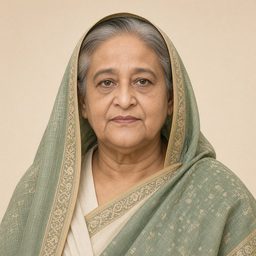
 Bangladesh
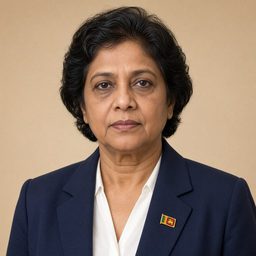
 Sri Lanka
 Maldives
The world 236
Leaders elsewhere in the world in the same years, the best-known first.
 United States
 Russia
 Libya
 China
 South Africa
 Ukraine
 Sweden

 Germany
 France
 Cuba
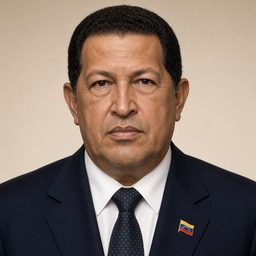
 Venezuela
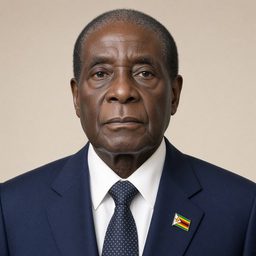
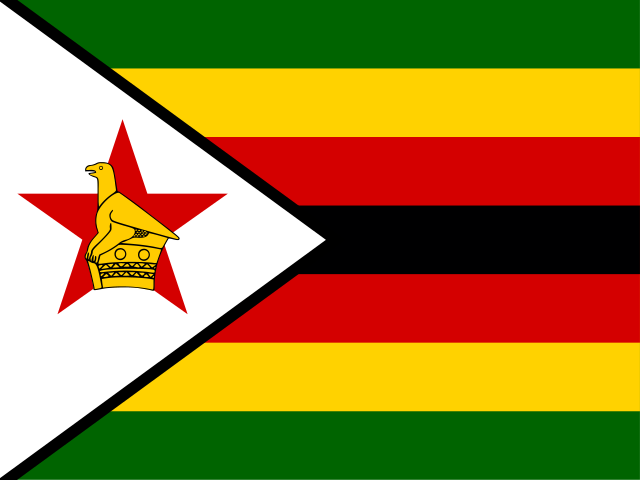 Zimbabwe
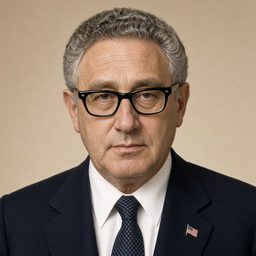
 United Kingdom
 Morocco
 Türkiye
 Israel
 North Korea

 Italy
 Iran
 Brazil
 Argentina
 New Zealand
 Canada
 Palestine
 Egypt