




- Context
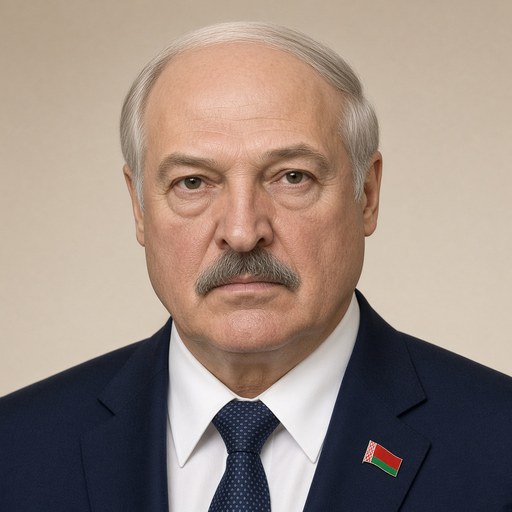
- Lukashenko addressed students at Peking University on September 30, 2016, reflecting on Belarus-China ties and his long personal relationship with Chinese leadership.
- Main themes
- Belarus-China relations, Silk Road initiative, personal diplomacy, technology transfer, economic development, Peking University address, Soviet legacy, global political challenges, education and youth, patriotism and progress
- Duration
- ~36 min
- Words
- 4,270
- Sentences
- 226
- Readability
- 46
- Grade
- 11.5
- Syntax
- 2.94
- Vocabulary
- 2.19
Translated from Russian
The broad sphere of national life a sentence belongs to. Every sentence has an Arena, so it is the denominator the other indices are read against.
Other226 sentences in 92 paragraphs
Dear friends!
I would like to begin my acquaintance with you with some memories. This is my ninth visit to the People's Republic of China. Long ago, when I was a member of Parliament, I had the opportunity to visit your country. I wished for this myself, seeing the focus of the People's Republic of China on the transformations that were characteristic of Great China at that time. Over the course of a quarter of a century, I have witnessed how China has developed in this way. Then, and afterwards, as President, I became familiar with the main directions and plans for the development of your country. As you remember, everything in the economy began with free economic zones; you set a course for renewal, for the creation and acquisition of the most modern technologies. This was emphasized. And I, still being a very young President, remember meetings with former leaders of China Jiang Zemin and Hu Jintao. And the conversation always began and ended with: technology, technology, and technology.
And we, to be frank, were ahead of the People's Republic of China in many areas at that time. We had a good legacy from the Soviet Union. And we could and offered you our technologies back then. Today, after two and a half decades, we are asking you for new technologies in many areas. And Great China, the great people of China, is meeting us halfway.
The head of your university spoke about the idea of the great Silk Road initiative. When visiting Minsk last year, Xi Jinping visited the site of a key point in the construction of this Silk Road towards Europe. Its name in Belarus is "Great Stone." And he called this place the pearl of the great Silk Road. And on the way to Minsk, when we were returning, he told me that no one in the world had offered us such conditions and such places. Now, he says, we see that Belarus is a reliable, honest, and decent friend, which we do not have in the world.
And later, one of the members of the Politburo, being with me, said, to my delight, that Xi Jinping can only open his soul to one person in the world — the President of Belarus.
Such good relations have developed between us and your leader. We are indeed friends: he knows my family, I know his family, he has been to my home, and is acquainted with all the members of my family. In politics, this is not unimportant. I believe that the teachers know this well and understand it, and will tell the students what personal relationships are and how they influence big politics.
But let us return to what I started with. I am not a newcomer in the relations between Belarus and the People's Republic of China. Most likely, I had to lay the foundations, the groundwork, to build these relations.
And I am happy that, even as a member of Parliament, I was not mistaken in stating in Parliament that after the collapse of the Soviet Union, we needed to follow the path of China. We needed to take them as an example, without destroying anything, preserving and improving the systems of economy and socio-political development that we inherited. It is precisely this path that we followed after we had our first President of the country. I am proud and happy that this President became your humble servant.
And today it is a great honor for me to speak at Peking University, at the famous "Beida," one of the best universities on the planet.
Many generations have been educated within these walls, contributing invaluable input to the development of Great China.
You take pride in your outstanding graduates. In due time, Mao Zedong, Li Dazhao, Chen Duxiu, Mao Dun, Lu Xun, and other worthy citizens of the country received their education in these classrooms.
The motto of your university is: "Patriotism, progress, democracy, and science." It accurately reflects the most important principles of training specialists of the highest class. There is not the slightest doubt that you will contribute to the prosperity of China, Asia, and humanity as a whole.
Undoubtedly, among you are future state leaders, prominent scholars, writers, and successful businessmen.
Our Belarusian students are very similar to you in their persistence and hard work. They understand that knowledge and high professionalism can only be achieved through hard work and a responsible attitude towards the choice of their life path. This is especially important in the current conditions of global development.
International politics today is characterized by strong competition among states in all spheres of activity, including economic, scientific, and cultural.
In recent years, the situation in the world has become very tense, and new serious challenges have emerged. In the lexicon of political scientists and experts, there is a significant share of confrontational rather than unifying rhetoric. Many "prophecies" of modern sages are built on the uncertainty and unpredictability of today's world.
In the life of the global community, old threats are exacerbated, and new ones constantly arise, requiring deep reflection. This includes the issue of radicalization in the Middle East, unprecedented problems posed by the "Islamic State," conflicts in Syria, North Africa, and issues in Ukraine — which is very close to our Belarus.
There are also threats of international terrorism, large-scale migration, and the widespread use of various mechanisms of sanction pressure in global politics.
We cannot overlook unresolved problems such as poverty, maternal and child mortality, access to education and healthcare, morality and ethics, religious and cultural-national freedom, ecology, inequality, and other issues.
Despite positive shifts in the life of the planet, today we must acknowledge that for many years the world has not only failed to overcome global dangers but has also spawned new ones.
I have already said, while at the United Nations, that the deep source of all crises lies in the artificial disproportionate cultivation of individual rights and freedoms at the expense of public interests.
Under the guise of protecting human rights, governments are overthrown, states are destroyed, and military interventions are organized. In essence, chaos and anarchy are imposed, resulting in numerous human casualties. Even sincerely noble goals should not allow for unworthy means of achieving them.
It is with regret that I must state that "color revolutions" in various countries have not ultimately led to peace and prosperity. On the contrary, their result has been permanent instability, imbalance of state mechanisms, loss of governance, and a decline in the standard of living of the population.
But it is well known that new challenges also present new opportunities. The global community must find ways and solutions for their worthy resolution.
The main principle should not be the confrontation of countries, nor violence, but mutual understanding, friendliness, and cooperation for the common good of humanity.
We in Belarus firmly adhere to a multi-vector foreign policy, developing relations with all regions of the world without exception, with all states. This is our path of adaptation and harmonious integration into the rapidly changing global world.
We call for dialogue free from pressure and coercion. After all, every country, every subject of international relations is responsible for making our world as a whole more stable, comfortable, and safe for people.
We always proceed from this understanding when formulating and implementing our foreign policy. Therefore, we are exclusively focused on strengthening and expanding cooperation with all neighbors — both in the East and in the West — as deeply as possible, but not to the detriment of anyone, not to the detriment of the interests of any states, including our own.
We engage in dialogue with those partners who are ready to build relations with Belarus on an equal basis, without dictation and coercion. And as I said when meeting with Li Keqiang, the Premier of the State Council: "We are pleased to build relations with you, being 6,500 kilometers away from you, primarily because you have never set us any preconditions over the past 25 years. You have always honestly and decently built this relationship on an equal basis, despite the differences in size and proportion of our states. And this bears fruit."
Our country advocates for the undeniable supremacy of law in international relations, which should form the basis of a modern, just, and multipolar world order. This is the foundation of the international agenda, and here we understand this agenda absolutely equally — both China and Belarus. Only a multipolar world can hold and save our planet from destruction. No system can stand long on one pillar. The more pillars there are, the stronger the system. And I told my friend Xi Jinping yesterday that one of the pillars of this multipolarity and stability of our system is the People's Republic of China. And we are extremely interested in this pillar being constantly strengthened. And this is our pragmatism. A powerful, strong China means a sovereign and independent Belarus. Because this is our friend, on whose shoulder we can always lean. That is our pragmatism.
Belarus is a state that has subordinated its foreign policy to pragmatic and clear goals, the main of which are undoubtedly the improvement of the well-being and living standards of the people. This is what you are currently engaged in.
As well as ensuring security in the country and good neighborliness at the borders. This is also characteristic of you.
Historically, it has happened that through our lands, as we are located in the geographical center of Europe, for many centuries passes the so-called line of contact of the interests of the largest states, which a number of researchers call the "line of clash of civilizations."
Not claiming global geopolitical ambitions, we have managed to create an "island of stability" in our region, forming friendly and sufficiently trusting relations with all our neighbors: with Russia, the European Union, and Ukraine. This is quite natural for our country, the territory of which has long been a crossroads where East and West, North and South literally meet.
And when a dangerous conflict flared up in Ukraine, which is our closest brothers along with the Russians, it was Minsk that turned out to be, in a certain sense, the ideal platform for negotiations to resolve the crisis for all parties.
Belarus's role, our sincere desire to be a stabilizing factor, has already been appreciated by many states that view our country as a point of support in advancing their, primarily economic, interests in the post-Soviet space and Eastern Europe.
Belarus is not just an active participant but also an initiator of various levels of integration in the post-Soviet space. We see integration as the future not only of our state but also of all of Europe, our entire continent, and the entire Eurasian space.
As one of the founders of a new influential international organization — the Eurasian Economic Union, Belarus is interested in erasing dividing lines between neighboring countries to complement each other and achieve the greatest benefit and advantage for our peoples.
We consistently advocate for the formation of sustainable mechanisms for dialogue and cooperation between the Eurasian Economic Union and other integration associations. Back in 2011, Belarus proposed the idea of "integration of integrations." Practically at the same time, I was also impressed by the Chinese concept of the Economic Belt of the Silk Road. It was in 2010-2011 that the world learned about your initiative — the Economic Belt of the Silk Road.
The desire of our peoples to engage in dialogue, systematically deepening ties with partners, has resulted in a proposal to link the "integration of integrations" with the Economic Belt of the Silk Road. And yesterday, during negotiations with Xi Jinping, he noted that in implementing this idea, the Silk Road, it is very important that it is linked with the integration of the Eurasian Economic Union, which we are building in the post-Soviet space. We agree with this.
In Belarus, we are deeply convinced that cooperation between the Eurasian Economic Union and the Shanghai Cooperation Organization, ASEAN, with the European Union, and other regional associations could bring significant benefits in realizing our trade, economic, and investment interests. We have repeatedly stated that Belarus, as the most western country — an observer of the Shanghai Cooperation Organization — essentially serves as the gateway of this organization to Europe.
Dear friends!
In Belarus's foreign policy, one of the most important, priority directions is cooperation with great China.
Diplomatic relations between our countries were established almost 25 years ago — on January 20, 1992. We can proudly note that in such a short period compared to other countries, our relations have acquired a special trusting status of comprehensive strategic partnership and mutually beneficial cooperation.
Great China, in my opinion, has such a high level of cooperation only with four countries, and Belarus is among them. We take pride in this.
Evidence of this can be seen in the rapid growth of mutual trade turnover, which exceeded three billion in 2015, and together with services — four billion dollars. Although these figures, in my deep conviction, do not yet fully reflect our economic potential. For further increases in the volumes of bilateral trade, it is extremely important that contacts strengthen not only between presidents and governments but also between regions. And in the last two years, we have done our utmost to ensure that our Belarusian provinces and regions reach out to your regions and provinces and cooperate directly. Because everything necessary for regional cooperation has been created at the top, by presidents and governments. The entire legislative framework exists for this cooperation.
It is pleasant to note that our countries successfully interact on the international stage as well. We provide mutual support in addressing current issues of modernity, while actively promoting the philosophy of peaceful coexistence. This is yet another foundation of the unified view of the world order of Belarus and China. And this is not surprising, as we have more unifying moments in our mentality and history than it may seem at first glance.
Just as China suffered from militarism, Belarus suffered from fascism during World War II. During the years of Hitler's occupation, our republic sustained enormous damage; every third resident perished in this Patriotic War. Every third! The fate of China's Nanjing was shared by two thousand cities and villages that were completely burned, along with their inhabitants erased from the face of the earth. After the war, the country was almost completely restored and celebrates its Independence Day as the day of liberation from fascism.
The assertions of the great Confucius that "the people are the foundation of the state" and "every person bears responsibility for the fate of the country" are not only remarkably close to Belarusians but are also implemented in practice.
In its development, Belarus has relied on the rich potential accumulated in the USSR. We have built a model of national development that maximally meets the needs of the Belarusian people, has effectively functioning institutions, an optimal economic system, and a strong level of social protection for the population. We rightly take pride in the results achieved.
Just as in China, our country has resolved the issue of food security. Belarusians are fully provided with products grown on their own land.
Our leadership in the post-Soviet space in addressing this issue is recognized by the Food and Agriculture Organization of the United Nations.
We have ensured a high level of education, the accessibility of which is comparable to that of highly developed countries. In terms of the quality of education, healthcare, and social capital, we occupy high positions in global rankings, being among the top thirty developed states.
Like you, we have identified industrial development as our priority. And over the years of independence, we have achieved high indicators. Belarusian enterprises successfully compete with the best global manufacturers.
Powerful trucks — MAZs, mining dump trucks of record capacity — BelAZs, unique wheeled tractors, Belarus tractors, Gomselmash combines, televisions, refrigerators, clothing, and footwear are in demand both domestically and abroad. This is a concrete result of the economic policy pursued in the country aimed at preserving and increasing the national wealth, modernization, and technological rearmament of production.
A serious foundation has been created in Belarus for the development of potentially new, high-tech areas: nuclear energy, space, and biotechnology. In line with modern global trends, we actively pay attention to "green" technologies. In them lies the well-being of our country, our region, and the world as a whole.
You are probably familiar with all this, and you have likely noticed that we are developing in the same vein, in the same direction today. Like you, we strive not to lag behind global trends. With a population of one-tenth of a percent of the world (unlike you, of course), Belarus has reached the top positions in global production volumes of exports of several agricultural and food products. We occupy more than 20 percent of the global market for potash fertilizers, and this year we will probably sell the most of them to China. We are in third place in the export of flax fiber, and we are currently selling a lot of fiber to you in China at your request. We are seventh in the supply of dairy products. In the export of sugar, rapeseed oil, and beef, we are among the top twenty countries in the world. More than two percent of tractors and 17 percent of combines in the world are Belarusian.
But, of course, we understand that for progressive development, it is necessary to maximize the development of high technologies. Today, the achievements of the Belarusian IT sector are widely known with brands such as Viber, EPAM, and Wargaming.
This is not surprising: after all, programming is one of the most sought-after specialties among modern students.
Thanks to graduates of Belarusian universities, our country far outpaces the United States, India, and South Korea in the export of computer services per capita. Belarus has entered the top 10 largest suppliers of custom software development services. I will say more — we ranked second in the world in the share of information technology developments in gross domestic product per capita.
I think many will agree that the future lies in innovations and knowledge, science and technology. This is the foundation of our upcoming five-year plan, and in the future, the relevance of these areas will not disappear.
The strategy for the development of modern Belarus is based on a socially oriented market economy. In it, the state plays a crucial role in modernizing production and stimulating labor productivity growth. But it is clear that achieving these goals is impossible without technical progress, investments, and interaction with the outside world. And a significant place in this process, in the future development of our state, our Belarus, is occupied by cooperation with the People's Republic of China.
Sincere interest and awareness of mutual benefit have allowed us to implement large and high-tech joint projects. Among them are the launch of the Belarusian satellite from the Xichang launch site, the modernization of power plants, the reconstruction of roads, and the electrification of railways, as well as the creation of modern defense systems. What can I hide: for the sake of peace, good defense is also necessary.
I consider the China-Belarus Industrial Park "Great Stone," located near Minsk, to be a model of investment cooperation. Although, perhaps, it would be more accurate to say that this is, in a broad sense, an international project, as companies from different countries strive to be there.
It started as the Belarusian-Chinese. And today, both Americans and Europeans want to participate in this project. The park is well-located and has become a regional logistics center. It is situated in an ecologically clean area, and we expect the application of "green" technologies. The park should become a jewel of the Silk Road. I am confident that this project will demonstrate to Europe and the whole world the growing technological level of China.
In negotiations with your Chairman of the State Council, the Prime Minister, and Xi Jinping, we agreed that the technological park "Great Stone" in Belarus should also become a model to demonstrate to the whole world, and primarily to high-tech Europe, what China is today. You know that there are many myths surrounding China's aspirations. Why? Because no one wants the strengthening, enhancement, and expansion of the economic influence and impact zones of the People's Republic of China. As I said, there is fierce competition in the world, primarily in the economy. And China has rightly chosen a tactic by defining the directions of the Silk Road. In this regard, those states through which this Silk Road will pass, so to speak, become friends of China because China invests billions of dollars in the economies of these states so that they also develop and remain friendly. And we need to build a model technological complex there, in the center of Europe, so that other countries in Europe, seeing this, wish to cooperate with China.
We have agreed on this with your Chairman and your Government. And, no matter what it costs us, we will build this high-tech park. And this project will be implemented.
Now a few words about the results of my visit to your country.
During the meeting with Chairman Xi Jinping, the transition to a new, special level of dialogue was confirmed, and a Joint Declaration on establishing relations of trust, comprehensive strategic partnership, and mutually beneficial cooperation was signed. I have already mentioned that only a few states have such a level of relations with China.
We agreed on further goals for our trade, economic, and investment cooperation, including the creation of new joint ventures both in Belarus and in China.
In addition, since September 1, 2016, 34 Belarusian dairy producers have been given the opportunity to supply their products to China. It is said that you quickly get used to milk and dairy products and increase consumption by almost 20 percent every year, if I am not mistaken. So, please, get used to our dairy products; they are among the best in the world. And 35 of our enterprises already have the right to supply this product to you in China.
I believe the next step is to formalize permits for suppliers of baby food, poultry, and the beef market has been opened. I assure you that even your gourmets will be satisfied.
We all understand that to achieve what is planned and to maximize the effect, the efforts of both countries are necessary. It is no coincidence that Chinese wisdom says: "You cannot clap with one hand."
Dear friends!
I have already mentioned that this is my ninth visit to China, and each time I come to what is practically a new country and I never cease to be amazed by it. I have been here before, as I mentioned, before I became President, but this is my first speech before Chinese students. And I want to say that it is precisely on you, on youth and student cooperation, that both I and Xi Jinping place special hopes. A good foundation has been laid for this.
About two hundred educational programs have been opened.
Three Confucius Institutes and seven classes have been established in Belarus.
At the Second Beijing University of Foreign Languages, courses in the Belarusian language have been opened.
But believe me, about two thousand Chinese students in Belarusian universities and about six hundred Belarusians in China — this is a drop in the ocean for our countries. However, we are also not standing still. We have launched a direct flight from Beijing to Minsk. You may know that there is a "Beijing" in the center of Minsk — a magnificent five-star hotel built by Chinese investors.
In the near future, a modern Chinese embassy complex will be built in the center of the city.
The modern cultural life of Belarus is dynamic and diverse. The country hosts numerous art exhibitions, musical, theatrical, cinematographic, and other festivals. All this is interesting and accessible to both Belarusians and guests of the capital.
For several years now, we have been exchanging cultural days almost annually in Minsk and Beijing.
I would like all of you, especially those present here, including students, teachers, and civil servants, to visit Belarus — a country of blue lakes, rivers, and medieval castles.
Moreover, just the other day, we resolved a number of visa formalities. Belarus is open to you.
I will not hide that while I am here, I recall my student years and my teachers. After all, as I have already told your leader, I, like many present here, am a teacher by my first education.
I believe that my speech today — not only as the President of Belarus but also as, I do not like this word, a lecturer, but you made me speak and recall my youth — will help you form your opinion about our state and Belarusian-Chinese cooperation.
I am confident that you can be proud of studying, and your teachers can be proud of teaching at this prestigious university.
May your university thrive and develop, making a significant contribution to world science and philosophical thought!
I wish you success, well-being, confidence in your abilities, and in tomorrow.
Undoubtedly, serious achievements and brilliant prospects await you.
The main thing is that you manage all this in a timely and correct manner, as your leaders of this great Chinese, ancient Chinese state know how to do.
Thank you for your attention.
The original Russian. The tags above are read on the English translation's sentences.
Дорогие друзья!
Я бы начал свое знакомство с вами с воспоминаний. Это мой девятый визит в Китайскую Народную Республику. Давным–давно, когда я был депутатом Парламента, мне довелось побывать в вашей стране. Я сам пожелал этого, видя нацеленность Китайской Народной Республики на те преобразования, которые тогда были присущи Великому Китаю. На моих глазах в течение четверти века таким образом развивается Китай. Тогда и после, став Президентом, я познакомился с основными направлениями, замыслами развития вашей страны. Как вы помните, в экономике все начиналось со свободных экономических зон, вы взяли курс на обновление, на создание и приобретение самых современных технологий. На это был сделан упор. И я, еще будучи совсем молодым Президентом, помню встречи с бывшими руководителями Китая Цзян Цзэминем и Ху Цзиньтао. И разговор всегда начинался и заканчивался: технологии, технологии и технологии.
И мы, откровенно говоря, тогда были по многим направлениям впереди Китайской Народной Республики. Нам от Советского Союза осталось хорошее наследство. И мы тогда могли и предлагали вам свои технологии. Сегодня по прошествии двух с половиной десятков лет по многим направлениям мы просим у вас новые технологии. И Великий Китай, великий народ Китая идет нам навстречу.
Руководитель вашего вуза сказал об идее инициативы великого Шелкового пути. Посещая Минск в прошлом году, Си Цзиньпин побывал на месте узлового пункта строительства этого Шелкового пути в направлении Европы. Имя ему в Беларуси — «Великий камень». И он назвал это место жемчужиной великого Шелкового пути. А по дороге в Минск, когда мы возвращались, он мне сказал, что таких условий и таких мест нам никто в мире не предлагал. Теперь, говорит, мы видим, что Беларусь — это надежный, честный и порядочный друг, которых мы не имеем в мире.
А еще позже один из членов Политбюро, будучи у меня, это меня порадовало, сказал, что Си Цзиньпин только одному человеку в мире может открыть свою душу — это Президенту Беларуси.
Вот такие добрые отношения у нас сложились с вашим руководителем. Мы действительно друзья: он знает мою семью, я знаю его семью, он бывал у меня дома, знаком со всеми членами моей семьи. В политике это немаловажно. Думаю, преподаватели это хорошо знают и понимают, и расскажут студентам, что такое личные отношения и как они влияют на большую политику.
Но вернемся к тому, с чего я начал. Я не новичок в отношениях Беларуси и Китайской Народной Республики. Скорее всего, мне пришлось закладывать основы, фундамент, строить эти отношения.
И я счастлив, что, еще будучи депутатом, я не ошибся, заявив в Парламенте, что после распада Советского Союза нам надо идти путем Китая. Надо брать с них пример, ничего не разрушая, сохраняя и совершенствуя те системы экономики, социально–политического развития, которые нам достались в наследство. Именно этим путем мы и пошли после того, когда у нас появился первый Президент страны. Я горд и счастлив, что этим Президентом стал ваш покорный слуга.
И сегодня для меня большая честь выступить в Пекинском университете, в знаменитом «Бэйда», одном из лучших вузов планеты.
В этих стенах воспитано множество поколений, внесших неоценимый вклад в развитие Великого Китая.
Вы гордитесь своими выдающимися выпускниками. В свое время в этих аудиториях получили знания Мао Цзэдун, Ли Дачжао, Чэнь Дусю, Мао Дунь, Лу Синь и другие достойные граждане страны.
Девиз вашего университета: «Патриотизм, прогресс, демократия и наука». Он точно отражает важнейшие принципы подготовки специалистов высочайшего класса. Нет ни малейшего сомнения, что вы внесете свой вклад в процветание Китая, Азии, да и человечества в целом.
Несомненно, среди вас есть будущие государственные лидеры, крупные ученые, писатели, успешные бизнесмены.
Наши белорусские студенты очень похожи на вас своей настойчивостью и трудолюбием. Они понимают, что знаний и высокого профессионализма можно добиться только упорным трудом и ответственным отношением к выбору своего жизненного пути. Это особенно важно в современных условиях мирового развития.
Международная политика сегодня характеризуется сильной конкуренцией государств во всех сферах жизнедеятельности, включая экономическую, научную и культурную.
За последние годы обстановка в мире очень обострилась, появились новые серьезные вызовы. В лексиконе политологов и экспертов велика доля конфронтационной, а не объединительной риторики. На неопределенности и непредсказуемости сегодняшнего мира построены многие «пророчества» современных мудрецов.
В жизни мирового сообщества усугубляются старые и постоянно возникают новые угрозы, требующие глубокого осмысления. Это и вопрос радикализации Ближнего Востока, невиданные по масштабам проблемы «Исламского государства», конфликты в Сирии, Северной Африке, проблемы в Украине — это совсем рядом с нашей Беларусью.
Это также угрозы международного терроризма, масштабная миграция, широкое использование различных механизмов санкционного давления в мировой политике.
Нельзя сбрасывать со счетов и такие нерешенные проблемы, как нищета, детская и материнская смертность, доступ к образованию и здравоохранению, мораль и нравственность, религиозная и культурно–национальная свобода, экология, неравенство и другие проблемы.
Несмотря на положительные подвижки в жизни планеты, сегодня мы вынуждены признать, что за много лет мир не только не смог побороть глобальные опасности, но и породил новые.
Я уже говорил, будучи в Организации Объединенных Наций, что глубинный источник всех кризисов кроется в искусственном несоразмерном культивировании индивидуальных прав и свобод человека в ущерб общественным интересам.
Прикрываясь лозунгом защиты прав человека, свергаются правительства, разрушаются государства, организуются военные интервенции. По сути, насаждаются хаос и анархия с многочисленными человеческими жертвами. А ведь даже искренне благие цели не должны допускать негодных средств их достижения.
Приходится с сожалением констатировать, что «цветные революции» в различных странах не привели в итоге к миру и благополучию. Напротив, их результатом стали перманентная нестабильность, разбалансировка государственных механизмов, потеря управляемости, снижение уровня жизни населения.
Но всем известно, что новые вызовы — это и новые шансы. Мировое сообщество просто обязано найти выходы и развязки для их достойного разрешения.
Главным принципом должны быть не конфронтация стран, не насилие, а взаимопонимание, дружелюбие и сотрудничество ради общего блага человечества.
Мы в Беларуси твердо придерживаемся многовекторной внешней политики, развиваем отношения со всеми без исключения регионами мира, со всеми государствами. Это наш путь адаптации и гармоничного встраивания в стремительно меняющийся глобальный мир.
Мы призываем к диалогу, лишенному давления и принуждения. Ведь каждая страна, каждый субъект международных отношений ответственен за то, чтобы наш мир в целом стал более стабильным, комфортным и безопасным для людей.
Мы всегда исходим из такого понимания при выработке и осуществлении своей внешней политики. Поэтому нацелены исключительно на укрепление и расширение сотрудничества со всеми соседями — и на Востоке, и на Западе — настолько глубоко, насколько это возможно, но не в ущерб кому–либо, не в ущерб интересам тех или иных государств и наших тоже.
Мы ведем диалог с теми партнерами, которые готовы строить отношения с Беларусью на равноправной основе, без диктата и принуждения. И как я, встречаясь с Ли Кэцяном, Премьером Госсовета, сказал: «Мы с удовольствием строим с вами отношения, находясь за 6,5 тысячи километров от вас, в первую очередь потому, что вы никогда за 25 лет не поставили нам никаких предварительных условий. Вы всегда честно и порядочно выстраивали это отношение на равноправной основе, несмотря на разновеликость и несоразмерность наших государств. И это приносит свои плоды».
Наша страна выступает за бесспорное верховенство права в международных отношениях, на котором должно основываться современное справедливое и многополярное мироустройство. Это основа международной повестки дня, и здесь мы абсолютно одинаково — как Китай, так и Беларусь — понимаем эту повестку дня. Только многополярный мир может удержать и спасти нашу планету от разрушения. Ни одна система не может устоять долго на одной опоре. Чем больше этих опор, тем мощнее система. И я вчера своему другу Си Цзиньпину сказал, что одной из опор этой многополярности и устойчивости нашей системы является Китайская Народная Республика. И мы крайне заинтересованы, чтобы эта опора постоянно укреплялась. И в этом наш прагматизм. Будет мощный, сильный Китай — будет суверенная и независимая Беларусь. Потому что это наш друг, на плечо которого мы всегда сможем опереться. Вот в чем наш прагматизм.
Беларусь — государство, подчинившее свою внешнюю политику прагматичным и понятным целям, главными из которых, безусловно, являются повышение благосостояния и уровня жизни народа. Это то, чем вы сейчас занимаетесь.
А также обеспечение безопасности в стране и добрососедства на границах. Это тоже характерно и для вас.
Исторически сложилось, что через наши земли, а мы находимся в географическом центре Европы, много веков проходит так называемая линия соприкосновения интересов крупнейших государств, которую ряд исследователей называет «линией столкновения цивилизаций».
Не претендуя на глобальные геополитические амбиции, мы смогли создать «остров стабильности» в нашем регионе, сформировав дружественные и в достаточной степени доверительные отношения со всеми нашими соседями: с Россией, Европейским союзом, Украиной. Это вполне естественно для нашей страны, территория которой издревле была перекрестком, где в буквальном смысле встречались Восток и Запад, Север и Юг.
И когда фактически на наших границах в Украине, а это наши самые близкие братья вместе с россиянами, разгорелся опасный конфликт, именно Минск оказался в определенном смысле идеальной для всех сторон площадкой для переговоров по урегулированию кризиса.
Роль Беларуси, наше искреннее стремление быть стабилизирующим фактором уже оценены многими государствами, которые рассматривают нашу страну как точку опоры в продвижении своих, в первую очередь экономических, интересов на постсоветском пространстве и в Восточной Европе.
Беларусь не просто активный участник, но и инициатор разных уровней интеграций на постсоветском пространстве. Мы видим в интеграции будущее не только своего государства, но и всей Европы, всего нашего континента, всего евразийского пространства.
Являясь одним из основателей новой влиятельной международной организации — Евразийского экономического союза, Беларусь заинтересована в стирании разделительных линий между соседними странами в целях дополнения друг друга, достижения наибольшей пользы и выгоды для наших народов.
Мы последовательно выступаем за формирование устойчивых механизмов диалога и сотрудничества между Евразийским экономическим союзом и другими интеграционными объединениями. Еще в 2011 году Беларусь предложила идею «интеграции интеграций». Практически в это же время я также был впечатлен китайской концепцией Экономического пояса Шелкового пути. Именно в 2010 — 2011 годах мир узнал об этой вашей инициативе — Экономическом поясе Шелкового пути.
Желание наших народов вести диалог, системно углубляя связи с партнерами, вылилось в предложение по сопряжению «интеграции интеграций» и Экономического пояса Шелкового пути. И вчера на переговорах с Си Цзиньпином он отметил, что при реализации этой идеи, пояса Шелкового пути, очень важно, чтобы она была сопряжена с интеграцией Евразийского экономического союза, который мы выстраиваем на постсоветском пространстве. Мы с этим согласны.
В Беларуси глубоко убеждены в том, что существенную пользу в реализации наших торгово–экономических и инвестиционных интересов могло бы принести сотрудничество Евразийского экономического союза и Шанхайской организации сотрудничества, АСЕАН, с Евросоюзом, другими региональными объединениями. Мы неоднократно заявляли, что Беларусь как самая западная страна — наблюдатель Шанхайской организации сотрудничества по сути является воротами этой организации в Европу.
Дорогие друзья!
Во внешней политике Беларуси одним из важнейших, приоритетных направлений является сотрудничество с великим Китаем.
Дипломатические отношения между нашими странами установлены почти 25 лет назад — 20 января 1992 года. Мы можем с гордостью отметить, что за столь малый период по сравнению с другими странами наши отношения приобрели особый доверительный статус всестороннего стратегического партнерства и взаимовыгодного сотрудничества.
Великий Китай, по–моему, только с четырьмя государствами имеет такой высокий уровень сотрудничества, и в это число входит Беларусь. Мы этим гордимся.
Свидетельством тому может служить быстрый рост взаимного товарооборота, превысившего в 2015 году три миллиарда, а вместе с услугами — 4 миллиарда долларов. Хотя эти цифры, по моему глубокому убеждению, еще не в полной мере отвечают нашим экономическим возможностям. Для дальнейшего увеличения объемов двусторонней торговли крайне важно, чтобы крепли контакты не только между президентами и правительствами, но и регионами. И мы за буквально последние два года сделали максимум для того, чтобы наши белорусские провинции, области вышли на ваши регионы, на ваши провинции и сотрудничали напрямую. Потому что все необходимое для регионального сотрудничества мы наверху, президенты и правительства, создали. Вся законодательная база существует для этого сотрудничества.
Приятно отметить, что наши страны успешно взаимодействуют и на внешней арене. Оказывают взаимную поддержку в решении актуальных вопросов современности, при этом активно продвигая философию мирного сосуществования. Это еще одна из основ единого взгляда на мироустройство Беларуси и Китая. И это неудивительно, ведь объединяющих моментов у нас в ментальности, да и в истории, больше, чем кажется на первый взгляд.
Так же, как Китай пострадал от милитаризма, Беларусь во время Второй мировой войны пострадала от фашизма. За годы гитлеровской оккупации огромный ущерб нанесен был нашей республике, каждый третий ее житель погиб в ходе этой Отечественной войны. Каждый третий! Участь китайского Нанкина у нас разделили две тысячи городов и деревень, которые были полностью сожжены, вместе с жителями стерты с лица земли. После войны страна была практически полностью восстановлена и празднует свой День Независимости как день освобождения от фашизма.
Утверждения великого Конфуция, что «народ — основание государства» и «каждый человек несет ответственность за судьбу страны», не просто удивительно близки белорусам, но и реализуются у нас на практике.
В своем становлении Беларусь сделала ставку на богатейший потенциал, накопленный в СССР. Выстроила ту модель национального развития, которая максимально отвечает потребностям белорусского народа, имеет эффективно функционирующие институты, оптимальную экономическую систему и сильный уровень социальной защиты населения. Мы по праву гордимся достигнутыми результатами.
Равно как и в Китае, в нашей стране решен вопрос продовольственной безопасности. Белорусы полностью обеспечены продукцией, выращенной на своей земле.
Наше лидерство на постсоветском пространстве в решении этого вопроса признано и Продовольственной и международной сельскохозяйственной организацией ООН.
Мы обеспечили высокий уровень образования, доступность которого у нас сопоставима с высокоразвитыми странами. По качеству образования, здравоохранения и социального капитала мы занимаем высокие места в мировых рейтингах, находясь в тридцатке развитых государств.
Своим приоритетом, как и вы, мы определили промышленное развитие. И за годы независимости добились высоких показателей. Белорусские предприятия успешно конкурируют с лучшими мировыми производителями.
Мощные грузовые автомобили — МАЗы, карьерные самосвалы рекордной грузоподъемности — БелАЗы, уникальные колесные тягачи, тракторы «Беларус», комбайны «Гомсельмаш», телевизоры, холодильники, одежда, обувь пользуются спросом как внутри страны, так и за рубежом. Это — конкретный результат проводимой в стране экономической политики по сохранению и приумножению народного достояния, модернизации и технологическому перевооружению производств.
Серьезный задел создан в Беларуси в развитии потенциально новых, высокотехнологичных направлений: атомной энергетики, космической, биотехнологической отраслей. В русле современных мировых тенденций мы активно уделяем внимание «зеленым» технологиям. В них — благополучие нашей страны, нашего региона и мира в целом.
Вам, видимо, это все знакомо, и вы, наверное, заметили, что мы сегодня и вы развиваемся в том же ключе, в том же направлении. Как и вы, мы стремимся не отстать от мировых тенденций. При численности населения в одну десятую процента от мирового (ну в отличие от вас, конечно) Беларусь вышла на первые позиции по мировым объемам производства экспорта ряда сельскохозяйственных и продовольственных товаров. Мы занимаем более 20 процентов мирового рынка калийных удобрений, и больше всего, наверное, в этом году продадим их в Китай. Третье место в экспорте льноволокна, и очень много сейчас, по вашей просьбе, продаем волокна вам в Китай. Седьмое — по поставкам молочных продуктов. По экспорту сахара, рапсового масла, говядины входим в первую двадцатку стран в мире. Более двух процентов тракторов и 17 процентов комбайнов в мире — белорусские.
Но, разумеется, мы понимаем, что для поступательного развития необходимо максимально развивать высокие технологии. Сегодня в мире широко известны достижения белорусского сектора IT с такими брендами, как «Вайбер», «Эпам», «Варгейминг».
Это неудивительно: ведь программист — одна из самых востребованных современными студентами специальностей.
Благодаря выпускникам белорусских университетов наша страна в разы опережает Соединенные Штаты Америки, Индию, Южную Корею по экспорту компьютерных услуг на душу населения. Беларусь вошла в топ–10 крупнейших поставщиков услуг в области разработки заказного программного обеспечения. Скажу больше — заняла второе место в мире по удельному весу разработок информационных технологий в валовом внутреннем продукте на душу населения.
Думаю, многие согласятся с тем, что будущее — за инновациями и знаниями, наукой и технологиями. Это положено в основу нашей предстоящей пятилетки, да и в будущем актуальность этих направлений не исчезнет.
Стратегия развития современной Беларуси зиждется на социально ориентированной рыночной экономике. В ней государству отведена важнейшая роль по модернизации производства и стимулированию роста производительности труда. Но понятно, что достижение этих целей невозможно без технического прогресса, инвестиций и взаимодействия с внешним миром. И знаковое место в этом процессе, в будущем развитии нашего государства, нашей Беларуси занимает сотрудничество с Китайской Народной Республикой.
Искренняя заинтересованность и осознание взаимной выгоды позволили нам реализовать крупные и высокотехнологичные совместные проекты. В их числе запуск белорусского спутника с космодрома Сичан, модернизация электростанций, реконструкция автомобильных и электрификация железных дорог, создание современных оборонных систем. Что тут скрывать: во имя мира необходима и хорошая оборона.
Образцом инвестиционного сотрудничества считаю Китайско–Белорусский индустриальный парк «Великий камень», что разместился под Минском. Хотя, наверное, правильнее было бы говорить, что это в широком смысле международный проект, поскольку компании разных стран стремятся туда.
Он начинался как Белорусско–Китайский. А сегодня и американцы, и евросоюзовцы хотят участвовать в этом проекте. Парк удачно расположен и стал региональным логистическим центром. Он находится в экологически чистой зоне, и мы рассчитываем на применение «зеленых» технологий. Парк должен стать жемчужиной Шелкового пути. Уверен, этот проект продемонстрирует Европе и всему миру растущий технологический уровень Китая.
Ведя переговоры с вашим Председателем Госсовета, Премьер–министром и с Си Цзиньпином, мы договорились, что в Беларуси технологический парк «Великий камень» должен стать образцом еще и потому, чтобы продемонстрировать всему миру, и прежде всего высокотехнологичной Европе, что такое Китай сегодня. Вы знаете, что вокруг устремления Китая ходит масса небылиц. Почему? Потому что никто не хочет укрепления, усиления и расширения зон экономического влияния и воздействия Китайской Народной Республики. Как я говорил, в мире идет жестокая конкуренция, и прежде всего в экономике. И Китай правильно избрал тактику, определив направления Шелкового пути. И в этом плане те государства, через которые будет проходить, скажем так, эта дорога Шелкового пути, становятся друзьями Китая, потому что Китай инвестирует миллиарды долларов в экономику этих государств, чтобы и эти государства развивались, чтобы они были дружественными. И нам надо там, в центре Европы, построить образцово–показательный технологический комплекс, чтобы другие страны Европы, увидев это, пожелали сотрудничать с Китаем.
Об этом мы договорились и с вашим Председателем, и с вашим Правительством. И, чего бы нам ни стоило, мы построим этот высокотехнологичный парк. И этот проект будет реализован.
Теперь несколько слов об итогах моего визита в вашу страну.
В ходе встречи с Председателем КНР Си Цзиньпином подтвержден переход на новый, особый уровень диалога, подписана Совместная декларация об установлении отношений доверительного всестороннего стратегического партнерства и взаимовыгодного сотрудничества. Я уже говорил, что с единицами государств Китай имеет такого уровня отношения.
Мы договорились о дальнейших целях нашего торгово–экономического и инвестиционного взаимодействия, в том числе о создании новых совместных предприятий как в Беларуси, так и в Китае.
Кроме того, с 1 сентября 2016 года 34 белорусских производителя молочной продукции получили возможность поставлять свой товар в Китай. Говорят, вы очень быстро привыкаете к молоку и молочным продуктам и увеличиваете потребление каждый год чуть ли не на 20 процентов, если я не ошибаюсь. Тогда, милости просим, привыкайте к нашим молочным продуктам, они одни из лучших в мире. И 3,5 десятка наших предприятий имеют уже право поставлять эту продукцию вам в Китай.
Думаю, что следующий шаг — это оформление разрешений для поставщиков детского питания, мяса птицы, открыт рынок говядины. Уверяю, что даже ваши гурманы останутся довольными.
Все мы понимаем: чтобы реализовать намеченное, добиться максимального эффекта, необходимы усилия обеих стран. Недаром китайская мудрость гласит: «Одной рукой в ладоши не хлопнешь».
Дорогие друзья!
Я уже говорил, что это мой девятый визит в Китай, и всякий раз я приезжаю в фактически новую страну и не перестаю ею восхищаться. Мне приходилось бывать здесь и до того, как я уже говорил, я стал Президентом, однако это мое первое выступление перед китайскими студентами. И хочу сказать, что именно на вас, на молодежное и студенческое сотрудничество и я, и Си Цзиньпин возлагаем особые надежды. Для этого заложен хороший фундамент.
Открыто порядка двухсот образовательных программ.
В Беларуси создано три института и семь классов Конфуция.
Во Втором Пекинском университете иностранных языков открыты курсы белорусского языка.
Но поверьте, около двух тысяч китайских студентов в белорусских университетах и около шестисот белорусов у вас, в Китае, — это капля в море для наших стран. Однако мы ведь тоже не стоим на месте. Мы запустили прямой авиарейс Пекин — Минск. Может быть, вам известно, что в центре Минска есть свой «Пекин» — великолепный пятизвездочный отель, построенный китайскими инвесторами.
В ближайшее время будет построен китайский посольский комплекс, притом самый современный, в центре города.
Современная культурная жизнь Беларуси динамична и разнообразна. В стране проходит множество художественных выставок, музыкальных, театральных, кинематографических и других фестивалей. Все это интересно и доступно как для белорусов, так и для гостей столицы.
Мы уже не один год обмениваемся практически ежегодно днями культуры в Минске и в Пекине.
Я хотел бы, чтобы все вы, особенно присутствующие здесь и студенты, и преподаватели, и государственные служащие, посетили Беларусь — страну голубых озер, рек, средневековых замков.
К тому же буквально накануне мы решили и целый ряд визовых формальностей. Беларусь открыта для вас.
Не скрою, что, находясь здесь, я вспоминал и вспоминаю студенческие годы, своих преподавателей. В конце концов, как я уже говорил вашему руководителю, я, как и многие присутствующие здесь, учитель по своему первому образованию.
Думаю, что мое сегодняшнее выступление — не только как Президента Беларуси, но и как, я не люблю это слово, лектора, но вы меня заставили выступать и вспоминать свои молодые годы — поможет вам сформировать свое мнение и о нашем государстве, и о белорусско–китайском сотрудничестве.
Я уверен, вы можете гордиться тем, что учитесь, а преподаватели преподают в этом престижнейшем университете.
Пусть ваш вуз процветает и развивается, внося значительный вклад в мировую науку и философскую мысль!
Желаю вам успехов, благополучия, уверенности в своих силах и завтрашнем дне.
Несомненно, вас ждут серьезные достижения и блестящие перспективы.
Главное, чтобы вы вовремя и правильно всем этим распорядились, так, как это умеют делать ваши руководители этого великого китайского, древнего китайского государства.
Благодарю вас за внимание.
(Аплодисменты.)