




EU – from regional to global actor. Denmark in a strengthened Europe.
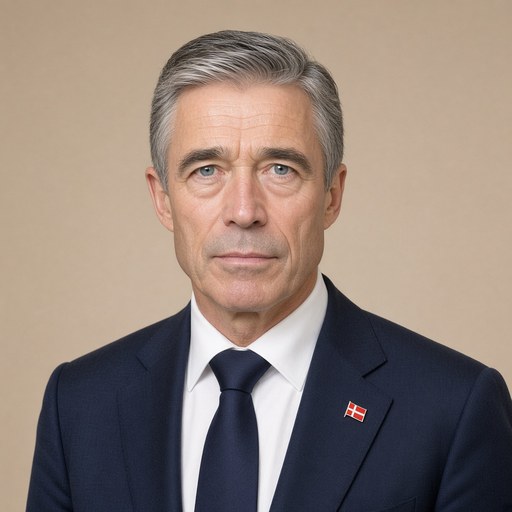
 Anders Fogh Rasmussen · Prime Minister of Denmark
- Context
- Rasmussen addressed a Danish conference on January 31, 2008, outlining his vision for transforming the EU from a regional into a global actor across five strategic areas.
- Main themes
- EU global role, globalization, knowledge-based Europe, free trade, climate change and green Europe, European security, EU foreign policy, internal market competitiveness, research and innovation, energy policy, transatlantic cooperation, EU institutional reform
- Duration
- ~26 min
- Words
- 3,104
- Sentences
- 207
- Readability
- 44
- Grade
- 10.6
- Syntax
- 2.76
- Vocabulary
- 2.09
Translated from Danish
The broad sphere of national life a sentence belongs to. Every sentence has an Arena, so it is the denominator the other indices are read against.
Other207 sentences in 97 paragraphs
The spoken word counts
Thank you for the invitation to speak here today. The conference comes at just the right time. With the new treaty, we are now close to completing the necessary work to adapt the EU's rules to an EU with 27 – and in the future even more – member states.
The time has now come to put the debate about institutions and treaties behind us. For me, there is no doubt that the next major challenge for the EU is global. How can we promote Danish and European interests and values through the EU in an increasingly globalized world?
It has long been clear that globalization brings fundamental changes to our societies. It creates new opportunities that we must learn to exploit to the fullest. But it also presents us with new challenges such as terrorism and climate change, which no country can handle alone.
Globalization is not something we can choose to accept or reject. But we can choose to shape globalization proactively based on our values and interests. The EU, with its well-developed institutions, its democratic values, and its significant economic weight, has unique conditions to play an active global role.
Today, I will present my thoughts on how the EU can take on greater global responsibility and promote European interests and values through concrete action. In short: "The EU must go global." This requires a strengthened effort in five areas.
First
we need a knowledge-based Europe
. We must strengthen and further develop the EU's internal market. And we must create a European research area so that we are on par with the new global reality.
Second
we need a free trade Europe
. The EU must take the lead in efforts to promote global free trade and transatlantic economic cooperation.
Third
we need a green Europe
. The EU must take on global leadership in the fight against climate change. And we must strengthen the EU's common energy policy.
Fourth
we need a secure Europe
. The EU must guarantee the safety and security of its citizens in a time when organized crime and terrorism know no borders.
Fifth
we need a responsible Europe
. The EU must play a much more active foreign policy role. And the EU must take the lead in the fight against poverty and in promoting security and democracy.
* * *
Globalization gives us the opportunity to reach new markets, achieve higher growth, and create better jobs. But it also means increased competition from outside. Therefore, there is a need to strengthen Europe's competitiveness through reforms.
Member states must do their part. They must take on responsibility. We have also done this in Denmark. With the globalization strategy from 2006, the government has taken a number of initiatives to ensure that Denmark can continue to be at the forefront. But many of the challenges of globalization are shared with other European countries. Therefore, we must use the EU to exchange experiences and ideas. And we must strengthen cooperation in areas where the EU can contribute something extra. I would like to point out three areas
:
First
we must expand the Internal Market to include a fifth freedom. The Internal Market we know is based on four so-called freedoms: the freedom of persons, goods, services, and capital. Now it is time for us to make the free movement of knowledge the "fifth freedom." It is my vision that the EU develops a true European research area – an internal market for knowledge, where ideas, students, educators, and researchers can move freely across borders.
We must make a significant strengthening of exchange programs for students, researchers, and educators.
We must improve the mutual recognition of qualifications for students, researchers, and educators.
We must strengthen the EU's research and education programs.
We must build a large and strong European technology university. We need a European MIT. We must make Europe an exciting and attractive place for students and researchers not only from Europe but from all over the world. The first step is the new European Institute of Technology and Innovation. We must further develop this in the coming years.
We must work for a further reallocation of the EU's budget, so that fewer funds are used for agriculture and more resources are directed towards forward-looking priorities such as research, education, and innovation.
Second
we must improve competitiveness in the internal market and competition in general within the internal market. The internal market has brought great benefits to European businesses and consumers. But we can reap even greater rewards.
We must strengthen free competition in areas that affect consumers' everyday lives. This includes energy, telecommunications, services, and financial services.
We must introduce an effective common European patent system, so that Danish and European companies do not have to waste unnecessary resources enforcing their patents. It is almost embarrassing that we have not reached an agreement on this.
We must improve the conditions for small and medium-sized enterprises and entrepreneurs. Therefore, the EU must continue its work to reduce the administrative burdens on businesses.
Third
we must work from the Danish side to ensure that competition in the internal market is based on a high and uniform level of protection regarding the environment, food safety, consumer safety, and animal welfare.
We will ensure that new EU legislation meets the requirements for effective consumer rights. Therefore, we will propose that drafts of new EU legislation that significantly affect consumer safety be presented to a consumer panel before the proposal is submitted.
We must introduce common rules for food safety in the EU, which can ensure that food is always safe and healthy. A significant step forward would be a common European labeling system for food.
* * *
The EU must not only strengthen free trade and competition within Europe – but also outwardly. A global trading system is in everyone's interest – not least that of developing countries. The strong economic growth in recent years in Asian countries like China and India has lifted millions of people out of poverty.
We must therefore work to ensure that the EU continues to take the lead in breaking down trade barriers and liberalizing world trade.
We must contribute to concluding the so-called Doha Round of free trade talks, which particularly focuses on the integration and opportunities of developing countries in the global economy. It does not look very promising right now. All parties – including the EU – must show the necessary flexibility.
We must work for the EU to enter into more bilateral trade agreements. Not at the expense of the multilateral process – but as a supplement.
At the same time, the EU must also expand its economic cooperation with the USA
. It is my vision that we eventually develop a true transatlantic marketplace, where goods, services, and investments can move freely across the Atlantic.
A genuine transatlantic marketplace will create more investments, increased innovation, growth, and employment on both sides of the Atlantic. And it will help our businesses be better equipped for globalization.
But the vision of a transatlantic marketplace is not based solely on a narrow economic rationale. Increased trade can help strengthen political cooperation between governments and support a community of values among the populations. There is a need for Europe and the USA to work closely together at a time when the balances in the world economy are changing – and when our common values are in some cases challenged by competing value sets.
The long-term vision of a transatlantic marketplace can only be realized through pragmatic cooperation. Therefore, it is very positive that we established the Transatlantic Economic Council (TEC) in 2007.
Within the TEC, we must now ensure progress in the cooperation between the EU and the USA on five selected priority areas: Intellectual property rights, secure trade, financial markets, investments, and innovation and technology, including climate and energy technology.
* * *
In general, the EU has taken the lead in the fight against man-made climate change.
We have adopted the most ambitious greenhouse gas reduction targets in the world. This gives the EU a unique opportunity to exercise global political leadership in the area of climate.
We must ensure that the EU implements the ambitious climate targets, and that all countries contribute to achieving the common goals.
We must work purposefully to reach a global climate agreement that includes all major emitters, including the USA, China, and India.
We must ensure that investments in better climate and environment occur where we get the most environmental benefit for our money. Therefore, we must develop a new and more effective quota system for reducing pollution.
And we must ensure that a larger share of emissions is covered by the quota system in the future – for example, also aviation.
At the same time, it is important that we strengthen the EU's energy policy so that it supports the ambitious climate goals. We must improve Europe's security regarding energy supply. We must be less dependent on energy imports from unstable countries and regions that may use energy policy and energy supply as a weapon in foreign and security policy. We must strengthen energy solidarity within the EU, and we must speak with one voice externally.
We must ensure a massive expansion of renewable energy so that it constitutes at least 20 percent at the EU level by 2020. Denmark will go even further and take its share of the task.
We must strengthen research into alternative energy sources, and we must improve energy efficiency through new environmental technology.
We must work for a real European energy market. This must include expanding the energy grid so that energy can move freely across borders. And we must strengthen competition through an effective separation of ownership of energy production and distribution.
As the upcoming host of the UN Climate Conference in 2009, Denmark has particularly good conditions to influence the EU's climate and energy policy. Moreover, Danish experiences with energy efficiency and the development of new environmental and energy technology have attracted due attention abroad. The climate conference in 2009 is also a showcase to the world, which I hope the industry can manage to exploit.
* * *
In a globalized world, citizens' safety and security are directly affected by cross-border threats such as terrorism, international organized crime, and illegal immigration. Therefore, combating such threats is one of the areas where the EU has made the most progress in recent years.
With the Lisbon Treaty, we will have new and more effective rules for decision-making. This will in itself contribute to the EU being able to create safety and security for citizens more effectively. But it is necessary that we constantly develop and strengthen the efforts against cross-border threats. This means that:
We must strengthen cooperation on the control of the EU's external borders.
We must strengthen police cooperation to prevent and investigate cross-border crime and terrorism.
I want us to develop a "partnership" between the EU and countries outside the EU on a policy that benefits both the EU and the countries from which the immigrants come. This means that the EU must pursue an immigration policy that combats illegal immigration and illegal work.
We must also address the problem at its root. We must continue to expand the EU's neighborhood efforts, including by strengthening the EU's assistance to ensure better employment opportunities for young people in the countries from which illegal immigrants come. We must give them hope and prospects in their home countries so that they are not tempted to illegally immigrate to Europe, often under dangerous and desperate conditions.
We must pursue an immigration policy that allows for legal, targeted, and managed immigration. And the countries from which immigrants come should benefit from the skills that immigrants acquire while in Europe.
An increase in controlled immigration is simply a prerequisite for meeting the labor market's growing demand for well-qualified labor in both the private and public sectors.
* * *
This brings me to the final challenge: How can the EU become better at addressing the major foreign and security policy challenges? How does the EU become a responsible global actor?
The EU is today a crucial regional actor. Not least has the EU, through its enlargement policy, played a decisive role in promoting peace, security, and stability on the European continent. The enlargement process continues. But it cannot stand alone. Therefore, the EU's neighborhood policy is an important supplement. The stability of the EU's neighbors to the south and east is crucial for the EU's security. Therefore, there should be attractive offers for close ties to the EU for both Mediterranean countries and Eastern European neighbors – regardless of whether there is a perspective for membership for the individual country or not.
Therefore, I am pleased that we have succeeded in strengthening the neighborhood policy. It is an important first step towards realizing the vision of a pan-European free trade area – that is, a free trade area that covers all of Europe.
But the EU's responsibility extends far beyond our immediate neighborhood. And we have the opportunity to make a difference. The EU today has the full range of instruments in foreign policy – from development aid to trade policy to the use of military means. We must understand how to utilize all these instruments to promote freedom, peace, security, and development.
With the Lisbon Treaty, we strengthen the EU's ability to speak with one voice in foreign policy. The new treaty introduces more effective decision-making, a new High Representative for Foreign Affairs, and a European External Action Service. The new permanent President of the European Council will also enhance the EU's external presence. All of this means that the EU will become a more powerful international actor, provided we have the political will to do so.
I want Europe to pursue an ambitious development policy – not least in Africa. The EU is today the world's largest donor. The focus should be on concrete efforts, efficiency, and visible results. At the same time, Africa must be better integrated into the global economy. The EU should work for:
Increased liberalization and, in the long term, the phasing out of the EU's agricultural subsidies. It is almost hypocritical to provide aid with one hand and restrict trade with the other.
An expansion of intra-African trade. It is through openness, free trade, and strengthened regional cooperation that developing countries achieve the greatest gains. We must help them with that.
A preventive effort in the area of climate, where African countries will be particularly affected by climate change.
Full implementation of the UN's Millennium Development Goals regarding more and better aid and development. Not least, we must strengthen women's opportunities in African societies.
And we must be willing – when necessary – to engage in peacekeeping efforts to promote the goal of freedom, peace, and development in Africa.
We Europeans must become better at managing and resolving regional conflicts in Europe. The EU mission in Bosnia is an example of Europe living up to its responsibility. We must do the same in Kosovo. The EU must continue to strengthen its ability to carry out crisis management based on experiences from previous operations.
In general, I want the EU to take on a greater and more global responsibility. Together with our partners.
* * *
Denmark can make a difference in Europe and in the world, even though we are a small country. Our societal model and values mean that we have a natural and central position in the development of the EU into a stronger global actor.
But precisely in the areas where EU cooperation will develop the most in the coming years, Denmark is outside due to our exceptions. This is detrimental to Denmark's interests and to our ability to exert influence. Let me just give a couple of examples.
Our exception in the defense area has already meant that Denmark cannot participate in military operations to which we would otherwise contribute – solely because the EU is leading the peacekeeping effort. The EU's takeover of the peace mission in Bosnia was an example of how, when NATO handed over leadership to the EU, Denmark had to withdraw its contribution.
Another example is the EU's new military operation in Chad, where 3,700 soldiers are to protect refugees from the humanitarian disaster in Sudan's Darfur province. A third example is the Nordic-Irish cooperation on a standing joint force for international efforts, where Denmark cannot participate either. The absurdity of the situation is underscored by the fact that even Norway – which is not in the EU – can participate in the cooperation from which Denmark must stand aside.
In practice, the consequence of the exception is that Denmark must refrain from contributing to the resolution of international conflicts or from helping people in acute need of protection. This is, in the long run, an unsustainable situation, which means that Denmark loses influence and that we compromise on what Denmark stands for.
The exception in the area of justice means that Denmark will not be able to fully participate in cooperation to prevent and combat organized crime and terrorism in the future. And this at a time when developments in cooperation in the area of justice are moving very quickly, and where we constantly have to deal with new threats and challenges. This means that we will not be able to make our full contribution to combating terrorism and crime, just as we cannot fully benefit from cooperation with the other EU countries.
With the Lisbon Treaty, Denmark has the opportunity to transform the exception in the area of justice into an opt-in arrangement. This allows Denmark to choose which parts of the cooperation we wish to participate in – rather than automatically being excluded from it all.
The exceptions are harmful to Denmark's interests. They weaken our ability to exert influence on issues that have direct significance for Denmark. And they make it more difficult for Denmark to leave its mark on the future of Europe. It is against this background that the government wishes for the Danish population to have the opportunity to take a stance on the exceptions.
In this way, we create the best foundation for Denmark to be able to assert its influence in the EU in the future. The goal is for the EU to become a global actor in the 21st century, so that Europe can shape the world with its unique values and experiences. It is my goal that Denmark should belong at the heart of this Europe.
The original Danish. The tags above are read on the English translation's sentences.
Det talte ord gælder
Tak for invitationen til at tale her i dag. Konferencen falder på et det helt rigtige tidspunkt. Med den nye traktat er vi nu tæt på at afslutte det nødvendige arbejde for at tilpasse EU’s spilleregler til et EU med 27 – og i fremtiden endnu flere – medlemslande.
Tiden er nu inde til at lægge debatten om institutioner og traktater bag os. For mig er der ingen tvivl om, at den næste store udfordring for EU er global. Hvordan kan vi gennem EU fremme danske og europæiske interesser og værdier i en stadig mere globaliseret verden?
Det har længe stået klart, at globaliseringen medfører grundlæggende forandringer af vores samfund. Det skaber nye muligheder, som vi skal forstå at udnytte bedst muligt. Men stiller os også over for nye udfordringer såsom terrorisme og klimaforandringer, som intet land kan håndtere alene.
Globaliseringen er ikke noget vi kan vælge til eller fra. Men vi kan vælge at præge globaliseringen offensivt ud fra vores værdier og interesser. EU har med sine veludviklede institutioner, sine demokratiske værdier og sin betydelige økonomiske vægt helt særlige forudsætninger for at spille en aktiv, global rolle.
Jeg vil i dag fremlægge mine tanker om, hvordan EU gennem konkret handling kan påtage sig et større globalt ansvar og fremme europæiske interesser og værdier. For hvordan EU kan gå fra at være en regional til en global aktør. Kort sagt: ” EU skal gå globalt”. Det kræver en styrket indsats på fem områder.
For det første
skal vi have et
vidensbaseret Europa
. Vi skal styrke og videreudvikle EU’s indre marked. Og vi skal skabe et europæisk forskningsrum, så vi er på omgangshøjde med den nye, globale virkelighed.
For det andet
skal vi have et
frihandelseuropa
. EU skal gå forrest i bestræbelserne på at fremme global frihandel og det transatlantiske økonomiske samarbejde.
For det tredje
skal vi have et
grønt Europa
. EU skal påtage sig et globalt lederskab i kampen mod klimaforandringerne. Og vi skal styrke EU’s fælles energipolitik.
For det fjerde
skal vi have et
trygt Europa
. EU skal være garant for borgernes tryghed og sikkerhed i en tid, hvor organiseret kriminalitet og terrorisme ikke kender grænser.
For det femte
skal vi have et
ansvarligt Europa
. EU skal spille en langt mere aktiv udenrigspolitisk rolle. Og EU skal gå forrest i kampen mod fattigdom og udbrede sikkerhed og demokrati.
* * *
Globaliseringen giver os mulighed for at nå nye markeder, opnå højere vækst og skabe bedre jobs. Men den betyder også skærpet konkurrence udefra. Der er derfor brug for at styrke Europas konkurrenceevne gennem reformer.
Medlemslandene skal gøre deres. De skal påtage sig et ansvar. Det har vi også gjort i Danmark. Med globaliseringsstrategien fra 2006 har regeringen taget en lang række initiativer for at sikre, at Danmark også fremover kan ligge i front. Men mange af globaliseringens udfordringer deler vi med de andre europæiske lande. Derfor skal vi bruge EU til at udveksle erfaringer og ideer. Og vi skal styrke samarbejde på de områder, hvor EU kan bidrage med noget ekstra. Jeg vil her pege på
tre områder
:
For det første
skal EU vi udvide Det indre marked til at omfatte en femte frihed. Det Indre Marked, vi kender, bygger på fire såkaldte friheder: Frihed for personer, varer, tjenesteydelser og kapital. Nu er det på tide, at vi gør fri bevægelighed for viden til ”den femte frihed”. Det er min vision, at EU udvikler et egentligt europæisk forskningsrum – et indre marked for viden, hvor ideer, studerende, undervisere og forskere kan bevæge sig frit over grænserne.
Vi skal foretage en markant styrkelse af udvekslingsprogrammer for studerende, forskere og undervisere.
Vi skal forbedre den gensidige anerkendelse af kvalifikationer for studerende, forskere og undervisere.
Vi skal styrke EU ́s forsknings- og undervisningsprogrammer.
Vi skal opbygge et stort og stærkt europæisk teknologiuniversitet. Vi har brug for et europæisk MIT. Vi skal gøre Europa til et spændende og tiltrækkende sted for studerende og forskere ikke blot fra Europa, men fra hele verden. Første skridt er det nye Europæiske institut for teknologi og innovation. Det skal vi videreudvikle i de kommende år.
Vi skal arbejde for en yderligere omlægning af EU’s budget, så færre midler bruges på landbrug og flere ressourcer på fremadrettede prioriteter som forskning, uddannelse og innovation.
For det andet
skal vi forbedre konkurrenceevnen i
det indre marked
og konkurrencen i det hele taget på det indre marked. Det indre marked har bragt store fordele for europæiske virksomheder og forbrugere. Men vi kan høste endnu større gevinster.
Vi skal styrke den frie konkurrence på områder, som berører forbrugernes hverdag. Det gælder energi, telekommunikation, service og finansielle tjenesteydelser.
Vi skal indføre et effektivt fælles europæisk patentsystem, så danske og europæiske virksomheder ikke skal bruge unødvendige ressourcer på at håndhæve deres patenter. Det er nærmest pinligt, at vi ikke har opnået enighed om det.
Vi skal forbedre vilkårene for små og mellemstore virksomheder og iværksættere. Derfor skal EU fortsætte arbejdet med at lette virksomhedernes administrative byrder.
For det tredje
skal vi fra dansk side arbejde for, at konkurrencen i det indre marked sker på grundlag af et højt og ensartet beskyttelsesniveau, når det gælder miljø, fødevaresikkerhed, forbrugersikkerhed og dyrevelfærd.
Vi vil sikre, at ny EU-lovgivning lever op til kravene om effektive forbrugerrettigheder. Derfor vil vi foreslå, at udkast til ny EU-lovgivning, der væsentligt berører forbrugersikkerhed, bliver forelagt et forbrugerpanel før forslaget bliver fremsat.
Vi skal indføre fælles regler for fødevaresikkerhed i EU, som kan sikre, at fødevarerne altid er sikre og sunde. Et stort skridt fremad ville være et fælleseuropæisk mærkningssystem for fødevarer.
* * *
EU skal ikke blot styrke frihandel og konkurrence inden for Europa - men også udadtil. Et globalt handelssystem er i alles interesse – ikke mindst udviklingslandenes. De senere års stærke økonomiske vækst i asiatiske lande som Kina og Indien, har løftet millioner af mennesker ud af fattigdom.
Vi skal derfor arbejde for, at EU fortsat går forrest, når det gælder om at nedbryde handelsbarrierer og liberalisere verdenshandlen.
Vi skal bidrage til at få afsluttet den såkaldte Doha-frihandelsrunde, som særligt fokuserer på udviklingslandenes integration og muligheder i den globale økonomi. Det ser ikke for lyst ud lige nu. Alle parter – også EU - må udvise den nødvendige fleksibilitet.
Vi skal arbejde for, at EU indgår flere bilaterale handelsaftaler. Ikke på bekostning af den multilaterale proces – men som et supplement.
Samtidig skal EU også udbygge det
økonomiske samarbejde med USA
. Det er min vision, at vi på sigt udvikler en egentlig transatlantisk markedsplads, hvor varer, tjenesteydelser og investeringer kan bevæge sig frit over Atlanten.
En ægte transatlantisk markedsplads vil skabe flere investeringer, øget innovation, vækst og beskæftigelse på begge sider af Atlanten. Og den vil hjælpe vores virksomheder med at stå bedre rustet til globaliseringen.
Men visionen om en transatlantisk markedsplads bygger ikke alene på et snævert økonomisk rationale. Øget samhandel kan være med til at styrke det politiske samarbejde mellem regeringerne og understøtte et værdifællesskab blandt befolkningerne. Der er brug for, at Europa og USA arbejder tæt sammen i en tid, hvor balancerne i verdensøkonomien ændrer sig – og hvor vores fælles værdier i visse tilfælde bliver udfordret af konkurrerende værdisæt.
Den langsigtede vision om en transatlantisk markedsplads kan kun realiseres gennem pragmatisk samarbejde. Derfor er det meget positivt, at vi i 2007 fik etableret det Transatlantiske Økonomiske Råd (TEC).
Inden for TEC skal vi nu i samarbejdet mellem EU og USA sikre fremdrift på fem udvalgte prioritetsområder: Intellektuelle ejendomsrettigheder, sikker handel, finansielle markeder, investeringer samt innovation og teknologi, blandt andet klima og energiteknologi.
* * *
I det hele taget er EU gået forrest i kampen mod menneskeskabte
klimaforandringer.
Vi har vedtaget de mest ambitiøse reduktionsmål for drivhusgasser i verden. Det giver EU en unik mulighed for at udøve globalt, politisk lederskab på klimaområdet.
Vi skal sikre, at EU får gennemført de ambitiøse klimamålsætninger, og at alle lande bidrager til opfyldelsen af de fælles mål.
Vi skal arbejde målrettet på at indgå en global klimaaftale, der omfatter alle større udledere, herunder USA, Kina og Indien.
Vi skal sikre, at investeringerne i bedre klima og miljø sker, hvor vi får mest miljø for pengene. Derfor skal vi udvikle et nyt og mere effektivt kvotesystem til nedbringelse af forurening.
Og vi skal sikre, at en større del af udledningerne fremover er omfattet af kvotesystemet – f.eks. også luftfarten.
Samtidig er det vigtigt, at vi styrker
EU’s energipolitik
, så den understøtter de ambitiøse klimamål. Vi skal forbedre Europas sikkerhed, når det gælder energiforsyning. Vi skal være mindre afhængige af import af energi fra ustabile lande og regioner, der kan tænkes at ville bruge energipolitik og energiforsyning som et våben i udenrigs- og sikkerhedspolitikken. Vi skal styrke energisolidariteten inden for EU, og vi skal tale med én stemme udadtil.
Vi skal sikre, en massiv udbygning af den vedvarende energi, så den udgør mindst 20 pct. på EU-plan i 2020. Danmark vil gå endnu længere og løfte sin del af opgaven.
Vi skal styrke forskningen i alternative energikilder, og vi skal forbedre energieffektiviteten gennem ny miljøteknologi.
Vi skal arbejde for et reelt europæisk marked for energi. Det skal blandt andet ske ved, at vi udbygger energinettet, så energi kan bevæge sig frit over grænserne. Og vi skal styrke konkurrencen gennem en effektiv adskillelse af ejerskabet til produktion og distribution af energi.
Som kommende vært for FN’s klimakonference i 2009 har Danmark særligt gode forudsætninger for at øve indflydelse på EU’s klima- og energipolitik. Desuden har de danske erfaringer med energieffektivisering og udvikling af ny miljø- og energiteknologi vakt behørig opsigt i udlandet. Klima-konferencen i 2009 er også et udstillingsvindue til verden, som jeg håber industrien formår at udnytte.
* * *
I en globaliseret verden påvirkes borgernes tryghed og sikkerhed direkte af grænseoverskridende trusler, såsom terrorisme, international organiseret kriminalitet og illegal indvandring. Derfor er bekæmpelsen af sådanne trusler et af de områder, hvor der i EU er sket allermest i de senere år.
Med Lissabon-traktaten får vi nye og mere effektive regler for at træffe beslutninger. Det vil i sig selv bidrage til, at EU mere effektivt kan skabe tryghed og sikkerhed for borgerne. Men det er nødvendigt, at vi konstant udvikler og forstærker indsatsen mod de grænseoverskridende trusler. Det betyder, at:
Vi skal styrke samarbejdet om kontrollen med EU ́s ydre grænser.
Vi skal styrke politisamarbejdet med henblik på at forebygge og efterforske grænseoverskridende kriminalitet og terror.
Jeg ønsker, at vi udvikler et ”partnerskab” mellem EU og lande uden for EU om en politik, som er til gavn for både EU, og for de lande, som indvandrerne kommer fra. Det betyder, at
EU skal føre en indvandringspolitik, der bekæmper ulovlig indvandring og ulovligt arbejde.
Vi skal også tage fat om problemet ved dets rod. Vi skal fortsat udbygge EU ́s nærområdeindsats, bl.a. ved at styrke EU’s bistand til at sikre bedre beskæftigelsesmuligheder for de unge i de lande, som illegale indvandrere kommer fra. Vi skal give dem håb og fremtidsudsigter i deres hjemlande, så de ikke fristes til illegal indvandring til Europa, ofte under farlige og fortvivlede forhold.
Vi skal føre en indvandringspolitik, der tillader den lovlige, målrettede og styrede indvandring. Og de lande, som indvandrerne kommer fra, skal nyde godt af de færdigheder, som indvandrerne opnår, mens de er i Europa.
En forøgelse af den kontrollerede indvandring er ganske enkelt en forudsætning for at kunne dække arbejdsmarkedets stigende behov for velkvalificeret arbejdskraft i både den private og i den offentlige sektor.
* * *
Det bringer mig til den sidste udfordring: Hvordan kan EU blive bedre til at håndtere de store udenrigs- og sikkerhedspolitiske udfordringer. Hvordan bliver EU en ansvarlig, global aktør.
EU er i dag en afgørende regional aktør. Ikke mindst har EU gennem sin udvidelsespolitik spillet en helt afgørende rolle i at fremme fred, sikkerhed og stabilitet på det europæiske kontinent. Udvidelsesprocessen fortsætter. Men den kan ikke stå alene. Derfor er EU’s naboskabspolitik et vigtigt supplement. Stabiliteten hos EU ́s naboer i syd og øst er helt afgørende for EU ́s sikkerhed. Derfor bør der være attraktive tilbud om tætte forbindelser til EU til både Middelhavslandene og østeuropæiske naboer – uanset om der er et perspektiv om medlemskab for det enkelte land eller ej.
Derfor er jeg tilfreds med, at det er lykkedes os at styrke naboskabspolitikken. Det er et vigtigt første skridt i retning af at realisere visionen om et pan-europæisk frihandelsområde – altså et frihandelsområde, der dækker hele Europa.
Men EU’s ansvar rækker langt ud over vores umiddelbare nærområde. Og vi har muligheden for at gøre en forskel. EU råder i dag over hele paletten af instrumenter i udenrigspolitikken – fra udviklingsbistand over handelspolitikken til anvendelse af militære midler. Vi skal forstå at udnytte alle disse instrumenter til at fremme frihed, fred, sikkerhed og udvikling.
Med Lissabon-traktaten styrker vi EU’s evne til at tale med én stemme på det udenrigspolitiske område. Den nye traktat indfører mere effektive beslutninger, en ny fælles udenrigsrepræsentant og en fælles udenrigstjeneste. Den nye faste formand for Det Europæiske Råd vil også styrke EU’s optræden udadtil. Det betyder alt sammen, at EU bliver en mere slagkraftig international aktør. Hvis vi vel at mærke har den politiske vilje til det.
Jeg ønsker, at Europa fører en ambitiøs udviklingspolitik – ikke mindst i Afrika. EU er i dag verdens største bistandsyder. Fokus skal være på konkrete indsatser, effektivitet og synlige resultater. Samtidig skal Afrika integreres bedre i den globale økonomi. EU skal arbejde for:
En øget liberalisering og på langt sigt afvikling af EU’s landbrugsstøtte. Det er nærmest hyklerisk at give bistand med den ene hånd og begrænse samhandelen med den anden.
En udvidelse af de afrikanske landes indbyrdes handel. Det er gennem åbenhed, frihandel og styrket regionalt samarbejde, at udviklingslandene opnår de største gevinster. Det skal vi hjælpe dem til.
En forebyggende indsats på klimaområdet, hvor de afrikanske lande i særlig grad vil blive ramt af klimaforandringerne.
Fuld gennemførelse af FN’s årtusindemålsætninger om mere og bedre bistand og udvikling. Ikke mindst skal vi styrke kvinders muligheder i de afrikanske samfund.
Og vi skal være villige til – når det er nødvendigt – at sætte ind med fredsbevarende indsatser for at fremme målet om frihed, fred og udvikling i Afrika.
Vi europæere skal blive bedre til at håndtere og løse regionale konflikter i Europa. EU-missionen i Bosnien er et eksempel på, at Europa lever op til sit ansvar. Det skal vi også gøre i Kosovo. EU skal fortsat styrke sin evne til at gennemføre krisestyring baseret på erfaringer fra de hidtidige operationer.
Jeg ønsker i det hele taget, at EU påtager sig et større og mere globalt ansvar. Sammen med vore partnere.
* * *
Danmark kan gøre en forskel i Europa og i Verden, selvom vi er et lille land. Vores samfundsmodel og værdier gør, at vi har en naturlig og central placering i udviklingen af EU til en stærkere global aktør.
Men netop på de områder, hvor EU-samarbejdet vil udvikle sig mest i de kommende år, står Danmark udenfor på grund af vores undtagelser. Det er skadeligt for Danmarks interesser og for vores mulighed for at øve indflydelse. Lad mig blot give et par eksempler.
Vores undtagelse på forsvarsområdet har allerede betydet, at Danmark ikke kan deltage i militære operationer, som vi ellers ville bidrage til – alene fordi EU står i spidsen for den fredsbevarende indsats. EU’s overtagelse af fredsmissionen i Bosnien var et eksempel på, at da NATO overdrog ledelsen til EU, måtte Danmark trække sit bidrag ud.
Et andet eksempel er EU’s nye militære operation i Tchad, hvor 3.700 soldater skal beskytte flygtninge fra den humanitære katastrofe i Sudans Darfur-provins. Et tredje eksempel er det nordisk-irske samarbejde om en stående fælles styrke til internationale indsatser, hvor Danmark heller ikke kan være med. Det absurde i situationen understreges af, at selv Norge – der ikke er med i EU – kan deltage i samarbejdet, som Danmark må stå udenfor.
I praksis er konsekvensen af undtagelsen altså, at Danmark må undlade at bidrage til løsningen af internationale konflikter eller at hjælpe mennesker med et akut behov for beskyttelse. Det er i længden en uholdbar situation, som både betyder, at Danmark mister indflydelse, og betyder, at vi kommer til at gå på kompromis med det, som Danmark står for.
Undtagelsen på retsområdet betyder, at Danmark i fremtiden ikke vil kunne deltage fuldt ud i samarbejdet for at forebygge og bekæmpe organiseret kriminalitet og terrorisme. Og det vel og mærke på et tidspunkt, hvor udviklingen i samarbejdet på retsområdet går meget stærkt, og hvor vi konstant skal forholde os til nye trusler og udfordringer. Det betyder, at vi ikke vil kunne yde vores fulde bidrag til bekæmpelse af terror og kriminalitet, ligesom vi ikke kan få fuldt udbytte af samarbejdet med de andre EU-lande.
Med Lissabon-traktaten får Danmark mulighed for at omdanne undtagelsen på retsområdet til en tilvalgsordning. Dermed kan Danmark selv vælge, hvilke dele af samarbejdet, vi ønsker at deltage i – frem for automatisk at stå uden for det hele.
Undtagelserne
er
skadelige for Danmarks interesser. De svækker vores muligheder for at øve indflydelse på spørgsmål, som har direkte betydning for Danmark. Og de gør det vanskeligere for Danmark at sætte vores præg på fremtidens Europa. Det er på den baggrund, at regeringen ønsker, at den danske befolkning får lejlighed til at tage stilling til undtagelserne.
På den måde skaber vi det bedste grundlag for, at Danmark i fremtiden kan være med til at gøre sin indflydelse gældende i EU. Målet er, at EU bliver en global aktør i det 21. århundrede, så Europa kan præge verden med sine unikke værdier og erfaringer. Det er mit mål, at Danmark skal høre til i hjertet af dette Europa.