




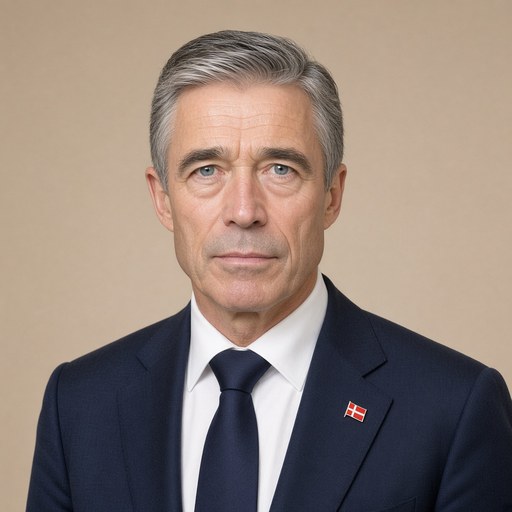
Prime Minister Anders Fogh Rasmussen's speech at DI's annual day on September 26, 2006.
 Anders Fogh Rasmussen · Prime Minister of Denmark
- Context
- Rasmussen addressed the Danish Industry (DI) Annual Day on September 26, 2006, outlining Denmark's competitiveness agenda and major economic reforms.
- Main themes
- Danish competitiveness, structural reforms, welfare state reform, globalization strategy, tax freeze policy, fiscal policy, public sector reform, business environment, employment incentives, economic growth
- Duration
- ~51 min
- Words
- 6,118
- Sentences
- 346
- Readability
- 59
- Grade
- 9.4
- Syntax
- 2.84
- Vocabulary
- 1.90
Translated from Danish
The broad sphere of national life a sentence belongs to. Every sentence has an Arena, so it is the denominator the other indices are read against.
Other346 sentences in 62 paragraphs
Thank you for the welcome and thank you for the invitation to once again be here at the Industry's Annual Day. And I am pleased to say right from the start that I completely share the title or motto of this Industry's Annual Day, "Mission Possible."
For it is a great mission we have embarked upon, but it is absolutely possible. We have set the ambitious goal that Denmark should be the most competitive nation in the world. Yes, it is ambitious, but it is not unrealistic. A number of international analyses already place Denmark among the 5-6 most competitive nations in the world. And we therefore have a good starting point. We have now set clear goals. We have presented a clear strategy. We are in the process of making a number of decisions. Now it is about putting it into action.
We have established a foundation that we believe is good and strong. We have created solid frameworks for Danish business. First of all, we have implemented extensive reforms in Danish society. A structural reform, which has municipal reform as its core, but which also includes a police and judicial reform, a reform of the tax administration's way of working, and other reforms of the public sector, which together constitute the largest reform of the public sector ever carried out.
Next, we have implemented a welfare reform, which means that we are gradually increasing the retirement age in Denmark. We are doing it with such notice that people can adjust to it. And there will be some who think it should have been faster, it should have been more far-reaching. But the bottom line is that it is the largest and most far-reaching reform of the welfare state that has been implemented since we have had a welfare state in Denmark.
And finally, among the major reforms, I would also like to mention the globalization reform, which has been presented as a comprehensive strategy with no less than 350 different proposals, which we are now fully engaged in implementing. And to finance this, there is now, following an agreement in the Folketing, a globalization fund of money, which starts with 2 billion and will be built up to 10 billion over the coming years until 2012.
This is the most comprehensive investment in Denmark's future that has ever been made. So we have created good frameworks. And then we have also created good frameworks for taxation with a stable and credible tax policy, which has as its core a tax freeze that was declared on the same day this government took office. A tax freeze that has been adhered to to the letter ever since. The tax freeze means that in each individual business as well as in each household, one can manage confidently without fear that new tax and duty increases are just around the corner.
I can well remember the 90s, when it was the case that every time a new budget proposal came, new tax and duty burdens awaited businesses in the range of 1.5 billion to 2 billion kroner each time. That time is over. Now businesses know what they have to work with. And it is of course clear that this contributes independently to increasing the willingness to invest. And in ordinary private households, it also increases the desire to manage.
So the tax freeze constitutes a stable and credible framework for both businesses and households. But we have done more than we promised. For we only promised a tax freeze. We have done more. We have implemented a tax reduction of around 10 billion kroner, which means that around 750,000 taxpayers have had their marginal tax rate reduced by 6 percent. And everyone in employment has received a special employment deduction, which means that it is now more worthwhile to take a job rather than be on transfer income.
This has again meant that ordinary wage earners have been able to experience an increase in their real wages, while wage increases have been kept at a moderate level. And this has again meant that Denmark has been able to maintain good competitiveness. And finally, we have established an overall economic framework for businesses that is solid and sustainable through a solid and sustainable fiscal policy. We have kept the increase in public consumption during the time we have been in government to just over 1 percent per year. This means that public consumption from 2001 to 2005 has grown by 22 billion kroner. That is just over 1 percent per year on average. But that is only half the rate of increase compared to what we experienced in the 90s. And what that means in practice is that the public sector's share of labor and purchases of goods and services, etc., has remained a relatively unchanged share of the country's total production, the gross domestic product. And this means that the private sector has been able to maintain its share, and not, as we have seen before, that the private sector has had to settle for a smaller and smaller share.
It is such that around 30 percent of total employment in Denmark is public employment. And now I have heard that there are some who believe that the solution to a number of problems is to allocate more money and hire more in the public sector. I would like to say that if one goes that way, then one has not understood how the economy works at all.
Because if we, in a labor market where there is already a shortage of labor, began to hire even more in the public sector, it would mean that there would be fewer resources in the private sector to create the production, and thus the values, that must finance the public sector and the public services that we all want and that must be at a high level. And therefore, it is not a solution to demand more money or more employees, because it would simply undermine the basis for financing the entire welfare system.
Demanding more money and more employees is not a visionary proposal for the future of the Danish welfare state. It is primitive and devoid of ideas.
Look, things are going well in Denmark, as Henning Dyremose also pointed out. Employment is at a record high, unemployment is the lowest it has been in 30 years. We have surpluses all around. The foreign debt is gone, and we are starting to build wealth abroad. We are repaying public debt faster than we had anticipated. But I would like to remind you that we still have a significant public debt. In fact, the public debt is just under 500 billion kroner. I mention this because I can hear in the public debate that some believe that when there are these considerable surpluses, they can simply be converted into larger allocations and more employees in the public sector. But that is not how it works. A large part of the surpluses we have is due to the fact that things are going well right now, and we have extra income. But everyone knows that you cannot finance permanent expenses with temporary income.
And we still have a debt that we need to pay down, which was built up in the past. And therefore, there are not all the many funds that some apparently have misunderstood. We need to have good, we need to have really good public services in Denmark. I will return to that. But I just have to say that we need to keep the annual growth in public consumption within a narrow framework to ensure that there are sufficient resources in our economy for the private sector to generate the funds needed to finance all that welfare service.
But we can rejoice that things are going well. That exports actually account for 50 percent of societal production. And it is growing, despite the fact that we have a booming domestic market. This has previously been a major problem. That when things were really good in the domestic market, it affected exports. But fortunately, we are now experiencing this as a different situation. There is still activity in exports, even though there is also activity in the domestic market. And that is truly uplifting. And for the second year in a row, an international think tank has declared Denmark to be the society in the world with the best business climate.
So yes, things are going well. But that must not lead us to rest on our laurels. It would be the most dangerous thing if we believe that because things are going well now, we do not need to do anything. We need to take action, and we need to take quite a bit of action because globalization constantly exposes us to new challenges. Therefore, we must set new goals. And I will now present 5 of the new goals that we need to set, and where there must not only be talk of political intentions, but very much about political action in the very near years.
The first, which is also very urgent, is to ensure that there is more labor available in Danish society. I completely share the view of Dansk Industri that this is here and now the most important task we have: It is to secure enough hands to ensure the production that is needed in Danish society. And we must do this both by bringing more labor from within the country and by bringing more labor from abroad. From within the country, we must ensure that the too many immigrants who are unemployed get jobs. The good story is that since 2001, there has actually been an increase in employment of 20,000 immigrants from non-Western countries. But the bad story is that it is under half of the immigrants from non-Western countries who are employed. And it is clear that there lies a great resource just outside the door. Humanely, it would be good for them to get jobs, and economically, it would be healthy for Danish society if they got jobs.
The goal we have set as the medium-term goal is that by 2010, 6 out of 10 immigrants from non-Western countries will be employed. And that will create 25,000 more jobs on that account. And the instruments to achieve this are that it must pay to work. We have initiated various initiatives. It is to require that one can speak Danish properly, because that is a prerequisite for being able to get a job and keep it. It is reforms of education, including vocational education, so that there are more practical pathways to vocational education for young people who may prefer to work with their hands rather than with books.
It is a new four-party agreement with the parties in the labor market to get more immigrants into workplaces. This is what we call a hands-on integration effort, where we directly go out and engage with the unemployed. We lead the individual into the company, where a mentor takes over the task of getting the individual trained in the company.
And may I also appeal to the great responsibility in each individual Danish company to ensure that more immigrants get jobs. When there is now a sigh over the lack of labor, it is very obvious that companies should take the labor that is just outside the door: Namely, the many immigrants who today are unemployed.
We must of course also ensure that those who receive transfers from the public due to unemployment are actually available for the labor market. There must be effective job placement by municipalities, unemployment funds, and job centers. And there must of course be an obligation for the individual to accept the job that is offered. We had the case that it was difficult to find enough newspaper delivery people. And I heard one who apparently had an academic education and had been unemployed for many years say that she did not believe that with the education she had, she was obliged to take a job as a newspaper delivery person. But I must say that a job is a job. And there is nothing in Danish society that is called "meaningless" work. And we must have social benefits and unemployment benefits at a decent level in Danish society. But it must also be a contract, a welfare contract, where in return one is obliged to take a job when a job is offered.
Some of you will of course say that if we are to get more working hours out of this at home, we must also lower the tax on labor income. I would be disappointed if Dansk Industri did not say something about that today. And you have done so.
In that regard, I can only refer to the government program, which has two points. The first point states: It is the government's goal to continue to lower the tax on labor income. The second point states: This will happen when there is room for it. And there is not right now. And we will have to see when there will be. But no one should be in doubt about what the government's intention is, for I also believe that it is easier to get people to accept, for example, to work overtime rather than take time off if the overtime pay is not taxed as heavily as it is at the moment.
I do not think there can be any doubt about that. But I also believe that everyone here will agree with me that one should not gamble with the Danish economy. And therefore, there must of course be a solid economic room before one continues down the path that we have already initiated in the last election period with a reduction in the tax on labor income. But no one should be in doubt about what the political goal is. It is a matter of timing and economics.
As far as the domestic situation is concerned. But we also need more labor from abroad. And there are especially four initiatives that we are in the process of implementing: The Eastern Agreement has been liberalized. And in fact, it is the case that there is free access to the Danish labor market for workers from the new EU member states, provided that they come and work under normal Danish collective agreement conditions. Then there is free access. And in fact, since the scheme came into effect, 12,000 have received work and residence permits. And now we are liberalizing it further, and one day it will completely disappear.
The next point is that the Minister of Employment has introduced a new 13-point plan aimed at making it easier to attract and hire foreign employees. I know this has been thoroughly discussed today. And it underscores that the government shares the desire for it to be easier to bring labor to Denmark from abroad.
Thirdly, we have decided to expand the existing job card scheme. It was us who introduced the job card scheme in 2002, allowing people we particularly need in Danish society to come here and work. In fact, the number of people who have come to Denmark under the job card scheme has tripled since we introduced it in 2002. So it is a great success.
And finally, fourthly, we will introduce a special green card scheme, which means that we will grant residence permits to particularly qualified foreigners through a special points system with the aim of seeking work in Denmark. This is a scheme inspired by other countries, for example Canada, where I have been informed that 150,000 people annually obtain work based on such a green card scheme. If we translate that to Danish conditions, it would correspond to about 25,000.
So we are taking and have taken a number of initiatives to make it easier to attract the necessary qualified labor from abroad. And I would like to say that there is so much talk about Denmark becoming a closed society due to the government's strict immigration policy, etc. I find it very thought-provoking that at the same time as we have indeed reduced the number of people coming here as a result of asylum and family reunification, reducing it to less than a third of the level in 2001, we have actually doubled the number of residence permits for people coming to work and study.
So what I want to say with this is that Danish society is open to people who want to work in Denmark, study in Denmark, and generally contribute constructively to Danish society. We need them, we welcome them. So that is the first necessary increase in labor here in the country.
The next point is to create world-class education. It is not enough that we need more labor; we also need to be better educated. We need this, among other things, so that we can better handle the new jobs that will replace the old ones that are being phased out. For that will be the future society; old jobs will be phased out, new jobs will be created, and we need to be better educated to handle the new jobs. And we will work broadly to improve education. We will address the Folkeskole with a higher academic level, and not only a higher academic level, but also ensure that children and young people have creative abilities, as we will also need that greatly in the future society. We will ensure constant academic progress through tests that will serve as a pedagogical tool for teachers. We are implementing a reform of teacher education aimed at a higher academic level, and we are also implementing a management reform in the Folkeskole to ensure visible leadership.
Next, we will focus on youth education, including vocational education. The goal is that all young people should have a youth education in Denmark. At the same time, we want to ensure a high status for vocational education. Among other things, we believe that vocational education should also serve as a springboard to further education and not a dead end. We want, as I have already said, more pathways to vocational education, so there are also pathways for those who are more practically oriented. And we need to secure a sufficient number of internships. Fortunately, this has improved recently. In fact, there have been 5,000 more real internships in companies, and I would like to thank the business community that has helped to provide these internships. But let me remind you that this obligation also applies in times when the economy may not be doing so well. It is not acceptable that the access to internships is so dependent on the economic cycle that no one is taken in during certain periods, and then there is a shortage in other periods. The business community has an obligation here to ensure a reasonably stable number of internships for young people.
Higher education must be improved. We have set the goal that over half of a youth cohort should have a higher education. We are now creating stronger university environments through larger, more powerful units, including building elite environments at universities. We want funding for universities to be allocated more based on documented results. And I would also like to call on the business community to take more graduates from universities. This is a relatively new thing in Denmark. It is going a bit better than it has, but it is not good enough. And I actually believe that the business community has an interest in taking in more people with a bachelor's degree as their background.
We need to do something about adult and continuing education. We must prepare for a society with lifelong learning because we cannot assume that because we receive an education and a job in our youth, we can maintain that until retirement age; on the contrary, the norm will be that we will need to change career paths at some point. Therefore, there should be adult and continuing education opportunities available, I might say, at any time. And I would say that the next collective bargaining negotiations in the private labor market will be a test of this. It will be a test of the willingness from both the employee side and the employer side regarding whether they really want to do something about adult and continuing education. The employee must show the willingness to demand it, and the employer must show the willingness to pay for it. And this is a usual negotiation that we will not interfere with in any way.
I will say that I prefer the Danish model, but I also want to send the signal that something needs to be done in this area. Because adult and continuing education is about ensuring that Danish society becomes flexible enough in the coming years so that everyone is ready for change. Ultimately, good adult and continuing education is also an advantage for the company's competitiveness. And it is the means to include everyone; we must also include those who today have the shortest educations.
This brings me to the third point in the strategy. We must make Denmark a leading knowledge society. The goal is for Denmark to be a society that brims with ideas. And we must be quicker to translate ideas into new production and thus new jobs. We have set the goal that by 2010, we in Danish society, both private and public sectors combined, should spend at least 3% of the country's production (gross domestic product) on research and development, of which one percent will be public research. Funds have now been allocated for this, and we will achieve that goal.
I want to say that it is not enough just to pour more money into the endeavor. We must ensure quality, we must ensure focus and prioritization. And therefore, we must invest more in natural sciences and engineering in the coming years. In Finland and Sweden, for example, they train 2 to 3 times as many PhDs in natural sciences and engineering as we do in Denmark. So not only do they spend more money, but they also prioritize more strongly. We need more competition for research funds to ensure high quality. The goal is that by 2010, half of the public research funds should be allocated in free competition based on quality. We can learn a lot from Finland and Sweden in this regard. And we need to have stronger and better collaboration between the private and public sectors when it comes to research and development.
The fourth point is that we must make Denmark the most innovative society in the world. This applies to both the private and public sectors. The private sector is already aware of the need for innovation. We must strengthen this by enhancing the entrepreneurial culture, starting already in education—entrepreneurship should be an integrated part of our education from Folkeskole to higher education. I believe we should also develop education in innovative management. We must promote growth entrepreneurs. Because it is not enough just to start new companies. We are actually quite good at that in Denmark. What we are not so good at is getting them to grow. We can learn a lot from, for example, the USA. We need to reduce the barriers that currently exist for companies to grow. We need to create new forms of financing that can help stimulate the growth of newly established companies.
But may I turn to the public sector, which must also be an innovative sector in Danish society in the coming years. The public sector actually makes a significant contribution to the competitiveness of Danish society. And we need to strengthen that in the coming years. When we have a flexible Danish labor market, it is because we have a good social security system for those who become unemployed, which means that we have virtually no restrictions placed on employers when it comes to hiring and firing employees. Unlike other countries. It is the very famous flexicurity model that gives Denmark unique flexibility in the labor market and therefore a powerful contribution to our competitiveness. A model that is envied in other countries. But it is largely the public sector that helps ensure that flexibility.
Childcare, well, how could one get a labor market to function with high labor participation from both parents if we had not organized childcare collectively? Infrastructure, of course, has something to do with competitiveness, whether one can get around on the roads and not be stuck in traffic, and that trains run on time, etc. And there is work to be done here, but these are examples of how public efforts can contribute to competitiveness and that what the public sector does matters.
The same goes for education. It is clear that a well-educated population is more competitive than a less educated population; here, too, public investments can play a significant role. And I have already talked about research and development as a means to improve competitiveness. So the public sector makes a powerful contribution to competitiveness in a society.
The long-term challenge we face, however, is that there will simply be problems recruiting a sufficient number of employees for the public sector. Just as there will be for the private sector. The public and private sectors share this fate. I can say that over the next 10 years, 200,000 public employees will retire. That is 1/4 of those employed in the public sector. So forget all that talk about politicians wanting to cut the number of employees. That is not at all the problem. The problem in the coming years will be to recruit a sufficient number to solve the tasks. And I can illustrate this with a number. Here in 2006, the number of 25-year-olds is 63,000, while the number of 60-year-olds is 78,000. This tells us that the cohorts coming in now are so small that there will be competition for labor between the private and public sectors. And that is also why those who believe that the solution to the challenges in the public sector is simply more money and more employees do not understand the challenge we face in the coming years.
And that is why we need a quality reform, where we get more for our money, so to speak. We need to be better at measuring and documenting what the public sector does. Today, we are very good at measuring how much money we spend, but not very good at measuring what results come out. We need to be better at measuring results, we need to be better at measuring quality. We need to be better at measuring satisfaction.
And this leads to my belief that a salary reform should be implemented in the public sector. I honestly believe that if public employees at an institution make a constructive and positive contribution to new organization, better quality, cost reduction, or whatever the result may be, they should also see that reflected in their paychecks. There is far too much rigidity in the public sector regarding this. Far too much equality that makes people afraid of performance-based pay. We need to be much more open about this, and we need to reward public employees who contribute in this area. And I also honestly believe that the salaries of leaders in the public sector should to some extent reflect results. They do not need stock options, but one could say that a portion, the upper portion of their salary, should depend on, for example, user satisfaction, employee satisfaction, and costs. If there is good satisfaction in relation to costs, then that should be reflected in their paychecks, and if there is poor satisfaction, then that should also be reflected. I believe there are incentives in that.
And we should also be better at helping each other with best practices. Why not say that the 20% who perform best according to these goals help the 20% who perform worst? We need to have choice, so that users can choose something else if they are not satisfied with what they receive.
And a quality reform also means ensuring that there is enough money for investment. Investments in better quality. For example, it has been shown that if you invest in so-called handheld computers in home care, there is more time for care and attention for the individual, because you reduce the administrative burden. There needs to be funding for that.
In the same way, there needs to be money to maintain public facilities and buildings instead of letting them become dilapidated. But far too often we see that investments are sidelined because operations and transfers crowd out the money for investments. And we simply have to do better in the coming years.
So I would like to say here, I do not intend in any way to enter into a race about who can promise the most money to the public sector. There will be more money for public services in the coming years, but there are also tight constraints on what the economy can bear. And those who believe that it is just a matter of money do not understand what the challenge really consists of. There is simply a need for a completely new vision. There is a need for interaction between the public and private sectors. We must think of the two together – and say that what the public sector does is largely also part of the business sector's competitiveness. And therefore we need a collaboration and a partnership between the public and private sectors. See them as one, so to speak.
And finally, point 5. There is a need to tackle the new challenges we face in energy policy in an offensive manner. We are in a relatively comfortable situation in Denmark because we extract plenty of oil and natural gas from the ground. And we are actually the only EU country that is now more than self-sufficient in oil and natural gas. So far, so good. At some point, it will run out. And it is important that we do not become dependent on supplies from areas of the world that are, to say the least, politically unstable.
And therefore the goal must be that we say that at some point we must be able to manage without fossil fuels such as coal, oil, and natural gas. Yes, that is some way off in the future. But energy decisions are long-term decisions. And we have a good starting point for solving that challenge because we are one of the countries in the world that does the most when it comes to renewable energy. 15% of energy comes from renewable sources. Electricity, which comes 20% from wind. In terms of energy efficiency, we are one of the most efficient countries in the world. Over the last 25 years, the economy has grown by 50%, and energy consumption has not increased. And we are leading in the global market when it comes to selling wind technology.
So we have a good starting point. And what we need to do now is to continue to develop the use of renewable energy. It is to continue to develop energy efficiency and utilize the technology we have. It is in the transport sector to promote the use of green fuels, such as biofuels. It is to invest in research and development. And demonstration and trials in the energy sector. And finally, it is international energy cooperation. In the EU, we need to set ambitious goals. And we should also strengthen cooperation with the USA across the Atlantic on the development of new energy technologies.
Let me emphasize that now it is about ensuring that we get the most for our money. Here too, I want to say that I do not wish to enter into a competition about who can set the most ambitious goals. Because if I say 30%, someone from the opposition will just come and say 50. If I say 50, they will say 75. It is completely endless and totally meaningless.
No, what we need to do is to ensure that such an energy policy goes hand in hand with reasonable competitiveness. We must not undermine the competitiveness of Danish businesses and thereby destroy the Danish economy and stifle jobs. But what we need to do is to proactively utilize the technological lead we have in the energy sector. Of course, we cannot avoid that there is also some political regulation in the area. But it must be combined with using market mechanisms to ensure that investments in energy are made where it is most efficient. For example, as within the Kyoto agreement, where Denmark makes CO2-reducing investments in developing countries and Eastern countries and Asia, etc., because that way we get the most environmental benefit for the money.
And we need to use these market mechanisms also at the national level, so that it is not just political regulation, but that we largely use market mechanisms to ensure the greatest possible efficiency in our energy policy. I clearly distance myself from an environmental socialism that uses the green as a lever to ensnare the population in regulations and impose new taxes and levies on the population. When we talk about sustainable development, we do not just mean environmentally sustainable development, but also economically sustainable development. Energy must be a business for Denmark.
Let me conclude by saying that this strategy can only be realized if broad groups are involved. I was pleased that the Globalization Council presented such a comprehensive strategy as it did. I thank everyone who was involved in the work, all organizations, all individuals who participated.
But it is a broad responsibility to follow up. We need a partnership between the public and private sectors, and ensuring reasonable integration and employment of immigrants is also a responsibility for businesses. It is to ensure a sufficient number of internships for young people. It is also a responsibility for businesses. Ensuring a senior policy where older people stay longer in the labor market is also a responsibility for businesses. It is a partnership.
And I want to say to you that we will closely follow up to ensure that all these things are now implemented. Every year, the government will publish a competitiveness report, where we will see if the globalization strategy is being implemented and if it works.
The Globalization Council will continue to have a role in that process. I have seen in the public debate that some have expressed fears, perhaps criticism, that we have presented 350 proposals, but that there is a need for prioritization and tough management. I have seen it stated that it is good that we have now allocated a fund of 10 billion for investments in globalization purposes. But that it will probably just be reduced to a political proposal, like so many others. And finally, I have seen that we lack concrete proposals on elite universities, on growth entrepreneurs, on developing management skills in Danish society.
Well, I do not entirely agree with that fear and criticism. But I want to say to you, we are of course listening to everything that is said. And I want to emphasize three things.
First, we will maintain focus on what I have said here. Second, we will not squander the money. There must be focus and prioritization. It must be globalization-oriented. And finally, third, we will be open and listen to further proposals, if there are any. And therefore, my concrete proposal will be that we establish what I would call a collection round, where anyone who has supplementary proposals to what we have come up with can contribute. And send them to the Globalization Council, and we will process them there. Because we need as many ideas as possible and as many involved in the work as possible.
So I agree that it is Mission Possible! It is absolutely possible. We have a strong starting point. We have clear goals. We have laid out a clear strategy. And there is broad political and organizational support to implement the strategy. And there will be maintained political focus, closely on the follow-up of this.
But I want to say that I believe we will never reach a situation where we can say Mission Completed, for it will be an ongoing process, it is a continuous effort, so it will be under the motto, which is also my personal one: Never finished – always on the way!
The original Danish. The tags above are read on the English translation's sentences.
Tak for velkomsten og tak for invitationen til også i år at være med her ved Industriens Årsdag. Og jeg er glad for allerede til en start at kunne sige, at jeg deler så fuldstændigt det der er titlen eller mottoet for denne Industriens Årsdag ”Mission Possible”.
For det er en stor mission vi har sat i gang, men den er absolut mulig. Vi har sat det ambitiøse mål, at Danmark skal være den mest konkurrencedygtige nation i verden. Ja, det er ambitiøst, men det er ikke urealistisk. En række internationale analyser placerer som bekendt allerede Danmark blandt de 5-6 mest konkurrencedygtige nationer i verden. Og vi har derfor et godt udgangspunkt. Vi har nu sat klare mål op. Vi har præsenteret en klar strategi. Vi er i gang med at træffe en række beslutninger. Nu gælder det så om at få det ført ud i livet.
Vi har tilrettelagt et udgangspunkt som vi synes er godt og stærkt. Vi har skabt solide rammer for dansk erhvervsliv. For det første har vi gennemført omfattende reformer i det danske samfund. En strukturreform, der har kommunalreform som sit kernepunkt, men som også indeholder en politi- og retskredsreform, reform af skattevæsenets måde at arbejde på og andre reformer af den offentlige sektor, som tilsammen udgør den største reform af den offentlige sektor som nogensinde er gennemført.
Dernæst har vi gennemført en velfærdsreform, som betyder, at vi gradvis forøger eller forhøjer tilbagetrækningsalderen i Danmark. Vi gør det med sådan et varsel, at folk kan nå at indrette sig på det. Og der vil være nogen, der så synes, at det skulle have været hurtigere, det skulle have været mere vidtgående. Men bundlinien er, at det er den største og mest langtrækkende reform af velfærdsstaten, der er gennemført i den tid, vi har haft velfærdsstat i Danmark.
Og endelig blandt de store reformer vil jeg også nævne globaliseringsreformen, som er blevet præsenteret som en samlet strategi med ikke mindre end 350 forskellige forslag, som vi nu er i fuld gang med at gennemføre. Og til at finansiere det er der nu efter aftale i Folketinget afsat en globaliseringspulje af penge, som starter med 2 mia. og næste år bliver bygget op til 10 mia. over de kommende år frem til 2012.
Det er den mest omfattende investering i Danmarks fremtid, som nogen sinde er foretaget. Så vi har skabt gode rammer. Og dernæst så har vi også skabt gode rammer om det skattemæssige med en stabil og troværdig skattepolitik, der som sit kernepunkt har et skattestop, der blev erklæret samme dag, som denne regering trådte til. Et skattestop som har været overholdt til punkt og prikke lige siden. Skattestoppet betyder, at man i den enkelte virksomhed såvel som i den enkelte husholdning trygt kan disponere uden frygt for, at der venter nye skatte- og afgiftsstigninger lige omkring hjørnet.
Jeg kan jo godt huske 90’erne, hvor det var således, at hver gang der kom et nyt finanslovsforslag, så ventede der nye skatte- og afgiftsbyrder på erhvervslivet i omegnen af 1,5 mia. – 2 mia. kroner hver gang. Den tid er forbi. Nu ved virksomhederne, hvad de har at disponere efter. Og det er selvfølgelig klart, det yder et selvstændigt bidrag til også at øge investeringslysten. Og i almindelige private husholdninger øger det også lysten til at disponere.
Så skattestoppet udgør en stabil og troværdig ramme for både virksomheder og husholdninger. Men vi har gjort mere end det vi lovede. For vi lovede blot et skattestop. Vi har gjort mere. Vi har gennemført en skattelettelse på omkring 10 mia. kr. som betyder, at omkring 3/4 mio. skatteydere har fået sænket deres marginalskat med 6 pct. Og alle i beskæftigelse har fået et særligt beskæftigelsesfradrag som betyder, at det nu bedre kan betale sig at tage et arbejde frem for at være på overførselsindkomst.
Det har så igen betydet, at almindelige lønmodtagere de har kunnet opleve en fremgang i deres realløn, samtidig med at lønstigningerne har kunnet holdes på et moderat niveau. Og det har igen betydet, at Danmark har kunnet fastholde en god konkurrenceevne. Og endelige har vi tilrettelagt en overordnet økonomisk ramme for erhvervslivet, som er solid og holdbar gennem en solid og holdbar finanspolitik. Vi har holdt stigningen i det offentlige forbrug i den tid vi har haft regering, på godt 1 pct. om året. Det betyder, at det offentlige forbrug fra 2001 til 2005 er vokset med 22 mia. kr. Altså godt 1 pct. om året i gennemsnit. Men det er da kun den halve stigningstakt i forhold til, hvad vi oplevede i 90’erne. Og det dét betyder i praksis, det er, at det den offentlige sektor beslaglægger af arbejdskraft og indkøb af varer, og tjenester osv., det har holdt sig som en nogenlunde uændret andel af landets samlede produktion bruttonationalproduktet. Og det betyder altså, at den private sektor har kunnet fastholde sin andel, og ikke som vi tidligere har set, at den private sektor har måtte nøjes med en mindre og mindre andel.
Det er sådan, at omkring 30 pct. af den samlede beskæftigelse i Danmark er offentlig beskæftigelse. Og nu har jeg så hørt, at der er nogen, der mener, at løsningen på en række problemer det er, at der skal bevilges flere penge og ansættes flere inden for det offentlige. Jeg vil godt sige, at hvis man går den vej, så har man slet ikke forstået, hvordan samfundsøkonomien den hænger sammen.
Fordi hvis vi i et arbejdsmarked, hvor der i forvejen er mangel på arbejdskraft, begyndte at ansætte endnu flere indenfor den offentlige sektor, så ville det jo betyde, at der blev færre kræfter i den private sektor til at skabe den produktion, og dermed de værdier, som skal finansiere den offentlige sektor og den offentlige service, som vi alle sammen gerne vil have, og som skal være på et højt niveau. Og derfor er det ikke en løsning på nogen ting bare at kræve flere penge eller flere ansatte, fordi det vil simpelthen udhule grundlaget for at finansiere hele velfærdssystemet.
Det at kræve flere penge og flere ansatte, det er ikke et visionært bud på det danske velfærdssamfunds fremtid. Det er primitivt og idéfattigt overbud.
Se det går jo godt i Danmark, som også Henning Dyremose var inde på. Beskæftigelsen er på rekordhøjt niveau, ledigheden er den laveste, den har været i 30 år. Vi har overskud over det hele. Udlandsgælden er væk, og vi begynder at bygge formuer op i udlandet. Vi afdrager den offentlige gæld hurtigere, end vi havde regnet med. Men jeg vil godt lige minde om, at vi har stadigvæk en betydelig offentlig gæld. Faktisk er det sådan, at den offentlige gæld er sådan lige knap 500 mia. kr. Jeg siger det fordi, jeg kan høre i den offentlige debat, at nogen mener, at når der nu er disse betragtelige overskud, så kan de bare omsættes til større bevillinger og flere ansatte inden for det offentlige. Men sådan hænger det jo ikke sammen. En stor del af de overskud vi har skyldes jo, at det lige nu går godt, og vi har ekstra indtægter. Men alle ved jo, at man kan ikke finansiere permanente udgifter med midlertidige indtægter.
Og vi har altså stadigvæk en gæld, vi skal have slidt af på, som blev bygget op i fortiden. Og derfor så er der ikke alle de mange penge, som nogen tilsyneladende har fået galt i halsen, at der er. Vi skal have en god, vi skal have en rigtig god offentlig service i Danmark. Det vender jeg tilbage til. Men jeg er bare nødt til at sige, at vi er nødt til at holde den årlige vækst i det offentlige forbrug inden for en snæver ramme af hensyn til, at der i vores økonomi er tilstrækkelige ressourcer til, at den private sektor kan skaffe de penge, der skal til for at finansiere al den velfærdsservice.
Men vi kan glæde os over, at det går godt. At eksporten udgør faktisk 50 pct. af samfundsproduktionen. Og den er i vækst, trods at vi har et bugnende hjemmemarked. Det har før i tiden været et stort problem. At når det gik rigtigt godt på hjemmemarkedet, så gik det ud over eksporten. Men det oplever vi heldigvis nu som en anderledes ting. Der er stadigvæk gang i eksporten, selv om der også er gang i hjemmemarkedet. Og det er rigtigt opløftende. Og for andet år i træk har en international tænketank udråbt Danmark til at være det samfund i verden, der har verdens bedste erhvervsklima.
Så jo, det går godt. Men det må ikke få os til at hvile på laurbærene. Det vil være det allerfarligste, hvis vi tror, at fordi det går godt nu, så behøver vi ikke at foretage os noget. Vi behøver i allerhøjeste grad at foretage os noget, og vi behøver at foretage os ganske meget fordi globaliseringen den udsætter os konstant for nye udfordringer. Derfor skal vi sætte nye mål op. Og jeg vil her præsentere 5 af de nye mål, som vi skal sætte op, og hvor der ikke blot skal være tale om politiske hensigter, men i den grad om politisk handling i de allernærmeste år.
Det første det er også meget akut at sørge for er, at der bliver mere arbejdskraft til rådighed i det danske samfund. Jeg deler fuldstændig Dansk Industris opfattelse, at det er her og nu den overhovedet vigtigste opgave vi har: Det er at skaffe hænder nok frem til at sikre den produktion, der er brug for i det danske samfund. Og det skal vi gøre dels ved at skaffe mere arbejdskraft frem her fra landet, og dels ved at skaffe mere arbejdskraft frem fra udlandet. Her fra landet skal vi sørge for, at de alt for mange indvandrere der går uden arbejde, de kommer i job. Den gode historie det er, at siden 2001 er der faktisk sket en stigning i beskæftigelsen med 20.000 indvandrere fra ikke-vestlige lande. Men den dårlige historie, at det er under halvdelen af indvandrerne fra ikke-vestlige lande, som er i job. Og det er klart, at her ligger der lige udenfor døren en stor ressource at trække på. Menneskeligt ville det være godt, at de kom i job, og økonomisk ville det være sundt for det danske samfund, hvis de kom i job.
Det mål vi har sat som det mellemfristede mål det er, at når vi når frem til 2010, så er 6 ud af 10 indvandrere fra ikke-vestlige lande i job. Og det vil skaffe 25.000 flere jobs på den konto. Og instrumenterne til at nå det, det er, at det skal kunne betale sig at arbejde. Vi har iværksat forskellige initiativer. Det er at stille krav om, at man kan det danske sprog ordentligt, fordi det er nu engang forudsætningen for at kunne få et job og fastholde det. Det er reformer af uddannelsen bl.a. erhvervsuddannelserne, således at der bliver flere praktiske indgange til erhvervsuddannelserne for de unge, som måske bedre kan lide at arbejde med hænderne end med bøgerne.
Det er en ny firepartsaftale med parterne på arbejdsmarkedet om at få flere indvandrere ind på arbejdspladserne. Det er det vi kalder en håndholdt integrationsindsats, hvor vi direkte går ud så og sige og tager fat i den ledige. Fører den pågældende ind på virksomheden, hvor en mentor overtager opgaven med at få den pågældende lært i virksomheden.
Og må jeg så også her appellere til det store ansvar i hver enkelt dansk virksomhed at sørge for, at der kommer flere indvandrere i arbejde. Når der nu sukkes over mangel på arbejdskraft, så er det altså meget nærliggende, at virksomhederne så tager den arbejdskraft, der er lige udenfor døren: Nemlig de alt mange indvandrere som i dag står uden job.
Så skal vi naturligvis også sikre, at dem der modtager overførsler fra det offentlige som følge af ledighed, at de så rent faktisk også står til rådighed for arbejdsmarkedet. Der skal være tale om effektiv formidling af arbejdet hos kommuner, hos A-kasser, hos arbejdsformidlingen. Og så skal der selvfølgelig være en forpligtelse for den enkelte til at tage imod det job, der bliver tilbudt. Vi havde jo sagen om, at det var svært at finde avisbude nok. Og jeg hørte én som vist nok havde en akademisk uddannelse og i mange år havde været ledig, som sagde, at hun mente altså ikke, at hun med den uddannelse hun havde, så var forpligtet til at tage et arbejde som avisbud. Men der er jeg altså nødt til at sige, at et arbejde er et arbejde. Og der er ikke i det danske samfund noget der hedder ”ikke meningsfyldt” arbejde. Og vi skal i det danske samfund have sociale ydelser og dagpengeydelser på et ordentligt niveau. Men det skal også være en kontrakt, en velfærdskontrakt, hvor man så til gengæld er forpligtet til at tage et job, når der bliver et job tilbudt.
Så vil nogen af jer selvfølgelig sige, at hvis vi skal have flere arbejdstimer ud af det her på hjemmebanen, så skal vi også have sænket skatten på arbejdsindkomst. Jeg ville være skuffet, hvis ikke Dansk Industri i dag havde sagt noget om det. Og det har I så også gjort.
Jeg kan i den henseende så blot henvise til regeringsprogrammet, som har to punkter. Første punkt hedder: Det er regeringens målsætning fortsat at sænke skatten på arbejdsindkomst. Punkt to lyder: Det vil ske, når der er råderum. Og det er der jo ikke lige nu. Og det må vi så se, hvornår der bliver. Men ingen skal være i tvivl om, hvad der er regeringens hensigt, for jeg har selvfølgelig også den opfattelse, at det er da nemmere at få folk til at acceptere fx at tage overarbejde frem for afspadsering, hvis overarbejdsbetalingen den ikke bliver så hårdt beskattet, som den bliver i øjeblikket.
Jeg tror ikke, at der kan herske nogen tvivl om det. Men jeg tror også, at alle her vil give mig ret i, at man skal ikke spille hasard med dansk økonomi. Og derfor skal der selvfølgelig være et solidt økonomisk råderum, før man fortsætter ad den vej, som vi jo allerede har indledt i sidste valgperiode med en sænkning af skatten på arbejdsindkomst. Men ingen bør her være i tvivl om, hvad den politiske målsætning er. Det er et spørgsmål om timing og økonomi.
Så vidt det hjemlige. Men så skal vi også have mere arbejdskraft fra udlandet. Og der er især fire initiativer, som vi er i gang med at gennemføre: Øst-aftalen er blevet liberaliseret. Og faktisk er det jo sådan, at der til det danske arbejdsmarked er fri adgang for arbejdskraft fra de nye EU-medlemslande, forudsat at man kommer og arbejder på normale danske overenskomstvilkår. Så er der fri adgang. Og faktisk er det således, at siden ordningen trådte i kraft så har 12.000 fået arbejds- og opholdstilladelse. Og nu liberaliserer vi den altså yderligere, og en dag falder den jo helt væk.
Det næste er så, at beskæftigelsesministeren har spillet ud med en ny 13 punktsplan, som skal gøre det nemmere at tiltrække og ansætte udenlandske medarbejdere. Det ved jeg har været diskuteret grundigt i dag. Og det er en understregning af, at regeringen deler det ønske, at det skal være nemmere at få arbejdskraft til Danmark fra udlandet.
For det tredje så har vi jo besluttet at udvide den eksisterende jobkortordning. Det var os der i 2002 indførte jobkortordningen, hvor folk vi i særlig grad har brug i det danske samfund kan komme hertil og arbejde. Faktisk er antallet der er kommet ind i Danmark på jobkortordningen tredoblet siden vi indførte den i 2002. Så det er en stor succes.
Og endelig for det fjerde så vil vi indføre en særlig greencard ordning, som betyder, at vi gennem et særligt pointsystem giver særligt kvalificerede udlændinge opholdstilladelse med henblik på at søge arbejde i Danmark. Det er jo en ordning, der er inspireret af andre lande fx Canada, hvor der på årsbasis, har jeg fået oplyst, er 150.000 der får arbejde på baggrund af en sådan greencard ordning. Hvis man omsætter det til danske forhold, så vil det svare til omkring 25.000.
Så vi tager altså og har taget en række initiativer for at gøre det nemmere at tiltrække den nødvendige kvalificerede arbejdskraft fra udlandet. Og jeg vil godt sige, at der tales jo så meget om, at Danmark skulle være blevet sådan et lukket samfund på grund af regeringens stramme udlændingepolitik osv. Jeg synes, det er meget tankevækkende, at samtidig med at vi da rigtig nok har reduceret antallet, der kommer hertil som følge af asyl og familiesammenføring, har reduceret det til under en tredjedel af niveauet i 2001, så har vi faktisk fordoblet antallet af opholdstilladelser til mennesker, der kommer for at arbejde og studere.
Så det jeg vil sige med det, er at det danske samfund er åbent for mennesker, der gerne vil arbejde i Danmark, studere i Danmark og i det hele taget yde et konstruktivt bidrag til det danske samfund. Dem har vi brug for, dem hilser vi velkommen. Så det er det første fornødne mere arbejdskraft her i landet.
Det næste det er så at skabe uddannelser i verdensklasse. For det er ikke nok med, at vi skal have mere arbejdskraft, men vi skal også være bedre uddannede. Det skal vi bl.a. for, at vi bedre kan varetage de nye jobs, der kommer i stedet for de gamle, der bliver nedlagt. For det bliver fremtidens samfund, gamle jobs bliver nedlagt, nye jobs oprettet, og så skal vi være bedre uddannede til at klare de nye jobs. Og det er over en bred front, at vi vil gøre uddannelserne bedre. Vi tager fat i Folkeskolen med højere fagligt niveau og ikke blot højere fagligt niveau, men også at sikre at børnene og de unge de har kreative evner, for det har vi i høj grad også brug for i fremtidens samfund. Vi vil sikre konstante faglige fremskridt gennem tests, der bliver et pædagogisk redskab for lærerne. Vi gennemfører en reform af læreruddannelsen med henblik på højere fagligt niveau, og vi gennemfører også en ledelsesreform i Folkeskolen for at sikre synlig ledelse.
Dernæst tager vi fat i ungdomsuddannelserne bl.a. erhvervsuddannelserne. Målet er jo, at alle unge skal have en ungdomsuddannelse i Danmark. Samtidigt vil vi godt sikre høj status til erhvervsuddannelserne. Bl.a. mener vi, at erhvervsuddannelserne også skal kunne være et springbræt til en videre uddannelse og ikke en blindgyde. Vi vil have, som jeg allerede har sagt, flere indgange til erhvervsuddannelser, så der også er indgange for dem, der er mere praktisk orienterede. Og vi skal have fremskaffet et tilstrækkeligt antal praktikpladser. Det er faktisk heldigvis blevet bedre her på det seneste. Faktisk er der kommet 5.000 flere rigtige praktikpladser i virksomhederne, og det vil jeg gerne sige tak for, også over for det erhvervsliv, der har været med til at skaffe de praktikpladser frem. Men lad mig så minde om, at den forpligtelse gælder altså også i tider, hvor det måske går knapt så godt økonomisk. Altså det kan ikke nytte noget, at indgangen eller tilgangen til praktikpladser er så konjunkturbestemt, at man så ikke tager nogen ind i visse perioder, og så står man og mangler dem i andre perioder. Erhvervslivet har her en forpligtelse til at sikre et nogenlunde stabilt antal praktikpladser til de unge.
De videregående uddannelser skal forbedres. Vi har sat det mål, at over halvdelen af en ungdomsårgang skal have en videregående uddannelse. Vi skaber nu stærkere universitetsmiljøer gennem større mere slagkraftige enheder, herunder opbygger vi elitemiljøer på universiteterne. Vi ønsker, at bevillingerne til universiteterne i højere grad skal gives efter dokumenterede resultater. Og så vil jeg også her rette en opfordring til erhvervslivet, om i højere grad at aftage bachelorer fra universiteterne. Det er en forholdsvis ny ting i Danmark. Det går lidt bedre end det har gjort, men det går ikke godt nok. Og der mener jeg faktisk også, at erhvervslivet selv har en interesse i, i højere grad at tage dem ind at arbejde, som har en bachelorgrad som baggrund.
Voksen- og efteruddannelse skal vi gøre noget ved. Vi skal indstille os på et samfund med livslang læring, fordi vi kan ikke regne med, fordi vi får en uddannelse og et job i de unge år, så kan vi bevare det til pensionsalderen, tværtimod vil normalen være, at vi skal skifte livsbane på et tidspunkt. Og derfor skal der stå voksen- og efteruddannelsestilbud til rådighed, havde jeg nær sagt på et hvilket som helst tidspunkt. Og der vil jeg sige den næste overenskomstforhandling på det private arbejdsmarked bliver en test på det her. Det bliver en test på viljen fra såvel medarbejderside som arbejdsgiverside med hensyn til, om man virkelig vil gøre noget ved voksen- og efteruddannelse. Lønmodtageren skal vise viljen til at udtage det som krav, arbejdsgiveren skal vise viljen til så også at betale. Og det er jo en sædvanlig forhandling, som vi ikke på nogen som helst måde vil blande os i.
Jeg vil sige, jeg foretrækker den danske model, men jeg vil også gerne give det signal, der skal ske noget området. Fordi voksen- og efteruddannelse det handler altså om, at det danske samfund bliver fleksibelt nok i de kommende år til at alle er parate til omstilling. Til syvende og sidst er god voksen- og efteruddannelse også en fordel for virksomhedens konkurrenceevne. Og det er midlet til at få alle med, også dem der i dag har de korteste uddannelser skal vi have med.
Det fører mig frem til det tredje punkt i strategien. Det er vi skal gøre Danmark til et førende vidensamfund. Målet er, at Danmark skal være et samfund, der sprudler af ideer. Og vi skal være hurtigere til at omsætte ideerne til ny produktion og dermed nye arbejdspladser. Vi har sat det mål, at når vi når frem til 2010 så skal vi i det danske samfund, privat og offentlig sektor under ét mindst bruge 3% af landets produktion (bruttonationalproduktet) til forskning og udvikling og heraf vil den ene procent være offentlig forskning. Det er der nu afsat penge til, og det mål det når vi.
Jeg vil godt sige, at det er ikke nok bare at fylde flere penge i foretagendet. Vi skal sikre kvalitet, vi skal sikre fokus og prioritering. Og derfor skal vi satse stærkere på naturvidenskab og teknik i de kommende år. I Finland og Sverige f.eks. der bliver der uddannet 2 til 3 gange så mange phd’ere inden for naturvidenskab og teknik, som der gør i Danmark. Så ikke blot bruger de flere penge, men de prioriterer også kraftigere. Vi skal have mere konkurrence om forskningspengene, så vi sikrer høj kvalitet. Målet er, at når vi når frem til 2010 så skal halvdelen af de offentlige forskningspenge være tildelt i fri konkurrence på basis af kvalitet. Der kan vi i høj grad lære af Finland og Sverige. Og så skal vi have et stærkere og bedre samarbejde mellem det private og det offentlige, når det gælder forskning og udvikling.
Det fjerde det er, at vi skal gøre Danmark til det mest innovative samfund i verden. Det gælder såvel den private sektor som den offentlige sektor. Den private sektor er jo allerede kendt med behovet for innovation. Vi skal forstærke det ved at forstærke iværksætterkulturen, hvor vi skal starte allerede i uddannelserne – iværksætteri skal være en integreret del af vores uddannelser lige fra Folkeskole til videregående uddannelser. Vi skal – tror jeg – også opbygge uddannelser i innovativ ledelse. Vi skal fremme vækstiværksættere. For det er ikke nok bare at starte nye virksomheder. Det er vi egentlig ret gode til i Danmark. Det vi er knap så gode til, det er at få dem til at vokse. Der kan vi lære meget af f.eks. USA. Vi skal reducere de barrierer, der i dag er for at virksomheder vokser. Vi skal fremskaffe nye finansieringsformer, som kan være med til at stimulere, at nystartede virksomheder de vokser.
Men må jeg så vende mig til den offentlige sektor, som også i de kommende år skal være en innovativ sektor i det danske samfund. Den offentlige sektor yder faktisk et væsentligt bidrag til det danske samfunds konkurrenceevne. Og det skal vi forstærke i de kommende år. Når vi har et fleksibelt dansk arbejdsmarked, så er det fordi, vi har et godt socialt sikkerhedssystem, hvis man bliver ledig, som så betyder, at så har vi i Danmark stort set ingen restriktioner lagt på arbejdsgiverne, når det gælder at hyre og fyre medarbejdere. I modsætning til andre lande. Det er den meget berømte flexicurity model, som giver Danmark en enestående fleksibilitet på arbejdsmarkedet og derfor et kraftfuldt bidrag til vores konkurrenceevne. En model der er misundt i andre lande. Men det er i høj grad den offentlige sektor, der er med til at sikre den fleksibilitet.
Børnepasning, jamen altså hvordan skulle man få et arbejdsmarked til at fungere med høj erhvervsdeltagelse fra begge forældre, hvis ikke vi havde organiseret børnepasningen i fællesskab. Infrastrukturen, det har selvfølgelig noget at gøre med konkurrenceevne, om man kan komme frem på vejene og ikke skal sidde i kø, og at togene kører til tiden osv. Og her er der noget at gøre, men det er altså eksempler på, at en offentlig indsats kan bidrage til konkurrenceevne, og at det har betydning, hvad det offentlige gør.
Det samme gælder uddannelse. Det er klart, at den godt uddannede befolkning er mere konkurrencedygtig end en knap så uddannet befolkning, også her kan offentlige investeringer spille en betydelig rolle. Og jeg har allerede talt om forskning og udvikling, som et middel til at forbedre konkurrenceevnen. Så den offentlige sektor yder et kraftfuldt bidrag til konkurrenceevnen i et samfund.
Den langsigtede udfordring vi står overfor, er imidlertid, at der simpelthen bliver problemer med at rekruttere tilstrækkeligt antal medarbejdere til den offentlige sektor. Ligesom i øvrigt til den private sektor. Der deler offentlig og privat sektor jo skæbne. Jeg kan sige, at over de næste 10 år, der går 200.000 offentlige ansatte på pension. Det er 1/4 af dem, der er beskæftiget inden for det offentlige. Så glem al den der snak om, at politikerne de er ude på at skære ned i antallet af ansatte. Det er overhovedet slet ikke det, der er problemet. Problemet i de kommende år, det bliver at rekruttere et tilstrækkeligt antal til at løse opgaverne. Og jeg kan bare illustrere det med et tal. Her i 2006 der er det sådan, at antallet af 25-årige er 63.000, antallet af 60-årige er 78.000. Det fortæller jo lidt om, at de årgange, der kommer ind nu, det er årgange, der er så små, at der bliver kamp om arbejdskraften mellem privat og offentlig sektor. Og det er også derfor, at dem der tror, at løsningen på udfordringen i den offentlige sektor det er bare flere penge og flere ansatte, de har slet ikke forstået, hvad det er for en udfordring, vi står overfor i de kommende år.
Og det er grunden til, at vi har brug for en kvalitetsreform, hvor vi får mere for pengene så at sige. Vi skal være bedre til at måle og dokumentere, hvad den offentlige sektor gør. I dag er vi meget gode til at måle, hvor mange penge vi bruger, men ikke ret gode til at måle, hvad det er for et resultat der kommer ud. Vi skal være bedre til at måle resultater, vi skal være bedre til at måle kvalitet. Vi skal være bedre til at måle tilfredshed.
Og det fører over i, at jeg syne, at man burde gennemføre en lønreform inden for det offentlige. Jeg mener ærligt talt, at hvis offentligt ansatte på en institution yder et konstruktivt og positivt bidrag til ny organisering, bedre kvalitet, omkostningsreduktion, eller hvad der nu kan være resultatet, så burde de også mærke det kontant i lønningsposen. Der er alt for meget stivhed inden for det offentlige, hvad det der angår. Alt for meget lighedsmageri der gør, at man er så bange for resultatløn. Der skal vi være meget mere åbne, og vi skal belønne de offentlige ansatte, der yder et bidrag her. Og så synes jeg ærligt talt også, at ledernes lønninger inden for det offentlige, de burde i nogen grad afspejle resultater. Altså de behøver ikke ligefrem aktieoptioner, men man kunne sige, at en andel, den yderste andel af deres løn, den skulle være afhængig af f.eks. brugertilfredshed, medarbejdertilfredshed og omkostninger. Hvis der er god tilfredshed i forhold til omkostningerne, så bør man kunne mærke det i lønningsposen, og hvis der er ringe tilfredshed, så bør man også kunne mærke det. Altså det tror jeg, jeg tror på, at det ligger der nogen incitamenter i.
Og så bør man også være bedre til at hjælpe hinanden med bedste praksis. Hvorfor ikke sige, at de 20%, der gør det bedst efter de her mål, de hjælper de 20%, der gør det dårligst? Vi skal have valgfrihed, så brugerne de kan vælge noget andet, hvis ikke de er tilfredse med det de får.
Og en kvalitetsreform, det er også at sørge for, at der er penge nok til investering. Investeringer i bedre kvalitet. Altså f.eks. har det vist sig, at hvis man investerer i såkaldt håndholdte computere inden for hjemmeplejen, så bliver der mere tid til omsorg og pleje for den enkelte, fordi man reducerer den administrative byrde. Det skal der være penge til.
På samme måde skal der være penge til at vedligeholde offentlige anlæg og bygninger i stedet for de står og bliver nedslidte. Men alt for ofte ser vi, at investeringer bliver tilsidesat, fordi drift og overførsler fortrænger pengene til investeringer. Og der er vi simpelthen nødt til at gøre det bedre i de kommende år.
Så jeg vil gerne sige her, jeg agter ikke på nogen som helst måde at gå ind i en kappestrid om, hvem der er i stand til at love flest penge til den offentlige sektor. Der bliver flere penge til offentlig service i de kommende år, men der er også snævre rammer for, hvad samfundsøkonomien kan bære. Og dem der tror, at det bare er et spørgsmål om penge, har ikke forstået, hvad udfordringen reelt består i. Der er simpelthen behov for en helt ny vision. Der er behov for et samspil mellem den offentlige og den private sektor. Vi skal simpelthen samtænke de to – og sige at det den offentlige sektor gør er i høj grad også en del af erhvervslivets konkurrenceevne. Og derfor skal vi have et samspil og et partnerskab mellem den offentlige og den private sektor. Se dem under ét så at sige.
Og så endelig punkt 5. Der er behov for at tage offensivt fat på de nye udfordringer, vi står over for i energipolitikken. Vi er i en forholdsvis komfortabel situation i Danmark, fordi vi henter masser af olie og naturgas op af undergrunden. Og vi er faktisk det eneste EU-land, der nu er mere end selvforsynende med olie og naturgas. Så vidt så godt. På et eller andet tidspunkt slipper det jo op. Og der er det altså vigtigt, at vi så ikke bliver afhængige af forsyninger fra områder i verden, som mildest talt er politisk ustabile.
Og derfor så må målet være, at vi siger, at på et eller andet tidspunkt så skal vi kunne klare os uden fossile brændsler, som kul og olie og naturgas. Ja det er et stykke ude i fremtiden. Men energibeslutninger er langsigtsbeslutninger. Og vi har et godt udgangspunkt for at løse den udfordring, fordi vi er et af de lande i verden, der gør mest, når det gælder vedvarende energi. 15% af energien kommer fra vedvarende energi. Elektriciteten, der stammer 20% fra vind. Energieffektiviteten, der er vi et af de mest effektive lande i verden. Over de sidste 25 år er økonomien vokset med 50%, og energiforbruget er ikke vokset. Og vi er førende på verdensmarkedet, når det gælder at sælge vindteknologi.
Så vi har et godt udgangspunkt. Og det vi så skal gøre nu, det er fortsat at udvikle brugen af vedvarende energi. Det er fortsat at udvikle energieffektivitet, og benytte den teknologi vi har. Det er inden for transportsektoren, at fremme anvendelsen af grønne brandstoffer, som f.eks. biobrændstoffer. Det er at satse på forskning og udvikling. Og demonstration og forsøg inden for energisektoren. Og så er det endelig et internationalt energisamarbejde. I EU skal vi sætte ambitiøse mål op. Og vi bør også over Atlanten forstærke samarbejdet med USA om udvikling af nye energiteknologier.
Lad mig så understrege, at nu handler det om, at man så også sikrer, at vi får mest muligt for pengene. Også her vil jeg sige, at jeg ønsker ikke at gå ind i en konkurrence om, hvem nu er i stand til at opstille de mest ambitiøse mål. Fordi hvis jeg siger 30%, så vil der bare komme nogen fra oppositionen og sige 50. Hvis jeg siger 50, så vil de sige 75. Det er fuldstændig uden ende og det er totalt meningsløst.
Nej det vi skal, det er at sikre, at en sådan energipolitik går hånd i hånd med en fornuftig konkurrenceevne. Vi skal ikke sætte dansk erhvervslivs konkurrenceevne over styr og dermed ødelægge dansk økonomi og kvæle arbejdspladser. Men det vi skal, det er at udnytte offensivt det teknologiske forspring, vi har på energiområdet. Selvfølgelig slipper vi jo ikke for, at der også er noget politisk regulering på området. Men det skal kombineres med, at vi bruger markedsmekanismer til at sikre, at investeringerne i energi foretages dér, hvor det er mest effektivt. F.eks. som inden for Kyoto-aftalen, hvor Danmark foretager CO2-reducerende investeringer i U-lande og østlande og Asien osv., fordi derved får vi mest muligt miljø for pengene.
Og disse markedsmekanismer dem skal vi bruge også på nationalt plan, således at det hele ikke bare er politisk regulering, men at vi i høj grad bruger markedsmekanismerne til at sikre mest muligt effektivitet i vores energipolitik. Jeg tager klart afstand fra en miljøsocialisme, der bruger det grønne som trækkraft for at snøre befolkningen ind i reguleringer og læsse nye skatte og afgifter ud over befolkningen. Når vi taler om bæredygtig udvikling, så mener vi ikke blot en miljømæssig bæredygtig udvikling, men også en økonomisk bæredygtig udvikling. Energi skal være en forretning for Danmark.
Lad mig slutte af med at sige, at den her strategi, den kan jo kun realiseres, hvis brede grupper arbejder med. Jeg var glad for, at Globaliseringsrådet præsenterede en så omfattende strategi, som det gjorde. Jeg takker alle, der var med i arbejdet, alle organisationer, alle enkeltpersoner, der var med.
Men det er et bredt ansvar at følge op. Vi skal have et partnerskab mellem det offentlige og det private, og det at sikre en fornuftig integration og indvandrere i arbejde, er også et ansvar for virksomhederne. Det er at sikre et tilstrækkeligt antal praktikpladser til de unge. Det er også et ansvar for virksomhederne. Det at sikre en seniorpolitik, hvor de ældre bliver længere tid på arbejdsmarkedet, er også et ansvar for virksomhederne. Det er et partnerskab.
Og jeg vil godt sige til jer, at vi vil følge tæt op på, at alle disse ting, de nu bliver ført ud i livet. Hvert år vil regeringen udgive en konkurrenceevneredegørelse, hvor vi vil se, om globaliseringsstrategien, den bliver ført ud i livet, og om det virker.
Globaliseringsrådet vil fortsat i den proces have en rolle at spille. Jeg har set i den offentlige debat, at nogen har udtrykt frygt for, måske kritik af, at vi har præsenteret 350 forslag, men at der er behov for prioritering og benhård styring. Jeg har set det fremført, at det er godt, at vi nu har afsat en pulje på 10 mia. til investeringer i globaliseringsformål. Men at det jo nok bare vil blive reduceret til et politisk udspil, som så mange andre. Og endeligt har jeg set, at vi mangler konkrete forslag om eliteuniversiteter, om vækstiværksættere, om udvikling af ledelseskompetence i det danske samfund.
Vel, jeg er ikke helt enig i den frygt og den kritik. Men jeg vil gerne sige til jer, vi lytter selvfølgelig til alt, hvad der bliver sagt. Og jeg vil gerne slå 3 ting fast.
For det første, vi vil fastholde fokus på det jeg har sagt her. For det andet, vi vil ikke klatte pengene væk. Der skal være fokus og prioritering. Det skal være globaliseringsrettet. Og endelig for det tredje, vi vil være åbne og lytte til yderligere forslag, hvis der er nogen. Og derfor vil mit konkrete udspil være, at vi etablerer det jeg vil kalde et opsamlingsheat, hvor alle, der har supplerende forslag til det, vi er kommet med, de kan bidrage. Og sende dem til globaliseringsrådet og så vil vi behandle dem dér. Fordi vi behøver så mange ideer som muligt og så mange med i arbejdet som overhovedet muligt.
Så jeg er enig i, at det er Mission Possible! Det er absolut muligt. Vi har et stærkt udgangspunkt. Vi har klare mål. Vi har lagt en klar strategi. Og der er skabt en bred politisk og organisatorisk opbakning til at føre strategien ud i livet. Og der vil være fastholdt politisk fokus, nøje på opfølgningen af det her.
Men jeg vil godt sige, at jeg tror aldrig vi kommer i den situation, at vi vil kunne sige Mission Completed, for det vil være en stadig proces, det er en vedvarende indsats, så det vil være under det motto, som også er mit personlige: Aldrig færdig – altid på vej!