




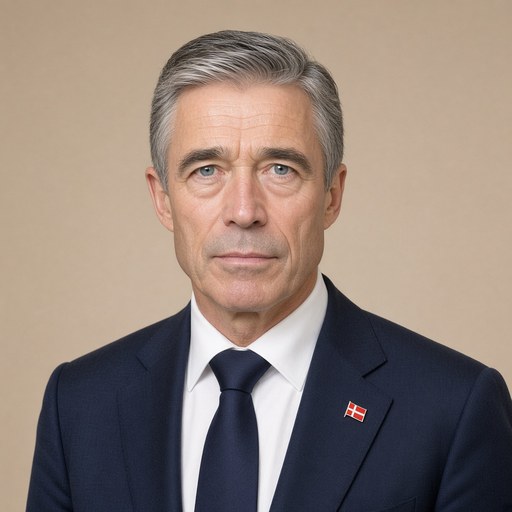
Prime Minister Anders Fogh Rasmussen's speech at the closing debate of the Folketing on May 31, 2007.
 Anders Fogh Rasmussen · Prime Minister of Denmark
- Context
- Rasmussen addressed the Danish Folketing at its closing debate on May 31, 2007, reflecting on Denmark's international missions and domestic economic progress.
- Main themes
- Danish military engagement in Afghanistan, girls' education in Afghanistan, Denmark's economic prosperity, welfare reform, globalization reform, structural reform, tax freeze, public services improvement, social cohesion, international peacekeeping missions, future-proofing Danish welfare
- Duration
- ~35 min
- Words
- 4,180
- Sentences
- 327
- Readability
- 48
- Grade
- 9.2
- Syntax
- 2.53
- Vocabulary
- 2.13
Translated from Danish
The broad sphere of national life a sentence belongs to. Every sentence has an Arena, so it is the denominator the other indices are read against.
Other327 sentences in 151 paragraphs
A couple of weeks ago, I was in Afghanistan.
There, I visited a girls' school in Kabul. Under the Taliban regime, girls were not allowed to go to school. But under the new government, the number of children in schools has increased fivefold – from one to five million. And nearly 40 percent of the students are girls.
The sight of so many happy girls in school made a huge impression. Hearing about their hopes and wishes for the future was joyful and life-affirming. Therefore, it was also a special pleasure to be part of donating 21 million schoolbooks, which Denmark is providing to Afghan schools to support education.
Later, I visited the Danish soldiers in Helmand Province. They are doing a difficult but important job to ensure stability in Afghanistan. It is work that risks lives. I have the utmost respect for these soldiers. For their professionalism. And for the effort they put in.
It is a tough task to be present in the world's hotspots. And unfortunately, it is not without risks. Recently, we have experienced this up close. Both in Afghanistan and in Iraq. And I would like to express my deepest condolences to the families of the soldiers who have lost their lives on international missions. My thoughts also go to the soldiers who have been injured.
These losses are terrible. And it is heavy every time.
They also lead some to ask: Does it make a difference? Can we make a difference?
I understand well that some ask those questions. But when I stood in the classroom in Kabul with the fifth-grade girls, and saw their gratitude for the new schoolbooks, felt their commitment and eagerness to learn new things, heard them talk about their dreams and ambitions, yes, then I had no doubt.
We can make a difference. And we are making a difference.
Danish soldiers in the world's hotspots work to promote freedom, security, and democracy. They work to create the framework for reconstruction and economic and social progress.
And the girls' school in Kabul is just one of many examples that it works. That we can make a difference.
* * *
After a visit to Afghanistan, it is thought-provoking to return home to Denmark.
For the fact is that things are going remarkably well in Denmark. We have freedom, peace, and progress. We have open-mindedness and democracy.
We have one of Europe's strongest economies. With high economic growth. With record-high employment. With record-low unemployment. Since 2003, unemployment has fallen by over 80,000 people to the lowest level in over 30 years.
There are solid surpluses in public finances. And public debt is rapidly declining.
Denmark is often highlighted in international surveys. Most recently, Denmark has been named the most flexible and dynamic country in the EU.
But we must not take Denmark's favorable situation for granted. For it has not come about by itself. It is primarily the result of the great effort that each individual citizen and business in Denmark makes every single day. This applies both in the private sector and in the public sector.
The credibility and stability surrounding the government's economic policy have also contributed to the positive economic development since 2001.
Not least, the tax freeze has given businesses and citizens the opportunity to plan with certainty that taxes and duties will no longer suddenly be raised. We have now had a tax freeze for over 2,000 days to the benefit of all Danes. And there is broad trust in the tax freeze.
And on top of that, we have lowered the tax on earned income. So that it pays better to work.
The positive economic development in recent years has benefited the vast majority of Danes. The vast majority of Danish families have experienced significant economic progress.
The positive economic development has allowed for a marked improvement in public services. Public spending has increased by 35 billion kroner since 2001. Money that has mainly gone to hospitals, elderly care, schools, and childcare.
At the same time, the government has strengthened efforts towards the most vulnerable groups in society. We place crucial emphasis on ensuring a strong cohesion in Danish society. Denmark must remain a safe society without large divides. A society where everyone can be included.
* * *
Yes, things are going well in Denmark. But the world around us is not standing still. And therefore, Denmark must not stand still either. We must constantly work to develop and strengthen our society.
The government has therefore implemented a comprehensive reform program in recent years. Reforms that entail profound changes to the entire Danish society. Reforms that are intended to future-proof our welfare.
We have implemented a structural reform. To streamline and strengthen the municipalities.
We have implemented a welfare reform. One of the largest and most far-reaching reforms of the welfare state in recent times. To ensure future welfare.
And we have implemented a globalization reform. A reform that is intended to equip Danish society to cope with increasingly strong international competition. A reform that aims to contribute to ensuring growth and employment in the future. Therefore, we have allocated nearly 40 billion kroner for investments in the future in education, research, development, and entrepreneurship.
In general, Denmark is a society that openly and proactively meets the challenges of globalization.
Danes go abroad to work and study. Yes, starting next year, Danish students can receive a special scholarship to study abroad.
At the same time, we have opened up for more people to obtain residence permits to work and study in Denmark. Since 2001, we have increased the number of residence permits for foreigners working or studying in Denmark by 150 percent – from 16,000 to 41,000.
And now we are launching a large-scale campaign to market Denmark abroad. To attract businesses, investments, tourists, and major international events to Denmark.
It is gratifying to see that the Danish population views globalization positively and optimistically. According to an EU survey, about 80 percent of Danes see globalization as a positive opportunity and chance.
We Danes are the people in the EU who view globalization most positively. Denmark and the Danish people are open, outgoing, and internationally oriented.
* * *
A competitive society with cohesion also requires a well-functioning welfare state with high-quality services.
The next major task is to ensure continued renewal and development of quality in childcare, schools, elderly care, and hospitals. In all areas of public welfare services. Therefore, the government has initiated an ambitious effort with a quality reform.
We have a strong starting point. Many public employees make a great and dedicated effort. 8 out of 10 Danes are satisfied with public services.
But the welfare state faces a huge challenge in the coming years.
First and foremost in the form of a shortage of labor. Many public employees will retire in the coming years. It will be difficult to find enough replacements. Quite simply because there are not enough hands.
And at the same time, there are increasing expectations for the quality of public welfare services.
Therefore, we must focus on innovation. The public sector must be an integral part of renewal, development, and competitiveness in Denmark.
The government has started a comprehensive process where we listen to all the good ideas and experiences. Where we involve broad groups in the work. At meetings across the country. And during visits to kindergartens, hospitals, and nursing homes.
We are also engaged in tripartite discussions between the government, public employers, and public employees' organizations. About the development of employees' skills, leadership, attractive workplaces, and recruitment. The goal is a binding agreement between the parties.
The government is thus engaged in a very thorough process, where we involve broad groups. And where we prepare the ground for a broad anchoring.
This is absolutely crucial. A quality reform cannot be accomplished by issuing laws from Christiansborg. Care, presence, and security for citizens must come from the ground up. From the educator in the kindergarten. The nurse in the hospital. And the social and health assistant in the nursing home.
360,000 employees in the country's institutions must have the best opportunities for professional development and to provide a committed effort of high quality.
16,000 leaders of childcare institutions, nursing homes, and hospital departments must be competent, professional, and visible.
Denmark's more than 7,500 institutions must have the freedom to solve tasks based on local conditions. And investigations into whether institutions provide proper quality should not be control, but a tool for professional development.
We must have strong local self-government, where all 98 municipalities take clear responsibility – within the overarching goals we set here in the Parliament.
A de-bureaucratization reform must ensure that employees have as much time as possible for care and presence for citizens. And spend as little time as possible on paperwork and administration.
And we must attract the necessary labor to the public sector through a targeted recruitment plan.
These will be the main lines of the quality reform.
* * *
One of the major challenges in the coming years is to provide work and education for Danes with immigrant backgrounds. And in general, to improve integration.
In the autumn, I took a trip around the country. My goal with the trip was to focus on the many successful initiatives being taken. And – not least – to inspire others to follow suit with the result-oriented measures.
The trip clearly showed that there is a huge effort being made in many places in the country to strengthen integration. Not least in the labor market. And that is gratifying. Because work is the best path to integration. And because our society and our economy need extra hands.
The government has implemented a number of initiatives in recent years aimed at improving integration in Denmark. But Danes with immigrant backgrounds also have a great responsibility to establish themselves in the labor market. A responsibility that I know many of them can and will take on.
We currently have an unprecedented opportunity to ensure better integration. With the lowest unemployment in over 30 years, we need all hands. Therefore, I am also very pleased that the results are beginning to show.
Employment among immigrants with non-Western backgrounds has increased by 30,000 since 2001.
It is also gratifying that the number of internships for Danes with immigrant backgrounds has increased by 67 percent since 2003.
We said in 2001 that we would pursue a firm and fair immigration policy. A strict immigration policy, where we could do more to secure work and education for the immigrants who are already here.
It is gratifying to see that this policy is working.
More immigrants and descendants feel well integrated. In 2001, 53 percent felt well integrated. Today, it is 70 percent.
At the same time, it is gratifying that 83 percent of Danish employees are positively inclined towards hiring Danes with immigrant backgrounds in their workplace. That figure was only 47 percent in 1999.
So things are getting better. But there is still more to be done. Because it is still about half of immigrants and descendants from non-Western countries who are unemployed.
Therefore, we will continue the active integration policy in the coming years.
* * *
Another significant challenge will be to future-proof Denmark with energy. In an economically sound and environmentally sustainable way.
For several years, Denmark has benefited from being practically self-sufficient in energy, partly due to oil and natural gas from the North Sea.
This has provided supply security and good economics.
But one day, the adventure in the North Sea will end. And on that day, we must have other energy sources ready to ensure that Denmark can continue to supply itself with energy. For we do not want to be dependent on having to buy oil and natural gas from countries and regions in the world that would misuse energy supply as a tool in foreign and security policy.
Moreover, energy consumption has a significant impact on the environment and climate. Since 1970, global CO2 emissions have increased by 70 percent. If the trend continues unchanged, we can expect a further sharp increase in CO2 emissions in the coming decades.
The UN's climate panel of scientific experts has determined that the increasing CO2 emissions have negative consequences for the environment and climate everywhere on the planet.
Consequences that we cannot ignore. We must act now.
As a first step, the government has presented an ambitious energy proposal.
The government wants Denmark to be 100 percent independent of fossil fuels such as oil, natural gas, and coal in the long term. It is a very ambitious goal. And it will take many years to achieve it. But it is important to make the first decisions now.
We will double the share of renewable energy, so we reach at least 30 percent by 2025.
We will ensure that Denmark is one of the countries in the world that utilizes energy best and most efficiently. Towards 2025, we aim to maintain the current energy consumption – without stifling economic growth.
We will significantly increase research and technology development. By 2010, we will double the effort, so it reaches 1 billion kroner per year.
And in the years to come, we will follow these steps with more necessary decisions.
The government will ensure an energy policy that is also economically coherent. An ambitious investment in renewable energy must go hand in hand with good competitiveness.
The energy policy must create jobs, not stifle jobs.
Internationally, the government has also taken the lead in ensuring an ambitious environmental and climate policy.
With support from a broad majority here in Parliament, we sent a significant Danish contribution to the EU's climate and energy policy last autumn. And Denmark succeeded in making a clear mark on the EU's new and ambitious climate and energy policy.
The EU has set a goal for member states to collectively reduce CO2 emissions by 30% by 2020 as part of a global agreement. And we have established binding targets for the use of renewable energy in Europe. Thus, the EU is leading the fight against climate change and for a greener future.
And we have ensured that Denmark, by hosting the UN climate conference in 2009, will play a key role in the work towards a new global climate agreement.
The government will involve broad forces in society in the preparatory work. Businesses, researchers, and engaged citizens. All good forces will be needed.
We are witnessing a number of climate changes in these years. One of the signs is the melting ice sheet in Greenland.
There is an ongoing discussion about whether climate change is natural or man-made. But following the recent statements from the UN climate panel, we must assume that the majority of the climate changes we have seen over the past 50 years are man-made.
Climate change can have significant negative consequences for people, animals, and nature across large parts of the globe. Therefore, it is the government's position that we have a responsibility to prevent man-made climate change.
* * *
In general, Denmark is currently strongly engaged internationally.
In relation to our size, we are one of the largest contributors of development aid to the poorest in the world. Because we, as one of the richest countries in the world, feel a responsibility to help the poorest on the planet to a better life.
In relation to our size, we are one of the largest contributors to international military missions. Because we, as one of the world's peaceful and stable democracies, feel a responsibility to help the oppressed on the planet to freedom and peace.
But we also do it for our own security. To prevent extremism and refugee flows from Africa by ensuring young Africans better living conditions and brighter prospects in their own countries.
To prevent terrorists and tyrants from taking root, so they can threaten us.
It can be a difficult task. For the strength of religious fanaticism is unfathomable.
We see this, among other places, in Iraq. The situation in Iraq is deeply concerning. But the Iraqi government is determined to take responsibility for security. The Iraqis have now taken over security responsibility in 3 out of the 4 southern provinces. And it is expected that the transfer of security responsibility in the last province, Basra, where Danish troops are stationed, will take place during the second half of 2007.
The nature of our efforts in Iraq will therefore change. In August, we will withdraw the Danish battalion from southern Iraq. Instead, we will send a helicopter contribution to support our British partners.
Our reconstruction efforts will be adjusted. The focus of the efforts will increasingly be to strengthen the capacity of the central authorities in Baghdad.
At the same time, we have allocated additional funds to assist internally displaced persons and Iraqi refugees in the surrounding areas. In 2007, up to 100 million kroner has been allocated for this effort. This makes Denmark a significant contributor internationally.
The challenges are great. And therefore, I am very pleased that a broad majority in the Folketing supports our future efforts in both Afghanistan and Iraq.
* * *
Africa remains the continent in the world with the greatest challenges. The government is therefore focusing development aid on Africa. We propose that an increasing share of Danish aid should go to Africa, so that in the coming years it will constitute two-thirds of the total bilateral aid.
The government has just issued a discussion paper for a new Danish Africa policy. We want to strengthen Danish engagement in Africa.
We will place more focus on women in Danish aid to Africa. More African women should have education and access to participate in the labor market and in the economy. The limited opportunities for women have led to growth in Africa over the past 30 years being only half of what it could have been.
At the same time, we must focus on the increasing youth populations and lack of employment as some of the greatest challenges on the African continent. There is a need for education, growth, and job creation in Africa.
We must help. But Africa also has its own responsibility. Development efforts rest on a partnership. African countries must show a willingness for good governance, democracy, and human rights. Often, capacity is lacking, and therefore we will expand our support to ensure democracy and human rights.
At the same time, we must open our markets to Africa. And African countries should open their markets to each other. Increased free trade is the best way to promote development and employment in Africa.
* * *
The EU needs new rules of the game. We are now 27 members of the EU. The current treaty was created for 15 members. It certainly makes a difference whether there are 15 or 27 around the table.
We must ensure that the EU continues to be an effective cooperation that is able to make decisions for the benefit of the European populations.
Therefore, a new treaty is needed. And now it seems that the process is gaining momentum again after the deadlock following the referendums in France and the Netherlands.
From the Danish side, we are working towards a new treaty coming into force before the European Parliament elections in 2009. This practically requires that we find a political clarification by December this year at the latest. And to achieve that, we should decide at the EU summit next month on a clear mandate for a government conference that can be held during the autumn.
A very broad majority here in the Folketing stated a year ago that the constitutional treaty is a good starting point, but also that we must respect the outcomes of the referendums in France and the Netherlands.
It is therefore given that there will be a different and slimmer treaty.
But there are many good elements in the constitutional treaty that can be used in a new EU treaty. In particular, it is important that we maintain an effective way of making decisions.
The government emphasizes that we do not reopen the compromise on the EU's institutions and decision-making procedures that was part of the constitutional treaty. We want to maintain the balance between small and large countries.
I have great confidence that the German presidency will be able to prepare a proposal for the upcoming treaty negotiations. A proposal that all 27 EU member states can support at the EU summit later this month.
It is positive that the treaty issue can thus be resolved, so we can focus on what it is all about: namely, to create concrete and practical results for the citizens of the EU countries.
* * *
The Kingdom has undergone a modernization process in recent years.
The authorities in the Faroe Islands and Greenland have been given increased powers in foreign policy. And the Faroe Islands have gained the competence to take over a number of areas of responsibility.
In the past year, it has been decided to introduce special Greenlandic banknotes. The Faroese government has taken over ownership of and responsibility for the operation of Vágar Airport. And we expect that the Home Rule will take over responsibility for the National Church in the Faroe Islands in a few weeks.
For Greenland, the government is now looking forward to the results of the work in the Greenland-Danish self-government commission. We expect the report to be ready by autumn. And thus a basis has been created for discussions and decisions on the continued development of Greenland's role in the Kingdom.
* * *
I am pleased that it has also been possible in this parliamentary session to create broad cooperation on significant legislation. About 90% of the legislation has been passed with a broad majority.
It is especially gratifying that broad majorities support the major reforms that have been implemented. A historic welfare reform. A long-term agreement on massive investments in Denmark's future, including reforms of education and an ambitious focus on research, development, and entrepreneurship. And it is gratifying that a broad majority supports Denmark's efforts in Afghanistan.
The Danish People's Party is the government's parliamentary foundation. And the cooperation is functioning well. I would like to express my gratitude for that. But also to acknowledge that there is simultaneously broad cooperation in the Folketing. And to thank the parties in the Folketing for their cooperation over the past year.
* * *
In a few days, it will be Constitution Day, and we will celebrate Danish democracy.
Danish society is characterized by clear, shared values: Freedom, open-mindedness, and democracy. The broad consensus on certain common fundamental principles provides a strong cohesion.
It is crucial that we maintain and defend these principles. And are aware of their significance for Danish society. Strong pillars are a strength in an increasingly globalized world.
The government will therefore establish a committee to develop a democratic canon. A canon that contains the central events, philosophical currents, and political texts that have contributed to the development of democracy in Denmark.
The aim is to strengthen knowledge of the background and fundamental principles of Danish democracy. As well as to stimulate the debate about democracy.
For freedom, open-mindedness, and democracy are not historical facts that we can assume will always be valid. We must continually work to strengthen and spread knowledge of and awareness of the central principles on which Danish democracy is based.
* * *
It seems to me that religious questions and religious symbols have recently taken on too strong a position in the political debate.
In Danish democracy, we distinguish between politics and religion.
In practice, this means that politicians do not interfere in the individual person's faith or in the internal life of churches and religious communities. In full respect of the constitutionally guaranteed freedom of religion.
But it also means that the laws of the Folketing at all times take precedence over religious beliefs and prescriptions.
This means that women and men have equal rights in Danish society. And that they are guaranteed in legislation, regardless of any religious beliefs on the matter.
This means that the rights of homosexuals are universally valid principles in Danish society. That they are guaranteed in legislation. And are not dependent on any religious beliefs regarding these principles.
This means that freedom of expression also includes the right to critical debate about religion, about religious texts, codes of conduct, and symbols.
This means that all citizens in Denmark have equal rights and obligations regardless of religious beliefs. No one can, for example, refuse to make themselves available to the labor market citing religiously motivated codes of conduct. And it is a given that an employer can set reasonable rules for dress code in the workplace.
But let us also remember the good Danish open-mindedness. Open-mindedness is that the individual, grounded in their own firm beliefs, recognizes the right of others to think differently.
Open-mindedness is the freedom to be different.
That is the core of democracy.
The original Danish. The tags above are read on the English translation's sentences.
For et par uger siden var jeg i Afghanistan.
Der besøgte jeg en pigeskole i Kabul. Under Taliban-regimet måtte piger ikke gå i skole. Men under det nye styre er antallet af børn i skolerne femdoblet – fra én til fem millioner. Og tæt på 40 procent af eleverne er piger.
Synet af de mange glade piger i skolen gjorde et kæmpe indtryk. At høre om deres håb og ønsker til fremtiden var glædeligt og livsbekræftende. Derfor var det også en særlig glæde at være med til at donere 21 mio. skolebøger, som Danmark giver til de afghanske skoler for at støtte undervisningen.
Senere besøgte jeg de danske soldater i Helmand-provinsen. De gør et vanskeligt, men vigtigt arbejde for at sikre stabiliteten i Afghanistan. Det er et arbejde med livet som indsats. Jeg nærer den største respekt for disse soldater. For deres professionalisme. Og for den indsats de yder.
Det er en svær opgave at være til stede i verdens brændpunkter. Og det er desværre heller ikke uden risici. I den seneste tid har vi oplevet dette på nærmeste hold. Både i Afghanistan og i Irak. Og jeg vil gerne udtrykke min dybeste medfølelse til familierne til de soldater, som har mistet livet på internationale missioner. Mine tanker går også til de soldater, som er blevet såret.
Disse tab er forfærdelige. Og det er tungt hver gang.
De får også nogle til at spørge: Nytter det noget? Kan vi gøre en forskel?
Jeg forstår godt, at nogle stiller de spørgsmål. Men da jeg stod i klasseværelset i Kabul sammen med pigerne i 5. klasse, og så deres taknemmelighed over de nye skolebøger, mærkede deres engagement og ivrighed efter at lære nyt, hørte dem fortælle om deres drømme og ambitioner, ja, da var jeg ikke i tvivl.
Vi kan gøre en forskel. Og vi gør en forskel.
Danske soldater i verdens brændpunkter arbejder for at fremme frihed, sikkerhed og demokrati. De arbejder for at skabe rammerne om genopbygning og økonomiske og sociale fremskridt.
Og pigeskolen i Kabul er blot ét af mange eksempler på, at det nytter. At vi kan gøre en forskel.
* * *
Efter et besøg i Afghanistan er det tankevækkende at vende hjem til Danmark.
For kendsgerningen er jo, at det går forrygende godt i Danmark. Vi har frihed, fred og fremgang. Vi har frisind og folkestyre.
Vi har én af Europas stærkeste økonomier. Med høj økonomisk vækst. Med rekordhøj beskæftigelse. Med rekordlav ledighed. Arbejdsløsheden er siden 2003 faldet med over 80.000 personer til det laveste niveau i over 30 år.
Der er solide overskud på de offentlige finanser. Og den offentlige gæld er hastigt faldende.
Danmark bliver ofte fremhævet i internationale undersøgelser. Senest er Danmark blevet udnævnt til at være det mest fleksible og dynamiske land i EU.
Men vi må ikke tage Danmarks gunstige situation for givet. For den er ikke opstået af sig selv. Den er først og fremmest resultatet af den store indsats, som hver enkelt borger og virksomhed i Danmark yder hver eneste dag. Det gælder både i de private virksomheder og i den offentlige sektor.
Også troværdigheden og stabiliteten omkring regeringens økonomiske politik har bidraget til den positive økonomiske udvikling siden 2001.
Ikke mindst skattestoppet har givet virksomheder og borgere mulighed for at planlægge i vished om, at skatter og afgifter ikke længere pludselig bliver sat op. Vi har nu haft skattestop i over 2.000 dage til glæde for alle danskere. Og der er bred tillid til skattestoppet.
Og oven i det har vi sat skatten ned på arbejdsindkomst. Så det bedre kan betale sig at arbejde.
Den positive økonomiske udvikling de senere år er kommet langt de fleste danskere til gode. Langt de fleste danske familier har oplevet en betydelig økonomisk fremgang.
Den positive økonomiske udvikling har givet mulighed for en markant forbedring af den offentlige service. Det offentlige forbrug er steget med 35 mia. kr. siden 2001. Penge som hovedsageligt er gået til sygehuse, ældrepleje, skoler og børnepasning.
Regeringen har samtidig styrket indsatsen overfor de svageste grupper i samfundet. Vi lægger afgørende vægt på at sikre en stærk sammenhængskraft i det danske samfund. Danmark skal forblive et trygt samfund uden store skel. Et samfund hvor alle kan være med.
* * *
Ja, det går godt i Danmark. Men verden omkring os står ikke stille. Og derfor må Danmark heller ikke stå stille. Vi skal hele tiden arbejde på at udvikle og styrke vores samfund.
Regeringen har derfor gennemført et omfattende reformprogram i de seneste år. Reformer som indebærer gennemgribende forandringer af hele det danske samfund. Reformer som skal fremtidssikre vores velfærd.
Vi har gennemført en strukturreform. For at strømline og styrke kommunerne.
Vi har gennemført en velfærdsreform. En af de største og mest langtrækkende reformer af velfærdsstaten i nyere tid. For at sikre den fremtidige velfærd.
Og vi har gennemført en globaliseringsreform. En reform, som skal ruste det danske samfund til at klare en stadig stærkere international konkurrence. En reform, som skal bidrage til at sikre vækst og beskæftigelse i fremtiden. Derfor har vi afsat tæt på 40 mia. kr. til investeringer i fremtiden inden for uddannelse, forskning, udvikling og iværksætteri.
I det hele taget er Danmark et samfund, som åbent og offensivt møder udfordringerne fra globaliseringen.
Danskere tager til udlandet for at arbejde og studere. Ja, fra næste år kan danske studerende få et særligt stipendium til at studere i udlandet.
Samtidig har vi åbnet for, at flere kan få opholdstilladelse til at arbejde og studere i Danmark. Siden 2001 har vi øget antallet af opholdstilladelser til udlændinge, der arbejder eller studerer i Danmark, med 150 procent – fra 16.000 til 41.000.
Og nu igangsætter vi en storstilet kampagne for at markedsføre Danmark i udlandet. For at tiltrække virksomheder, investeringer, turister og store internationale arrangementer til Danmark.
Det er glædeligt at se, at den danske befolkning ser positivt og optimistisk på globaliseringen. Ifølge en EU-undersøgelse betragter omkring 80 procent af danskerne globaliseringen som en positiv mulighed og chance.
Vi danskere er det folk i EU, som ser mest positivt på globaliseringen. Danmark og det danske folk er åbent, udadvendt og internationalt orienteret.
* * *
Et konkurrencedygtigt samfund med sammenhængskraft forudsætter også et velfungerende velfærdssamfund med service af høj kvalitet.
Den næste store opgave er at sikre fortsat fornyelse og udvikling af kvaliteten i børnepasningen, i skolerne, i ældreplejen og på sygehusene. I alle dele af den offentlige velfærdsservice. Derfor har regeringen igangsat et ambitiøst arbejde med en kvalitetsreform.
Vi har et stærkt udgangspunkt. Mange offentligt ansatte gør en stor og engageret indsats. 8 ud af 10 danskere er tilfredse med den offentlige service.
Men velfærdssamfundet står over for en kæmpe udfordring i de kommende år.
Først og fremmest i form af mangel på arbejdskraft. Mange offentligt ansatte går på pension i de kommende år. Det bliver svært at skaffe afløsere nok. Ganske enkelt fordi der ikke er hænder nok.
Og samtidig er der stigende forventninger til kvaliteten i den offentlige velfærdsservice.
Derfor skal vi sætte fokus på nytænkning. Den offentlige sektor skal være en integreret del af fornyelse, udvikling og konkurrencedygtighed i Danmark.
Regeringen har startet en omfattende proces, hvor vi lytter til alle de gode idéer og erfaringer. Hvor vi inddrager brede grupper i arbejdet. På møder rundt i hele landet. Og under besøg i børnehaver og på sygehuse og plejehjem.
Vi er også i gang med trepartsdrøftelser mellem regeringen, de offentlige arbejdsgivere og de offentligt ansattes organisationer. Om udvikling af medarbejdernes kompetencer, ledelse, attraktive arbejdspladser og rekruttering. Målet er en forpligtende aftale mellem parterne.
Regeringen er altså i gang med et meget grundigt arbejde, hvor vi inddrager brede grupper. Og hvor vi gøder jorden for en bred forankring.
Det er helt afgørende. En kvalitetsreform er ikke klaret ved at udstede love fra Christiansborg. Omsorg, nærvær og tryghed til borgerne skal komme nedefra. Fra pædagogen i børnehaven. Sygeplejersken på hospitalet. Og social- og sundhedsassistenten på plejehjemmet.
360.000 medarbejdere på landets institutioner skal have de bedste muligheder for faglig udvikling og for at yde en engageret indsats af høj kvalitet.
16.000 ledere af børneinstitutioner, plejehjem og sygehusafdelinger skal være kompetente, professionelle og synlige.
Danmarks mere end 7.500 institutioner skal have frihed til at løse opgaverne på basis af de lokale forhold. Og undersøgelser af, om institutionerne leverer ordentlig kvalitet, skal ikke være kontrol, men et redskab til faglig udvikling.
Vi skal have et stærkt lokalt selvstyre, hvor alle 98 kommuner tager et klart ansvar – inden for de overordnede mål, vi udstikker her i Folketinget.
En afbureaukratiseringsreform skal sikre, at medarbejderne får mest mulig tid til omsorg og nærvær til borgerne. Og bruger mindst mulig tid på papir og administration.
Og vi skal tiltrække den nødvendige arbejdskraft til den offentlige sektor ved en målrettet rekrutteringsplan.
Det bliver hovedlinierne i kvalitetsreformen.
* * *
Én af de store udfordringer i de kommende år er at skaffe arbejde og uddannelse til danskere med indvandrerbaggrund. Og i det hele taget at forbedre integrationen.
I efteråret var jeg på en tur rundt i landet. Mit mål med turen var at sætte fokus på de mange succesfulde initiativer, der bliver taget. Og – ikke mindst - at inspirere andre til at følge trop på de resultatrige tiltag.
Turen viste med al tydelighed, at der mange steder i landet bliver gjort en kæmpe indsats for at styrke integrationen. Ikke mindst på arbejdsmarkedet. Og det er glædeligt. Fordi arbejde er den bedste vej til integration. Og fordi vort samfund og vor økonomi har brug for ekstra hænder.
Regeringen har i de seneste år gennemført en lang række initiativer, der skal forbedre integrationen i Danmark. Men danskere med indvandrerbaggrund har også selv et stort ansvar for at få fodfæste på arbejdsmarkedet. Et ansvar som jeg ved, at rigtig mange af dem kan og vil løfte.
Vi har lige nu alle tiders mulighed for at sikre en bedre integration. Med den laveste arbejdsløshed i over 30 år har vi brug for alle hænder. Derfor er jeg også meget tilfreds med, at resultaterne er begyndt at vise sig.
Beskæftigelsen blandt indvandrere med ikke-vestlig baggrund er steget med 30.000 siden 2001.
Ligesom det er glædeligt, at antallet af praktikpladser til danskere med indvandrerbaggrund er steget med 67 pct. siden 2003.
Vi sagde i 2001, at vi ville føre en fast og fair udlændingepolitik. En stram udlændingepolitik, hvor vi kunne gøre mere for at skaffe arbejde og uddannelse til de indvandrere, som allerede er her.
Det er glædeligt at se, at den politik virker.
Flere indvandrere og efterkommere føler sig godt integreret. I 2001 var det 53 pct., som følte sig godt integreret. I dag er det 70 pct.
Samtidig er det glædeligt, at 83 pct. af de danske lønmodtagere er positivt stemt over for ansættelse af danskere med indvandrerbaggrund på deres arbejdsplads. Det tal var kun 47 pct. i 1999.
Så det går bedre. Men der er stadig mere at gøre. For det er fortsat omkring halvdelen af indvandrere og efterkommere fra ikke-vestlige lande, som er uden job.
Derfor vil vi fortsætte den aktive integrationspolitik i de kommende år.
* * *
En anden betydelig udfordring bliver at fremtidssikre Danmark med energi. På en økonomisk forsvarlig og miljømæssigt bæredygtig måde.
I en årrække har Danmark nydt gavn af at være praktisk talt selvforsynende med energi, bl.a. som følge af olie og naturgas fra Nordsøen.
Det har givet forsyningssikkerhed og god økonomi.
Men en dag er eventyret i Nordsøen slut. Og den dag skal vi have andre energikilder parat, som sikrer, at Danmark fortsat kan forsyne sig selv med energi. For vi vil ikke være afhængige af at skulle købe olie og naturgas fra lande og regioner i verden, der vil misbruge energiforsyningen som redskab i udenrigs- og sikkerhedspolitikken.
Dertil kommer, at energiforbruget har en væsentlig indflydelse på miljø og klima. Siden 1970 er udledningen af CO2 steget med 70 pct. på verdensplan. Hvis udviklingen fortsætter uændret, må vi forvente en yderligere kraftig vækst i CO2-udledningen i de kommende årtier.
FN’s klimapanel af videnskabelige eksperter har fastslået, at den stigende CO2-udledning har negative konsekvenser for miljø og klima over alt på kloden.
Konsekvenser, som vi ikke kan sidde overhørig. Vi må handle nu.
Som et første skridt har regeringen fremlagt et ambitiøst energiudspil.
Regeringen ønsker, at Danmark på langt sigt skal være 100 pct. uafhængig af fossile brændsler som olie, naturgas og kul. Det er et meget ambitiøst mål. Og det vil tage mange år at nå dertil. Men det er vigtigt at træffe de første beslutninger allerede nu.
Vi vil fordoble andelen af vedvarende energi, så vi når op på mindst 30 pct. i 2025.
Vi vil sikre, at Danmark er ét af de lande i verden, som udnytter energien bedst og mest effektivt. Frem mod 2025 sigter vi på at fastholde det nuværende energiforbrug - uden at lægge låg på den økonomiske vækst.
Vi vil øge forskning og teknologiudvikling markant. Frem til 2010 vil vi fordoble indsatsen, så den når op på 1 mia. kr. om året.
Og i årene fremover vil vi følge disse skridt op med flere nødvendige beslutninger.
Regeringen vil sikre en energipolitik, som også hænger sammen økonomisk. En ambitiøs satsning på vedvarende energi skal gå hånd i hånd med en god konkurrenceevne.
Energipolitikken skal skabe arbejdspladser, ikke kvæle arbejdspladser.
Også internationalt har regeringen lagt sig i front for at sikre en ambitiøs miljø- og klimapolitik.
Med opbakning fra et bredt flertal her i Folketinget sendte vi sidste efterår et markant dansk bidrag til EU’s klima- og energipolitik. Og det lykkedes Danmark at sætte et klart præg på EU’s nye og ambitiøse klima- og energipolitik.
EU har sat som mål, at medlemslandene samlet reducerer CO2-udledningerne med 30 pct. frem til 2020 som led i en global aftale. Og vi har fået sat bindende mål for anvendelse af vedvarende energi i Europa. Dermed går EU forrest i kampen mod klimaforandringer og for en grønnere fremtid.
Og vi har sikret, at Danmark med værtskabet for FN’s klimamøde i 2009 får en nøglerolle i arbejdet for en ny global klimaaftale.
Regeringen vil inddrage brede kræfter i samfundet i det forberedende arbejde. Virksomheder, forskningen og engagerede borgere. Der bliver brug for alle gode kræfter.
Vi ser i disse år en række klimaforandringer. Ét af tegnene er den smeltende indlandsis i Grønland.
Der er en vedvarende diskussion om, hvorvidt klimaforandringen er naturskabt eller menneskeskabt. Men efter de nylige udtalelser fra FN’s klimapanel må vi lægge til grund, at hovedparten af de klimaforandringer, vi har set de seneste 50 år, er menneskeskabte.
Klimaforandringerne kan få betydelige, negative konsekvenser for mennesker, dyr og natur over store dele af kloden. Derfor er det regeringens holdning, at vi har et ansvar for at forebygge den menneskeskabte klimaforandring.
* * *
I det hele taget er Danmark i disse år stærkt engageret internationalt.
I forhold til vores størrelse er vi én af de største bidragydere med udviklingsbistand til de fattigste i verden. Fordi vi som ét af verdens rigeste lande føler et ansvar for at hjælpe de fattigste på kloden til en bedre tilværelse.
I forhold til vores størrelse er vi én af de største bidragydere til internationale militære opgaver. Fordi vi som ét af verdens fredelige og stabile demokratier føler et ansvar for at hjælpe de undertrykte på kloden til frihed og fred.
Men vi gør det også af hensyn til vores egen sikkerhed. For at forebygge ekstremisme og flygtningestrømme fra Afrika ved at sikre de unge afrikanere bedre levevilkår og lysere fremtidsudsigter i deres egne lande.
For at forhindre terrorister og tyranner i at slå rod, så de kan true os.
Det kan være en svær opgave. For styrken i den religiøse fanatisme er ufattelig.
Det ser vi bl.a. i Irak. Situationen i Irak er dybt bekymrende. Men den irakiske regering er fast besluttet på at overtage ansvaret for sikkerheden. Irakerne har nu overtaget sikkerhedsansvaret i 3 ud af de 4 sydlige provinser. Og det er forventningen, at overdragelsen af sikkerhedsansvaret i den sidste provins, Basra, hvor de danske tropper er udstationeret, vil finde sted i løbet af andet halvår af 2007.
Karakteren af vores indsats i Irak vil derfor ændre sig. Til august hjemtager vi den danske bataljon fra det sydlige Irak. I stedet sender vi et helikopterbidrag til at støtte vore britiske partnere.
Vores genopbygningsindsats vil blive justeret. Fokus for indsatsen vil i højere grad være at styrke kapaciteten hos de centrale myndigheder i Bagdad.
Samtidig har vi afsat yderligere midler til at bistå internt fordrevne og irakiske flygtninge i nærområderne. I 2007 er der afsat op til 100 mio. kr. til denne indsats. Det gør Danmark til en markant bidragyder internationalt.
Udfordringerne er store. Og derfor glæder det mig meget, at et bredt flertal i Folketinget står bag vores fremtidige indsats i både Afghanistan og Irak.
* * *
Afrika er fortsat det kontinent i verden med de største udfordringer. Regeringen fokuserer derfor udviklingsbistanden på Afrika. Vi lægger op til, at en stigende andel af den danske bistand skal gå til Afrika, så den i de kommende år kommer til at udgøre 2/3 af den samlede bilaterale bistand.
Regeringen har netop udsendt et debatoplæg til en ny, dansk Afrika-politik. Vi ønsker at styrke det danske engagement i Afrika.
Vi vil sætte mere fokus på kvinder i den danske bistand til Afrika. Flere afrikanske kvinder skal have uddannelse og adgang til at deltage i arbejdsmarkedet og i samfundsøkonomien. Kvinders begrænsede muligheder har ført til, at væksten i Afrika over de sidste 30 år kun har været halvt så stor, som den kunne have været.
Samtidig skal vi sætte fokus på, at de stigende ungdomsårgange og mangel på beskæftigelse udgør nogle af de største udfordringer på det afrikanske kontinent. Der er behov for uddannelse, vækst og jobskabelse i Afrika.
Vi skal hjælpe. Men Afrika har også et eget ansvar. Udviklingsindsatsen hviler på et partnerskab. Afrikanske lande må vise vilje til god regeringsførelse, demokrati og menneskerettigheder. Ofte mangler kapaciteten, og derfor vil vi udvide vores støtte til at sikre demokrati og menneskerettigheder.
Samtidig skal vi åbne vore markeder for Afrika. Og de afrikanske lande bør åbne markederne for hinanden. Øget frihandel er den bedste måde til at fremme udvikling og beskæftigelse i Afrika.
* * *
EU har brug for nye spilleregler. Vi er nu 27 medlemmer af EU. Den nuværende traktat er skabt til 15 medlemmer. Det gør selvfølgelig en forskel, om der er 15 eller 27 rundt om bordet.
Vi skal sikre, at EU også i fremtiden udgør et effektivt samarbejde, der er i stand til at træffe beslutninger til gavn for de europæiske befolkninger.
Derfor er der brug for en ny traktat. Og nu ser der ud til at komme skub i processen igen efter dødvandet oven på folkeafstemningerne i Frankrig og Holland.
Fra dansk side arbejder vi på, at en ny traktat kan træde i kraft inden Europa-parlamentsvalget i 2009. Det kræver i praksis, at vi skal finde en politisk afklaring senest i december i år. Og for at nå det, bør vi på EU-topmødet i næste måned træffe beslutning om et klart mandat for en regeringskonference, der kan gennemføres i løbet af efteråret.
Et meget bredt flertal her i Folketinget fastslog for et år siden, at forfatningstraktaten er et godt udgangspunkt, men også at vi skal respektere udfaldet af folkeafstemningerne i Frankrig og Holland.
Det er derfor givet, at der bliver tale om en anden og slankere traktat.
Men der er mange gode elementer i forfatningstraktaten, som kan bruges i en ny EU-traktat. Især er det vigtigt, at vi fastholder en effektiv måde at træffe beslutninger på.
Regeringen lægger vægt på, at vi ikke genåbner det kompromis om EU’s institutioner og beslutningsprocedurer, som var en del af forfatningstraktaten. Vi ønsker at bevare balancen mellem små og store lande.
Jeg har stor tiltro til, at det tyske formandskab vil være i stand til at udarbejde et oplæg til de kommende traktatforhandlinger. Et oplæg, som alle EU’s 27 medlemslande kan tilslutte sig på EU-topmødet senere på måneden.
Det er positivt, at traktatspørgsmålet dermed kan blive løst, så vi kan koncentrere os om det, det hele drejer sig om: nemlig at skabe konkrete og praktiske resultater for borgerne i EU-landene.
* * *
Rigsfællesskabet har gennem de seneste år været inde i en moderniseringsproces.
Myndighederne på Færøerne og i Grønland har fået øgede beføjelser på det udenrigspolitiske område. Og Færøerne har fået kompetence til at overtage en række sagsområder.
I det forløbne år er det besluttet at indføre særlige grønlandske pengesedler. Færøernes landsstyre har overtaget ejerskabet af og ansvaret for driften af Vágar Lufthavn. Og vi forventer, at Hjemmestyret om få uger overtager ansvaret for Folkekirken på Færøerne.
For Grønland ser regeringen nu frem til resultaterne af arbejdet i den grønlandsk-danske selvstyrekommission. Vi forventer, at betænkningen ligger klar til efteråret. Og dermed er der skabt et grundlag for drøftelser og beslutninger om fortsat udvikling af Grønlands rolle i Rigsfællesskabet.
* * *
Jeg glæder mig over, at det også i denne folketingssamling er lykkedes at skabe et bredt samarbejde om betydende lovgivning. Omkring 90 pct. af lovgivningen er gennemført med bredt flertal.
Det er specielt glædeligt, at der står brede flertal bag de store reformer, som er gennemført. En historisk velfærdsreform. En langsigtet aftale om massive investeringer i Danmarks fremtid, bl.a. reformer af uddannelserne og en ambitiøs satsning på forskning, udvikling og iværksætteri. Og det er glædeligt, at der står et bredt flertal bag Danmarks indsats i Afghanistan.
Dansk Folkeparti er regeringens parlamentariske grundlag. Og samarbejdet fungerer godt. Det vil jeg gerne kvittere for. Men også kvittere for, at der samtidig er tale om et bredt samarbejde i Folketinget. Og takke Folketingets partier for samarbejdet i det forløbne år.
* * *
Om få dage er det grundlovsdag, og vi fejrer det danske folkestyre.
Det danske samfund er præget af klare, fælles værdier: Frihed, frisind og folkestyre. Den brede enighed om visse fælles grundprincipper giver en stærk sammenhængskraft.
Det er afgørende, at vi fastholder og forsvarer disse principper. Og er bevidste om deres betydning for det danske samfund. Stærke grundpiller er en styrke i en stadig mere globaliseret verden.
Regeringen vil derfor nedsætte et udvalg, som skal udarbejde en demokratikanon. En kanon, der indeholder de centrale begivenheder, filosofiske strømninger og politiske tekster, som har bidraget til udviklingen af folkestyret i Danmark.
Sigtet er at styrke kendskabet til baggrunden og grundprincipperne for det danske folkestyre. Samt at stimulere debatten om folkestyret.
For frihed, frisind og folkestyre er jo ikke historiske kendsgerninger, som, vi uden videre kan gå ud fra, altid vil være gældende. Vi må til stadighed arbejde for at styrke og udbrede kendskabet til og bevidstheden om de centrale principper, som det danske folkestyre bygger på.
* * *
Det forekommer mig, at religiøse spørgsmål og religiøse symboler på det seneste har fået en alt for stærk placering i den politiske debat.
I det danske folkestyre skelner vi mellem politik og religion.
I praksis betyder det, at politikerne ikke blander sig i det enkelte menneskes tro eller i kirkernes og de religiøse samfunds indre liv. I fuld respekt for den grundlovsfæstede frihed til religionsudøvelse.
Men det betyder også, at Folketingets love til enhver tid står over religiøse opfattelser og forskrifter.
Det betyder, at kvinder og mænd har lige rettigheder i det danske samfund. Og at de er sikret i lovgivningen, uanset hvad der måtte være af religiøse opfattelser af den sag.
Det betyder, at homoseksuelles rettigheder er alment gyldige principper i det danske samfund. At de er sikret i lovgivningen. Og ikke er afhængige af, hvad der måtte være af religiøse opfattelser af disse principper.
Det betyder, at ytringsfriheden også indeholder retten til kritisk debat om religion, om religiøse skrifter, leveregler og symboler.
Det betyder, at alle borgere i Danmark har lige rettigheder og pligter uanset religiøs opfattelse. Ingen kan f.eks. nægte at stå til rådighed for arbejdsmarkedet med henvisning til religiøst motiverede leveregler. Og det er en selvfølge, at en arbejdsgiver kan fastsætte saglige regler for påklædning på arbejdspladsen.
Men lad os samtidig huske det gode danske frisind. Frisind er, at den enkelte med ståsted i egne faste holdninger anerkender andres ret til at mene noget andet.
Frisind er frihed til forskellighed.
Det er kernen i folkestyret.