




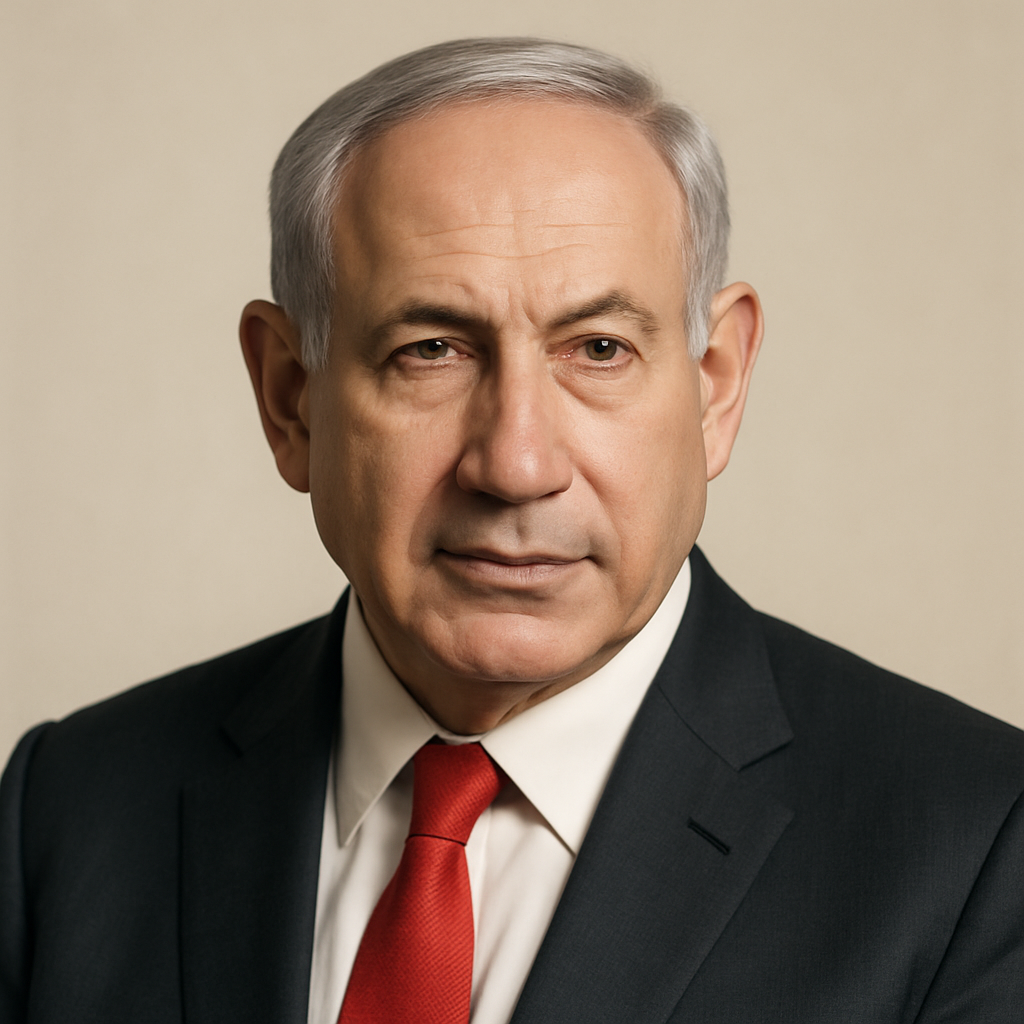
Remarks by Prime Minister and Minister of Defense Netanyahu at the memorial ceremony for the fallen of the Yom Kippur War at the Hall of Remembrance on Mount Herzl.
 Benjamin Netanyahu · Prime Minister of Israel
- Context
- Netanyahu addressed a memorial ceremony for fallen soldiers of the 1973 Yom Kippur War at the Hall of Remembrance on Mount Herzl on October 10, 2019.
- Main themes
- Yom Kippur War commemoration, fallen soldiers and grief, intelligence failure, preemptive strike doctrine, military lessons learned, Israeli resilience and victory, regional peace agreements, Israel-US relations, memory and national consciousness
- Duration
- ~4 min
- Words
- 511
- Sentences
- 21
- Readability
- 52
- Grade
- 11.9
- Syntax
- 3.22
- Vocabulary
- 2.43
Translated from Hebrew
The broad sphere of national life a sentence belongs to. Every sentence has an Arena, so it is the denominator the other indices are read against.
Other21 sentences in 6 paragraphs
The families of the fallen in the Yom Kippur War, my brothers and sisters, who bear the scar of grief for 46 years. We will forever mourn with you the loss of our loved ones, the defenders of the homeland. We will forever be grateful to them for thwarting the surprise attack in the south and in the north. We will forever tell of their immense bravery and their great success in turning the tide – from a feeling of collapse to a decisive victory.
Yesterday, in the synagogue, the image from that Yom Kippur stood before my eyes – the prayers of the holy day that were abruptly interrupted, the sense of urgency and danger, the dispatch of fighters to the front lines, many kilometers away from home. The hand that just a moment ago held the prayer book tightened around the rifle. Even today, every fragment of memory touches the strings of the soul – the whistling of shells, the flashes of explosions, the voices from the communication networks, the maps of routes marked with arrows, the sacrifice and determination on the dunes of Sinai and on the basalt cliffs of the Golan, the friends who fell, the wounded, the captives.
The memories do not fade, and alongside them, the lessons are etched in our consciousness. The war was imposed upon us when we ignored the glaring signals regarding the offensive intentions of those who sought our lives. The failure is twofold – first, the numbness to the intelligence information, which warned of an imminent war. The decision-makers saw the concentrations of forces, saw the establishment of earthen embankments on the enemy side, saw the breaching of the earthen embankments on the enemy side, the minefields – they saw and said: 'exercise', 'Egypt and Syria would not dare to attack', 'low probability'.
Second, a few hours before the outbreak of hostilities – when it was already clear that the flare-up was inevitable – the necessary action to neutralize the immediate threat was not taken. In particular, the avoidance of a preemptive strike – it was this that allowed our attackers to take the initiative into their hands and inflict many casualties upon us.
I do not overlook for a moment the weight of the decision regarding a preemptive strike. It is a difficult dilemma that every government grapples with regarding its implications. But there are existential, or monumental, challenges, like in 1973, where one simply cannot rule out a preemptive strike. I would say otherwise – that a preemptive strike is required.
In the 46 years since the war, the reality in the Middle East has changed in many ways. We have signed peace agreements with Egypt and Jordan, which recognized our strength and turned their backs on the path of war. We are strengthening ties with other important actors in the Arab and Muslim world, who have also turned their backs on the path of war, and we are maintaining and tightening normalization that is growing. We have built even closer relations with our friend, the United States.
The original Hebrew. The tags above are read on the English translation's sentences.
בני משפחות הנופלים במלחמת יום הכיפורים, אחיי ואחיותיי, שצלקת היגון טבועה בכם 46 שנים. לעד נכאב אתכם את נפילת יקירינו, מגיני המולדת. לעד נכיר להם תודה, על בלימת מתקפת הפתע בדרום ובצפון. לעד נספר בגבורתם הכבירה ובהצלחתם הכבירה להטות את הכף – מתחושת מפולת לניצחון מכריע.
אתמול, בבית-הכנסת, עמדה לנגד עיניי התמונה מיום הכיפורים ההוא - תפילות היום הקדוש שנקטעו בבת אחת, תחושת הבהילות והסכנה, שיגור הלוחמים לחזיתות הקרב, במרחק של קילומטרים רבים מן הבית. היד שלפני רגע אחזה במחזור, התהדקה סביב הרובה. גם היום, כל רסיס זיכרון נוגע בנימי הנפש -שריקות הפגזים, הבזקי הנפץ, הקולות מרשתות הקשר, מפות הצירים המסומנות בחצים, ההקרבה והנחישות על הדיונות בסיני ועל מצוקי הבזלת בגולן, החברים שנפלו, הפצועים, השבויים.
הזיכרונות אינם נמוגים, ובצד זאת, הלקחים צרובים בתודעה. המלחמה נכפתה עלינו, כשהתעלמנו מן האיתותים הבולטים לגבי הכוונות ההתקפיות של מבקשי נפשנו. הכשל הוא כפול - ראשית, קהות החושים ביחס למידע המודיעיני, שהתריע על ודאות קרובה למלחמה. מקבלי ההחלטות ראו את ריכוזי הכוחות, ראו את הקמת סוללות העפר בצד האויב, ראו את פריצת סוללות העפר בצד האויב, שדות המוקשים – ראו, ואמרו: 'תרגיל', 'מצרים וסוריה לא יעזו לתקוף', 'סבירות נמוכה'.
שנית, כמה שעות לפני פרוץ האש – כשכבר היה ברור שההתלקחות היא בלתי-נמנעת – לא ננקטה הפעולה הנדרשת לסיכול האיום המידי. בייחוד ההימנעות מהנחתת מכת מנע – היא שאפשרה לתוקפינו לקחת את היוזמה לידיהם, ולהפיל בנו קורבנות רבים.
אינני מתעלם ולו לרגע מכובד ההחלטה על מהלומת מנע. זאת דילמה קשה, שכל ממשלה מתחבטת לגבי השלכותיה. אבל ישנם אתגרים קיומיים, או כבירים, כמו ב-1973, שבהם פשוט אסור לשלול מכה מקדימה. הייתי אומר אחרת – שמחייבים מכה מקדימה.
ב-46 השנים שחלפו מאז המלחמה, המציאות במזרח התיכון השתנתה מבחינות רבות. חתמנו על הסכמי שלום עם מצרים וירדן, שהכירו בעוצמתנו והפנו עורף לדרך המלחמה. אנו מהדקים קשרים עם גורמים חשובים נוספים בעולם הערבי והמוסלמי, שגם הם הפנו עורף לדרך המלחמה, ואנחנו מקיימים ומהדקים נורמליזציה שהולכת וגדלה. בנינו יחסים קרובים עוד יותר עם ידידתנו ארה