




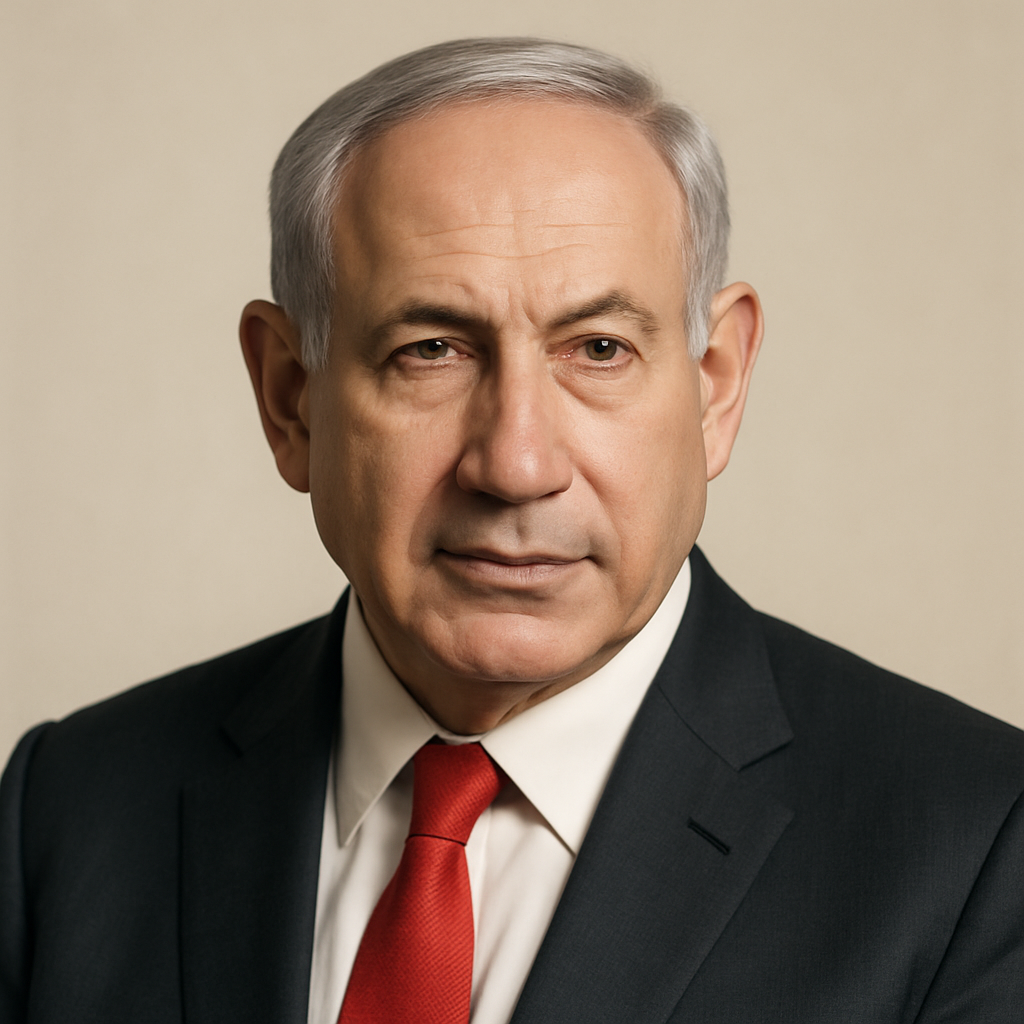
The speech delivered by Prime Minister Benjamin Netanyahu during the official memorial ceremony commemorating the martyrs of Israel's battles whose burial places are unknown.
 Benjamin Netanyahu · Prime Minister of Israel
- Context
- Netanyahu addressed a state memorial ceremony in Israel on February 18, 2021, honoring fallen soldiers whose burial places remain unknown.
- Main themes
- Fallen soldiers with unknown burial places, national grief and solidarity, IDF missing in action, Battle of Sultan Yaqub, Bar Kochba remains ceremony, Israel's moral commitment to its defenders, family suffering and uncertainty, recovery of Zechariah Baumel, Israel-Russia relations, Jewish burial traditions, collective memory and commemoration
- Duration
- ~4 min
- Words
- 489
- Sentences
- 14
- Readability
- 42
- Grade
- 16.1
- Syntax
- 3.59
- Vocabulary
- 2.47
Translated from Arabic
The broad sphere of national life a sentence belongs to. Every sentence has an Arena, so it is the denominator the other indices are read against.
Other14 sentences in 12 paragraphs
We have witnessed here two very moving and shocking stories about the Saif family and the Rubovitch family. There is no better witness to solidarity, and to the wonderful relationship that warms our hearts.
No one can diminish the significance of your story, and of the giving, generosity, and hope.
For many long years, and sometimes over successive generations, we have faced the wounds of uncertainty, where we are always left wondering about the whereabouts of the fallen soldiers who sacrificed their lives for us, on land, in the air, at sea, in the streets and fields, and in the battlefields—where are they?
We all, dear families, and all the people, empathize with you and share your pain, distress, longing, and hope. We never lose hope that we can lift the burden of the mystery and unravel it.
Thirty-nine years ago, on the date of May 11, 1982, an extraordinary military ceremony was held near the Hever Valley in the Judean Desert, attended by state officials and representatives of the Israel Defense Forces, during which the remains of 25 individuals from the Bar Kochba group and their family members were buried at the edge of the cliff overlooking the Dead Sea.
It was attended by President Yitzhak Navon, may he rest in peace, Prime Minister Menachem Begin, may he rest in peace, as well as the unforgettable Rabbi Goren, who worked and risked his life after the War of Independence to find hundreds of fighters and civilians, from the martyrs of the battles that took place in Gush Etzion, Latrun, the Faluja pocket, and the outskirts of Jerusalem, to be buried according to Jewish traditions.
All participants in the ceremony held in the Hever Valley affirmed Israel's moral commitment to the defenders of our land—whether 1,850 years ago or in our time.
Exactly one month later, on the date of June 11, 1982, that is, 39 years ago, contact was lost with three IDF fighters during the Battle of Sultan Yaqub, which was considered one of the fiercest battles of the First Lebanon War: Zechariah Baumel, Yehuda Katz, and Tzvi Feldman, may they rest in peace, who fell in that battle, and whose burial place was unknown.
That moral commitment towards them, which found expression through the funeral of the Bar Kochba fighters, was reaffirmed unequivocally since the date of their disappearance.
Two years ago, thanks to the personal relationship I have with President Putin, I had the honor of bringing Zechariah Baumel back to his home, and we thank President Putin for the consistent efforts he has made in these matters, as well as for the risk that the Russian fighters took to return Zechariah Baumel to us.
We all remember the intense emotion that swept the nation when Zechariah was buried on this mountain and in the embrace of the homeland.
As his brother and sister, Shimon and Osna, said, and we said with them, a blessing.
The original Arabic. The tags above are read on the English translation's sentences.
لقد شاهدنا هنا قصتين مؤثرتين للغاية وصادمتين عن عائلة سيف وعائلة روبوفيتش. لا شاهد أفضل على التكافل، وعلى العلاقة الرائعة التي تثلج صدورنا.
فلا يمكن لأحد أن يقلل من شأن قصتكما، ومن شأن العطاء والشهامة والأمل.
إننا نواجه منذ سنين طويلة وأحيانًا على مر أجيال متعاقبة جراح عدم اليقين، حيث يعترينا دائمًا التساؤل حول مكان تواجد الجنود الذي سقطوا والذين ضحوا بحياتهم لأجلنا، برًا وجوًا وبحرًا، وفي الشوارع والحقول وفي ميادين المعركة وأين هم موجودون؟
نحن جميعًا، أيها العائلات العزيزة، وجميع أبناء الشعب، نتعاطف معكم ونشاطركم الألم والكرب والاشتياق والأمل. ولا نفقد أبدأ الأمل في أن نستطيع إزالة عبء اللغز وفكه.
قبل 39 عامًا، في التاريخ الموافق 11 مايو 1982، أقيمت بالقرب من وادي حيفر في صحراء يهودا مراسم رسمية عسكرية استثنائية بحضور مسؤولي الدولة ومندوبي جيش الدفاع، حيث دُفنت خلالها في طرف الجرف المطل على البحر الميت رفات 25 شخصًا من مقابلي بار كوخفا وأفراد عائلاتهم.
وحضرها كل من الرئيس يتسحاك نافون رحمه الله، ورئيس الوزراء ميناحيم بيغين رحمه الله، وكذلك الحاخام غورين رحمه الله الذي لا يمكن نسيانه، علمًا بأنه عمل وخاطر بنفسه بعد حرب الاستقلال في سبيل العثور على مئات المقاتلين والمدنيين، من شهداء المعارك التي دارت في غوش عتصيون، واللطرون، وجيب الفالوجة وضواحي أورشليم ليتم دفنهم حسب التقاليد اليهودية.
وقد أكد جميع المشاركين في المراسم التي أقيمت في وادي حيفر على الالتزام الأخلاقي لدولة إسرائيل تجاه حماة بلادنا - سواء قبل 1850 عامًا أو في عصرنا هذا.
وبعد ذلك بشهر واحد تمامًا، في التاريخ الموافق 11 يونيو 1982، أي قبل 39 عامًا، فُقد الاتصال بثلاثة من مقاتلي جيش الدفاع خلال معركة السلطان يعقوب، التي كانت تُعتبر إحدى أشرس المعارك التي شهدتها حرب لبنان الأولى هم زيخاريا باومل، ويهودا كاتس وتسفي فلدمان رحمهم الله الذين سقطوا في تلك المعركة، وكان مكان دفنهم مجهولاً.
ذلك الالتزام الأخلاقي تجاههم الذي وجد تعبيره من خلال جنازة مقاتلي بار كوخفا تم التأكيد عليه بصورة لا تحتمل التأويل، منذ تاريخ تغيبهم.
وقبل عامين، وبفضل العلاقة الشخصية التي تربطني بالرئيس بوتين، تشرفت بإرجاع زيخاريا باومل إلى بيته، فنشكر الرئيس بوتين على الجهود المتسقة التي يبذلها في هذه المسائل، وكذلك على الخطر الذي تحمله المقاتلون الروس في سبيل إرجاع زيخاريا باومل إلينا.
نحن جميعًا نتذكر الانفعال الشديد الذي اجتاح الدولة حينما دُفن زيخاريا في هذا الجبل وفي حضن أرض الوطن.
حيث قال شقيقه وشقيقته، شمعون وأوسنا، ونحن قلنا معهما بركة