




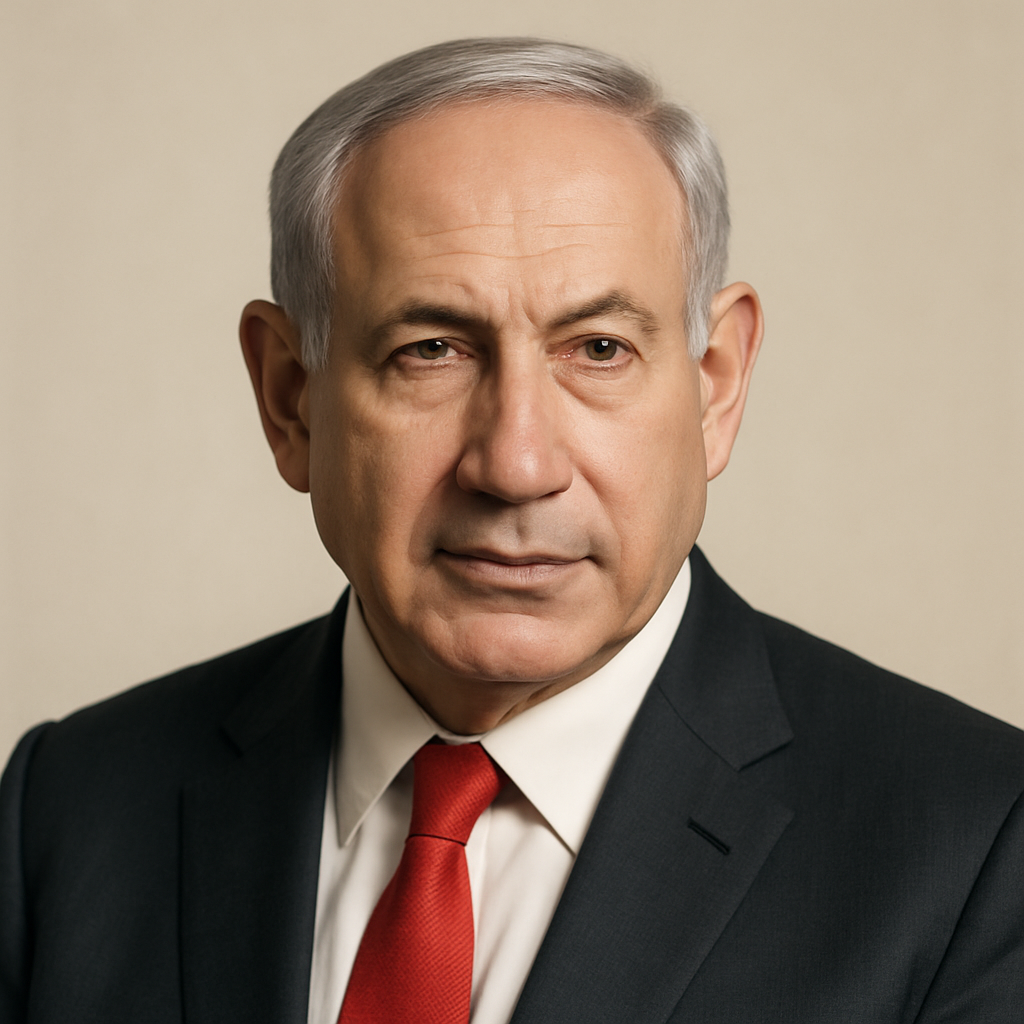
Prime Minister Netanyahu's speech during a special session held by the Knesset to honor the Czech President.
 Benjamin Netanyahu · Prime Minister of Israel
- Context
- Netanyahu addressed a special Knesset session on November 26, 2018, honoring visiting Czech President Miloš Zeman with a speech on bilateral ties and regional affairs.
- Main themes
- Israel-Czech relations, extremist Islam, UN Human Rights Council bias against Israel, Israel-Arab world normalization, Palestinian conflict, Visegrad Group cooperation, Israeli optimism and strength, immigration and people-to-people ties, free world and democracy
- Duration
- ~6 min
- Words
- 774
- Sentences
- 35
- Readability
- 48
- Grade
- 11.8
- Syntax
- 3.17
- Vocabulary
- 2.25
Translated from Arabic
The broad sphere of national life a sentence belongs to. Every sentence has an Arena, so it is the denominator the other indices are read against.
Other35 sentences in 6 paragraphs
You had the "Prague Spring" while we have the "Arab Spring." In both cases, the immediate hopes for freedom and progress were not realized as expected.
Today, we face the threats of extremist Islam with all our strength. It is not merely a local struggle that we and our neighbors are engaged in; Israel is a frontline position for the free world in the battle to ensure freedom and enlightenment for the entire world. Unfortunately, there are still those who have become accustomed to directing automatic criticism at Israel alone—while it seeks to defend itself from our common enemies. This is unparalleled hypocrisy. Extremist Islam is tearing apart nations, slaughtering hundreds of thousands of people, and causing millions of refugees to flee from the Middle East, and instead of condemning and denouncing the bloodthirsty fanatics, the United Nations Human Rights Council prefers time and again to condemn Israel alone—the only democracy in the Middle East. I could speak about this at length, but I believe you are capable of doing so instead of me, as I listened to you when we met at AIPAC and other places. You are more capable of that than I am.
Despite everything, dear Mr. President, I am optimistic. Our relations with countries around the world are experiencing unprecedented prosperity. Loyal friends like you do not remain silent but rather spread the good news of the truth without hesitation. The Czech Republic, under your leadership, belongs to the Visegrad Group, with which our relations are strengthening. I take pride in being one of the few leaders from abroad who was invited as the Prime Minister of Israel to attend the Visegrad Conference held last year. We intend to host the conference in Israel next year. There is another promising source from which we can draw encouragement, namely that our relations with moderate countries in the Arab and Islamic world are becoming closer and closer. This is happening not only in secret but also publicly, as evidenced by my recent visit to the Sultanate of Oman and the visit of the Chadian president to Israel yesterday. There is great hope here for the future and great hope for peace. For years, it has been customary to say that rapprochement between Israel and the Arab world can only occur after peace is achieved with the Palestinians. But the reality proves that our cooperation with leading countries in the Arab and Islamic world, rather than with others, is what can contribute to resolving the conflict with our neighbors. Achieving peace with the Palestinians is a worthy goal in itself, and undoubtedly progress in this path will benefit our relations with Arab countries, but it does not guarantee their continuation. The truth is that relations with Arab countries that were woven in the aftermath of the Oslo Accords were severed due to Palestinian stubbornness and terrorism. The truth is that our relations with Arab and Islamic countries are being renewed in the absence of a peaceful process with the Palestinians, which indicates that relations with the Arab world based on Israel's strength and being an asset are much stronger and more resilient.
For decades, we have not conditioned the development of the state on achieving peace with the Arab world, and today we do not condition the development of our relations with the Arab world on reaching peace with the Palestinians. We will seek peace with everyone, and we will move forward with any of our neighbors and countries in the region that are interested in peace—and let me tell you, Mr. President, many are interested in that.
My dear friends, immigrants from the Czech Republic have had a tangible impact on the growth of our country. As proud citizens, they contribute to bridging the gaps between our two nations. A massive number of Israeli tourists visit the beautiful Czech Republic every year, as it is truly beautiful. However, they form a human bridge that enhances this kinship. As they walk across the Charles Bridge in Prague from one end to the other, the meaning of connecting the old and the new, the ancient and the modern, becomes clear. It is the essence of the story of Israeli-Czech relations—past kinship, present brotherhood, and future hope.
I thank you from the bottom of my heart, Mr. President, my friend Miloš, for your contribution to strengthening our alliance. I thank you for being a true friend to me and to the State of Israel. On behalf of all Israeli citizens, I extend to you a warm blessing of thanks to you and to the members of your delegation. Welcome to Zion, and welcome to Jerusalem.
The original Arabic. The tags above are read on the English translation's sentences.
. وقد كان لديكم "ربيع براغ" بينما نحن لدينا "الربيع العربي". ففي هتين الحالتين لم تتحقق الآمال الفورية في نيل الحرية والتقدم كما كان يُتوقع.
إننا نواجه اليوم بكامل قوتنا تهديدات الإسلام المتطرف. إنه ليس مجرد صراع محلي نخوضه نحن ويخوضه وجيراننا، فإسرائيل عبارة عن موقع أمامي للعالم الحر في المعركة لضمان الحرية والتنوير في العالم برمته. للأسف ما زال هناك الذين يتعودون على توجيه انتقادات تلقائية لإسرائيل دون غيرها – بينما تلتمس الدفاع عن نفسها من أعدائنا المشتركين. إن ذلك عبارة عن نفاق لا مثيل له. فالإسلام المتطرف يمزق الدول، ويذبح مئات الآلاف من الناس، ويتسبب بفرار ملايين اللاجئين من الشرق الأوسط، وبدلاً من شجب واستنكار المتعصبين المتعطشين للدماء، مجلس حقوق الإنسان الأممي يفضل المرة تلو الأخرى استنكار إسرائيل دون غيرها – والديمقراطية الوحيدة في الشرق الأوسط. يمكنني التحدث عن ذلك باستفاضة ولكن أعتقد بأنك قادر على القيام بذلك عوضًا عني فاستمعت إليك عندما التقينا في إيباك وغيرها من الأماكن. وأنت أقدر على ذلك مني.
ورغم كل شيء، يا فخامة الرئيس العزيز، إنني متفائل. فعلاقاتنا مع دول العالم تشهد ازدهارًا غير مسبوق. والأصدقاء المخلصون مثلكم لا يلتزمون الصمت وإنما يبثون دون تردد بشرى الحقيقة. فالتشيك تحت قيادتكم تنتمي إلى مجموعة فيشجراد، التي تتوطد علاقاتنا معها. إنني أفتخر بكوني أحد الزعماء الوحيدين من الخارج الذين تم استدعاؤهم بصفتي رئيس الحكومة الإسرائيلية لحضور مؤتمر فيشجراد الذي عُقد العام الماضي. حيث ننوي استضافة المؤتمر في إسرائيل العام المقبل. ويوجد مصدر آخر واعد يمكننا أن نستمد التشجيع منه مفاده أن علاقاتنا مع الدول المعتدلة في العالم العربي والإسلامي تصبح متقاربة أكثر فأكثر. إذ لا يتم هذا الأمر في الخفاء فقط بل أيضًا بصورة علنية، كما تدل زيارتي الأخيرة لسلطنة عمان، وزيارة الرئيس التشادي لإسرائيل أمس. ويكمن هنا أمل كبير بالنسبة للمستقبل وأمل كبير بالنسبة للسلام. طيلة السنوات راج العرف بأنه لا يمكن حدوث تقارب بين إسرائيل والعالم العربي إلا بعد أن يتم التوصل إلى سلام مع الفلسطينيين. ولكن الواقع يثبت أن تعاوننا مع الدول الرائدة في العالم العربي والإسلامي دون غيره هو الذي من شأنه أن يساهم في حل النزاع مع جيراننا. إن التوصل للسلام مع الفلسطينيين هو هدف جدير بحد ذاته، ولا شك أن إحراز تقدم في هذا المسار سيفيد علاقاتنا مع الدول العربية, ولكنه لا يشكل ضمانة لاستمرارها. والحقيقة هي أن العلاقات مع الدول العربية التي حيكت في أعقاب اتفاقيات أوسلو، انقطعت بفعل التعنت والإرهاب الفلسطينيين. والحقيقة هي أن علاقاتنا مع الدول العربية ودول العالم الإسلامي تتجدد بغياب عملية سلمية مع الفلسطينيين مما يدل على أن العلاقات مع العالم العربي المبنية على قوة إسرائيل وكونها ذخرًا، هي أقوى وأمتن إلى حد كبير.
طوال عشرات السنين لم نشترط تطوير الدولة بتحقيق السلام مع العالم العربي، واليوم لا نشترط تطويرعلاقاتنا مع العالم العربي بالتوصل إلى سلام مع الفلسطينيين. سنبحث عن سلام مع الجميع، وسنمضي قدما مع أي من جيراننا ودول المنطقة المعنيين بالسلام – ودعوني أقول لك يا فخامة الرئيس ‘ن الكثيرين معنيون بذلك.
يا أعزائي، لقد أثر المهاجرون من التشيك على نمو بلادنا تأثيرًا ملموسًا. وبصفتهم مواطنين أبيين، هم يساهمون في مد الجسور بين كلا دولتينا. حيث تزور أعداد ضخمة من السياح الإسرائيليين التشيك الجميلة كل سنة، حيث أنها جميلة حقًا. ومع ذلك، إنهم يشكلون جسرًا بشريًا، يزيد من صلة القرابة هذه. وبمرورهم فوق جسر كارل ببراغ من طرفه الأول إلى طرفه الآخر، يتضح معنى الربط بين القديم والجديد، وبين العتيق والحديث. إنها خلاصة قصة العلاقات الإسرائيلية التشيكية – ماضي القرابة وحاضر الأخوة ومستقبل الأمل.
إنني أشكركم من صميم قلبي، يا فخامة الرئيس، صديقي ميلوش، على مساهمتكم في تعزيز تحالفنا. وأشكركم على كونكم صديقًا حقيقيًا لي ولدولة إسرائيل. فباسم جميع المواطنين الإسرائيليين أتوجه إليكم ببركة الشكر الحار لكم ولأفراد الوفد الذين يرافقونكم. مرحبًا بكم في صهيون، ومرحبًا في أورشليم