




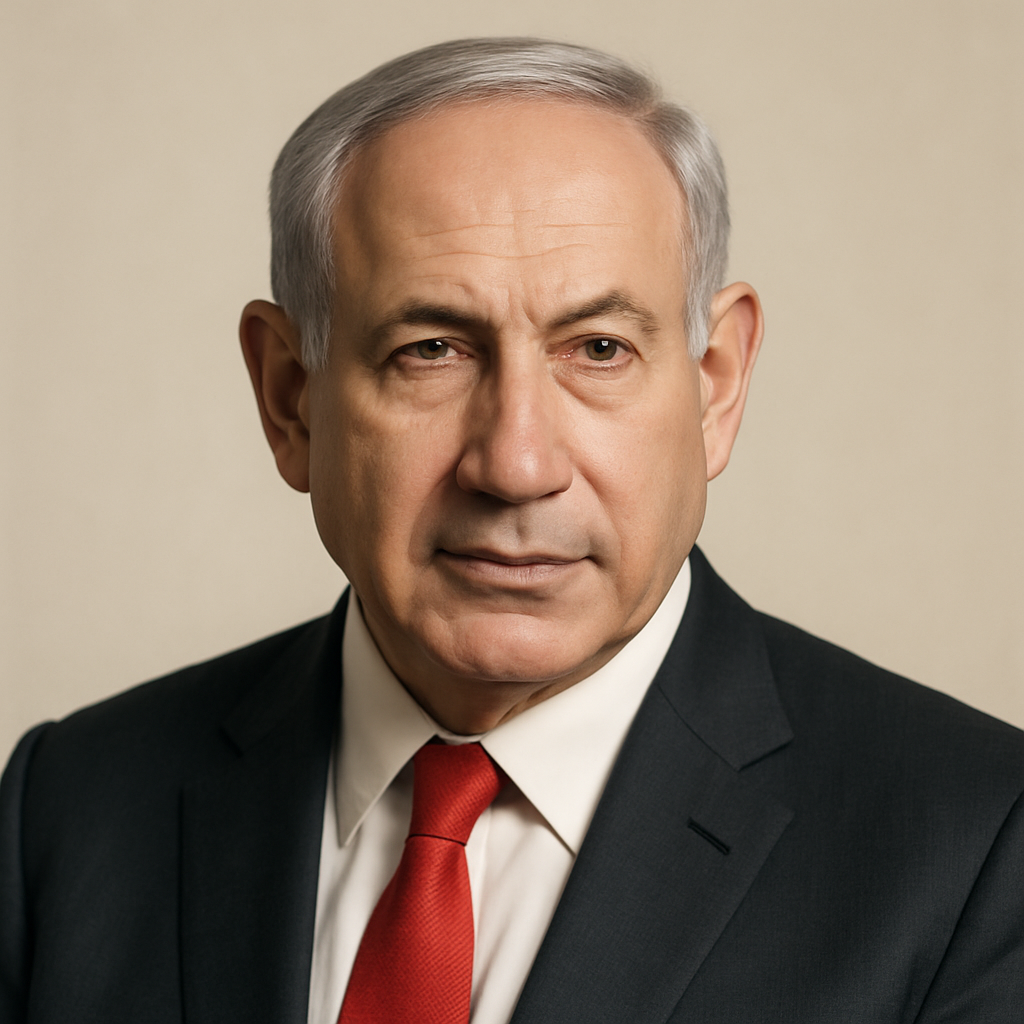
The words of Prime Minister Netanyahu at the state ceremony "For Every Person There is a Name" marking Holocaust Remembrance Day and Heroism in the Knesset.
 Benjamin Netanyahu · Prime Minister of Israel
- Context
- Netanyahu addressed the Knesset state ceremony 'For Every Person There is a Name' on Holocaust Remembrance Day 2021, commemorating Jewish victims of the Holocaust.
- Main themes
- Holocaust remembrance, victims' names and memory, Jewish communities destroyed in Poland, family loss and personal testimony, Knesset state ceremony, Nazi atrocities, preservation of Jewish heritage, intergenerational memory, will and legacy of survivors
- Duration
- ~4 min
- Words
- 473
- Sentences
- 33
- Readability
- 74
- Grade
- 6.4
- Syntax
- 2.66
- Vocabulary
- 2.79
Translated from Hebrew
The broad sphere of national life a sentence belongs to. Every sentence has an Arena, so it is the denominator the other indices are read against.
Other33 sentences in 9 paragraphs
"The Sandlers" arrived at the site of the Novardok-Dasha yeshiva. An elderly Polish man, who did not know who they were, brought them a photograph and said: 'Here is a photograph of my father who stood in this place.' And so they saw the picture of the Novardok yeshiva in Mizeritch, of which not a trace remains.
From there they went to Tarnogrod. Tarnogrod was the city of the family, the family of Samuel's grandfather. He used to travel there every summer. Tarnogrod was also primarily a Jewish city. Nothing remains. Not a single structure of the synagogue, which the SS and the Gestapo used as a stable. There is a niche for the Ark of the Covenant, and there one can see the marks of the bullets from the shooting ranges they would enjoy on the Ark of the Covenant.
From Tarnogrod they went to a grove by the river where there is a memorial for the Jews of Tarnogrod who were slaughtered. Another elderly Polish man came and said: 'I was a child and I saw how day after day the Nazis would bring the Jews and slaughter them here.' Among them, of course, was Samuel's family.
When they arrived in Bilgoraj, there was nothing left, as the city was completely destroyed in the war. His birthplace and also the city where Isaac Bashevis Singer grew up, and Samuel himself, who is known to you. A world that was destroyed. So he exists in books, in this ceremony, in memories, in the hearts of our people.
Samuel wished to commemorate him in another way; he commanded us in his will that the names I will now read be engraved on his grave and they adorn his grave.
Here are the names: From Bilgoraj in Poland, which was completely annihilated in the Holocaust: His father (my wife's grandfather) Moshe Hon (son of Ze'ev Hon). His wife: Ita Hon. His twin sister: (of my father-in-law) Yehudit bat Moshe Hon, age 24. Shmuel did not stop crying until the day before his death. The brothers: Meir Dov Hon, age 18. Shimon Tzvi Hon, age 16. Aryeh (Leib) Hon, age 13. And his little sister: Piselah Hon, age 10.
From the town of Tarnogrod: His aunt (father's sister) – Matal Konigshtain and her son Hillel ben Yitzhak and her eldest daughter, (daughter of Ze'ev Hon). The uncle – Mendel Hon, his wife and their two children.
From the town of Bilgoraj: Uncle Avraham Tauber, his wife, his daughter and son. Aunt Rachel Tauber, her three sons: Avraham, Yaakov and Shlomo, their wives and children. Aunt Hindah and her husband Yitzhak. Aunt Hendel, her husband and their children. Aunt Pala and her two daughters.
May the memory of all our brothers and sisters who perished in the Holocaust be engraved forever in our souls and memories.
The original Hebrew. The tags above are read on the English translation's sentences.
וה״הסנדלרים". הגיעו למקום של ישיבת נוברדוק-דשא. רואה אותם פולני קשיש שלא ידע מי הם, והביא להם צילום ואומר: 'הנה צילום של אבי שעמד במקום הזה'. וכך הם רואים את תמונת ישיבת נוברדוק במיזריץ׳ שלא נשאר ממנה זכר.
משם הלכו לטארנוגרוד. טארנוגרוד היתה העיר של המשפחה, משפחת סבא של שמואל. שהיה נוסע לשם כל קיץ. טארנוגרוד גם היא היתה עיר יהודית בעיקרה. לא נשאר כלום. לא נשאר מבנה אחד של בית הכנסת שהאס אס והגסטאפו השתמשו בו כאורווה. יש גומחה של ארון הקודש ושם רואים את סימני הכדורים מהמטווחים שהיו עושים להנאתם על ארון הקודש.
מטארנוגרוד הם הלכו לחורשה ליד הנהר ששם יש גלעד ליהודי טארנוגרוד שנטבחו. ובא פולני נוסף, קשיש שאמר: 'הייתי ילד וראיתי איך יום יום הנאצים היו מביאים את היהודים ושוחטים אותם כאן'. ביניהם כמובן משפחתו של שמואל.
כשהגיעו לבילוגריי, לא היה שום דבר, משום שהעיר הושמדה כליל במלחמה. עיר הולדתו וגם העיר שבה גדל בשביס זינגר, ושמואל עצמו שמוכר לכם. עולם שחרב. אז הוא קיים בספרים, בטקס הזה, בזכרונות, בלבבות עמנו.
שמואל ביקש להנציח אותו בדרך נוספת, הוא ציווה עלינו בצוואתו שהשמות שאקריא עכשיו יהיו חקוקים על קברו והם עוטרים את קברו.
הנה השמות: מבילגוריי שבפולין, שנספתה כולה בשואה: אביו (סבה של אשתי) משה הון (בן זאב הון). אשתו: איטה הון. אחותו התאומה: (של חמי) יהודית בת משה הון, בת 24. שמוליק לא הפסיק לבכות עד יום לפני מותו. האחים: מאיר דוב הון, בן 18. שמעון צבי הון, בן 16. אריה (לייב) הון, בן 13. ואחותו הקטנה: פיסלה הון, בת 10.
מהעיירה טארנוגרוד: דודתו (אחות האבא) – מאטל קניגשטיין ובנה הילל בן יחזקאל ובתה הבכורה, (בת זאב הון). הדוד – מנדל הון, אשתו ושני ילדיהם.
מהעיירה בילגוריי: הדוד אברהם טאובר, אשתו, ביתו ובנו. הדודה רחל טאובר, שלושת בניה: אברהם, יעקב ושלמה, נשותיהם וילדיהם. הדודה הינדה ובעלה יחזקאל. הדודה הנדל, בעלה וילדיהם. הדודה פאלה ושתי בנותיה.
יהי זכרם של כל אחינו ואחיותנו שנספו בשואה חקוק לעד, בנפשנו וזכרוננו