




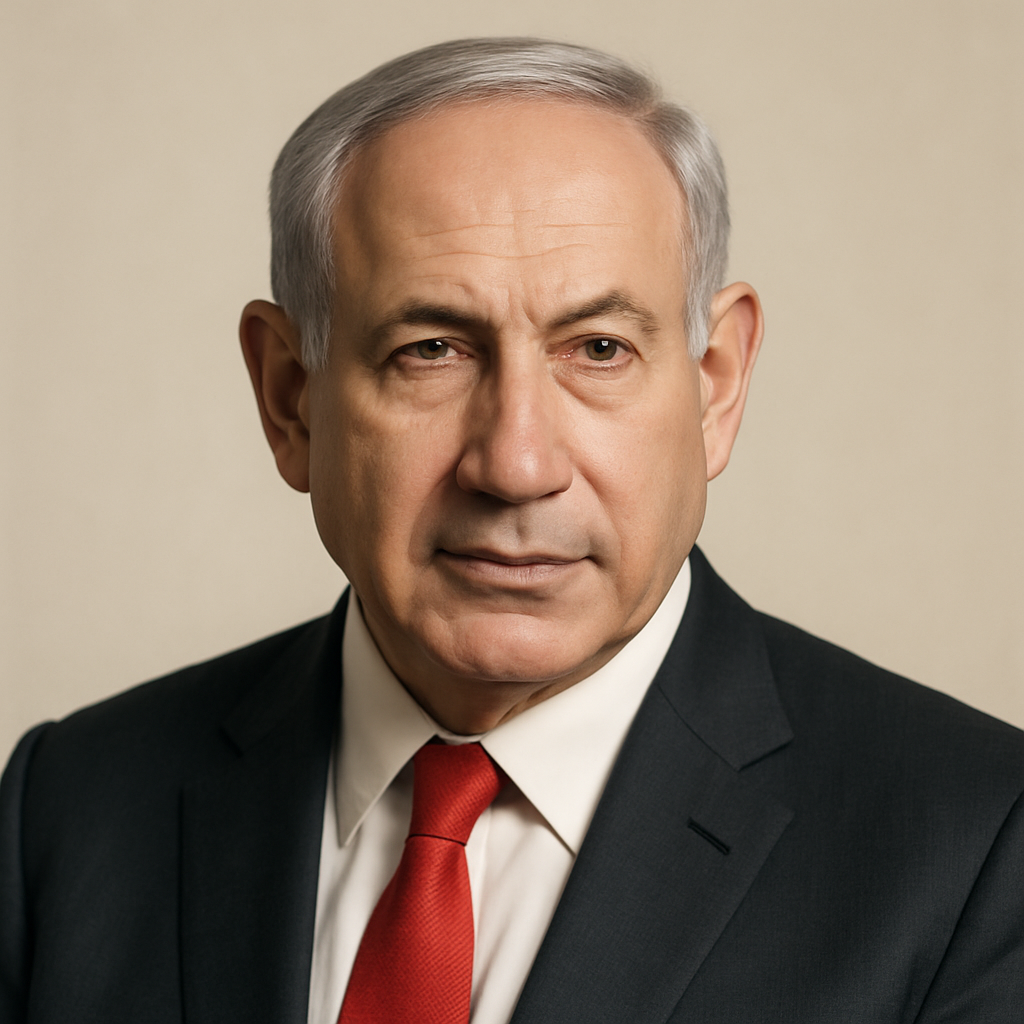
The words of Prime Minister Netanyahu at the state memorial ceremony for Leah and Yitzhak Rabin, may their memory be blessed.
 Benjamin Netanyahu · Prime Minister of Israel
- Context
- Netanyahu addressed the state memorial ceremony for Leah and Yitzhak Rabin on November 10, 2019, defending his opposition record and calling for national unity.
- Main themes
- Yitzhak Rabin's legacy, political legitimacy and criticism, Oslo Accords debate, incitement and political violence, national unity government, democracy and free speech, false accusations against opposition, healing national rifts, Israeli democracy
- Duration
- ~8 min
- Words
- 901
- Sentences
- 46
- Readability
- 52
- Grade
- 10.8
- Syntax
- 3.03
- Vocabulary
- 2.27
Translated from Hebrew
The broad sphere of national life a sentence belongs to. Every sentence has an Arena, so it is the denominator the other indices are read against.
Other46 sentences in 12 paragraphs
Chaim, Chief of Staff during the Six-Day War, Israel's Ambassador to the United States. Rabin believed that we should give the Oslo process a chance.
As the leader of the opposition at that time, I too acted according to my conscience. I represented the view that said: we must not hand over territories to the Palestinians that will serve as launching pads for attacks against us, especially when they refuse to recognize the right of the State of Israel to exist as the nation-state of the Jewish people. The debate was substantive, it was intense, above all it was legitimate. And I say - it was necessary. What was not legitimate was to label Yitzhak Rabin as a 'traitor' or 'murderer.' That was not legitimate at all.
Over the years since the assassination, I have heard the false claim that when a fanatical member of the camp opposing Oslo called Yitzhak Rabin that, and by the way, there are delirious calls in every camp and they should be condemned and denounced. This has always continued, even today.
But when I hear the claim that a fanatical member of the camp called Yitzhak Rabin 'I stood by, I was silent, I did not respond, I even encouraged.' I have heard these words here, by the grave of Yitzhak Rabin, explicitly and implicitly at almost every memorial. But a lie that is repeated many times does not become the truth. Here is what I said then from countless platforms - no, Rabin is not a traitor, he is mistaken but he is not a traitor.
We are dealing with political opponents, not enemies, we are members of one people. At the demonstration in Zion Square, I said - 'not with these calls, calm down, not with these calls.' In the Knesset, a month before the assassination, I said - this phenomenon of labeling Israeli leaders as 'murderers or 'traitors,' Rabin the murderer,' 'Begin the murderer,' 'Sharon the murderer.' These are things that have always been unacceptable and we condemn them wholeheartedly. And I added - what we all need to do together is to stand against these phenomena and against any attempt to stain the public sitting here with the stains of that small and extreme minority, and there are many more examples from countless.
Although I had great respect for Yitzhak Rabin, and I do not say this superficially, I disagreed with him. I had a sharp dispute with him - and by the way, not on every issue. When he signed the peace agreement with Jordan 25 years ago, I supported him with warm words, but regarding the Oslo Accords - yes, I represented a very large part of the people that opposed the political outcomes of the government, which harshly criticized the government.
In a democracy, it is permissible, even necessary, to criticize. There is no entity that is above criticism, and I say this also in light of the issues that are in the headlines today. Criticism is not a danger to democracy. There is no basis for these artificial cries of crisis. The relations between the three branches are solid. The Knesset legislates, the government executes, and the court judges. It maintains and will maintain its independent status, which rightly receives praise in the international community.
But I am not only talking about criticism. Twenty-four years ago, another thing happened. An attempt to deliberately associate an entire camp with the actions of the extreme fringes. After all, calls of 'traitor' and 'betrayal' and calls for murder are still heard today, but it does not occur to me that anyone would blame the entire camp from which these calls come. We need to understand precisely what the dividing line is. The moment any citizen moves from a political dispute, as stormy as it may be, to incitement to murder their opponents - they cross the line that separates legitimate public debate from a heinous act. In the same way, accusing political opponents of incitement to murder due to their strong opposition to any political position - is a clear anti-democratic act that harms freedom of speech.
And unfortunately, this is what happened after the assassination, when various circles mobilized to pin the responsibility for the crime on half the nation. I say with all my heart: these accusations, as long as they continue, only deepen, only perpetuate the rift - they do not heal it.
My esteemed colleagues, what we need today is to heal this. What we need today, and this is evident in light of the results of the recent elections, is broad action in joint forces to unite the people. I call on my colleagues in the political system to establish together, as soon as possible, a broad national unity government.
Yitzhak Rabin was a member of such a government twice in the 1980s. Rabin understood that this was a necessity of the hour, in light of the great challenges we faced, and this is what needs to be done today, in light of the great challenges we are facing.
Yitzhak Rabin contributed greatly to the State of Israel and the Jewish people, and Yitzhak Rabin fell in an act that should be etched in our memory as a constant warning. For these two reasons - his act and the significance of his assassination. Yitzhak Rabin will be remembered in the heart of the nation forever.
The original Hebrew. The tags above are read on the English translation's sentences.
ח, רמטכ"ל מלחמת ששת הימים, שגריר ישראל בארצות הברית. רבין האמין שצריך לתת סיכוי לתהליך אוסלו.
גם אני כמנהיג האופוזיציה באותם ימים, גם אני פעלתי על פי צו מצפוני. אני ייצגתי את הגישה שאמרה: אסור למסור לפלסטינים שטחים שישמשו אותם כבסיסי תקיפה נגדנו, בייחוד כשהם מסרבים להכיר בזכות קיומה של מדינת ישראל כמדינת-הלאום של העם היהודי. הוויכוח היה מהותי, הוא היה תקיף, מעל הכל הוא היה לגיטימי. ואני אומר - הוא היה הכרחי. מה שלא היה לגיטימי הוא לכנות את יצחק רבין 'בוגד' או 'רוצח'. זה לא היה לגיטימי בעליל.
לאורך השנים שעברו מאז הרצח, אני שומע את הטענה הכוזבת, לפיה כשחבר קנאים מתוך המחנה שהתנגד לאוסלו קרא כך ליצחק רבין, ואגב יש קריאות סהרוריות בכל מחנה וצריך לגנות אותן ולהוקיע אותן. זה תמיד נמשך, גם היום.
אבל כשאני שומע את הטענה שחבר קנאים מתוך המחנה קרא כך ליצחק רבין ׳אני עמדתי בצד, שתקתי, לא הגבתי, אפילו עודדתי.' שמעתי את הדברים גם פה, ליד קברו של יצחק רבין, בצורה מפורשת ומרומזת כמעט בכל אזכרה. אבל שקר שחוזרים עליו פעמים רבות אינו הופך לאמת. הנה מה שאמרתי אז מעל אינספור במות – לא, רבין הוא לא בוגד, הוא טועה אבל הוא אינו בוגד.
יש לנו עסק עם יריבים פוליטיים, לא עם אויבים, אנחנו בני עם אחד. בהפגנה בכיכר ציון אמרתי – ‘לא עם הקריאות האלה, תירגעו, לא עם הקריאות האלה.' בכנסת, חודש לפני הרצח אמרתי – התופעה הזאת של כינוי מנהיגי ישראל בתואר 'רוצחים או 'בוגדים', רבין רוצח', 'בגין רוצח', 'שרון רוצח'. אלה דברים שהיו פסולים תמיד ואנחנו מגנים זאת בכל פה. והוספתי – מה שעלינו לעשות כולנו יחד הוא להתייצב נגד התופעות הללו ונגד כל ניסיון להכתים את הציבור שיושב כאן בכתמים של אותו קומץ קטן וקיצוני, ויש עוד הרבה מאוד דוגמאות רבות מאינספור.
למרות שכיבדתי מאוד את יצחק רבין, ואינני אומר זאת מן השפה אל החוץ, חלקתי עליו. ניהלתי איתו פולמוס חריף – ואגב, לא בכל נושא. כשהוא חתם על הסכם השלום עם ירדן לפני 25 שנים, גיביתי אותו במילים חמות, אבל ביחס להסכמי אוסלו – כן, אני ייצגתי חלק גדול מאוד בעם שהתנגד לתוצאות המדיניות של הממשלה, שביקר קשות את הממשלה.
בדמוקרטיה מותר, אפילו הכרחי, למתוח ביקורת. אין אף גורם שהוא מעל הביקורת, ואני אומר זאת גם על רקע הנושאים שבכותרות היום. ביקורת איננה סכנה לדמוקרטיה. אין שום בסיס לקריאות השבר המלאכותיות הללו. היחסים בין שלוש הרשויות איתנים. הכנסת מחוקקת, הממשלה מבצעת ובית המשפט שופט. הוא שומר וישמור על מעמדו העצמאי שזוכה בצדק לשבחים בקהילה הבינלאומית.
אבל אני לא מדבר רק על ביקורת. לפני 24 שנים קרה דבר נוסף. ניסיון לשייך במזיד למחנה שלם את מעשה השוליים הקיצוניים. הרי קריאות כאלה של 'בוגד' ו'בגידה' וקריאות לרצח נשמעות גם היום, אבל לא עולה על דעתי שמישהו יאשים בכך את כל המחנה שמתוכו יוצאים קריאות אלה. צריך להבין במדויק מה הוא הקו המפריד. ברגע שאזרח כלשהו עובר מפולמוס פוליטי, סוער ככל שיהיה, להטפה לרצח יריביו – הוא חוצה את הקו שמפריד בין ויכוח ציבורי לגיטימי לפעולה נפשעת. באותה מידה, האשמת יריבים פוליטיים בהסתה לרצח בשל התנגדותם החריפה לעמדה פוליטית כלשהי – היא פעולה אנטי-דמוקרטית מובהקת, שפוגעת בחופש הדיבור.
ולצערי זה מה שקרה אחרי הרצח, כשחוגים שונים התגייסו להדביק למחצית העם את האחריות לפשע. אני אומר בדם לבי: ההאשמות הללו, במידה שהן נמשכות, רק מעמיקות, רק מנציחות את השסע – הן לא מרפאות אותו.
מכובדיי, מה שדרוש לנו היום זה לרפא את זה. מה שדרוש לנו היום, וזה מובהק לאור תוצאות הבחירות האחרונות, הוא פעולה רחבה בכוחות משותפים לאחד את העם. אני קורא לעמיתיי במערכת הפוליטית להקים יחד, בהקדם, ממשלת אחדות לאומית רחבה.
יצחק רבין היה חבר בממשלה כזאת פעמיים בשנות ה-80. רבין הבין שמדובר בצורך השעה, לאור האתגרים הגדולים איתם התמודדנו, וזה מה שצריך לעשות גם היום, לאור האתגרים הגדולים שאיתם אנחנו מתמודדים.
יצחק רבין תרם רבות למדינת ישראל ולעם ישראל, ויצחק רבין נפל במעשה שצריך להיחרט בזיכרון עמנו כאזהרה תמידית. משתי הסיבות הללו - המעשה שלו ומשמעות רציחתו. יצחק רבין ייזכר בלב האומה לעד.