




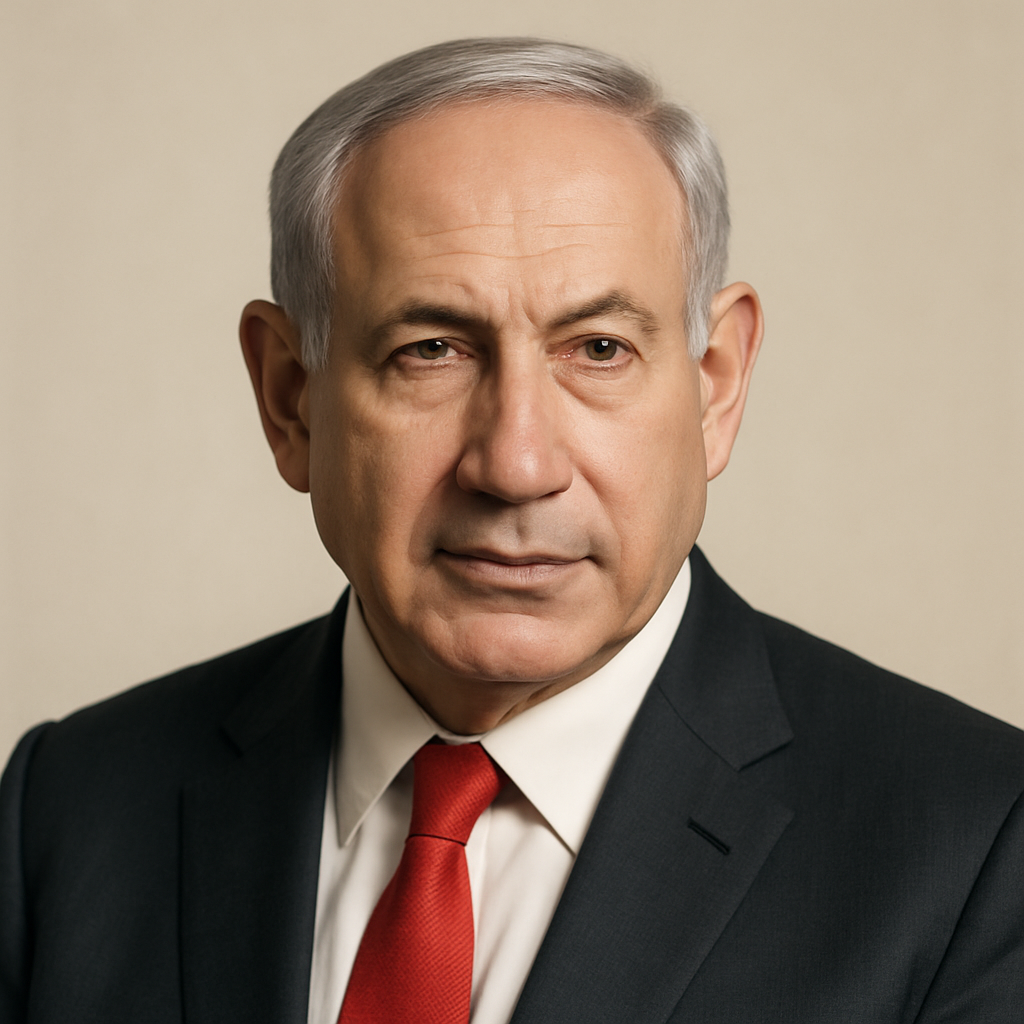
The words of Prime Minister Netanyahu at the state memorial ceremony for Ze'ev Jabotinsky, may his memory be blessed, at Mount Herzl.
 Benjamin Netanyahu · Prime Minister of Israel
- Context
- Netanyahu spoke at the state memorial ceremony for Ze'ev Jabotinsky at Mount Herzl on August 1, 2019, honoring the Zionist leader's legacy.
- Main themes
- Ze'ev Jabotinsky's legacy, iron wall doctrine, Israel's military strength, missile defense systems, Arrow 3 interception system, Iran and Hezbollah threat, counter-terrorism, political strength and pressure doctrine, Zionist ideology, aliyah and Jewish homeland, Gaza security operations, geopolitical alliances
- Duration
- ~3 min
- Words
- 378
- Sentences
- 24
- Readability
- 61
- Grade
- 8.6
- Syntax
- 2.73
- Vocabulary
- 2.25
Translated from Hebrew
The broad sphere of national life a sentence belongs to. Every sentence has an Arena, so it is the denominator the other indices are read against.
Other24 sentences in 5 paragraphs
In Canada, and from other countries. They understand that Israel is a real home, a warm home – their home. That their future is here. Thirdly, Jabotinsky established another principle that is familiar to you – the establishment of an iron wall against those who seek our lives.
Here there is a renewal – now the iron wall is recognized even in Alaska. At the beginning of the week, we were informed of the success of the tests there – of the Arrow 3 interception system. This is a tremendous achievement that will allow us to act against ballistic missiles aimed at us – from Iran and also from other places. We are systematically nurturing Israel's iron wall – our military, intelligence, and technological strength, both in defense and in attack. This strength begins below ground – with the destruction of the terror tunnels of our enemies – and it reaches beyond the atmosphere.
We are defending ourselves all the time. In the south, yesterday, a terrorist from Gaza attempted to harm Israel and was eliminated by our forces. I send on your behalf, in the name of the people of Israel, wishes for recovery to the injured. At the same time, we are also fighting on other fronts – in the north we are acting against Iran and Hezbollah, and you are hearing about this even these days. This is the iron wall.
There is also a fourth principle, of utmost importance – Jabotinsky's doctrine of pressure, which I want to elaborate on further. Jabotinsky emphasized, and we follow in his footsteps, that military strength must be accompanied by the cultivation of political strength. He believed that in the field of statesmanship there are no mere friendships; there is pressure of interests and pressure of public opinion. The degree of pressure we exert in both areas directly affects the willingness to confront us or to forge alliances with us. One confronts the weak, not the strong. One forges alliances with the strong, not with the weak.
Pressure exerted in one direction has a response – counter-pressure. If you are being pressured, you will find ways to push back – with skill, determination, and audacity. Jabotinsky applied this in practice. Ninety years ago, the 1929 riots took place.
The original Hebrew. The tags above are read on the English translation's sentences.
ב, מקנדה, ממדינות נוספות. הם מבינים שישראל היא בית אמיתי, בית חם – בית שלהם. שהעתיד שלהם נמצא כאן. שלישית, ז'בוטינסקי קבע עיקרון נוסף שמוכר לכם – העמדת קיר ברזל אל מול מבקשי נפשנו.
כאן יש חידוש – עכשיו קיר הברזל מוכר גם באלסקה. בתחילת השבוע התבשרנו על הצלחת הניסויים שם – של מערכת היירוט 'חץ 3'. זהו הישג אדיר שיאפשר לנו לפעול נגד טילים בליסטיים שיכוונו נגדנו – מאיראן וגם ממקומות אחרים. אנו מטפחים בשיטתיות את קיר הברזל של ישראל – את עוצמתנו הצבאית, המודיעינית והטכנולוגית, הן בהגנה והן בהתקפה. עוצמה זו מתחילה מתחת לפני הקרקע – בהרס מנהרות הטרור של אויבינו – והיא מגיעה אל מחוץ לאטמוספירה.
אנחנו מגינים על עצמנו כל הזמן. בדרום, אתמול, ניסה מחבל מעזה לפגע בישראל והוא חוסל על ידי כוחותינו. אני שולח בשמכם, בשם עם ישראל, איחולי החלמה לפצועים. בה בעת אנו נלחמים גם בחזיתות אחרות – בחזית הצפון אנו פועלים נגד איראן וחיזבאללה, ואתם שומעים על כך גם בימים אלה. זהו קיר הברזל.
יש גם עיקרון רביעי, חשוב מאין כמותו – תורת הלחץ של ז'בוטינסקי, שעליה אני רוצה להתעכב ביתר הרחבה. ז'בוטינסקי עמד על כך, ואנו בעקבותיו, שאת העוצמה הצבאית יש ללוות בטיפוח של עוצמה מדינית. הוא האמין שבשדה המדינאות אין סתם ידידות; יש לחץ של אינטרסים ולחץ של דעת קהל. מידת הלחץ שנפעיל בשני התחומים משפיעה ישירות על הנכונות להתעמת איתנו, או לכרות איתנו בריתות. מתעמתים עם החלשים, ולא עם החזקים. כורתים בריתות עם החזקים, ולא עם החלשים.
ללחץ שמופעל בכיוון אחד יש מענה – לחץ נגדי. אם לוחצים אותך, תמצא דרכים ללחוץ בחזרה – בכישרון, בנחישות, בתעוזה. ז'בוטינסקי יישם זאת הלכה למעשה. לפני 90 שנה התחוללו פרעות תרפ