




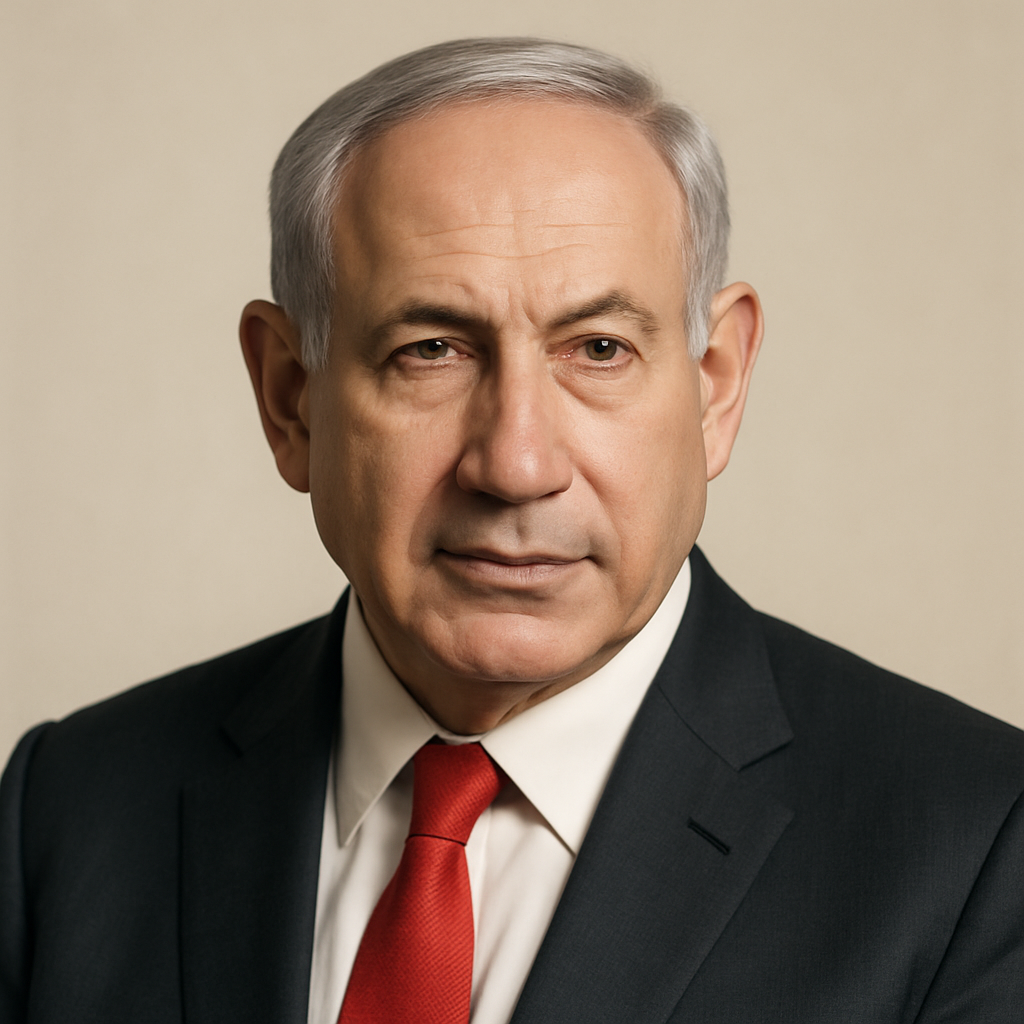
The words of Prime Minister Netanyahu at the state memorial ceremony for Ze'ev Jabotinsky, may his memory be a blessing, at Mount Herzl.
 Benjamin Netanyahu · Prime Minister of Israel
- Context
- Netanyahu addressed a state memorial ceremony for Ze'ev Jabotinsky at Mount Herzl on August 4, 2024, invoking Jabotinsky's doctrines in the context of post-October 7 war.
- Main themes
- Jabotinsky's Iron Wall doctrine, military strength and deterrence, October 7 terrorist attack, Iran and regional threats, multi-front warfare, counter-pressure doctrine, resistance to political pressure, peace through strength, Israeli sovereignty and homeland, Middle East security
- Duration
- ~3 min
- Words
- 387
- Sentences
- 22
- Readability
- 58
- Grade
- 9.2
- Syntax
- 2.76
- Vocabulary
- 2.33
Translated from Hebrew
The broad sphere of national life a sentence belongs to. Every sentence has an Arena, so it is the denominator the other indices are read against.
Other22 sentences in 6 paragraphs
The fundamental principles of Jabotinsky's doctrine, which were formulated between the two world wars, continue to guide us. However, since the monstrous terrorist attack on October 7, we are updating these principles as a derivative of the nature of the campaign.
First, as you said, Mr. President, the principle of the 'Iron Wall': nurturing military capability that will establish our existence in our land, and that will make those who seek our lives understand that they will not uproot us from our homeland. Jabotinsky applied this principle to the Arabs of the Land of Israel, while we expand it to all parts of the Middle East.
Iran and its agents seek to encircle us with a stranglehold of terror on seven fronts. Their open aggression knows no bounds. But Israel is not orphaned: we are determined to stand against them on every front, in every arena, far and near. Anyone who murders our citizens, anyone who harms our state, will not escape responsibility. They will pay a very heavy price. Our long arm strikes in the Gaza Strip, in Yemen, in Beirut, wherever necessary.
This hand of ours – and Jabotinsky also referred to this in his article on the 'Iron Wall' – this hand of ours will be extended in due time for peace, to those who wish to establish peaceful relations with us. I believe this will be the case – because peace is made with the strong, not with the weak.
Alongside our military strengthening, we are updating another principle of Jabotinsky – the doctrine of pressure. Relations between states rely largely on interests. In the face of one side's interest, one must know how to insist on the opposing interest. In the face of political pressures, one must know how to apply counter-pressure.
Since the beginning of the war, countless pressures have been directed at us that we need to fend off. Our many achievements in the campaign are also based on the fact that we did not yield to these pressures. We apply counter-pressure in places where it is important to do so. We insisted on our red lines, and we will continue to insist on them – both against our enemies and against our friends – whose standing by our side deserves full recognition. We appreciate, commend, and welcome. We say
The original Hebrew. The tags above are read on the English translation's sentences.
. עקרונות-היסוד של תורת ז'בוטינסקי, שהתגבשו בין שתי מלחמות העולם, מוסיפות להנחות אותנו. אלא שמאז מתקפת-הטרור המפלצתית בשבעה באוקטובר, אנו מעדכנים עקרונות אלו כנגזרת של אופי המערכה.
ראשית, כפי שאתה אמרת, אדוני הנשיא, עיקרון 'קיר הברזל': טיפוח יכולת צבאית שתבסס את קיומנו בארצנו, ושתגרום למבקשי נפשנו להבין כי לא יעקרו אותנו ממולדתנו. ז'בוטינסקי החיל עיקרון זה על ערביי ארץ-ישראל, ואילו אנו מרחיבים אותו לכל חלקי המזרח התיכון.
איראן ועושי דברה מבקשים להקיף אותנו בטבעת-חנק של טרור בשבע חזיתות. התוקפנות הגלויה שלהם אינה יודעת שובע. אבל לא אלמן ישראל: אנו נחושים לעמוד מולם בכל חזית, בכל זירה, רחוקה כקרובה. כל מי שרוצח את אזרחינו, כל מי שפוגע במדינתנו, לא יינקה מאחריות. הוא ישלם מחיר כבד מאוד. ידנו הארוכה מכה ברצועת עזה, בתימן, בביירות, היכן שצריך.
ידנו זו – וגם לכך התייחס ז'בוטינסקי במאמרו על 'קיר הברזל' – ידנו זו תושט בבוא הזמן לשלום, אל מי שירצה לכונן איתנו יחסי שלום. אני מאמין שכך יהיה – כי שלום עושים עם החזקים, לא עם החלשים.
לצד ההתעצמות הצבאית שלנו, אנו מעדכנים עיקרון נוסף של ז'בוטינסקי – תורת הלחץ. יחסים בין מדינות נשענים במידה רבה על אינטרסים. מול אינטרס של הצד האחד, צריך לדעת להתעקש על האינטרס הנגדי. מול לחצים מדיניים, צריך לדעת להפעיל לחץ נגדי.
מאז תחילת המלחמה מופנים כלפינו אינספור לחצים שאנו צריכים להדוף. ההישגים הרבים שלנו במערכה מבוססים גם על העובדה שלא נכנענו ללחצים הללו. אנחנו מפעילים לחץ נגדי במקומות שחשוב להפעיל אותם. התעקשנו על הקווים האדומים שלנו, ונמשיך להתעקש עליהם – הן מול אויבינו, והן מול ידידינו - שעמידתם לצידנו ראויה למלוא ההוקרה. אנחנו מעריכים, משבחים, מקדמים בברכה. אומרים