




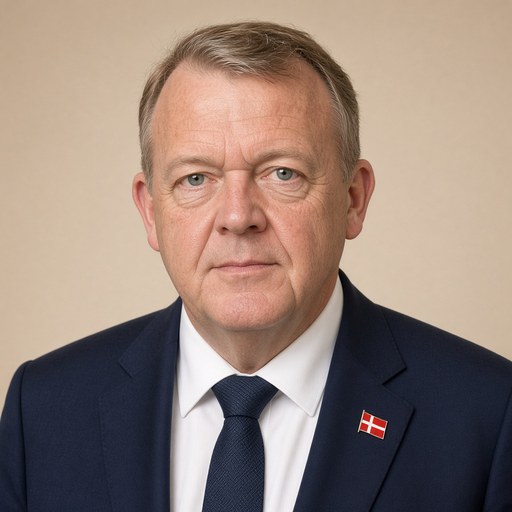
Prime Minister Lars Løkke Rasmussen's speech at the Insurance & Pension Annual Meeting and 100th Anniversary on November 15, 2018.
 Lars Løkke Rasmussen · Prime Minister of Denmark
- Context
- Rasmussen addressed Insurance & Pension Denmark's 100th anniversary annual meeting on November 15, 2018, celebrating the industry's century of contribution to Danish society.
- Main themes
- Insurance and pension industry centenary, security as foundation for societal dynamism, Danish welfare society, tripartite cooperation, occupational pension system, long-term policy and sustainability, data ethics, public-private collaboration, Danish model of labor agreements
- Duration
- ~17 min
- Words
- 2,041
- Sentences
- 188
- Readability
- 60
- Grade
- 7.5
- Syntax
- 2.33
- Vocabulary
- 2.06
Translated from Danish
The broad sphere of national life a sentence belongs to. Every sentence has an Arena, so it is the denominator the other indices are read against.
Other188 sentences in 102 paragraphs
Thank you for the invitation to be here today.
Where I have the honor of delivering the anniversary speech.
The division of labor is that I will celebrate the centenarian – while the rest of you will discuss the challenges of the future. More specifically, data ethics.
20 minutes to celebrate the past. And the rest of the meeting to prepare for the future. That is the priority that was also evident in the chairman's speech. And which I actually think is a sensible priority.
I would like to take this opportunity to thank Søren [Boe Mortensen] and Per [Bremer] for a solid collaboration between the government and Insurance & Pension. That is my unequivocal experience from the governments I have been a part of.
And in a longer time perspective, I would like to thank the entire industry for your enormous significance to Danish society.
Today, insurance is a natural part of everyday life and the budget for most Danes. It provides security.
The same goes for the pension that the vast majority pay into every month. And which lays a good foundation for old age. It provides security.
This is the result of a journey of more than 100 years, of which Insurance & Pension has been a significant part.
You create the security that is absolutely necessary for people to dare to act.
Security – it may sound like something nice and static.
But when properly dosed, security is the exact opposite: It is a prerequisite for dynamism.
People dare to leave home in the morning and go to work without being afraid of losing everything while they are away. Companies dare to have inventory. We dare to trust each other. We dare to grow old.
And as I myself grow older, it increasingly dawns on me that security and trust are something completely unique and valuable about our Danish welfare society.
A strong foundation under an agile society, where we have the courage to embrace change.
Denmark is a country where we dare to look out into the world. Because our prosperity depends on cooperation with others.
We dare to use new technology. Because it has always increased our opportunities.
We believe that the future is better than the past. Because we have a secure starting point.
100 years – in reality, you are both much older and much younger.
The insurance part is older. Some claim that insurance as a concept goes all the way back to ancient Babylon. I will not pretend to be an expert on that. But in Denmark, we can at least trace fire insurance back to the great fires in Copenhagen in the 18th century.
In a wide range of areas, it is the citizen's own responsibility to insure themselves – for example, home insurance. In some areas, the state intervenes – for example, in the case of storm surges.
And we have the overall division of labor that the public sector lays a framework, which you private entities fill out.
The idea of insurance is old.
The pension part is younger.
One of the pillars of the Danish pension system is occupational pensions.
They are based on a solid interplay. In reality, on the best of Denmark – the ability to cooperate broadly. To build bridges between important societal interests.
Tripartite agreements between the government and labor market parties are a brilliant construction. If we did not have them, we would have to invent them.
When the tripartite cooperation was declared dead and buried, we had to revive it.
That is what my government did when we took office in 2015. It was no foregone conclusion that it would succeed. I have not taken it for granted at any time.
It requires that everyone has the courage and will to show social responsibility.
It turned out to be the case.
We restored the tradition of employees, employers, and politicians together entering into tripartite agreements on significant societal issues.
Since then, we have entered into three significant agreements – on integration, internships, and further education. Agreements that strengthen the Danish model. And thus Denmark.
And the great role model. The mother of all tripartite agreements. The agreement that is particularly relevant for you here in the room today:
It is, of course, the Joint Declaration from 1987. Entered into during Poul Schlüter's time as Prime Minister.
It is the most groundbreaking and far-reaching tripartite agreement ever. Here, the foundation was laid for broad groups in society to begin saving for occupational pensions.
This has huge significance for millions of Danes today. And even greater significance in the future.
For we have not yet seen the full harvest of the work:
The fruit will only be fully ripe around 2080. Only then will the generations that start in the labor market with high contribution rates retire.
That is long-term policy. That is timely prudence. That is the basis for solid sustainability in our entire welfare society.
It is essentially a line that can inspire one to pursue it. And that is what we have done.
The welfare agreement from 2006.
The retirement agreement from 2011.
With the goal that we need more people to earn money. In short: more people to work. Otherwise, it does not add up.
That was actually what I pointed out years ago in my New Year's speech. Back when I made some proposals about early retirement.
The idea was conceived. The proposal formulated. The agreement reached – even though not everyone was on board. All of this before the election in 2011.
But it was, after all, the current leader of the Social Democrats and then Minister of Employment – who signed the bill after the election. Even though they seemed to campaign on the opposite.
I am glad that they took shared responsibility.
I am old enough in politics to experience the effects of some of the decisions I have been part of making.
All the major reforms we have implemented since I was Prime Minister for the first time – the retirement reform, tax reforms, unemployment benefit reform, social assistance reforms – have together increased the labor supply by around 100,000 people.
The phasing in of reforms that we have historically decided contributes to the labor force growing by almost 40,000 people this year alone.
Next year, it will grow by an additional 25,000.
The reforms we decided back then are supporting the recovery we are currently experiencing.
It is not just timely prudence. It is also perfect timing.
Few believed it. But at the turn of the millennium, only one-third of those aged 60 to 64 were in work. Today, it is half.
One should not be so afraid of reforms.
They work.
And they mean that we have not had to resort to the drastic measures in the pension area that have been seen in other countries. In Sweden, Finland, Spain, and Germany. Here, public pension benefits are reduced in line with increasing life expectancy.
In Denmark, we have ensured a long-term sustainable system.
Danish pensions rest solidly on three pillars.
Occupational pensions. Public pensions. And individual pension savings.
We have a balance between public and private responsibility. And between collective and individual arrangements.
These balances mean that the Danish pension system is one of the best in the world. If not the best.
In the latest measurement, we hold a shared first place with the Netherlands. The measurement is also shown in the brochure we received today – "Insurance and Pension in 100 Years."
On the graph – page 14, I believe – you really need to have strong reading glasses to notice that the Netherlands is a hair ahead of Denmark. And I do not consider such surveys to be so precise that we should get caught up in margins.
The important thing is the overall impression: We have a fantastic pension system in Denmark.
Solid. Secure. Future-proof.
You can be proud of that. We can be proud of that.
And we must constantly strive to make the good Danish pension system even better.
That is why we have addressed the interplay problem. The fact that for some, it does not pay to save for retirement because it is offset against public benefits.
We are lowering taxes in a way that makes it more worthwhile to save for retirement for all age groups. We are providing better opportunities to save without offsetting in the last years before the retirement age.
Thank you for your support for that solution.
And that is why we have also conducted a review of the entire regulation of the financial sector. Thank you for your contributions to that work.
We must, as in all other areas, find the right balance between the need for regulation and the hassle and difficulties that the rules can create for you.
The economic burdens must match the purpose of the regulation. This naturally also includes the financial sector.
The review has resulted in a number of concrete proposals that we are in the process of implementing.
We must change to improve. So that we continue to support security, trust, and credibility.
These are values that are built up over a long time. But when it goes the other way, it can happen incredibly quickly to break them down.
The recent cases of money laundering and fraud with dividend tax show that.
These are cases that deeply outrage me. I am sure they outrage you deeply as well. They are contrary to everything I believe in. They are contrary to everything you stand for.
The government takes this very seriously. And I am glad that together with a broad majority in the Folketing, we send a clear and distinct signal: This is behavior that cannot be further from the values and culture that characterize Danish society.
We must protect the most important cornerstones of our society: Our trust in institutions, businesses, and each other.
Trust is also closely related to the theme you will be discussing for the rest of the morning. Data ethics.
I am glad that you are addressing it. It is significant.
I will not take the words out of your mouth. But I will just mention that my fundamental viewpoint is that Denmark should be a digital frontrunner. Also in our handling of ethical questions.
Danish companies are generally good at working responsibly. In Denmark, for example, we have had great success with the CSR agenda. We have a strong green tradition.
I want data ethics to similarly become a competitive advantage for Danish businesses.
This is a theme we have discussed in the Disruption Council. It has initially led to us establishing an expert group that will provide its recommendations.
I am very pleased that you are also taking up that debate.
Before I conclude, I would like to mention one more example of social responsibility.
Last month, Denmark was the host country for one of the world's largest green conferences – P4G.
Launched last year at the UN General Assembly. Based on the Paris Agreement and the Sustainable Development Goals. The first summit was just held in Copenhagen. 800 guests from more than 50 countries. With the potential to make a difference for many millions of people.
A number of large pension funds have contributed a total of 2.4 billion DKK to the Sustainable Development Goals Fund, which complements P4G. I would like to take this opportunity to thank you for that today.
Danish pension savings are helping to create a better world.
In total, capital is managed in Denmark that corresponds to twice Denmark's GDP – a total of 4,000 billion DKK. Which you invest in growth and development here at home. And also out in the world. But of course, first and foremost with the customers' interests in mind.
Solid. Secure. And trustworthy. That is how it should be.
You are doing your job excellently.
You are part of a society where we believe in broad solutions. In the courage to take responsibility. And to think long-term.
Denmark has one of the best pension systems in the world.
Congratulations to Insurance & Pension on 100 years. Now it is time to discuss the future.
Have a good conference!
Thank you for your attention.
The original Danish. The tags above are read on the English translation's sentences.
Tak for invitationen til at være med i dag.
Hvor jeg oveni købet har fået den ære at holde jubilæumstalen.
Arbejdsdelingen er, at jeg skal hylde 100 års-fødselaren – mens I andre resten af dagen skal diskutere fremtidens udfordringer. Mere specifikt dataetik.
20 minutter til at fejre fortiden. Og resten af mødet til forberede fremtiden. Det er den prioritering, der også fremgik af formandens tale. Og som jeg egentlig synes, er en fornuftig prioritering.
Jeg vil benytte lejligheden til at takke Søren [Boe Mortensen] og Per [Bremer] for et solidt samarbejde mellem regeringen og Forsikring & Pension. Det er min utvetydige erfaring fra de regeringer, jeg har været en del af.
Og i et længere tidsperspektiv vil jeg takke hele branchen for jeres enorme betydning for det danske samfund.
I dag er en forsikring en naturlig del af hverdagen og budgettet for de fleste af danskerne. Det giver tryghed.
Det samme gælder den pension, som langt de fleste betaler til hver måned. Og som lægger et godt grundlag for alderdommen. Det giver tryghed.
Det er resultatet af en mere end 100-årig rejse, som Forsikring & Pension har været en stor del af.
I skaber den tryghed, som er helt nødvendig for, at mennesker tør handle.
Tryghed – det lyder måske som noget rart og stillestående.
Men rigtigt doseret er tryghed det stik modsatte: Det er en forudsætning for dynamik.
Folk tør tage hjemmefra om morgenen og gå på arbejde uden at være bange for at miste alt, mens de er væk. Virksomheder tør have et lager. Vi tør have tillid til hinanden. Vi tør blive gamle.
Og som jeg selv bliver ældre, går det i højere og højere grad op for mig, at tryghed og tillid er noget helt unikt og værdifuldt ved vores danske velfærdssamfund.
Et stærkt fundament under et agilt samfund, hvor vi har modet til at gribe forandringer.
Danmark er et land, hvor vi tør se ud i verden. Fordi vores velstand afhænger af samarbejde med andre.
Vi tør bruge ny teknologi. Fordi det altid har øget vores muligheder.
Vi tror på, at fremtiden er bedre end fortiden. For vi har et trygt udgangspunkt.
100 år – i virkeligheden er I jo både meget ældre og meget yngre.
Forsikringsdelen er ældre. Nogle hævder, at forsikring som koncept går helt tilbage til det gamle Babylon. Det skal jeg ikke gøre mig klog på. Men i Danmark kan vi i hvert fald føre brandforsikringen tilbage til de store brande i København i 1700-tallet.
På en lang række områder er det borgerens eget ansvar at forsikre sig – fx husforsikring. På nogle områder går staten ind – fx hvis der er stormflod.
Og vi har overordnet den arbejdsdeling, at det offentlige lægger en ramme, som I private fylder ud.
Forsikringsideen er gammel.
Pensionsdelen er yngre.
En af de bærende søjler i det danske pensionssystem er arbejdsmarkedspensionerne.
De bygger på et solidt samspil. I virkeligheden på det bedste ved Danmark – evnen til at samarbejde bredt. Til at bygge bro mellem vigtige samfundsinteresser.
Trepartsaftaler mellem regeringen og arbejdsmarkedets parter er en genial konstruktion. Hvis vi ikke havde dem, måtte vi opfinde dem.
Da trepartssamarbejdet var erklæret dødt og begravet, måtte vi genoplive det.
Det var, hvad min regering gjorde, da vi trådte til i 2015. Det var ingen selvfølge, at det lykkedes. Jeg har ikke taget det for givet på noget tidspunkt.
Det kræver, at alle har modet og viljen til at udvise samfundssind.
Det viste sig så at være tilfældet.
Vi fik genskabt traditionen for, at lønmodtagerne, arbejdsgiverne og politikerne sammen indgår trepartsaftaler om væsentlige samfundsspørgsmål.
Siden har vi indgået tre markante aftaler – om integration, praktikpladser og efteruddannelse. Aftaler, som styrker den danske model. Og dermed Danmark.
Og det store forbillede. Alle trepartsaftalers moder. Den aftale, som er særlig relevant for jer her i salen i dag:
Det er naturligvis Fælleserklæringen fra 1987. Indgået i Poul Schlüters regeringstid.
Det er den mest skelsættende og vidtrækkende trepartsaftale nogensinde. Her lagde man grunden for, at brede grupper i samfundet begyndte at spare op til arbejdsmarkedspension.
Det har kæmpe betydning for millioner af danskere i dag. Og endnu større betydning i fremtiden.
For vi har slet ikke set den fulde høst af arbejdet endnu:
Frugten er først fuldt modnet omkring 2080. Først da vil de generationer, der starter på arbejdsmarkedet med høje bidragssatser, gå på pension.
Dét er langsigtet politik. Dét er rettidig omhu. Dét er grundlaget for en solid holdbarhed i hele vores velfærdssamfund.
Det er sådan set en linje, som kan inspirere til, at man forfølger den. Det har vi så gjort.
Velfærdsaftalen fra 2006.
Tilbagetrækningsaftalen fra 2011.
Med det mål, at vi skal være flere til at tjene pengene. Kort sagt: flere til at arbejde. Ellers hænger det ikke sammen.
Det var egentlig det, jeg påpegede for år tilbage i min nytårstale. Dengang jeg kom med nogle forslag om efterlønnen.
Tanken blev tænkt. Forslaget udformet. Aftalen indgået – selvom ikke alle var med. Alt sammen inden valget i 2011.
Men det blev så alligevel Socialdemokratiets nuværende formand og daværende beskæftigelsesminister – der underskrev lovforslaget efter valget. Selvom de vist gik til valg på det modsatte.
Jeg er glad for, at man tog et medansvar.
Jeg er selv så gammel i politik, at jeg oplever effekten af nogle af de beslutninger, jeg har været med til at træffe.
Alle de store reformer, vi har gennemført, siden jeg var statsminister første gang – tilbagetrækningsreform, skattereformer, dagpengereform, kontanthjælpsreformer – har til sammen øget arbejdsudbuddet med omkring 100.000 personer.
Indfasningen af reformer, som vi har besluttet historisk, bidrager til, at arbejdsstyrken alene i år vokser med næsten 40.000 personer.
Til næste år med yderligere 25.000.
De reformer, vi besluttede dengang, holder hånden under det opsving, vi har lige nu.
Det er ikke bare rettidig omhu. Det er sådan set også perfekt timing.
Få troede på det. Men ved årtusindskiftet var kun en tredjedel af de 60 til 64-årige i arbejde. I dag er det halvdelen.
Man skal ikke være så bange for reformer.
De virker.
Og de betyder jo, at vi ikke har måttet tage de drastiske midler i brug på pensionsområdet, som man har set i andre lande. I Sverige, Finland, Spanien og Tyskland. Her reducerer man de offentlige pensionsydelser i takt med, at levealderen stiger.
I Danmark har vi sikret et langtidsholdbart system.
Danskernes pensioner hviler solidt på tre søjler.
Arbejdsmarkedspensionerne. De offentlige pensioner. Og individuel pensionsopsparing.
Vi har en balance mellem offentligt og privat ansvar. Og mellem kollektive og individuelle ordninger.
De balancer betyder, at det danske pensionssystem er et af de bedste i verden. Om ikke det bedste.
I den seneste måling indtager vi en delt førsteplads sammen med Holland. Målingen fremgår også af den pjece, vi har fået i dag – ”Forsikring og pension i 100 år.”
På grafen – side 14, tror jeg, det er – skal man virkelig have de stærke læsebriller frem for at opdage, at Holland er et mulehår foran Danmark. Og jeg regner da heller ikke den slags undersøgelser for så præcise, at vi skal gå op i marginaler.
Det vigtige er hovedindtrykket: Vi har et fantastisk godt pensionssystem i Danmark.
Solidt. Trygt. Fremtidssikret.
Det kan I være stolte af. Det kan vi være stolte af.
Og vi skal hele tiden gøre det gode danske pensionssystem endnu bedre.
Derfor har vi taget fat på samspilsproblemet. Det forhold, at det for nogle ikke kan betale sig at spare op til pension, fordi man modregner i offentlige ydelser.
Vi sænker skatten på en måde, så det bedre kan betale sig at spare op til pension for alle aldersgrupper. Vi giver bedre mulighed for at spare op uden modregning i de sidste år før folkepensionsalderen.
Tak for jeres opbakning til den løsning.
Og derfor har vi også gennemført et eftersyn af hele reguleringen af den finansielle sektor. Tak for jeres bidrag til det arbejde.
Vi skal jo her som på alle andre områder finde den rigtige balance mellem behovet for regulering og det bøvl og besvær, som reglerne kan give jer.
De erhvervsøkonomiske byrder skal stå mål med formålet med reguleringen. Det omfatter selvfølgelig også den finansielle sektor.
Eftersynet har affødt en række konkrete forslag, som vi er i gang med at føre ud i livet.
Vi skal forandre for at forbedre. Så vi fortsat understøtter tryghed, tillid og troværdighed.
Det er værdier, som bygges op gennem lang tid. Men når det går den anden vej, så kan det gå ufatteligt stærkt med at bryde dem ned.
Det viser den seneste tids sager om hvidvask og om svindel med udbytteskat.
Det er sager, der forarger mig dybt. Jeg er sikker på, at de også forarger jer dybt. De er i modsætning til alt, hvad jeg tro på. De er i modsætning til alt det, I står for.
Regeringen tager det meget alvorligt. Og jeg er glad for, at vi sammen med et bredt flertal i Folketinget sender et klart og tydeligt signal: Det er en adfærd, der ikke kan være længere fra de værdier og den kultur, der kendetegner det danske samfund.
Vi skal beskytte de vigtigste grundsten i vores samfund: Vores tillid til institutioner, virksomheder og hinanden.
Tillid hænger også tæt sammen med det tema, I skal bruge resten af formiddagen på at drøfte. Dataetik.
Jeg er glad for, at I tager det op. Det er væsentligt.
Jeg vil ikke tage ordene ud af munden på jer. Men blot nævne, at mit grundsynspunkt er, at Danmark skal være en digital frontløber. Også i vores håndtering af de etiske spørgsmål.
Danske virksomheder er generelt gode til at arbejde ansvarligt. I Danmark har vi f.eks. haft stor succes med CSR-dagsordenen. Vi har en stærk grøn tradition.
Jeg ønsker, at dataetik på samme måde bliver en konkurrencefordel for dansk erhvervsliv.
Det er et tema, vi har drøftet i Disruptionrådet. Det har i første omgang ført til, at vi har nedsat en ekspertgruppe, der skal komme med sine anbefalinger.
Det glæder mig meget, I også tager den debat op.
Før jeg runder af, vil jeg nævne endnu et eksempel på samfundsansvar.
I sidste måned var Danmark værtsland for en af verdens største grønne konferencer – P4G.
Lanceret sidste år på FN’s generalforsamling. Med afsæt i Paris-aftalen og Verdensmålene. Første topmøde netop holdt i København. 800 gæster fra mere end 50 lande. Med potentialet til at gøre en forskel for mange millioner mennesker.
En række store pensionsselskaber har skudt i alt 2,4 mia. kr. i Verdensmålsfonden, som supplerer P4G. Det vil jeg gerne benytte lejligheden til at takke for i dag.
Danskernes pensionsopsparing er med til at skabe en bedre verden.
I alt forvaltes kapital i Danmark, som svarer til to gange Danmarks BNP – samlet 4.000 mia. kr. Som I investerer i vækst og udvikling herhjemme. Og altså også ude i verden. Men selvfølgelig først og fremmest med kundernes interesser for øje.
Solidt. Trygt. Og tillidsfuldt. Sådan skal det være.
I løser jeres opgave flot.
I er en del af et samfund, hvor vi tror på brede løsninger. På modet til at tage ansvar. Og tænke langsigtet.
Danmark har et af verdens bedste pensionssystemer.
Tillykke til Forsikring &Pension med de 100 år. Nu er det tid at diskutere fremtiden.
God konference!
Tak for ordet.