




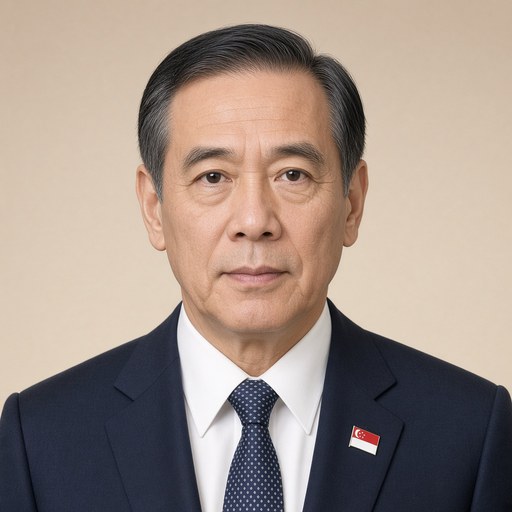
National Broadcast by PM Lee Hsien Loong on 7 June 2020
 Lee Hsien Loong · Prime Minister of Singapore
- Context
- Lee Hsien Loong addressed Singaporeans on 7 June 2020 in a national address on overcoming the COVID-19 crisis and its economic consequences for Singapore.
- Main themes
- COVID-19 pandemic response, economic impact and recession, circuit breaker easing, job losses and retrenchment, global trade slowdown, national resilience, fiscal intervention and budgets, public health measures, Singapore's economic model, workforce adaptation, international travel restrictions, geopolitical shifts
- Duration
- ~45 min
- Words
- 5,433
- Sentences
- 387
- Readability
- 55
- Grade
- 9.1
- Syntax
- 2.65
- Vocabulary
- 2.10
Translated from Multiple languages
The broad sphere of national life a sentence belongs to. Every sentence has an Arena, so it is the denominator the other indices are read against.
Other387 sentences in 89 paragraphs
Overcoming the Crisis of a Generation
My fellow Singaporeans
Good evening
Our fight against COVID-19 continues.
We have made good progress. In the community, new cases have come down. In the migrant worker dormitories, the situation has stabilised. Our healthcare system is coping well, thanks to the outstanding work of our healthcare professionals, and many others on the frontline. Most importantly, among both Singaporeans and migrant workers, we have kept fatalities low – one of the lowest rates in the world.
As a result, we have been able to move out of the circuit breaker. We are opening up our economy and society, progressively and safely. As we ease up, I expect the number of cases to rise somewhat, as has happened in other countries. So we are moving cautiously. We want to avoid the numbers shooting up again, and having to impose a second circuit breaker. We will step up testing and contact tracing significantly. Then we can catch new cases early, isolate them and their contacts, and stamp out clusters before they grow. If all goes well and the outbreak remains firmly under control, we will ease up further, and resume more activities as soon as possible. In the meantime, please continue to play your part: maintain personal hygiene and wash your hands frequently, wear a mask when you are out, and keep a safe distance from others and avoid crowded gatherings.
COVID-19 will remain a problem for a long time yet. It will take at least a year, probably longer, before vaccines become widely available. We will have to learn to live with COVID-19 for the long term, as we have done in the past with other dangerous infectious diseases, like tuberculosis. We also have to get used to new arrangements in our daily lives. We must all adjust the way we live, work and play, so that we can reduce the spread of the virus, and keep ourselves safe.
Economic Impact
But COVID-19 is not only a public health issue. It is also a serious economic, social and political problem. It is in fact the most dangerous crisis humanity has faced in a very long time.
Because of COVID-19, the global economy has virtually ground to a halt. Governments have spent trillions of dollars to support businesses, economies and jobs. Yet, tens of millions of jobs have been lost. Families are experiencing hardship. We are in a totally unprecedented situation.
Singapore has taken a severe hit too. Our GDP is likely to shrink between 4 and 7% this year, our worst contraction ever. To protect workers, households and companies, the Government has intervened decisively through four successive Budgets. We are injecting almost $100 billion – 20% of our GDP – the largest fiscal intervention in our history. Unlike other countries, we can draw on our reserves, and do not have to pay for our support measures by borrowing. But even for us, this level of spending is hard to sustain. More importantly, these measures cannot shield us from the tectonic shifts taking place in the global economy.
Singapore depends heavily on international trade and investments. These were already slowing down before COVID-19. Now this slowdown will happen faster, and go further.
We will not be returning to the open and connected global economy we had before, anytime soon. Movement of people will be more restricted. International travel will be much less frequent. Health checks and quarantines will become the norm. It will no longer be so easy to take quick weekend trips to Bangkok or Hong Kong on a budget flight. Industries that depend on travel, like aviation, hotels and tourism, will take a long time to get back on their feet, and may never recover fully.
Countries will also strive to become less dependent on others. Especially for essential goods and services, like food or critical medical supplies. This will have strategic implications. Countries will have less stake in each other’s well being. They will fight more over how the pie is shared, rather than work together to enlarge the pie for all. It will be a less prosperous world, and also a more troubled one.
All these developments will affect Singapore greatly. Since before the time of Raffles, we have made a living by connecting ourselves with the world. First, we were a trading hub, then an international seaport, then we made ourselves a hub for aviation, finance, and telecommunications. We have benefitted enormously from an open and connected global economy. Large parts of our economy – like manufacturing, biotech, financial services, and logistics – serve regional and world markets. Even many domestic sectors – like retail, F&B, and entertainment – rely heavily on tourism.
Now, we have to prepare for a very different future. Companies big and small will be hit hard. Some industries will be permanently changed. Many will have to reinvent themselves to survive. Workers too will feel the pain. Retrenchments and unemployment will go up. Some jobs will disappear, and will not come back. Workers will have to learn new skills to stay employed. The next few years will be a disruptive and difficult time for all of us.
We Can Be Confident
But despite these immense challenges, I say to you: Do not fear. Do not lose heart. Singapore will not falter in its onward march.
I believe we can still secure a bright future for ourselves. An even stronger and better Singapore will emerge from this crisis.
First, we have economic strengths and an international reputation built up over many decades. We are highly connected to the global flows of trade, investment, capital and people. International trade and investments may shrink, but they will not disappear entirely. Some flows will be diverted or dry up, but other new channels will open up. There will still be overseas markets, and opportunities for international partnerships. Singapore is well placed to connect ourselves to the new channels and flows, and create new businesses and jobs to replace those lost. We just have to work harder and smarter at it.
Our strong, trusted international reputation will help us greatly. In a troubled world, investors will value the assurance of a government that plays by the rules. A people who understand what is at stake and a stable political system that enables businesses to continue operating even in a crisis. The way Singapore has responded to COVID-19 – openly and transparently, neither avoiding reality, nor acting arbitrarily at the first sign of trouble – has only strengthened this advantage.
Second, we have had a head start preparing for the uncertainties ahead. For some time now, we have been working hard to transform and deepen our capabilities. Developing plans for our Future Economy, investing heavily to upgrade our workers through SkillsFuture, digitalising both the private and public sectors, building our innovation and R&D capabilities. All this has enabled us to stand out in Asia and the world. Nobody can predict what exactly the world will look like after COVID-19 but however things turn out, these Future Economy strategies will stand us in good stead. We need to pursue them even more vigorously now. For instance, we know that many businesses will no longer be viable. We will support these businesses to transform themselves, change their business models, or move into different and more promising fields.
More immediately, we are systematically rebooting our economy, as countries emerge from lockdowns. We are rebuilding our transport and trade links. For example, Changi has already resumed transit flights. We are working out Reciprocal Green Lane arrangements for safe travel to China and other countries. We are making our supply chains more resilient. For example, we are diversifying our sources of food. We are even buying eggs from Poland, and shrimps from Saudi Arabia.
Next, we are working hard to retain and attract talent and investments to contribute to our recovery. At a time when some countries are closing their doors, we are keeping ours open. By making the most of our head start, our workers and industries will survive the crisis better, and bounce back faster and stronger.
Third, we have programmes and plans to cope with the challenges before us. The government’s biggest priority now is jobs – helping Singaporeans to keep their jobs, or find new ones. We are particularly concerned about those in their 40s and 50s, who are often supporting children and elderly parents at the same time, and have financial commitments to meet. We are also concerned about mature workers nearing retirement, who want to work for a few more years, to build up their nest egg for old age. Lower income workers, who have not much savings to fall back on. The self-employed and freelancers, who have less job and income security in the gig economy and fresh graduates who are entering the job market in a very difficult year.
We have schemes to help all these groups. The Job Support Scheme, the Workfare Special Payment, the Self-Employed Person Income Relief Scheme (SIRS), the COVID-19 Support Grant and the SGUnited Jobs and Skills Package. These schemes have enabled people to hold on to their jobs, and provided income support for millions of Singaporeans and their families.
We have set up a National Jobs Council, to pull together and drive all our efforts on jobs, and look at how we can create new jobs for the economy. Senior Minister Tharman Shanmugaratnam is leading this. The Council will coordinate all the Government agencies involved, and bring in NTUC and the employer groups too, to maximise the impact of our efforts. So if you need a job, there are real options to pursue, and you will have help and support.
Beyond COVID-19, and the economic challenges, we also have to deal with other important external and domestic issues. Externally, we have to navigate the changing strategic landscape. COVID-19 has worsened relations between the US and China. Actions and counter-actions are raising tensions day by day. It will become harder for countries to stay onside with both powers. It will be a more dangerous world for a small country like Singapore. We must ensure our security, and protect and advance our interests when dealing with other countries, big and small. We must also work with like-minded countries to support free trade and multilateralism, and enhance our voice and influence in the world.
Domestically, we have to strengthen our social compact. We have taken emergency measures to help everyone come through the crisis together. Beyond that, we have to think carefully how to improve our social safety nets. Sustainable social support will give people confidence to cope with the uncertainties and to make changes to their lives. At the same time, everyone must have the incentive to be self-reliant, and to progress through their own efforts. We have difficult decisions to make on priorities, resources, and budgets but the values guiding us remain the same: every Singaporean will have equal opportunities. Whatever your starting point in life, you will have access to good education, healthcare, and housing. If you fall down, we will help you to get up, stronger. You can be sure you will be taken care of. In Singapore, no one will be left to walk his journey alone.
In the next few weeks, several Ministers will address you, and share with you our plans. We have a full agenda for many years to come.
Our People are Our Strength
For our plans to succeed, for our hopes and dreams to come true, we need one final ingredient: the unity and resilience of our people. Once in a while, nations and peoples are severely tested, as we are now. Some buckle under pressure and emerge from crisis diminished. Others grow more determined as they face fearful odds, discover reserves of strength in themselves, and emerge from crisis transfigured, renewed. And that has been our Singapore story: in crises, we have never failed to wrest opportunity from danger.
Indeed, our nation was born in crisis. When we were granted independence, it was in the expectation that we would fail and come crawling back, after realising we could not survive alone. We proved otherwise. Two years later, the British suddenly announced that they were withdrawing their forces from Singapore. Again, many thought that would be the end of us. And again, we proved them wrong. The Pioneer Generation fought to master their destiny. And the Merdeka Generation put heart and soul into making Singapore succeed. Together, they weathered many storms, always looking ahead, never flinching at hard choices and challenges. And that is how we got here.
Now, at another hinge in our history, it is our turn to face the crisis of a generation. The choices that we make now will define who we are as a people, and what values and ideals we pass on to future generations. Confronting adversity, do we yield to anger, fear and bitterness? Or will we be true to ourselves, stand firm, make tough choices, and continue to trust and depend on one another?
Many Singaporeans have stepped up during this crisis. They have become more, not less, than themselves. Healthcare workers, public officers, grassroots leaders and volunteers, and many more working quietly behind the scenes. Some are taking good care of migrant workers in the dorms. Others are sewing masks, buying groceries for families under quarantine, or refurbishing computers for needy students to do Home-Based Learning. Abroad, Singaporeans have driven hundreds of kilometres to pick up fellow citizens to catch SQ flights home. These acts of solidarity and human kindness exemplify the best in us. They show how we can emerge stronger from this crisis, with a sharper consciousness of being Singaporean.
This is why I believe we can continue to be exceptional – a fair and just society, where everyone can chase their dreams. My Cabinet team, with the support of the whole public service, will do our best to lead us towards this enduring vision of what Singapore can be. We need every one of you to work with us. Together, let us take Singapore safely through this crisis, and make the Singapore spirit flourish in the world. Thank you.
Despite these immense challenges, I say to you: Do not fear. Do not lose heart. Singapore will not falter in its onward march.
PM Lee Hsien Loong
National Broadcast (Malay remarks) by PM Lee Hsien Loong on Singapore’s post-COVID-19 future on 7 June 2020
Brothers and sisters,
Our efforts to combat COVID-19 are ongoing.
We have made good progress. Our healthcare system is able to accommodate this progress, thanks to the excellent efforts of our healthcare workers, and many others working on the front lines. Most importantly, we have managed to keep the death rate low – among the lowest in the world.
As a result, we are able to exit from the circuit breaker measures.
We are gradually and safely reopening our economy and society. However, as we relax some control measures, the number of cases is expected to rise, as has happened in other countries. So we are being very cautious. This is to ensure that the number of infections does not spike again, and the Government does not have to implement control measures for a second time. We will ramp up testing and accelerate contact tracing, detecting new cases as early as possible, isolating them and eradicating any clusters, before they spread. If the outbreak continues to be well controlled, we will further relax control measures, and restart more activities as soon as possible.
COVID-19 is a prolonged crisis. Experts predict that a vaccine to curb this virus will only be produced widely in at least a year, or longer. We need to learn to adapt to living in a COVID-19 environment for the long term, just as we have dealt with past infectious diseases, such as tuberculosis. We all must adjust the way we work and socialize, so that we can control the spread of the virus, and stay safe.
Impact on the Economy
But COVID-19 is not just a public health problem. It is also a serious economic, social, and political issue. It is the most dangerous crisis humanity has faced in a long time.
As a result of COVID-19, the global economy is nearly paralyzed. Governments around the world have spent trillions of dollars to help businesses, economies, and jobs. Millions of jobs have disappeared. Families are expected to face difficulties.
Singapore has also been severely affected. Our GDP this year is expected to contract between 4 and 7 percent below zero, the worst contraction so far. To protect workers, families, and companies, the Government has acted decisively by presenting four consecutive Budgets. We are injecting nearly $100 billion, which is 20 percent of our GDP, the largest fiscal action in Singapore's history. Unlike other countries, we are able to draw on our national reserves, and do not need to borrow to finance the costs of our assistance packages. However, it is impossible to sustain such a level of spending anywhere, including for us. More importantly, all these measures may not be able to protect us from the very sudden and large changes in the global economy.
We will not return to an open and connected global economy like before, in the near future. The movement of people will now be more restricted. The frequency of international travel will decrease significantly. Health checks and quarantines will become the norm. On weekends, it will no longer be easy for us to rush off for a holiday to Kuala Lumpur or Bandung on a budget airline. Industries that rely on international travel will take longer to recover and may not fully recover.
Countries will also strive to be less dependent on others. Especially for essential goods and services, such as food or critical medical supplies. This will have implications for global strategic relations. Often, countries will clash to prioritize their own interests, rather than cooperate to expand benefits for all. As a result – a less prosperous world, and one that is also more turbulent.
All these developments will affect Singapore. Since before the arrival of Raffles, we have thrived by connecting ourselves with the outside world. Initially, Singapore was a trading hub, then an international port, before developing into a hub for aviation, finance, and telecommunications. We have reaped tremendous benefits from an open and connected global economy. A large part of our economy, such as manufacturing, biotechnology, financial services, and logistics, meets the needs of regional and global markets. Even various domestic sectors, such as retail, F&B, and entertainment, depend on tourism.
Now, we need to adapt to a very different future. Many companies, both small and large, will be severely affected. Some industries will change forever. Some will need to reinvent their businesses to survive. Workers will also feel the pinch. Layoffs and unemployment will rise. Some jobs will disappear, and will not return. Workers will need to learn new skills to remain employed. Clearly, the next few years will be a period filled with disruption and difficulties for Singapore.
Confidence in a Bright Future
But in the face of the heavy challenges we face, this is my assurance to you: do not worry, we will not fall. I am confident that we can secure a bright future for Singapore. Let me give you three reasons.
First, we have economic strength and a good reputation internationally, something that has been cultivated for decades. We are very connected with the flows of trade, investment, capital, and people at the global level. International trade and investment may decrease, but it will not disappear entirely. Some flows will be diverted and closed off, but other channels will open up. There are still markets abroad, and opportunities for international cooperation.
Our strong and trusted reputation will help a lot. In a turbulent world, investors will value the assurance of a Government that respects the rules. A people who understand what is at stake. A stable and mature political system. All of this will allow businesses to continue operating even during a crisis. Singapore's conduct in facing this crisis – that is, openly and transparently, unafraid of the truth and not acting arbitrarily – will only strengthen our advantages.
Second, we have long been preparing for a different future. We have been working hard to undergo transformation and deepen our skills. We are planning for the Future Economy, investing heavily to enhance our workers' skills through SkillsFuture; digitizing both the private and public sectors; strengthening our innovation and R&D capabilities, so that we can stand out in Asia and the world.
No one can predict what the global economy will look like after COVID-19. But these Future Economy strategies will strengthen our position and help us adapt no matter what happens. We need to act more quickly and nimbly. For example, we know many businesses will not survive. We will support these businesses in undergoing transformation, changing their business models, or moving to different and more promising fields.
We are ensuring that our supply chains are more resilient. For example, by diversifying our food sources. We are sourcing new supplies such as eggs and frozen chicken from Poland and shrimp from Saudi Arabia. Besides food sources, we are also working hard to retain and attract talent and investment to contribute to our recovery. While some countries are closing their doors, we continue to practice an open policy. By fully leveraging our advantages, our workers and industries will be able to weather this crisis as best as possible, and rise faster and become stronger.
Third, we have programs and plans to address the challenges ahead of us. Right now, the Government's top agenda is jobs, helping people retain their jobs or find new ones. This includes those in their 40s or 50s who support children and elderly parents with financial commitments that need to be paid. Also mature workers who are nearing retirement, who want to work a few more years to save for their old age. We also want to help low-wage workers, the self-employed, and gig economy workers. Likewise, new graduates entering the job market in this very challenging year.
To assist all these groups, we are introducing several assistance schemes that enable people to retain their jobs, as well as provide income support for millions of Singaporeans and their families.
To mobilize and drive all job-related efforts, we are establishing the National Jobs Council. Senior Minister Tharman Shanmugaratnam is leading this effort. This Council will coordinate the efforts of all Government agencies, NTUC, and employers. It will also look at how we can create new jobs for our economy. This will ensure that our efforts are effective, in both the public and private sectors. So, if you need a job, you will be helped, and there will truly be options to explore.
Besides COVID-19, and the economic challenges, we also need to address important domestic and foreign issues. Abroad, we need to navigate a changing strategic landscape. COVID-19 has worsened relations between the United States and China. Actions and reactions have heightened tensions, day by day. It is becoming increasingly difficult for countries to continue to support both powers. It will be more dangerous for a small country like Singapore.
We must ensure our security, and protect and advance our interests, when dealing with other countries, both big and small. We must work with like-minded countries to support free trade and multilateral alliances, as well as expand our influence in the world.
Domestically, we must strengthen our social fabric. We are taking emergency measures to help all residents weather this crisis together. More than that, we need to think carefully about how to improve our social safety net.
Sustainable social support will give people the confidence to face uncertainty and change their lives. We need to make tough decisions about what to prioritize, resources, and budgets. However, our promise remains the same – that every Singaporean has equal opportunities, as well as access to good education, healthcare, and housing, regardless of where you start in life. For those who have fallen behind, we will help you rise stronger. In Singapore, the welfare of all citizens is taken care of, and no one will be left behind or bear this alone.
In the coming weeks, several Ministers will speak, and share the Government's plans with you. We have a packed agenda for the coming years.
Our People, Our Pillar
To ensure our plans succeed, we need one final ingredient: the unity and resilience of our people. From time to time, nations and their people are tested, as we are now, tested. Some are destroyed and defeated by pressure. Others emerge stronger.
Singapore was born out of a crisis. Each time we are tested, we succeed in creating new opportunities and thriving. For example, when we first became independent, no one believed we could survive. Two years later, the British suddenly announced their withdrawal of troops from Singapore. Many believed this was the point of Singapore's destruction. However, we proved otherwise.
The Pioneer Generation fought to determine their own destiny, and from the ideas of the immigrants, a nation was born. The Merdeka Generation, in turn, dedicated their entire being to ensure Singapore's success. They faced various trials. Yet they remained steadfast in their resolve and were undaunted when confronted with difficult challenges. That is our origin and the catalyst for our success.
Now, it is our turn to overcome this generational crisis.
The choices we make during this crisis will shape the identity of Singaporeans as one people, and the values and aspirations we wish to pass on to future generations. In times of desperation, will we be defeated by feelings of anger, fear, and bitterness? Or will we rise by emulating the resolve of our ancestors, to continue making difficult choices and to trust one another?
Throughout this crisis, many Singaporeans have stepped forward. Healthcare workers, public service officers, grassroots leaders, and volunteers, among many others. Some work quietly behind the scenes, taking good care of foreign workers in dormitories. Others sew masks, provide food for those in need, or repair computers for use in Home-Based Learning. Overseas, there are Singaporeans willing to drive hundreds of kilometers to bring fellow citizens back home on SQ flights.
The actions of these heroes reflect the unity and humanity among us – the best values within us. They show how we can emerge stronger from this crisis, with a deeper awareness of what it means to be Singaporean.
This is why I am confident that we can remain extraordinary – a fair and just society where our people can pursue their dreams. My Cabinet team, with the support of the entire public service, will work alongside me to make this vision a reality. We need each of you to work with us. Our future is in our hands. Let us prove the capabilities of Team Singapore. Let us safely bring Singapore out of this crisis, and together, let us ensure that the spirit of Singapore continues to flourish on the world stage.
Thank you.
To assist all these parties, we have plans in place. The Job Support Scheme, the Special Employment Credit, the Income Relief Scheme for self-employed individuals, the COVID-19 Support Grant, the SG United Jobs, and Skills Package. These programs have helped people retain their jobs; they have provided income support to millions of Singaporeans and their families.
To consolidate all our efforts related to jobs, to drive them forward, and to consider how we can create new jobs for the economy, we have established the National Jobs Council. It is led by Senior Minister Tharman Shanmugaratnam. To maximize the benefits of our efforts, this council will coordinate all relevant government agencies; it will also engage the National Trades Union Congress and employer groups. Therefore, if you need a job, there are suitable options available; you will receive help and support.
Beyond COVID-19 and economic challenges, we also have other domestic and foreign affairs to manage. Internationally, we must navigate the changing strategic landscape. COVID-19 has worsened relations between the United States and China. Their actions and responses are escalating tensions day by day. It will become increasingly difficult for countries to maintain friendly relations with both. For a small country like Singapore, the world is becoming a more dangerous place. When engaging with both small and large countries, we must ensure our security; we must protect and advance our interests. We must work with like-minded countries that support free trade and multilateralism, enhancing our significance and influence in the world.
Domestically, we must strengthen our social cohesion. We have taken emergency measures to help everyone get through this difficult time together. Beyond that, we need to think carefully about how to enhance our social safety nets. Community support that can endure will give people confidence as they navigate uncertain circumstances and make changes in their lives. At the same time, everyone must have the motivation to be proactive and advance based on their own efforts. We will have to make tough decisions regarding priorities, resources, and budget allocations. But the values that guide us have not changed: every Singaporean will have equal opportunities; regardless of where you start in life, you will have access to good education, healthcare, and housing; if you stumble, we will help you rise stronger; you can be assured that you will be taken care of. In Singapore, no one will be pushed into a position of suffering alone.
In the coming weeks, several ministers will speak; they will share our plans with you. We have formulated many plans for the coming years.
My fellow citizens, our strength
For our plans to succeed and for our thoughts and dreams to come together, we ultimately need one thing: the unity and resilience of our people. From time to time, countries and peoples will be put to the test. Just as we are being tested now. Some will get caught in problems, affected by crises, and will recover. Others will transform into more resilient individuals when faced with daunting obstacles, discovering the strength that lies within them, and emerging from crises with renewed vigor. That is our Singapore story: in times of crisis, we have never missed the opportunities that arise from dangers.
Our nation was born out of crisis. When we gained independence, it was expected that we would fall, realizing that we could not survive on our own – and then we would stumble and rise again. But we proved that wrong. Two years later, the British suddenly announced they would withdraw their military forces from Singapore. Again, many thought that would be the end of Singapore. But once again, we proved them wrong. The founding generation fought to reshape their destiny. The Merdeka generation dedicated themselves fully to Singapore's success. They came together, overcoming many hardships; they always looked forward; they did not flinch in the face of tough choices and challenges. That is how we have arrived here.
Now, we face another turning point in our history. This is a moment when we encounter a crisis for a generation. The decisions we make now will clearly define what kind of people Singaporeans will be and what values and goals we will leave for future generations. When facing difficulties, will we become angry, fearful, or frustrated? Or will we stand firm and resolute, make tough decisions, and continue to show trust and support for one another?
During this crisis, many Singaporeans have acted beyond duty. They have become even more admirable. Not only healthcare workers, government officials, grassroots leaders, and volunteers, but many others are quietly taking action. Some are taking good care of foreign workers living in dormitories. Others are sewing masks, buying groceries for families under quarantine, or refurbishing old computers for home-based learning. Singaporeans abroad have driven hundreds of kilometers to help fellow Singaporeans return home safely via Singapore Airlines. Such acts of solidarity and human compassion exemplify our finest values. They show how we can emerge stronger from this crisis. At the same time, they reflect a deep sense of belonging to Singapore.
That is why I believe we can continue to be exceptional – everyone pursuing their dreams in a just society. My entire cabinet will do everything possible, with the support of the entire public service, to guide us toward a long-term vision of how Singapore can shine. Each of you must work with us. Together, we will safely navigate Singapore through this crisis; we will ensure Singapore's strength flourishes across the world. Thank you!
The original Multiple languages. The tags above are read on the English translation's sentences.
PM Lee Hsien Loong's remarks in English, Malay and Chinese on Singapore's future post-COVID-19, "Overcoming the Crisis of a Generation", delivered on 7 June 2020. A Tamil translation is available.
Read PM Lee Hsien Loong's remarks in Malay , Chinese and translated into Tamil below.
Malay
Chinese
Tamil
Overcoming the Crisis of a Generation
My fellow Singaporeans
Good evening
Our fight against COVID-19 continues.
We have made good progress. In the community, new cases have come down. In the migrant worker dormitories, the situation has stabilised. Our healthcare system is coping well, thanks to the outstanding work of our healthcare professionals, and many others on the frontline. Most importantly, among both Singaporeans and migrant workers, we have kept fatalities low – one of the lowest rates in the world.
As a result, we have been able to move out of the circuit breaker. We are opening up our economy and society, progressively and safely. As we ease up, I expect the number of cases to rise somewhat, as has happened in other countries. So we are moving cautiously. We want to avoid the numbers shooting up again, and having to impose a second circuit breaker. We will step up testing and contact tracing significantly. Then we can catch new cases early, isolate them and their contacts, and stamp out clusters before they grow. If all goes well and the outbreak remains firmly under control, we will ease up further, and resume more activities as soon as possible. In the meantime, please continue to play your part: maintain personal hygiene and wash your hands frequently, wear a mask when you are out, and keep a safe distance from others and avoid crowded gatherings.
COVID-19 will remain a problem for a long time yet. It will take at least a year, probably longer, before vaccines become widely available. We will have to learn to live with COVID-19 for the long term, as we have done in the past with other dangerous infectious diseases, like tuberculosis. We also have to get used to new arrangements in our daily lives. We must all adjust the way we live, work and play, so that we can reduce the spread of the virus, and keep ourselves safe.
Economic Impact
But COVID-19 is not only a public health issue. It is also a serious economic, social and political problem. It is in fact the most dangerous crisis humanity has faced in a very long time.
Because of COVID-19, the global economy has virtually ground to a halt. Governments have spent trillions of dollars to support businesses, economies and jobs. Yet, tens of millions of jobs have been lost. Families are experiencing hardship. We are in a totally unprecedented situation.
Singapore has taken a severe hit too. Our GDP is likely to shrink between 4 and 7% this year, our worst contraction ever. To protect workers, households and companies, the Government has intervened decisively through four successive Budgets. We are injecting almost $100 billion – 20% of our GDP – the largest fiscal intervention in our history. Unlike other countries, we can draw on our reserves, and do not have to pay for our support measures by borrowing. But even for us, this level of spending is hard to sustain. More importantly, these measures cannot shield us from the tectonic shifts taking place in the global economy.
Singapore depends heavily on international trade and investments. These were already slowing down before COVID-19. Now this slowdown will happen faster, and go further.
We will not be returning to the open and connected global economy we had before, anytime soon. Movement of people will be more restricted. International travel will be much less frequent. Health checks and quarantines will become the norm. It will no longer be so easy to take quick weekend trips to Bangkok or Hong Kong on a budget flight. Industries that depend on travel, like aviation, hotels and tourism, will take a long time to get back on their feet, and may never recover fully.
Countries will also strive to become less dependent on others. Especially for essential goods and services, like food or critical medical supplies. This will have strategic implications. Countries will have less stake in each other’s well being. They will fight more over how the pie is shared, rather than work together to enlarge the pie for all. It will be a less prosperous world, and also a more troubled one.
All these developments will affect Singapore greatly. Since before the time of Raffles, we have made a living by connecting ourselves with the world. First, we were a trading hub, then an international seaport, then we made ourselves a hub for aviation, finance, and telecommunications. We have benefitted enormously from an open and connected global economy. Large parts of our economy – like manufacturing, biotech, financial services, and logistics – serve regional and world markets. Even many domestic sectors – like retail, F&B, and entertainment – rely heavily on tourism.
Now, we have to prepare for a very different future. Companies big and small will be hit hard. Some industries will be permanently changed. Many will have to reinvent themselves to survive. Workers too will feel the pain. Retrenchments and unemployment will go up. Some jobs will disappear, and will not come back. Workers will have to learn new skills to stay employed. The next few years will be a disruptive and difficult time for all of us.
We Can Be Confident
But despite these immense challenges, I say to you: Do not fear. Do not lose heart. Singapore will not falter in its onward march.
I believe we can still secure a bright future for ourselves. An even stronger and better Singapore will emerge from this crisis.
First, we have economic strengths and an international reputation built up over many decades. We are highly connected to the global flows of trade, investment, capital and people. International trade and investments may shrink, but they will not disappear entirely. Some flows will be diverted or dry up, but other new channels will open up. There will still be overseas markets, and opportunities for international partnerships. Singapore is well placed to connect ourselves to the new channels and flows, and create new businesses and jobs to replace those lost. We just have to work harder and smarter at it.
Our strong, trusted international reputation will help us greatly. In a troubled world, investors will value the assurance of a government that plays by the rules. A people who understand what is at stake and a stable political system that enables businesses to continue operating even in a crisis. The way Singapore has responded to COVID-19 – openly and transparently, neither avoiding reality, nor acting arbitrarily at the first sign of trouble – has only strengthened this advantage.
Second, we have had a head start preparing for the uncertainties ahead. For some time now, we have been working hard to transform and deepen our capabilities. Developing plans for ourFuture Economy, investing heavily to upgrade our workers through SkillsFuture, digitalising both the private and public sectors, building our innovation and R&D capabilities. All this has enabled us to stand out in Asia and the world. Nobody can predict what exactly the world will look like after COVID-19 but however things turn out, these Future Economy strategies will stand us in good stead. We need to pursue them even more vigorously now. For instance, we know that many businesses will no longer be viable. We will support these businesses to transform themselves, change their business models, or move into different and more promising fields.
More immediately, we are systematically rebooting our economy, as countries emerge from lockdowns. We are rebuilding our transport and trade links. For example, Changi has already resumed transit flights. We are working out Reciprocal Green Lane arrangements for safe travel to China and other countries. We are making our supply chains more resilient. For example, we are diversifying our sources of food. We are even buying eggs from Poland, and shrimps from Saudi Arabia.
Next, we are working hard to retain and attract talent and investments to contribute to our recovery. At a time when some countries are closing their doors, we are keeping ours open. By making the most of our head start, our workers and industries will survive the crisis better, and bounce back faster and stronger.
Third, we have programmes and plans to cope with the challenges before us. The government’s biggest priority now is jobs – helping Singaporeans to keep their jobs, or find new ones. We are particularly concerned about those in their 40s and 50s, who are often supporting children and elderly parents at the same time, and have financial commitments to meet. We are also concerned about mature workers nearing retirement, who want to work for a few more years, to build up their nest egg for old age. Lower income workers, who have not much savings to fall back on. The self-employed and freelancers, who have less job and income security in the gig economy and fresh graduates who are entering the job market in a very difficult year.
We have schemes to help all these groups. The Job Support Scheme, the Workfare Special Payment, the Self-Employed Person Income Relief Scheme (SIRS), the COVID-19 Support Grant and the SGUnited Jobs and Skills Package. These schemes have enabled people to hold on to their jobs, and provided income support for millions of Singaporeans and their families.
We have set up a National Jobs Council, to pull together and drive all our efforts on jobs, and look at how we can create new jobs for the economy. Senior Minister Tharman Shanmugaratnam is leading this. The Council will coordinate all the Government agencies involved, and bring in NTUC and the employer groups too, to maximise the impact of our efforts. So if you need a job, there are real options to pursue, and you will have help and support.
Beyond COVID-19, and the economic challenges, we also have to deal with other important external and domestic issues. Externally, we have to navigate the changing strategic landscape. COVID-19 has worsened relations between the US and China. Actions and counter-actions are raising tensions day by day. It will become harder for countries to stay onside with both powers. It will be a more dangerous world for a small country like Singapore. We must ensure our security, and protect and advance our interests when dealing with other countries, big and small. We must also work with like-minded countries to support free trade and multilateralism, and enhance our voice and influence in the world.
Domestically, we have to strengthen our social compact. We have taken emergency measures to help everyone come through the crisis together. Beyond that, we have to think carefully how to improve our social safety nets. Sustainable social support will give people confidence to cope with the uncertainties and to make changes to their lives. At the same time, everyone must have the incentive to be self-reliant, and to progress through their own efforts. We have difficult decisions to make on priorities, resources, and budgets but the values guiding us remain the same: every Singaporean will have equal opportunities. Whatever your starting point in life, you will have access to good education, healthcare, and housing. If you fall down, we will help you to get up, stronger. You can be sure you will be taken care of. In Singapore, no one will be left to walk his journey alone.
In the next few weeks, several Ministers will address you, and share with you our plans. We have a full agenda for many years to come.
Our People are Our Strength
For our plans to succeed, for our hopes and dreams to come true, we need one final ingredient: the unity and resilience of our people. Once in a while, nations and peoples are severely tested, as we are now. Some buckle under pressure and emerge from crisis diminished. Others grow more determined as they face fearful odds, discover reserves of strength in themselves, and emerge from crisis transfigured, renewed. And that has been our Singapore story: in crises, we have never failed to wrest opportunity from danger.
Indeed, our nation was born in crisis. When we were granted independence, it was in the expectation that we would fail and come crawling back, after realising we could not survive alone. We proved otherwise. Two years later, the British suddenly announced that they were withdrawing their forces from Singapore. Again, many thought that would be the end of us. And again, we proved them wrong. The Pioneer Generation fought to master their destiny. And the Merdeka Generation put heart and soul into making Singapore succeed. Together, they weathered many storms, always looking ahead, never flinching at hard choices and challenges. And that is how we got here.
Now, at another hinge in our history, it is our turn to face the crisis of a generation. The choices that we make now will define who we are as a people, and what values and ideals we pass on to future generations. Confronting adversity, do we yield to anger, fear and bitterness? Or will we be true to ourselves, stand firm, make tough choices, and continue to trust and depend on one another?
Many Singaporeans have stepped up during this crisis. They have become more, not less, than themselves. Healthcare workers, public officers, grassroots leaders and volunteers, and many more working quietly behind the scenes. Some are taking good care of migrant workers in the dorms. Others are sewing masks, buying groceries for families under quarantine, or refurbishing computers for needy students to do Home-Based Learning. Abroad, Singaporeans have driven hundreds of kilometres to pick up fellow citizens to catch SQ flights home. These acts of solidarity and human kindness exemplify the best in us. They show how we can emerge stronger from this crisis, with a sharper consciousness of being Singaporean.
This is why I believe we can continue to be exceptional – a fair and just society, where everyone can chase their dreams. My Cabinet team, with the support of the whole public service, will do our best to lead us towards this enduring vision of what Singapore can be. We need every one of you to work with us. Together, let us take Singapore safely through this crisis, and make the Singapore spirit flourish in the world. Thank you.
Despite these immense challenges, I say to you: Do not fear. Do not lose heart. Singapore will not falter in its onward march.
PM Lee Hsien Loong
National Broadcast (Malay remarks) by PM Lee Hsien Loong on Singapore’s post-COVID-19 future on 7 June 2020
Saudara-saudari sekalian
Usaha kita untuk memerangi COVID-19 masih berterusan.
Kita telah mencapai kemajuan yang baik. Sistem penjagaan kesihatan kita dapat menampung kemajuan ini, ekoran usaha cemerlang para karyawan penjagaan kesihatan kita, dan ramai lagi yang bekerja di barisan hadapan. Yang paling penting, kita berjaya memastikan kadar kematian kekal rendah – antara yang terendah di dunia.
Hasilnya, kita dapat keluar daripada langkah pemutus rantaian jangkitan.
Kita sedang membuka semula ekonomi dan masyarakat kita, secara bertahap-tahap dan dengan selamat. Namun, sedang kami melonggarkan beberapa langkah kawalan, jumlah kes dijangka akan meningkat, seperti yang berlaku di negara lain. Jadi kami sangat berhati-hati. Ini supaya jumlah jangkitan tidak melonjak lagi, dan Pemerintah tidak terpaksa melaksanakan langkah kawalan buat kali kedua. Kami akan melipat gandakan ujian dan mempercepatkan pengesanan hubungan, mengesan kes-kes baru seawal mungkin, mengasingkannya dan membasmi sebarang kelompok, sebelum ia merebak. Jika wabak ini terus dapat dikawal dengan baik, kami akan melonggarkan lagi langkah-langkah kawalan, dan memulakan semula lebih banyak aktiviti secepat mungkin.
COVID-19 adalah krisis yang berpanjangan. Para pakar meramalkan vaksin untuk mengekang virus ini hanya boleh dihasilkan secara meluas dalam masa sekurang-kurangnya setahun, atau lebih lama. Kita perlu belajar membiasakan diri untuk hidup dalam sekitaran COVID-19 bagi jangka panjang, sama seperti bagaimana kita menangani penyakit berbahaya dahulu, misalnya batuk kering. Kita semua mesti menyesuaikan cara kita bekerja dan beriadah, supaya kita boleh mengawal penularan virus, dan kekal selamat.
Kesan Terhadap Ekonomi
Tetapi COVID-19 bukan sahaja satu masalah kesihatan awam. Ia juga masalah ekonomi, sosial dan politik yang serius. Ia adalah krisis paling berbahaya yang pernah dihadapi manusia untuk sekian lama.
Akibat COVID-19, ekonomi sejagat hampir lumpuh. Pemerintah di seluruh dunia telah membelanjakan bertrilion dolar untuk membantu perniagaan, ekonomi dan pekerjaan. Berjuta-juta pekerjaan telah lenyap. Keluarga-keluarga dijangka mengalami kesukaran.
Singapura juga terjejas teruk. GDP kita tahun ini dijangka merosot antara 4 dan 7 peratus di bawah sifar, penguncupan yang paling buruk sejauh ini. Untuk melindungi para pekerja, keluarga dan syarikat-syarikat, Pemerintah bertindak tegas dengan membentangkan empat Belanjawan berturut-turut. Kami menyuntik hampir $100 bilion, iaitu 20 peratus daripada GDP kita, satu tindakan fiskal terbesar dalam sejarah Singapura. Tidak seperti negara-negara lain, kita berupaya untuk menggunakan rizab negara, dan tidak perlu meminjam untuk membiayai kos bagi pakej bantuan kita. Namun, mustahil untuk terus menampung tahap perbelanjaan seperti ini di mana manapun, termasuk bagi kita. Lebih penting lagi, semua langkah ini tidak mungkin dapat melindungi kita daripada perubahan ekonomi global yang sangat mendadak dan besar.
Kita tidak akan kembali kepada ekonomi sejagat yang terbuka dan terhubung seperti sebelum ini, dalam masa yang terdekat. Pergerakan orang ramai kini akan lebih terbatas. Kekerapan perjalanan antarabangsa akan jauh berkurangan. Pemeriksaan kesihatan dan kuarantin akan menjadi satu kebiasaan. Pada hujung minggu, tidak lagi mudah untuk kita bergegas bercuti ke Kuala Lumpur atau Bandung menaiki pesawat tambang murah. Industri-industri yang bergantung kepada perjalanan antarabangsa akan mengambil masa yang lebih lama untuk pulih dan mungkin tidak akan pulih sepenuhnya.
Negara-negara juga akan berusaha untuk kurang bergantung kepada negara lain. Terutamanya bagi barangan dan perkhidmatan penting, seperti makanan atau bekalan perubatan kritikal. Ini mendatangkan kesan kepada hubungan strategik dunia. Seringkali, negara-negara akan bertelagah bagi mengutamakan kepentingan masing-masing, daripada bekerjasama untuk mengembangkan manfaat bagi semua. Akibatnya – dunia yang kurang makmur, dan juga lebih bergolak.
Semua perkembangan ini akan menjejas Singapura. Sejak dari tempoh sebelum kedatangan Raffles lagi, kita makmur kerana menghubungkan diri kita dengan dunia luar. Pada mulanya, Singapura adalah hab perdagangan, kemudian sebuah pelabuhan antarabangsa, sebelum membangun sebagai hab penerbangan, kewangan dan telekomunikasi. Kita meraih manfaat yang sangat besar daripada ekonomi global yang terbuka dan terhubung. Sebahagian besar ekonomi kita, seperti perkilangan, bioteknologi, perkhidmatan kewangan, dan logistik, memenuhi keperluan pasaran serantau dan sedunia. Malah pelbagai sektor dalam negeri, seperti runcit, F&B, dan hiburan, bergantung kepada pelancongan.
Kini, kita perlu menyesuaikan diri dengan masa depan yang sangat berbeza. Banyak syarikat, kecil dan besar, akan terjejas teruk. Sesetengah industri akan berubah buat selama-lamanya. Ada yang perlu mencipta semula perniagaan mereka untuk terus wujud. Para pekerja juga akan merasakan keperitannya. Pemberhentian pekerja dan pengangguran akan meningkat. Sesetengah pekerjaan akan lenyap, dan tidak akan muncul lagi. Para pekerja harus mempelajari kemahiran baru untuk terus digajikan. Yang jelas, beberapa tahun mendatang akan menjadi satu tempoh yang penuh dengan gangguan dan kesukaran bagi Singapura.
Yakin Masa Depan Cerah
Tetapi di sebalik cabaran berat yang kita hadapi, ini jaminan saya: jangan bimbang, kita tidak akan tumbang. Saya yakin kita mampu untuk menjamin masa depan yang cerah untuk Singapura. Biar saya beri anda tiga sebab.
Pertama, kita mempunyai kekuatan ekonomi dan nama baik di peringkat antarabangsa, sesuatu yang dipupuk berdekad-dekad lamanya. Kita amat terhubung dengan aliran perdagangan, pelaburan, modal dan manusia di peringkat global. Perdagangan dan pelaburan antarabangsa mungkin akan berkurangan, tetapi ia tidak akan terhapus sama sekali. Sesetengah aliran akan dilencongkan dan tertutup, tetapi saluran-saluran lain pula akan dibuka. Masih terdapat pasaran di luar negara, dan peluang untuk kerjasama antarabangsa.
Nama baik kita yang kukuh dan dipercayai akan banyak membantu. Dalam dunia yang bergolak, para pelabur akan menghargai jaminan sebuah Pemerintah yang menghormati peraturan. Rakyat yang memahami apa yang dipertaruhkan. Sebuah sistem politik yang stabil dan matang. Semua ini akan membolehkan perniagaan untuk terus beroperasi walaupun dalam tempoh krisis. Tindak-tanduk Singapura dalam menghadapi krisis ini – iaitu secara terbuka dan telus, tidak gentar menghadapi kebenaran dan tidak bertindak sewenang-wenangnya – hanya akan memperkukuhkan lagi kelebihan kita.
Kedua, kita sudah lama mempersiapkan diri bagi masa depan yang berbeza. Kita sudahpun berusaha dengan gigih untuk menjalani transformasi dan mendalami kemahiran kita. Kita membuat perancangan bagi Ekonomi Masa Hadapan, melabur dengan banyak untuk mempertingkatkan kemahiran pekerja kita melalui SkillsFuture; mendigitalkan kedua-dua sektor swasta dan Pemerintah; memperkukuh keupayaan inovasi dan R&D, agar kita menyerlah di Asia dan di dunia.
Tiada siapa yang boleh meramalkan rupa ekonomi sejagat, selepas COVID-19. Tetapi strategi-strategi Ekonomi Masa Hadapan ini, akan mengukuhkan kedudukan kita dan membantu kita menyesuaikan diri walau apapun yang terjadi. Kita perlu bertindak dengan lebih pantas dan tangkas. Misalnya, kita tahu banyak perniagaan tidak dapat bertahan. Kami akan menyokong usaha perniagaan-perniagaan ini untuk menjalani transformasi, mengubah model perniagaan mereka, atau berpindah ke bidang yang berbeza dan lebih berpotensi.
Kami sedang memastikan rantaian bekalan kita lebih berdaya tahan. Contohnya, dengan mempelbagaikan sumber makanan kita. Kami sedang mendapatkan sumber bekalan terbaru seperti telur dan ayam beku dari Poland serta udang dari Arab Saudi. Selain sumber makanan, kami juga sedang bekerja keras untuk mengekalkan dan menarik bakat dan pelaburan demi menyumbang kepada pemulihan kita. Sedang beberapa negara menutup pintu mereka, kami terus mengamalkan dasar terbuka. Dengan memanfaatkan kelebihan kita sepenuhnya, para pekerja dan industri kita akan dapat mengharungi krisis ini sebaik mungkin, serta bangkit lebih cepat dan menjadi lebih kukuh.
Ketiga, kami mempunyai program dan perancangan untuk menangani cabaran-cabaran di hadapan kita. Sekarang ini, agenda paling utama Pemerintah ialah pekerjaan, membantu rakyat mengekalkan pekerjaan mereka atau mencari pekerjaan baru. Ini termasuk mereka yang berusia 40-an atau 50-an tahun yang menyara anak-anak dan ibu bapa yang lanjut usia dengan komitmen kewangan yang perlu dibayar. Juga para pekerja matang yang hampir bersara, yang ingin bekerja beberapa tahun lagi untuk menabung bagi hari tua. Kami juga mahu membantu pekerja bergaji rendah, mereka yang bekerja sendiri, dan pekerja bebas dalam ekonomi gig. Begitu juga graduan baru yang memasuki pasaran pekerjaan dalam tahun yang sangat mencabar ini.
Untuk membantu semua golongan ini, kami memperkenalkan beberapa skim bantuan yang membolehkan rakyat mengekalkan pekerjaan mereka, serta menyediakan sokongan pendapatan bagi berjuta-juta rakyat Singapura dan keluarga mereka.
Untuk menggembleng dan memacu semua usaha berkaitan pekerjaan, kami menubuhkan Majlis Pekerjaan Kebangsaan. Menteri Kanan Tharman Shanmugaratnam memimpin usaha ini. Majlis ini akan menyelaraskan usaha semua agensi Pemerintah, NTUC dan majikan. Ia juga akan melihat bagaimana kita boleh mencipta pekerjaan baru bagi ekonomi kita. Ini akan memastikan usaha-usaha kita berkesan, dalam sektor awam dan swasta. Jadi, jika anda memerlukan pekerjaan, anda akan dibantu, dan benar-benar ada pilihan untuk diteroka.
Selain COVID-19, dan cabaran ekonomi, kita juga perlu menangani isu-isu luar negara dan dalam negeri yang penting. Di luar negara, kita perlu mengemudi landskap strategik yang berubah-ubah. COVID-19 telah mengeruhkan hubungan antara Amerika Syarikat dan China. Tindakan dan tindak balas telah meningkatkan ketegangan, hari demi hari. Semakin sukar bagi negara-negara untuk terus menyokong kedua-dua kuasa ini. Ia akan menjadi lebih berbahaya bagi sebuah negara kecil seperti Singapura.
Kita mesti memastikan keselamatan kita, dan melindungi serta memajukan kepentingan kita, apabila berurusan dengan negara-negara lain, baik besar mahupun kecil. Kita mesti bekerjasama dengan negara-negara yang sealiran untuk menyokong perdagangan bebas dan perikatan berbilang pihak, serta meluaskan pengaruh kita di dunia.
Di dalam negeri, kita mesti mengukuhkan jalinan sosial kita. Kita mengambil langkah-langkah darurat untuk membantu semua penduduk mengharungi krisis ini bersama-sama. Lebih daripada itu, kita perlu memikirkan dengan teliti, bagaimana untuk memperbaiki jaringan keselamatan sosial kita.
Sokongan sosial yang dapat dikekalkan akan memberi keyakinan kepada rakyat untuk menghadapi keadaan yang tidak menentu dan mengubah kehidupan mereka. Kami perlu membuat keputusan yang sukar mengenai apa yang perlu diutamakan, sumber-sumber dan belanjawan. Namun janji kami tetap sama – bahawa setiap rakyat Singapura memiliki peluang yang saksama, serta peluang bagi mendapatkan pendidikan, penjagaan kesihatan dan perumahan yang baik, tidak kira apa pun titik permulaan anda dalam hidup. Bagi anda yang tercicir, kami akan bantu anda bangkit dengan lebih kuat lagi. Di Singapura, kebajikan semua warga dijaga, dan tiada seorangpun yang akan dibiarkan terpinggir atau menanggung semua ini, sendirian.
Dalam minggu-minggu akan datang, beberapa Menteri akan berucap, dan berkongsi perancangan Pemerintah dengan anda. Kami ada agenda yang padat untuk tahun-tahun mendatang.
Rakyat Kita, Tunggak Kita
Demi memastikan perancangan kami berjaya, kami memerlukan satu ramuan terakhir iaitu perpaduan dan daya tahan rakyat kita. Dari masa ke semasa, negara dan rakyatnya diuji, seperti kita sekarang ini, diuji. Ada yang musnah dan tewas dek tekanan. Ada pula muncul lebih teguh.
Singapura lahir akibat sebuah krisis. Setiap kali diuji, setiap kali itulah kita berjaya mencipta peluang baru dan berkembang maju. Misalnya, semasa kita mula-mula merdeka, tiada siapapun yang percaya bahawa kita boleh bertahan. Dua tahun kemudian, pihak British tiba-tiba mengumumkan pengunduran tenteranya dari Singapura. Ramai yang yakin, ini titik kehancuran Singapura. Namun, kita membuktikan sebaliknya.
Generasi Perintis berjuang untuk menentukan nasib mereka sendiri, dan daripada gagasan golongan pendatang, maka lahirlah sebuah negara. Generasi Merdeka pula menyerahkan seluruh jiwa dan raga untuk memastikan Singapura berjaya. Mereka mengharungi pelbagai dugaan. Namun mereka sentiasa teguh berazam dan tidak gentar apabila berdepan dengan cabaran yang sukar. Itulah asal usul kita dan pencetus kejayaan kita.
Kini, giliran kita pula untuk mengatasi krisis segenerasi ini.
Pilihan-pilihan yang kita ambil dalam krisis ini, akan membentuk jati diri warga Singapura sebagai satu rakyat, dan nilai-nilai serta cita-cita yang ingin kita wariskan kepada generasi akan datang. Apabila berada dalam keadaan yang terdesak, apakah kita akan ditewaskan oleh rasa marah, takut dan kepahitan? Atau bangkit dengan mencontohi azam nenek moyang kita, untuk terus teguh membuat pilihan-pilihan yang sukar dan tetap saling mempercayai satu sama lain?
Sepanjang krisis ini, ramai rakyat Singapura yang tampil ke depan. Para pekerja penjagaan kesihatan, pegawai perkhidmatan awam, pemimpin akar umbi dan sukarelawan, serta ramai lagi. Ada yang senyap bekerja di belakang tabir, menjaga para pekerja asing di dormitori dengan baik. Yang lain, menjahit pelitup, menyediakan makanan untuk golongan yang memerlukan, atau membaik pulih komputer untuk digunakan bagi Pembelajaran Dari Rumah. Di luar negara, ada rakyat Singapura yang sanggup memandu beratus-ratus kilometer demi membawa rakan senegara menaiki penerbangan SQ untuk pulang ke tanah air.
Tindakan wira-wira ini, mencerminkan perpaduan dan keihsanan sesama manusia – nilai-nilai terbaik dalam kalangan kita. Mereka menunjukkan bagaimana kita boleh bangkit lebih kukuh daripada krisis ini, dengan kesedaran yang lebih mendalam tentang apa yang dimaksudkan sebagai jati diri rakyat Singapura.
Inilah sebabnya, saya yakin kita mampu untuk kekal menjadi luar biasa – sebuah masyarakat yang adil dan saksama di mana rakyatnya boleh mengejar impian masing-masing. Pasukan Kabinet saya, dengan sokongan seluruh perkhidmatan awam, akan bersama-sama saya untuk menjadikan visi ini satu kenyataan. Kami memerlukan setiap anda untuk bekerjasama dengan kami. Masa depan kita berada dalam genggaman kita. Mari kita buktikan kemampuan Pasukan Singapura. Mari kita membawa Singapura keluar daripada krisis ini dengan selamat, dan bersama-sama, mari kita pastikan agar semangat Singapura terus mekar di persada dunia.
Terima kasih.
Tamil Translation of the National Broadcast by PM Lee Hsien Loong on Singapore’s post COVID-2019 future on 7 June 2020
என் சக சிங்கப்பூரர்களே
இனிய மாலை வணக்கம்
கொவிட்-19 கிருமித்தொற்றுக்கு எதிரான நமது போராட்டம் தொடர்கிறது.
நாம் நல்ல முன்னேற்றம் அடைந்துள்ளோம். சமூகத்தில் புதிதாகக் கிருமித்தொற்றுக்கு ஆளாவோரின் எண்ணிக்கை குறைந்துள்ளது. வெளிநாட்டு ஊழியர் தங்கும் விடுதிகளில், சூழ்நிலை மேம்பட்டுள்ளது. நமது சுகாதாரப் பராமரிப்புக் கட்டமைப்பு, நன்கு ஈடுகொடுத்து வருகிறது; அதற்குக் காரணம் நமது சுகாதாரப் பராமரிப்பு நிபுணர்கள், முன்னணியில் செயல்படும் பலர் ஆகியோரின் தலைசிறந்த பணி. மிக முக்கியமாக, சிங்கப்பூரர்கள், வெளிநாட்டு ஊழியர்கள் ஆகியோருக்கு இடையே உயிரிழப்பைக் குறைவான எண்ணிக்கையில் வைத்துள்ளோம். அது உலகிலேயே ஆகக் குறைவான எண்ணிக்கைகளில் ஒன்று.
இதன் விளைவாக, நோய்ப் பரவலை முறியடிக்கும் அதிரடித் திட்டத்திலிருந்து நம்மால் வெளிவர முடிந்துள்ளது. மது பொருளாதாரமும் சமூகமும் படிப்படியாகவும் பாதுகாப்பாகவும் மீண்டும் செயல்பட நாம் அனுமதிக்கிறோம். நாம் கட்டுப்பாடுகளைத் தளர்த்தும்போது, மற்ற நாடுகளில் நடந்ததைப் போன்றே கிருமித்தொற்றுச் சம்பவங்கள் அதிகரிக்கும் என்று நான் எதிர்பார்க்கிறேன். அதனால், நாம் கவனமாகச் செயல்படுகிறோம். கிருமித்தொற்றுச் சம்பவங்கள் அதிகரிப்பதையும், இன்னோர் அதிரடித் திட்டம் நடப்புக்கு வருவதையும் தவிர்க்கவேண்டும் என்று நாம் விரும்புகிறோம். நாம் பரிசோதனைகளையும் தொடர்புகளின் தடங்களைக் கண்டறியும் பணிகளையும் கணிசமாக அதிகரிப்போம். அதன்பின்னர், புதிதாகக் கிருமித்தொற்றால் பாதிக்கப்படுபவர்களை விரைவில் கண்டறிந்து, அவர்களையும் அவர்களுடன் தொடர்பில் இருந்தவர்களையும் தனிமைப்படுத்தி, கிருமித்தொற்றுக் குழுமங்கள் பெருகுவதற்கு முன்னரே, நம்மால் அவற்றைத் துடைத்தொழிக்கமுடியும். அனைத்தும் நன்றாக நடந்து, கிருமித்தொற்றுத் தொடர்ந்து கட்டுக்குள் இருந்தால், நாம் மேலும் பல கட்டுப்பாடுகளைத் தளர்த்தி, கூடியவிரைவில், அதிகமான நடவடிக்கைகளை மீண்டும் தொடங்குவோம். இதற்கிடையே, தயவுசெய்து உங்கள் பங்கைத் தொடர்ந்து ஆற்றுங்கள்: தனிநபர் சுகாதாரத்தைக் கடைப்பிடித்து, உங்கள் கைகளை அடிக்கடி கழுவுங்கள். நீங்கள் வெளியே சென்றால், முகக் கவசம் அணியுங்கள். மற்றவர்களிடமிருந்து பாதுகாப்பான தூர இடைவெளியைக் கடைப்பிடிப்பதோடு கூட்ட நெரிசலான ஒன்றுகூடல்களைத் தவிருங்கள்.
கொவிட்-19, ஒரு நீண்டகாலப் பிரச்சினையாக இருக்கும். தடுப்பூசிகள் பரவலாகக் கிடைப்பதற்குக் குறைந்தது ஓர் ஆண்டு அல்லது அதைவிட நீண்டகாலம் பிடிக்கலாம். காச நோய் போன்ற மற்ற ஆபத்தான தொற்றுநோய்களுடன் நாம் முன்பு வாழ்ந்ததைப் போன்று, கொவிட்-19 கிருமித்தொற்றுடன் நீண்ட காலம் வாழக் கற்றுக்கொள்ளவேண்டும். நமது அன்றாட வாழ்க்கையில் புதிய மாற்றங்களுக்கும் நாம் பழகிக்கொள்ளவேண்டும். நாம் வாழும், வேலை செய்யும், விளையாடும் முறைகளை, நாம் அனைவருமே மாற்றியமைத்துக்கொள்ளவெண்டும். அப்போதுதான், கிருமிப் பரவலைக் குறைக்கவும், நம்மைப் பாதுகாப்பாக வைத்திருக்கவும் நம்மால் முடியும்.
பொருளாதாரத் தாக்கம்
ஆனால், கொவிட்-19 கிருமித்தொற்று ஒரு பொது சுகாதாரப் பிரச்சினை மட்டுமல்ல. அது ஒரு தீவிரமான பொருளாதார, சமுதாய, அரசியல் பிரச்சினையும் கூட. நீண்டகாலத்தில், மனித இனம் சந்தித்திருக்கும் ஆக ஆபத்தான நெருக்கடி அது.
கொவிட்-19 காரணமாக, உலகப் பொருளியல் கிட்டத்தட்ட நிலைகுத்தியுள்ளது. வர்த்தகங்கள், பொருளாதாரங்கள், வேலைகள் ஆகியவற்றைக் காப்பாற்ற அரசாங்கங்கள் பல கோடி டாலர்கள் செலவழித்துள்ளன. இருப்பினும், பல மில்லியன் கணக்கான வேலைகள் பறிபோயுள்ளன. குடும்பங்கள் சிரமங்களை எதிர்கொள்கின்றன. நாம், இதுவரை சந்தித்திராத ஒரு சூழ்நிலையில் இருக்கிறோம்.
சிங்கப்பூரும் மோசமாகப் பாதிக்கப்பட்டுள்ளது. இவ்வாண்டு, நமது மொத்த உள்நாட்டு உற்பத்தி, நான்கிலிருந்து ஏழு விழுக்காடு வரை குறையக்கூடும். நம் வரலாற்றில் ஆக மோசமானச் சரிவு இது. ஊழியர்கள், குடும்பங்கள், நிறுவனங்கள் ஆகியவற்றைப் பாதுகாக்க, அரசாங்கம் நான்கு வரவுசெலவுத் திட்டங்களை அடுத்தடுத்து வெளியிட்டு, தீர்க்கமாகத் தலையிட்டுள்ளது. நமது மொத்த உள்நாட்டு உற்பத்தியில் 20 விழுக்காடு அளவிலான, சுமார் 100 பில்லியன் வெள்ளியை நாம் ஒதுக்கியுள்ளோம். நமது வரலாற்றில் ஆகப் பெரிய நிதித் திட்டம் இது. மற்ற நாடுகளைப் போன்று அல்லாமல், நம்மால் நமது நிதியிருப்புகளிலிருந்து பணம் எடுக்க முடிகிறது. நமது உதவித் திட்டங்களுக்காக, நாம் கடன் வாங்கவேண்டியக் கட்டாயமில்லை. ஆனால், நமக்கும் கூட இத்தகைய செலவுகளைத் தக்கவைத்துக்கொள்வது சிரமம். முக்கியமாக, இந்தத் திட்டங்கள், உலகப் பொருளியலில் ஏற்படும் மிகப் பெரிய மாற்றங்களிலிருந்து நம்மை முழுமையாகப் பாதுகாத்திடாது.
சிங்கப்பூர், அனைத்துலக வர்த்தகத்தையும் முதலீடுகளையும் அதிகம் சார்ந்துள்ளது. கொவிட்-19 கிருமித்தொற்றுக்கு முன்னரே, அவை மெதுவடைந்து கொண்டிருந்தன. இப்போது, இந்த மெதுவடைவு மேலும் விரைவாகவும் விரிவாகவும் இருக்கும்.
முன்னர் இருந்த திறந்த, ஒன்றுக்கொன்று தொடர்புடைய உலகளாவியப் பொருளாதாரத்திற்கு நாம் விரைவில் திரும்பப்போவது கிடையாது. மக்களின் நடமாட்டம் அதிகமாகக் கட்டுப்படுத்தப்படும். அனைத்துலகப் பயணங்கள் மிகவும் குறைவாக இருக்கும். சுகாதாரப் பரிசோதனைகளும் தடைக்காப்பு நடவடிக்கைகளும் வழக்கமான நடைமுறைகளாகிவிடும். வாரயிறுதியில், பேங்காக் அல்லது ஹாங் காங்-இற்கு, மலிவுக் கட்டண விமானத்தில் விரைவாகச் சென்றுவருவது, இனி அவ்வளவு சுலபமாக இருக்காது. விமானப் போக்குவரத்து, பயணிகள் தங்கும் விடுதிகள், சுற்றுப்பயணம் போன்ற பயணம் சார்ந்த தொழில்துறைகள் நிலைபெறுவதற்கு நீண்டகாலம் பிடிக்கலாம்; அவை முழுமையாக மீண்டு வராமலும் போகலாம்.
நாடுகள், தற்போது ஒன்றை ஒன்று சார்ந்திருப்பதையும் குறைத்துக்கொள்ள முற்படும். குறிப்பாக, உணவு, முக்கியமான மருத்துவப் பொருட்கள் போன்ற அத்தியாவசியப் பொருட்கள், சேவைகள். இதனால், உத்திபூர்வ பாதிப்புகள் ஏற்படும். நாடுகள் ஒன்று மற்றொன்றின் மீது காட்டும் அக்கறை குறையும். அவை, அனைவருக்கும் உரிய பலன்களை அதிகரிக்கும் நோக்கத்தில் ஒன்றிணைந்து செயல்படுவதற்குப் பதிலாக, தற்போதைய வளங்கள் எவ்வாறு பகிர்ந்துகொள்ளப்படுகின்றன என்பது குறித்து அதிகம் வாதிடும். குறைவான வளப்பத்தையும், மேலும் அதிகமான பிரச்சினைகளையும் கொண்ட ஓர் இடமாக உலகம் திகழும்.
இந்த நிகழ்வுகள் அனைத்தும் சிங்கப்பூரைப் பெருமளவு பாதிக்கும். ராஃபிள்ஸ் சிங்கப்பூருக்கு வருவதற்கு முன்பிருந்தே, நாம் உலகத்துடன் நம்மைத் தொடர்புபடுத்திக்கொண்டதன் மூலமே நமது வாழ்க்கையை வழிநடத்தி வந்துள்ளோம். முதலில், ஒரு வர்த்தக நடுவமாகவும், பின்னர் அனைத்துலகக் கடல் துறைமுகமாகவும் இருந்த நாம், பின்னர் விமானப் போக்குவரவு, நிதி, தொலைத்தொடர்பு ஆகியவற்றுக்கு நம்மை ஒரு நடுவமாக உருவாக்கிக்கொண்டோம். திறந்த, ஒன்றுக்கொன்று தொடர்புடைய உலகளாவியப் பொருளாதாரத்திலிருந்து நாம் பெரிதும் பயனடைந்துள்ளோம். உற்பத்தி, உயிரியல் தொழில்நுட்பம், நிதிச் சேவைகள், தளவாடங்கள் போன்ற, நமது பொருளாதாரத்தில் உள்ள பெரிய துறைகள், வட்டாரச் சந்தைகளுக்கும் உலகளாவியச் சந்தைகளுக்கும் சேவையாற்றுகின்றன. சில்லறை விற்பனை, உணவு – பானம், பொழுதுபோக்கு போன்ற பல உள்நாட்டுத் துறைகளும், சுற்றுப்பயணத் துறையையே பெருமளவு சார்ந்துள்ளன.
இப்போது, நாம், மிகவும் மாறுபட்ட எதிர்காலத்திற்கு ஆயத்தமாகவேண்டும். சிறிய, பெரிய நிறுவனங்கள் மோசமாகப் பாதிக்கப்படும். சில தொழில்துறைகள் நிரந்தரமாக மாற்றப்படும். பல தொழில்துறைகள், நிலைத்திருப்பதற்காக, தங்களை மறுபடியும் புதுப்பித்துக்கொள்ளவேண்டும். ஊழியர்களும் பாதிக்கப்படுவார்கள். ஆட்குறைப்பும் வேலையின்மையும் அதிகரிக்கும். சில வேலைகள், மறைந்துவிடும்; திரும்ப வரமாட்டா. ஊழியர்கள், தொடர்ந்து வேலையில் நிலைக்க, புதிய திறன்களைக் கற்றுக்கொள்ளவேண்டும். அடுத்த சில ஆண்டுகள் நம் அனைவருக்கும் இடையூறு மிகுந்ததாகவும் சிரமமானதாகவும் இருக்கும்.
நாம் நம்பிக்கையுடன் இருக்கலாம்
ஆனால், இந்தப் பெரும் சவால்களுக்கு இடையிலும், நான் உங்களிடம் கூறுகிறேன்: பயப்படாதீர்கள். மனம் தளராதீர்கள். சிங்கப்பூர் தமது முன்னேற்றப் பாதையில் தடுமாறாது.
நம்மால் இன்னமும் நமக்கான ஒளிமயமான எதிர்காலத்தை உருவாக்க முடியும் என்று நான் நம்புகிறேன். இந்த நெருக்கடியிலிருந்து, மேலும் வலுவான, மேம்பட்ட சிங்கப்பூர் மீண்டெழும்.
முதலாவதாக, பல்லாண்டு உழைப்பில் உருவாக்கப்பட்ட நமது பொருளாதார பலங்களும் அனைத்துலக நன்மதிப்பும் நமக்கு உண்டு. வர்த்தகம், முதலீடு, மூலதனம், மக்கள் ஆகியவற்றின் உலகளாவிய தொடர்புகளுடன், நாம் அதிக அளவில் இணைந்திருக்கிறோம். அனைத்துலக வர்த்தகமும் முதலீடுகளும் சுருங்கலாம். ஆனால், அவை முற்றிலும் மறைந்துவிடமாட்டா. சிலவற்றின் பாதைகள் மாற்றிவிடப்படலாம் அல்லது குறைந்து போகலாம். ஆனால் மற்றப் புதிய வழிகள் பிறக்கும். வெளிநாட்டுச் சந்தைகளும், அனைத்துலகப் பங்காளித்துவங்களுக்கான வாய்ப்புகளும் தொடர்ந்து இருக்கும். புதிய இணைப்புகளுடனும் பாதைகளுடனும் நம்மைத் தொடர்புபடுத்திக்கொள்ளவும், இழந்த வேலைகளுக்கும் வர்த்தகங்களுக்கும் மாற்றாக, புதியனவற்றை உருவாக்கவும், சிங்கப்பூர் நல்ல நிலையில் இருக்கிறது. நாம் மேலும் கடுமையாகவும், அறிவார்ந்த வகையிலும் உழைக்க மட்டுமே வேண்டும்.
நமது வலுவான, நம்பகத்தன்மையுடைய அனைத்துலக நன்மதிப்பு, நமக்குப் பெரிதும் உதவும். பிரச்சினைகள் மிகுந்த உலகத்தில், விதிமுறைகளைப் பின்பற்றக்கூடிய அரசாங்கம் அளிக்கும் உத்தரவாதத்தை, முதலீட்டாளர்கள் விரும்புவார்கள். எது முக்கியம் என்பதை உணர்ந்து நடக்கும் மக்கள். நெருக்கடிநிலையிலும் கூட, வர்த்தகங்கள் தொடர்ந்து செயல்படுவதற்குத் துணைபுரியும் நிலையானதோர் அரசியல் கட்டமைப்பு. கொவிட்-19 சூழலில் நாம் செயல்பட்ட விதம் – பிரச்சினையின் தொடக்கத்திலேயே ஏனோதானோ என்ற முறையில் செயல்படாமல், உண்மை நிலைக்கு ஏற்ப நடந்துகொண்ட வெளிப்படையான போக்கு – இந்த அனுகூலத்தை மேலும் வலுப்படுத்த உதவியுள்ளது.
இரண்டாவதாக, வரவிருக்கும் நிச்சயமற்ற சூழல்களுக்கு ஆயத்தமாவதில், நமக்கு நல்ல தொடக்கம் இருக்கிறது. சிறிது காலமாகவே, நமது திறமைகளை உருமாற்றவும் வலுப்படுத்தவும், நாம் கடுமையாக உழைத்து வந்துள்ளோம். நமது வருங்காலப் பொருளாதாரத்திற்குத் திட்டங்களை உருவாக்குதல்; ஸ்கில்ஸ்ஃபியூச்சர் மூலம், நமது ஊழியர்களின் திறன்களை மேம்படுத்த அதிகமாக முதலீடு செய்தல்; தனியார், பொதுத் துறை ஆகிய இரண்டையும் மின்னிலக்கமயமாக்குதல்; நமது புத்தாக்கம், ஆய்வு மற்றும் மேம்பாட்டுத் திறமைகள் ஆகியவற்றை மேம்படுத்துதல். இவை அனைத்தும், நம்மை ஆசியாவிலும் உலகிலும் தனித்துவத்துடன் விளங்கத் துணைபுரிந்துள்ளது. கொவிட்-19 காலத்திற்குப் பிறகு, உலகம் எப்படி இருக்கும் என்பதை யாராலும் முன்னுரைக்க முடியாது. ஆனால், நிலைமை எவ்வாறு மாறினாலும், வருங்காலப் பொருளியலுக்கான இந்த உத்திமுறைகள், நமக்கு நல்ல வகையில் துணைபுரியும். நாம் இவற்றை மேலும் விறுவிறுப்பாக இப்போது செயல்படுத்தவேண்டும். எடுத்துக்காட்டாக, பல வர்த்தகங்கள் இனி நீடித்து நிலைத்திருக்க முடியாது என்று நமக்குத் தெரியும். இத்தகைய வர்த்தகங்கள், அவற்றை உருமாற்றிக்கொள்ள, அவற்றின் வர்த்தக அமைப்புமுறையை மாற்றிக்கொள்ள அல்லது வேறொரு, அதிக வாய்ப்புடைய துறைக்கு மாற நாம் ஆதரவளிப்போம்.
நாடுகள் முடக்கநிலைகளிலிருந்து மீண்டுவரும் வேளையில், எந்தத் தாமதமும் இன்றி நாம் நமது பொருளாதாரத்தை முறையாக, மீண்டும் செயல்படுத்துகிறோம். நமது போக்குவரத்து, வர்த்தகத் தொடர்புகளை, நாம் மீண்டும் புதுப்பிக்கிறோம். எடுத்துக்காட்டாக, சாங்கி விமான நிலையம் இடைமாற்று விமானச் சேவைகளை ஏற்கெனவே தொடங்கிவிட்டது. சீனாவிற்கும் மற்ற நாடுகளுக்கும் இடையில் பாதுகாப்பாகப் பயணம் மேற்கொள்வதன் தொடர்பில், இணைக்கிணையான சிறப்பு ஏற்பாடுகளைப் பிற நாடுகளுடன் செய்துவருகிறோம். நமது விநியோகத் தொடர்களை மீள்திறன் மிக்கவையாக உருவாக்கி வருகிறோம். எடுத்துக்காட்டாக, நமது உணவு வளங்களைப் பல்வகைப்படுத்தி வருகிறோம். நாம், போலந்திலிருந்து முட்டைகளையும், சவுதி அரேபியாவிலிருந்து இறால்களையும் வாங்குகிறோம்.
அடுத்து, நமது மீட்சிக்குப் பங்களிக்கும் வகையில் திறனாளர்களையும் முதலீடுகளையும் ஈர்த்து, தக்கவைத்துக்கொள்வதற்கு நாம் அயராது பாடுபட்டு வருகிறோம். சில நாடுகள் அவற்றின் கதவுகளை மூடும் வேளையில், நமது கதவுகளை நாம் திறந்தே வைத்துள்ளோம். நமது அனுகூலங்களுடன் கூடிய இந்தத் தொடக்கத்தை மிகச் சிறப்பாகப் பயன்படுத்திக்கொள்வதன் மூலம், நமது ஊழியர்களும் தொழில்துறைகளும் இந்த நெருக்கடிநிலையை மேம்பட்ட வகையில் சமாளித்து, மேலும் விரைவாகவும் வலுவாகவும் மீண்டு வருவார்கள்.
மூன்றாவதாக, நாம் சந்திக்கும் சவால்களைச் சமாளிக்க, நம்மிடம் திட்டங்கள் உள்ளன. தற்போது, அரசாங்கத்தின் ஆகப் பெரிய முன்னுரிமை, வேலைகள் – சிங்கப்பூரர்கள் தங்கள் வேலைகளைத் தக்கவைத்துக்கொள்ள அல்லது புதிய வேலைகளைப் பெற உதவுதல். பெரும்பாலும் பிள்ளைகளுக்கும் முதிய பெற்றோருக்கும் ஒரே நேரத்தில் ஆதரவளித்து, நிதி ரீதியான கடப்பாடுகளையும் கொண்டிருக்கும் 40, 50 வயது பிரிவில் உள்ள ஊழியர்களைப் பற்றியே நாம் அதிகம் அக்கறை கொண்டுள்ளோம். மற்றவர்களைப் பற்றியும் நாம் அக்கறை கொண்டுள்ளோம்: முதுமைக்காலத்திற்கான சேமிப்பை அதிகரித்துக்கொள்வதற்காக, மேலும் சில ஆண்டுகள் பணிபுரிய விரும்பும், பணி ஓய்வுக்காலத்தை நெருங்கிக்கொண்டிருக்கும் முதிர்ச்சியடைந்த ஊழியர்கள்; அதிகச் சேமிப்பு கொண்டிருக்காத குறைந்த வருமான ஊழியர்கள்; தற்காலிக ஊழியர்களைக் கொண்ட பொருளாதாரத்தில், குறைவான வேலைகளையும், வருமான உத்தரவாதத்தையும் கொண்டிருக்கும் சுயதொழில் புரிவோர், தன்னிச்சையாக வேலை செய்வோர் ஆகியோர்; மிகவும் சிரமமான ஓர் ஆண்டில், வேலைச் சந்தைக்குள் அடியெடுத்து வைக்கும் புதிய பட்டதாரிகள்.
இத்தகைய அனைத்துத் தரப்பினருக்கும் உதவ, நம்மிடம் திட்டங்கள் உள்ளன. வேலை ஆதரவுத் திட்டம், வேலைநலன் சிறப்புத் தொகை, சுயதொழில் புரிவோருக்கான வருமான நிவாரணத் திட்டம், கொவிட்-19 ஆதரவு மானியம், எஸ்ஜி ஒற்றுமை வேலைகள், திறன்களுக்கான தொகுப்புத்திட்டம். இந்தத் திட்டங்கள், மக்கள் தங்கள் வேலைகளைத் தக்கவைத்துக்கொள்ள உதவியுள்ளன; மில்லியன் கணக்கான சிங்கப்பூரர்களுக்கும் அவர்களின் குடும்பங்களுக்கும் வருமான ஆதரவை வழங்கியுள்ளன.
வேலைகள் தொடர்பிலான நமது அனைத்து முயற்சிகளையும் ஒன்றுதிரட்டி, முன்னெடுத்துச் செல்லவும், பொருளாதாரத்திற்கான புதிய வேலைகளை எவ்வாறு உருவாக்கலாம் என்பது பற்றி பரிசீலிக்கவும், நாம் தேசிய வேலைகள் மன்றத்தை நிறுவியுள்ளோம். மூத்த அமைச்சர் தர்மன் சண்முகரத்தினம் இதனை வழிநடத்துகிறார். நமது முயற்சிகளின் பலனை மிகுதியாக்க, இந்த மன்றம், சம்பந்தப்பட்ட அரசாங்க அமைப்புகள் அனைத்தையும் ஒருங்கிணைக்கும்; தேசியத் தொழிற்சங்க காங்கிரஸ், முதலாளி குழுக்கள் ஆகியவற்றையும் ஈடுபடுத்தும். எனவே, உங்களுக்கு வேலை தேவைப்பட்டால், உகந்த தெரிவுகள் இருக்கின்றன; உங்களுக்கு உதவியும் ஆதரவும் இருக்கும்.
கொவிட்-19, பொருளாதார சவால்கள் ஆகியவற்றுக்கு அப்பால், நாம் சமாளிக்கவேண்டிய மற்ற உள்நாட்டு, வெளிநாட்டு விவகாரங்களும் உள்ளன. வெளிநாடுகளைப் பொறுத்தவரை, மாறிவரும் உத்திபூர்வச் சூழலை நாம் சமாளிக்கவேண்டும். கொவிட்-19, அமெரிக்காவிற்கும் சீனாவிற்கும் இடையிலான உறவுகளை மோசமாக்கியுள்ளது. அவற்றின் நடவடிக்கைகளும், பதில் நடவடிக்கைகளும், நாளுக்கு நாள் பதற்றத்தை அதிகரிக்கின்றன. உலக நாடுகள், அவை இரண்டுடனும் நட்பார்ந்த உறவைக் கொண்டிருப்பது மேலும் சிரமமாகும். சிங்கப்பூர் போன்ற சிறிய நாட்டிற்கு, உலகம் மேலும் ஆபத்தான ஓர் இடமாக உருவாகிவிடும். சிறிய, பெரிய நாடுகளுடன் உறவாடும்போது, நாம், நமது பாதுகாப்பை உறுதிசெய்யவேண்டும்; நமது நலன்களைப் பாதுகாத்து அவற்றை முன்னெடுத்துச் செல்லவேண்டும். தடையற்ற வர்த்தகத்தையும் பன்னாட்டு உறவுமுறையையும் ஆதரிக்கும் ஒத்த சிந்தனை கொண்ட நாடுகளுடன் நாம் பணியாற்றி, உலகில் நமது முக்கியத்துவத்தையும் செல்வாக்கையும் மேம்படுத்தவேண்டும்.
உள்நாட்டில், நமது சமூக இணக்கத்தை நாம் வலுப்படுத்தவேண்டும். அனைவரும் நெருக்கடிநிலையை ஒன்றாகக் கடந்துவர உதவும் வகையில், நாம் அவசரகால நடவடிக்கைகளை எடுத்துள்ளோம். அதற்கும் அப்பால், நமது சமுதாயப் பாதுகாப்பு வலைகளை எவ்வாறு மேம்படுத்துவது என்பது பற்றி நாம் கவனமாகச் சிந்திக்கவேண்டும். மக்கள் நிலையற்ற சூழலைச் சமாளிப்பதற்கும், தங்கள் வாழ்க்கையில் மாற்றங்களைச் செய்துகொள்வதற்கும், நீடித்திருக்கவல்ல சமுதாய ஆதரவு, அவர்களுக்கு நம்பிக்கை அளிக்கும். அதே வேளையில், அனைவரும் தற்சார்புடையவர்களாக இருப்பதற்கும், தங்களது சுய முயற்சிகளின் பேரில் முன்னேறுவதற்கும் ஊக்கம் இருக்கவேண்டும். முன்னுரிமைகள், வளங்கள், வரவுசெலவுத் திட்டங்கள் ஆகியவற்றில் நாம் சிரமமான முடிவுகளை எடுக்கவேண்டும். ஆனால், நம்மை வழிநடத்தும் விழுமியங்கள் மாறவில்லை: ஒவ்வொரு சிங்கப்பூரரும் சமமான வாய்ப்புகளைப் பெற்றிருப்பார்கள்; உங்களுடைய வாழ்க்கையில் தொடக்கம் எதுவாக இருப்பினும், நல்ல கல்வி, சுகாதாரப் பராமரிப்பு, வீடமைப்பு வசதி ஆகியவற்றைப் பெறுவதற்கான வாய்ப்பை நீங்கள் பெற்றிருப்பீர்கள்; நீங்கள் துவண்டு போனால், மேலும் வலுவாக எழுந்து வருவதற்கு நாங்கள் உங்களுக்கு உதவுவோம்; நீங்கள் கவனித்துக்கொள்ளப்படுவீர்கள் என்று நம்பிக்கை கொள்ளலாம். சிங்கப்பூரில், யாரும் தனித்தும் பரிதவிக்கவேண்டிய நிலைக்குத் தள்ளப்படமாட்டார்கள்.
அடுத்த சில வாரங்களில், சில அமைச்சர்கள் உரையாற்றுவார்கள்; எங்களது திட்டங்களை உங்களுடன் பகிர்ந்துகொள்வார்கள். அடுத்த பல ஆண்டுகளுக்கான திட்டங்கள் பலவற்றை நாம் வகுத்துள்ளோம்.
நமது மக்களே , நமது பலம்
நமது திட்டங்கள் வெற்றிபெறுவதற்கும், நமது எண்ணங்களும் கனவுகளும் கைகூடுவதற்கும், நமக்கு இறுதியாக ஒன்று தேவை: நமது மக்களின் ஒற்றுமையும் மீள்திறனும். அவ்வப்போது, தேசங்களும் மக்களும் கடுமையாக சோதிக்கப்படுவார்கள். இப்போது நாம் சோதிக்கப்படுவதைப் போன்று. சிலர் பிரச்சினையில் சிக்கிக்கொண்டு, நெருக்கடியால் பாதிக்கப்பட்டு, மீண்டு வருவார்கள். மற்றவர்கள் அச்சுறுத்தும் இடர்களைச் சந்திக்கும்போது மேலும் மனவுறுதி உடையவர்களாக உருமாறி, தங்களுக்குள் புதைந்திருக்கும் வலிமையைக் கண்டறிந்து, புத்துணர்ச்சியுடன் நெருக்கடியிலிருந்து மீண்டு வருவார்கள். அதுதான், நமது சிங்கப்பூர் கதை: நெருக்கடி காலங்களில், ஆபத்துகளில் உள்ள வாய்ப்புகளைக் கைப்பற்றிக்கொள்ள நாம் தவறியதில்லை.
நெருக்கடிநிலையில் இருந்துதான் நமது தேசம் பிறந்தது. நாம் சுதந்திரம் பெற்றபோது, நம்மால் தனியாகப் பிழைக்கமுடியாது என்று உணர்ந்த பின்னர், நாம் வீழ்வோம் – பின்னர் தட்டுத் தடுமாறி எழுவோம் என்றுதான் எதிர்பார்க்கப்பட்டது. ஆனால், நாம் அதனைப் பொய்யாக்கினோம். ஈராண்டுக்குப் பின்னர், சிங்கப்பூரிலிருந்து தங்களது இராணுவத் துருப்புகளை வெளியேற்றப்போவதாக, பிடிட்டிஷார் திடீரென்று அறிவித்தனர். மறுபடியும், அதுவே சிங்கப்பூரின் முடிவாக இருக்கக்கூடும் எனப் பலர் நினைத்தனர். ஆனால், மறுபடியும் நாம் அவர்களது எண்ணத்தைப் பொய்யாக்கினோம். முன்னோடித் தலைமுறையினர் தங்கள் விதியை மாற்றியமைக்கப் போராடினர். மெர்டேக்கா தலைமுறையினர், சிங்கப்பூர் வெற்றிபெறத் தங்களை முழுமையாக அர்ப்பணித்துக்கொண்டனர். அவர்கள் ஒன்றிணைந்து, பல இன்னல்களைக் கடந்து வந்தனர்; எப்போதுமே முன்நோக்கிப் பார்த்தனர்; கடுமையான தெரிவுகளையும் சவால்களையும் கண்டு அவர்கள் முகம் சுளிக்கவில்லை. அவ்வாறே நாம் இங்கு வந்தடைந்தோம்.
இப்போது, நமது வரலாற்றில் இன்னொரு திருப்புமுனை. ஒரு தலைமுறைக்கான நெருக்கடி நிலையை நாம் சந்திக்கும் தருணம் இது. இப்போது நாம் எடுக்கும் முடிவுகள், ஒரு மக்களாக, சிங்கப்பூரர்கள் எத்தகையோர் என்பதையும், வருங்காலத் தலைமுறையினருக்கு நாம் விட்டுச் செல்லக்கூடிய விழுமியங்களும் குறிக்கோள்களும் யாவை என்பதையும் தெளிவாகக் காட்டும். சிரமங்களை எதிர்கொள்ளும்போது, நாம் ஆத்திரம் அடைவதா, அச்சம் கொள்வதா, எரிச்சல் அடைவதா? அல்லது, நாம் உண்மையாகயும் உறுதியாகவும் நின்று, சிரமமான முடிவுகளை எடுத்து, ஒருவர் மீது ஒருவர் தொடர்ந்து நம்பிக்கை காட்டி, சார்ந்திருக்க முடியுமா?
இந்த நெருக்கடியின் போது, பல சிங்கப்பூரர்கள் கடமைக்கும் அப்பால் செயல்பட்டுள்ளார்கள். அவர்கள் மேலும் பெருமைக்குரியவர்களாக உருவெடுத்திருக்கிறார்கள். சுகாதாரப் பராமரிப்பு ஊழியர்கள், அரசாங்க அதிகாரிகள், அடித்தளத் தலைவர்கள், தொண்டூழியர்கள் மட்டுமல்லாது மேலும் பலர் அமைதியாகச் செயல்பட்டு வருகின்றனர். சிலர், தங்கும் விடுதிகளில் வசிக்கும் வெளிநாட்டு ஊழியர்களை நன்கு கவனித்துக்கொள்கிறார்கள். மற்றவர்கள் முகக் கவசங்களைத் தைக்கிறார்கள், தடைக்காப்பில் உள்ள குடும்பங்களுக்கு மளிகைப்பொருட்களை வாங்கிக் கொடுக்கிறார்கள் அல்லது வீட்டிலிருந்து கற்கும் முறைக்குப் பயன்படுத்தப் பழைய கணினிகளைப் புதுப்பித்துக் கொடுக்கிறார்கள். வெளிநாடுகளில் உள்ள சிங்கப்பூரர்கள், பல நூறு கிலோமீட்டர் வாகனமோட்டிச் சென்று, சக சிங்கப்பூரர்களை, சிங்கப்பூர் ஏர்லைன்ஸ் விமானத்தின் மூலம் தாயகம் அனுப்பிவைக்க உதவியிருக்கின்றனர். ஒருமைப்பாட்டையும் மனிதர்களின் கருணையையும் வெளிப்படுத்தும் இத்தகைய செயல்கள், நமது மிகச் சிறந்த விழுமியங்களை எடுத்துக்காட்டுகின்றன. இந்த நெருக்கடியிலிருந்து நாம் எவ்வாறு மேலும் வலிமை பெற்று எழ முடியும் என்பதை அவை காட்டுகின்றன. அத்துடன், சிங்கப்பூரராக இருப்பதென்பதன் ஆழமான உள்ளுணர்வையும் அது எடுத்துக்காட்டுகிறது.
இதனால்தான், நாம் தொடர்ந்து, இதற்கு விதிவிலக்கானவர்களாக இருக்கமுடியும் என்று நான் நம்புகிறேன் – அனைவரும் தங்கள் கனவுகளைத் துரத்திப் பிடிக்கும், நியாயமான சமூகமாக. சிங்கப்பூர் எவ்வாறு திகழக்கூடும் என்ற நீடித்திருக்கவல்ல தொலைநோக்குப் பார்வையை நோக்கி நம்மை வழிநடத்த, ஒட்டுமொத்த பொதுச் சேவையின் ஆதரவோடு, எனது அமைச்சரவைக் குழு ஆன அனைத்தையும் செய்யும். நீங்கள் ஒவ்வொருவரும் எங்களுடன் பணியாற்றவேண்டும். ஒன்றிணைந்து, சிங்கப்பூரை இந்த நெருக்கடியில் பாதுகாப்பாக முன்னெடுத்துச் செல்வோம்; சிங்கப்பூர் ஆற்றலை உலகம் முழுதும் செழித்தோங்கச் செய்வோம். நன்றி! வணக்கம்!
National Broadcast (Chinese remarks) by PM Lee Hsien Loong on Singapore’s post-COVID-19 future on 7 June 2020
各位同胞,大家晚上好。
自今年初,2019冠状病毒疾病(COVID-19)来袭,新加坡就一直同它对抗。在加强防范措施之后,我们取得了良好成效。社区感染病例显著减少了。 客工宿舍的疫情也稳定下来。我国的医疗系统继续能够应付冠病所带来的挑战,这全靠坚守岗位的医疗队伍和护理人员,以及许许多多辛勤工作的前线人员。最重要的是,我国是全世界冠病死亡率最低的国家之一,大多数患者都已出院。
因为整体情况改善,所以我们能够解除阻断措施,安全和逐步有序地重启经济和社会活动。 在放宽限制的过程中,我国的病例预计会增加。一些国家在解封后已有这样的经历。因此我们必须谨慎行事,以免疫情回弹,而被迫推行另一轮阻断措施。
冠病将是一个长期的问题,不会在几个月内消失。请大家继续尽己之力,谨慎防疫。要注意个人卫生,记得经常洗手。出门时戴口罩。并和他人保持安全距离,不要一大群人聚在一起,感染病毒。只要大家全力配合,让情况保持稳定,我们就能够尽早恢复更多经济和社会活动。
冠病不只是公共卫生的问题。它也带来了严重的经济、社会和政治挑战。
冠病疫情导致全球经济几乎停滞不前。虽然各国政府耗费数万亿元,力保工作、企业和经济。不过无数人还是失业了。许多家庭也陷入困境。
新加坡经济也遭到重创。今年的国内生产总值(GDP)预计会萎缩百分之4到百分之7,这将是新加坡有史以来,最大幅度的经济萎缩。为了减轻企业、员工和家庭所受的打击,政府大刀阔斧,连续制定了四个预算案,总共投入近1000亿元。这相等于我国GDP的百分之20,是前所未有的财政干预。和其他国家不一样的是,我们可以动用储备金来资助一系列的援助措施,不必向外举债。但即便有个坚实的后盾,我们也难以维持这么大的开支。更值得关注的是,全球经济正发生结构性变化,这些措施不是灵丹妙药,能保护我们不受到任何冲击。
我国经济在很大的程度上依赖国际贸易和投资。在冠病疫情暴发之前,贸易和投资其实已经放缓。如今,受疫情影响,它们下滑的速度将变得更快,影响也更广泛。
更重要的是,全球经济在短期内不会恢复到过去那种开放、互联互通的状态。人们在出行方面将受到更多限制。国际旅行不会跟从前一样频密。健康检查和隔离安排也将成为常态。比如搭乘廉价航班到曼谷或香港度过长周末,或许不再那么轻而易举。同旅游息息相关的行业,将需要很长的时间才能看到起色,也可能不复以往。
各国也会尽量减少对其他国家的依赖,也不会继续紧密合作,共谋福祉。今后的世界将不再那么繁荣,也许会有更多纷争。
这些发展趋势将对新加坡有深远的影响。早在莱佛士登陆新加坡之前,这个小岛就靠和世界接轨为生。我们从贸易中心发展成国际港口,继而成为航空、金融和通信枢纽。
我们也从开放和互联互通的全球经济中获益良多。新加坡经济有一大部分,如制造业、生物科技业、金融服务业和物流业,都是面向国际,为区域和全球市场提供产品和服务。就连国内经济的主要部分,如零售业、餐饮业、休闲娱乐等领域,都非常依赖旅客的光顾。
今后,我们必须准备面对截然不同的未来。无论规模大小,企业势必受到严重冲击。一些产业的改变将是永久的。有许多企业必须创新或转型,才能继续生存。员工也会受到波及。被裁退和失业的人数将上升。一些工作会被淘汰,而且永远消失。员工必须学习新技能,以保住饭碗。因此,接下来几年对新加坡来说将是一个充满变革的艰难时期。
尽管面对重重挑战,请大家不要害怕,也不要气馁。我相信新加坡人能够排除万难,成为更坚毅的社会,拥有美好的未来。
这是因为:第一,我们拥有经年累月建立起来的强大经济实力和良好的信誉。新加坡与世界高度接轨,在人流、物流和资金流方面同全球紧密相连。国际贸易和投资可能萎缩,但不会停止。一部分的贸易和投资会转向其他国家,不再流进我国,但我们会去吸引新的投资。而世界正处于多事之秋,投资者在考虑到哪里投资时,会更重视当地是否政治稳定,那里的人民是否充分了解自身利益所在,企业是否能在危机中继续运营。我国在应付危机时采取了公开透明的态度,不隐瞒事实,也不会一遇到麻烦就任意妄为。这种作风,进一步提高了我国的信誉,让投资者对我们更有信心。
第二、新加坡其实在很早以前,就为迎接新的未来做准备。近年来,我们全力推动经济转型和提升能力。同时制定计划,打造未来经济。我们通过技能创前程计划在员工身上大力投资,提升他们的技能,也努力推动私人企业和政府数码化。我们也致力于加强科研和创新方面的实力,以便在亚洲乃至世界脱颖而出。我们必须加紧落实这些策略,让我国维持竞争力。
在短期内,随着其他国家逐渐解封,我们也有序地重启经济。我们已经着手重新建立交通和贸易关系。樟宜机场已经允许旅客过境。我们也正在跟中国和其他国家商讨开辟“绿色通道”,让旅客能安全往返。政府也多管齐下保持我国供应链的稳定,例如从不同产地进口食物。
同时,我们也不遗余力地吸引和留住人才和投资。这有助于重振我国经济。在一些国家排外情绪高涨时,我们仍旧会保持冷静以及开放。我们必须充分把握所占有的先机,减轻疫情对我国企业和员工的影响,让他们更快振作起来,增强实力。
第三、我们制定了一整套的计划,应付未来的挑战。政府现在的首要任务,是帮助新加坡人保住工作,或找到新工作。许多四五十岁的工友必须照顾子女和年长父母,经济负担不小,因此害怕失业,让家人受苦。
一些即将退休的年长员工,也想多工作几年,为晚年生活做好准备。低收入的工友,则担忧没有足够的储蓄应急。自雇人士和自由业者的工作和收入情况也不稳定。应届毕业生则因为当前就业市场低迷,不容易找到工作。所以,政府今年陆续推出了一系列计划,为无数有迫切需要的国人以及他们的家庭提供及时的援助,让他们能够暂时挺过困境
为了集中资源保住工作以及创造新的就业机会,以带动经济增长,我们成立了全国就业理事会。这个理事会由尚达曼国务资政领导。除了协调相关政府机构的工作,它也会同全国职工总会以及雇主联合会等合作,结合各方的力量,以取得最大的成效。因此,如果你需要一份工作,你不单有所选择,也会得到政府的援助和全力支持。
除了公共卫生和经济方面的挑战,我们也必须应付其他来自国内外的问题。对外,新加坡需要应对多变的战略格局。冠病疫情让中美关系雪上加霜。两国不断就疫情和其他问题针锋相对,双边关系日益紧张。
这一来,其他国家要同时和中美保持良好关系,将变得更加困难。这种国际形势对新加坡这样一个小国来说,将更加险峻。在和其他国家打交道时,无论对方是大国还是小国,新加坡都必须坚持和捍卫自身的安全和利益。我国也必须和志同道合的国家紧密合作,共同维护自由贸易和多边主义,继续在国际上提升话语权和发挥影响力。
对内,新加坡需要加强我们的社会契约。至今,我们采取了多项紧急措施,帮助大家渡过难关。接下来,我们需要仔细思考如何完善我国的社会安全网。让人们面对各种未知时,生活继续有所保障。同时,我们也要鼓励国人自力更生,通过自己的努力取得进步。
在这个过程中,我们难免要做一些困难的抉择,要决定先解决哪些问题,以及如何分配有限的资源。但是,我们绝对会履行我们对国人的承诺;让每一名新加坡人,无论出身,都得到公平的机会、接受良好的教育,以及拥有优质的医疗和住房选择;政府会与人民风雨同舟,不抛下任何人;如果有人跌倒了,我们一定会伸出援手帮他们重新站起来。
我国接下来几年有许多计划和目标要实现。未来的几个星期,几位部长将通过一系列电视演讲,陆续为国人勾勒政府的构想和计划。
要取得成功,实现理想,我们还要有一个不可或缺的元素。那就是一个坚韧团结的社会。
其实,每个国家时不时都会面对一些危机,就像我们现在一样。有的国家经不起考验,一蹶不振,社会分裂,有的国家却在逆境中发掘自己的潜能,越挫越勇,在危机过后焕然一新,更加团结。而新加坡的发展史就显示我们总能化危机为新的机遇。
回顾我国的历史,新加坡就是在危机中诞生及成长。我们刚独立时,没有人认为我们能够生存下来。短短两年之后,英国突然宣布撤军。当时,许多人以为新加坡会就此走到末路,但我们成功逆流而上。建国一代为了掌控自己的命运,奋斗拼搏,在动荡的时局中,从一个移民社会建立起一个国家。立国一代为了新加坡的成功,全力以赴。他们经历了许多风暴,但总是坚毅向前,即使遇到艰难的抉择和挑战,也从不畏惧。这就是新加坡从无到有的奋斗史,现在,轮到我们面对这个时代的考验了。
我们的群体行动将界定新加坡人的特质以及我们要传承给子孙后代哪些价值观和理念。在面对逆境时,我们是否只会愤怒不满、忧心惶恐或是怨天尤人。还是我们会像先辈们一样,意志坚定、为大局不惜做出艰难决定,彼此之间也继续保持互信、相互扶持?
其实,在这场危机中,许多同胞就秉持先辈无私奉献的精神,对抗疫情。他们悉心照顾患者以及帮助受影响的国人,包括缝制口罩、改装旧电脑等等。海外的新加坡人也彼此照应,开车数百公里载送同胞到机场,让他们安全回国。大家的各种善举凸显了新加坡人团结一致、互相关爱的一面,这非常令人感动。
这也是为什么我相信新加坡可以继续保持独特,继续维持一个公平和公正的团结社会,让大家都能发挥所长,追求梦想。全体内阁成员将在公共服务部门的支持下,竭尽所能领导大家前进,实现这个美好愿景。
我们需要每一个人与我们并肩奋斗, 让全世界看到新加坡能够再次创造奇迹,安然走出困境。让我们继续发扬新加坡精神,共同守护我们的家园!谢谢。
Explore related topics