





- Context
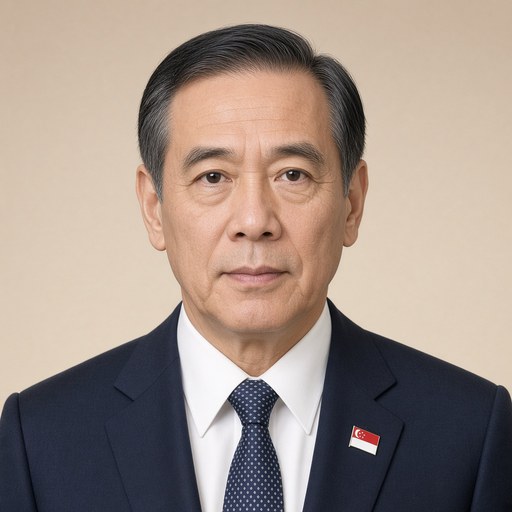
- Lee Hsien Loong delivered Singapore's National Day Rally 2008 address, focusing on economic hardships and Malay/Muslim community development initiatives.
- Main themes
- Economic challenges and inflation, cost of living relief, financial management for families, dysfunctional families and community welfare, Malay/Muslim community development, mosque building and enhancement program, Mendaki and MBMF funding, religious education and madrasah reform, community self-help initiatives, PPIS and women's contributions
- Duration
- ~10 min
- Words
- 1,237
- Sentences
- 91
- Readability
- 52
- Grade
- 9.4
- Syntax
- 2.75
- Vocabulary
- 2.29
Translated from Malay
The broad sphere of national life a sentence belongs to. Every sentence has an Arena, so it is the denominator the other indices are read against.
Other91 sentences in 23 paragraphs
National Day Rally 2008
After several years of growth, this year our economy faces more challenges. The economy of the United States is experiencing serious problems, and this affects the whole world. These difficulties are expected to continue at least into next year. Our economy is expected to be sluggish, but I am confident that we will weather this storm.
One major concern of the people of Singapore is rising inflation. Around the world, the prices of energy and food have skyrocketed. In Singapore too, the prices of many goods have increased. The people of Singapore are feeling the pinch. The higher cost of living affects especially the low-wage earners, including Malay/Muslim families.
The government is doing its utmost to alleviate the burden on the people of Singapore. We have distributed significant assistance in this year's Budget. Almost every family has received a share, but the needy and the elderly have received the most. The assistance received is sufficient to cover the rise in the prices of goods.
You can help yourselves. Spend wisely, and buy supermarket brands (or house brands), not well-known branded goods that are indeed more expensive. Every family should also save and be disciplined in financial matters. As the saying goes: "Think before you act, save before you run out."
I spoke about this a few months ago, and I am pleased that the Malay/Muslim community has responded constructively. For example, many families have joined the "Managing Your Finances" program organized by the CDC or the Community Development Council. It has helped them plan their finances, control their spending, and reduce their debts. These families feel less stressed because they know how to handle financial problems.
However, during these tough times, I am very concerned about dysfunctional families, especially the future of their children. The Malay/Muslim community is working hard to address this issue. Last month, I attended the anniversary dinner of PPIS (or the Singapore Muslim Women's Association). I was impressed to see so many educated, career-oriented, and family-oriented Malay/Muslim women who are still actively contributing to PPIS. They are the new generation of contributors. They organize programs for single mothers and run family service centers. This is an example of successful Malay/Muslims stepping up to serve the community.
Addressing the issue of dysfunctional families is a long-term effort. Mendaki is working together with Malay/Muslim organizations, through the Community Leaders Forum, to mobilize the entire community. The government strongly supports this effort. The Malay/Muslim community must also lend your support. For this purpose, we should allocate more resources through Mendaki, from the MBMF (or Mosque Building and Mendaki Fund). In this way, we can achieve more progress.
In addition to providing funding to Mendaki, the MBMF also supports mosque building programs. This is a very successful community initiative. For 30 years, through the MBMF, the Malay/Muslim community has built new, modern mosques, one after another, throughout Singapore. A total of 22 mosques have been built, and the 23rd mosque, Al-Mawaddah Mosque in Sengkang, will be completed this year. Many visitors from neighboring countries have visited and admired our mosques, including the way they are managed. This is certainly an honor for our Malay/Muslim community.
Now, the mosque building program is nearly complete. The question is, what will we do next? I propose that we start a new program: a mosque enhancement program.
The mosques built earlier are showing signs of aging. I remember about 25 years ago, before I entered politics. At that time, I was driving. I had just returned from Johor Bahru, and for the first time saw An-Nur Mosque in Woodlands. It was so beautiful with its blue minaret. I immediately thought, "Wow, this mosque is beautiful." Older folks may still remember, An-Nur Mosque was built in 1980. It was among the first six "new generation" mosques developed under the Mosque Building Fund. Today, it is still beautiful, but I have also visited An-Nahdhah Mosque in Bishan with its Harmony Centre. I have also seen the design of Al-Mawaddah Mosque, which is very attractive. Both of these mosques have their own uniqueness. They have "oomph."
Clearly, our old mosques need a new lease of life. This can be done by renovating and upgrading the facilities of these old mosques. For example, we can provide activity rooms for the youth and build lifts and ramps for elderly congregants. As a result, the community will be able to benefit from mosques that have modern facilities, meeting the various needs of the modern Muslim community.
Our mosque building and enhancement program needs to be complemented with good religious education. Last year, three full-time madrasahs (Aljunied, Al-Irsyad, and Al-Arabiah) merged to form the Joint Madrasah System (JMS). They will work together with MUIS to enrich and elevate the quality of madrasah education. However, to do this, the three madrasahs need more resources. They plan to raise funds and have already sought support from MUIS.
The government has considered this carefully. Madrasahs are not part of the national school system, so it is difficult for the government to fund madrasahs. However, it would be good if we could mobilize broader support from the Malay/Muslim community. We can consider the possibility of using part of the MBMF funds for religious education, including initiatives like JMS.
I have touched on three main initiatives for the Malay/Muslim community:
First, expanding Mendaki's efforts to help dysfunctional families; Second, launching a mosque enhancement program; and Third, funding religious education through the MBMF.
To implement this, we need to raise the contribution rate of workers to the MBMF. But at the same time, we must ensure that the rate is affordable, especially for low-wage workers.
I have discussed these ideas with Minister Yaacob Ibrahim and the Malay Members of Parliament. They have sought the views of community leaders and have received support for these ideas. Dr. Yaacob will outline the details and announce specific proposals this week.
In making these adjustments to the MBMF and religious education, we must remember about Singapore's multiracial and multireligious society. While we maintain our traditions and practice our respective faiths, we must also strengthen our bonds as a nation. This is how we can maintain the unity and harmony of society. We must appreciate this achievement and nurture it as if it were precious oil.
Therefore, as the Malay/Muslim community enhances mosque facilities, you should continue to participate in other grassroots activities. Mosques should also organize joint activities with other community organizations.
A good example is the Rahmatan Lil Alamin event that I attended at Al-Iman Mosque in Bukit Panjang recently. The event held a blood donation drive and provided meals for the needy regardless of race or religion. The dishes were cooked by volunteers from all the mosques in Singapore. I did not donate blood, but I was fortunate to enjoy some truly delicious biryani.
Equally important, as the Malay/Muslim community enhances madrasah education, you should allocate resources to improve English, mathematics, and science learning. In this way, the Malay/Muslim community will continue to achieve economic and social progress, ensuring a brighter future for the next generation.
The Malay/Muslim community is building a progressive and well-integrated Excellent Society with other communities. The spirit of the Malay/Muslim community is strong, united, and confident. With the full support of the government, let us continue our efforts to improve what we have achieved and forge greater success for the Malay/Muslim community and Singapore as a whole.
The original Malay. The tags above are read on the English translation's sentences.
Rapat Umum Hari Kebangsaan 2008
Selepas beberapa tahun berkembang, tahun ini ekonomi kita hadapi lebih banyak cabaran. Ekonomi Amerika Syarikat mengalami masalah serius dan ini menjejas seluruh dunia. Kesukaran ini dijangka berterusan sekurang-kurangnya ke tahun depan. Ekonomi kita dijangka lembap, tetapi saya yakin kita akan berjaya harungi badai ini.
Satu kebimbangan besar rakyat Singapura adalah inflasi yang meningkat. Di merata dunia, harga sumber tenaga dan makanan telah melambung tinggi. Di Singapura pun, harga banyak barang telah naik. Rakyat Singapura berasa keperitannya. Kos sara hidup yang lebih tinggi menjejas lebih-lebih lagi golongan bergaji rendah, termasuk keluarga Melayu/Islam.
Pemerintah berusaha sedaya upaya untuk meringankan beban ke atas rakyat Singapura. Kita telah mengagihkan bantuan yang besar dalam Belanjawan tahun ini. Hampir setiap keluarga dapat habuan, tetapi golongan susah dan warga tua mendapat agihan terbanyak. Bantuan yang diterima cukup untuk menampung kenaikan harga barang.
Anda boleh membantu diri sendiri. Berbelanjalah dengan bijak, dan belilah barangan berjenama pasaraya (atau house brands), bukan barangan berjenama terkenal yang sememangnya lebih mahal. Setiap keluarga juga harus berjimat dan berdisiplin dalam hal-hal kewangan. Bak kata peribahasa: Ingat sebelum kena, jimat sebelum habis.
Saya telah bercakap tentang perkara ini beberapa bulan lalu, dan saya gembira masyarakat Melayu/Islam telah memberi respons yang membina. Misalnya, banyak keluarga telah menyertai program "Mengurus Kewangan Anda" (Talking Dollars And Sense) anjuran CDC atau Majlis Pembangunan Masyarakat. Ia telah membantu mereka merancang kewangan, mengawal perbelanjaan dan mengurangkan hutang mereka. Keluarga-keluarga ini kurang berasa tertekan sebab mereka tahu cara menangani masalah kewangan.
Namun pada masa-masa sukar ini saya sangat khuatir tentang keluarga pincang, terutama sekali masa depan anak-anak mereka. Masyarakat Melayu/Islam sedang bekerja keras untuk mengatasi masalah ini. Pada bulan lalu, saya telah hadiri jamuan ulang tahun PPIS (atau Persatuan Pemudi Islam Singapura). Saya kagum melihat begitu ramai kaum wanita Melayu/Islam yang berpendidikan, berkerjaya dan berkeluarga tetapi masih aktif menyumbang kepada PPIS. Mereka adalah karyawan generasi baru. Mereka menganjurkan program bagi ibu tunggal dan mengendalikan pusat-pusat khidmat keluarga. Ini suatu contoh golongan Melayu/Islam berjaya yang tampil berkhidmat kepada masyarakat.
Menangani masalah keluarga pincang adalah satu usaha jangka panjang. Mendaki sedang bekerjasama dengan badan-badan Melayu/Islam, menerusi Forum Pemimpin Masyarakat, untuk menggembleng seluruh masyarakat. Pemerintah menyokong kuat usaha ini. Masyarakat Melayu/Islam juga harus beri sokongan anda. Untuk tujuan ini, kita harus peruntukkan lebih banyak sumber menerusi Mendaki, dari MBMF (atau Dana Pembinaan Masjid dan Mendaki). Dengan cara ini, kita boleh mencapai lebih banyak kemajuan.
Selain memberi dana kepada Mendaki, MBMF juga menyokong program pembinaan masjid. Ini adalah satu inisiatif masyarakat yang amat berjaya sekali. Selama 30 tahun, menerusi MBMF, masyarakat Melayu/Islam telah membina masjid-masjid baru serba moden, satu demi satu, di seluruh Singapura. Sebanyak 22 buah masjid telah dibina, dan masjid yang ke-23, Masjid Al-Mawaddah di Sengkang, akan siap tahun ini. Ramai pelawat dari negara-negara jiran telah kunjungi dan kagumi masjid-masjid kita, termasuk cara ia ditadbir. Tentu sekali ini satu penghormatan kepada masyarakat Melayu/Islam kita.
Sekarang, program pembinaan masjid hampir selesai. Soalnya, ialah apa yang akan kita lakukan selanjutnya? Saya cadangkan kita mulakan satu program baru: iaitu program peningkatan masjid.
Masjid-masjid yang dibina lebih awal telah menunjukkan tanda-tanda usang. Saya ingat lagi sekitar 25 tahun lalu, sebelum saya masuk politik. Ketika itu, saya sedang memandu. Saya baru pulang dari Johor Baru, dan pertama kali melihat Masjid An-Nur di Woodlands. Ia begitu indah dengan menara birunya. Terus saya terfikir, "Wah, cantiknya masjid ini." Orang-orang lama mungkin masih ingat, Masjid An-Nur dibina pada tahun 1980. Ia adalah antara enam masjid "generasi baru" pertama yang dibangunkan di bawah Dana Pembinaan Masjid. Hari ini, memang ia masih indah tetapi saya juga telah berkunjung ke Masjid An-Nahdhah di Bishan dengan Pusat Harmoninya. Saya juga telah melihat reka bentuk Masjid Al-Mawaddah yang begitu menarik. Kedua-dua masjid ini ada keistimewaan tersendiri. Mereka ada "oomph".
Ternyata, masjid-masjid lama kita memerlukan nafas baru. Ini boleh dilakukan dengan membaik-pulih dan menambah kemudahan masjid-masjid lama ini. Misalnya, kita boleh sediakan bilik-bilik kegiatan untuk belia serta membina lif dan tanjakan (atau ramp) untuk jemaah warga emas. Hasilnya, masyarakat akan dapat memanfaatkan masjid-masjid yang mempunyai kemudahan terkini, dan memenuhi pelbagai keperluan masyarakat Islam moden.
Program pembinaan dan peningkatan masjid kita perlu dilengkapkan dengan pendidikan agama yang baik. Tahun lalu, tiga madrasah sepenuh masa (Aljunied, Al-Irsyad dan Al-Arabiah) telah bergabung membentuk Sistem Madrasah Bersama (JMS). Mereka akan bekerjasama dengan MUIS untuk memperkaya dan meninggikan mutu pendidikan madrasah. Tetapi untuk melakukan ini, ketiga-tiga madrasah memerlukan lebih banyak sumber. Mereka bercadang untuk mengumpul dana dan telahpun meminta sokongan MUIS.
Pemerintah telah menimbangkannya dengan teliti. Madrasah bukanlah sebahagian daripada sistem sekolah negara, jadi sukar untuk pemerintah membiayai madrasah. Bagaimanapun, ada baiknya jika kita dapat menggembleng sokongan masyarakat Melayu/Islam yang lebih luas. Kita boleh timbangkan kemungkinan menggunakan sebahagian daripada dana MBMF untuk pendidikan agama, termasuk inisiatif seperti JMS.
Saya telah sentuh tiga inisiatif utama bagi masyarakat Melayu/ Islam:
Pertama , memperluas usaha Mendaki membantu keluarga pincang; Kedua , melancarkan program peningkatan masjid; dan Ketiga , membiayai pendidikan agama menerusi MBMF.
Untuk melaksanakannya, kita perlu menaikkan kadar sumbangan pekerja kepada MBMF. Tetapi pada masa yang sama, kita pastikan kadarnya adalah termampu, terutama sekali bagi pekerja yang bergaji rendah.
Saya telah bincangkan idea-idea ini dengan Menteri Yaacob Ibrahim, dan para Anggota Parlimen Melayu. Mereka telah merisik-risik pandangan para pemimpin masyarakat dan telah menerima sokongan bagi idea-idea ini. Dr Yaacob akan melakarkan butir-butirnya dan mengumumkan cadangan-cadangan khusus, minggu ini.
Dalam melakukan penyesuaian ini ke atas MBMF dan pendidikan agama, kita harus ingat tentang masyarakat berbilang kaum dan berbilang agama Singapura. Sedang kita mengekalkan tradisi dan mengamalkan kepercayaan agama masing-masing, kita juga harus kukuhkan ikatan kita sebagai sebuah negara. Inilah cara bagaimana kita dapat kekalkan perpaduan dan keharmonian masyarakat. Kita harus hargai pencapaian ini dan menatangnya bagai minyak yang penuh.
Oleh itu, sedang masyarakat Melayu/Islam meningkatkan kemudahan masjid, anda harus terus sertai kegiatan akar umbi yang lain. Masjid-masjid juga harus menganjurkan kegiatan bersama dengan pertubuhan masyarakat yang lain.
Satu contoh yang baik ialah acara Rahmatan Lil Alamin yang saya hadiri di Masjid Al-Iman di Bukit Panjang baru-baru ini. Acara itu mengadakan derma darah dan menjamu golongan susah tidak kira bangsa atau agama. Juadahnya dimasak sendiri oleh sukarelawan dari semua masjid di Singapura. Saya tidak menderma darah tetapi saya beruntung dapat makan nasi beriani yang sungguh lazat.
Tidak kurang pentingnya, sedang masyarakat Melayu/Islam meningkatkan pendidikan madrasah, anda harus peruntukkan sumber bagi membaiki pembelajaran bahasa Inggeris, matematik dan sains. Dengan cara ini, masyarakat Melayu/Islam akan terus mencapai kemajuan ekonomi dan sosial, demi memastikan masa depan yang lebih cerah untuk generasi akan datang.
Masyarakat Melayu/Islam sedang membina sebuah Masyarakat Cemerlang yang progresif dan tergabung baik dengan masyarakat lain. Semangat masyarakat Melayu/Islam adalah kental, bersatu dan yakin. Dengan sokongan penuh daripada Pemerintah, marilah kita teruskan usaha untuk membaiki apa yang kita telah capai, dan menempa kejayaan yang lebih besar untuk masyarakat Melayu/Islam dan juga Singapura.